Do Betta Fish Need A Filtered Tank: Smart Care Guide
Yes. Bettas do best with gentle filtration that keeps water clean and stable.
If you are wondering do betta fish need a filtered tank, you are in the right place. I keep and troubleshoot betta setups for hobbyists, and I’ve tested both filtered and unfiltered tanks for years. In this guide, I break down what actually works, the science behind it, and the easy steps to build a calm, filtered home your betta will love. Expect clear answers, real examples, and simple tips you can use today.

What makes bettas different, and why the myth persists
Bettas have a special organ called a labyrinth that lets them breathe air. This is why many people keep them in bowls and small jars. The myth says they do not need a filter because they can breathe from the surface.
Here is the truth. The labyrinth organ helps with oxygen, not with toxins. Ammonia from fish waste and food still builds up. Beneficial bacteria in a filter turn ammonia into safer forms. That is the core reason people ask do betta fish need a filtered tank. The real risk is not air. It is water quality.
A calm, low-flow filter helps in three ways:
- It runs biofiltration that removes toxic ammonia and nitrite.
- It gives steady oxygen exchange without harsh current.
- It keeps the water clear and stable between water changes.
In small, warm tanks, waste builds fast. A filter gives you a buffer. It lowers stress, fin damage, and disease risk.

Do betta fish need a filtered tank? The science
If you ask do betta fish need a filtered tank, the science points to yes for long-term health. Fish release ammonia. In a natural pond, plants, bacteria, and flow handle it. In a home tank, a filter is the heart of that process.
A cycled filter grows bacteria that convert ammonia to nitrite, then to nitrate. Ammonia and nitrite should be 0 ppm. Nitrate should stay under 20 to 40 ppm. Without a filter, these numbers swing. Swings cause stress, clamped fins, and infections.
This is why do betta fish need a filtered tank is more than a slogan. It is risk control. A filter makes your water tests predictable. It keeps the biofilm alive. It protects your betta during small mistakes, like a missed water change or a tiny overfeed.
I rely on data, not hype. Warm water at 78 to 80°F boosts metabolism. That means more waste. A gentle filter keeps up with that pace.
Choosing the right filter for a betta
Many folks ask do betta fish need a filtered tank when they fear strong flow. Good news: you can pick filters that move water softly.
Best options for bettas:
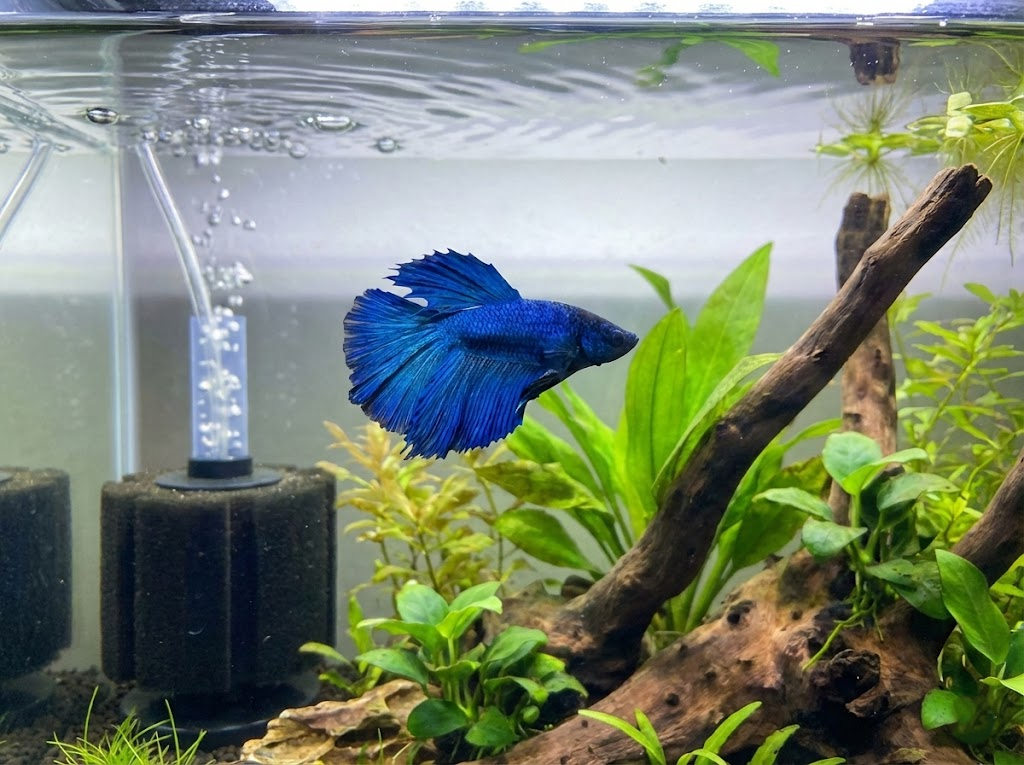
- Sponge filter. Cheap, quiet, and perfect for gentle flow. Run with a small air pump and control the bubbles with a valve.
- Small internal filter. Choose one with a flow control. Aim the outlet at the glass to slow it.
- Hang-on-back filter with a baffle. Set the flow low. Add a prefilter sponge on the intake and a baffle on the output to cut current.
What to look for:
- Adjustable flow so your betta is not blown around.
- Room for bio media so bacteria can thrive.
- Easy cleaning so you do not skip upkeep.
Avoid strong powerheads and high GPH units in tiny tanks. Your betta should cruise, not fight a treadmill.

Setting up and cycling a filtered betta tank
Do betta fish need a filtered tank if you change water often? Cycling shows why the answer is still yes. A cycled filter handles toxins 24/7.
Simple cycling steps:
- Add a bottled ammonia source or fish food to feed bacteria.
- Run the filter and heater at 78 to 80°F.
- Test every few days for ammonia, nitrite, and nitrate.
- Wait until ammonia and nitrite read 0 ppm and nitrate rises.
- Do a large water change to reduce nitrate before adding your betta.
Tips to speed it up:
- Seed the filter with media or gravel from a healthy tank.
- Use a quality bacterial starter.
- Keep pH stable between 6.5 and 7.5.
Expect 2 to 4 weeks for a full cycle. Be patient. That patience pays off with fewer health issues later.
:strip_icc()/GettyImages-1147943051-736f30b660c04af5bacddca1c21e906b.jpg)
Maintenance schedule and water parameters
Even with a filter, you still do upkeep. The filter makes that upkeep lighter and safer.
Weekly tasks:
- Test water for ammonia, nitrite, nitrate, and pH.
- Change 25 to 40% of the water, depending on nitrate levels.
- Gently squeeze sponge media in old tank water if flow drops.
Monthly checks:
- Wipe algae from glass and trim plants.
- Inspect the impeller or air pump.
- Replace chemical media only as needed.
Target parameters:
- Ammonia 0 ppm
- Nitrite 0 ppm
- Nitrate under 20 to 40 ppm
- Temperature 78 to 80°F
- pH 6.5 to 7.5
A filter helps hold these numbers steady. That is the main reason do betta fish need a filtered tank in the first place.
Special cases: When a filter may be optional
Let’s be fair. Are there cases where a filter is not used? Yes, but the bar is high.
This can work without a filter:
- A large, heavily planted tank with soil, many fast growers, and a light fish load.
- Daily small water changes and careful feeding.
- Mature biofilm on every surface and strong light for plant uptake.
Even then, do betta fish need a filtered tank is still the safer play for most people. Life happens. Travel happens. A filter gives a cushion when routine slips for a week.

Common mistakes and how to fix them
I see the same errors again and again. Here is how to avoid them.
- Flow too strong. Add a prefilter sponge and a baffle. Point the outlet at glass or decor.
- Overcleaning media. Do not rinse bio media under tap water. Use tank water so bacteria live.
- Skipping the cycle. Add a bacterial starter and test. Wait for ammonia and nitrite to hit zero.
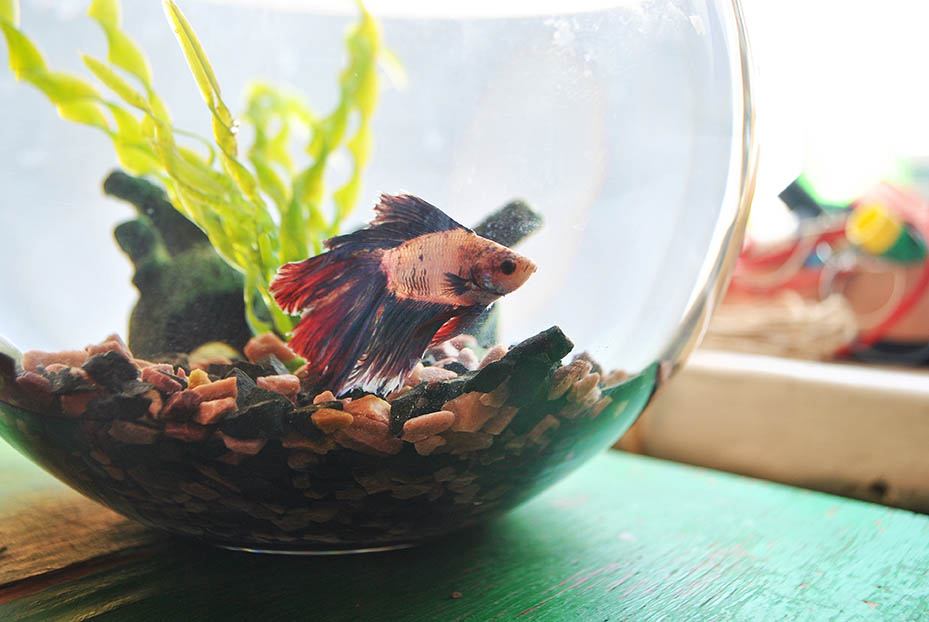
- Tiny bowls. Go for at least 5 gallons with a gentle filter and a heater.
- Overfeeding. Feed small meals. Remove uneaten food to cut ammonia spikes.
These fixes are simple and make the case for why do betta fish need a filtered tank to thrive.

My experience: Filtered vs unfiltered betta setups
Over the years, I have run both styles. My unfiltered tests needed strict daily changes. Miss one day and the betta showed stress. Fins clamped. Appetite dropped. Water tests swung fast.
In filtered tanks, behavior stayed calm and bright. Fins healed faster after mild tears. I could travel for a weekend and come back to stable tests. That is why, when people ask do betta fish need a filtered tank, I point to lived results. Filters do not replace care. They make care forgiving.

Cost, noise, and aesthetics
Many worry about price, buzz, and how the tank looks. You can solve all three.
- Budget. A sponge filter, air pump, and valve often cost less than a big decor item.
- Noise. Use a soft silicone airline, add a check valve, and rest the pump on foam.
- Looks. Hide the sponge behind plants or rock. It fades into the scape.
Given these small tweaks, do betta fish need a filtered tank becomes an easy yes. You get safety, not clutter.
Frequently Asked Questions of do betta fish need a filtered tank
Can a betta live in a bowl without a filter?
Yes, but it is risky and demands strict daily water changes. A filter offers stable biofiltration and lowers the chance of ammonia spikes.
What size tank is best for a betta with a filter?
Aim for at least 5 gallons with a heater and gentle filtration. The extra water volume keeps parameters steady and gives room to explore.
How do I reduce filter current for my betta?
Add a prefilter sponge, turn the flow down, and aim the output at glass or decor. Your betta should glide, not struggle.
Do live plants replace a filter for bettas?
Plants help a lot but do not fully replace biofiltration in most homes. A filter and plants together make a stable, low-stress system.
How often should I clean the filter in a betta tank?
Rinse sponge or bio media in removed tank water only when flow drops. Do not overclean or replace all media at once, or you lose bacteria.
Conclusion
Bettas are hardy, but they still live in water that changes fast in small tanks. A calm, cycled filter gives steady biofiltration, fewer toxins, and less stress. It is the simplest way to build a safe, healthy home.
If you have been asking do betta fish need a filtered tank, you now know the answer and the steps to do it right. Choose a gentle filter, cycle it, test weekly, and enjoy your fish at their best. Ready to set up your betta the smart way? Share your questions, subscribe for more care guides, and start building your stable, filtered tank today.