How To Set Up A Pole For Fishing: Step-By-Step 2026
Attach reel, thread line, add stopper, tie rig, bait, cast confidently.
If you want to learn how to set up a pole for fishing the right way, you are in the right spot. I have rigged rods on riverbanks, docks, and windy piers for years. I will show you clear steps, common rigs, and tips I use daily. Follow along and you will know how to set up a pole for fishing with speed and confidence.
Know your pole and gear before you rig
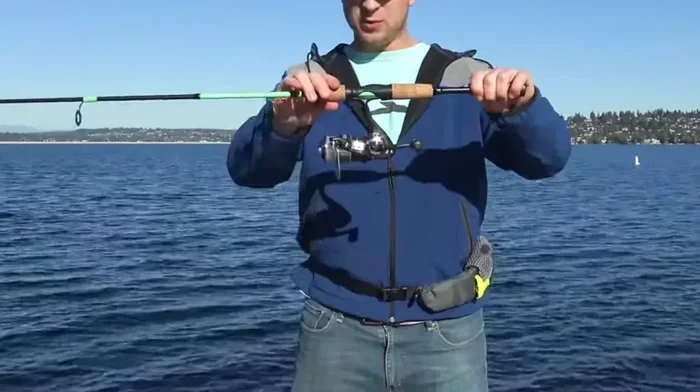
A fishing pole is a rod and a reel working as one tool. The rod bends and casts. The reel holds and feeds line. The line connects to your bait, lure, or hook.
Pick a rod that fits your plan. Power is how stiff it is. Action is where it bends. A light, fast rod is great for panfish and trout. A medium or medium heavy rod suits bass and catfish.
Choose a reel you can trust. Spinning reels are easy to learn. Spincast reels have a push button and are very simple. Baitcasters give control but need practice to avoid backlash.
Select the right line. Monofilament is cheap and forgiving. Fluorocarbon is clear and sinks. Braid is strong and thin. For beginners, mono is best to learn how to set up a pole for fishing without stress.
Quick gear checklist:
- Rod and reel that match
- Line, 6 to 12 lb mono for most ponds and lakes
- Hooks in sizes 6 to 2 for common fish
- Split shot sinkers and a few swivels
- Bobbers, fixed and slip styles
- Pliers, clippers, and a small tackle box
If you learn how to set up a pole for fishing with this simple kit, you can fish almost anywhere.

Step-by-step: how to set up a pole for fishing
Use these steps to build a clean, strong setup. I use this flow when I rig for family and new anglers.
- Seat the reel. Fit the reel foot into the reel seat. Tighten the hood until snug.
- Spool the line. Open the bail on a spinning reel. Thread the line to the spool. Tie an arbor knot. Close the bail and add line with slow turns. Keep slight tension with your fingers. Fill to about 1 eighth of an inch from the lip.
- Thread the guides. Run the line through every guide, from the big one to the tip. Check for line twist or snags.
- Add a bobber stop if you want a slip bobber. Slide the stop on first, then the small bead. Skip this if you plan to fish without a float.
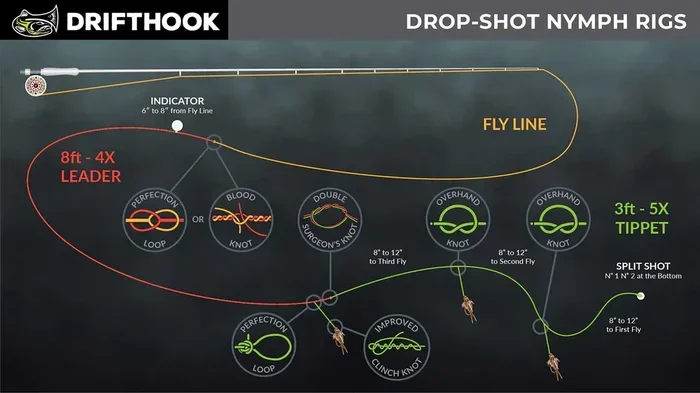
- Add a weight. Pinch on one or two split shots 12 to 18 inches above where the hook will be. For rivers, use more weight. For ponds, use less.
- Tie a swivel if you want fewer tangles. A small barrel swivel helps stop line twist. Tie with an improved clinch knot.
- Add a leader. Use 12 to 24 inches of lighter line to the other end of the swivel. Fluoro helps in clear water.
- Tie on a hook or lure. Use a size that fits your bait. Size 8 to 6 for worms and panfish. Size 2 to 1 for bass and catfish baits.
- Check the drag. Pull line from the tip. It should slip on a hard pull. Tighten or loosen until it gives before the line breaks.
- Set bobber depth if using a slip bobber. Slide the stop to match the depth you want to fish. Start at mid depth and adjust.
- Bait up. Thread a worm, corn, or soft plastic straight on the hook. Keep points sharp and clear.
- Test cast. Make a short cast. Watch for loops on the spool. If you see twist, let the line hang in the water and reel under tension.
This is the core of how to set up a pole for fishing. Keep it simple, and you will spend more time catching than fixing.
Pro tips:
- Wet your knots before you pull them tight.
- Trim tag ends close, but not flush.
- For kids, use a fixed bobber to keep the bait off the bottom.
- If wind is strong, use a heavier float or weight.
Knots made easy for a strong setup
Your setup is only as strong as your knots. I teach new anglers three knots. These cover almost every need.
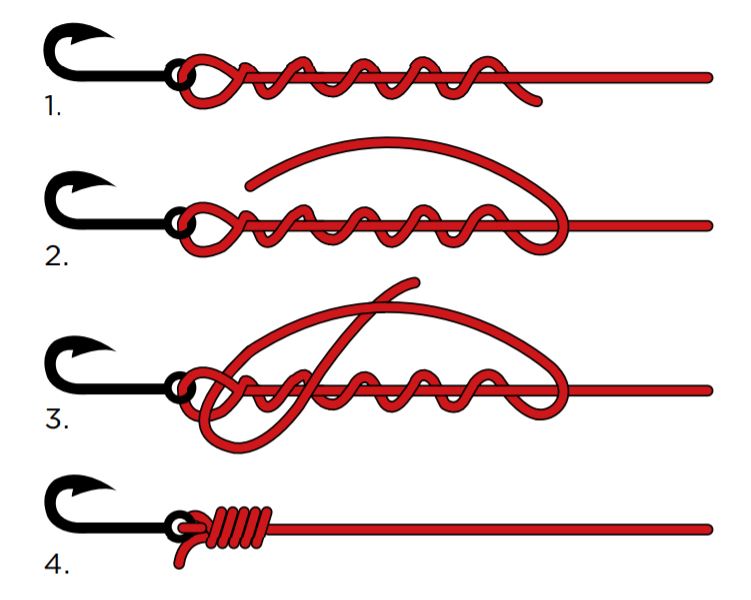
Improved clinch knot:
- Pass the line through the eye and wrap 5 to 7 times.
- Feed the tag end through the small loop near the eye, then back through the big loop.
- Wet and pull tight. Trim the tag.
Palomar knot:
- Double 6 inches of line and pass the loop through the eye.
- Tie a simple overhand knot with the doubled line.
- Pass the lure or hook through the big loop. Wet and pull both lines.
Uni knot:
- Pass the line through the eye. Make a loop and wrap the tag around both lines 4 to 6 times.
- Wet and pull the tag to snug, then slide down to the eye. Tighten.
Practice these at home. A good knot is key to how to set up a pole for fishing that does not fail at the bank.

Rigs, baits, and setups for common waters
Still water panfish:
- Slip bobber, small split shot, size 8 hook, worm or corn.
- Set depth so bait hangs one foot above weeds.
Bass from shore:
- Texas rig with a 3 to 4 inch soft plastic. Use a 2 or 3 offset hook. Add a light bullet weight.
- Or try a weightless wacky worm for slow falls.
Trout in streams:
- Small inline spinner, tied direct with a snap or clinch knot.
- Or a split shot and a single egg or worm drifted near the bottom.
Catfish at night:
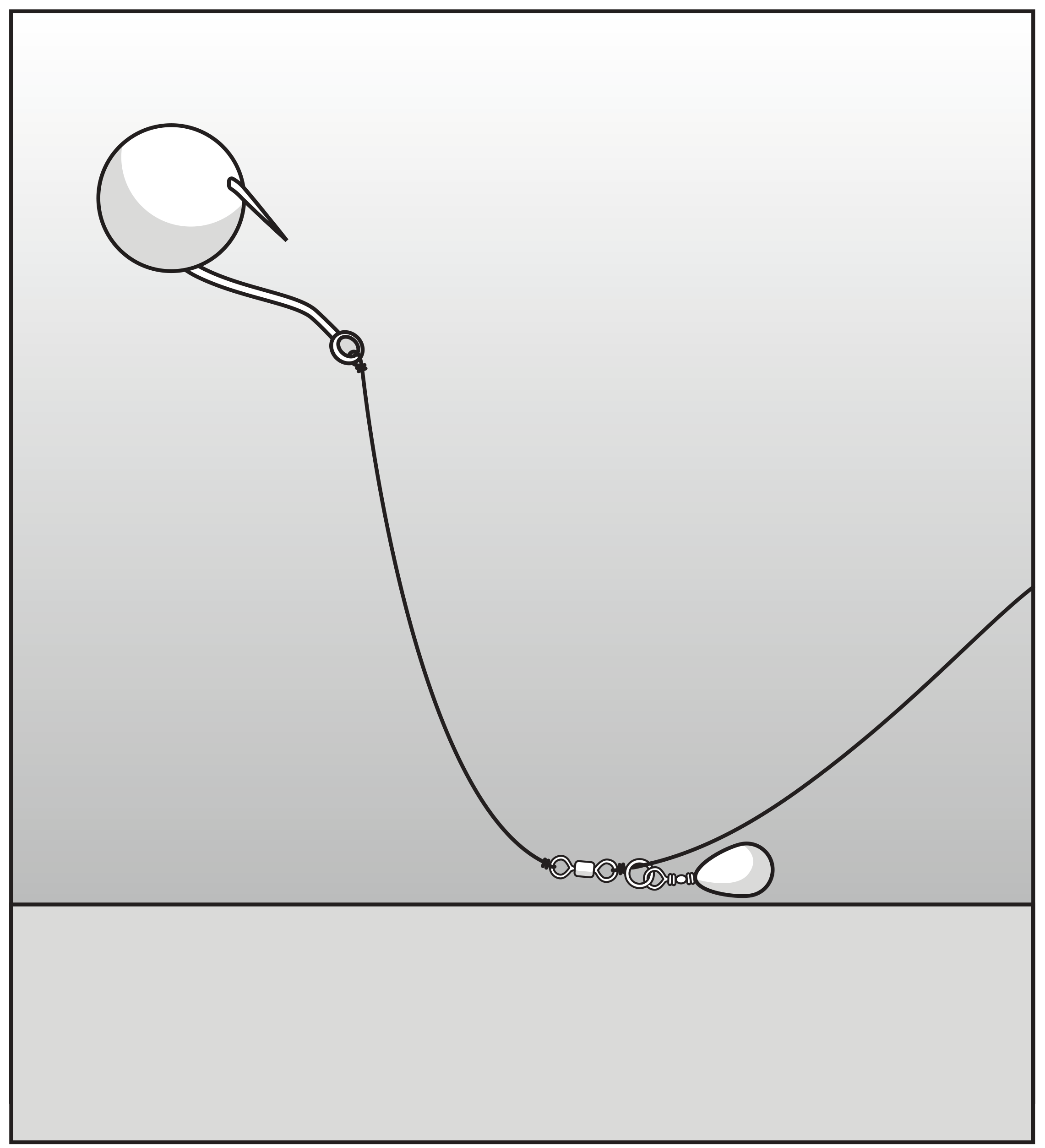
- Slip sinker rig. Weight on main line, then a bead, then a swivel. Add an 18 inch leader and size 1 hook. Use cut bait or stink bait.
Saltwater pier:
- Carolina rig with a 1 ounce egg sinker, barrel swivel, 24 inch leader, size 1 to 2 hook. Shrimp or squid.
- For baitfish, a sabiki rig with small hooks and a sinker at the end.
Match the rig to the fish and water. That is a big part of how to set up a pole for fishing with purpose. Start light, then add weight if your bait drifts too fast or will not sink.

Tuning, safety, and local rules
Safety first. Wear glasses when you tie and cast. Keep hooks covered when you move. Pinch barbs if rules ask for it. Give other anglers space.
Check your license and local rules. Seasons, limits, and bait rules can change. Use a small tape or ruler to measure fish fast. If you release, wet your hands, keep the fish in the water, and remove hooks with pliers.
Care for your gear. Rinse with fresh water after salt use. Back off reel drag when you store. Replace line if it looks cloudy or frayed.
These steps build trust in your setup and in your habits. They also shape how to set up a pole for fishing that stays legal, safe, and kind to the water.
Troubleshooting and mistakes to avoid
Line twist and loops:
- Close the bail by hand after the cast. Keep slight tension as you start to reel.
- If twist appears, drag an empty line behind a slow walk or boat for one minute, then reel in with tension.
Backlash on baitcasters:
- Set the spool tension so the lure drops slow. Use more brake at first.
- Thumb the spool as the lure lands.
Knots slipping:
- Use enough wraps. Wet the knot. Pull steady, not fast.
- If you use braid, add two extra wraps or tie a Palomar.
Missed bites:
- Drop bobber depth if bait is too high. Sharpen or change hooks.
- Watch the line. Many bites show as small ticks.
Personal note: I once taught my nephew how to set up a pole for fishing on a windy pier. We had bird’s nests all day. We fixed it by switching to spinning reels, adding a bit more weight, and closing the bail by hand. The next day he landed his first keeper.

Frequently Asked Questions
What line pound test should I use?
Use 4 to 6 lb for trout and panfish, 8 to 12 lb for bass and walleye, and 15 lb or more for catfish. If using braid, add a mono or fluoro leader.
How long should my fishing leader be?
A leader of 12 to 24 inches works for most rigs. Go longer in clear water or when fish are wary.
Do I need a swivel in my setup?
A small barrel swivel helps reduce line twist with spinners or live bait. It also makes leader changes fast.
What is the best knot for beginners?
The improved clinch knot is simple and strong for hooks and swivels. The Palomar is great for braid and lures.
How do I pick hook size for bait?
Match hook size to bait and fish mouth. Small worms need size 8 to 6. Bigger baits for bass or catfish need size 2 to 1.
Can I learn how to set up a pole for fishing without a mentor?
Yes. Follow the steps here, practice knots at home, and start at a pond. Take your time and adjust one thing at a time.
Should I use a bobber or fish on the bottom?
Use a bobber for shallow fish or when you want to see bites. Fish on the bottom for catfish or in cold water.
Conclusion
You now know how to set up a pole for fishing from start to cast. You learned the parts, the knots, the rigs, and the small checks that prevent headaches. Keep your steps simple, make clean knots, and match your rig to the fish.
Set up one rod tonight and test cast in the yard. Then hit the water with a plan. If this helped, share it with a friend, subscribe for more how to set up a pole for fishing tips, and leave a comment with your best catch story.