How To Join A Fishing Club: Easy Steps To Get Started
Joining a fishing club is one of the easiest ways to learn local waters, meet helpful anglers, and fish more often without buying every piece of gear alone. Most clubs welcome beginners, families, fly anglers, bass fishermen, kayak anglers, and people who simply want to spend more time outdoors.
A good fishing club can help you find safe places to fish, understand local rules, choose a rod and reel, and build skills through trips or friendly events. The right club should fit your budget, target species, travel range, and preferred style of fishing. You do not need expert skills, a boat, or expensive tackle to join.
The fastest way to join a fishing club
The best way to join a fishing club is to search for local groups through state wildlife agencies, tackle shops, fishing forums, community centers, Facebook groups, and national organizations. Read the club rules, attend a public meeting or event, ask about dues and activities, and submit a membership form if the group fits your needs.
You may need a valid fishing license to take part in fishing trips, but a license is usually separate from club membership. Always check the club’s current rules and your state wildlife agency’s regulations before fishing.

What a fishing club does for its members
A fishing club brings anglers together around shared waters, species, and outdoor activities. Some clubs focus on bass tournaments, while others center on trout, fly fishing, saltwater species, ice fishing, youth education, conservation, or general recreational fishing.
Many clubs meet once a month. A meeting may include a guest speaker, a short lesson, trip planning, a gear swap, or a discussion about lake conditions. Some clubs also organize fishing trips, casting practice, cleanup days, charity events, and friendly competitions.
Fishing clubs vary a lot. One may feel like a relaxed group of neighbors. Another may have formal tournaments, entry fees, weigh-in rules, and a busy event calendar. Ask questions before joining so you know what to expect.
Common fishing club activities
A club may offer some or all of these activities:
- Local lake, river, pier, or surf fishing trips
- Bass, trout, catfish, walleye, or panfish events
- Fly-casting and fly-tying lessons
- Boating and kayak fishing outings
- Ice fishing trips
- Youth fishing days
- Rod-building or lure-making workshops
- Tackle swaps and used gear sales
- Fish habitat projects
- Shoreline cleanups
- Conservation talks
- Guest presentations from guides or fisheries staff

The best club for a beginner is often one that offers learning events and casual outings. Experienced anglers may prefer a club with tournaments, advanced seminars, or access to members who fish the same water and target the same species.
Where to find a local fishing club
You can find fishing clubs through both online and in-person sources. Start close to home because a club that meets 20 minutes away is easier to use than one that requires a long drive.
Search for phrases such as:
- Fishing clubs near me
- Bass fishing club near me
- Trout fishing club in [your state]
- Fly fishing club in [your city]
- Saltwater fishing club near me
- Kayak fishing club in [your region]
- Youth fishing club
- Women’s fishing club
- Ice fishing club near me
State wildlife agencies
Your state’s fish and wildlife agency is one of the most reliable places to look. Many agencies list conservation groups, fishing clubs, angler education programs, and organized events.
These agencies may also connect you with local chapters of national groups. Their websites often include fishing regulations, license information, public access maps, stocking reports, and boating rules. This information helps you judge whether a club’s fishing style matches the waters near you.

Local tackle shops
A local tackle shop is often the best offline resource. Shop owners and staff hear about club meetings, tournaments, guide events, and informal fishing groups.
Ask a simple question: “Which local fishing clubs welcome new members?” Then ask whether the club focuses on bass, trout, saltwater fishing, fly fishing, kayak fishing, or general angling.
A tackle shop can also help you compare spinning reels, spincast combos, baitcasters, fly rods, telescopic rods, and ice fishing rods. You do not need to buy new gear before joining. A good shop should help you avoid gear that does not match your water or target species.

Online groups and social media
Online groups can help you learn how active a club is before you attend. Look for recent posts, meeting dates, trip photos, safety rules, and comments from new members.
Be careful with groups that do not explain their dues, event rules, or leadership. A private group is not automatically a bad choice, but you should know who runs it and how trips are organized.

Community centers and outdoor programs
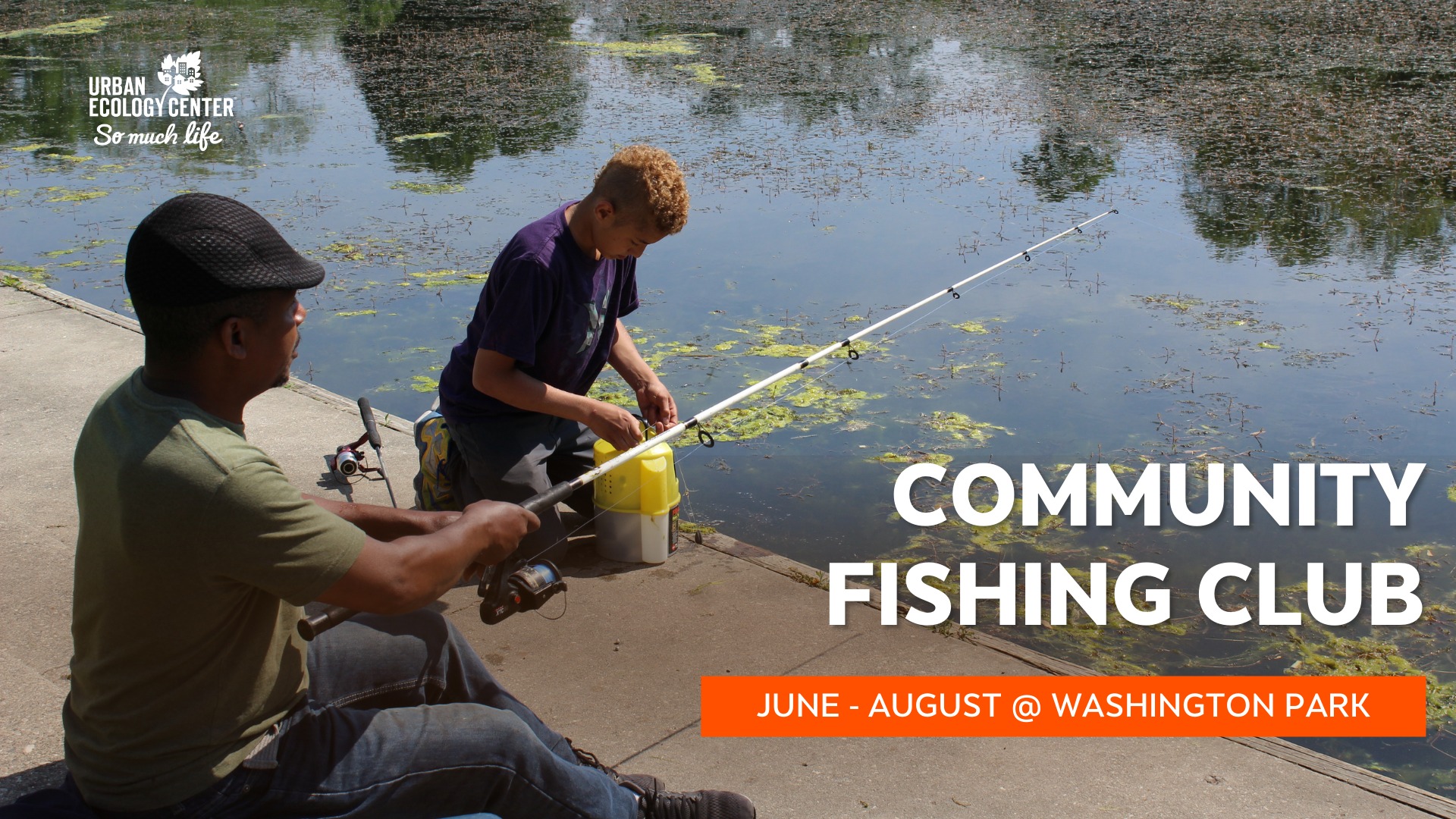
Parks, recreation departments, colleges, marinas, and community centers may host fishing programs. These groups can be especially useful for children, families, and beginners who want a low-pressure introduction.
Libraries and outdoor stores may also post flyers for fishing clinics and conservation events. A one-day event can help you meet members before you commit to a full year.
Choosing the right fishing club
The right fishing club matches your goals, skill level, schedule, and budget. Do not choose only by the club’s name. Ask what members actually do during a normal month.
A club that looks perfect online may focus on advanced tournaments, while you may want simple shore trips. Another club may sound casual but require long travel, a boat, or expensive entry fees.
Questions to ask before joining
Ask these questions by email, phone, or at a meeting:
- How much are annual dues?
- Are guests allowed at meetings or fishing trips?
- Do you need a boat to join trips?
- Does the club welcome beginners?
- Are children or teens allowed?
- What species and waters does the club target?
- Are there tournament fees?
- Does the club lend or rent gear?
- How often does the group meet?
- Are trips suitable for shore anglers?
- Does the club support catch and release?
- What insurance or safety rules apply to outings?
- Are members expected to volunteer?
- Does the club require a fishing license?
- Are there age, skill, or membership limits?

A club should answer these questions clearly. If leaders avoid basic details about money, safety, or trip plans, look for another group.
Compare club types
Different club types suit different anglers. This table can help you narrow your search.
| Club type | Best fit |
|---|---|
| General fishing club | Beginners, families, and anglers who fish many species |
| Bass club | Anglers who enjoy bass fishing, tournaments, and boat events |
| Trout or fly club | Trout anglers, fly casters, and river-focused members |
| Saltwater club | Pier, surf, inshore, offshore, and redfish anglers |
| Kayak fishing club | Kayak owners who want group trips and safety support |
| Youth fishing club | Children and teens learning basic fishing skills |
| Conservation club | Anglers who value habitat work and public access |
| Ice fishing club | Anglers who fish frozen lakes and need local ice knowledge |
The best choice depends on your water, not just your experience. A beginner who fishes from shore may learn more in a general club than in a tournament-only club.

Check the club’s meeting style
Some clubs meet in person at a tackle shop or community hall. Others use video calls and online messages. Many use a mix of both.
In-person meetings can help you make friends and inspect gear. Online meetings are useful if you travel far or have a busy schedule. Ask how members plan trips and share information between meetings.

What membership usually costs
Fishing club membership costs range from free community groups to several hundred dollars per year for tournament clubs. The fee may cover meetings, insurance, awards, conservation work, speakers, or administrative costs.
Tournament clubs often add event fees, boat costs, ramp fees, food costs, and travel. A low annual fee does not always mean a low total cost if every fishing event requires extra payments.
Typical price tiers
Prices vary by region and club structure. Confirm the current amount with the club before joining.
| Price level | Common cost range | What it may include |
|---|---|---|
| Free or informal | $0–$25 per year | Online group access and casual meetups |
| Basic local club | $25–$75 per year | Meetings, local trips, speakers, and social events |
| Active specialty club | $75–$200 per year | Training, tournaments, insurance, and organized outings |
| Tournament-focused club | $150–$500+ per year | Event access, prizes, permits, and competition costs |
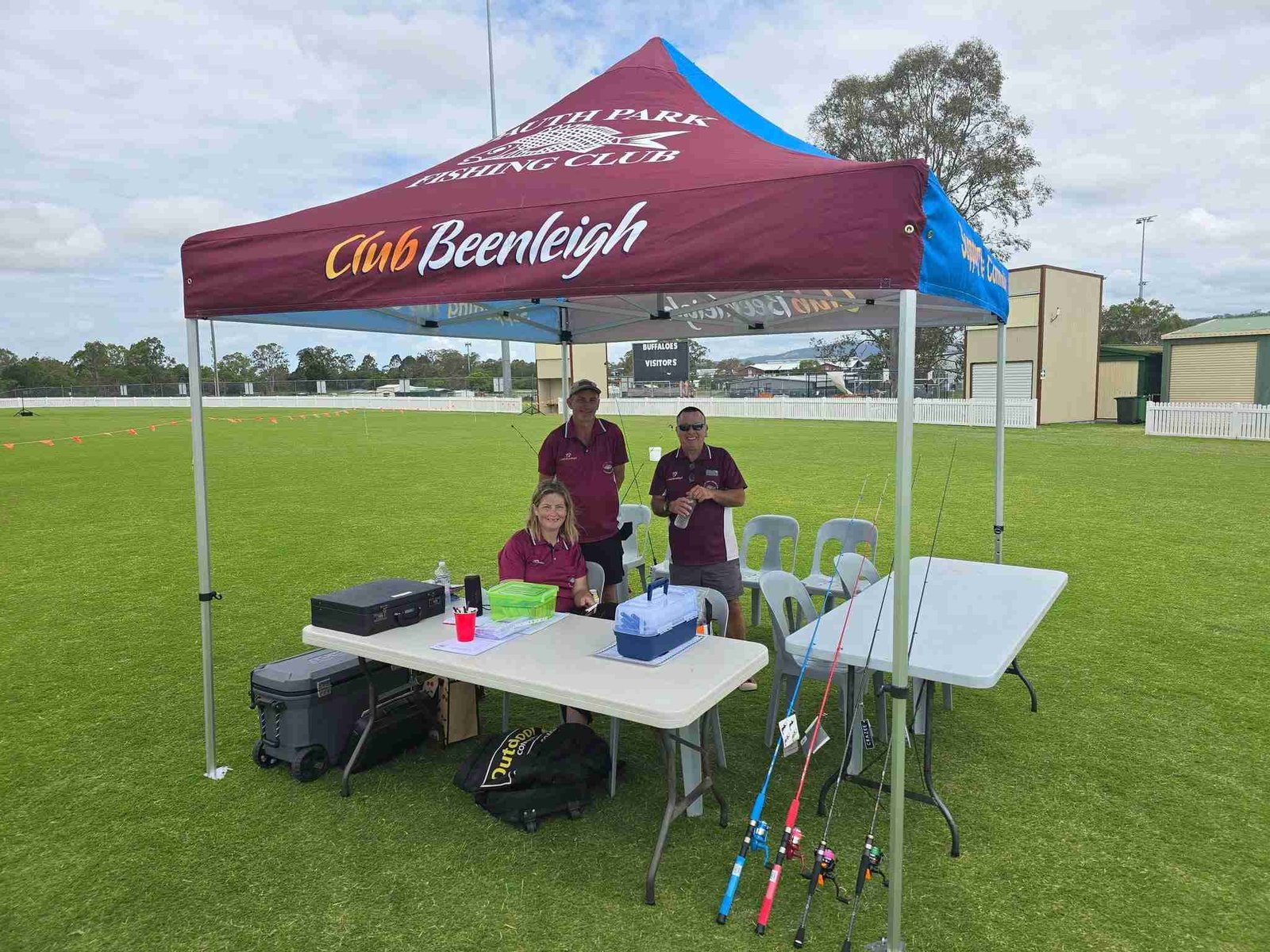
Many clubs offer a guest visit or trial meeting. Use that option when available. It lets you judge the group before paying dues.
Extra costs to plan for
Membership is only one part of the budget. You may also pay for:
- A state fishing license
- Boat launch fees
- Fuel
- Bait and lures
- Ice
- Tournament entry fees
- Food and lodging
- Club shirts or hats
- Conservation donations
- Safety equipment
- A fishing kayak or boat share

You do not need expensive equipment to participate in most clubs. A simple spinning rod, monofilament line, hooks, sinkers, bobbers, and a small tackle box can handle many beginner trips.
Gear you may need before your first club trip
You should ask the trip leader about required gear before you go. Equipment depends on the species, water, season, and fishing method.
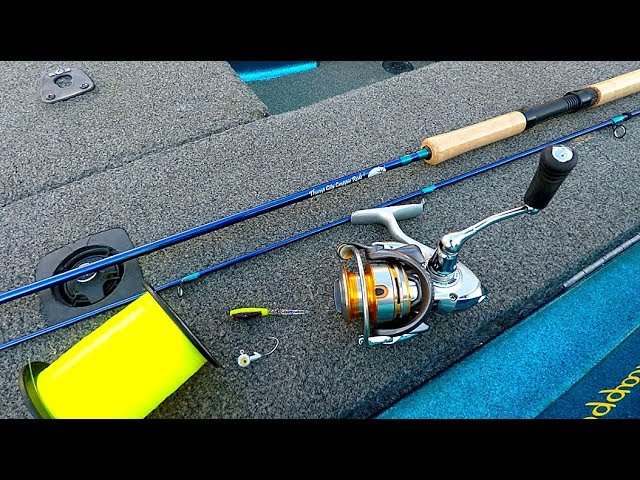
For general freshwater fishing, a 6- to 7-foot medium-light or medium spinning rod is a useful starting point. Pair it with a 2000- to 3000-size spinning reel and 6- to 10-pound monofilament line.
“Rod power” means how much force it takes to bend the rod. “Action” means where the rod bends. A fast-action rod bends near the tip, while a moderate-action rod bends farther down the blank. A medium-light, fast-action rod suits many trout and panfish techniques. A medium, fast-action rod works well for bass and walleye with many lures.
Starter gear by fishing style
| Fishing style | Useful starter setup | Common targets |
|---|---|---|
| Freshwater shore fishing | 6–7 ft medium-light or medium spinning combo, 6–10 lb mono | Panfish, trout, bass, walleye |
| Catfish fishing | 7–9 ft medium-heavy spinning or casting rod, 15–30 lb line | Channel and blue catfish |
| Bass fishing | 6’6”–7’3” medium or medium-heavy rod, 10–20 lb line | Largemouth and smallmouth bass |
| Fly fishing | 8–9 ft 4–6 weight fly rod and matching reel | Trout, panfish, bass |
| Surf fishing | 9–12 ft medium-heavy surf rod, 20–30 lb line | Redfish, striped bass, surf species |
| Ice fishing | 24–36 in ice rod, 2–8 lb line | Panfish, trout, walleye |
These are starting points, not strict rules. Local water, lure weight, cover, current, and fish size can change the best setup.
Essential terminal tackle
Terminal tackle is the small gear at the end of your line. It includes hooks, sinkers, bobbers, swivels, snaps, and leaders.
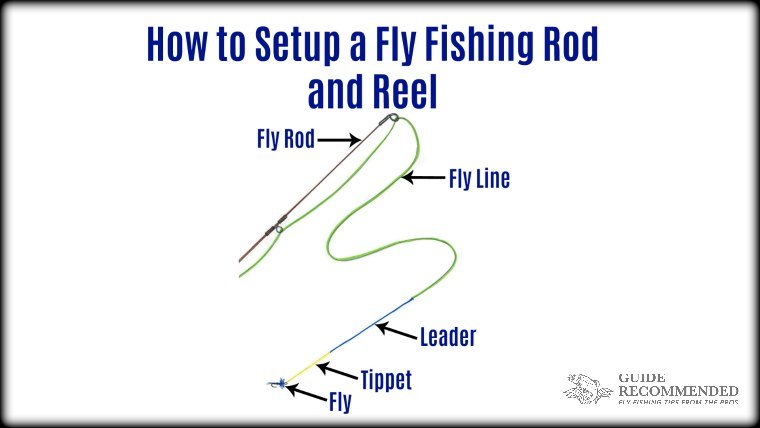
A leader is a short section of line between your main line and hook or lure. Fluorocarbon leaders can help with abrasion resistance and low visibility. Wire leaders may help when toothy fish are present. Braided line offers high strength for its diameter, but many anglers add a monofilament or fluorocarbon leader.
Pack a few hook sizes, split-shot sinkers, bobbers, swivels, and soft plastics. Add jigs, crankbaits, or live bait only after you know the club’s target species and local rules.

Helpful shared gear
A landing net protects fish and reduces handling time. Pliers help remove hooks. Polarized sunglasses reduce glare and help you see structure or fish near the surface.
A small first-aid kit, sunscreen, water, insect repellent, line clippers, and a waterproof phone case are also smart choices. For saltwater trips, rinse reels, hooks, pliers, and lures with fresh water after each outing.
How to join a fishing club step by step
Joining a fishing club does not need to be complicated. Use this process to find a group that fits your needs and avoid surprises about cost or skill level.
1. Define your fishing goals
Write down what you want from the club. You may want to learn basic knots, catch bass, meet trout anglers, fish from a kayak, find shore access, or join conservation work.
Also note how far you can travel. A club that fishes waters two hours away may not be practical for a weekly angler.
2. Search for nearby clubs
Search online, contact your state wildlife agency, ask tackle shops, and check local outdoor groups. Save the names of three to five clubs.
Read recent posts and event information. An active club should show some sign of current meetings, trips, or projects.
3. Review the club’s purpose and rules
Read the club’s mission statement, membership rules, event policies, and code of conduct. Look for details about safety, children, guests, boats, alcohol, tournaments, and fish handling.
A clear structure often signals that leaders take member safety and planning seriously.
4. Attend a meeting or public event
Attend before paying when possible. Introduce yourself and say you are new to the club.
Notice how members treat beginners. Do they answer questions, share information, and include new people? A strong club does not make you prove your skill before offering help.
5. Ask about the real cost
Ask about annual dues and all common extra fees. Find out whether trips require your own boat, kayak, waders, transportation, or specialized gear.
If you are a parent or gift buyer, ask whether youth membership includes equipment, supervision, and age rules.
6. Choose the right membership level
Some clubs offer individual, family, student, junior, or lifetime memberships. A family membership may cost less than separate memberships for two adults and children.
Do not pay for a tournament package if you only want casual trips. Start with the simplest option that gives you access to the people and activities you want.
7. Complete the application
The club may ask for your name, contact information, emergency contact, fishing interests, and payment. Some clubs also require a waiver for boat, kayak, wading, or tournament activities.
Give accurate information. Tell the leader if you have limited mobility, no boat, or no experience with a certain type of trip.
8. Join an easy first outing
Choose a short, low-risk trip. A calm freshwater shoreline is often easier than a long offshore trip or winter ice outing.
Bring the required gear, arrive early, and ask about the plan. You will learn more when you are not rushed.
9. Volunteer when you can
Helping with a shoreline cleanup, youth event, meal, or registration table is a simple way to meet members. You do not need to be an expert.
Clubs depend on volunteers. Showing up and helping also builds trust before you ask for advice or join advanced trips.
How to prepare for your first fishing club outing
Preparation helps you stay safe and avoid slowing down the group. Confirm the meeting point, start time, weather plan, target species, access rules, and required equipment the day before.
Pack your tackle in a small box that you can carry. Label your rod and reel if several members use similar gear. Bring extra line, hooks, and basic tools because small parts often disappear near water.
First-trip packing list
| Item | Why it matters | Beginner note |
|---|---|---|
| Fishing license | Required in many U.S. waters | Keep a digital or printed copy if allowed |
| Rod and reel | Main fishing setup | A spinning combo is simple to learn |
| Line and terminal tackle | Connects bait or lures to the rod | Bring spare hooks and sinkers |
| Pliers and line cutters | Remove hooks and trim line | Keep them in a secure pouch |
| Landing net | Helps control fish | Match net size to the target species |
| Water and snacks | Supports energy and focus | Avoid relying on the group for food |
| Sun protection | Reduces heat and sun exposure | Use a hat, sunscreen, and sunglasses |
| First-aid supplies | Handles small cuts and hook scrapes | Include antiseptic and bandages |
| Rain layer | Weather can change fast | Use a dry bag for electronics |
A fishing club may provide some shared gear, but never assume. Ask before leaving home.
Boat, kayak, and wading safety
Wear a U.S. Coast Guard-approved personal flotation device, or PFD, when boating or kayak fishing. Wear it during the entire trip, not only when the boat moves fast.
If you wade, use a wading belt and carry only what you can control. Check current, depth, weather, and exit points. Tell someone where you will fish and when you expect to return.
⚠️ Safety Warning: Never join an unfamiliar boat, kayak, or wading trip without asking about safety equipment and the route. For boating or ice fishing, consider a professional safety course. On ice, check thickness with local experts, carry ice picks, avoid alone trips, and leave if conditions change.
Club etiquette that earns respect
Good etiquette matters as much as good casting. Follow the trip leader’s plan, respect private property, and give other anglers room to cast.
Ask before stepping into another person’s fishing area. Do not crowd a shoreline, cut across a drift, or run a boat through another angler’s line.
Keep your voice low when fishing close together. Pack out line, bait containers, plastic, and food waste. Never leave hooks where children, pets, birds, or wildlife can find them.
Fish handling and conservation
Wet your hands before touching a fish. Support its body, keep it out of the air for as little time as possible, and release it gently when regulations allow.
Circle hooks can reduce deep hooking when used with some live-bait methods. Barbless hooks may make release easier, but local rules decide what is legal. Do not assume catch and release is always required or always allowed.
🌿 Conservation Note: Follow size limits, bag limits, closed seasons, bait rules, and tackle restrictions. Dispose of old fishing line in a recycling bin when available. Never release live bait or aquarium species into public water.
Fishing license and local regulation basics
Club membership does not replace a fishing license. Most states require a license for anglers above a certain age, although exemptions may apply for children, seniors, veterans, or free fishing days.
Rules can change by water and species. Check regulations for:
- Fishing license type
- Daily bag limits
- Minimum and maximum size limits
- Closed seasons
- Bait restrictions
- Barbed or barbless hook rules
- Lead sinker restrictions
- Bowfishing rules
- Trout stamps or special permits
- Boat registration and access rules
📜 Check Local Regulations: Confirm current rules with your state or local wildlife agency before every new trip. Club leaders may offer guidance, but the angler remains responsible for carrying the correct license and following the law.
Common problems and simple solutions
New members often face the same issues. Most are easy to solve if you ask questions early.
| Problem | Likely cause | Simple solution |
|---|---|---|
| You feel left out | You attended only one event | Introduce yourself and volunteer |
| Trips cost more than expected | Extra fuel, launch, or entry fees | Ask for a full trip budget first |
| Your gear does not fit the trip | Wrong rod power, line, or lure | Request a gear list from the leader |
| You cannot attend meetings | Schedule conflict | Ask about online updates or weekend trips |
| You feel unsafe | Poor planning or unclear roles | Choose a group with clear safety rules |
| You catch fewer fish than expected | Conditions and technique vary | Focus on learning water and presentation |
| Your reel gets rough | Dirt, sand, or salt exposure | Rinse, dry, and follow the reel care guide |
Fishing results vary with weather, water temperature, fish behavior, location, and technique. A club can improve your access and knowledge, but no group can promise a catch.
Pros and cons of joining a fishing club
A club can shorten the learning curve, but it may not suit every angler. Consider both sides before you pay dues.
| Pros | Cons |
|---|---|
| Meet anglers with local knowledge | Meetings and trips take time |
| Learn knots, rigs, and lure use | Dues and event costs can add up |
| Find fishing partners | Group plans may limit your freedom |
| Discover new waters | Some clubs focus on one species |
| Improve safety and boat skills | Tournament clubs may feel competitive |
| Support conservation projects | Travel may be required |
| Get advice on rods and tackle | Advice can vary between members |
A club is most useful when you participate. If you never attend events, a free online group or local tackle shop may provide better value.
How to get value from your membership
The best way to get value is to set one clear goal for your first three months. You might learn a reliable knot, improve casting, fish a new lake, or attend a conservation event.
Bring questions to meetings. Instead of asking for “the best lure,” describe the water, depth, cover, target species, and weather. Specific details produce better advice.
Use experienced members wisely
Ask experienced anglers to explain why they choose a setup. Learn how rod power, action, line test, lure weight, and drag work together.
Drag is the reel system that lets line leave under pressure. A properly adjusted drag protects lighter line and helps reduce sudden break-offs. It does not replace good knots or careful fish handling.
Experienced members can also show you how to spool a spinning reel, reduce baitcaster backlash, tie a leader, rig a bobber, or select a jig. Watch first, then practice with your own gear.
Borrow gear with care
Some clubs lend rods, nets, life jackets, or ice gear. Treat borrowed equipment as if you bought it yourself.
Rinse saltwater gear with fresh water. Keep reels out of sand. Dry waders fully before storage. Replace damaged line instead of returning it in poor condition.
Help new members later
Once you gain confidence, share simple lessons with new anglers. Explain the knot, rig, or access point without making promises about catches.
A healthy club grows when members teach, listen, and respect different budgets. A beginner using a spincast combo deserves the same welcome as an experienced angler using a high-end baitcaster or fly rod.
Fishing clubs for beginners, children, and gift buyers
A fishing club can be a better gift than another piece of tackle because it offers time, guidance, and a community. This is especially true when you do not know which rod, reel, lure, or line the angler already owns.
For children, choose a club with adult supervision, clear age rules, shore-based events, and basic safety instruction. A short youth event with panfish is often easier than a full-day bass tournament.
What each angler should look for
| Angler | Club features to seek | Gear that often fits |
|---|---|---|
| New adult angler | Lessons, casual trips, patient members | 6–7 ft spinning combo, 6–10 lb mono |
| Child or teen | Supervised events and short outings | 5–6 ft spincast or light spinning combo |
| Bass angler | Tournaments, boat access, lure seminars | Medium or medium-heavy rod, baitcaster or spinning reel |
| Trout angler | River trips, fly lessons, stocking updates | 4–6 weight fly rod or light spinning setup |
| Kayak angler | Safety plans and group launches | Medium-light spinning setup, PFD, dry bag |
| Saltwater angler | Surf, pier, or inshore trips | Corrosion-resistant reel and suitable leader |
| Ice angler | Local ice reports and safety training | Short ice rod, light line, ice picks |
The table gives starting points only. Check current local conditions and the club’s gear list before buying.
👪 Parent or Gift-Buyer Note: Ask the club whether a child must have a parent present, whether loaner gear is available, and whether trips include life jackets or snacks. A membership paired with a simple tackle box, polarized sunglasses, and a handwritten invitation to fish can make a thoughtful gift.
Questions to ask the club leader
A short conversation can reveal more than a website. Ask how new members join trips and how the club handles safety.
Useful questions include:
- “Can I attend one meeting before I join?”
- “Which trips are best for beginners?”
- “Do I need a boat or kayak?”
- “What happens if the weather turns bad?”
- “How are children supervised?”
- “Do you have loaner rods or PFDs?”
- “What is the full cost of a typical trip?”
- “How does the club support conservation?”
- “Who should I contact on the day of an event?”
A good leader will give direct answers and help you choose an appropriate first activity.
Frequently asked questions
Q: Do I need fishing experience to join a fishing club?
A: No. Many clubs welcome beginners. Look for groups that offer basic lessons, casual trips, youth events, or shore fishing. Tell the leader your experience level before joining an outing so the trip matches your skills.
Q: How much does it cost to join a fishing club?
A: Costs range from free online groups to several hundred dollars for tournament clubs. Basic local clubs often charge about $25 to $75 per year, while specialty and tournament clubs may cost more. Ask about fuel, launch, entry, and equipment fees.
Q: Does a fishing club provide rods and reels?
A: Some clubs offer loaner gear, but many do not. Ask before attending. A 6- to 7-foot spinning combo with 6- to 10-pound monofilament is a practical starting setup for many freshwater beginners.
Q: Can children join a fishing club?
A: Yes, some clubs offer youth or family memberships. Ask about age limits, adult supervision, life jackets, trip length, and loaner equipment. Choose a club with simple shore events if your child is new to fishing.
Q: Can I join without owning a boat?
A: Often, yes. Many clubs fish from shore, piers, kayaks, or shared boats. Ask whether boat trips have open seats and whether passengers must share fuel, launch, or equipment costs.
Q: Is a fishing license included with club membership?
A: Usually not. You normally buy a license from your state wildlife agency or an approved vendor. Check age exemptions, species stamps, and special permits before fishing.
Q: What is the best fishing club for beginners?
A: The best club for a beginner is one with patient members, clear safety rules, casual trips, and basic instruction. A general freshwater or youth club may be easier than a tournament-only club.
Q: Can I join a fly-fishing club if I have never cast a fly rod?
A: Yes. Many fly clubs teach casting, knots, fly selection, and stream etiquette. Ask whether the group offers beginner lessons before attending a river trip.
Q: Are fishing clubs only for competitive anglers?
A: No. Some clubs focus on social fishing, conservation, family events, or education. Read the club’s purpose and attend a meeting to see whether the atmosphere feels competitive or relaxed.
Q: What should I bring to my first fishing club meeting?
A: Bring questions, a notebook or phone, and any information about the fish and water you prefer. You usually do not need a rod or tackle unless the meeting includes casting or rigging practice.
Q: How do I know if a fishing club is safe?
A: Ask about trip leaders, emergency plans, PFD use, weather cancellations, guest rules, and youth supervision. Avoid trips with unclear roles, poor communication, or pressure to take risks.
Q: How long does it take to become active in a fishing club?
A: You can attend a meeting right away, but building useful friendships may take a few events. Volunteer, ask respectful questions, and join beginner-friendly trips to become part of the group.
Final advice for joining your first fishing club
Start with your goals, not your gear. Find a club that fishes waters you can reach, welcomes your skill level, explains its costs, and takes safety and conservation seriously.
Attend one meeting before you commit when possible. Ask about beginner trips, shore access, boat rules, youth policies, and local regulations. Bring a simple setup, learn from the people around you, and take part in the work that keeps the club strong.
The best fishing club is not always the largest or most competitive. It is the group that helps you fish safely, learn steadily, respect the resource, and enjoy more days beside the water.