How To Get Permission To Fish A Pond: Easy Guide
Getting permission to fish a pond is often simple, but you should never assume that a pond is open to the public. A pond may sit beside a public road and still be private property. It may belong to a homeowner, farm, apartment complex, golf course, neighborhood association, or fishing club. The safest approach is to identify the owner, ask clearly, and follow every rule they give you.
Permission protects you from trespassing claims and helps protect the pond from litter, overharvest, and damage. It also builds trust. A landowner who has a good experience with one respectful angler may allow fishing again or welcome other carefully chosen guests.
This guide explains how to ask for permission to fish a private pond, what to say, what rules to discuss, and what to do if the owner says no. It also covers fishing licenses, children, catch and release, bait, boats, kayak fishing, and basic pond gear for bass, bluegill, catfish, trout, and other freshwater fish.

Quick Answer: Ask the Owner Before You Fish
The best way to get permission to fish a pond is to identify the landowner, introduce yourself, explain when and how you want to fish, and ask for clear approval. Get written permission when possible. Ask about guests, bait, harvest, boats, fires, parking, and local fishing laws. Carry your fishing license if required, follow the owner’s rules, and leave the pond cleaner than you found it.

Why Pond Fishing Permission Matters
Pond fishing permission matters because access and fishing rights are separate issues. You may be allowed to walk near a pond but not fish it. You may also have permission to fish from shore but not launch a kayak or keep fish.
Private property laws vary by state and local area. In many places, entering private land without consent can lead to a trespass warning, a fine, or a conflict with the landowner. A fishing license does not give you the right to cross private land or fish a private pond.

A Pond Is Not Always Public
Some ponds look public because they are beside a road, trail, park, or open field. Others are inside a housing development but are controlled by a homeowner association. A pond may also be owned by a business that allows fishing only for members, tenants, or paying guests.
Look for signs, gates, fences, posted notices, and nearby buildings. Do not treat the absence of a “No Fishing” sign as an invitation.
Fishing License Rules Still Apply
Permission from a landowner does not always replace a state fishing license. State wildlife agencies may require a license on private waters, especially if the pond connects to a stream, contains stocked game fish, or falls under special regulations.
Some states exempt small private ponds from certain license rules. Others do not. Check your state wildlife agency before fishing. Also confirm size limits, bag limits, closed seasons, hook rules, bait restrictions, and rules about transporting live fish.
📜 Check Local Regulations: Call or visit your state fish and wildlife agency before your trip. Ask whether a license is needed for private ponds and whether the pond’s species or location creates extra rules.
Find the Person Who Can Grant Permission
The right person to ask is the person who controls the land and fishing access. That may be the landowner, tenant, farm manager, property manager, HOA board, club officer, or business owner.
Do not rely only on a neighbor’s claim that “the owner does not care.” Informal permission from someone without authority may not protect you. Find the decision-maker and ask directly.

Ways to Identify the Owner
Start with simple clues. Check county property maps, assessor websites, land records, nearby farm signs, and public parcel maps. A local tackle shop, bait store, conservation group, or fishing club may know who manages popular ponds, but do not treat hearsay as final permission.
You can also ask a nearby resident, but be polite. Say that you are trying to contact the owner to request legal fishing access. Do not ask the resident to approve fishing unless they clearly control the property.
Common Permission Sources
The access route often depends on the type of pond. A farm pond may require a direct conversation with the farmer. An apartment pond may require a property manager’s approval. A pay-to-fish pond may have a posted process, fee, or reservation system.
| Pond type | Person or group to contact | Common access condition |
|---|---|---|
| Farm or ranch pond | Landowner or farm manager | Fish from approved areas and avoid livestock |
| Neighborhood pond | HOA board, manager, or owner | Resident-only rules may apply |
| Apartment or hotel pond | Property manager or owner | Fishing may be limited to residents or guests |
| Pay-to-fish pond | Business operator | Pay the fee and follow harvest rules |
| Fishing club pond | Club officer or membership desk | Membership or guest pass may be required |
| Church, school, or camp pond | Administrator or site manager | Access may be limited by dates and events |
This table gives you a starting point, not a legal rule. Ownership records and local policies control. When in doubt, ask the person responsible for the site.
Prepare Before You Ask
A strong request answers the owner’s main concerns before they need to ask. Landowners often worry about litter, theft, fires, vehicles, noise, dogs, extra guests, and damage to banks or fences. A short, clear plan makes you sound responsible.
Tell the owner who you are, what you want to do, and when you want to do it. Mention whether you will fish from shore, use live bait, bring children, keep fish, or release everything.
Information to Include
You do not need a long speech. Give the details that affect the property:
- Your name and contact information
- The date and time you want to fish
- The number of people in your group
- Your target species, such as bass, bluegill, catfish, or trout
- Whether you will fish from shore, a boat, or a kayak
- Whether you plan to keep fish or practice catch and release
- Whether you will use live bait, lures, or fly gear
- Where you plan to park
- How you will handle trash and fishing line
Experienced anglers should also mention special equipment. A landowner may allow bank fishing but not a fish finder, kayak, waders, or a gas motor. Parents should explain that children will remain supervised.
A Simple Permission Request
You can say:
“Hello, my name is Alex. I live nearby and noticed your pond. I am hoping to fish from the shore for two hours on Saturday morning. I will bring one child, use artificial lures, release all fish, stay away from livestock and fences, and take all trash and line with me. Would you allow us to fish?”
This works because it is clear, brief, and respectful. It also gives the owner an easy chance to say yes, no, or offer different conditions.
Ask in the Right Way
Ask during reasonable hours. Avoid approaching someone while they are driving equipment, handling animals, working with customers, or dealing with an urgent task. If the property has a business office, use the office instead of knocking on a private home.
Do not enter the property to find the owner. Stay outside gates and posted areas. If you call or send a message, identify yourself and explain how you found the contact information.
💡 Pro Tip: Offer a specific, low-impact plan instead of saying, “Can I fish your pond whenever I want?” A two-hour shore-fishing visit is easier to approve than open-ended access.
Discuss the Rules Before You Fish
Permission is not complete until you understand the conditions. Some owners allow fishing but ban live bait. Others allow bluegill harvest but require bass release. A few may allow only family members or only fishing from one bank.
Repeat the rules back to the owner. This prevents mistakes caused by poor hearing, unclear text messages, or different meanings of words such as “boat,” “guest,” or “keep.”

Questions to Ask the Owner
Ask these questions before you make your first cast:
- Where may I park?
- Which banks or trails may I use?
- May I bring a guest, child, or dog?
- May I use a kayak, canoe, float tube, or waders?
- Are live bait, dough bait, or cut bait allowed?
- May I keep fish, and if so, which species and how many?
- Are barbed hooks, treble hooks, or fishing nets allowed?
- Are there areas with livestock, crops, steep banks, or thin ice?
- What time may I arrive and leave?
- Should I call or text before every visit?
- Who should I contact if I see a problem?
- Are there seasonal closures or special property events?
A landowner may not know technical terms such as “barbless” or “fluorocarbon leader.” Explain your setup in plain language if needed.
Put the Agreement in Writing
A text message, email, signed note, or access form can prevent confusion. The message should state the date, people included, location, activities allowed, and special rules.
Written permission does not remove every legal risk. It may not cover guests, vehicles, boats, or injuries. It also may expire when the land changes hands. Treat it as proof of the agreement, not as a replacement for legal advice.
| Permission detail | Example wording | Why it helps |
|---|---|---|
| Date and time | “Saturday, 7–10 a.m.” | Prevents open-ended access |
| People allowed | “Jordan and one child” | Stops unapproved guests |
| Fishing method | “Shore fishing with lures” | Defines what activity is allowed |
| Harvest rule | “Release bass; keep two bluegill” | Protects the fishery |
| Access route | “Park by the west gate” | Reduces property damage |
| Contact rule | “Text before each visit” | Keeps communication open |
Save the message on your phone and keep a backup. If the owner gives verbal permission, send a polite text that summarizes the agreement and ask whether you understood it correctly.
Use the Right Gear for a Private Pond
The best pond gear depends on the fish, shoreline, and rules. You do not need expensive equipment to fish responsibly. A simple spinning rod, monofilament line, hooks, bobbers, and small lures cover many panfish and bass trips.
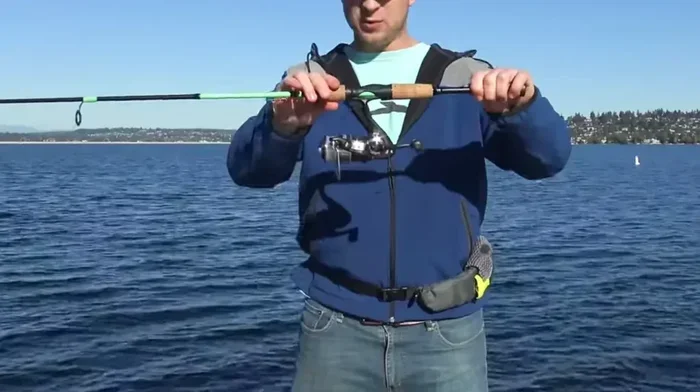
A 6- to 7-foot medium-light spinning rod works well for beginners targeting bluegill, crappie, small bass, and trout. Use 4- to 8-pound monofilament for light presentations. For larger bass, a 6-foot 6-inch to 7-foot medium-power rod with 8- to 12-pound line gives more control around weeds.
Match the Setup to the Fish
Rod power describes how much force a rod needs to bend. Action describes where the rod bends. A fast-action rod bends near the tip, while a moderate action bends farther down the blank.
A spinning reel is usually the easiest choice for a beginner or child. A spincast combo has a push-button reel and can be simple for young anglers. A baitcaster offers control for experienced bass anglers, but it can create backlash, which is a tangled line caused by a spool turning faster than the lure.
Fly rods work well on open banks where back casts are safe. Telescopic rods pack easily for travel, but small guides and moving sections need more care. Ice fishing rods suit frozen ponds only when ice thickness and access are safe.
| Pond goal | Useful setup | Good fit |
|---|---|---|
| Bluegill and small panfish | 5–6.5 ft ultralight or light spinning rod; 2–6 lb mono; size 8–12 hook | Beginners, kids, and bait anglers |
| Bass with small lures | 6.5–7 ft medium spinning rod; 8–12 lb mono or braid with leader | Beginners upgrading or casual bass anglers |
| Heavy cover and larger bass | 6.5–7.5 ft medium-heavy baitcaster; 12–20 lb line | Experienced anglers |
| Catfish | 7–8 ft medium or medium-heavy rod; 15–30 lb line; circle hook where legal | Bottom anglers and family groups |
| Trout or clear water | 6–7 ft light spinning rod; 4–6 lb line; small spoons or flies | Trout anglers and careful lure users |
| Easy travel | 5–7 ft telescopic spinning rod; light terminal tackle | Hikers, gift buyers, and casual trips |
Check local hook and bait rules before rigging. Some waters ban treble hooks, lead sinkers, live bait, or certain fish as bait.
Pack Low-Impact Terminal Tackle
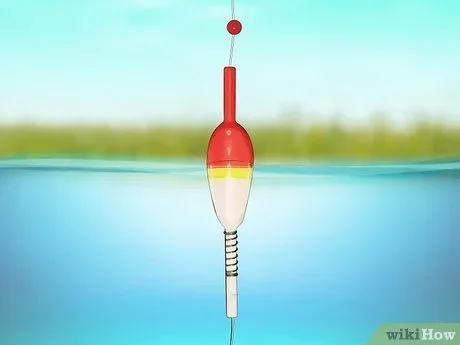
Terminal tackle means the small items at the end of your line. Bring hooks, sinkers, bobbers, swivels, leaders, and lures in a small tackle box. Soft plastics, small crankbaits, jigs, and live bait can all work, but the owner’s rules come first.
Use a landing net for larger fish. Bring pliers for hook removal, polarized sunglasses to reduce glare, and a small trash bag for line and bait containers. Do not leave a stringer in the water unless the owner allows harvest and local rules permit it.
Keep the Setup Shore Friendly
Shore access can be muddy, steep, or crowded with brush. Wear shoes with strong grip. Waders can help in some places, but do not enter deep or soft pond bottoms without permission and proper training.
Avoid dragging coolers, chairs, or tackle across planted areas. Keep hooks covered when children walk near brush. If you bring a kayak, confirm launch permission, shoreline conditions, and whether the pond allows watercraft.
Follow a Safe and Respectful Pond Routine
Private pond fishing combines outdoor safety with property etiquette. Tell someone where you are going, especially when fishing alone. Check the weather and leave before storms, high winds, or extreme heat become a problem.
A personal flotation device is essential when using a kayak, canoe, or boat. Wear a U.S. Coast Guard–approved PFD, even if you are a strong swimmer. A boat owner may also require a whistle, light, registration, or other safety equipment.
⚠️ Safety Warning: Never walk onto pond ice based only on appearance. Ice thickness can change near springs, inlets, outlets, weeds, and moving water. Check with local authorities or an ice-safety expert, carry proper rescue gear, and tell someone your plan.
Protect Yourself on the Bank
Wear polarized sunglasses to shield your eyes from hooks and reduce glare. Use sunscreen, drink water, and protect yourself from heat and insects. Keep a first-aid kit nearby, and store knives and pliers where children cannot grab them.
Watch for snakes, wasps, ticks, loose banks, deep mud, and electric fences. Never climb a fence or cross a field without permission. If the property has livestock, give animals a wide path and never feed or chase them.
Protect the Property
Stay on approved paths. Close gates exactly as you found them. Park only where the owner directs you. Keep vehicles away from crops, septic areas, wet banks, and livestock enclosures.
Do not cut brush, build a fire, bring a generator, or remove plants unless the owner says yes. A small action can create a large repair bill or damage the pond’s edge.
Supervise Children Closely
Children should fish with an adult within reach, especially near steep banks or deep water. Teach them to carry hooks point-down and to look behind them before casting. A small spincast combo is often easier for a child than a baitcaster or long fly rod.
👪 Parent or Gift-Buyer Note: Ask permission for every child and adult in your group. “Family fishing” does not automatically mean the owner approves extra guests, swimming, wading, or boat use.
Respect Fish and Pond Health
A private pond may have a delicate fish balance. Removing too many bass, bluegill, catfish, or forage fish can change the food chain. The owner may stock the pond and may have a management plan from a fisheries biologist.
Follow the owner’s harvest rules even when state law allows more fish. If the owner says release all bass, do not keep one because it is legally within the size limit.
Practice Careful Catch and Release
Wet your hands before touching a fish. Keep it out of water for as little time as possible. Support the fish’s body instead of squeezing its belly or holding it by the gills.
Use barbless hooks when allowed. For deep-hooked fish, cut the line close to the hook instead of causing extra damage. Circle hooks can reduce deep hooking with some bait techniques, but they must be used correctly and may be required or restricted by local rules.
Avoid laying fish on dry soil, hot boards, or rough gravel. Take a quick photo over the water, then release the fish gently.
Handle Harvest With Care
Keep only fish that the owner and law allow. Use a cooler with ice rather than leaving fish in a warm bucket for hours. Do not move live fish from one pond to another. Fish transfer can spread disease and invasive species.
Dispose of dead bait, unused line, hooks, and soft plastics properly. Lead tackle can harm wildlife if lost, and some states restrict its use in certain waters.
🌿 Conservation Note: Pick up more line and plastic than you brought when safe to do so. Discarded line can trap birds, turtles, and other wildlife.
Do Not Add Fish or Plants
Never stock a pond without written approval and guidance from the owner. Do not release aquarium fish, minnows, crawfish, frogs, or water plants. A species that seems harmless can become invasive or upset the pond’s balance.
Fish stocking should follow state wildlife rules and a proper management plan. An owner who wants more bass or bluegill should contact a fisheries agency or qualified pond manager.
Understand the Main Ways to Gain Access
Not all permission is informal. You may gain access through a personal request, a club, a pay-to-fish operation, a lease, or a public program. Each route has different costs and limits.
The best route depends on your location, target species, travel distance, and need for regular access. A family that wants two quiet trips may prefer a pay pond. An experienced bass angler may seek a club or written seasonal agreement.
Compare Your Access Options
| Access route | Cost and effort | Best for |
|---|---|---|
| Personal invitation | Often free; requires trust | Local anglers with a respectful plan |
| Pay-to-fish pond | Day fee or membership | Anglers who want clear rules and regular access |
| Fishing club | Dues, application, or guest fee | Experienced anglers seeking managed waters |
| Seasonal lease | Higher cost and written terms | Groups or anglers needing frequent access |
| Public fishing program | License and possible reservation | Anglers who want legal public access |
| Volunteer relationship | Time or property help | Neighbors willing to help with cleanup or work |
Never offer money in a way that pressures the owner. A fair access fee should come from the owner or a written agreement. In some cases, offering to remove trash or help with approved pond work may build trust, but do not perform repairs without permission.
Consider a Formal Agreement
A formal agreement may cover dates, payment, guests, insurance, harvest, parking, and liability. It is useful for groups, guides, clubs, and anglers who fish the pond often.
Read the agreement closely. Check whether it allows night fishing, boats, dogs, children, tournaments, bait, and fish harvest. If you are paying for access, ask what happens if the pond is closed, drained, stocked, or damaged by weather.
Know What to Do When the Owner Says No
A refusal is final unless the owner invites another discussion. Do not argue, ask a neighbor to pressure them, or fish when the owner is away. Thank the person for answering and leave the property immediately.
Owners may say no because of liability concerns, past litter, livestock, insurance rules, privacy, fishing pressure, or plans to manage the pond. Their reason does not need to satisfy you.
Ask Whether Another Option Exists
You can politely ask whether the owner knows of a nearby public pond, pay-to-fish location, or fishing club. Do not ask for a secret spot or another owner’s private contact information without consent.
A “no” today may become a “yes” later if you remain respectful. If you see trash or damaged fencing, report it rather than trying to fix private property without approval.
Never Fish by Guessing
The following actions do not count as permission:
- Seeing other people fish there
- Finding an old online post
- Getting approval from a child or unrelated neighbor
- Assuming an unlocked gate means access is open
- Believing a fishing license covers private land
- Asking once years ago and never confirming again
- Hearing that the former owner allowed fishing
- Fishing from water while standing on private land
A pond can change owners, rules, or management plans. Confirm access each season or whenever circumstances change.
Common Mistakes That Cause Access Problems
Many pond access conflicts start with small errors. An angler parks in the wrong place, brings a friend, leaves a hook, or keeps a fish after agreeing to release it. One bad visit can close a pond to everyone.
The simplest rule is to act like a guest, not a customer, unless you paid for a managed fishing service. The owner’s land and fishery deserve the same care you would expect around your own home.
| Mistake | Better choice |
|---|---|
| Asking for unlimited access | Request a specific date and time |
| Bringing unapproved guests | Name every person in advance |
| Parking on grass or crops | Use the approved parking area |
| Keeping fish without asking | Confirm harvest rules first |
| Leaving line or bait containers | Carry a small trash bag |
| Entering fenced livestock areas | Stay on the approved route |
| Using a kayak without consent | Ask about boats and launch points |
| Posting the location online | Keep private access private |
| Fishing after permission expires | Confirm the next visit |
| Using a neighbor’s claim as approval | Contact the person in control |
Take a screenshot of any written agreement. Keep the owner’s phone number private. Do not tag the pond on social media or share exact directions without permission.
Budget for the Visit and the Access
Getting permission may cost nothing, but fishing the pond can still require basic gear and travel. Current prices range from low-cost family setups to higher-cost tackle for specialized bass or catfish fishing. Access fees may range from a small day fee to a seasonal club or lease payment.
You do not need a fish finder for a small pond. A fish finder can help from a kayak or boat, but it adds cost, battery needs, and another item to transport. Shore anglers often learn more by watching cover, depth changes, insects, baitfish, and water clarity.
| Budget level | Typical spending | What it may cover |
|---|---|---|
| Basic | About $25–$60 | Spincast combo, hooks, bobbers, and simple bait |
| Practical | About $60–$150 | Spinning combo, tackle box, lures, pliers, and net |
| Advanced | $150 or more | Specialized rods, baitcaster, braid, quality reel, and access fees |
Prices vary by brand, region, sales, and current product design. Check the latest product listing for updated features. For a child or first-time angler, a durable spincast combo may offer better value than an expensive baitcaster that is harder to use.
A gift buyer should focus on the type of fishing the recipient can legally and realistically do. A fly rod is a poor gift for a small, brushy pond if the angler has no room to cast. A telescopic rod may be useful for travel but may not last as long if stored wet or forced through heavy cover.
Build a Good Long-Term Relationship
The best way to keep pond access is to become the kind of guest an owner remembers positively. Arrive when promised, leave when promised, and report problems without creating drama.
Send a short thank-you message after the trip. Mention that you removed your trash and followed the rules. If the owner allows it, offer to share a few photos of the fish or the day.
Offer Useful Help
Some owners appreciate help with cleanup, fence checks, invasive plant removal, or pond-bank maintenance. Offer only tasks you can do safely and correctly. Never use herbicides, operate equipment, remove trees, or alter the pond without direct instructions and proper qualifications.
You can also offer to pay a fair access fee, replace damaged gate hardware, or bring a small supply of approved bait. Let the owner decide. Your goal is to show respect, not purchase control over the property.
Keep the Pond’s Location Private
Private fishing spots can disappear quickly when posted online. Do not publish the address, map pin, photos showing the house, or details that identify the owner. Ask before inviting another person.
A private pond is not a public recommendation. Treat access details as confidential unless the owner says otherwise.
FAQs About Getting Pond Fishing Permission
Do I need permission to fish a pond on private property?
Yes. Get permission before entering private land or fishing the pond. A fishing license does not grant access to private property.
Is a pond beside a public road public?
Not necessarily. Roadside visibility does not establish public ownership or public fishing access. Check the property boundary and ask the owner or managing agency.
Can I fish a private pond without a fishing license?
That depends on state law and the pond’s status. Some states have private-pond exemptions, while others require a license. Confirm with your state wildlife agency.
Does permission let me bring my child?
Only if the owner agrees. Tell the owner the child’s age or number of children, and ask about supervision, casting space, and bank safety.
Can I bring a friend after getting permission?
Not unless the permission covers guests. Ask first and give the owner the person’s name if needed.
Can I use a kayak in a private pond?
Only with clear approval. Ask about launch points, life jackets, electric motors, anchors, fishing lines, and whether the pond can safely support the craft.
Should I offer money for fishing access?
You may offer, but do not pressure the owner. A pay-to-fish pond, club, or written access agreement is often clearer than an informal payment.
What should I do if I hook a fish deeply?
Keep the fish in the water when possible. Use pliers and cut the line near the hook if removal would cause serious damage. Follow local rules for hook types and release practices.
Can I fish at night if the owner says yes?
Ask about both owner permission and local law. Night fishing may create extra risks from steep banks, wildlife, boats, and limited visibility. Use a headlamp and tell someone your plan.
Can I post photos from a private pond?
Ask before posting. Avoid showing the address, home, gates, or exact location. Some owners prefer that all pond images remain private.
What if an owner changes their mind?
Stop fishing and leave the property. Permission can be withdrawn unless a formal agreement says otherwise. Do not return until the owner gives new approval.
Final Advice: Make Permission Easy to Give
The best way to get permission to fish a pond is to make your request clear, limited, and low risk. Identify the person in control, ask before entering, explain your plan, and accept the answer without pressure. Then confirm the rules in writing and follow them exactly.
For beginners, a simple spinning or spincast combo, small hooks, bobbers, and monofilament line are enough for many pond trips. Experienced anglers can bring baitcasters, fly rods, kayaks, braided line, leaders, or fish finders when the owner and local rules allow them. Parents and gift buyers should put safety, easy casting, and supervision ahead of specialized gear.
A private pond is more than a place to catch fish. It is someone’s land, investment, and responsibility. Treat it like a borrowed backyard. When you protect the property, handle fish with care, remove your trash, and keep the location private, you give the owner a good reason to welcome you back.