How Many Fish Can You Catch A Day: Daily Limits
“How many fish can you catch a day?” has no single answer in the United States. The legal limit depends on the state, lake, river, species, season, size, and fishing method. One waterway may allow five trout per day, while another allows only two bass or one salmon. Some waters are catch-and-release only.
The most important rule is simple: your daily bag limit is the number of fish you may legally keep in one day. It is not a target, and it does not always match the number of fish you may catch. You can often catch more fish than you keep if you release them safely and follow local rules.

Quick answer: daily fish limits depend on the water and species
In many U.S. fisheries, anglers may keep between 2 and 25 fish per day, but the exact limit varies widely. Bass limits often range from 3 to 6 fish. Trout limits may range from 2 to 5. Panfish limits can be much higher, while some saltwater species have strict size and slot limits.
Always check the current fishing regulations for the state and water you plan to fish. A valid fishing license, a separate trout or salmon stamp, and special permits may also be required.

Why there is no universal daily fish limit
Fish limits protect local fish populations. Wildlife agencies study fish growth, spawning, habitat, angler pressure, and water conditions before setting a bag limit. The goal is to let people enjoy fishing without removing fish faster than the population can replace them.
The same species may have different rules in nearby lakes. A bass lake with strong reproduction may allow a larger limit. A small stream with a fragile trout population may have a low limit or no harvest at all.
The difference between catch, harvest, and possession
“Catch” means any fish you hook or land. “Harvest” means a fish you keep. “Possession” means the fish you have under your control, including fish in a cooler, freezer, vehicle, or at home in some legal contexts.
These terms matter because a daily limit and a possession limit are not always the same. For example, a rule may allow you to keep five trout in one day but hold no more than 10 trout in total. You cannot simply catch five today, five tomorrow, and continue storing fish without checking the possession rule.
Daily limits are not always per person in the same way
Most recreational fishing limits apply to each licensed angler. However, some rules apply to a boat, group, vessel, or fishing party. This is more common in certain saltwater fisheries and charter situations.
Do not assume that children, guests, or people without fishing gear can add to the group limit. In many states, each person must have a license and must be actively fishing to claim an individual limit.
| Term | What it usually means | Why it matters |
|---|---|---|
| Daily bag limit | Number of fish you may keep in one day | Controls harvest |
| Possession limit | Number of fish you may have at one time | May include fish at home or in transit |
| Size limit | Minimum, maximum, or slot length | protects young or breeding fish |
| Closed season | Dates when fishing or harvest is not allowed | Protects spawning fish |
| Catch-and-release | Fish must be returned to the water | Often applies to special waters |
Daily limits and possession limits can be easy to confuse. Read the full regulation, not just the number beside the species name. Also check whether the rule applies to the whole state or only a named lake, river section, bay, or management zone.
📜 Check Local Regulations: Before fishing, use your state wildlife agency’s website, regulation book, or official fishing app. Confirm the license rules, daily bag limit, size limit, season dates, bait rules, hook rules, and any special waterway restrictions.
Common daily limits for popular fish
Popular freshwater species often have familiar limits, but no number is safe to assume without checking local law. Regulations may change by lake, county, river section, or season.
The table below gives broad examples only. It is not a legal guide for a specific state or waterway.
| Species | Common limit range in some U.S. waters | Rules that often change |
|---|---|---|
| Largemouth or smallmouth bass | 3–6 per day | Minimum length, slot limit, seasonal closure |
| Trout | 2–5 per day | Species, stocked water, wild water, bait rules |
| Crappie | 10–30 per day | Minimum length and lake-specific limits |
| Bluegill and other sunfish | 15–50 per day | Combined panfish limits |
| Walleye | 3–6 per day | Minimum length, slot limit, special seasons |
| Catfish | 5–25 per day | Species, trophy size, gear restrictions |
| Salmon | 1–5 per day | Run, river, season, clip, and size |
| Redfish | 1–5 per day | Slot length, regional zone, state or federal water |
These ranges show why the question “how many fish can you catch a day?” needs more detail. The answer for bass fishing may be three fish on one lake and five on another. Trout rules can differ between stocked ponds and wild trout streams.
Bass fishing limits
Bass regulations often include a daily bag limit and a minimum length. Some lakes use a slot limit, which means you may keep bass within a certain length range but must release fish above or below it.
Catch-and-release bass fishing is common during tournaments and spawning periods. Even when keeping bass is legal, many anglers release large fish because older bass can contribute valuable genes and help maintain a healthy fishery.
Trout fishing limits
Trout limits can vary by species. Brown trout, rainbow trout, brook trout, cutthroat trout, and lake trout may each have separate rules. A combined trout limit may also apply.
Some waters allow only artificial lures or flies. Others prohibit bait because released trout are more likely to survive when they are hooked in the mouth rather than deeply hooked.
Panfish limits
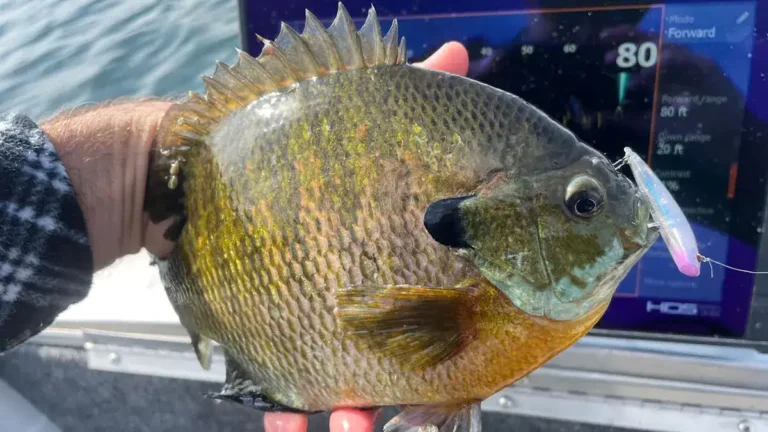
Bluegill, redear sunfish, perch, and crappie often have higher bag limits than bass or trout. These fish are popular for family fishing because they respond well to small jigs, bobbers, worms, and light spinning gear.
High limits do not mean unlimited harvest is wise. During a hot summer, keep only what you can cool and use. Clean fish soon after harvest, and release extra fish with wet hands and little air exposure.
Catfish and walleye limits
Catfish rules often separate channel catfish, blue catfish, flathead catfish, and bullheads. Large catfish may have special trophy rules or a lower limit than smaller fish.
Walleye limits often use minimum lengths or protected slot lengths. Anglers should carry a measuring board and learn how to identify similar species before keeping a fish.

Saltwater catch limits are often more complex
Saltwater fishing limits may include bag limits, boat limits, vessel limits, size limits, slot limits, seasons, gear rules, and zone boundaries. The rules can change when fishing from shore, a pier, a private boat, or a federally managed waterway.
A saltwater angler may also need to report certain catches. Some species require a tag, permit, phone report, or online record. These rules help fishery managers track harvest and protect stocks.

| Saltwater situation | Rule that may apply | Extra detail to check |
|---|---|---|
| Inshore redfish | Slot limit and daily bag | Closed zones and tagging rules |
| Snook or similar game fish | Seasonal harvest window | License endorsement and regional dates |
| Snapper or grouper | Bag and vessel limits | Depth, season, federal water, and species |
| Striped bass | Size and daily limit | Migratory zone and emergency closures |
| Surf fishing | Species-specific limit | Beach access and local shore rules |
| Pier fishing | Personal limit or pier rule | State line, pier license, and local policy |
Saltwater regulations often use a slot limit. A slot limit allows anglers to keep fish between a minimum and maximum length. This protects young fish and large breeding fish at the same time.
State waters versus federal waters
Rules can change when a boat crosses from state waters into federal waters. The boundary is often three nautical miles from shore, but it differs in some areas. Federal agencies may manage offshore species under separate seasons and limits.
A marine chart, GPS, or fish finder can show your location, but it does not always display the current legal boundary. Check the rules before leaving the dock, especially when targeting snapper, grouper, tuna, or highly regulated reef fish.
Shore, pier, and surf fishing rules
Shore anglers often follow state rules, but a city, county, park, tribal authority, or private pier may add restrictions. A pier may limit rod count, bait, hook type, cooler size, or the number of fish kept.
Surf fishing also adds safety concerns. Waves, rip currents, sharp hooks, sinkers, and lightning can turn a simple trip into a serious problem. Wear suitable footwear, keep a safe distance from the surf, and never fish during a storm.
⚠️ Safety Warning: When boating or kayak fishing, wear a properly fitted U.S. Coast Guard–approved personal flotation device. Check the weather, carry a way to call for help, and tell someone your fishing plan before you leave.

How to check the legal fish limit before fishing
The best way to find the daily limit is to check the official agency that manages the water. Search for the state wildlife agency, department of natural resources, fish and game department, or marine fisheries office.
Do not rely only on an old regulation booklet, a social media post, or advice from a friend. Rules can change during a season because of drought, heat, disease, low oxygen, storm damage, or a sudden decline in fish numbers.
Use the official regulation source
Look for the current regulation page or digital guide. Search by:
- State
- County
- Lake, river, stream, bay, or management zone
- Species
- Fishing method
- Season
- Freshwater or saltwater classification
Save a digital copy to your phone, but carry a printed copy when service may be weak. A tackle shop, marina, charter captain, or licensed guide can help explain local rules, but the official agency remains the final source.
Read the fine print
The number next to a species may not tell the whole story. Check for words such as:
- Combined limit
- No minimum length
- Slot limit
- Only one over a certain length
- Artificial lures only
- Barbless hooks required
- No live bait
- Catch-and-release only
- Closed season
- Special regulation area
- Daily and possession limit
A “combined limit” means several species count toward one total. For example, a rule might allow a total of five trout but no more than two of one protected species.
Measure fish correctly
Use a sturdy measuring board. Place the fish with its nose against the end of the board and measure to the end of the tail as the local rule explains. Some regulations use total length, while others use fork length or a different method.
Do not guess. A fish that looks legal may be short by half an inch. If you are not sure, release it.
| What to check | Example question | Useful item |
|---|---|---|
| Species | Is this a largemouth bass or a spotted bass? | Identification guide |
| Length | Does the rule use total or fork length? | Measuring board |
| Count | Is the limit per person, boat, or group? | Regulation page |
| Season | Is harvest open today? | Current calendar |
| Location | Is this water under a special rule? | Map or GPS |
| License | Do I need a stamp or permit? | License account |
A small measuring board and a regulation app can prevent an expensive mistake. If fish identification is difficult, take a clear photo and ask a local fisheries office or tackle shop before keeping the fish.
The number you can catch is different from the number you should keep
Legal limits set the maximum harvest. They do not require you to fill a cooler. Responsible anglers keep only the fish they plan to eat and release the rest with care.
Fish survival depends on hook location, water temperature, fight time, handling, and release speed. Warm water can reduce survival, especially for bass, trout, and other fish that are stressed by long fights.
Catch-and-release basics
Use tackle strong enough to land the target species without a long fight. For many freshwater situations, a medium-light or medium spinning rod with 6- to 10-pound monofilament or braided line with a leader works well. Larger fish and heavy cover may require heavier line.
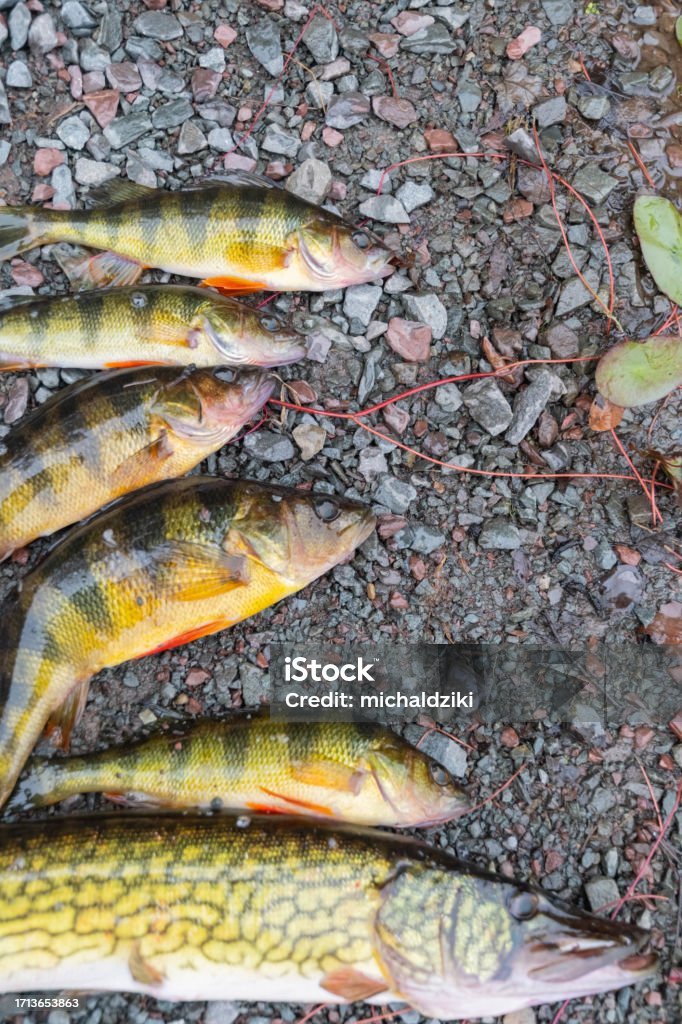
Wet your hands before touching a fish. Keep the fish close to the water. Support its body, avoid squeezing the belly, and remove the hook with long-nose pliers.
Barbless hooks make release easier. Circle hooks can reduce deep hooking when used correctly with live bait, but do not set them with a hard snap. Let the line come tight, then keep steady pressure.
Fish that are deeply hooked
If a hook is deep in the throat or gill area, do not pull hard. Cutting the line close to the hook may cause less damage than trying to remove it. Some species and local rules require specific release methods, so learn the best practice for the fish you target.
A landing net with rubber or knotless mesh can reduce damage. Avoid rough stringers, dry towels, and placing fish on hot boat decks.
🌿 Conservation Note: Keep a fish wet from the water to the release. Take a quick photo only if needed, and release the fish as soon as possible. Pick up discarded fishing line so birds, turtles, and other wildlife do not become tangled.

When keeping fish is appropriate
Keeping legal fish for food can support responsible fisheries when anglers follow limits and handle the catch well. Keep fish cool right away. A clean cooler with ice is better than leaving fish on a stringer in warm water.
Do not keep fish you cannot use. If you catch your daily limit early, stop harvesting. You may continue fishing only if the regulations allow it and you release additional fish carefully.
Gear that helps you count, measure, and release fish
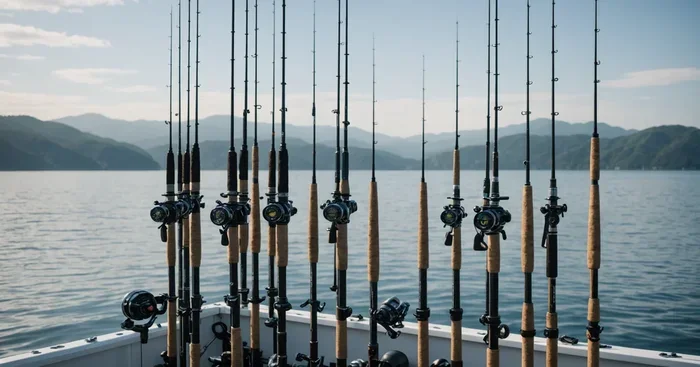
Good gear does not replace a license or a regulation check, but it helps you follow the rules. Beginners can start with a simple spinning or spincast combo. Experienced anglers may prefer specialized tackle for bass, trout, catfish, fly fishing, surf fishing, or kayak fishing.
Gift buyers should choose gear that matches the angler’s water and species. A child fishing for panfish needs a different setup than an adult targeting redfish from the surf.
| Fishing goal | Useful gear | Best fit |
|---|---|---|
| Panfish and small trout | 5–6.5-foot light spinning or spincast combo | Beginners and kids |
| Bass and walleye | 6.5–7.5-foot medium spinning or baitcaster setup | Experienced freshwater anglers |
| Catfish | 7–9-foot medium-heavy rod and strong reel | Bank and boat anglers |
| Fly fishing | 8–9-foot 4- to 6-weight fly rod | Trout and light freshwater use |
| Surf fishing | 9–12-foot medium-heavy surf rod | Beach anglers |
| Ice fishing | 24–36-inch ice rod | Frozen lakes with safe ice |
| Travel fishing | Telescopic rod or compact 4-piece rod | Travelers and gift buyers |
Rod power describes how much force a rod needs to bend. Light power suits small fish. Medium and medium-heavy power suit larger fish and heavier lures. Rod action describes where the rod bends. Fast action bends near the tip, while moderate action bends farther down the blank.
Line test is the strength rating of fishing line in pounds. Monofilament is affordable and easy to use. Braided line is thin and strong but may need a fluorocarbon leader. Fluorocarbon is less visible underwater and resists abrasion, but it can be stiffer and more costly.
Spinning reels, baitcasters, and spincast combos
Spinning reels are easy to cast and work well for beginners, trout, bass, panfish, and light saltwater use. A 2000 to 3000 size spinning reel with a smooth drag can handle many freshwater tasks.
Baitcasters offer accurate casting and good control with heavier lures. They can develop backlash, which is a spool overrun that creates a tangle, if the angler does not set the brakes and spool tension correctly.
Spincast combos are simple and enclosed. They suit children, casual anglers, and families who want a low-cost setup. They are not always the best choice for heavy cover, large catfish, or long-distance surf casting.
Other useful items
A responsible fishing kit may include:
- Measuring board
- Landing net
- Long-nose pliers
- Line cutters
- Tackle box
- Extra hooks and sinkers
- Bobbers and swivels
- Soft plastics, crankbaits, and jigs
- Live bait container
- Polarized sunglasses
- Sunscreen and drinking water
- Fish identification guide
- Cooler with ice
A stringer may be legal in some waters, but it can keep fish in warm, low-oxygen water. A cooler is usually safer for fish you plan to keep.

Common mistakes that lead to illegal harvest
Most fishing violations come from confusion, poor identification, or failure to check local rules. A few minutes of preparation can prevent a warning, fine, or loss of fishing privileges.

| Mistake | Why it causes trouble | Better choice |
|---|---|---|
| Using an old regulation guide | Limits may have changed | Check the current agency page |
| Counting only fish in the cooler | Possession rules may include stored fish | Track your total possession |
| Guessing the species | Similar fish may have different limits | Use an identification guide |
| Measuring with your hand | Length guesses are unreliable | Carry a measuring board |
| Sharing one license | Licenses are usually personal | Confirm each angler’s license |
| Keeping fish “just in case” | Unwanted fish may die | Keep only fish you will use |
Another common mistake is assuming that a fish caught and released does not matter. In most cases, a released fish does not count toward the daily harvest limit, but some special regulations may define “possession” or require specific handling. Read the water-specific rule.
Do not move live fish from one lake to another. Do not dump leftover bait into a waterway. Dispose of fishing line, bait containers, and hooks properly.
How many fish can a beginner or child keep?
A beginner or child may keep the same legal limit that applies to other anglers, but license rules differ by state and age. Some states allow young children to fish without a license. Others require a youth license or apply special rules to nonresident children.
Parents should teach children to count fish, measure fish, and identify the species. A small tackle box can include a measuring tape, pliers, a few bobbers, size 6 to 10 hooks, split shot, and a simple fish guide.
👪 Parent or Gift-Buyer Note: For a child, choose a short 5- to 6-foot spincast combo with light or medium-light power. Keep hooks, knives, and sinkers supervised. A longer rod or baitcaster may suit an older child, but skill and water access matter more than brand name.
Children should wear a properly fitted life jacket when fishing from a boat, dock, or kayak. A life jacket designed for boating is not a substitute for close adult supervision.
For a first fishing trip, aim for learning rather than a full cooler. Let the child practice casting, identify fish, touch a wet fish, and release it safely. Those small skills build confidence.
How weather, water, and fishing pressure affect harvest
The legal limit does not change just because fish are easy to catch. However, conditions can change how many fish survive after release and how much harvest is sensible.
Warm water holds less oxygen. Fish that fight hard in hot water may need more time to recover. In cold water, fish can become sluggish, but winter handling still matters because freezing air can damage eyes, gills, and skin.
Water temperature
Trout need cool water. When streams become unusually warm, many anglers stop targeting trout even if the season remains open. This protects fish that may not survive a long fight.
Bass, crappie, bluegill, catfish, and other warmwater fish also suffer stress in high heat. Use heavier tackle when appropriate, land fish quickly, and keep the fish in the water while removing the hook.
Crowded waters
Heavy fishing pressure can reduce the number of large fish. It can also make fish more cautious. Follow the limit even when other anglers are keeping fish. Never take extra fish because you believe someone else is doing so.
If a waterway is crowded, give other anglers room. Do not cast over another person’s line, block a boat ramp, or claim a public bank spot for hours with unattended gear.
Drought, storms, and emergency rules
Drought can shrink habitat and concentrate fish. Storms can change water quality and create hazards. Wildlife agencies may add temporary rules during emergencies.
Check for emergency closures before traveling. This is especially important for coastal fishing after storms, ice fishing during warm spells, and rivers with sudden high flows.
Price and travel considerations for fishing legally
You do not need expensive gear to follow fishing rules. A low-cost spincast combo, small tackle box, measuring board, pliers, and license can cover basic panfish fishing. More specialized fishing, such as surf fishing or saltwater boat trips, costs more because the tackle, safety gear, permits, and travel needs increase.
| Budget level | Typical setup | Best for |
|---|---|---|
| Low cost | Spincast combo, monofilament, bobber, hooks, worms | Kids and first trips |
| Moderate | Spinning reel, light or medium rod, net, pliers, tackle box | Regular freshwater anglers |
| Higher | Specialized rod, quality reel, braided line, leaders, fish finder | Experienced anglers |
| Travel or saltwater | Corrosion-resistant reel, heavier rod, cooler, safety gear | Surf, pier, kayak, and boat use |
Current pricing ranges from a modest starter kit to several hundred dollars for specialized setups. Price does not change the legal limit. It only changes how well the equipment fits the target fish and environment.
Saltwater anglers should rinse reels, pliers, hooks, and rod guides with fresh water after every trip. Do not blast salt into reel seals with a high-pressure hose. Let gear dry fully before storage.
Daily limit examples by fishing situation
The following examples show how the answer can change. These are general situations, not legal advice for a specific location.
| Situation | Possible rule pattern | What the angler should do |
|---|---|---|
| Small trout stream | Low limit or catch-and-release | Check species and hook rules |
| Public bass lake | Daily bass limit with length rule | Measure every fish |
| Crappie trip | Higher limit with minimum size | Track each fish in the cooler |
| Family bluegill trip | High panfish limit | Keep only what the family will eat |
| Coastal redfish trip | Slot limit and zone rule | Carry a measuring board |
| Offshore reef trip | Bag and vessel limit | Confirm state or federal rules |
A family may catch 30 bluegill during a morning but choose to keep only 10. A bass angler may catch 12 bass during a tournament and release all 12. A trout angler may keep two legal fish and release the rest.
The right number depends on the law, your plan, the condition of the fish, and the health of the water. Responsible fishing is not a race to fill a cooler.
What happens if you exceed the limit?
Keeping fish over the daily limit can lead to a citation, fine, confiscation of equipment, or loss of license. Serious or repeated violations may bring larger penalties. The exact consequence depends on the state, species, number of fish, and circumstances.
If you realize you have kept an illegal fish, do not hide it or move it. Contact a conservation officer or the local wildlife agency for guidance. Rules about accidental catches, undersized fish, and deep-hooked fish can differ.
Record your catch as you go. Use a phone note, tally counter, or small waterproof card. This is especially helpful when several species have combined limits.
Pros and cons of keeping fish versus releasing fish
Harvest and catch-and-release both have a place in responsible angling. The right choice depends on local rules, fish condition, your food needs, and the health of the fishery.
| Choice | Pros | Cons |
|---|---|---|
| Keep legal fish | Provides fresh food and supports planned harvest | Requires cleaning, cooling, and careful limit tracking |
| Release healthy fish | Preserves more fish for future anglers | Fish may still suffer stress or injury |
| Keep a partial limit | Balances food use and conservation | Requires close counting and planning |
| Release all fish | Simple and useful for sport fishing | May waste a legal food opportunity if fish are already injured |
Catch-and-release is not automatically harmless. Poor handling can kill fish after they swim away. Harvest is not automatically harmful when it stays within science-based limits and the angler uses the fish.
A simple process for staying within your limit
Use this routine every time you fish. It works for a beginner with a spincast combo and an experienced angler using a baitcaster, fly rod, or saltwater setup.
- Buy or renew the correct license. Check whether you need a trout stamp, saltwater permit, salmon tag, or special permit.
- Identify the exact water. Find the lake, river section, bay, beach, or management zone.
- Read the current regulations. Check daily limits, possession limits, size limits, seasons, and tackle rules.
- Pack a measuring board. Do not depend on guesswork.
- Carry a way to count fish. Use a note, tally counter, or marked card.
- Keep fish cool. Use ice for legal harvest.
- Release extra fish quickly. Wet your hands and use pliers.
- Stop harvesting when you reach the limit. Do not keep “one more” fish.
- Clean and store gear. Rinse saltwater equipment and dispose of line correctly.
- Report required catches. Follow tagging, reporting, or survey instructions.
This routine takes only a few minutes. It also helps new anglers learn the habits that experienced guides use every day.
Frequently asked questions
Q: How many fish can one person catch in a day?
A: You can catch more fish than you are allowed to keep, as long as you release fish safely and follow local rules. The number you may legally harvest depends on the species, water, season, size limit, and state regulations. There is no single nationwide daily catch limit.
Q: How many fish can you keep in a day?
A: The legal number may range from zero to many fish. Some waters are catch-and-release only. Common limits include 3 to 6 bass, 2 to 5 trout, and higher limits for panfish, but these examples do not replace official regulations.
Q: Does a released fish count toward my daily limit?
A: A fish you release normally does not count toward your harvest limit. However, special rules may apply to certain fisheries. Release fish quickly and check the exact regulation for the water you are fishing.
Q: Can I keep fish caught by my child?
A: It depends on state license rules. Some children can fish without a license, while others need a youth license. Do not assume a child adds to an adult’s limit. Check the current rules for age, license, and individual participation.
Q: What is the difference between a daily bag limit and a possession limit?
A: A daily bag limit is the number you may keep in one day. A possession limit is the number you may have at one time. Possession may include fish in your cooler, vehicle, freezer, or home, depending on local law.
Q: Can I catch my limit, go home, and fish again the same day?
A: Once you reach your legal limit, you cannot keep more fish of that species during the same day. You may be able to continue fishing and release fish, but confirm that the local rules allow continued fishing after reaching the limit.
Q: Do fish caught from a private pond count?
A: Some private ponds have different rules, but not all are exempt. State law may still require a license or limit harvest. Ask the landowner and check the wildlife agency’s rules before fishing.
Q: What happens if I catch an undersized fish?
A: Release it at once unless local rules give a different instruction. Keep a measuring board with you, handle the fish with wet hands, and avoid pulling a deep hook. Never keep a fish just because it is already injured unless regulations allow it and you intend to use it.
Q: Are saltwater fish limits different from freshwater limits?
A: Yes. Saltwater rules often include state or federal zones, slot limits, vessel limits, seasons, tags, and reporting requirements. The rules may change as you travel offshore, so check the exact area before launching.
Q: Can I use a stringer for fish I plan to keep?
A: A stringer may be legal, but it is not always the best choice. Warm water can spoil fish, and live fish on a stringer can attract predators or suffer stress. A cooler with ice is usually better for fish you plan to harvest.
Q: Do I need a fishing license to catch and release?
A: In most states, yes. Catch-and-release fishing still counts as fishing. Some locations offer exemptions for children, seniors, private ponds, free-fishing days, or certain disability programs. Check your state’s current license rules.
Q: What gear is best for a beginner who wants to follow the rules?
A: A 5- to 6.5-foot light or medium-light spinning or spincast combo is a good start for panfish and small trout. Add 6- to 10-pound monofilament, small hooks, bobbers, pliers, a measuring board, and a small tackle box. Choose heavier gear for bass, catfish, surf fishing, or saltwater.
Q: How long does fishing gear last?
A: Basic gear can last for years with clean storage and normal use. Saltwater, sand, heat, poor line storage, and overloaded tackle shorten its life. Replace line when it shows nicks, curls, fading, or weak knots. Rinse saltwater reels and inspect rod guides often.
Q: Is expensive fishing gear worth it?
A: It can be worth it for anglers who fish often, target larger species, or need better casting, drag control, or corrosion resistance. Beginners and gift buyers can start with budget gear. Fit, comfort, and correct line strength matter more than a high price.
Q: Where can I get help understanding local limits?
A: Contact the state wildlife agency, a licensed fishing guide, a marina, or a reputable local tackle shop. Give them the exact water, species, date, and fishing method. Ask about current rules rather than relying on memory.
Final advice for knowing your legal fish limit
The answer to “how many fish can you catch a day?” starts with a location, not a number. Identify the species and water, check the current regulations, and learn the difference between catching, keeping, and possessing fish.
Use a measuring board, count your harvest, keep fish cold, and release extra fish with wet hands and minimal air exposure. A simple spincast combo can teach these habits just as well as a premium spinning reel or baitcaster.
Fishing is more rewarding when the fishery remains healthy for the next trip. Keep what you will use, follow the law, respect other anglers, and treat every fish as a resource rather than a score.