Ultimate Fishing Guide for Beginners (How to Catch More Fish)
Want to catch more fish but don’t know where to start? This beginner fishing guide breaks down everything you need to know, from choosing the right rod and reel to picking the perfect bait. Whether you’re heading to a lake, river, or shoreline, these practical tips will help you land your first catch with confidence.
So you’ve decided to pick up fishing. Maybe a friend invited you out on the lake, or maybe you just want a peaceful way to spend a Saturday morning. Either way, you’re in the right place. Fishing is one of the most rewarding outdoor hobbies you can start, and it doesn’t have to be complicated or expensive.
The truth is, most beginners struggle not because fishing is hard, but because nobody gave them a clear starting point. There’s too much gear, too many techniques, and way too much conflicting advice online. That’s exactly why we put this guide together. We’ll walk you through everything step by step so you can get on the water and start catching fish — fast.
By the time you finish reading, you’ll know exactly what gear to buy, how to rig your line, where to find fish, and what mistakes to avoid. Let’s dive in.
Key Takeaways
- Start with the right gear: A medium-action spinning combo is the best setup for beginners because it’s versatile and easy to use.
- Match your bait to the species: Live bait like worms and minnows work for most freshwater fish, while artificial lures require more skill but cover more water.
- Learn basic casting first: Master the overhead cast and side cast before trying advanced techniques like flipping or pitching.
- Fish during peak feeding times: Early morning and late evening are when most fish are actively feeding near the surface.
- Read the water: Look for structure, shade, and moving current — these spots hold more fish than open, flat water.
- Be patient and observant: Fishing rewards those who pay attention to weather, water conditions, and fish behavior patterns.
- Practice catch and release properly: Handle fish with wet hands, minimize air exposure, and use barbless hooks for healthier releases.
📑 Table of Contents
- Essential Fishing Gear for Beginners
- How to Choose the Right Bait and Lures
- Basic Casting Techniques Every Beginner Should Master
- Where to Find Fish: Reading the Water Like a Pro
- Proven Tips to Catch More Fish on Every Trip
- Common Beginner Mistakes and How to Avoid Them
- Getting Started: Your First Fishing Trip Checklist
Essential Fishing Gear for Beginners
Before you catch a single fish, you need the right equipment. The good news? You don’t need to spend a fortune. A few quality basics will get you started and keep you fishing confidently for years.
Rod and Reel Combo
The single best investment for a new angler is a spinning rod and reel combo. Spinning reels are forgiving, easy to cast, and work with a wide range of lures and bait. Look for a medium-power, fast-action rod between 6 and 7 feet long. This setup handles everything from panfish to bass to trout.
- Recommended combo: Ugly Stik GX2 or Shakespeare Ugly Stik Elite spinning combo
- Price range: $30–$60 for a solid beginner setup
- Why medium power: It’s versatile enough for small fish but has enough backbone for larger species
Line, Hooks, and Terminal Tackle
Your fishing line is the connection between you and the fish. For beginners, monofilament line in the 6–10 pound test range is ideal. It’s affordable, stretches slightly (which helps prevent break-offs), and is easy to tie.
You’ll also need a small tackle box stocked with:
- Assorted hooks (sizes 6–2/0 for most freshwater fishing)
- Split shot sinkers in various weights
- Bobbers (also called floats) — both round and slip bobbers
- A few swivels to prevent line twist
- Needle-nose pliers for removing hooks
- Nail clippers or line cutters
What to Skip as a Beginner
Don’t buy expensive lures, electronic fish finders, or specialized rods right away. Start simple. Learn the basics first, then upgrade as you discover what type of fishing you enjoy most. Many experienced anglers will tell you they caught their biggest fish on the simplest setups.
Expert Tip: Visit your local bait and shop instead of a big-box store. The staff are usually passionate anglers who can recommend exactly what works in your area’s lakes and rivers.
How to Choose the Right Bait and Lures
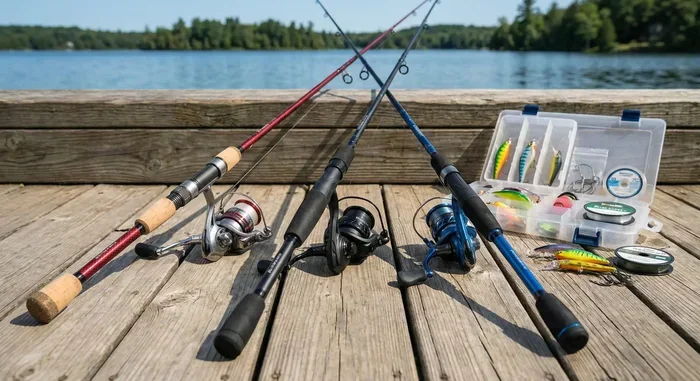
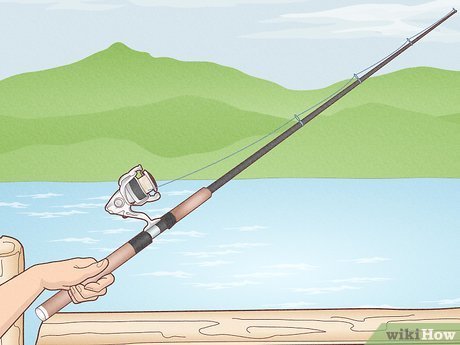
Visual guide about beginner fishing rod lake
Image source: spinningpole.com
Bait selection can make or break your fishing trip. The right bait depends on what species you’re targeting and where you’re fishing. Let’s break it down simply.
Live Bait Options
Live bait is the easiest and most effective option for beginners. Fish recognize natural food, so your chances of getting a bite go way up. Here are the top choices:
- Nightcrawlers: The universal freshwater bait. Bluegill, bass, catfish, and trout all love them.
- Minnows: Perfect for walleye, bass, and crappie. Keep them alive in a bait bucket.
- Crickets and grasshoppers: Excellent for panfish, especially in summer months.
- Waxworms and mealworms: Great for ice fishing and targeting bluegill.
Artificial Lures for Beginners
Once you’re comfortable with live bait, start experimenting with artificial lures. They last forever, don’t need refrigeration, and let you cover more water. Start with these beginner-friendly options:
- Soft plastic worms (Texas-rigged): The number one bass fishing lure in existence. Cast it out, let it sink, and slowly retrieve.
- Spinnerbaits: These have a spinning blade that creates vibration and flash. Fish them at a steady retrieve near structure.
- Crankbaits: They dive when you retrieve and mimic injured baitfish. Great for covering large areas quickly.
Matching Bait to Fish Species
Different fish prefer different food. Here’s a quick reference:
| Target Species | Best Live Bait | Best Artificial Lure |
|---|---|---|
| Largemouth Bass | Nightcrawlers, minnows | Soft plastic worms, spinnerbaits |
| Bluegill / Panfish | Worms, crickets | Small jigs, tiny spinners |
| Catfish | Cut bait, chicken liver | Dip bait tubes, punch bait |
| Trout | Worms, salmon eggs | Small spinners, spoons |
| Crappie | Minnows, waxworms | Small jigs, tube baits |
Common Mistake: Using bait that’s too big for the species you’re targeting. A giant nightcrawler on a tiny hook will scare off bluegill. Match your bait size to the fish’s mouth size.
Basic Casting Techniques Every Beginner Should Master
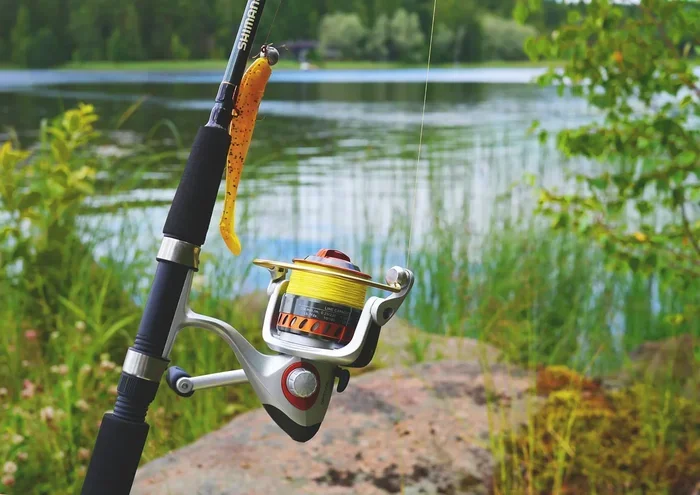
Visual guide about beginner fishing rod lake
Image source: bassinusa.com
Casting looks intimidating, but it’s actually one of the easiest skills to learn. With a little practice in your backyard, you’ll be casting accurately within an hour.
The Overhead Cast
This is the most common cast and the one you should learn first. Here’s how:
- Hold the rod at about a 2 o’clock position with the bail open.
- Bring the rod tip back to about 10 o’clock.
- Smoothly accelerate forward, releasing the line when the rod reaches about 11 o’clock.
- Follow through toward your target.
The key is a smooth, fluid motion. Don’t try to muscle it. Let the rod do the work.
The Side Cast
The side cast is great when you have low-hanging trees or obstacles behind you. Instead of bringing the rod over your shoulder, swing it sideways and release. It’s more accurate at short distances and works well for dropping bait under docks or near brush.
Practice Before You Go
Seriously, practice in your yard with a practice plug (a small rubber weight). Set up a target like a bucket or hula hoop at 20, 30, and 40 feet. Spend 15 minutes practicing before your first trip. You’ll be amazed at how quickly it clicks.
Quick Tip: If your line keeps tangling during the cast, you probably have too much line spooled or you’re releasing too early. Check your spool and slow down your motion.
Where to Find Fish: Reading the Water Like a Pro
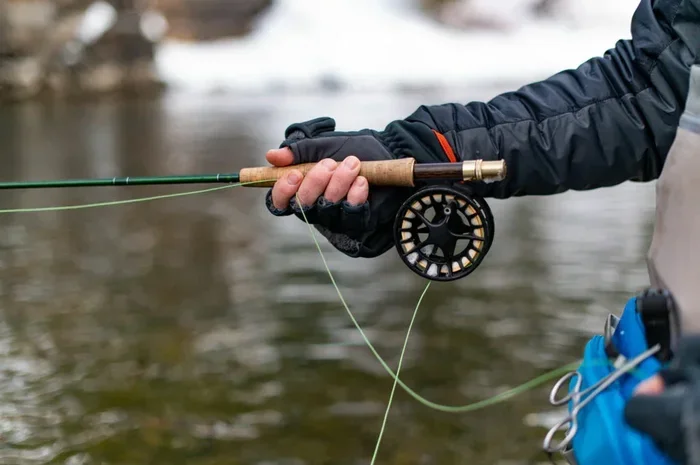
Visual guide about beginner fishing rod lake
Image source: cdn.shopify.com
You can have the best gear and bait in the world, but if you’re fishing in the wrong spot, you won’t catch anything. Learning to read the water is what separates beginners from experienced anglers.
Look for Structure
Fish love structure. It gives them shelter, ambush points, and access to food. Structure includes:
- Fallen trees and submerged logs
- Rock piles and boulders
- Weed beds and lily pads
- Docks and piers
- Drop-offs where shallow water meets deep water
Cast your bait near these areas, not in the middle of open water. Fish the edges and transitions.
Pay Attention to Shade and Cover
On sunny days, fish move to shaded areas to stay cool and hidden. Look for overhanging trees, docks, and tall grass along the bank. These shaded pockets are prime fishing spots, especially during midday.
Watch for Moving Water
In rivers and streams, fish position themselves behind rocks and in eddies where the current brings food to them. Look for seams where fast water meets slow water. Fish the calm side — that’s where they’re holding.
Time of Day Matters
Fish are most active during low-light conditions. The best fishing times are:
- Early morning (dawn to 9 AM): Fish feed aggressively after a night of rest.
- Late evening (5 PM to dusk): The second major feeding window of the day.
- Overcast days: Cloud cover keeps fish active throughout the day.
- After rain: Rain washes food into the water and stirs up activity.
Key Takeaway: If you can only fish during midday in bright sun, target deeper water and heavy cover. Fish retreat to these areas when the sun is high.
Proven Tips to Catch More Fish on Every Trip
Now that you have the basics down, let’s talk about the little things that add up to bigger catches. These tips come from experienced anglers who’ve spent thousands of hours on the water.
Keep Your Hooks Sharp
A dull hook is the number one reason beginners lose fish. Run your hook across your fingernail. If it doesn’t dig in and leave a scratch, it’s too dull. Carry a small hook sharpener and check your hooks every few casts, especially if you’re fishing near rocks.
Set the Hook Properly
When you feel a bite, don’t yank the rod straight up. Instead, reel in any slack quickly and then sweep the rod to the side with a firm motion. This drives the hook into the fish’s mouth. Setting the hook too hard can tear it out. Too soft, and the fish swallows the bait — which makes catch and release harder.
Stay Quiet and Stealthy
Fish have excellent hearing and feel vibrations through the water. Avoid stomping on the bank, dropping tackle boxes, or slamming car doors near the water. Approach your fishing spot quietly, especially in shallow water. Wear muted colors instead of bright clothing.
Change It Up When Nothing’s Biting
If you’re not getting bites after 20–30 minutes, change something. Try a different bait, move to a new spot, or switch your retrieve speed. Fishing is about experimentation. The angler who adapts fastest usually catches the most fish.
Keep a Fishing Journal
Write down what works. Note the date, time, weather, water temperature, bait used, and what you caught. Over time, patterns will emerge. You’ll start to know exactly what to throw and where to fish based on conditions. This single habit will accelerate your learning faster than anything else.
Expert Insight: “The biggest secret to catching more fish is spending more time on the water. Every trip teaches you something new. Don’t get discouraged by slow days — they’re part of the process.” — Professional bass angler and fishing guide
Common Beginner Mistakes and How to Avoid Them
Everyone makes mistakes when they’re starting. That’s totally normal. But knowing the most common ones ahead of time will save you hours of frustration.
Mistake #1: Using the Wrong Line Weight
Too heavy, and fish will see your line and avoid your bait. Too light, and you’ll lose fish when they break off. For general freshwater fishing, 6–8 pound monofilament is the sweet spot. Adjust based on the species and water clarity.
Mistake #2: Ignoring Weather and Water Conditions
Fish behavior changes dramatically with weather. A cold front can shut down feeding for hours. Rising barometric pressure after a storm often triggers aggressive feeding. Check the forecast before you go and adjust your strategy accordingly.
Mistake #3: Fishing Too Fast
Beginners tend to retrieve their bait too quickly. Most fish prefer a slow, natural presentation. Slow down your retrieve. Let your bait pause. Add subtle twitches. You’ll be surprised how many strikes you get on the fall or during a pause.
Mistake #4: Not Checking Local Regulations
Every state has fishing license requirements, size limits, and bag limits. Fines for fishing without a license are steep. Before your first trip, visit your state’s wildlife agency website and get familiar with the rules. Buy your license online — it takes five minutes.
Mistake #5: Giving Up Too Soon
Fishing requires patience. Some days you’ll catch a dozen fish before lunch. Other days, you’ll get skunked. That’s the nature of the sport. The anglers who stick with it are the ones who eventually become skilled. Don’t let a slow day keep you from going back.
Common Mistake: Setting your drag too tight. If a big fish strikes and your drag is locked down, the line will snap. Set your drag to about one-third of your line’s breaking strength.
Getting Started: Your First Fishing Trip Checklist
Ready to hit the water? Here’s everything you need for a successful first outing:
- Fishing license (printed or digital)
- Spinning rod and reel combo (medium power, 6–7 feet)
- 6–10 pound monofilament line
- Tackle box with hooks, sinkers, bobbers, and swivels
- Live bait (nightcrawlers are the safest bet)
- Pliers and line cutters
- Sunscreen, hat, and polarized sunglasses
- Snacks and water
- A positive attitude and patience
Pick a local lake or pond known for panfish or bass. Arrive early, find a spot with some structure or shade, rig up a simple bobber and worm setup, and start casting. Don’t overthink it. Just get your line in the water and enjoy the experience.
The first fish you catch will hook you for life — pun absolutely intended.
Frequently Asked Questions
What is the best fishing setup for a complete beginner?
A medium-power spinning rod and reel combo between 6 and 7 feet is the best all-around setup for beginners. Pair it with 6–10 pound monofilament line, a few size 6–8 hooks, split shot sinkers, and a bobber. This simple rig works for most freshwater species including bass, bluegill, and catfish.
What bait should I use for my first fishing trip?
Nightcrawlers are the best bait for beginners because nearly every freshwater species will eat them. Simply thread a piece of worm onto a hook, add a small split shot sinker about 12 inches above, and set your bobber at the right depth. It’s simple, effective, and available at any bait shop.
What time of day is best for fishing?
Early morning (dawn to about 9 AM) and late evening (5 PM to dusk) are the best times to fish because fish feed most actively during low-light conditions. Overcast days are also excellent since fish stay active throughout the day instead of retreating to deep water.
Do I need a fishing license to fish?
Yes, in nearly every state you need a valid freshwater fishing license to fish in public waters. Licenses are inexpensive and can usually be purchased online through your state’s wildlife agency website. Some states offer free fishing days once or twice a year, so check for those as well.
How do I know if a fish is biting my bait?
Watch your bobber closely. When a fish takes the bait, the bobber will dip under the water, move sideways, or jiggle. If you’re using a lure, you’ll feel a tap or a sudden weight on the line. When you see or feel a bite, reel in any slack and set the hook with a quick, firm sweep of the rod.
What should I do if I’m not catching anything?
First, change your location — move to a spot with more structure, shade, or depth change. Second, switch your bait or lure. Third, slow down your retrieve. If nothing works after 30 minutes, try a completely different spot or come back at a different time of day. Patience and adaptability are key to catching fish consistently.