How to Fly with Fishing Rods Without Damage: Complete Travel Guide
Flying with fishing rods doesn’t have to end in broken gear and frustration. This complete guide covers everything you need to know—from choosing the right rod case and understanding airline policies to safely packing your reels, tackle, and accessories. Follow these expert tips to arrive at your dream fishing destination with your equipment in perfect condition.
Here’s the good news. Thousands of anglers fly with their fishing gear every single day without a single problem. The secret isn’t luck. It’s preparation.
In this guide, we’ll walk you through every step of flying with fishing rods. You’ll learn how to pick the right case, pack your gear like a pro, navigate airline regulations, and land at your destination ready to fish—not ready to file an insurance claim.
Let’s make sure your next fishing adventure starts with a tight line, not a broken rod.
- Choose the right rod case: Hard-shell cases offer the best protection for air travel, while padded soft cases work for shorter rods and budget trips.
- Know airline policies in advance: Every airline has different rules, fees, and size limits for fishing equipment—always check before you book.
- Disassemble and pack rods properly: Break down multi-piece rods, remove reels, and use padding between each section to prevent internal damage.
- Protect rod tips and guides: Use tip caps, foam inserts, or pool noodles to cushion the most fragile parts of your fishing rod during transit.
- Pack tackle separately: Place hooks, lures, and sharp items in checked luggage using organized tackle boxes—never in carry-on bags.
- Label your case inside and out: Include your name, phone number, and destination on both the exterior and interior of your rod case.
- Consider travel-specific rods: Multi-piece or telescopic rods are easier to pack and less likely to be damaged.
📑 Table of Contents
- Understanding Airline Policies for Fishing Equipment
- Choosing the Best Rod Case for Air Travel
- How to Pack Your Fishing Rods Step by Step
- Packing Tackle, Lures, and Accessories for Air Travel
- Tips for Checking Your Fishing Gear at the Airport
- Common Mistakes Anglers Make When Flying with Rods
- Expert Tips for Stress-Free Fishing Travel
- Final Thoughts on Flying with Fishing Rods
Understanding Airline Policies for Fishing Equipment
Before you even think about packing, you need to understand the rules. Every airline treats fishing equipment differently. Some treat it as standard checked baggage. Others classify it as oversized or sporting equipment with extra fees.
Major airlines like Delta, United, and American Airlines generally allow fishing rods as checked luggage. But the size limits and fees vary. Delta, for example, may waive oversize fees for fishing equipment if it’s in a hard case. United counts it toward your standard baggage allowance if it fits within size limits.
Budget airlines can be trickier. Spirit and Frontier often charge additional fees for sporting equipment. International carriers have their own unique policies. Airlines in Europe, Asia, and South America may have stricter size restrictions or require advance notification.
What to Check Before You Fly
Always visit the airline’s website and search for “sporting equipment” or “fishing equipment” policies. Look for:
- Maximum length and weight allowances
- Oversized and overweight fees
- Whether fishing gear counts as one checked bag or incurs extra charges
- Any special declaration requirements at check-in
- International destination restrictions on fishing gear
Call the airline directly if anything is unclear. Get the agent’s name and a reference number for the conversation. This can save you a major headache at the airport if there’s a dispute about fees or policies.
Pro tip: Print out the airline’s sporting equipment policy and bring it with you to the airport. Having the rules in writing gives you leverage if a gate agent tries to charge you unexpected fees.
Choosing the Best Rod Case for Air Travel
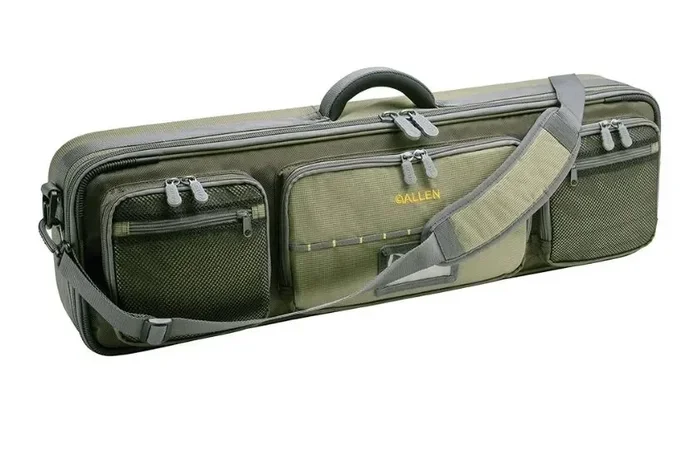
Visual guide about fishing rod travel case
Image source: wideopenspaces.com
Your rod case is your single most important piece of travel gear. The right case protects your investment. The wrong one leaves your rods vulnerable to crushing, bending, and impact damage.
There are three main types of rod cases to consider. Each has its strengths and weaknesses depending on your travel style and budget.
Hard-Shell Rod Cases
Hard cases are the gold standard for air travel. They’re made from durable materials like ABS plastic, aluminum, or fiberglass. Most feature foam interiors that cradle your rods in place.
Popular options include the Plano Rod Vault, Daiwa Hard Rod Case, and Frabill Rod Vault. These cases typically hold between two and four rod-and-reel combos. Some models have lockable latches for added security.
The downside? Hard cases are heavy and bulky. They take up significant space in your luggage and can push you over airline weight limits. They also cost more—expect to pay between $60 and $200, depending on the brand and size.
But here’s the thing. If you’re traveling with expensive rods, a hard case is worth every penny. The protection it provides far outweighs the extra cost and weight.
Padded Soft Rod Cases
Soft cases are lighter, more flexible, and easier to store. They’re great for anglers who travel with budget-friendly rods or who need to minimize luggage weight.
Look for cases with thick padding—at least half an inch of foam throughout. The Bass Pro Shops Deluxe Rod Sleeve and Okuma Traveler series are solid choices. Some soft cases come with reinforced tip sections for extra protection.
The trade-off is obvious. Soft cases don’t offer the same crush resistance as hard cases. If something heavy gets stacked on top of your bag, your rods could still get damaged. For short flights or when you can carry the case onto the plane, soft cases work well.
DIY and Budget-Friendly Options
Not everyone wants to spend hundreds on a rod case. If you’re on a tight budget, you can build effective protection using everyday materials.
PVC pipe cases are a popular DIY solution. A four-inch diameter PVC pipe with end caps creates a surprisingly sturdy rod tube. Line the inside with foam or bubble wrap, and you’ve got a protective case for under $20.
You can also use cardboard mailing tubes, pool noodles split in half and taped around rods, or even wrapping rods in towels and placing them inside a duffel bag. These methods aren’t as reliable as commercial cases, but they work in a pinch.
Comparison Table: Rod Case Options
| Case Type | Protection Level | Weight | Price Range | Best For |
|---|---|---|---|---|
| Hard-Shell Case | Excellent | Heavy | $60–$200 | Expensive rods, long flights |
| Padded Soft Case | Good | Light | $20–$80 | Budget rods, short flights |
| DIY PVC Tube | Moderate | Medium | $10–$25 | Budget travel, short trips |
| Cardboard Tube | Basic | Very Light | $5–$15 | Emergency or one-time use |
How to Pack Your Fishing Rods Step by Step
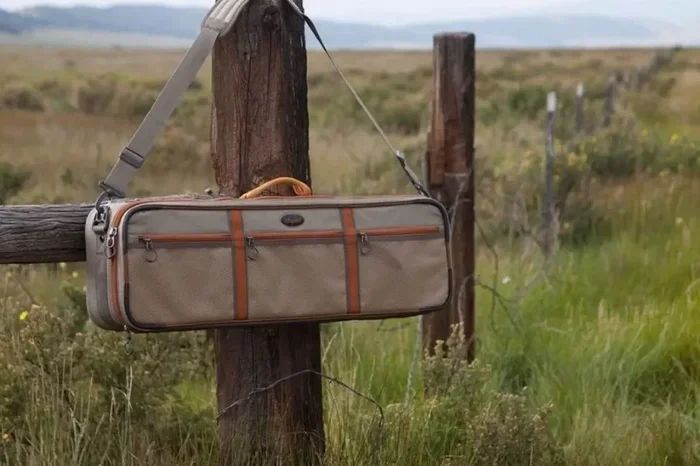
Visual guide about fishing rod travel case
Image source: wideopenspaces.com
Packing your rods correctly is just as important as the case you choose. Even the best case won’t protect rods that are thrown in haphazardly.
Follow these steps every time you pack your fishing gear for a flight.
Step 1: Disassemble Everything
Break down multi-piece rods into their individual sections. Remove reels from rods. Take apart any rod combos you normally keep assembled. The more you break things down, the easier they are to pack and the less stress each piece experiences during transit.
Place each rod section in a separate sleeve or wrap them individually in soft cloth. This prevents sections from rubbing against each other and scratching the finish.
Step 2: Protect the Tips and Guides
Rod tips and line guides are the most fragile parts. A single bent guide can ruin an entire fishing trip.
Use plastic tip caps if you have them. If not, wrap the tip section in several layers of bubble wrap and secure it with tape. You can also slide a small piece of foam pool noodle over the tip for cushioning.
For extra protection, place a small piece of cardboard or plastic behind each guide ring. This prevents them from getting pressed against the case wall and bending.
Step 3: Secure Reels Properly
Never leave reels attached to rods during air travel. The leverage created by a reel on a rod section can cause the rod to snap if pressure is applied.
Wrap each reel in a soft cloth or small towel. Place them in a separate compartment of your case or in a dedicated reel bag. If you’re using a hard case with a large interior cavity, nestle the wrapped reels between rod sections with padding on all sides.
Step 4: Fill Every Empty Space
Space inside a case is the enemy. When rods shift during transit, they can bang against each other or the case walls.
Use foam inserts, bubble wrap, towels, or even clothing to fill gaps. The goal is to create a snug fit where nothing moves when you shake the case gently.
Some anglers pack socks, t-shirts, or other soft clothing around their rods. This saves space in your other luggage and provides free padding. It’s a win-win.
Step 5: Seal and Label the Case
Close the case securely. If it has latches, make sure they’re all fastened. If it’s a soft case, zip it completely and consider using a strap or bungee cord around the middle for extra security.
Attach a luggage tag to the outside with your name, phone number, email, and destination address. Place a duplicate identification card inside the case as well. If the external tag gets torn off, airline staff can still identify your gear.
Packing Tackle, Lures, and Accessories for Air Travel
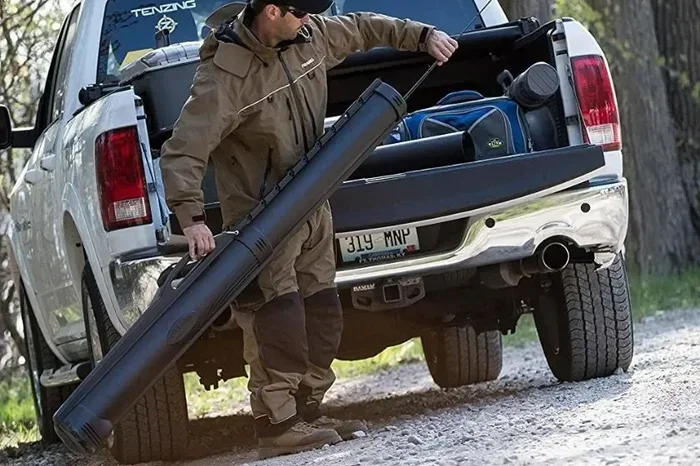
Visual guide about fishing rod travel case
Image source: wideopenspaces.com
Your rods aren’t the only gear that needs careful packing. Tackle, lures, hooks, and accessories all require special attention when flying.
What You Can and Can’t Bring
The TSA and international security agencies have strict rules about what can go in carry-on versus checked luggage.
Sharp items like hooks, knives, and multi-tools must go in checked luggage. You cannot bring these through security in a carry-on bag. This includes fishing pliers, hook sharpeners, and line cutters.
Lures with treble hooks should also be packed in checked luggage. While small lures might technically pass security, they’re not worth the hassle of explaining yourself at the checkpoint.
Soft plastic baits, line, spools, and non-sharp accessories can generally go in either checked or carry-on luggage. But it’s simpler to put everything in one place.
Organizing Your Tackle Box
Use a sturdy tackle box with secure latches. Flimsy boxes can pop open under pressure, scattering hooks and lures throughout your luggage.
Consider using individual small containers within your main tackle box. Plano StowAway boxes or similar compartmentalized organizers keep everything separated and prevent hooks from tangling.
Pack your tackle box inside a larger bag or suitcase rather than checking it as a standalone item. This provides an extra layer of protection and keeps everything together.
Handling Fishing Line and Spools
Fishing line is generally safe in both carry-on and checked bags. However, large spools of line can be bulky and heavy.
If you’re bringing multiple spools, consider transferring the line to smaller, more compact spools for travel. Or simply buy a line at your destination. Most fishing destinations have well-stocked tackle shops.
Tips for Checking Your Fishing Gear at the Airport
The check-in process is where many anglers get nervous. Here’s how to make it go smoothly.
Arrive Early and Be Prepared
Give yourself extra time at the airport. Checking sporting equipment can take longer than standard baggage. You may need to visit a special oversize baggage counter or speak with a supervisor.
Have your airline’s sporting equipment policy printed out or saved on your phone. If there’s a dispute about fees or whether your case is allowed, you’ll have documentation to back you up.
Declare Your Equipment Clearly
When you approach the check-in counter, tell the agent you’re checking in fishing equipment. Don’t just hand over a long tube and hope they figure it out.
Some airlines require you to sign a liability waiver for fragile items. This waiver may limit the airline’s responsibility if your gear gets damaged. Read it carefully before signing. Knowing what you’re agreeing to is always better than being surprised later.
Consider Travel Insurance
Standard airline liability for checked baggage is limited—often around $3,500 for domestic flights and even less for international travel under the Montreal Convention. If your fishing gear is worth more than that, you need additional coverage.
Travel insurance policies often offer optional coverage for sporting equipment. Some homeowner’s or renter’s insurance policies also cover personal belongings during travel. Check your policy before you fly.
Specialized sports travel insurance companies like SportsCover or World Nomads offer policies designed specifically for athletes and anglers traveling with expensive gear.
Common Mistakes Anglers Make When Flying with Rods
Even experienced travelers make these errors. Avoiding them can save you hundreds of dollars and a lot of frustration.
Mistake 1: Not Checking Airline Policies in Advance
Assuming all airlines treat fishing gear the same way is a costly mistake. Fees, size limits, and handling procedures vary widely. Always research before you book your flight.
Mistake 2: Using Inadequate Protection
A flimsy rod sleeve or a garbage bag is not sufficient protection for air travel. Invest in a proper case. Your rods deserve better than being wrapped in a beach towel and shoved into a duffel bag.
Mistake 3: Leaving Reels Attached to Rods
This is one of the most common causes of rod breakage during travel. The reel creates a lever point that multiplies any force applied to the rod. Always remove reels before packing.
Mistake 4: Overpacking the Case
Trying to cram too many rods into one case puts pressure on all of them. If the case is bulging or difficult to close, you’ve packed too much. Use a larger case or split your gear between two cases.
Mistake 5: Forgetting About the Return Trip
Think about how you’ll pack your rods for the flight home. Keep some bubble wrap, tape, and padding in your luggage for the return journey. Wet or dirty rods should be dried and cleaned before packing to prevent damage and odors.
Expert Tips for Stress-Free Fishing Travel
After talking to countless traveling anglers and fishing guides, here are the best insider tips for flying with your gear.
Travel with Multi-Piece or Telescopic Rods
If you fly frequently, consider investing in rods specifically designed for travel. Four-piece, five-piece, and six-piece rods break down into compact sections that fit easily into standard luggage or small rod cases.
Telescopic rods collapse into themselves, reducing their length by 70% or more. Brands like Daiwa, Shimano, and St. Croix make excellent travel rods that perform just as well as their two-piece counterparts.
Ship Your Gear Ahead of Time
For particularly valuable or fragile rods, consider shipping them to your destination via FedEx, UPS, or USPS. Package them extremely well, ensure the shipment for full value, and track the package every step of the way.
This option works best when you’re staying at a lodge, hotel, or rental property that can receive packages on your behalf. It eliminates the risk of airline handling.
Bring a Backup Plan
Even with the best preparation, things can go wrong. Research tackle shops and rod rental options at your destination before you leave home.
Knowing where to buy a replacement rod or rent gear takes the stress out of travel. If your rods arrive damaged, you can still salvage your trip instead of spending it in a hotel room making phone calls.
Document Everything Before You Fly
Take photos of your rods, reels, and tackle before packing them. Note any existing scratches, dents, or wear. This documentation is invaluable if you need to file a damage claim with the airline or your insurance company.
Keep receipts for all your fishing gear in a digital folder on your phone. Having proof of value makes the claims process much smoother.
Final Thoughts on Flying with Fishing Rods
Flying with fishing rods doesn’t have to be stressful. With the right case, proper packing technique, and a solid understanding of airline policies, you can transport your gear safely to any destination in the world.
The key is preparation. Don’t wait until the night before your flight to figure out how you’re going to pack your rods. Plan, invest in quality protection, and give yourself plenty of time at the airport.
Every great fishing trip starts long before you make your first cast. It starts with the decision to protect your gear and respect the journey. Follow the steps in this guide, and you’ll arrive at your destination with everything you need to make memories on the water.
Now stop worrying about your rods and start planning that next adventure. The fish are waiting.
Frequently Asked Questions
Can I bring fishing rods on a plane as carry-on luggage?
Most airlines do not allow fishing rods as carry-on items because they exceed standard carry-on size limits. Some smaller telescopic rods or single-piece rods under 24 inches might fit in overhead bins, but this is rare. Always check with your specific airline before attempting to bring rods through security as carry-on items.
Do airlines charge extra to check fishing rods?
It depends on the airline and how your rods are packed. If your rod case fits within standard checked baggage size limits (typically 62 linear inches), many airlines treat it as regular luggage. Oversized cases may incur additional fees ranging from $25 to $200. Budget airlines tend to charge more for sporting equipment than major carriers.
What is the best type of rod case for flying?
Hard-shell rod cases offer the best protection for air travel. They resist crushing, impact, and rough handling far better than soft cases. Look for models with foam interiors, secure latches, and enough room for your rods plus padding. Brands like Plano, Daiwa, and Frabill make excellent hard cases designed specifically for travel.
How do I protect my rod tips during air travel?
Use plastic tip caps designed for your rod’s diameter. If you don’t have tip caps, wrap the tip section in multiple layers of bubble wrap and secure it with tape. You can also slide a piece of foam pool noodle over the tip. The key is ensuring the tip cannot make direct contact with the case wall or other gear inside.
Should I remove my reel from the rod before flying?
Yes, always remove reels from rods before packing them for air travel. A reel attached to a rod creates a lever point that can cause the rod to snap if pressure is applied. Wrap each reel separately in a soft cloth or towel and pack it in a dedicated compartment or padded area within your case.
What should I do if my fishing rods are damaged during a flight?
Report the damage immediately at the airport before leaving the baggage claim area. File a claim with the airline and provide photos of the damage along with receipts showing the value of your gear. If you have travel insurance or homeowner’s coverage that includes sporting equipment, file a claim with them as well. Document everything thoroughly to support your case.