How Deep To Fish For Bluegill: Find The Perfect Depth
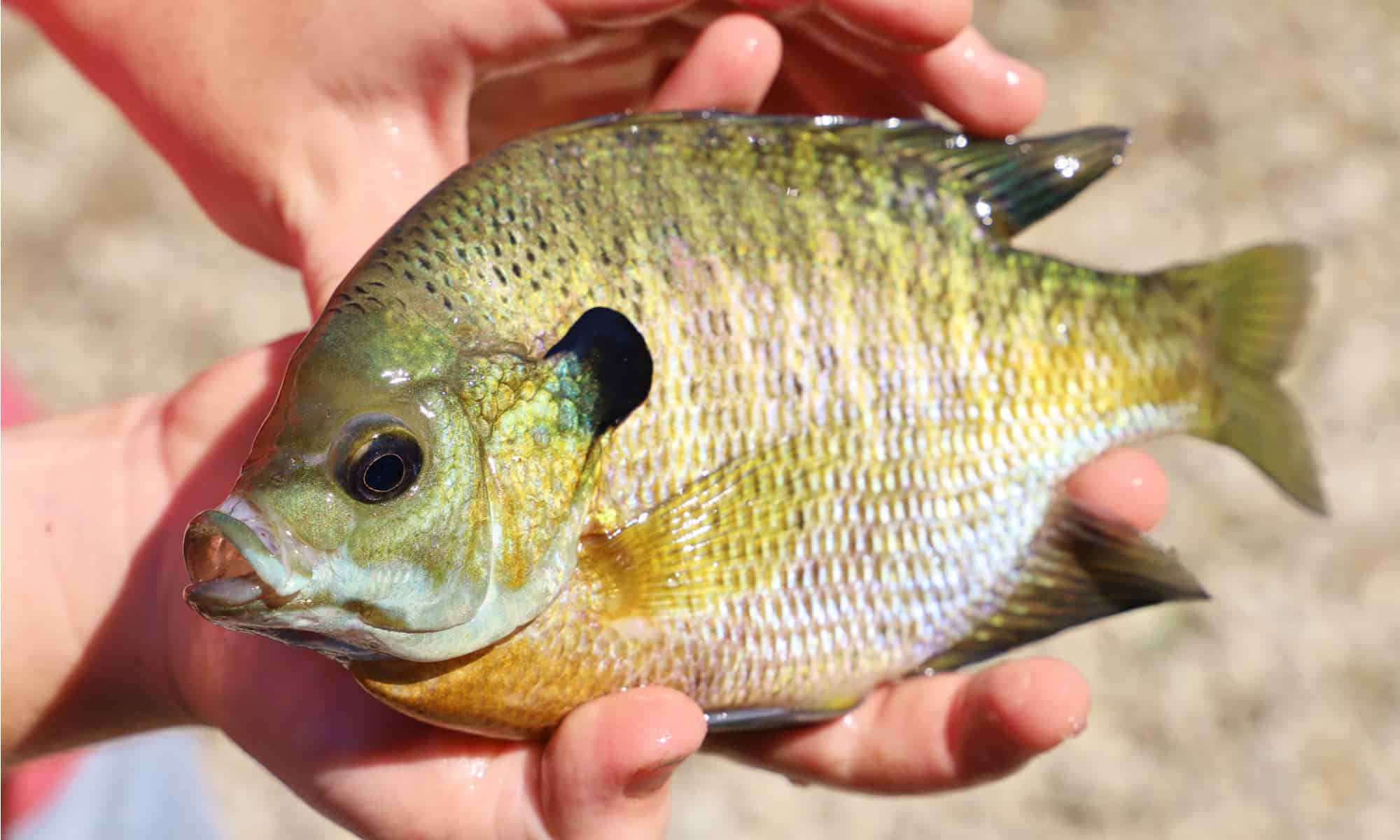
Bluegill are small fish, but they are not always easy to catch. Their depth can change with the season, sunlight, water clarity, weather, food, and fishing pressure. One day, bluegill may sit under a dock in 2 feet of water. The next day, the same fish may hold 8 feet down near weeds, brush, or a drop-off.
So, how deep should you fish for bluegill? Start in 1 to 3 feet during the spawn and warm parts of spring. In summer, try 4 to 10 feet, especially near weed edges, brush, docks, and shaded banks. In fall, check 3 to 8 feet. During winter, bluegill often move deeper and may suspend several feet above the bottom.
The best approach is not to guess one depth and stay there all day. Set a bobber, adjust your bait in small steps, and let the fish show you where they are. A simple setup with a spinning reel, spincast combo, or telescopic rod can work well for beginners, kids, and experienced anglers alike.

Quick answer: Start shallow, then search deeper
The best starting depth for bluegill is 2 to 4 feet, especially near weeds, docks, shade, or cover. If you do not get bites after 10 to 15 minutes, try 5 to 8 feet. In summer and winter, bluegill often hold deeper. Use a small hook, light line, and a tiny piece of live bait under a bobber.

The correct depth depends on where bluegill find food, safety, and comfortable water. Bluegill may feed near the surface in low light, then move deeper as bright sun warms the upper water.
A slip bobber helps when fish hold more than 4 or 5 feet down. For shallow water, a fixed bobber is easy to cast and simple for new anglers to use.
Why bluegill change depth
Bluegill change depth for four main reasons: water temperature, food, cover, and danger. They want enough food nearby, but they also need shelter from bass, birds, and other predators.
Bluegill are panfish, which means they are smaller freshwater fish that often travel in groups. They eat insects, small crustaceans, larvae, tiny fish, and other small food. Their feeding depth can change several times in one day.

Water temperature guides movement
Water temperature has a strong effect on bluegill location. In cold water, their bodies slow down. They often stay near deeper areas and feed less often.
As spring warms the shallows, bluegill move toward banks, flats, and protected coves. They may spawn in very shallow water when conditions are right. After the spawn, many fish leave the bank and settle near nearby cover or a depth change.
In summer, bluegill may avoid very warm surface water during the middle of the day. They often move toward deeper weed lines, brush piles, docks, or shaded water.
Food can matter more than depth
Bluegill often stay where food is easy to find. Insect activity can pull them into shallow water. Mayflies, dragonflies, ants, grasshoppers, and other insects may land on the surface or fall from nearby plants.
At other times, bluegill feed on small larvae near vegetation or the bottom. If you see small insects, baitfish, or surface rings, check the upper water before moving deep.
Cover gives bluegill protection
Cover means anything that gives fish shelter. Common bluegill cover includes:
- Weeds and lily pads
- Fallen trees and brush
- Docks and boat lifts
- Rock piles
- Stumps
- Bridge shade
- Drop-offs near shallow flats
A good depth is often the depth beside cover, not the deepest point in the lake. Bluegill may hold on the sunny side of a weed bed in the morning and move under shade later.
Light changes where fish feel safe
Bluegill often feed shallower during low-light periods. Early morning, late evening, cloudy skies, and light rain can bring them closer to the surface.
Bright sun may push them under docks, into weeds, or slightly deeper. Clear water can make this move more obvious. In muddy water, bluegill may stay shallow because they feel safer there.
Bluegill depth by season
The best bluegill depth changes with the season. These ranges are useful starting points, not strict rules. Water clarity, lake size, weather, and local fish habits can shift the fish several feet.
The table below gives a simple seasonal plan for ponds, lakes, and slow rivers.
| Season | Starting depth | Productive areas |
|---|---|---|
| Early spring | 2–6 feet | South-facing banks, coves, wood |
| Spawn | 1–4 feet | Sandy or firm-bottom flats |
| Summer | 4–10 feet | Weed edges, docks, brush |
| Fall | 3–8 feet | Flats near channels and cover |
| Winter | 8–20+ feet | Deep basins, channels, structure |
Start at the shallow end of each range when the water is warming or the sky is cloudy. Start deeper when the sun is bright, the water is clear, or the fish have seen heavy fishing pressure.
Spring: begin near the bank
In early spring, bluegill may still hold in deeper water. As the water warms, they move toward shallow flats and protected coves. A bait set 2 to 5 feet deep can work well near weeds, wood, and gradual banks.
The best spring areas often face south or southwest. These banks receive more sun and may warm sooner. A small worm, cricket, or red wiggler under a bobber is a reliable first choice.
Spawning season: fish very shallow
During the spawn, bluegill may sit in 1 to 4 feet of water. Look for small round beds on firm bottom. The beds may look like pale circles in clear water.
Do not assume every visible bed has active fish. Cast beyond the bed and bring your bait across the edge. A light presentation can help avoid spooking fish in clear, shallow water.
Summer: search the first deep edge
Summer is when many anglers fish too shallow for bluegill. The fish may still be near shore, but they often move to the first drop-off or deep weed edge.
Try 4 to 6 feet early in the morning. Move to 6 to 10 feet during bright afternoon conditions. In a small pond, the deepest water may hold fish, but cover near deep water is often more important than depth alone.
Fall: follow food and baitfish
In fall, bluegill may move from summer cover toward flats, creek arms, and channel edges. Start at 3 to 5 feet near weeds or wood. If the water cools sharply, check 6 to 10 feet.
A small jig, soft plastic, or live bait can work. Keep your presentation slow. Bluegill may still feed hard, but cold fronts can make them cautious.
Winter: use a vertical presentation
In winter, bluegill often hold deeper and move less. Ice anglers may find them 10 to 25 feet down, but depth varies greatly by lake. In open water, a small jig under a slip bobber can reach suspended fish.
A fish finder can help locate depth changes and groups of fish. It does not replace good bait placement. If bluegill show at 12 feet, place the bait at 10 to 11 feet first, then adjust.
A depth guide for common water types
Different waters require different search plans. A shallow farm pond may have bluegill in 2 to 6 feet all year. A large reservoir may require a fish finder, a boat, or long casts to reach the best depth.

This table gives a practical starting point for several common fishing locations.
| Water type | First depth to try | Best clues |
|---|---|---|
| Small pond | 2–5 feet | Shade, weeds, insects |
| Large lake | 4–10 feet | Drop-offs, brush, docks |
| Slow river | 2–6 feet | Slack water, eddies, wood |
| Dock or pier | 4–8 feet | Pilings, shade, feeding fish |
| Ice fishing area | 8–20 feet | Basin, channel, fish marks |
The main lesson is simple: fish the structure at that depth. An empty 10-foot flat may be less useful than a brush pile in 6 feet of water.
Shore fishing
Shore anglers should look for access to depth, not only shallow banks. A steep bank, creek mouth, bridge, or point can let you reach deeper water without a boat.
Cast parallel to the bank when possible. This keeps the bait in the strike zone longer. A long cast straight out may move your bait over several depths, but a side cast often gives better control.
Dock and pier fishing
Docks provide shade and cover. Bluegill may be 2 feet deep in the morning and 6 feet deep later. Start near the edge of the shade, then work under the dock if local rules allow it.
Use a short rod if space is tight. A 5- to 6-foot spincast combo is easy for beginners and children. Experienced anglers may prefer a 6- to 7-foot light spinning rod for longer casts and better line control.
Kayak fishing
A kayak lets you reach weed lines, points, and drop-offs that may be hard to reach from shore. Use a small tackle box and keep hooks, pliers, and line organized.
Always wear a U.S. Coast Guard–approved personal flotation device. Keep the rod tip low when fishing around brush, and secure loose gear before moving.
⚠️ Safety Warning: Wear your PFD while kayak fishing, even on calm water. Check the weather before leaving, tell someone your plan, and carry a way to contact help.
Ice fishing
Ice fishing changes how you measure depth. You can lower a jig directly below the hole and test several levels. Bluegill may suspend above the bottom, so do not keep your bait on the floor unless fish show there.
Check ice thickness and local ice safety guidance before walking onto frozen water. Ice thickness can vary near springs, current, bridges, and vegetation.
How to measure the right fishing depth
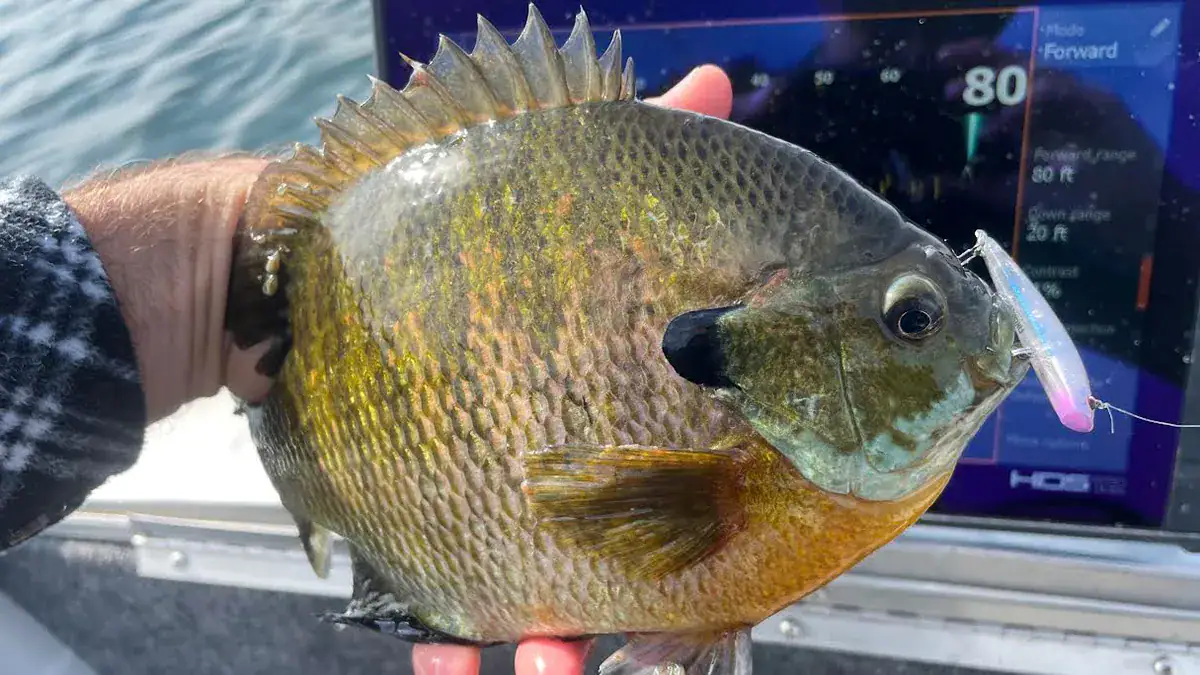
The easiest method is to use a bobber that you can adjust. Start shallow and move the bait deeper in small steps. A depth change of 6 to 12 inches can make a difference.
Fixed bobbers for shallow water
A fixed bobber works well in water less than about 5 feet deep. The bobber stays in one place on the line. It is simple to cast, easy for kids to watch, and quick to adjust.
Tie or place the bobber so the hook hangs 2 to 4 feet below it. If the bait rests on weeds, raise it. If fish feed near the bottom, lower it.
Slip bobbers for deeper water
A slip bobber slides along the line until it reaches a small stop. This lets you fish deeper than the rod length. It is useful for bluegill in 6 to 15 feet of water.
A basic slip-bobber rig includes:
- Slip bobber
- Bobber stop
- Small bead
- Split shot sinker
- Swivel, if needed
- Light leader
- Size 6 to 10 hook
A leader is a short section of line between the main line and hook. For bluegill, a leader is often 6 to 18 inches long.
Use your line and sinker as a depth tool
If you do not have a depth finder, attach a small weight to the hook and lower it until it touches bottom. Set the bobber so the bait sits just above the bottom.
Remove the extra weight before fishing. A large sinker can make your bait look unnatural and may pull a small bobber under.
Watch the bobber for clues
A bluegill bite may pull the bobber down, tilt it, or move it sideways. A small twitch may mean the fish is testing the bait.
If the bobber lies flat, the bait may be on bottom. If it stands too high, the rig may be tangled or the bait may be too shallow for the fish.
The best rigs for different bluegill depths
A rig is the complete setup from the main line to the hook. The best rig depends on depth, cover, wind, bait, and the angler’s skill.

The following options cover most bluegill situations.
| Depth or condition | Rig | Best user |
|---|---|---|
| 1–5 feet, calm water | Fixed bobber and bait | Beginners and kids |
| 4–15 feet | Slip bobber and bait | Most bank anglers |
| Near bottom | Small jig or split-shot rig | Experienced anglers |
| Weeds or cover | Weedless jig or soft plastic | Anglers avoiding snags |
| Ice fishing | Tiny jig below a spring bobber | Ice anglers |
A fixed bobber is the easiest choice for a first setup. A slip bobber takes a few extra minutes to rig but gives you much better depth control.
Live bait under a bobber
Live bait remains one of the easiest ways to catch bluegill. Small worms, crickets, wax worms, and insect larvae can all work where legal.
Use only a small piece of bait. A large worm can hide the hook and make it harder to set. Hook the bait lightly so it moves naturally.
Small jigs
A jig is a hook with a weighted head. Use a tiny 1/32- to 1/16-ounce jig for shallow bluegill and light line. Tip it with a small soft plastic, wax worm, or piece of natural bait.
Jigs are useful when fish are deeper or when wind makes a bobber hard to control. They also let you count the bait down to a specific depth.
Split-shot bottom rigs
A split shot is a small removable weight that pinches onto the line. Place one or two small split shots 6 to 12 inches above the hook.
This rig works near the bottom, especially in deeper water. Avoid dragging it through heavy weeds or wood because it can snag.
Fly-fishing presentations
A light fly rod can be excellent for shallow bluegill. A 3- to 5-weight fly rod with a small popper, wet fly, or nymph can cover the upper water.
Fly fishing takes more practice than a spincast combo. It suits experienced anglers, older children with instruction, and anyone who enjoys casting skill as much as catching fish.
Gear that helps you fish the correct depth
You do not need expensive gear to find bluegill. The right rod, line, hook, and float matter more than a large tackle box.

For most anglers, light tackle gives better bait control and a more enjoyable fight.
Rod and reel choices
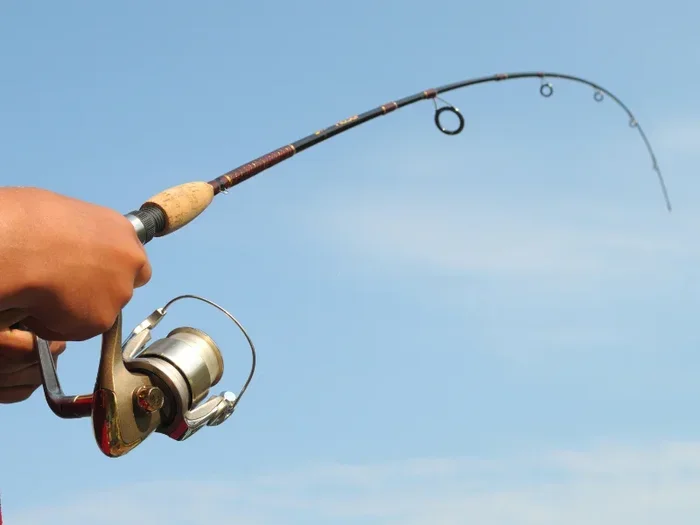
A 5- to 7-foot ultralight or light spinning rod is a strong all-around choice. Rod power describes how much force it takes to bend the rod. Ultralight and light power rods bend easily with small fish.
Rod action describes where the rod bends. A fast-action rod bends near the tip. A moderate action bends farther down the blank and can be forgiving for beginners.
A spincast combo is simple and resists many casting errors. It is a good fit for young anglers and first-time buyers. A spinning reel gives better casting range and line control. A telescopic rod is portable, but its sections need careful cleaning and storage.
Baitcasters are usually unnecessary for bluegill. They suit anglers who also fish for bass and want one reel style for many lures. Baitcasters can create backlash, which is a tangled loop of line caused by a spool turning faster than the lure.
Line choice
Use 2- to 6-pound-test monofilament for most bluegill fishing. Line test is the rated strength of the line. Four-pound monofilament is a useful middle choice.
Fluorocarbon is less visible underwater and sinks well, but it can be stiffer. Braided line is thin and strong, but you may need a light fluorocarbon or monofilament leader.
The best line depends on cover and water clarity. Use lighter line in clear, open water. Use slightly heavier line near wood, weeds, or docks.
Hook sizes
Size 6 to 10 hooks work for many bluegill baits. Use a size 10 or 12 hook for tiny pieces of bait. A size 6 hook may suit a larger worm or bigger bluegill.
Barbless hooks are easier to remove and can reduce handling time. If you use barbed hooks, keep pliers close and remove the hook with care.
Bobber size
A small bobber is more sensitive. It moves with less force, so bluegill do not need to pull hard to show a bite.
Use a larger bobber only when wind, waves, or heavy bait require it. A large float may hide light bites.
| Component | Common bluegill choice | Why it matters |
|---|---|---|
| Rod | 5–7 feet, ultralight or light | Casts small baits |
| Reel | Spinning or spincast | Simple line control |
| Main line | 2–6 lb monofilament | Light and easy to use |
| Hook | Size 6–12 | Fits small mouths |
| Bobber | Small fixed or slip float | Shows light bites |
| Sinker | Small split shot | Controls bait depth |
A new angler can start with a low-cost spincast combo and a small tackle box. An experienced angler may prefer a light spinning reel with a smoother drag and a longer rod.

A step-by-step plan for finding bluegill depth
The best way to find the right depth is to use a repeatable search pattern. Do not change bait, location, and depth all at once. Test one factor at a time.

1. Start near visible cover
Look for weeds, shade, wood, rocks, docks, and small points. Begin in 2 to 4 feet of water unless the season or weather suggests a deeper start.
Cast near the cover, but do not land the bobber directly on top of it. Bluegill may scatter when the rig hits hard.
2. Set the bait 2 to 3 feet deep
Use a small hook, light line, and a tiny bait. Watch the float for at least 5 to 10 minutes.
If you catch a fish, repeat the same cast and depth. Bluegill often school, so one bite can reveal a productive level.
3. Lower the bait by 1 foot
If no fish bite, lower the bait by about 12 inches. Keep the same location and bait. Continue until you reach 6 feet or find fish.
Small depth changes help you identify the active layer. Dropping from 3 feet to 10 feet in one move can skip the zone where bluegill are feeding.
4. Move toward the first drop-off
If shallow cover produces no bites, move to the edge where the bottom falls deeper. Fish the shallow side, the edge, and the deeper side.
A drop-off near weeds or a creek channel deserves extra attention. Bluegill may move along it during the day.
5. Test a second location
If the depth search fails, the fish may not be in that area. Try a different bank, cove, dock, or depth.
Do not stay at an unproductive spot just because it looks attractive. Bluegill need the right combination of depth, cover, food, and water temperature.
6. Mark the productive depth
When you find fish, note the depth and location. A simple phone note can help on future trips.
Record the time, weather, bait, water clarity, and depth. Patterns become easier to see after several trips.
Depth mistakes that cost anglers bluegill
Many bluegill problems come from fishing the wrong level rather than using the wrong bait. A good bait cannot help if it stays above or below the fish.

| Mistake | What happens | Better choice |
|---|---|---|
| Fishing one depth all day | Fish at another level are missed | Change depth every 10–15 minutes |
| Using a huge bobber | Light bites go unseen | Use the smallest float needed |
| Fishing only the bank | Summer fish may be deeper | Check the first drop-off |
| Keeping bait on weeds | Bait looks hidden or snags | Raise it 6–12 inches |
| Using too much bait | Hook is hidden | Use a small piece |
| Casting only to open water | Fish may hold near cover | Work edges and shade |
A common mistake is setting the bait too close to the bottom in weedy water. Bluegill may feed above the weeds, where they can see and reach the bait.
Another mistake is changing bait too quickly. First change depth. Then change location. Change bait after you have tested the water column.
Reading water and weather clues
Bluegill often reveal their depth through small signs. Watch the water before you cast.

Look for:
- Small insects on the surface
- Tiny baitfish near weeds
- Bluegill dimples or rings
- Birds feeding near shore
- Clear spawning beds
- Shade lines from trees or docks
- Wind pushing food into a bank
- Sudden changes in water color
Wind can help shore anglers. It pushes insects and plankton toward one bank. Bluegill may follow that food, especially when the wind is light or moderate.
After a cold front, fish may move deeper or feed less. After warm, stable weather, they may become more active in shallow areas. These are useful clues, not promises.
Bluegill depth and sonar
A fish finder can help boat and kayak anglers locate depth changes, weeds, and suspended fish. It may show fish arches or marks, but not every mark is a bluegill.
Use sonar to find structure first. Then test the depth with your bait. A small fish may appear as a weak mark, especially in shallow water.
For budget anglers, a fish finder is optional. Shore anglers can learn a great deal by using a bobber, counting down a jig, and watching other signs.
Counting down a jig
If a jig sinks about 1 foot per second, count one second for 1 foot. Actual sink rate depends on jig weight, line, bait, and water movement.
Make a cast, count to three, and retrieve. Then try five, seven, and nine seconds. When a fish bites, repeat the same count.
Pros and cons of common depth methods
Each depth method has a place. Your choice should match your skill level, water, and budget.
| Method | Advantages | Limitations |
|---|---|---|
| Fixed bobber | Simple, cheap, easy for kids | Limited in deep water |
| Slip bobber | Reaches deep fish, precise | Takes more setup |
| Small jig | Covers several depths, active | Requires more feel |
| Fish finder | Shows depth and structure | Adds cost and needs practice |
| Fly rod | Quiet, fun, precise shallow casts | Harder for beginners |
For a first bluegill setup, choose a fixed bobber in shallow water. For a serious bank angler, a slip bobber gives more control. For an experienced angler, a jig or fly can search the water faster.
Who should use each setup?
The best bluegill rig is the one the angler can cast, adjust, and manage safely. A simple rig often beats advanced gear when the goal is learning.

Best setup for beginners
Choose a 5- to 6-foot spincast combo, 4- to 6-pound monofilament, a small bobber, and a size 8 or 10 hook. Set the bait 2 to 4 feet deep.
This setup is easy to cast and quick to repair. It also works well from a dock, pond bank, or slow river.
Best setup for kids
Use a short rod that matches the child’s size and strength. Keep the rig simple. A small bobber, light hook, and short cast reduce tangles.
👪 Parent or Gift-Buyer Note: For a child’s first setup, buy a complete spincast combo rather than separate advanced parts. Add a small tackle box, hook remover, polarized sunglasses, and a properly sized PFD for a useful and safer gift.
Best setup for experienced anglers
A 6- to 7-foot light spinning rod with a smooth reel can improve casting range and depth control. Use 2- to 4-pound monofilament or braid with a light leader in clear water.
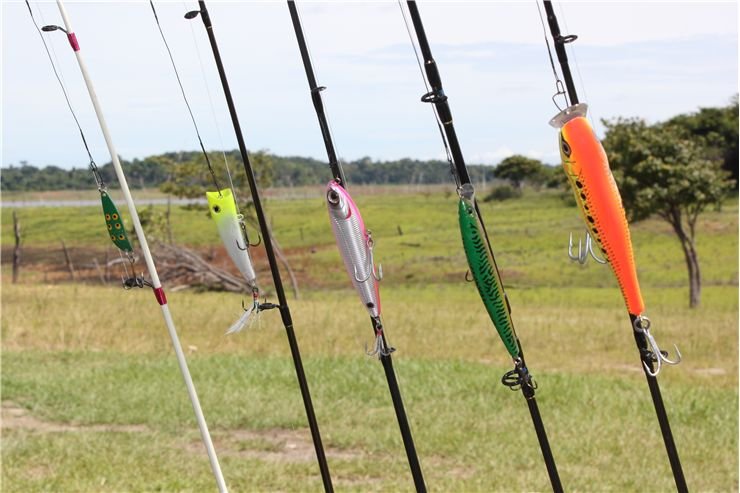
Experienced anglers may carry fixed bobbers, slip bobbers, jigs, soft plastics, and small crankbaits. Small lures can help locate active fish, while live bait can confirm the bite.
When bluegill are not where you expect
Sometimes the depth is correct, but the location is wrong. Bluegill may leave a spot because of noise, pressure, oxygen changes, water flow, or a lack of food.

Try these adjustments:
- Move 20 to 50 yards along the bank.
- Fish the opposite side of the cover.
- Try shade instead of bright sun.
- Check a nearby creek mouth.
- Fish the windblown bank.
- Use a smaller bait and lighter line.
- Change from bottom contact to suspended bait.
Do not overlook small ponds and urban waters. They may hold large numbers of bluegill, but fishing pressure can make them cautious. In those places, a quiet approach and small presentation can help.
Regulations, conservation, and safe handling
Bluegill are common, but fishing rules still apply. Many states require a fishing license and set rules for seasons, daily limits, bait, hooks, or methods.
📜 Check Local Regulations: Confirm current rules with your state wildlife agency before fishing. Check license requirements, bag limits, size limits, closed waters, private-access rules, and restrictions on lead tackle or live bait.
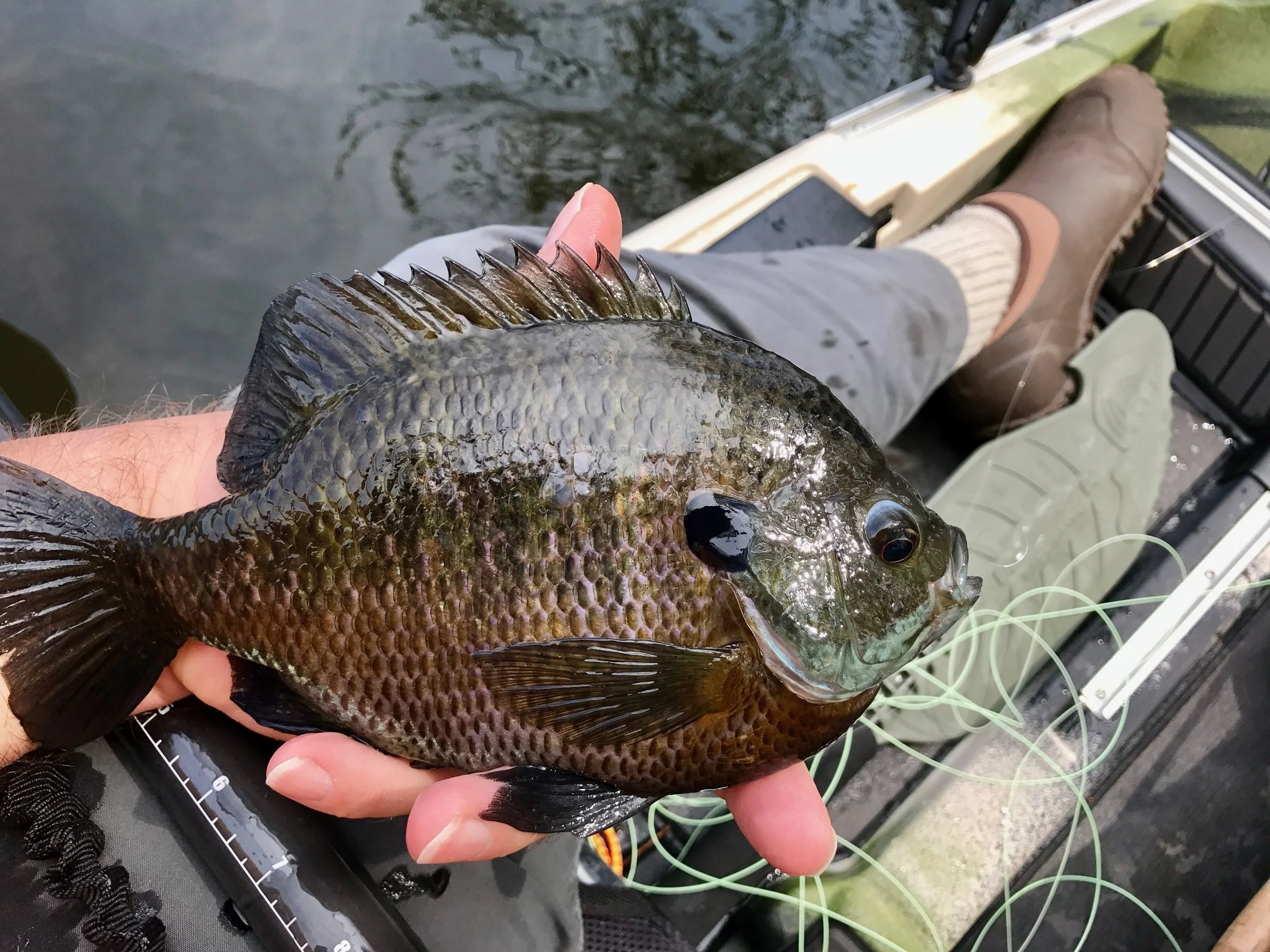
Practice catch and release when you do not plan to keep fish. Wet your hands before touching a bluegill. Support the fish, keep it out of the air for as little time as possible, and release it gently.
Use a landing net for larger fish or when fishing from a high bank. Keep pliers close. Cut abandoned line and dispose of it properly because loose line can harm birds, turtles, and other wildlife.
Do not leave fish on a stringer in warm, shallow water if you plan to release them later. If you keep fish, follow local limits and cool the fish quickly.
Hook and handling safety
Small hooks are sharp and can catch skin, clothing, or a child’s finger. Keep casts away from people, pets, trees, and power lines.
Teach children to look behind them before casting. Use barbless hooks when learning if local rules allow them. Store hooks in closed tackle boxes.
Boat and kayak safety
Wear a U.S. Coast Guard–approved PFD on boats and kayaks. Carry water, sun protection, basic first aid, and a charged phone in a dry case.
Check wind and storms before leaving. Tell someone where you will fish and when you expect to return. A boating safety course can help new boaters learn navigation, emergency response, and local rules.
How much does a bluegill depth setup cost?
You can fish for bluegill with a low-cost setup. Current pricing ranges from basic budget combos to more advanced light spinning gear. Prices change by brand, materials, and included accessories, so check current listings before buying.
| Budget level | Typical setup | Best for |
|---|---|---|
| Budget | Spincast combo, mono, bobbers, hooks | Kids and beginners |
| Mid-range | Light spinning combo, slip bobbers, jigs | Regular bank anglers |
| Advanced | Quality spinning rod, braid, sonar | Boat and experienced anglers |
A budget combo can last several seasons with clean storage and careful use. The parts that often fail first are the line, reel bail or button, rod tip, and small terminal tackle.
Rinse gear after muddy or sandy trips. Keep reels dry. Replace old monofilament when it becomes stiff, cloudy, or coiled. Store rods in a cool, dry place.
Saltwater gear care matters even when you fish freshwater most of the time. Do not use a freshwater-only reel in saltwater without checking its corrosion protection. Salt can damage bearings, screws, and drag parts.
Frequently asked questions
How deep do bluegill usually stay?
Bluegill often stay in 1 to 10 feet of water, but they can move deeper. During winter or in large lakes, they may hold 15 to 25 feet down. Start shallow and adjust based on season, cover, and water temperature.
What is the best depth for bluegill in summer?
Try 4 to 10 feet in summer. Start near the first deep weed edge, brush, dock, or drop-off. Fish may move shallower in the morning and deeper during bright afternoon sun.
How deep should I set a bobber for bluegill?
Start with the bait 2 to 4 feet below the bobber. If you do not get bites, lower it by 1 foot at a time. In deeper water, use a slip bobber so the bait can reach 8 to 15 feet.
Should bluegill bait sit on the bottom?
Sometimes, but not always. Bluegill often feed above the bottom, especially near weeds. Start 6 to 18 inches above the bottom and adjust from there.
Do bluegill bite better in shallow or deep water?
Both can be productive. Shallow water often works during spring, spawning periods, low light, and insect activity. Deep water often works during bright summer days, cold weather, and winter.
What size hook is best for bluegill?
Size 6 to 12 hooks work well. Use a size 10 or 12 for tiny bait and smaller fish. Use a size 6 or 8 for larger worms or bigger bluegill.
Is braided line good for bluegill?
Braided line can work, especially for long casts or heavy cover. It is more visible and may need a light fluorocarbon leader. Monofilament is usually easier and cheaper for beginners.
Is a fish finder needed to catch bluegill?
No. A fish finder helps boat and kayak anglers locate depth, weeds, and structure, but it is not required. Bobbers, jigs, and careful depth changes can find fish from shore.
What is the best bluegill setup for kids?
A short spincast combo with 4- to 6-pound monofilament, a small bobber, and a size 8 to 10 hook is a good starting point. Use a light rod and keep casts short until the child gains control.
Why do bluegill stop biting after I catch a few?
The school may have moved, become cautious, or changed depth. Try lowering or raising the bait by 1 foot. You can also move to the other side of nearby cover or try a smaller presentation.
Can I use bass lures for bluegill?
Small bass lures can catch bluegill. Tiny jigs, soft plastics, small crankbaits, and miniature spinners are better suited than full-size bass lures. Use light tackle and check local lure restrictions.
How long does bluegill fishing line last?
Monofilament may last one season or longer, depending on sunlight, heat, abrasion, and use. Replace it when it shows nicks, memory, stiffness, or weak knots. Check line before every trip.
Final advice for finding bluegill depth
Start with the simplest plan: fish a small bait 2 to 4 feet deep near cover. If the bite does not come, change depth by 1 foot every 10 to 15 minutes. Check the first drop-off, weed edge, dock shade, or deeper channel before changing everything else.
Season matters, but fish location matters more. The most useful question is not only “How deep are bluegill?” It is “What cover, food, and water conditions are present at that depth?”
A light rod, small hook, fresh line, and adjustable bobber are enough for most trips. Watch the water, handle fish with care, follow local rules, and let the bluegill teach you where they want to be.