How To Catch Crappie For Beginners: Easy Fishing Guide
Crappie are one of the best fish for a new angler. They live in many lakes, ponds, rivers, and reservoirs across the United States. They also respond to simple baits, light tackle, and easy-to-learn methods. You do not need an expensive boat or a large tackle box to catch them.
The key is to understand where crappie travel, how deep they hold, and how slowly to present a small bait. Crappie often gather near brush, weeds, docks, bridge pilings, fallen trees, and other cover. They may sit in only a few feet of water in spring, then move deeper as water warms.
This guide explains how to catch crappie for beginners from shore, a boat, a kayak, or an ice-fishing shelter. You will learn which rod, reel, line, hooks, bobbers, jigs, and live bait to use. You will also learn how to adjust your plan through the seasons and how to release fish with care.

Quick answer: the easiest way to catch crappie
The easiest way to catch crappie is to use a 6- to 7-foot light spinning rod, a small spinning reel, 4- to 6-pound monofilament line, and a 1/32- to 1/16-ounce jig beneath a small bobber. Fish near brush, docks, weed edges, or drop-offs. Cast, let the bait settle, and watch the bobber for a slow dip.

Understanding crappie and their habits
Crappie are freshwater panfish in the sunfish family. The two main species are black crappie and white crappie. Both have large mouths, thin bodies, and dark markings, but their body shape and stripe patterns can vary by water.
Crappie eat small fish, insects, shrimp-like creatures, and tiny crustaceans. This diet explains why small jigs, minnows, and soft plastics work so well. A bait that looks too small for bass may look perfect to a crappie.
Crappie often suspend in the water instead of sitting on the bottom. “Suspended” means the fish hold between the surface and the lake floor. This habit makes a bobber useful because it keeps your bait at a set depth.
Where crappie usually hold
Crappie prefer cover because it gives them shade and a place to ambush prey. Cover also helps them avoid larger fish. Look for:
- Fallen trees and submerged brush
- Bridge supports and boat docks
- Weed lines and lily pad edges
- Rock walls and riprap
- Creek channels and points
- Man-made fish attractors
- Deep water near shallow flats
In a new lake, begin near visible cover. If you catch one crappie, keep working the same area. Crappie often gather in groups, although the group may shift depth during the day.
Water temperature also changes their location. In spring, crappie often move toward shallow bays and protected flats to spawn. After the spawn, many fish move toward deeper cover, channels, and creek arms.
Black crappie versus white crappie
Black crappie often prefer clearer water and may have irregular dark spots. White crappie tend to handle murkier water and often show more vertical bars. These are general patterns, not strict rules.
Both species eat similar food. You can target them with the same basic setup. Local water conditions matter more than trying to identify the species before you fish.
| Crappie sign | What it may mean | Beginner action |
|---|---|---|
| Small baitfish near cover | Crappie may be feeding | Fish a small jig or minnow nearby |
| Birds diving on the surface | Baitfish are being pushed up | Search the nearby water column |
| Several bites at one depth | A school may be suspended there | Repeat that depth |
| No bites near shallow cover | Fish may have moved deeper | Lower the bobber or use a fish finder |
The main lesson is simple: crappie follow food and use cover. Start near structure, then change depth before changing spots.

Choosing beginner crappie gear
A simple spinning setup is the best starting point for most new crappie anglers. Spinning reels are easy to cast, work well with light line, and do not create the backlash common with baitcasters. A spincast combo is even easier for young children, although it may not cast tiny jigs as far.
Experienced anglers may prefer a longer crappie rod for better reach and line control. Gift buyers should focus on a complete combo that feels light, has a smooth reel, and includes a manageable drag.
Rod length, power, and action
For general crappie fishing, choose a 6- to 7-foot rod. A 7- to 10-foot crappie pole can help when you fish from a boat or dock and need to place a bait beside cover without casting far.
Rod power describes how much force the rod needs to bend. Ultralight and light power are common for crappie. Rod action describes where the rod bends. A fast-action rod bends near the tip, while a moderate action bends farther down the blank.
For beginners, a light-power rod with a moderate-fast action is a useful middle ground. It casts light lures, shows soft bites, and has enough cushion to protect thin line.
A glass or fiberglass rod is flexible and forgiving. A graphite rod is lighter and more sensitive, but it can be less tolerant of hard knocks. A composite rod combines traits from both materials.
Reel and line choices
A 1000- or 2000-size spinning reel usually fits a crappie rod well. Look for a smooth drag, a usable line roller, and a spool that handles light line without excessive loops. The gear ratio tells you how many times the spool turns for one turn of the handle; a ratio near 5:1 works well for basic crappie fishing.
Drag is the reel system that lets line leave the spool when a fish pulls. Set it light enough to protect 4- to 6-pound line. Do not tighten it fully and then pull hard against a fish.
Monofilament is the easiest line for beginners. It costs little, floats slightly, and has stretch that helps prevent hook pulls. Fluorocarbon is less visible underwater and sinks, but it can be stiffer. Braided line is thin and sensitive, but it may need a fluorocarbon or monofilament leader.
A leader is a short section of line tied between your main line and your hook or lure. Leaders can reduce visibility and make it easier to replace damaged terminal tackle.
| Gear choice | Best use | Main trade-off |
|---|---|---|
| 6- to 7-foot light spinning rod | Shore, dock, and general fishing | Less reach than a long crappie pole |
| 9- to 12-foot crappie pole | Vertical fishing around cover | Less useful for long casts |
| 4- to 6-pound monofilament | Easiest all-around option | More stretch and memory |
| 4- to 8-pound braid with leader | Deep water and strong bite detection | More knots and higher cost |
| Spincast combo | Young kids and very simple casting | Lower sensitivity and distance |
| 1000- or 2000-size spinning reel | Adult beginners and light tackle | May not suit heavy cover |
Choose the simplest setup you will use often. A modest spinning combo is usually better than advanced gear that feels confusing.

Hooks, jigs, bobbers, and sinkers
A 1/32- or 1/16-ounce jig is a strong starting point. Use a 1- to 2-inch soft plastic body in white, chartreuse, pink, black, or a natural minnow shade. In stained water, brighter colors can help the bait stand out. In clear water, natural colors often look less threatening.
For live bait, use a small Aberdeen-style hook. Sizes 6, 8, or 10 often work with minnows, worms, or small pieces of bait. Hook size numbers run backward, so a size 10 hook is smaller than a size 6.
A bobber keeps your bait at a set depth and shows a bite. A fixed bobber is easiest for beginners. A slip bobber slides along the line and works better in deep water because it allows you to fish at 10 or 15 feet without casting a long, fixed rig.
Use a small split shot sinker when needed. Place it several inches above the hook or jig. Too much weight can make a bobber stand upright with no sensitivity or cause the bait to move too fast.
Swivels can reduce line twist, but they are not needed for every rig. Use small terminal tackle so it does not overpower the bait.
Live minnows or artificial lures?
Live minnows are often the most direct choice when crappie are feeding on small baitfish. They can be fished under a bobber or on a small hook near cover. Keep minnows cool, aerated, and out of direct sun.
Jigs are cleaner, reusable, and easy to store. They also let you cover water faster. A jig can be cast, lowered vertically, or suspended under a bobber.
| Bait or lure | Best for | How to fish it |
|---|---|---|
| Live minnow | New anglers and tough bites | Hook lightly through the lips or behind the dorsal fin |
| 1/32-ounce jig | Very shallow water and calm conditions | Cast slowly and let it fall |
| 1/16-ounce jig | General use and light wind | Swim it slowly near cover |
| Small curly-tail grub | Searching and covering water | Steady retrieve with pauses |
| Marabou jig | Cold water and subtle movement | Lift gently and let it glide down |
Live bait can help beginners gain confidence, but artificial lures make it easier to practice casting and depth control. Carry both if local rules allow it.

Simple crappie rigs that work
The best rig for a beginner is one that is easy to tie and easy to read. The rig should place the bait at the right depth without adding extra knots or parts. Learn one bobber rig first, then add a jig-only or slip-bobber rig.
Fixed bobber rig
Tie a small hook or jig to the end of your line. Attach a small bobber 1 to 4 feet above the bait. Add one small split shot if the bait does not sink well.
Cast near brush, a dock post, or a weed edge. Let the rig sit. Then make small twitches with the rod tip. If the bobber moves sideways, sinks, or rises in an unusual way, lift the rod smoothly.
This rig suits shore anglers, children, and anyone learning to detect bites. It also works well when crappie are shallow or suspended at a known depth.

Slip-bobber rig
A slip bobber uses a stop, bead, bobber, weight, swivel, and hook or jig. The bobber slides down toward the hook during the cast, then stops at the depth set by the line stop.
Use this rig when the fish hold deeper than your rod length. Start at 6 feet, then test 8, 10, or 12 feet. Change only one depth at a time so you know what caused the result.
A slip bobber is useful from a boat, kayak, or deep shoreline. It takes more setup than a fixed bobber, so practice tying it at home.

Jig-only rig
Tie a small jig directly to your main line or to a short leader. Cast beyond cover, let the jig sink, and retrieve it very slowly. Count down as it falls: “one, two, three.” If you get a bite after five seconds, repeat that count on the next cast.
You can also hold the jig beside a dock or brush and lift it a few inches. Crappie often strike as the jig falls. Keep your line fairly tight so you can feel a light tap.

Where and when to fish for crappie
Location and timing matter more than expensive equipment. Crappie may feed early, late, or during cloudy weather, but they can bite throughout the day when you find the right depth.
Spring crappie fishing
Spring is a popular time because crappie often move shallow to spawn. Look for protected coves, warm bays, shallow brush, and flooded vegetation. Begin with a bait 1 to 3 feet deep.
Cold fronts can push fish away from the bank. If shallow water stops producing, move along the same cove and fish 4 to 8 feet deep. Do not assume the fish left the area completely.
Summer crappie fishing
Warm water often sends crappie deeper or closer to shade. Fish bridge pilings, standing timber, brush piles, creek channels, and the edges of submerged points.
A fish finder can help locate depth changes and schools. It does not replace bait presentation, and a marked fish may be a different species. Use the screen as a map, not as a promise.
Night fishing under lights can attract insects and baitfish. Check local rules before using lights or fishing after dark. Bring a headlamp, charged phone, and a clear plan for returning safely.
Fall crappie fishing
Cooling water may bring crappie back toward creek arms and baitfish. Search around points, channel bends, and shallow cover. Small jigs retrieved near bait schools can work well.
Fall weather can change fast. A calm morning may become windy by afternoon. Bring layers and keep your tackle secure.
Winter and ice fishing
In cold water, crappie may gather in deep basins, channels, or suspended schools. Use tiny jigs, small minnows, and a slow lift-and-drop motion.
For safe ice fishing, never judge ice by appearance alone. Ice thickness can vary over a few yards. Check local ice reports, avoid moving water, carry ice picks, fish with a partner, and take an ice-safety course if you are new.
| Season | Common areas to test | Starting presentation |
|---|---|---|
| Spring | Shallow coves and spawning flats | Bobber 1 to 4 feet deep |
| Summer | Deep brush, shade, and channels | Slip bobber or vertical jig |
| Fall | Creek arms and baitfish areas | Small jig with slow retrieve |
| Winter | Deep basins and suspended schools | Tiny jig or minnow |
| Ice season | Safe flats near drop-offs | Small jig under a spring bobber |
These patterns are starting points, not rules. Weather, water clarity, forage, and fishing pressure can change fish location.

A step-by-step plan for your first crappie trip
A clear plan prevents beginners from changing everything at once. Start with one rig, one area, and a small set of depth changes.
1. Check the water and regulations
Before leaving home, check the weather, access rules, fishing license requirements, size limits, daily bag limits, and bait rules. Some waters restrict live bait, treble hooks, lead tackle, or the number of rods.
Wear polarized sunglasses to cut surface glare and spot cover below the water. Bring water, sun protection, insect repellent, and a first-aid kit.
📜 Check Local Regulations: Crappie rules vary by state, lake, and season. Confirm current regulations with your state wildlife agency or local fisheries office before fishing.

2. Rig one rod
Spool your reel with 4- to 6-pound monofilament. Tie on a 1/32- or 1/16-ounce jig, or use a size 6 to 10 hook with a minnow. Add a small fixed bobber 2 to 4 feet above the bait.
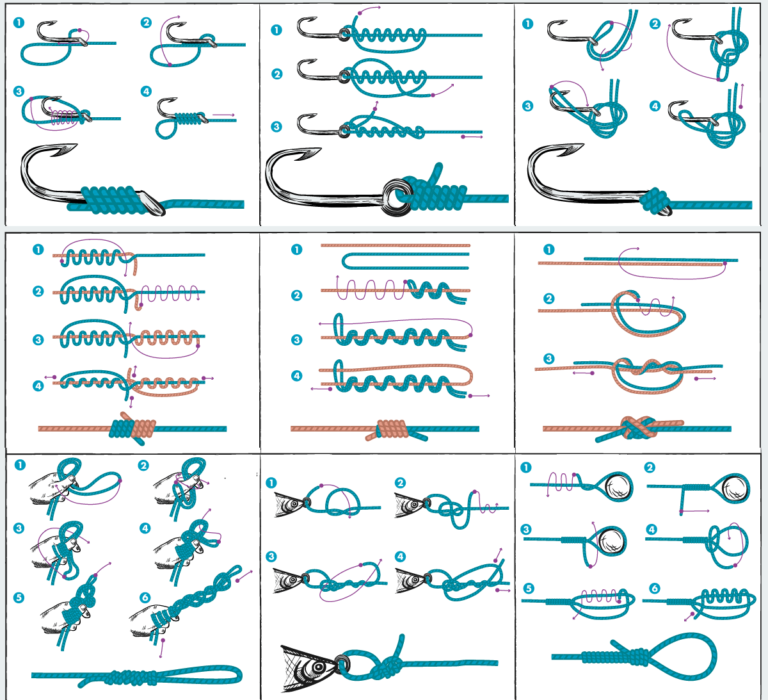
Trim the tag end of the knot. A tag end is the loose line left after tying. Keep it short enough that it does not catch on guides or cover.
3. Find cover and start shallow
Fish the shaded side of a dock, the edge of a fallen tree, or the outside edge of weeds. Cast past the target when possible, then bring the bait near it without dragging into the branches.
If you fish from a boat or kayak, approach quietly. Turn off the motor before reaching the area. Avoid dropping anchors directly into brush.
4. Watch and control the bait
Let the bait settle. Then make a small lift or twitch. Pause for several seconds. Crappie often bite during the pause, so keep your eyes on the bobber and your line.
If you use a jig without a bobber, count the fall and retrieve slowly. A common beginner mistake is moving the lure too fast. Think of the jig as a leaf drifting down, not a fleeing minnow.
5. Change depth in small steps
If you get no bites after 10 to 15 minutes, change depth by 1 or 2 feet. Try 4, 6, and 8 feet before moving far away. Once you find the depth, repeat it around nearby cover.
A fish finder can speed this process from a boat. From shore, use clues such as water color, wind, shade, and the depth near the bank.
6. Set the hook gently
When the bobber sinks, slides, or pauses in a strange way, lift the rod with a smooth sweep. Do not jerk hard. Crappie have soft mouths, and a violent hookset can tear the hook free.
Keep steady pressure as you reel. If the fish runs, let the drag work. Do not wrap line around your hand.
7. Land and handle the fish
Use a small landing net when fishing from a high dock, boat, or kayak. A net protects the fish from a hard fall and reduces the chance of a lost hook.
If you keep fish, follow local size and bag rules. If you release a fish, wet your hands first, support its body, and limit air exposure. Remove the hook with pliers when possible.
🌿 Conservation Note: Do not leave fishing line, bait containers, or hooks on the bank. Discard damaged line in a recycling bin or tackle shop collection box when available.

Common beginner mistakes
Most early problems come from depth, speed, or poor line control. Fix those before buying more lures.
| Mistake | What happens | Better choice |
|---|---|---|
| Fishing only the surface | The bait stays above suspended fish | Test several depths |
| Retrieving too fast | The lure leaves the strike zone | Slow down and pause |
| Using heavy line | The bait moves poorly | Try 4- to 6-pound line |
| Casting into thick brush | Hooks snag often | Fish the edge and openings |
| Setting the hook hard | Soft crappie mouths tear | Lift smoothly |
| Ignoring wind direction | You miss drifting baitfish | Fish the wind-blown side |
| Changing spots too soon | You leave active fish | Change depth first |
A heavy bass rod can catch crappie, but it may not cast small lures well. A baitcaster can work for experienced anglers, yet most beginners will learn faster with a spinning reel.

Why you may lose fish
Crappie have thin membranes around the mouth. A large hookset, tight drag, or high rod angle can pull the hook free. Keep the rod bent but avoid lifting the fish by the line.
A dull hook also causes missed bites. Touch the point with a fingernail. If it slides instead of catching, replace or sharpen the hook.
Why you keep getting snags
Snags often mean you are fishing the right kind of cover but using the wrong angle. Cast along the outside edge instead of straight into the thickest branches. A bobber can keep the bait above many snags.
If you do get stuck, point the rod at the snag and pull straight with your hand protected. Never whip the rod back toward your face.
🔧 Quick Fix: When a jig hangs up, open the bail, give the line slack, and move to a new angle. Many hooks come free without a hard pull.

Shore, boat, kayak, and pier tactics
The best approach depends on where you fish. Shore anglers need casting distance and access to cover. Boat anglers can control depth and move quietly from spot to spot.
Shore fishing
Look for public piers, creek mouths, bridge areas, and banks with fallen trees. Fan-cast across different angles instead of casting to the same spot repeatedly.
A 7-foot light spinning rod gives a good mix of reach and casting control. A small tackle box, folding net, pliers, and a water bottle are enough for a short trip.
Boat fishing
Use a fish finder to identify brush, drop-offs, and suspended marks. Vertical jigging can be effective when fish sit below the boat. Lower the jig to the target depth, then make short lifts.
Keep hooks, knives, and pliers secured. A landing net prevents sudden fish movement from sending a hook into your hand.
Kayak fishing
Kayak fishing gives you quiet access to shallow cover, but space is limited. Use a 6- to 7-foot rod that is easy to manage. Store jigs and pliers where they cannot tangle with a paddle or fishing line.
Always wear a properly fitted U.S. Coast Guard–approved personal flotation device. Check wind, current, water temperature, and your route before launching. Tell someone where you plan to fish.
Pier fishing
Piers often place anglers near deeper water. Try a slip bobber if the bottom is more than 6 feet down. Keep your bait away from heavy piling growth to reduce snags.
Follow pier rules about rod numbers, bait, cleaning fish, and access hours. Be polite to other anglers and leave room for casting.

Budgeting for a beginner crappie setup
You can begin without buying every item in the tackle shop. A basic setup may include a rod and reel combo, line, hooks or jigs, bobbers, split shot, pliers, and a small box.
Current pricing ranges from low-cost youth combos to higher-priced graphite rods and smooth spinning reels. Prices change by brand and season, so check current listings before buying.
| Budget level | What you can expect | Best for |
|---|---|---|
| Low-cost setup | Spincast or basic spinning combo, mono line, simple tackle | Kids, gifts, short trips |
| Mid-range setup | Light spinning rod, smoother reel, better guides | Adult beginners and regular anglers |
| Higher-cost setup | Sensitive graphite rod, refined drag, lighter components | Experienced anglers who fish often |
Spend first on a rod that casts light lures and a reel with a smooth drag. You can add specialized jigs, a fish finder, a long crappie pole, or a larger tackle box later.
A gift buyer should avoid choosing a baitcaster or fly rod unless the angler already uses that style. A simple spinning combo is more likely to see regular use.
👪 Parent or Gift-Buyer Note: For children, choose a short 5- to 6-foot spincast combo, soft practice plugs, and barbless hooks for practice. Supervise every cast and keep hooks in a closed box.

Gear care and storage
Freshwater crappie gear is easy to maintain, but neglect can still damage reels and line. Wipe down the rod and reel after each trip. Remove mud, plant matter, and bait residue.
Store rods out of direct sun. UV exposure can weaken some lines and plastics. Keep hooks dry to reduce rust, and replace any hook with a rough or darkened point.
Do not spray heavy oil into a spinning reel unless the manufacturer allows it. Excess oil can attract grit. If the reel feels rough, clean the outside and follow the current service instructions.
Monofilament has a limited working life. Replace it when it shows curls, cracks, flat spots, or repeated knots. Replace fluorocarbon if it becomes cloudy or nicked. Braided line can last longer, but inspect the first several feet for fraying.
| Gear item | After each trip | Replace or service when |
|---|---|---|
| Monofilament | Check for nicks and tangles | It curls, cracks, or breaks easily |
| Hooks and jigs | Dry before storage | Points dull or rust |
| Spinning reel | Wipe outside and check bail | Handle feels rough or drag slips |
| Rod guides | Remove dirt and sand | A guide cracks or cuts line |
| Landing net | Rinse and dry | Mesh tears or frame bends |
Good care costs little and protects the parts that usually fail first: line, hooks, reel bail springs, and rod guides.
Crappie fishing ethics and conservation
Keep only the fish you plan to eat. Store legal fish on ice, not in warm water or direct sun. If you release fish, handle them with wet hands and avoid squeezing the body.
Use barbless hooks when practical, especially when teaching children or fishing catch-and-release waters. Circle hooks are more common for bait fishing and may be required for some species or waters, but they are not always the best choice for a small crappie jig.
Do not move fish from one lake to another. Do not release unused minnows into public water. Dispose of bait and line properly.
Follow local rules even when you see other anglers ignore them. Fisheries regulations protect spawning fish, control harvest, and help maintain healthy populations for future anglers.
Frequently asked questions
Q: What is the best bait for crappie beginners?
A: Live minnows under a small bobber are a simple choice when legal. Small jigs with soft plastics are also excellent because they are clean, reusable, and easy to cast.
Q: What size hook should I use for crappie?
A: Start with a size 6, 8, or 10 Aberdeen hook for minnows or small bait. Use a small jig hook for artificial lures. Match the hook to the bait rather than using the largest hook you own.
Q: How deep should I fish for crappie?
A: Start 2 to 4 feet deep near shallow cover. If you do not get bites, test 6, 8, and 10 feet. Crappie often suspend, so the correct depth may be several feet above the bottom.
Q: Can I catch crappie from the bank?
A: Yes. Fish docks, bridge areas, creek mouths, fallen trees, weed edges, and public piers. A 6- to 7-foot light spinning rod gives most shore anglers enough casting control.
Q: Is a spinning reel better than a baitcaster for crappie?
A: A spinning reel is better for most beginners because it handles light line and small lures with less trouble. Baitcasters suit anglers who already understand spool control and want precise casting.
Q: What line test is best for crappie?
A: Four- to 6-pound monofilament is a strong starting point. Use 6- to 8-pound line when brush, docks, or larger fish create a higher chance of break-offs.
Q: Do crappie bite better in the morning?
A: Morning can be productive, but crappie may bite at many times of day. Shade, water temperature, wind, baitfish, and depth often matter more than the clock.
Q: Should I use a fish finder?
A: A fish finder helps boat and kayak anglers locate depth changes, brush, and suspended marks. It is not required for beginners. Shore anglers can learn much from visible cover and careful depth changes.
Q: What is the best crappie lure color?
A: White, chartreuse, pink, black, and natural minnow colors are useful starting points. Bright colors may stand out in stained water, while natural colors often suit clear water.
Q: How do I keep crappie from tearing off the hook?
A: Use light drag, keep steady pressure, and set the hook with a smooth lift. Avoid swinging the fish into the boat or lifting it by the line.
Q: Can kids catch crappie?
A: Yes. A short spincast combo, bobber, small hook, and adult supervision make a practical setup. Use safe casting space and keep hooks, knives, and pliers secured.
Q: Are crappie good to eat?
A: Many anglers value crappie as table fare. Keep only legal fish, chill them promptly, and follow local health advisories about water contamination.
Q: What should I do if my bait keeps snagging?
A: Fish the outside edge of cover, reduce weight, use a bobber, and change your casting angle. Do not pull hard toward your face when freeing a snag.
Q: Do I need a fishing license to catch crappie?
A: Most states require a fishing license for adults, though exemptions may apply. Check your state wildlife agency for current license, season, bag, size, and tackle rules.
Final thoughts
The best way to learn how to catch crappie for beginners is to keep the first trip simple. Use a light spinning combo, 4- to 6-pound line, a small jig or minnow, and a bobber. Fish around cover, test several depths, and move the bait slowly.
Do not judge a trip only by the number of fish in the cooler. Each cast teaches you something about depth, cover, weather, or presentation. With practice, those small lessons add up, and crappie fishing starts to feel less like guessing and more like reading the water.