How Deep To Fish For Crappie: Best Depth Guide
Crappie rarely stay at one depth all day. They may suspend over deep water, hold beside brush, move into shallow cover, or follow baitfish through the water column. That is why the answer to “how deep to fish for crappie” changes with season, water temperature, light, weather, and lake structure.
A good starting point is 3 to 8 feet in spring, 8 to 15 feet in summer, and 10 to 25 feet during cold months. These are starting points, not fixed rules. The fastest way to find the right depth is to scan with a fish finder, watch where bait appears, and test several depths with a jig or live minnow.
This guide explains how deep to fish for crappie from shore, a boat, a kayak, a pier, and through the ice. It also covers seasonal depth changes, bobber settings, jig weight, line choice, brush piles, suspended fish, and the mistakes that keep anglers fishing above or below the crappie.

Quick answer: How deep should you fish for crappie?
Most anglers should begin between 5 and 12 feet, then adjust in 2-foot steps until they find fish. In spring, crappie often move into 1 to 8 feet. In summer, they may hold 10 to 25 feet near brush, channels, or suspended bait. In fall, start around 6 to 15 feet. In winter, check 15 to 30 feet, while still watching for fish suspended above deep water.
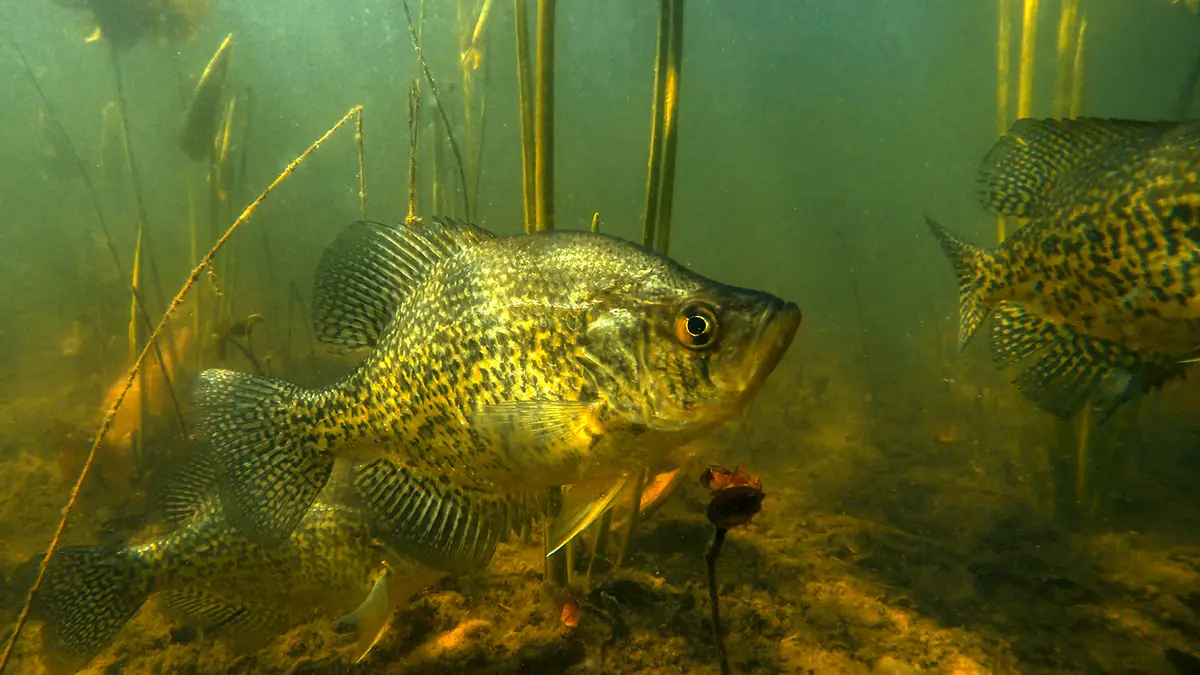
Depth matters because crappie seek the right mix of food, cover, temperature, light, and oxygen. The best depth can change within minutes if wind pushes plankton and baitfish into a new area.
Why crappie depth changes during the day
Crappie are freshwater panfish that often travel in schools. They use cover, such as brush, submerged trees, dock posts, grass, and rock, to ambush prey and avoid larger predators. They do not always sit on the bottom. Many crappie suspend several feet above it.
Water temperature helps explain these movements. In cold water, crappie often move slowly and gather in deeper areas. As water warms in spring, they move toward spawning flats and shallow cover. After the spawn, many fish leave the bank and settle near creek channels, standing timber, brush piles, and offshore points.
Light also affects depth. Bright sun can push crappie into shade or deeper cover. Cloud cover may allow them to roam higher. Wind can move baitfish and create a feeding lane on one side of a point or cove.

What “depth” means when crappie suspend
There are two depths to track: the depth of the water and the depth of the fish. A brush pile may sit in 18 feet of water, but crappie may suspend 6 feet above it. If you drop your jig to the bottom every time, you may fish below the school.
For example, your fish finder may show a creek channel that is 22 feet deep. A group of crappie may appear at 12 feet. In that case, set a bobber or count your jig down to about 12 feet, not 22 feet.
This distinction is vital for beginners. “Fish 15 feet deep” can mean fishing over 15 feet of water or placing your bait 15 feet below the surface. Always identify which measurement you mean.

The best depth by season
Seasonal patterns give you a useful starting point, but local weather can shift them. A warm week may move fish shallow early. A cold front can push them back toward deeper cover.
| Season | Starting bait depth | Common locations |
|---|---|---|
| Late winter | 15–30 feet | Creek channels, deep timber, steep banks |
| Early spring | 5–12 feet | Warming coves, brush, channel edges |
| Spawn | 1–6 feet | Protected flats, banks, reeds, willow cover |
| Post-spawn | 8–20 feet | Drop-offs, brush, standing timber |
| Summer | 10–25 feet | Deep brush, shade, suspended schools |
| Fall | 6–15 feet | Baitfish areas, points, creek arms |
Start with the range that matches the season, then let fish marks and bites guide your next move. Water clarity and lake size can make the same season look very different from one body of water to another.
The most productive crappie depths by season
The best crappie depth is often linked to spawning behavior, food, and temperature. You do not need to memorize exact numbers. You need a repeatable method for finding the fish.
Spring crappie depth
Spring is the season when many crappie move shallow. When water temperatures rise into roughly the upper 50s and 60s Fahrenheit, fish may move toward spawning areas. The exact temperature varies by region, water clarity, weather, and species.
In clear water, crappie may spawn deeper than they do in muddy water. Some fish may use 6 to 10 feet of water near cover, while others use 1 to 3 feet in stained water. Protected coves often warm faster than the main lake.
Start by checking 3 to 6 feet near wood, docks, grass, and firm-bottom flats. If you see bait or catch small fish, keep working the area. If the water is cold or a front just passed, move to the nearest drop-off and fish 6 to 12 feet.

Summer crappie depth
Summer crappie often leave the bank. They may hold in brush piles, submerged timber, bridge structures, or creek channels. Many schools suspend where current, shade, and bait come together.
Begin around 10 to 15 feet in the morning. On clear lakes with strong sunlight, test 15 to 25 feet near deep cover. On stained lakes, fish may stay shallower because light does not reach as far.
A fish finder helps greatly in summer. Look for baitfish and arches near cover. Do not assume the deepest water holds the most fish. Crappie may suspend over 30 feet of water at only 12 feet down.

Fall crappie depth
Fall can offer some of the most active crappie fishing. Cooling water often pushes baitfish into creek arms and coves. Crappie follow them and may spread across several depths.
Start around 6 to 10 feet near points, channel bends, and submerged brush. If bait is deeper, test 12 to 18 feet. Wind can make one bank far better than the other by concentrating plankton and small baitfish.
Jigs work well because you can cover different depths quickly. A 1/16-ounce jig on light monofilament drops at a steady rate. Count it down, make a slow retrieve, and change the count until you contact fish.

Winter crappie depth
Cold-water crappie often move toward stable, deep areas. Creek channels, submerged timber, deep brush, and steep banks are good places to begin. A common starting range is 15 to 25 feet, but fish can be shallower in sunny, protected water.
Winter crappie may feed in short windows. Slow presentations are often better than fast ones. Hold a small jig still, make tiny lifts, or use a live minnow beneath a small float.
Do not overlook suspended fish. They may sit 10 to 15 feet down over 30 feet of water. If your electronics show a school off the bottom, place your bait at the school’s level.

Depth changes after a cold front
A cold front can reduce feeding activity and move crappie toward cover or stable water. They may drop several feet, hold tighter to brush, or suspend near the same structure with less movement.
After a front, fish slowly and make smaller depth changes. Try the deepest nearby cover first, then move up in 2-foot steps. A light jig and thin line can help your bait move naturally.
A depth guide for different water types
The same crappie strategy does not work on every lake, river, pond, or reservoir. Water clarity, current, cover, and depth changes all matter.
| Water type | First depth to test | Best areas to check |
|---|---|---|
| Small pond | 3–10 feet | Brush, weed edges, dam face |
| Shallow natural lake | 2–8 feet | Reeds, docks, fallen trees |
| Clear reservoir | 10–25 feet | Channels, standing timber, brush |
| Stained reservoir | 4–15 feet | Creek arms, banks, laydowns |
| River backwater | 3–12 feet | Current breaks, sloughs, wood |
| Main river channel | 10–25 feet | Eddies, bridge pilings, drop-offs |
| Ice-covered lake | 8–25 feet | Basins, weed edges, old structure |
These ranges are starting points, not rules. A local tackle shop, fishing report, or fisheries map can help you narrow them down before you launch or walk to the bank.

Shore and bank fishing depth
Shore anglers often cannot reach deep offshore cover, but they can still catch crappie by targeting channel edges, docks, bridge areas, riprap, and fallen trees. A long rod helps place a bait beyond the bank’s shallow shelf.
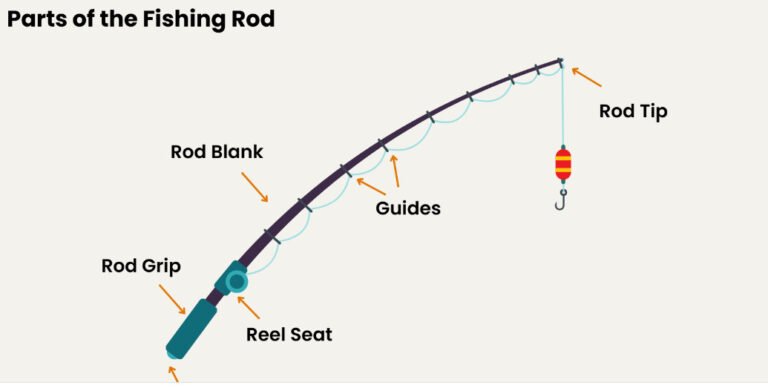
A 10- to 12-foot telescopic rod or crappie pole works well when you need reach and control. For general use, a 7-foot light-power spinning rod with a fast or moderate-fast action is easier to cast. Action describes how much of the rod bends. Power describes how much force it takes to bend.
A slip bobber is useful from shore. It allows you to fish 10 or 15 feet deep while casting with a shorter rod. Add a bobber stop above the float, then place the hook and weight below it.
Boat and kayak fishing depth
A boat lets you reach brush piles, channels, and suspended schools. A kayak offers quiet access, but it requires more care with rods, hooks, balance, and weather.
Use a fish finder if your boat or kayak supports one. Mark brush piles and note the depth where fish appear. In a kayak, avoid leaning far over the side to reach a snag. Keep hooks and pliers secured, and wear a U.S. Coast Guard–approved personal flotation device.
For kayak fishing, a 7- to 10-foot rod is often easier to manage than a very long pole. A shorter spinning setup gives better control around docks and trees. Long crappie poles can work, but store them so they do not interfere with your paddle or movement.

⚠️ Safety Warning: Wear a life jacket when fishing from a boat or kayak, even on calm water. Check the forecast, carry a way to call for help, and tell someone where you plan to fish.
Pier and dock fishing depth
Docks can attract crappie because they provide shade, vertical cover, and habitat for small prey. Fish may sit under the dock in 3 to 12 feet, depending on the season and water clarity.
Start at the outside edge, then work toward the darkest cover. Lower a jig beside posts and let it fall in short steps. Avoid dropping directly into thick cover until you learn where snags are.
A small bobber helps children and beginners see bites. It also keeps a live minnow at a steady depth. For experienced anglers, a long crappie pole can reach spaces that a casting rod cannot.
Gear that helps you control crappie depth
You do not need expensive gear to find the right depth. The key is a setup that lets you hold, count, or change the bait level with control.
| Gear choice | Useful depth method | Best suited to |
|---|---|---|
| Spincast combo | Fixed bobber depth | Kids and first-time anglers |
| Spinning reel and rod | Casting, jig counting, slip bobber | Beginners and most adults |
| Long crappie pole | Vertical dipping into cover | Brush-pile and dock anglers |
| Telescopic rod | Reach from shore or pier | Bank anglers and travelers |
| Ice fishing rod | Short vertical presentation | Hard-water anglers |
| Fish finder | Locating fish depth | Boat and kayak anglers |
A spincast combo is simple and resists many beginner line tangles. A spinning reel offers more control and works with jigs, bobbers, and live bait. A baitcaster can handle heavier lures, but it is usually more tool than needed for small crappie jigs.

Rod, reel, and line setup
For most crappie fishing, use a 6- to 8-foot light or ultralight spinning rod. A 1000- to 2500-size spinning reel is a practical match. Look for a smooth drag, which is the reel system that releases line when a fish pulls.
Use 2- to 6-pound-test monofilament for small jigs and live bait. Monofilament has stretch and floats slightly, which can help with bobbers. Fluorocarbon is less visible and sinks, but it can be stiffer in light tests. Braided line has little stretch and high strength, but a thin fluorocarbon or monofilament leader may help around clear water.
A 1/16-ounce jig is a useful starting size. Use a 1/32-ounce jig when fish are shallow, calm, or feeding on tiny prey. Move to 1/8 ounce when you need to reach 15 to 25 feet or deal with wind and current.

Hooks, sinkers, bobbers, and live bait
A small hook, split shot, and float make a simple crappie rig. Hook sizes from about No. 6 to No. 10 often suit minnows, though local bait size matters. Use the smallest sinker that gets the bait down without making it look stiff.
A slip bobber lets you fish deeper than a fixed float allows. A small jig under a float can be even more versatile. It combines the visual bite signal of a bobber with the movement of a lure.
Live minnows are effective in many waters, but check local rules first. Some places restrict live bait, baitfish transport, or the use of certain hooks and weights.
How to find the right depth step by step
The best way to find crappie depth is to test water in a planned pattern. Randomly changing lures without changing depth can waste a full day.

Start with structure and bait
First, identify likely fish-holding areas. Look for brush piles, submerged trees, channel edges, dock posts, bridge pilings, weed lines, and points. Then check whether baitfish or crappie marks appear nearby.
On a fish finder, learn to separate the bottom, cover, and suspended marks. Electronics are useful, but they are not magic. A mark may be another species, clutter, or bait. Confirm it by presenting a bait at that level.

Use a depth search pattern
Begin at a depth that matches the season. Fish the area for several minutes, then move the bait 2 feet higher or lower. Keep the lure, retrieve, and location similar while you test depth.
This approach tells you whether depth caused the change. If you change location, lure, speed, and depth at the same time, you will not know what worked.
- Choose a likely area with cover or bait.
- Set the bait at a starting depth.
- Fish slowly for 5 to 10 minutes.
- Change the depth by 2 feet.
- Repeat until you find bites or fish marks.
- Test nearby cover at the productive depth.
- Record the depth, water temperature, weather, and location.
Count a jig down
Jig counting works when you fish without a bobber or electronics. Drop the lure beside the boat and count at a steady pace. The jig falls faster with heavier line, heavier jig heads, and less water resistance.
You do not need to know the exact depth at first. If a fish bites on a count of 8, repeat that count. If the bite stops, test a count of 6 or 10.
Keep your line tight enough to feel a bite. Many crappie bites feel like extra weight or a soft tick. Set the hook with a smooth lift rather than a hard snap.
Set a slip bobber
A slip bobber is one of the easiest ways to hold a live minnow or jig at a specific depth. Slide the bobber onto the main line. Add a stop above it, then place a small weight and hook below it.
If you want the hook 8 feet down, position the stop 8 feet above the hook. Cast beyond the target, allow the rig to settle, and move it slowly beside cover.
Adjust the depth when the bobber passes over fish or when wind changes the angle of your line. A bobber can drift over the fish, so keep the line under control and avoid dragging the bait too fast.
Use a fish finder correctly
A fish finder shows depth, bottom shape, cover, and sometimes fish arches. Side imaging can help locate brush or timber away from the boat. Down imaging can show detail under the boat.
When you see fish, note their position in the water column. If they are 10 feet down over 25 feet of water, fish at 10 feet. If they hug brush at 18 feet, place your bait just above the cover.
The most useful electronics habit is to mark productive spots. Record the water depth and fish depth. This creates a personal map that becomes more valuable each trip.
How presentations change with depth
Depth changes affect jig fall, line angle, bait control, and the way fish see the lure. A rig that works in 4 feet may be hard to control in 20 feet.
| Situation | Presentation to try | Why it fits |
|---|---|---|
| Shallow, clear water | 1/32-ounce jig, 2–4 lb line | Slow fall and light splash |
| Shallow cover | Small jig under float | Holds bait above snags |
| Mid-depth brush | 1/16-ounce jig | Good balance of fall and control |
| Deep water | 1/8-ounce jig or minnow rig | Reaches fish faster |
| Suspended school | Counted jig retrieve | Keeps bait at the fish level |
| Strong wind | Heavier jig or slip float | Maintains contact and depth |
| Cold, inactive fish | Tiny jig with slow lift | Limits sudden movement |
A smaller jig falls slowly and looks natural, but wind may push it away from the target. A heavier jig reaches depth faster, but it can fall too fast for slow fish. Match the weight to depth, wind, current, and fish mood.
Jigs and soft plastics
Small marabou jigs, hair jigs, and soft-plastic bodies can all work for crappie. A 1- to 2-inch soft plastic is a common size. Use bright colors in stained water and natural colors in clear water, but let the fish decide.
At shallow depths, a slow horizontal retrieve can keep the lure in the strike zone. At deeper depths, count the jig down and use short lifts. Pause often. Crappie may bite during the fall or while the lure hangs still.
Use a landing net when possible. Crappie have delicate mouths, and swinging a fish into the boat can tear the hook free.
Live minnows
Live minnows work well when crappie are scattered or reluctant to chase. Keep the minnow lively and place it slightly above the fish. If crappie are holding near brush, start 1 to 2 feet above the top of the cover.
Do not drag a minnow through heavy wood. It will snag, and the fish may not find it. A float helps you control the bait and see movement.
Use an aerated bait container and avoid extreme heat. Follow local rules for bait storage and release. Never dump unused bait into a different lake or river.
Crankbaits and larger lures
Small crankbaits can locate active crappie, especially in fall or around shallow cover. They are less useful when fish suspend deep and move slowly. Choose a lure that runs near the fish, not far above or below them.
Crankbaits, inline spinners, and small spoons may also catch bass, trout, walleye, or other panfish. Use line and hooks that match the lure and local rules. For most crappie, small jigs remain easier to control at changing depths.
Depth mistakes that cost crappie bites
Many anglers fish the right area but place the bait at the wrong level. A few simple changes can make your depth search more efficient.
| Mistake | What happens | Better adjustment |
|---|---|---|
| Fishing only the bottom | Suspended fish never see the bait | Test above the bottom |
| Using one depth all day | Fish move but the bait does not | Recheck depth after weather changes |
| Dropping through brush | Frequent snags and lost rigs | Fish just above cover |
| Using a heavy jig in shallow water | Fast, unnatural fall | Try 1/32 or 1/16 ounce |
| Ignoring bait marks | You fish empty water | Follow bait and structure |
| Setting a bobber too deep | Bait hangs below the fish | Raise it in 2-foot steps |
| Moving too fast | Fish cannot track the lure | Slow down and pause |
The most common error is assuming crappie always stay near the bottom. They often suspend. The second common error is leaving a bait at one depth after the sun, wind, or water temperature changes.
Fishing too deep in brush
If your hook reaches the bottom of a brush pile, snags are likely. Start above the cover and lower the bait in small steps. This also keeps your lure visible to fish holding on top of the brush.
Use a lighter jig or a float when snags become a problem. If you fish a long pole vertically, keep the line nearly straight below the rod tip. This gives you better control than casting into the cover.
Moving too fast
Crappie often prefer a slow, steady presentation. Fast retrieves can work when fish are aggressive, but they can pull the bait out of the strike zone.
Slow your hands before changing lures. Hold the jig still for several seconds. Then lift it 2 to 6 inches and let it fall again.
Confusing water depth with bait depth
Always say both numbers in your notes. For example: “Water is 20 feet, fish are 9 feet down.” This prevents confusion when you return to the spot.
This habit also helps when sharing information with a fishing partner. “Fish the brush” is vague. “Fish 8 feet down over 16 feet of water” is useful.
Choosing depth tools for beginners, kids, and experienced anglers
The right setup depends on who is fishing, where they fish, and how much control they need. A simple bobber rig may be better than advanced electronics for a child. An experienced boat angler may need a fish finder and several jig weights.
| Angler | Practical setup | Main benefit |
|---|---|---|
| Young child | Spincast combo, fixed bobber, live bait | Simple and easy to see |
| Beginner adult | 7-foot light spinning rod, 4 lb line | Versatile and easy to learn |
| Shore angler | 10–12-foot telescopic rod, slip float | Reaches distant cover |
| Kayak angler | 7–9-foot spinning rod, small tackle box | Easy control in tight space |
| Tournament angler | Long crappie poles, sonar, jig selection | Fast depth and cover changes |
| Ice angler | 24–30-inch ice rod, small jig, spring bobber | Precise vertical control |
A parent or gift buyer should prioritize ease of use, line strength, and safe hooks over advanced features. A beginner will learn more from a reliable $30 to $80 setup that gets used than from a costly system that feels complex.
👪 Parent or Gift-Buyer Note: For kids, choose a light spincast combo, a small tackle box, barbless hooks when allowed, and a bright bobber. Add polarized sunglasses and a properly fitted life jacket for water safety.
Experienced anglers may prefer long rods, multiple spinning reels, portable sonar, and several jig weights. Those tools help cover more depths, but they do not replace observation. Electronics still need a good presentation.
Current cost and travel considerations
Crappie fishing can be affordable. A basic rod, reel, line, hooks, bobbers, sinkers, and jigs may cost less than many larger game-fish setups. Prices vary by brand and region, so check current listings before buying.
| Budget level | Typical equipment | Best for |
|---|---|---|
| About $25–$50 | Spincast combo, bobbers, hooks, basic jigs | Kids and casual bank trips |
| About $50–$120 | Light spinning combo, better line, tackle box | Beginners and regular anglers |
| About $120–$300 | Quality reel, long rod, multiple rigs | Dedicated shore or boat anglers |
| $300 and up | Specialized poles, sonar, boat electronics | Advanced anglers and guides |
A telescopic rod travels easily in a car or backpack, but compact sections can wear if stored wet or forced together. Rinse dirt from the joints, dry the rod, and inspect guides for cracks.
Freshwater gear does not need saltwater-grade corrosion protection unless you fish brackish areas. If you use equipment in saltwater, such as for redfish or surf fishing, rinse reels and terminal tackle with fresh water. Crappie gear is usually light and not designed for saltwater use.
Regulations, conservation, and safe fish handling
Fishing laws vary by state and water. Check the current rules from your state wildlife agency before fishing. Confirm license needs, crappie size limits, daily bag limits, possession limits, closed seasons, bait rules, lead restrictions, and hook regulations.
Some waters have special regulations for popular crappie fisheries. A private pond may have different rules from a public lake. If you travel, check the destination rather than relying on rules from home.
📜 Check Local Regulations: Confirm your fishing license and current crappie regulations with the state or local wildlife agency. Rules may cover size, bag limits, live bait, lead sinkers, barbed hooks, and allowed waters.
Handle released crappie with wet hands. Support the fish’s body, keep it out of the sun, and limit air time. Do not squeeze the fish or touch the gills. If you keep fish, follow size and possession rules and use a legal stringer or cooler.
Dispose of old monofilament and braided line in a recycling bin when available. Loose line can harm birds, turtles, fish, and other wildlife. Keep hooks, knives, pliers, and sinkers secured in a tackle box.
🌿 Conservation Note: Keep only the fish you can use, release unwanted fish quickly, and never move live bait or fish between waters. Clean, drain, and dry your boat, kayak, and gear to help limit the spread of invasive species.
A simple depth plan for your next crappie trip
Use this plan when you do not know where to begin. It works from a bank, boat, or kayak with small changes.
- Check the season, weather, and water clarity.
- Find nearby structure, baitfish, or a depth change.
- Start at 5 to 12 feet unless conditions suggest otherwise.
- Use a 1/16-ounce jig or a live minnow below a bobber.
- Fish above the cover before dropping closer to it.
- Change depth by 2 feet at a time.
- Watch for suspended fish, not only bottom marks.
- Record the depth where you get bites.
- Repeat that depth around nearby structure.
- Slow down after a cold front or during bright sunlight.
This plan reduces guesswork. Think of the water column like a stack of shelves. Your job is to find the shelf where crappie are feeding, then keep the bait on that shelf.
Frequently asked questions
How deep are crappie usually found?
Crappie can be found from 1 foot to more than 30 feet, depending on the season, lake, weather, and water clarity. Start shallow in spring and deeper in summer or winter. Always test suspended depths.
Do crappie stay on the bottom?
No. Crappie often suspend above the bottom, especially over deep water, timber, brush, and creek channels. A school may sit 10 feet down over 25 feet of water.
What depth should I fish for crappie in spring?
Start at 3 to 8 feet near warming banks, coves, brush, docks, and spawning flats. If the water is cold or a front has passed, check 8 to 15 feet near the closest drop-off.
How deep should I fish for crappie in summer?
Begin around 10 to 15 feet near brush, timber, creek channels, and shade. In clear lakes, check 15 to 25 feet. Use a fish finder when possible and match your bait to the fish depth.
How deep should I set a bobber for crappie?
Set the bait between 3 and 10 feet as a starting point. Move it in 2-foot steps until you find fish. If your fish finder shows crappie at 12 feet, set the bait close to 12 feet.
What is the best jig weight for deep crappie?
A 1/16-ounce jig works in many situations. Use 1/32 ounce for shallow water and a slow fall. Use 1/8 ounce for deeper water, wind, current, or faster depth changes.
Can I catch crappie from shore in deep water?
Yes. Look for docks, bridges, steep banks, creek channels, and submerged wood within casting distance. A slip bobber and a long rod can help reach and hold deeper water.
What line is best for crappie depth fishing?
Two- to 6-pound-test monofilament is a strong starting choice. Fluorocarbon sinks and may be less visible. Braided line offers sensitivity and strength, but many anglers add a light leader for a softer presentation.
Do crappie bite better in clear or stained water?
Crappie live and feed in both. Clear water often pushes fish deeper or into shade. Stained water can let them use shallower cover. Adjust depth based on light, bait, and structure.
Should I use live minnows or jigs?
Both can work. Live minnows are useful when fish are scattered or cautious. Jigs make it easier to search several depths and cover water. Beginners may find a minnow and bobber simple, while experienced anglers often prefer jigs for control.
How do I find crappie without a fish finder?
Fish visible cover, docks, bridge pilings, points, channel edges, and fallen trees. Use a jig count or slip bobber to test different levels. Start shallow in spring and deeper during summer and winter.
Are crappie rods different from bass rods?
Crappie rods are often longer and lighter. A 10- to 14-foot crappie pole can reach brush and let you fish vertically. A 6- to 7-foot light spinning rod is more versatile. Heavy bass rods may be too stiff for small jigs.
Can I use a baitcaster for crappie?
You can, but a baitcaster is usually better for heavier lures and line. Small crappie jigs are easier to cast with a spinning reel, spincast combo, or ultralight setup. Beginners should start with spinning or spincast gear.
How do I fish for crappie through the ice?
Use a short ice fishing rod, small jig, light line, and a sensitive spring bobber. Start near weeds, basins, or submerged structure. Check ice thickness, wear safety gear, and never fish alone on uncertain ice.
What should I do if I keep snagging brush?
Raise the bait above the cover, use a lighter jig, or suspend it beneath a bobber. Mark the top of the brush with your fish finder or by counting down. Fish around the edges before working into the thickest part.
How long does crappie fishing gear last?
A basic rod and reel can last for years with clean storage and careful use. Line may need replacement each season or sooner if it is rough, curled, or sun damaged. Replace rusty hooks, cracked bobbers, and damaged leaders before they fail.
Final thoughts on finding the right crappie depth
The best depth for crappie is the depth where fish, bait, and cover meet. Start with a seasonal range, but do not treat it as a rule. Test the water column in small steps and pay attention to suspended fish.
For a simple first trip, use a light spinning rod, 4-pound monofilament, a 1/16-ounce jig, and a slip bobber. Begin at 6 feet, then adjust up or down by 2 feet. From a boat or kayak, use your fish finder to separate water depth from fish depth.
Crappie fishing rewards careful changes. When the bite slows, ask one question first: “Am I fishing at the same depth as the fish?” That small adjustment often tells you more than changing every lure in the tackle box.