How To Float Fish A River: Easy Guide To Catch More
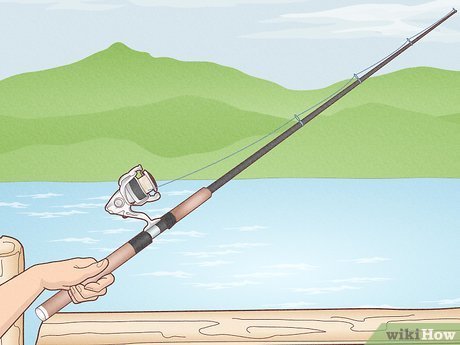
River float fishing is one of the simplest ways to catch freshwater fish, yet it rewards careful thought. You cast a baited hook, lure, or fly upstream and let it drift with the current beneath a bobber or float. The goal is to make your offering move at nearly the same speed as the river water. When a fish takes, the float gives a clear signal.
This method works for trout, bass, panfish, catfish, walleye, and many other river species. It suits new anglers because the setup is easy to see and feel. It also gives experienced anglers control over depth, speed, and the path of the bait. With the right rod, line, float, hook, and sinker, you can fish from shore, a wading spot, a kayak, or a small boat.
Quick Answer: How to Float Fish a River
To float fish a river, use a 7- to 9-foot spinning rod, a small spinning reel, 4- to 10-pound line, a suitable float, split-shot sinkers, and a hook or lure. Set the bait slightly above the river bottom. Cast upstream, let the float drift naturally, and mend the line when needed. Strike when the float dips, stops, or moves against the current.
Understand How River Float Fishing Works
River float fishing uses current to carry your bait through likely fish-holding areas. The float keeps the bait at a set depth and shows when a fish touches or takes it. This makes it easier to fish a moving river than using a fixed-bottom rig.
The key is a natural drift. A bait that drags, swings, or moves much faster than the current may look wrong to fish. Your float should travel at the same pace as nearby leaves, foam, or small sticks.
The best river float setup changes with depth, current speed, water clarity, and target species. A small float may work in a calm trout stream, while a larger, weighted float is better for a deep river pool.
What the Float Tells You
A float acts like a small signal device on the water. It shows depth, drift speed, and possible bites.
A normal drift keeps the float upright and moving with the current. A bite may make it sink, tilt, stop, twitch, or travel sideways. Some fish mouth bait gently, so do not wait for the float to vanish every time.
Why Depth Matters
Most river fish spend much of their time near cover or near the bottom. This does not mean your bait must drag across rocks. In many spots, the best presentation keeps the bait just above the bottom.
Start with the hook 12 to 24 inches above the lowest split shot. In deeper water, increase the float-to-hook distance. In shallow riffles, shorten it.
Best River Areas for Float Fishing
Look for places where current speed changes. Fish often rest in slower water while watching food move past in faster water.
Productive areas include:
- The head of a deep pool
- The tail of a pool
- Eddies behind rocks
- The inside bend of a river
- The edge of a weed bed
- undercut banks
- Logjams and fallen trees
- Seams where fast and slow water meet
- Deep runs below riffles
- The shade beside bridges or large boulders
Choose the Right Float Fishing Gear
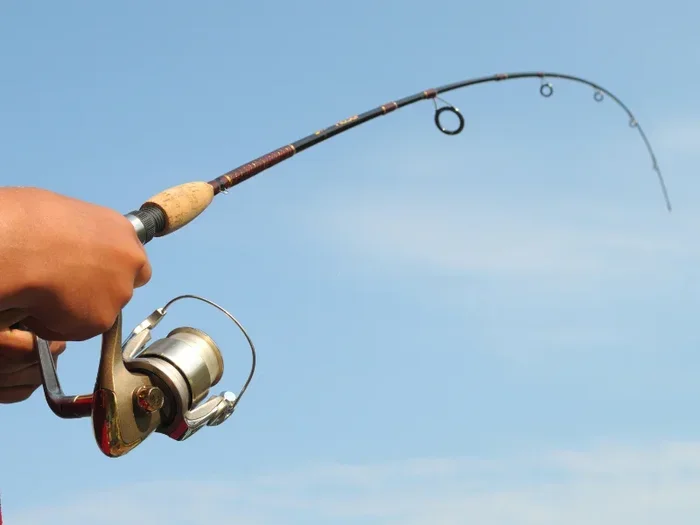
A basic river float setup needs a rod, reel, line, float, weights, leader, hook, and bait or lure. Most beginners should start with a spinning combo because it is easy to cast and simple to repair. A spincast combo also works well for kids and casual anglers.
Experienced anglers may choose a longer float rod for better line control. Fly rods, centerpin reels, and specialized float rods can produce excellent drifts, but they take more practice.
Recommended Gear for River Float Fishing
The table below gives practical starting points. Adjust these choices when the river is unusually deep, fast, clear, or full of heavy cover.
| Gear | Good starting choice | Best suited angler |
|---|---|---|
| Rod | 7- to 9-foot, light or medium-light spinning rod | Beginners, trout anglers, panfish anglers |
| Reel | 1000 to 2500 size spinning reel | Most shore and wading anglers |
| Main line | 4- to 8-pound monofilament | Small streams and clear water |
| Main line for cover | 10- to 15-pound braid | Anglers near wood, weeds, or heavy current |
| Leader | 2- to 6-pound fluorocarbon or monofilament | Clear water and cautious fish |
| Float | Slip float or fixed bobber | Slip floats for depth; fixed floats for shallow water |
| Hooks | Size 6 to 14, based on bait and species | Trout, panfish, bass, and catfish |
| Weights | Small split shot or egg sinkers | Matching bait to river depth |
A 7-foot light spinning rod is a strong first choice for trout, panfish, and small bass. A 7- to 8-foot medium-light rod gives more control for walleye, larger trout, and small catfish. A 9-foot rod helps with line control, but it may feel awkward for a child or in tight brush.
Spinning Reels, Spincast Combos, and Baitcasters
Spinning reels are the most flexible option for river float fishing. They cast light floats and small bait rigs with little trouble. They also reduce the risk of backlash, which is a tangled spool caused by a baitcaster releasing line too quickly.
Spincast combos are easy for young anglers. The push-button reel is simple, and the closed spool protects the line. However, many low-cost spincast reels have weaker drag systems and less smooth line pickup.
Baitcasters work well with heavier floats, jigs, crankbaits, and bass rigs. They are less useful for very light river float rigs unless the angler has good casting control.
Monofilament, Fluorocarbon, and Braided Line
Monofilament is usually the best line for a first float setup. It floats slightly, stretches during a strike, and costs less than most alternatives. Its stretch can also protect light hooks from tearing free.
Fluorocarbon is harder for fish to see and sinks well. It makes a useful leader in clear water. Full fluorocarbon line can be stiff on small spinning reels, so many anglers use it only as a leader.
Braided line is thin and strong. It helps when casting distance and sensitivity matter. It has little stretch, so use a softer rod or a monofilament leader to reduce pulled hooks.
Rod and Line Pairings
The right pairing helps you cast small floats and control hooked fish. Do not choose line only by breaking strength. Diameter, knot quality, abrasion, and cover all matter.
| Target or water | Rod and action | Line and leader |
|---|---|---|
| Small trout stream | 6.5- to 7.5-foot light, fast-action rod | 4- to 6-pound mono; 2- to 4-pound leader |
| Medium river trout | 7.5- to 9-foot light or medium-light rod | 6- to 8-pound mono or braid; 4- to 6-pound leader |
| Bass and walleye | 7- to 7.5-foot medium-light or medium rod | 8- to 12-pound mono or braid; 6- to 10-pound leader |
| Catfish or heavy cover | 7- to 8-foot medium rod | 12- to 20-pound mono or braid; strong leader |
| Kids and casual use | 5.5- to 6.5-foot light spincast combo | 6- to 10-pound mono |
Rod power describes how much force it takes to bend the rod. Light power bends more easily and protects small hooks. Medium power handles stronger fish and heavier weights. Rod action describes where the rod bends. Fast action bends near the tip, while moderate action bends farther down the blank.
Prepare Safely Before You Fish
River fishing has real hazards. Current can push a person off balance, rocks can be slick, and water levels can rise after rain. Check the weather, river gauge, access rules, and daylight before you leave.
Tell someone where you plan to fish and when you expect to return. Wear polarized sunglasses to reduce glare and help you see rocks, fish, and submerged branches. Use wading boots with felt, rubber, or approved traction that fits your local rules.
Wading Safety
Never assume shallow water is safe. A river can have deep holes, strong current, and unstable gravel only a few steps from shore.
Use a wading belt with chest waders. Cross at a wide, shallow section only when the water is calm enough to maintain balance. Keep your body turned slightly upstream and shuffle your feet instead of taking large steps.
If you fall, turn onto your back with your feet pointed downstream. Do not fight the current by standing in deep, fast water. Move toward shore when you can do so safely.
Boat and Kayak Safety
If you float fish from a boat or kayak, wear a U.S. Coast Guard–approved personal flotation device. Keep hooks, pliers, and knives secured when the craft moves. A fish finder can help you locate depth changes, but it cannot replace knowledge of current or hazards.
Check the kayak’s weight capacity before adding tackle boxes, coolers, batteries, and a landing net. Avoid standing in a small kayak unless it is designed for it and you have practiced in calm water.
⚠️ Safety Warning: Check river levels after storms. Water that looks calm from shore can have strong undercurrents. Wear a life jacket on boats and kayaks, and take a boating or river-safety course if you are new to moving water.
Build a Simple River Float Rig
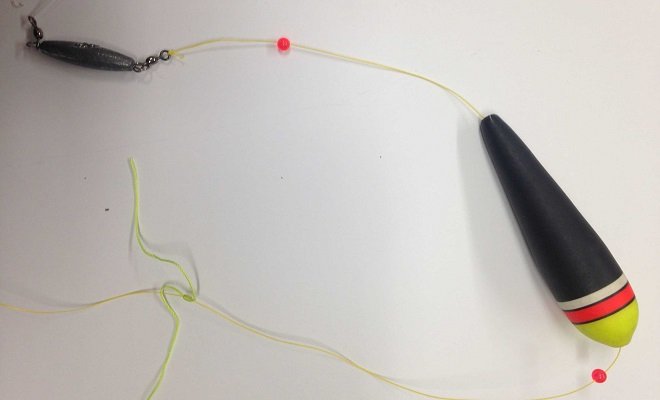
A simple float rig is easy to tie and adjust. You can use a fixed bobber for shallow water or a slip float for deeper runs.
The basic rig places the float above the weight and hook. The weight carries the bait down. The hook hangs below the weight on a short leader.
Fixed Bobber Rig
A fixed bobber attaches to the line at one point. It works best when the water is less than about 6 feet deep and you can cast the full rig without trouble.
Use this order:
- Thread the line through the bobber.
- Add one or more small split shots below the float.
- Tie on a hook or a short leader.
- Add bait.
- Set the float depth so the bait runs above the bottom.
Avoid placing all the weight right beside the hook. Spread small split shots along the line. This creates a smoother descent and a more natural drift.
Slip Float Rig
A slip float slides along the line until it reaches a stop. This lets you fish deeper water without casting a long, awkward leader.
Build the rig in this order:
- Slide a bobber stop onto the main line.
- Add a small bead below the stop.
- Thread on the slip float.
- Add a small swivel or weight.
- Tie on a leader.
- Add the hook and bait.
- Move the bobber stop to set depth.
A slip float works well for deep pools, walleye, trout, and catfish. It also helps when you need to cast from shore into a channel.
How Much Weight to Use
Use the least weight that reaches the right depth. Too much weight makes the bait drag and causes the float to lie flat. Too little weight keeps the bait high in the water.
Start with two or three small split shots. Add one at a time until the float stands upright and the bait reaches the strike zone. In fast water, use a larger egg sinker or a float designed for current.
Hook and Bait Choices
Match the hook to the bait. A small bait needs a small hook. A large hook can block the point or make the bait look unnatural.
| Target fish | Common bait or lure | Starting hook or terminal tackle |
|---|---|---|
| Trout | Worm, salmon egg, corn where legal, small soft bait | Size 8 to 14 single hook |
| Panfish | Worm, maggot, cricket, small soft plastic | Size 10 to 14 hook |
| Bass | Minnow, worm, soft plastic, small jig | Size 1 to 2/0 hook or small jig |
| Walleye | Minnow, leech, worm, jig | Size 4 to 8 hook or 1/16- to 1/4-ounce jig |
| Catfish | Cut bait, chicken liver, worms, prepared bait | Size 2 to 2/0 circle or octopus hook |
Use circle hooks for many live-bait catfish setups when local rules allow them. Circle hooks usually work best when you let the fish load the rod instead of making a hard hookset.
Fish a River Float Step by Step
Good float fishing starts before the first cast. Watch the water for a few minutes. Look for depth changes, current seams, rising fish, baitfish, and safe casting lanes.
Begin with a short drift near shore. This lets you learn how the float reacts to the current. Once you understand the speed, cast farther across the run.
1. Find the Current Seam
A current seam is the line between two flows moving at different speeds. Foam and leaves often reveal it. Fish use these seams because food moves past while the fish spends less energy.
Cast slightly upstream of the seam. Let the float cross the boundary. Keep the bait in the seam as long as possible.
2. Set the Correct Depth
Estimate the river depth with a weighted hook or depth finder. Then set the bait about 6 to 18 inches above the bottom.
If the float repeatedly tilts or dives without a fish, the weight may be touching rocks. Raise the bait slightly or reduce the weight. If the float moves too fast and the bait never reaches depth, add a small shot.
3. Cast Upstream
Cast upstream and across the current. This gives the rig time to settle before it reaches the fish.
Avoid casting directly over fish when the water is clear. A soft side cast creates less noise than a high overhead cast. Close the bail on your spinning reel by hand when possible. This reduces line loops and improves control.
4. Control the Drift
Let out enough line for the float to move naturally, but keep contact with the rig. Excess slack makes it hard to detect light bites.
This is where line mending helps. Mending means lifting or repositioning line so the current does not pull the float unnaturally. Lift the rod tip and place the line upstream of the float when the surface current is faster than the water below.
5. Watch for More Than a Full Dip
A bite can look different from one fish to another. Trout may pull the float under. Bass may move it sideways. Panfish may make it twitch. Walleye can hold the bait without moving the float much.
Set the hook when the float behaves differently from the current. Use a smooth lift with light gear. A hard swing can break light line or pull the hook from a fish’s mouth.
6. Follow the Fish
After the hookset, keep the rod at about a 45-degree angle. Use the reel’s drag instead of forcing the fish.
Drag is the reel’s adjustable braking system. Set it tight enough to control the fish but loose enough for the line to slip under pressure. If the fish runs downstream, move with it when the bank is safe.
7. Land the Fish Carefully
Use a landing net for larger fish or when the bank is high. Do not drag a fish across rocks or lift a heavy fish by a thin line.
For catch and release, wet your hands before touching the fish. Keep it in the water as much as possible. Remove the hook with pliers, take a quick photo if needed, and support the fish in the current until it swims away.
Adjust Your Approach for River Species
Different fish use different parts of a river. Trout often hold in cool, oxygen-rich water. Bass may sit near wood, rocks, and current breaks. Catfish favor deeper holes and slow water, especially after dark.
The table below gives a starting point, not a fixed rule. Water temperature, food, season, and fishing pressure can change fish location.
| Species | Likely river holding area | Useful float presentation |
|---|---|---|
| Trout | Riffle edges, pools, undercut banks | Small float, light leader, worm or artificial bait |
| Smallmouth bass | Rocks, current seams, eddies | Larger float, minnow, jig, or soft plastic |
| Panfish | Calm edges, weeds, slack water | Small bobber and worm or cricket |
| Walleye | Deep runs, pool edges, low light | Slip float with minnow, leech, or jig |
| Catfish | Deep holes, outside bends, slow current | Large float with cut bait or worms |
| Redfish in tidal rivers | Current edges, creek mouths, deeper channels | Saltwater-rated tackle and local bait or lure rules |
Use freshwater tackle in freshwater only. For tidal rivers and redfish, choose corrosion-resistant, saltwater-rated reels and rinse all gear with fresh water after use.
Float Fishing for Trout
Trout often respond well to a small, sensitive float and a natural bait drift. Use a light rod, thin line, and a small hook. Keep your movements quiet in clear water.
A long rod helps you keep line off the surface. This improves the drift and reduces drag. Fly rods can also present small flies or nymphs under an indicator, but a spinning rod is easier for a first setup.
Float Fishing for Bass
Bass can take live bait, jigs, soft plastics, and small lures beneath a float. Use a slip float near deep cover or a fixed bobber around shallow grass.
Bass fishing often needs stronger line than trout fishing. A 7-foot medium-light or medium spinning rod with 8- to 12-pound line is a practical choice. Avoid placing the bait directly inside thick wood where the fish can break you off.
Float Fishing for Catfish
Catfish usually need more weight and stronger hooks than trout or panfish. A large slip float helps suspend bait in a deep hole while showing a slow pickup.
Use 12- to 20-pound line when large fish or snags are likely. Check local rules before using live or cut bait. Some waters restrict baitfish transport or require specific hook types.
Avoid Common River Float Fishing Mistakes
Most problems come from poor depth, too much line, or an unnatural drift. Small changes often fix the issue.
| Problem | Likely cause | Quick solution |
|---|---|---|
| Float lies flat | Too much weight or weight on bottom | Remove shot or raise the bait |
| Float moves too fast | Surface current pulls the line | Mend line upstream |
| No bites in good water | Bait is too high or too low | Change depth by 6 to 12 inches |
| Bait keeps snagging | Rig is dragging bottom | Raise hook or reduce weight |
| Line tangles around float | Loose line during cast | Close bail by hand and control slack |
| Fish comes off | Hookset is too hard or drag is tight | Lift smoothly and loosen drag |
| Bait flies off | Cast is too forceful | Use a side cast and check hook placement |
| Float is hard to see | Float is too small or glare is strong | Use a brighter float or polarized glasses |
Make one change at a time. If you change the float, depth, bait, hook, and weight at once, you will not know what solved the problem.
Do Not Overload the Rig
A float rig can become too heavy very quickly. Large floats, many split shots, bulky swivels, and oversized hooks make the bait look unnatural.
Keep the terminal tackle small when the river is clear. Terminal tackle means the parts at the end of your line, such as hooks, leaders, swivels, sinkers, and lures.
Do Not Fish Only One Spot
A good-looking pool may be empty at the moment you arrive. River fish move with food, temperature, light, and water level.
Fish a spot for 10 to 15 minutes with two or three depth changes. If the drift looks right and you see no signs of fish, move to the next seam or pool.
Do Not Stand Where You Want to Fish
Wading too close can spook fish. Walk slowly and keep your shadow off the water when possible.
Approach from downstream when practical. This keeps your body and disturbance behind the fish’s field of view. In clear water, wear neutral clothing and limit false casts.
Consider Cost, Portability, and Durability
You do not need expensive gear to learn how to float fish a river. A basic spinning combo, small tackle box, floats, hooks, split shot, and bait can get you started.
Current pricing ranges from about $30 to $80 for a basic combo, $80 to $200 for a better spinning setup, and more than $200 for specialized float rods or centerpin equipment. Prices change by brand and feature, so check the current listing before buying.
Setup Costs by Budget
| Budget | Typical setup | Best for |
|---|---|---|
| Under $50 | Spincast or basic spinning combo, mono line, small tackle kit | Kids, gifts, casual beginners |
| $50 to $150 | Light or medium-light spinning rod and reel, better line, floats, net | Most new river anglers |
| $150 to $300 | Quality spinning reel, longer rod, braid, fluorocarbon leaders | Frequent anglers and upgrades |
| Over $300 | Specialized float rod, centerpin reel, premium tackle | Experienced float anglers |
A budget setup is worth buying when it matches the water and target species. Spend more first on a reliable reel, smooth drag, and a rod that feels comfortable. Extra bearings, bright finishes, and large tackle bags matter less than balance and line control.
What Usually Wears Out First
Line often needs replacement before the rod or reel. Replace it when it becomes rough, cloudy, coiled, or damaged by rocks.
The line roller on a spinning reel can collect grit. Hooks become dull after contact with rocks. Float bodies can crack after hard impact. Rinse gear after muddy or salty use, dry it fully, and store rods out of direct heat.
Travel and Storage
A two-piece rod is easy to carry in a vehicle. A telescopic rod is even more portable, but many short telescopic rods have slower actions and less lifting power. They suit travel and casual fishing more than demanding current.
Keep hooks in a closed tackle box. Store bait away from heat. Use a rod sleeve during transport. Never leave a wet reel sealed in a bag, since trapped moisture can cause corrosion.
Compare Float Fishing With Other River Methods
Float fishing is not the only way to catch river fish. Bottom rigs, lure fishing, and fly fishing each have strengths.
Float fishing works best when fish are suspended or feeding above the bottom. Bottom rigs suit deep holes and bait that must stay near the riverbed. Lures cover more water, while fly rods excel at light presentations.
Float Fishing Pros and Cons
| Pros | Cons |
|---|---|
| Easy to see bites | Wind can move the float |
| Simple for beginners | Depth changes require adjustment |
| Works with bait and small lures | Snags can damage light rigs |
| Covers a natural drift | Strong current may overpower small floats |
| Useful from shore, kayak, or wading spots | Not ideal for every deep or fast-water situation |
A beginner should choose a float when visual bite detection matters. An experienced angler may choose a different method when fish hold tight to the bottom or when wind makes float control difficult.
Float Fishing Versus Fly Fishing
Fly fishing uses a fly rod, specialized line, and often a leader or tippet. It can present tiny flies with little weight. Float fishing with a spinning rod can use worms, baitfish, jigs, and larger offerings.
A fly rod suits anglers who enjoy casting practice and light artificial presentations. A spinning combo suits beginners, kids, gift buyers, and anglers who want to switch between bait and lures.
Float Fishing Versus Bottom Fishing
Bottom fishing keeps the bait near the riverbed with a sinker. It is useful for catfish, carp, and deep-water species. However, it may snag more often in rocky rivers.
A float rig gives better information about depth and drift. It also lets you cover several feet of water without dragging the hook across the bottom.
Follow Fishing Rules and Protect the River
A fishing license is required in most U.S. states for adults, and rules vary by age and location. Check your state wildlife agency before fishing. Confirm seasons, size limits, bag limits, bait restrictions, hook rules, and areas closed to fishing.
Some waters restrict lead sinkers, barbed hooks, live bait, or the use of certain lures. Regulations can differ between nearby rivers, so do not rely on memory or a friend’s advice.
📜 Check Local Regulations: Review the current rules from your state or local wildlife agency before you fish. Confirm license requirements, trout stamps, closed seasons, catch limits, bait rules, and whether barbed hooks or lead tackle are allowed.
Practice Good Catch and Release
Use barbless hooks when allowed, or pinch down the barb with pliers. Barbless hooks often come out faster and can reduce handling time.
Wet your hands before touching fish. Keep fish out of water for only a few seconds. Do not squeeze the belly or place fingers into the gills. Cut the line close to a deeply swallowed hook if removing it would cause more harm.
Protect Wildlife and Other Anglers
Carry spare line and dispose of it in a recycling bin or trash container. Loose line can injure birds, turtles, and mammals.
Stay clear of private property unless you have permission. Do not block boat launches or crowd another angler’s drift. Leave rocks, plants, and stream banks as you found them.
🌿 Conservation Note: A river is more than a fishing spot. Pack out bait containers, line, hooks, and food waste. Small habits protect fish and wildlife for the next angler.
Answer Common River Float Fishing Questions
These questions cover the choices that matter most when you plan your first trip or improve an existing setup.
Q: What is the best rod length for river float fishing?
A: A 7- to 9-foot rod works well for most rivers. A 7-foot light rod suits trout and panfish. A longer 8- or 9-foot rod gives better line control in larger rivers and helps keep line off the water.
Q: Can I float fish with a regular spinning rod?
A: Yes. A regular spinning rod is the easiest option for most anglers. Choose light or medium-light power for trout and panfish, or medium power for bass, walleye, and catfish.
Q: How deep should I set my float?
A: Start with the bait 6 to 18 inches above the bottom. Increase the depth in a deep pool or when fish are holding low. Adjust in small steps until the bait drifts cleanly without constant snags.
Q: Should the sinker be above or below the float?
A: The sinker goes below the float and above the hook. This lets the weight pull the bait down while the float controls depth. Use several small split shots for a smooth presentation.
Q: Is monofilament or braid better for float fishing?
A: Monofilament is usually better for beginners and light rigs because it is affordable, easy to use, and slightly stretchy. Braid gives better sensitivity and casting distance, but it often works best with a monofilament or fluorocarbon leader.
Q: Can I use a fly rod for float fishing?
A: Yes. A fly rod can suspend a nymph or small bait below an indicator. It requires different casting skills and is less suited to heavy weights or large bait. A spinning rod is more flexible for general river fishing.
Q: Is float fishing good for kids?
A: Yes, especially with a short 5.5- to 6.5-foot spincast combo, a medium-size bobber, and a simple worm rig. Choose a calm bank, keep hooks covered when moving, and supervise casting and fish handling.
Q: How do I stop my float from drifting too fast?
A: Mend the line upstream, reduce slack, and cast farther upstream. If the surface current is much faster than the water near the bottom, use a longer leader or a float designed for river current.
Q: Why does my float keep going underwater with no fish?
A: The sinker may be touching bottom, or the rig may be passing through turbulent water. Raise the hook 6 to 12 inches, remove a split shot, or move to a smoother part of the run.
Q: What bait works best under a river bobber?
A: Worms are a flexible choice for trout, panfish, bass, and catfish where legal. Minnows, leeches, crickets, soft plastics, jigs, and salmon eggs can also work by species and local rule. Match bait size to the fish.
Q: How do I know when to set the hook?
A: Set the hook when the float dips, stops, tilts, moves sideways, or behaves differently from the current. Use a smooth lift rather than a hard swing, especially with light line and small hooks.
Q: How much does a basic river float setup cost?
A: A basic setup often costs $30 to $80. A more durable spinning setup usually costs $80 to $200. Specialized float rods and centerpin reels cost more and suit anglers who fish this method often.
Q: When should I use a slip float instead of a fixed bobber?
A: Use a slip float when the water is deeper than your comfortable casting length or when you need to change depth quickly. Use a fixed bobber for shallow water and simple short casts.
Q: Is float fishing worth learning?
A: Yes, if you fish moving water and want a clear visual way to control depth. It is simple enough for beginners but offers advanced choices in drift speed, leader length, weight placement, and presentation.
Make Your Next River Float Trip More Productive
Start with a simple spinning combo, a small selection of floats, split shots, hooks, and one or two legal baits. Learn to read current seams before changing lures. Set the bait near the bottom, cast upstream, control slack, and watch for any change in the float.
The best float fishing setup is not always the most expensive one. It is the setup that fits the river, species, angler, and safety conditions. Beginners gain confidence from a visible float, kids get a clear signal when a fish bites, and experienced anglers can refine every part of the drift.
Respect the water, follow local rules, and handle fish with care. A well-presented float can turn a quiet river bank into a moving lesson in current, depth, and fish behavior.