How To Cook Lake Fish: Easy Recipes And Tips
Lake fish can make a fresh, simple meal when you handle it well from water to plate. Bass, trout, walleye, crappie, bluegill, perch, catfish, and other freshwater fish all cook well, but each species has its own texture, fat level, and flavor. The key is not a fancy recipe. It is clean fillets, safe storage, gentle heat, and enough seasoning to support the fish instead of hiding it.
The best way to cook lake fish is to chill it quickly, remove bones and skin as needed, dry the fillets, season them lightly, and cook them until the center reaches 145°F. Pan-frying, baking, grilling, broiling, and cooking in foil all work. Choose the method based on the fish, the size of the fillets, your equipment, and whether you are cooking at home, at camp, on a boat, or over a fire.

The Best Way to Cook Lake Fish
The best all-purpose method for lake fish is pan-frying in a light coating of flour or cornmeal. It gives mild fish such as crappie, bluegill, perch, and walleye a crisp crust while keeping the inside moist. Baking is easier for thick fillets, and grilling works best with firm fish such as trout, salmon, bass, or large walleye.

Quick answer
To cook lake fish, rinse or wipe the fillets, check for bones, dry them well, and season with salt, pepper, lemon, and herbs. Heat a skillet over medium heat with oil or butter. Cook thin fillets for about 2–3 minutes per side and thick fillets for 4–6 minutes per side, until the thickest part reaches 145°F and flakes easily.

What changes from one lake fish to another?
Small panfish have delicate meat and thin fillets. They cook fast and can dry out if left in the pan too long. Walleye and perch have firm, mild meat that works well with a crisp coating. Trout and salmon have more natural oil, so they stay moist during baking or grilling.
Catfish may have a stronger flavor, especially if it comes from warm, muddy water. Soaking the fillets in milk or lightly salting them before cooking can soften that flavor. Bass can vary from mild to earthy, depending on the water and the season.
| Fish | Best cooking methods | Flavor and texture |
|---|---|---|
| Crappie, bluegill, and perch | Pan-fry, deep-fry, bake | Mild, light, and delicate |
| Walleye and bass | Pan-fry, bake, grill | Mild to medium, firm |
| Trout and salmon | Bake, grill, broil, foil-pack | Rich, moist, and flaky |
| Catfish | Pan-fry, bake, grill | Firm, moist, sometimes earthy |
| Pike and similar fish | Bake, fry, debone carefully | Mild, but may have many small bones |
The takeaway is simple: use fast, gentle cooking for thin panfish and steady heat for thick or oily fish. When you are unsure, baking in foil is a forgiving choice.
Start With Safe, Fresh Fish
Good cooking starts before the skillet gets hot. Keep lake fish cold from the moment you land it, and clean it as soon as practical. A clean fillet with a mild smell should need very little work to taste good.

Chill the catch quickly
place fish on plenty of ice or in a well-drained cooler. Do not let fillets sit in warm water inside a melting cooler. Water can soften the meat and speed spoilage.
If you are fishing from a kayak, boat, or shore, bring a small cooler with frozen packs. A stringer may work for a short period in cool, clean water, but it is not a substitute for ice. Fish on a stringer can warm up, attract predators, or become unsafe in hot weather.
Use the same care whether you catch fish with a spinning reel, spincast combo, baitcaster, fly rod, or ice fishing rod. The tackle changes how you catch the fish. It does not change the need for quick cooling.
💡 Pro Tip: Freeze a few plastic bottles of water and use them as cooler ice. They keep fish dry and give you cold drinking water after they thaw.
Clean and trim the fillets
Scale the fish if you plan to leave the skin on. Use a sharp fillet knife and make smooth cuts. Remove the rib bones, bloodline, and any dark meat that looks bruised or has a strong flavor.
Run clean fingers over each fillet. Small pin bones feel like tiny hard points. Pull them with clean pliers or fish-bone tweezers. A landing net, sharp knife, and clean cutting board often matter more than expensive fishing gear once the fish is in the kitchen.
Check the meat before cooking
Fresh fish should smell clean, mild, and watery. Do not cook fish that smells sour, strongly chemical, or rotten. The flesh should look moist and firm, not slimy or gray.
| Freshness sign | What you want to see | Warning sign |
|---|---|---|
| Smell | Mild and clean | Sour, rotten, or strong ammonia smell |
| Flesh | Firm and springy | Soft, mushy, or separating |
| Skin | Bright and moist | Dull, dry, or slimy |
| Eyes on whole fish | Clear and bright | Cloudy or sunken |
| Storage | Well chilled on ice | Warm or sitting in water |
Freshness matters more than seasoning. A simple baked fillet made from well-kept fish will usually beat a heavily seasoned dish made from fish that was poorly stored.
Tools and Ingredients You Need
You do not need a large kitchen or expensive equipment to cook lake fish. A sharp knife, heavy skillet, instant-read thermometer, and a clean cutting board cover most jobs. Add a landing net, fish scaler, cooler, and pliers if you clean your own catch.

Basic kitchen tools
Use a skillet made from cast iron, carbon steel, or stainless steel. A nonstick pan is easy for delicate fish, but it can scratch and may not brown as well. A sheet pan, wire rack, fish spatula, and kitchen tongs are also useful.
An instant-read thermometer removes guesswork. Fish flakes easily when done, but texture alone can mislead you, especially with thick fillets. Check the thickest part, and avoid touching the pan with the thermometer tip.
Core ingredients
A simple lake fish meal needs only a few items:
- Salt and black pepper
- Neutral oil, such as canola or avocado oil
- Butter
- Lemon
- Garlic
- Paprika
- Flour, cornmeal, or panko
- Parsley, dill, or chives
- Milk or buttermilk for an optional soak
| Tool or ingredient | Why it helps | Good low-cost choice |
|---|---|---|
| Instant-read thermometer | Confirms safe doneness | Basic digital model |
| Fish spatula | Turns fillets without breaking them | Thin stainless spatula |
| Sharp fillet knife | Makes clean cuts | Flexible 6- to 7-inch knife |
| Heavy skillet | Holds steady heat | Cast iron or stainless steel |
| Neutral oil | Handles medium-high heat | Canola or vegetable oil |
| Cornmeal or flour | Adds a crisp crust | Plain pantry brand |
The main rule is to keep tools clean and dry. Wash boards, knives, counters, and hands with hot, soapy water after handling raw fish.
A note about lead and tackle
Fishing regulations may limit lead sinkers or jigs in some lakes, especially where loons or other wildlife are at risk. Those rules affect your tackle, not your recipe, but they matter for responsible fishing. Check your state wildlife agency before fishing, and use approved alternatives when required.
📜 Check Local Regulations: Confirm your fishing license, size limits, bag limits, closed seasons, species rules, and bait or tackle restrictions with the state or local wildlife agency. Regulations can differ between nearby lakes.
How to Pan-Fry Lake Fish
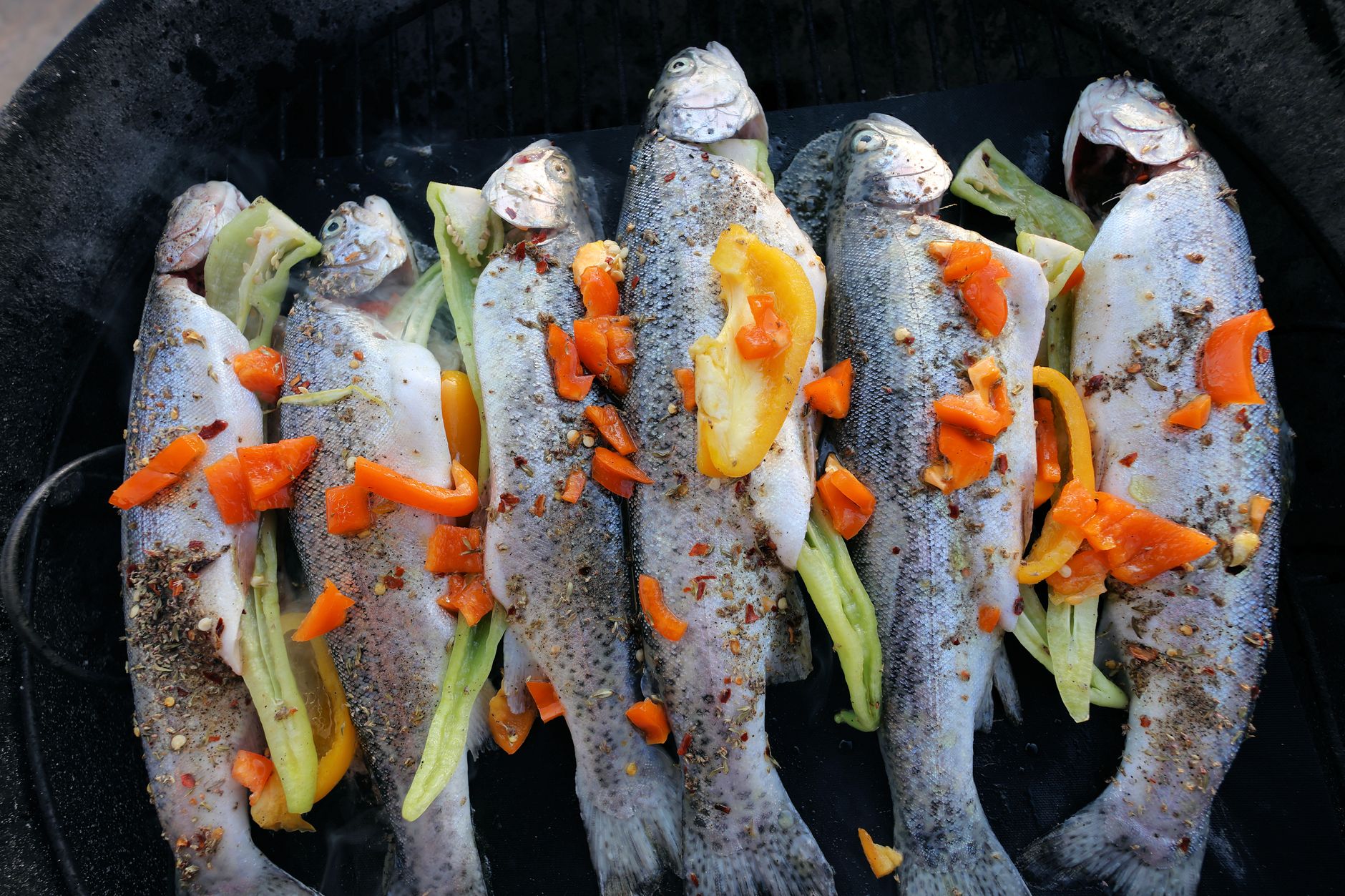
Pan-frying is the most useful method for beginners. It is quick, affordable, and easy to adjust. It works especially well for crappie, bluegill, perch, walleye, and thin bass fillets.
Simple pan-fried lake fish
This recipe serves about four people when using 1½ to 2 pounds of cleaned fillets.
Ingredients
- 1½ to 2 pounds lake fish fillets
- ½ cup all-purpose flour or fine cornmeal
- 1 teaspoon paprika
- 1 teaspoon salt
- ½ teaspoon black pepper
- 2 tablespoons neutral oil
- 1 tablespoon butter
- Lemon wedges
- Chopped parsley, if desired
Method
- Pat the fillets dry with paper towels. Moisture prevents browning and can make hot oil splatter.
- Mix the flour or cornmeal with paprika, salt, and pepper in a shallow dish.
- Coat each fillet lightly. Shake off excess coating.
- Heat the oil in a skillet over medium heat. The oil should shimmer but should not smoke.
- Add the fillets without crowding the pan.
- Cook thin fillets for 2–3 minutes on the first side.
- Turn them carefully and cook for 2–3 minutes more.
- Add the butter during the last minute and spoon it over the fish.
- Check the thickest part with a thermometer. Remove the fish at 145°F.
- Serve with lemon and parsley.

How to prevent sticking
Dry fish sticks less than wet fish. A hot pan also helps, but do not heat oil until it smokes. Add the fillets away from your body to reduce splatter.
Let the first side form a crust before moving the fish. If the fillet resists the spatula, it may not be ready to turn. Slide a thin fish spatula under the crust rather than scraping across the pan.
Avoid crowding. Too many fillets lower the pan temperature and create steam. Cook in batches if needed.
Pan-frying with skin on
Place skin-on fillets skin side down first. Press gently with a spatula for the first 20–30 seconds to stop the skin from curling. Cook until the skin turns crisp, then turn the fillet briefly to finish the top side.
Skin holds the meat together and adds flavor. If the skin tastes strong, remove it after cooking. For trout and salmon, many anglers prefer to keep it on.
Baking Lake Fish in the Oven
Baking is the easiest method for thick fillets, family meals, and hands-off cooking. It also suits beginners who worry about flipping delicate fish in a skillet.

Lemon-butter baked fish
Heat the oven to 400°F. Place the fillets on a lightly oiled sheet pan or in a baking dish. Brush them with melted butter or olive oil, then add salt, pepper, garlic, paprika, and lemon slices.
Bake thin fillets for 8–12 minutes. Bake thick fillets for 12–18 minutes. Cooking time depends on thickness, not only weight, so check the thickest part with a thermometer.
The fish is ready at 145°F. The flesh should turn opaque and separate into moist flakes when pressed with a fork. Let it rest for 2–3 minutes before serving.
Baking fish in foil
Foil packets trap steam and help protect lean fish from drying out. Add fish, lemon, onion, herbs, and a small amount of butter or oil. Fold the foil into a sealed packet, leaving room for steam to move.
Bake at 400°F for about 12–18 minutes, depending on thickness. Open the packet carefully because the steam can burn your hands. Foil packets are useful at home, at camp, or on a clean grill.
Do not wrap fish in foil and store it for long periods. Foil is for cooking, not a replacement for cold storage.
Grilling and Broiling Freshwater Fish
Grilling gives lake fish a smoky flavor and works well with firm fillets. Trout, salmon, bass, and thick walleye handle the grill better than very thin bluegill or crappie fillets.

How to grill lake fish
Clean the grill grates and preheat them over medium heat. Oil the grates with a folded paper towel held by long tongs. Oil the fish lightly, then season it.
For skin-on fillets, place the fish skin side down over indirect or medium heat. Close the lid and cook until the fish reaches 145°F. Thick fillets may take 8–12 minutes. Turn only if needed.
A grill basket or cedar plank can make the job easier. A basket is helpful for small pieces. A plank protects delicate fish and adds a mild wood aroma, but follow the plank maker’s soaking and heat instructions.
When broiling works best
Broiling cooks the top of the fish quickly. It suits thin fillets and gives a browned surface. Place the fish several inches below the broiler and watch it closely.
Brush the fillets with butter, oil, or mayonnaise mixed with herbs. Broil until the surface browns and the center reaches 145°F. Broilers vary a lot, so use the thermometer instead of relying only on minutes.
⚠️ Safety Warning: Never leave a grill, broiler, camp stove, or hot oil unattended. Keep children away from hot pans, sharp fillet knives, hooks, and fish bones.
Cooking Lake Fish Over a Fire or at Camp
Camp cooking can produce excellent lake fish, but it requires more planning. Use a stable stove or level fire grate, keep raw fish cold, and bring a small cutting board, paper towels, oil, salt, and a thermometer.

Foil-pack camp fish
Place a dry fillet on heavy-duty foil. Add sliced onion, lemon, a pat of butter, salt, pepper, and herbs. Seal the packet with a double fold and set it over medium coals, not tall flames.
Cook for 10–20 minutes based on thickness. Turn the packet once if the heat is uneven. Open it away from your face and check the center temperature.
Cast-iron skillet fish
A cast-iron skillet works well over a stove or controlled coals. Heat a small amount of oil, add seasoned fillets, and cook as you would at home. Use a lid for thick pieces, but leave a small gap so steam does not make the coating soft.
Clean the skillet after cooking. Wipe out crumbs, wash it with hot water, dry it over heat, and apply a thin coat of oil. Do not leave fish grease in the pan overnight.
Keeping camp food safe
Use one cooler for raw fish and another for drinks if possible. Keep the fish below 40°F. Do not place cooked fish on the same plate that held raw fish unless you wash it first.
Discard food that has sat in the heat for too long. Outdoor conditions can make food warm faster than you expect.
Choosing Seasonings and Coatings
Lake fish has a mild flavor, so simple seasonings often work best. Salt improves flavor, acid adds brightness, and fat carries herbs and spices across the surface.

Mild seasoning blend
For one pound of fish, try:
- ½ teaspoon salt
- ¼ teaspoon black pepper
- ½ teaspoon paprika
- ¼ teaspoon garlic powder
- Lemon juice after cooking
- Parsley, dill, or chives
This blend suits bluegill, crappie, perch, walleye, bass, and trout. Add cayenne only if everyone at the table enjoys heat.
Crispy coatings
Flour creates a thin crust. Cornmeal adds more crunch and a slightly sweet flavor. Panko creates a light, rough crust and works well in the oven or air fryer.
Season the coating, not just the fish. A common mistake is to add too much salt to both. Dip the fish in beaten egg or buttermilk if you want a thicker crust.
| Coating | Texture | Best use |
|---|---|---|
| Flour | Thin and smooth | Pan-frying delicate fillets |
| Fine cornmeal | Crisp and rustic | Crappie, bluegill, perch |
| Panko | Light and crunchy | Baking or air frying |
| Crushed crackers | Rich and crisp | Family-style baked fish |
| No coating | Clean and delicate | Grilling, broiling, foil packets |
The coating should support the fish, not bury it. Use a thin layer for mild fillets and a stronger crust when the fish has a firmer or more noticeable flavor.
Using marinades
Marinate fish for 15–30 minutes in oil, lemon, garlic, herbs, or a small amount of soy sauce. Do not leave fish in strong lemon juice for hours. Acid changes the texture and can make the outside mushy.
Pat marinated fish dry before grilling or pan-frying. Excess liquid causes steaming and makes browning difficult.
Matching Cooking Methods to Species
Different fish need different treatment. Lean fish benefit from moisture and short cooking. Oily fish can handle stronger heat and bold flavors.

Panfish
Crappie, bluegill, and perch have thin, delicate fillets. Pan-frying is a classic choice. Use medium heat and turn them once. A flour or cornmeal coating helps hold the fillets together.
Panfish also work well in tacos, sandwiches, and fish cakes. Remove small bones before cooking, especially when serving children.
Walleye and bass
Walleye has firm, mild meat and responds well to pan-frying, baking, and grilling. Bass can be pan-fried or baked with butter, lemon, and herbs. Keep the seasoning moderate until you know the flavor of the fish from that lake.
A spinning rod with 6- to 10-pound monofilament or braided line with a light leader may help you catch these species, but cooking quality still depends on handling and storage.
Trout and salmon
Trout and salmon contain more natural oil than many panfish. Grill or bake them with the skin on. Dill, lemon, garlic, and butter pair well with the richer meat.
Check local rules before keeping trout or salmon. Some waters have special seasons, size limits, or artificial-lure restrictions.
Catfish
Catfish are often fried in cornmeal, but baking and grilling also work. Trim away excess fat and dark meat if the flavor is strong. A short milk soak can soften the taste, though it is not required for fresh, well-handled fish.
Catfish can be thick, so use a thermometer. The outside may brown before the center is done.
Pike and fish with many bones
Pike and similar fish can taste good, but their Y-bones require care. Learn the correct filleting method for the species, or ask a local tackle shop, guide, or experienced angler to show you.
Do not assume a cooked fillet is bone-free. Check each serving before giving it to a child.
Air Frying Lake Fish
An air fryer can produce crisp fish with less oil than deep-frying. It works best with small or medium fillets that have a dry coating.

Air fryer method
Preheat the air fryer to 375°F. Pat the fish dry and coat it with seasoned flour, egg, and panko. Spray the basket and the coating lightly with oil.
Cook for 8–12 minutes, turning once if the fillets are thick. Check for 145°F in the center. Avoid stacking the fish because hot air must reach each piece.
The result will not be exactly like deep-fried fish. It will be lighter and usually less greasy. This method suits families, small kitchens, and anglers who want a quick cleanup.
Common air fryer problems
Wet batter may drip through the basket. Use a dry crumb coating instead. Overcrowding leads to pale, soft fish, while too much oil can create smoke.
Different air fryers run at different temperatures. Treat the first batch as a test and adjust the time for later batches.
Common Cooking Mistakes and Easy Fixes
Most poor fish meals come from a few avoidable errors. The good news is that each one has a simple fix.

| Problem | Likely cause | Fix |
|---|---|---|
| Fish sticks to the pan | Wet fish, cool pan, or early turning | Dry the fillets and let the crust set |
| Fish tastes muddy | Species, warm water, or dark meat | Trim dark meat and try milk or buttermilk |
| Fish is dry | Overcooking or high heat | Use medium heat and check at 145°F |
| Coating is soggy | Crowded pan or wet fish | Cook in batches and dry the fillets |
| Outside burns first | Heat is too high or fish is too thick | Lower the heat and finish in the oven |
| Fish falls apart | Delicate fillet or too much handling | Use a fish spatula and turn once |
The biggest mistake is cooking by the clock alone. A ½-inch fillet and a 1½-inch fillet do not need the same time. Measure the thickest area and use temperature as your guide.
Do not over-wash the fish
A quick rinse can remove loose scales, but long soaking washes away flavor and spreads raw fish water around the sink. If you rinse, use cold water and dry the fish at once.
For cleaner handling, wipe the fillets with damp paper towels. Wash the sink and tools after contact with raw fish.
Do not use old oil
Oil that smells stale will flavor the fish badly. Strain frying oil after use if you plan to reuse it, and store it in a cool, dark place. Replace it when it becomes dark, smoky, foamy, or strongly scented.
Serving Lake Fish
A good side dish should add contrast without competing with the fish. Lemon, vinegar slaw, potatoes, rice, beans, cornbread, and fresh vegetables all work well.

Simple meal ideas
Try pan-fried perch with roasted potatoes and green beans. Serve baked trout with rice, asparagus, and lemon-dill butter. Pair fried catfish with slaw and corn. Use leftover walleye in tacos with cabbage, lime, and a mild sauce.
Keep sauces light at first. Tartar sauce, garlic butter, herb yogurt, hot sauce, and salsa are easy to add at the table.
Leftover fish
Cool cooked fish quickly and refrigerate it in a shallow container. Eat it within 3–4 days. Reheat gently in a covered skillet or low oven so it does not dry out.
Cold leftovers can work in salads, sandwiches, tacos, and fish cakes. Do not leave cooked fish at room temperature for long periods.
Cost, Gear, and Kitchen Setup
Cooking lake fish can be inexpensive, especially when you already own basic tackle and a cooler. The most useful upgrades are often simple: a better fillet knife, a reliable thermometer, and a cooler that holds ice well.
| Budget level | Useful setup | Best for |
|---|---|---|
| Under $30 | Basic skillet, oil, seasoning, simple thermometer | Beginners and occasional cooks |
| $30–$75 | Fish spatula, fillet knife, cutting board, better thermometer | Regular shore or boat anglers |
| $75–$150 | Quality cooler, knife sharpener, grill basket, storage containers | Families and frequent fish cooks |
| $150 and up | Premium cooler, electric fillet knife, fish vacuum sealer | High-volume anglers and guides |
You do not need a fish finder, kayak, specialized tackle box, or expensive rod to cook a good meal. Those tools can help you locate and catch fish, but preparation and cold storage have a larger effect on the final dish.
Gift buyers can start with a quality thermometer, fillet knife, or fish spatula. These tools suit beginners, experienced anglers, and kids who are learning under adult supervision.
Conservation and Responsible Harvest
Keeping fish for the table can be part of responsible angling when you follow local rules and keep only what you will use. Do not treat every fish as a meal. Release fish that are undersized, protected, or not wanted.
Catch-and-release handling
Use wet hands when handling fish you plan to release. Keep the fish out of the water for as little time as possible. Barbless hooks can make release easier, and circle hooks help in some bait-fishing situations, though local rules may limit hook types.
A rubberized landing net is gentler than rough nylon mesh. Cut the line near a deeply hooked fish when removal would cause more harm, unless local guidance says otherwise.
Protect the water
Collect broken monofilament, braided line, leaders, soft plastics, hooks, and sinkers. Never leave fishing line on a dock, bank, or boat ramp. Animals can become tangled or swallow discarded tackle.
Clean mud, plants, and water from waders, boots, kayaks, and nets before moving to another lake. This helps reduce the spread of invasive species.
🌿 Conservation Note: Keep a few quality fish for the table when legal, but release the rest with care. A healthy lake depends on harvest that matches local rules and the water’s fish population.
Safety From Lake to Kitchen
Fish preparation combines water safety, sharp tools, hot surfaces, and food safety. Plan for all four. A good meal is not worth rushing through a risky situation.
On the water
Wear a properly fitted, U.S. Coast Guard–approved personal flotation device when boating, kayaking, or fishing from an unstable platform. Check the weather before leaving, and tell someone your route and return time.
Wading anglers should use a wading belt and avoid fast water, steep drop-offs, and slippery rocks. Wear polarized sunglasses to reduce glare and protect your eyes from hooks. Keep pliers close when removing hooks.
Ice anglers must check local ice conditions and carry appropriate rescue gear. Ice thickness can vary across one lake, especially near springs, inlets, outlets, weeds, and moving water. Take a certified boating or ice-safety course when you are not confident in your skills.
In the kitchen
Use a stable cutting board and keep the knife pointed away from your body. A sharp knife is safer than a dull one because it needs less force, but it still demands control.
Wash hands and surfaces after handling raw fish. Keep raw and cooked foods separate. Use a thermometer and cook fish to 145°F.
Frequently Asked Questions
Q: What is the easiest way to cook lake fish?
A: Pan-frying is the easiest all-purpose method. Dry the fillets, coat them lightly with seasoned flour or cornmeal, and cook them in a little oil over medium heat. Thin fillets usually need 2–3 minutes per side. Check the thickest part and remove the fish at 145°F.
Q: How do you make lake fish taste less muddy?
A: Trim away dark meat and excess fat. Keep the fish cold after catching it. A 15–30 minute soak in milk or buttermilk can soften a strong flavor, but clean water, quick icing, and proper filleting matter most.
Q: Should you soak fish in milk before cooking?
A: Milk is optional. It may reduce a strong or earthy flavor and help a coating stick. Do not soak fish for hours. Pat the fillets dry before seasoning and cooking.
Q: How long should lake fish cook?
A: Cooking time depends on thickness and temperature. Thin fillets often take 4–6 minutes total in a skillet. Thick fillets may need 12–18 minutes in a 400°F oven. The safest guide is an internal temperature of 145°F.
Q: Can you cook lake fish with the skin on?
A: Yes. Skin helps hold the fillet together and can become crisp. Start skin side down in a hot, lightly oiled pan. Trout and salmon are especially good with the skin left on.
Q: What oil is best for frying lake fish?
A: Canola, vegetable, peanut, and avocado oils all work. Use an oil with a neutral flavor and a suitable smoke point. Add butter near the end for flavor, since butter can burn when used alone over high heat.
Q: Is flour or cornmeal better for fried fish?
A: Flour creates a thin, smooth crust. Cornmeal creates a more rustic crunch. Fine cornmeal works well for crappie, bluegill, perch, and catfish. Panko is a good choice for baking or air frying.
Q: How do you know when lake fish is done without a thermometer?
A: The flesh should become opaque and separate into moist flakes when pressed gently. However, a thermometer is more reliable, especially for thick fillets. Cook the thickest part to 145°F.
Q: Can you grill small panfish fillets?
A: You can, but delicate fillets may break or fall through the grates. Use a grill basket, foil, or a lightly oiled plank. Pan-frying is often easier for bluegill, crappie, and small perch.
Q: How long does cooked lake fish last in the refrigerator?
A: Eat cooked fish within 3–4 days when stored promptly in a refrigerator at 40°F or below. Keep it in a shallow, covered container and reheat it gently.
Q: Can children eat lake fish?
A: Children can eat properly cooked fish when it is legal, fresh, and free of bones. Check local health advisories for mercury and other contaminants. Remove all pin bones, cut the fish into small pieces, and supervise young children.
Q: What should you do with fish you do not plan to keep?
A: Release it quickly and carefully if regulations allow. Use wet hands, limit air exposure, and remove the hook with pliers. Follow local rules for protected species, slot limits, and release methods.
Final Advice
Great lake fish cooking is mostly careful handling and simple heat. Chill the fish fast, clean it well, remove bones, dry the fillets, and choose a method that fits the species. Pan-fry delicate panfish, bake thick fillets, grill firm or oily fish, and use foil packets when cooking outdoors.
Start with salt, pepper, lemon, and butter before reaching for a long spice list. Check the thickest part with a thermometer, follow local fishing and health rules, and keep safety in mind from the boat ramp to the dinner table. When the fish is fresh and treated with care, a simple recipe lets the lake’s harvest speak for itself.