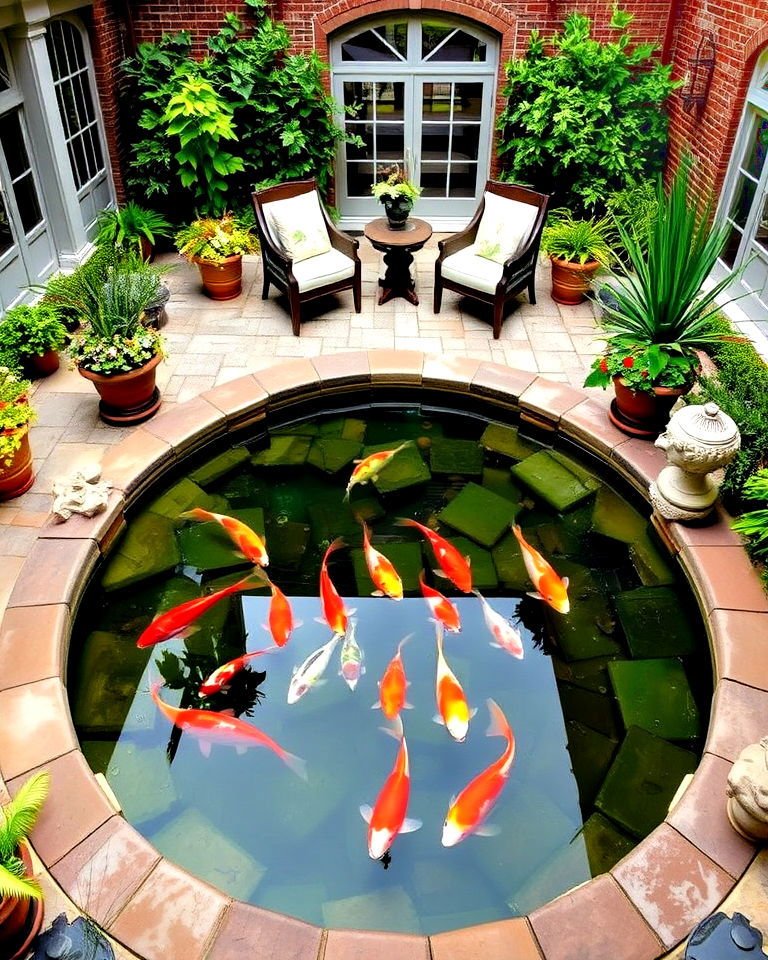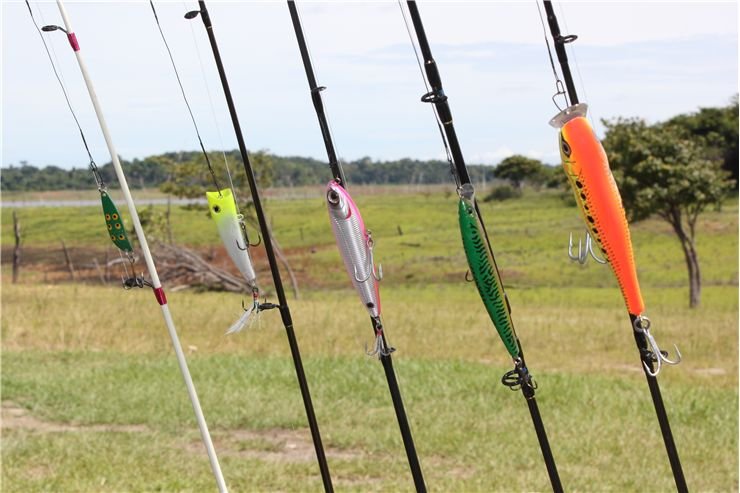
How To Build A Fishing Lake: Complete Guide
Building a fishing lake is a major land, water, and habitat project. It is not just a matter of digging a hole and adding fish. A good lake needs the right soil, a safe dam, a steady water plan, healthy habitat, and a fish population that matches the lake’s size.
A well-built pond can support bass, bluegill, catfish, trout, walleye, or panfish. It can also create a quiet place for family fishing, wildlife viewing, and catch-and-release angling. Poor planning, however, can lead to leaks, algae blooms, fish kills, muddy water, or costly repairs.
This guide explains how to build a fishing lake from the first site survey to stocking, habitat work, fishing access, and long-term care. It covers small farm ponds, private fishing lakes, and larger recreational lakes. It also explains which tasks need a professional and how beginners, landowners, and gift-minded families can plan a lake that remains useful for many years.

The short answer: plan the lake before moving soil
The best way to build a fishing lake is to start with a survey, soil test, water study, and permit check. Choose a site with suitable clay soil, a safe watershed, and enough water to fill the basin. Design the dam, spillway, depth, fish habitat, access, and stocking plan before excavation. Then build in stages, test the structure, add habitat, and stock fish only after the water stabilizes.

A fishing lake works best when the design fits the target fish and the local climate. A shallow pond for bass and bluegill needs a different plan from a deep trout lake or a catfish pond. Your budget, land slope, soil type, fishing pressure, and water source all matter.
You should also contact your state wildlife agency, county conservation office, local health department, and permitting office before construction. Rules may cover dams, wetlands, waterways, stormwater, tree clearing, water withdrawal, fish stocking, and wetland impacts.
What you need before construction
Before you bring in an excavator, gather the information and tools that shape the project. A qualified pond designer, civil engineer, soil scientist, or fisheries biologist can prevent errors that are hard to fix after the lake fills.

The table below lists the main planning needs. Some items apply to every lake, while others become more important as the lake grows or sits near a stream, road, home, or neighboring property.
| Planning need | Why it matters | Who can help |
|---|---|---|
| Topographic survey | Shows slopes, drainage, and water depth | Surveyor or civil engineer |
| Soil test | Finds clay, sand, rock, and seepage risk | Soil scientist or extension office |
| Watershed study | Estimates runoff and flood risk | Engineer or conservation office |
| Permit review | Confirms legal construction and water rules | Local and state agencies |
| Fishery plan | Matches fish species to habitat and lake size | Fisheries biologist |
| Access design | Plans roads, banks, docks, and emergency access | Pond contractor or landscape designer |
| Budget estimate | Covers earthwork, pipes, habitat, stocking, and care | Contractor and suppliers |
Use a measured site plan rather than a rough sketch. Mark the normal water level, emergency spillway, property lines, utilities, septic systems, wells, roads, buildings, and areas that must stay undisturbed.
A small fishing pond may be simple. A large lake with a dam is not. The larger the impoundment, the greater the risk to people and property below it. Get professional design help if a dam failure could harm homes, roads, livestock, or public waterways.
Set a clear fishing goal
Start by deciding how people will use the lake. A family pond may focus on easy bank fishing for bluegill and channel catfish. A bass lake may need deeper water, brush piles, spawning areas, and strict harvest rules.
Experienced anglers may want several species and varied structure. Parents may want wide, stable banks, simple access, and a shallow area where children can fish with bobbers. A gift buyer planning a private fishing retreat should focus on safe access, low upkeep, and fish that match the local climate.
Choose the target species
Fish selection affects depth, oxygen, water temperature, habitat, and food supply. Bass and bluegill are common in warm-water lakes. Trout need cool, clean water and often require spring flow, aeration, or a cold-water source.
Catfish can work well in many ponds. Walleye need suitable water quality, prey fish, and enough depth. Redfish are a saltwater species and do not belong in a normal freshwater fishing lake, although coastal impoundments may support specialized brackish systems under agency guidance.
| Fishery goal | Common species | Main design needs |
|---|---|---|
| Family panfish pond | Bluegill, redear sunfish, perch | Shallow cover, easy bank access, modest depth |
| Bass fishing lake | Largemouth bass, bluegill, threadfin or gizzard shad where legal | Forage, drop-offs, vegetation control, varied habitat |
| Catfish pond | Channel catfish, blue catfish in larger systems | Good oxygen, feeding plan, firm banks |
| Trout lake | Rainbow, brown, or brook trout | Cold water, high oxygen, shade, clean inflow |
| Mixed sport fishery | Bass, bluegill, catfish, walleye | Larger size, depth changes, careful stocking |
| Youth fishing pond | Bluegill, sunfish, channel catfish | Stable banks, short casts, simple tackle access |
Species should come from an approved hatchery or supplier. Do not move fish from another lake. That can spread disease, parasites, invasive species, and unwanted genetics.
Select a safe and suitable site
The best lake site holds water without relying on constant pumping. Look for a natural depression, a narrow valley, or a drainage area where a dam can create useful depth with limited earthwork. Avoid areas with porous sand, loose gravel, karst rock, old mine workings, buried waste, or unstable slopes.

A site may look perfect after heavy rain but fail during a dry season. Study the land through more than one weather cycle if possible. Walk the property after rain, inspect existing springs, and note where water stands or leaves the site.
Check the watershed
A watershed is the land area that drains toward the lake. It provides runoff, but too much runoff can bring silt, fertilizer, manure, pesticides, and floodwater. Too little runoff may leave the lake low for much of the year.
A common planning estimate uses watershed area, rainfall, soil type, slope, vegetation, and runoff patterns. There is no single watershed size that fits every pond. Your engineer or conservation office can estimate the required drainage area and design the spillway.
Do not place a dam across a natural stream without checking permits. A stream may be protected even when it runs dry during summer. A lake that captures public water can also change downstream flow and habitat.
Test the soil
Good pond soil usually contains enough clay to form a tight basin and stable dam. Sandy soil can leak. Gravel may let water move under the dam. Organic soil can compress and become unstable.
Ask for soil borings or test pits along the dam line, basin, and borrow areas. A soil professional can identify the depth of suitable clay and estimate whether imported material is needed.
Protect wells, septic systems, and utilities
Keep the lake away from septic tanks, drain fields, private wells, fuel tanks, buried power lines, gas lines, and underground communication cables. Water can move through soil and carry pollutants toward wells.
Call the national utility locating service before excavation. Mark property boundaries and confirm that the planned high-water line will not flood a neighboring property, road, trail, or structure.
Plan the lake shape, depth, and water level
Lake shape affects fishing, habitat, erosion, and construction cost. A long shoreline gives anglers more access, but many small coves can increase weed growth and make mowing difficult. A simple shape costs less and is easier to manage.

Build depth for the fishery and the climate. A shallow pond may warm too much in summer and lose oxygen. A very deep lake may stratify, which means it forms layers with different temperatures and oxygen levels. Both conditions can stress fish.
Use several depth zones
A strong design includes shallow spawning areas, mid-depth flats, drop-offs, and deeper refuge water. Avoid making every bank steep. A mix of slopes gives fish places to feed and hide.
For many warm-water fishing lakes, a portion of the basin should reach at least 8 to 12 feet. Larger lakes may need deeper areas, especially in regions with hot summers, drought, or heavy fish loads. Trout lakes often need a different depth and water-source plan.
The exact design depends on climate and fish species. A local fisheries biologist can recommend depth zones based on your region.
| Lake zone | Typical purpose | Design notes |
|---|---|---|
| 0–2 feet | Wading-free bank fishing, plants, spawning | Keep some areas gently sloped and firm |
| 2–5 feet | Panfish spawning and feeding | Add gravel, sand, or clean firm bottom |
| 5–10 feet | Bass, catfish, and general fishing | Create points, flats, and drop-offs |
| 10–15 feet | Summer refuge and winter habitat | Keep part of the lake free of excess silt |
| Deep pool | Temperature and drought reserve | Confirm that depth fits local water and fish needs |
These ranges are planning examples, not fixed rules. A shallow pond in a cool region may work well, while a warm pond with many fish may need more deep water.
Add gentle banks and stable access
Steep banks can erode and create a hazard for children, pets, and anglers carrying tackle boxes or landing nets. Use gentle slopes in areas planned for shore fishing. Protect the waterline with grass, rock, coir logs, or other approved erosion controls.
Place access points near firm ground. A small gravel path can work for beginners and families. Larger sites may need a ramp for maintenance equipment, but vehicle access should not damage the bank.
Include a controlled water outlet
A lake needs a safe way to release water during storms. The outlet may include a pipe, riser, principal spillway, emergency spillway, or a combination of these parts.
Never guess at spillway size. A blocked or undersized spillway can cause water to overtop a dam. Overtopping is one of the most common causes of dam failure.
Build the dam and basin correctly
Dam construction is the stage where professional work often saves the most money. A dam must be built in compacted layers with the right material and moisture. Dumping loose soil in one large pile creates weak zones and hidden seepage paths.

The contractor should clear trees, brush, stumps, roots, and organic soil from the dam footprint. The foundation should be keyed into firm material. A cutoff trench may be needed to stop water from moving under the dam.
Compact soil in thin layers
Place suitable clay or clay-rich soil in controlled lifts. Compact each lift with equipment suited to the soil. Moisture matters. Soil that is too dry or too wet may not seal well.
The contractor should document material sources, lift thickness, moisture, and compaction. Keep records, photos, and as-built measurements. These records help with future repairs and inspections.
Install pipes before filling
Water-control pipes, anti-seep collars, drains, and valves must be installed before the dam is complete. Protect pipes from movement and seepage along the outside. A pipe that leaks around its edges can create a tunnel through the dam.
Use valves that can be reached and serviced. Do not bury critical controls without a plan for inspection. Fence or secure valve areas if children, livestock, or visitors use the property.
Stabilize exposed soil
Seed bare banks as soon as construction ends. Use a local grass mix that suits wet conditions and erosion control. Keep livestock away from the dam unless the site is designed for grazing.
Trees should not grow on the dam. Large roots can create seepage paths. Keep brush and woody plants controlled so you can inspect the dam surface.
⚠️ Safety Warning: Keep people away from active earthwork, deep excavation, open pipes, and steep banks. Once the lake fills, mark thin ice, deep water, soft mud, and restricted dam areas. Children should fish with direct adult supervision.
Add habitat before the lake fills
Fish habitat gives prey and sport fish places to feed, hide, spawn, and avoid predators. Add habitat while the basin is dry or partly filled. It is much easier to place brush, rock, gravel, and structure before boats and muddy water limit access.

Do not add random trash, treated lumber, tires, wire, or sharp metal. Some materials leach chemicals or create hazards for swimmers, boaters, and fish. Use clean rock, untreated natural wood, approved fish habitat products, or structures recommended by a fisheries agency.
Use different habitat types
Place habitat at different depths and near points, flats, creek channels, and spawning zones. Avoid filling the entire lake with cover. Fish need open water, and anglers need room to cast.
Brush piles help bass and panfish. Gravel beds can support spawning. Rock piles attract crayfish and small fish. Standing trees may provide cover, but they can also snag line and create boating hazards.
Mark underwater structure
Record the location of each habitat feature with a map, GPS point, or shoreline marker. This helps anglers fish safely and makes future management easier. It also prevents you from forgetting where submerged hazards lie.
| Habitat material | Best use | Main caution |
|---|---|---|
| Clean gravel | Spawning beds for some species | Avoid fine silt and polluted fill |
| Natural hardwood | Cover for bass and panfish | Secure it so it does not float into boating lanes |
| Clean rock | Crayfish habitat and breaks | Avoid unstable piles near swimmers |
| Approved artificial habitat | Repeated structure patterns | Follow placement and material instructions |
| Aquatic plants | Food, cover, and oxygen production | Control invasive or excessive growth |
| Submerged stumps | Vertical cover | Mark locations for boat safety |
Habitat should match the lake’s target species. Too much cover can make fishing difficult and allow prey fish to avoid predators. Too little cover can leave young fish exposed.
🌿 Conservation Note: Never plant or release aquatic species from another lake. Use local guidance to select approved plants. Remove fishing line, hooks, soft plastics, and other litter so wildlife does not become entangled.
Install aeration and water-quality systems
Aeration moves oxygen through the water. It can reduce stagnant conditions and help prevent fish stress, but it cannot fix every lake problem. An aerator does not replace proper depth, watershed control, nutrient management, or safe stocking.

A bottom-diffused system uses an air compressor, airline, and diffuser. It lifts deep water and mixes the lake. Surface fountains add oxygen near the surface and may improve appearance, but they often mix less deep water than a properly sized diffuser.
Watch for stratification
During warm weather, deep water can lose oxygen while the surface stays warm. This creates layers. A sudden storm or strong mixing event can move low-oxygen water toward the surface and cause fish stress.
Use a dissolved oxygen meter if the lake has high fish value or heavy management needs. Test temperature and oxygen at several depths. Early-morning readings often show the lowest oxygen levels.
Manage nutrients
Nutrients enter from fertilizer, manure, septic leaks, eroding soil, pet waste, and stormwater. Excess nutrients can cause algae blooms and dense plant growth.
Create a grass buffer around the lake. Keep fertilizer away from the water. Use livestock exclusion fencing where needed. A settling basin or silt trap above the lake can catch sediment before it fills the main basin.
Control erosion, silt, weeds, and algae
A new lake often receives heavy sediment during the first storms after construction. Bare soil is the main source. Seed disturbed ground, use silt controls, and inspect drainage paths after every large rain.

Do not treat weeds or algae until you know what they are. Some herbicides require a permit, have swimming or fishing restrictions, and can reduce oxygen when plants die. A large plant die-off can lead to a fish kill.
Build a buffer strip
A buffer of native grass, shrubs, and selected trees can slow runoff. Keep large trees off the dam, but use suitable vegetation away from the embankment and spillway. The buffer also provides shade and wildlife value.
Identify plants before treatment
Common lake plants include cattails, pondweeds, coontail, water lilies, and filamentous algae. Some are useful in moderate amounts. Others may be invasive or form thick mats.
Take photos and send them to your county extension office or state wildlife agency. Use only products labeled for the target plant and water use. The label is the law for aquatic pesticides.
| Problem | Likely cause | First response |
|---|---|---|
| Cloudy brown water | Erosion, clay, livestock access | Stabilize banks and reduce runoff |
| Green surface scum | Excess nutrients or algae | Test water and reduce nutrient input |
| Fish gasping at dawn | Low dissolved oxygen | Add emergency aeration and seek expert help |
| Fast water loss | Leak, seepage, evaporation, or outlet issue | Measure water level and inspect the dam |
| Dense weeds | Shallow water, nutrients, sunlight | Identify plants and use an integrated plan |
| Repeated silt buildup | Unprotected watershed | Add grass cover, silt basins, and drainage controls |
Do not treat symptoms while ignoring the watershed. A lake receives what the surrounding land sends into it.
Stock fish in the right order
Stocking too early is a common mistake. Wait until the lake holds a stable water level, habitat is in place, and water quality is acceptable. Stocking rates depend on lake size, fertility, climate, species, and management goals.

A common warm-water plan may begin with forage fish such as bluegill and redear sunfish. Largemouth bass may be added later after forage fish have time to reproduce. Channel catfish can be included in many systems, but they may compete with other fish if stocked too heavily.
The exact order and numbers should come from your state agency, extension service, or fisheries biologist. Some regions recommend different timing or species.
Use legal hatchery sources
Buy fish from licensed suppliers that follow state health rules. Transport fish in clean, oxygenated containers. Avoid adding fish caught from another lake, even if the fish look healthy.
Record the species, number, average size, date, supplier, and release location. This information helps diagnose future problems and guide harvest decisions.
Match fish to water conditions
Bass, bluegill, catfish, and crappie often suit warm-water ponds. Trout need cold, oxygen-rich water. Walleye require a suitable prey base and often perform better in larger, deeper systems.
Saltwater species such as redfish need a very different environment. Do not stock them in freshwater because they are popular sport fish. A coastal or brackish system requires specialist design and agency approval.
Plan fishing access and safe gear use
A fishing lake should be easy to use without damaging the shoreline. Build a few strong access points instead of allowing people to walk everywhere. Add benches, shade, trash cans, and a simple tackle area if families will use the site.

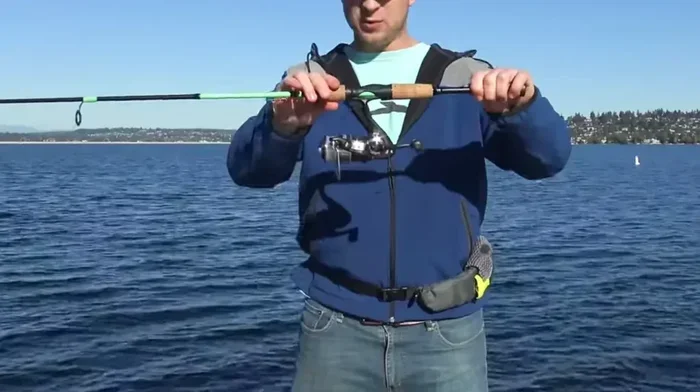
For beginners and kids, a 5- to 6.5-foot spincast combo or spinning reel setup is often easy to handle. Use monofilament line in the 4- to 8-pound range for panfish. A small bobber, split shot, and size 6 to 10 hook can make a simple live-bait rig.
Experienced bass anglers may prefer a 6.6- to 7.5-foot medium or medium-heavy rod with a fast action. Action describes how much of the rod bends. Power describes how much force the rod needs to bend. A baitcaster offers control and accuracy but takes practice and can develop backlash, which is a tangled spool caused by the spool turning faster than the lure.
| Angler or fishery | Useful setup | Why it fits |
|---|---|---|
| Young beginner | 5–6.5 ft spincast combo, 4–8 lb mono | Simple casting and light tackle |
| Panfish angler | 6–7 ft light or ultralight spinning rod, 2–6 lb line | Good for small lures and bobbers |
| Bass angler | 6.6–7.5 ft medium or medium-heavy rod, 10–20 lb line | Handles jigs, soft plastics, and crankbaits |
| Catfish angler | 7–9 ft medium-heavy rod, 15–30 lb line | Supports heavier sinkers and strong runs |
| Fly angler | 8–9 ft 4–6 weight fly rod | Works for trout, panfish, and some bass |
| Bank traveler | Telescopic rod or compact spinning setup | Packs easily for shore trips |
| Winter angler | Short ice fishing rod, 2–6 lb line | Fits small shelters and vertical presentations |
A private lake may also support kayak fishing, but the lake owner should set rules for launch areas, speed, weather, and life jackets. Every person in a kayak or small boat should wear a properly fitted U.S. Coast Guard–approved personal flotation device.
⚠️ Safety Warning: Tell someone your fishing plan, check the weather, and carry pliers, a first-aid kit, water, sun protection, and a charged phone. Do not wade near an unknown dam, steep bank, soft bottom, or intake pipe.
Choose boats, docks, and shoreline structures carefully
A dock can improve access for children, older anglers, and people who cannot walk uneven banks. It must have a stable frame, a non-slip surface, and safe edges. Check local rules before building a permanent structure.

Small electric boats and kayaks create less disturbance than large gas-powered boats. If you allow boating, mark shallow areas, submerged trees, pipes, and swimming restrictions. Keep a clear lane near spillways and water-control structures.
A landing net helps reduce handling time when you release fish. Long-nose pliers remove hooks. A fish stringer is useful only where legal and where you intend to keep fish within the daily limit. Never leave a stringer unattended in warm water.
For catch and release, wet your hands, support the fish, keep it out of water for as little time as possible, and use barbless or debarbed hooks when practical. Circle hooks can reduce deep hooking when used with bait, but local rules and species needs vary.
Estimate cost, time, and long-term care
Lake cost depends more on earthwork and site conditions than on fish stocking. A simple pond on good clay may cost far less than a large lake that needs imported clay, rock, drainage controls, roads, bridges, or a major dam.

Current pricing ranges from modest rural pond projects to large engineering projects that cost hundreds of thousands of dollars or more. Get several written bids. Ask whether each bid includes clearing, hauling, compaction, pipes, spillways, seeding, erosion controls, permits, habitat, and cleanup.
| Project stage | Main cost drivers | Ways to control cost |
|---|---|---|
| Survey and design | Site size, dam risk, engineering needs | Use local conservation resources early |
| Excavation | Soil volume, rock, hauling distance | Balance cut and fill on site |
| Water control | Pipe size, valves, spillway rock | Design for storm flow, not minimum cost |
| Habitat | Rock, wood, labor, transport | Place materials before filling |
| Aeration | Compressor size, electric service, installation | Size the system to lake depth and volume |
| Stocking | Species, fish size, transport | Follow a measured fishery plan |
| Access | Roads, docks, ramps, banks | Build fewer strong access points |
| Maintenance | Mowing, inspections, algae, repairs | Prevent erosion and nutrient inputs |
Construction may take weeks or months. Filling may take days, months, or more than a year, depending on rainfall, groundwater, runoff, and water-control rules. Do not rush the process by pumping from a stream or well without approval.
Use a maintenance schedule
Inspect the dam and spillway after heavy rain. Look for wet spots, sinkholes, cracks, animal burrows, erosion, blocked pipes, and unusual water loss. Small problems are easier to fix than a failed embankment.
Test water quality during hot weather and after fish stress. Record water level, clarity, algae, plant coverage, fish condition, and harvest. A simple log can reveal slow changes before they become expensive.
| Task | Suggested timing | What to check |
|---|---|---|
| Walk the dam | Monthly and after major rain | Erosion, seepage, cracks, burrows |
| Check spillway | After storms | Blockage, washout, debris |
| Mow or manage grass | As needed | Keep the dam visible without scalping soil |
| Test water | Seasonally or during problems | Oxygen, temperature, pH, clarity |
| Inspect habitat markers | Twice yearly | Boat hazards and shoreline changes |
| Review fish harvest | Each season | Size structure and species balance |
| Service aerator | As manufacturer states | Compressor, diffuser, airline, power |
Do not mow so aggressively that bare soil reaches the waterline. Do not place grass clippings, fertilizer, or leaves into the lake.
Understand the advantages and limits
A private fishing lake can offer year-round access, family memories, wildlife habitat, and a fishery shaped around your goals. It can also require steady work and money. The table below gives a realistic view.

| Benefits | Limits |
|---|---|
| Convenient fishing close to home | Construction can be expensive |
| Custom habitat and target species | Fish populations need management |
| Space for family and youth fishing | Algae, weeds, and erosion can return |
| Wildlife and landscape value | Dams and spillways need inspection |
| Control over access and harvest | Permits may take time |
| Potential property value | Poor design can cause major damage |
A lake is not a set-and-forget project. It is more like a garden with water. The design creates the foundation, but good results depend on regular observation and care.
Experienced anglers may value structure maps, fish surveys, and harvest records. Beginners often value safe banks and easy fish more than advanced habitat. Parents should put access and supervision first. A lake that looks impressive but lacks safe fishing spots may disappoint the people who use it most.
Avoid the most common building mistakes
Many lake problems begin before construction. The most expensive mistake is often choosing a site based only on appearance.
Avoid these errors:
- Skipping soil tests. A beautiful basin may leak through sand, gravel, or fractured rock.
- Building without a spillway plan. Stormwater needs a safe path around or through the dam.
- Stocking fish too soon. New water may lack stable oxygen, food, and habitat.
- Adding too many species. More fish do not always create better fishing.
- Ignoring the watershed. Runoff can bring silt, nutrients, and chemicals.
- Using unknown plants or fish. They can introduce invasive species and disease.
- Making every bank steep. Families need stable places to fish.
- Overusing herbicides. Dead plants can remove oxygen and harm fish.
- Allowing livestock on the dam. Hooves damage banks and create muddy runoff.
- Failing to record structure. Unmarked brush and pipes can injure boaters and anglers.
🔧 Quick Fix: If water becomes muddy after every rain, start upstream. Stabilize bare soil, fence livestock from the bank, seed drainage paths, and consider a settling basin. Treating the lake alone rarely solves the source.
Know when to hire a professional
Call a professional before construction when the lake includes a large dam, a public road below it, a natural stream, wetlands, homes, steep terrain, or a high-risk flood path. You should also seek help for unstable soil, major seepage, repeated fish kills, unexplained water loss, or invasive plants.
A civil engineer can design the dam, pipes, and spillway. A soil scientist can assess clay and seepage. A fisheries biologist can plan species, stocking, habitat, and harvest. An aquatic plant specialist can identify weeds and create a legal treatment plan.
A local tackle shop may also help after the lake is established. Tackle specialists can suggest hook sizes, bobbers, spinning reels, baitcasters, fly rods, line test, leaders, lures, and seasonal presentations for the fish you actually have.
Do not expect a tackle shop to replace an engineer or wildlife agency. Gear helps anglers use a lake. It does not make an unsafe dam safe.
Check regulations and conservation rules
Laws vary by state, county, watershed, and lake size. Private ownership does not always remove permit or fish-stocking duties.
Before work begins, confirm:
- Whether you need a pond, dam, grading, stormwater, wetland, or water-use permit
- Whether the site contains a protected stream, wetland, or floodplain
- Whether you need permission to withdraw or divert water
- Which fish species and hatcheries are approved
- Whether stocking requires health records or agency approval
- Whether fishing licenses apply on private water
- Whether size limits, bag limits, seasons, bait rules, or hook rules apply
- Whether lead tackle, live bait, barbed hooks, or fish transport face restrictions
- Whether docks, boats, lights, and shoreline work need permits
📜 Check Local Regulations: Contact your state fish and wildlife agency, county conservation office, and local permitting office before excavation or stocking. Rules can change, and this article cannot replace local approval.
Frequently asked questions
How much land do you need to build a fishing lake?
The answer depends on the lake’s surface area, watershed, dam design, and local rules. A small pond may fit on a few acres, while a larger lake may require much more land for the basin, shoreline, access, and drainage area. A survey and topographic plan provide the useful answer.
How deep should a fishing lake be?
Many warm-water fishing lakes benefit from areas at least 8 to 12 feet deep, with deeper water in hot or drought-prone regions. Trout lakes may require a different design with cold, oxygen-rich water. Depth should match fish species, climate, water source, and lake size.
How long does it take to build a fishing lake?
Earthwork may take several weeks or months. Filling can take much longer. Rainfall, groundwater, runoff, soil, permits, and water-control rules all affect the schedule. Fish stocking should wait until the lake reaches a stable level and water quality supports life.
Is building a fishing lake worth the money?
It can be worth it for landowners who want reliable access, family use, wildlife habitat, and long-term recreation. It may not be worthwhile if the site has poor soil, limited water, major flood risk, or high dam exposure. Compare professional estimates with the cost of improving an existing pond.
Can you build a fishing lake without a dam?
Yes, some lakes form through excavation, groundwater, or a natural depression. Excavated ponds work best where groundwater and soil conditions support them. A natural basin may still need an outlet, erosion control, and permits.
What fish should you stock first?
The answer depends on location and goals. In many warm-water systems, forage fish such as bluegill are stocked before largemouth bass. Channel catfish may be added in suitable ponds. Trout, walleye, and other species need specific water conditions. Follow a local fisheries plan.
Can you stock bass and catfish together?
Often, yes, but stocking rates matter. Too many catfish can compete for food and affect water quality. Bass, bluegill, and catfish should be selected as part of one fishery plan, not added at random.
Should you add an aerator?
An aerator can help maintain oxygen, especially in deep lakes, nutrient-rich ponds, and systems with heavy fish loads. It cannot correct a bad watershed or replace proper lake design. Size the system for the lake’s volume and depth.
How do you stop a fishing lake from leaking?
First find the source. Leaks may come from porous soil, animal burrows, pipe problems, tree roots, or water moving under the dam. A professional may recommend compacted clay, bentonite, a liner, cutoff work, pipe repair, or dam reconstruction. Do not simply add water without finding the cause.
Can you use a private lake without a fishing license?
Rules vary. Some states exempt certain private waters, while others still require a license or apply species and harvest rules. Check your state fish and wildlife agency before fishing, stocking, or keeping fish.
What is the best fishing gear for a new private lake?
For beginners and kids, a spincast combo or light spinning reel with 4- to 8-pound monofilament is easy to use. Bass anglers may prefer a medium-heavy baitcasting or spinning setup with 10- to 20-pound line. Catfish anglers often need heavier rods, sinkers, and leaders.
How should you care for fish after catching them?
For catch and release, wet your hands, avoid squeezing the fish, remove the hook with pliers, and keep the fish out of water for a short time. Support the body and release it gently. Follow local rules for harvest, size limits, and daily bag limits.
Build for the fishery you want to keep
A successful fishing lake starts with a safe site and ends with steady care. Survey the land, test the soil, plan the watershed, design a reliable spillway, and build the dam in compacted layers. Add useful habitat, stabilize the shoreline, protect water quality, and stock fish through approved channels.
The best lake is not always the biggest or deepest. It is the one that fits the land, local climate, target species, budget, and anglers who will use it. Build safe bank access for beginners and kids, map structure for experienced anglers, and leave room in the plan for future maintenance.
With careful design and local guidance, a private lake can become more than a place to cast a line. It can be a healthy fishery, a wildlife refuge, and a lasting outdoor space for family and friends.