Where To Learn How To Fish: Best Fishing Lessons For Beginners
Learning how to fish is easier when you learn beside someone who already understands the water. A local fishing guide, tackle shop employee, park ranger, school program, or experienced angler can show you in one hour what may take days to learn alone. You can also build skill through free videos, state wildlife courses, and careful practice at a safe shore spot.
The best place to learn depends on your age, budget, target fish, and local water. A child may learn fastest with a parent at a stocked pond. A new adult angler may prefer a half-day guide trip. Someone interested in fly fishing may need a casting class. If you want to fish from a kayak, boat, surf beach, or ice, choose instruction that covers both fishing skill and safety.
You do not need expensive equipment to begin. A simple spincast combo, a few hooks, bobbers, sinkers, live bait, and a small tackle box can teach the basics. As your skills grow, you can move to spinning reels, baitcasters, fly rods, braided line, fish finders, or specialized gear for bass, trout, catfish, walleye, redfish, and other species.

Quick Answer: Where Should You Learn How to Fish?
The best way to learn how to fish is through a local beginner class, tackle shop lesson, fishing guide, or patient friend. Start at a calm freshwater pond or easy-access shore area. Use a simple spinning or spincast combo, learn basic casting and knot tying, and check your state fishing license rules first. Choose a guide or course that matches your target species and water type.

The Best Places to Learn Fishing Skills
The best fishing lessons are practical, local, and suited to your goal. A person teaching trout fishing in a mountain stream may not be the right teacher for surf fishing or kayak fishing. Look for instruction that uses the same water, fish, and gear you plan to use.
Many beginners worry about asking simple questions. Good teachers expect those questions. Fishing has many terms, but the first lessons are simple: cast safely, place bait or a lure near fish, watch the line, set the hook, fight the fish with steady pressure, and handle the fish with care.
Local fishing guides
A licensed or well-established fishing guide offers the fastest path to hands-on learning. Guides can teach casting, knot tying, bait choice, lure selection, fish handling, boat safety, and local patterns during one trip.
A guide is a strong choice for adults with limited time, families on vacation, and anglers who want to learn bass, trout, redfish, walleye, or inshore saltwater fishing. Ask whether the trip is designed for beginners. Also ask what equipment, licenses, bait, food, and safety gear the fee includes.
A guide trip often costs more than a class, but you gain direct coaching. You can ask why the guide chose a certain rod, line test, hook size, sinker, or lure. That knowledge can prevent costly mistakes later.
Local tackle shops
A good tackle shop is one of the most useful places to learn how to fish. Shop staff know nearby lakes, rivers, piers, beaches, and seasonal fish activity. Many shops offer basic rigging help, casting events, knot lessons, or local seminars.
Tackle shops are especially helpful when you are buying your first setup. Staff can match a rod and reel to your height, strength, target species, and budget. They can also spool monofilament or braided line, add a leader, and show you how to attach hooks, swivels, bobbers, and lures.
A shop should explain why a product fits your needs rather than push the most expensive item. If you plan to fish for panfish and stocked trout, you do not need a heavy saltwater rod. If you want to cast light lures for bass, a medium-power spinning rod may be more useful than a large baitcaster.
State wildlife agencies
State fish and wildlife agencies often teach fishing at low cost or for free. Search your state agency website for “learn to fish,” “fishing education,” or “family fishing events.” These programs may include loaner rods, bait, instruction, and license information.
These events are useful because they combine fishing skill with conservation. You may learn local size limits, bag limits, closed seasons, bait rules, and fish identification. Some programs also teach how to release fish without causing avoidable harm.
Community centers, parks, and libraries
City parks, county recreation departments, libraries, youth clubs, and outdoor groups may host beginner fishing days. These events often welcome children and families. They can be less stressful than a private lesson because several new anglers are learning together.
Look for programs near stocked ponds or public lakes. A calm pond with open casting space is better for a first lesson than a crowded pier or fast river. Ask whether the event supplies tackle or whether each person must bring a rod.
Fishing clubs and conservation groups
Local bass clubs, trout groups, fly-fishing clubs, and conservation organizations often welcome new anglers. Club members may teach casting, knot tying, fly selection, fish identification, and conservation practices.
A club is a good long-term option for an experienced beginner who wants to meet other anglers. It may be less comfortable for a young child unless the group has a family program. Ask how often the club offers beginner activities before joining.
Online courses and videos
Online videos can teach basic knots, casting motions, rigging, and gear care. They work best when you watch one clear lesson, practice it, and then test the skill on local water.
Online learning has limits. A video cannot correct your grip, tell you that your line is tangled, or warn you that a storm is moving in. Use online instruction to prepare for a local class or guide trip, not as a replacement for water safety training.

Which Learning Option Fits Each Angler?
Your best learning path depends on who is fishing, what fish you want to catch, and how much help you need. A parent may want a simple family event. An adult with a specific goal may benefit from private instruction. An experienced angler may need a focused lesson rather than a basic course.
The table below gives a practical starting point.
| Angler | Best place to learn | Why it fits |
|---|---|---|
| Young child | Family fishing event or stocked pond | Simple gear, easy access, short attention span |
| Adult beginner | Tackle shop, class, or local guide | Direct help with gear, knots, and local rules |
| Fly-fishing beginner | Fly shop or casting club | Proper casting needs live feedback |
| Bass angler | Bass guide or local club | Teaches lure choice and water reading |
| Surf angler | Surf-fishing guide or beach clinic | Covers casting, tides, sinkers, and beach safety |
| Kayak angler | Kayak fishing instructor | Combines fishing skills with boat handling |
| Ice angler | Ice safety course and local guide | Covers ice checks, shelters, and winter risk |
| Gift recipient | Guided beginner trip | Gives the person an experience and useful instruction |
The main takeaway is simple: learn the skill in the place where you will use it. A freshwater pond lesson will not cover every concern found in surf fishing, kayak fishing, or ice fishing.

Learning with family or friends
A patient friend can make fishing feel relaxed and affordable. Choose someone who explains each step and lets you make decisions. A teacher who takes over every cast may catch fish, but may not help you become independent.
Set a small goal for the first trip. Learn one knot, make safe casts, and understand how to remove a hook. Do not measure success only by the number of fish caught.
Learning as a gift buyer
A guided beginner trip is often a better gift than a random rod and reel. The guide can provide the right equipment and teach the recipient how to use it. This avoids buying a heavy rod for a child or a freshwater-only reel for someone interested in saltwater.
If you do buy gear, choose a simple setup and include basic supplies. A useful gift may contain a six-foot spincast combo, 6-pound monofilament, size 8 hooks, small bobbers, split-shot sinkers, live-bait containers, polarized sunglasses, and a small tackle box.
👪 Parent or Gift-Buyer Note: Ask about age, height, hand strength, and fishing location before buying a rod. A telescopic rod is portable, but its small guides and joints need careful cleaning and storage.

What You Learn First in a Good Fishing Lesson
A good beginner lesson covers more than casting. You should leave knowing how to prepare your gear, stay safe, follow local rules, and release or keep a fish in a responsible way.
Basic fishing terms
A rod is the flexible pole that casts and controls the fish. A reel stores line and helps you retrieve it. The line test is the breaking strength listed in pounds. A 6-pound line is light and useful for panfish and small trout, while a 20-pound line may suit larger fish or rough cover.
Rod power describes how much force the rod needs to bend. Ultra-light and light rods bend with small fish. Medium power works for many bass and general freshwater uses. Heavy power suits large fish, thick cover, and stronger hooks.
Rod action describes where the rod bends. Fast action bends near the tip and gives quick lure control. Moderate action bends farther down the blank and can help keep treble-hooked fish connected. These terms matter more as you move beyond basic fishing.
A leader is a short section between the main line and the hook or lure. Fluorocarbon leaders are often hard for fish to see and resist abrasion. Wire leaders may help reduce bite-offs from fish with sharp teeth. Terminal tackle means the small items at the end of the line, such as hooks, swivels, sinkers, bobbers, and snaps.
Casting and retrieving
Most new anglers should start with a spincast or spinning reel. A spincast reel has a closed face and a push-button release. It is easy for children and people who want a low-stress first setup.
A spinning reel has an open spool and a bail that holds the line. You open the bail, hold the line against the rod with one finger, cast, and close the bail by hand. Spinning reels handle light lures better than many baitcasters.
A baitcaster sits above the rod and gives accurate lure control. It can work well for bass and heavier lures, but beginners must learn spool tension and braking. Backlash, also called a bird’s nest, happens when the spool spins faster than the lure pulls line.
Knots and rigging
Start with one or two knots. The improved clinch knot works for many hooks, swivels, and lures. The Palomar knot is also strong and simple when the lure eye allows a doubled line.
A basic bobber rig needs a hook, line, bobber, and small sinker. The bobber keeps bait at a set depth and shows movement when a fish pulls. A bottom rig may use a sinker, swivel, leader, and hook to keep bait near the lake or river floor.
Fish handling
A good lesson includes fish handling. Wet your hands before touching a fish. Keep the fish out of water for as little time as possible. Use pliers to remove hooks, and support larger fish with both hands.
Circle hooks are useful in some live-bait fisheries because they often catch fish in the corner of the mouth when used correctly. Do not “set” a circle hook with a hard jerk unless local guidance says otherwise. Follow local rules for bait, hooks, lead tackle, and harvest.
Choosing a Beginner Fishing Setup
The best beginner setup is not the most advanced one. It is the setup that is easy to cast, easy to repair, and suited to the water near you.
For general freshwater fishing, a six- to seven-foot medium-light or medium spinning combo is a flexible choice. Pair it with 6- to 10-pound monofilament. For small panfish, a shorter ultra-light setup can be fun, but it may feel underpowered around weeds or larger bass.
Starter gear by fishing situation
| Fishing goal | Rod and reel | Line and terminal tackle |
|---|---|---|
| Panfish and stocked trout | 5’6”–6’6” light spinning or spincast combo | 4–6 lb mono, size 8–12 hooks, small bobber |
| General freshwater | 6’–7’ medium-light spinning combo | 6–10 lb mono, size 6–10 hooks, small lures |
| Bass from shore | 6’6”–7’ medium spinning combo | 8–12 lb mono or braid with leader |
| Catfish | 7’–8’ medium-heavy spinning or casting combo | 15–30 lb line, circle hooks, sinkers |
| Trout in streams | 6’–7’ light spinning rod or fly rod | 4–6 lb line, small spinners or flies |
| Saltwater pier | 7’–9’ medium or medium-heavy rod | 15–30 lb line, corrosion-resistant reel |
| Ice fishing | Short ice rod with spinning reel | 2–8 lb line, small jigs, bait, spring bobber |
These ranges are starting points, not rules. Fish size, cover, current, lure weight, and local regulations can change the right choice.

Spincast combos
Spincast combos suit young children, casual anglers, and adults who want a simple start. The push-button cast is easy to understand. The closed spool also protects the line from some handling errors.
The main limits are casting distance, drag strength, and line capacity. Many spincast reels are not designed for heavy lures, large catfish, or saltwater. Choose one for ponds, small lakes, and light freshwater use.
Spinning reels
Spinning reels are the best all-around choice for many beginners and experienced anglers. They cast light lures, live bait, and soft plastics with little effort. A 2500 or 3000-size reel often fits general freshwater fishing, but sizes vary by brand.
Look for a smooth drag, a sturdy bail, and a spool that holds enough line. Drag is the adjustable pressure that lets line leave the reel during a fish’s run. A smooth drag protects light line and small hooks.
Baitcasters
Baitcasters suit anglers who want better control with bass lures, jigs, crankbaits, and heavier soft plastics. They can be precise, but they take practice. Learn with a heavier lure, set the brake system, and practice over grass before fishing around cover.
A beginner should not feel forced to use a baitcaster. A spinning reel can handle many of the same bass techniques with less trouble.
Fly rods
Fly fishing uses a heavy fly line to cast a light fly. The rod, line weight, leader, and casting stroke must match. A fly shop or certified casting instructor is the best place to learn because poor timing can become a hard habit.
A 5-weight fly rod is a common general trout setup, but local fish and water may call for another weight. Fly fishing also includes special rules in some streams, such as artificial-fly-only sections and barbless hook requirements.
Fishing Classes, Guides, and Online Lessons Compared
Each teaching method has strengths and limits. Use the method that gives you enough practice without creating safety risks or wasting money.
| Learning method | Main benefit | Main limitation |
|---|---|---|
| Local class | Low-cost, structured basics | May use generic gear |
| Private guide | Personal coaching on real water | Higher cost |
| Tackle shop lesson | Local gear and rig advice | Quality varies by shop |
| State agency event | Rules, conservation, and loaner gear | Limited dates |
| Club or mentor | Ongoing support | May assume some knowledge |
| Online video | Free and repeatable | No personal correction |
| Fishing camp | Fun for children and teens | Seasonal schedule |
For most people, a mixed approach works best. Watch a short video, attend a local lesson, then practice at a nearby pond. After that, book a guide for the species or water type you want to pursue.
Questions to ask a guide or instructor
Before booking, ask:
- Is the lesson designed for complete beginners?
- What fish and water type will we target?
- Are rods, reels, bait, lures, and licenses included?
- How many people will share the guide’s attention?
- Does the trip cover fish handling and local rules?
- What happens if weather makes the trip unsafe?
- Does the guide carry required safety equipment?
- Are children allowed, and what age works best?
A guide who answers clearly is easier to trust. Avoid anyone who promises a guaranteed catch or ignores weather, licensing, or fish-handling rules.
Learning at Different Types of Water
The place where you learn changes the skills you need. Calm freshwater is usually the easiest starting point, while moving water, surf, boats, and ice require extra knowledge.
Ponds and small lakes
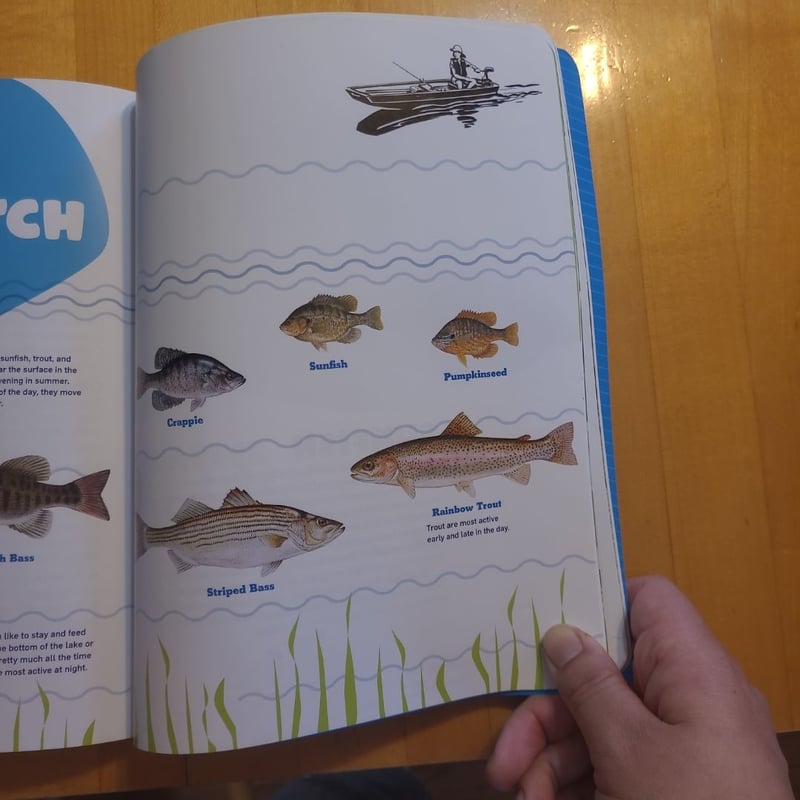
Ponds are good for first casts. They often hold bluegill, crappie, bass, and stocked trout. A bobber and live bait can help a beginner learn how fish affect the line.
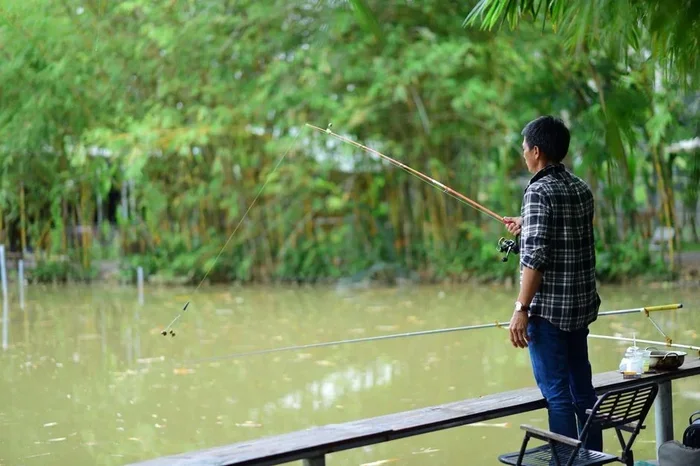
Choose a shore area with open space behind you. Check for weeds, branches, steep banks, mud, and other people. Keep hooks away from pets and children while casting.
Rivers and streams
Rivers teach you to read current, depth, seams, pools, and structure. They also add risks. Slippery rocks and rising water can turn a quiet outing into an emergency.
Learn river fishing with someone who knows the area. Wear suitable footwear, carry a wading staff when appropriate, and never wade into water that pushes you off balance. A wading belt can slow water from entering your waders if you fall, but it does not make deep water safe.
Shore and pier fishing
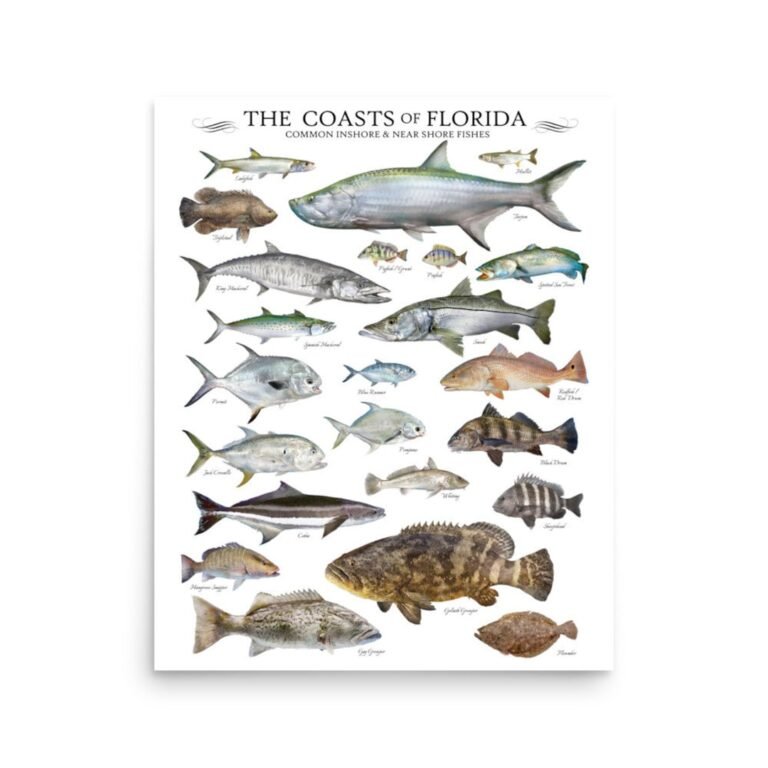
Shore fishing is affordable and does not require a boat. Piers may offer access to deeper water and species such as redfish, flounder, mackerel, or saltwater catfish, depending on the coast.
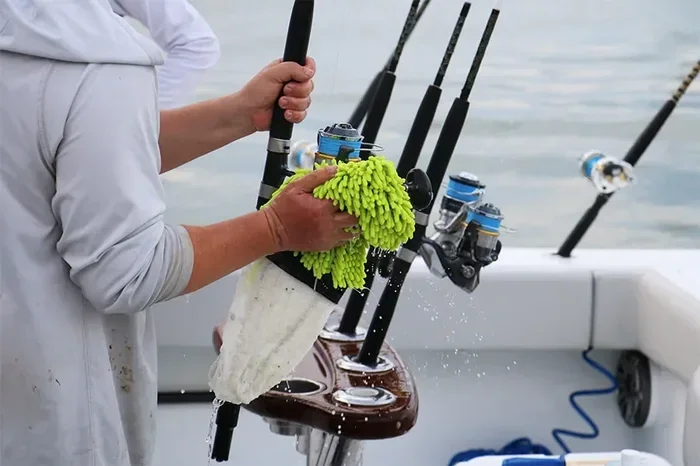
Saltwater damages reels, guides, hooks, and pliers faster than freshwater. Use saltwater-rated gear when possible. Rinse equipment with clean, low-pressure water after each trip, dry it fully, and follow the reel maker’s care instructions.
Surf fishing
Surf fishing needs longer casts, heavier sinkers, and attention to waves and tides. A 9- to 12-foot rod may suit some beaches, but shorter rods are easier for many beginners. Start with a local surf clinic instead of guessing at gear.
Never turn your back on the ocean. Keep hooks and sinkers away from crowded areas. Check beach warnings, wind, lightning, and rip-current conditions before fishing.
Kayak fishing
Kayak fishing combines angling with boat control. Learn how to enter, exit, turn, stop, and recover from a capsize before adding rods and tackle. Wear a U.S. Coast Guard-approved personal flotation device at all times.
Keep tackle low and secured. Use a leash for tools and rods where appropriate. Check the kayak’s weight capacity after adding your body weight, water, cooler, battery, and gear.
Ice fishing
Ice fishing requires more than a short rod and an auger. Ice strength can change with weather, springs, current, snow, and pressure cracks. Learn from a local guide or ice safety course.
Carry ice picks, a throw rope, flotation clothing when suitable, and a charged phone in a waterproof case. Tell someone your plan and expected return time. Never assume ice is safe because other people are on it.
⚠️ Safety Warning: Wear a life jacket in a boat or kayak, use U.S. Coast Guard-approved flotation gear, check weather before leaving, and tell someone where you will fish. For ice or wading trips, learn local safety practices before going alone.

Budgeting for Fishing Lessons and Gear
Fishing can cost very little or become an expensive hobby. Start with the smallest setup that lets you learn safely. Spend more on lessons when the skill involves real risk, such as boating, surf fishing, wading, or ice fishing.
Typical cost levels
| Budget level | What it may include | Best fit |
|---|---|---|
| Under $50 | Basic spincast combo, hooks, bobber, sinkers, bait | Child or pond beginner |
| $50–$150 | Better spinning combo, tackle box, line, pliers, lures | Adult freshwater beginner |
| $150–$400 | Quality rod and reel, waders or specialty tackle | Focused angler upgrading |
| $100–$300 for a lesson | Group class or short guided trip | New anglers needing coaching |
| $300 or more | Full-day private guide or specialized trip | Species or water-specific learning |
Prices vary by location, season, brand, and what the service includes. Check current listings before you plan. A low-cost class may require you to bring a license and gear, while a higher-priced guide trip may provide nearly everything.

Where to spend first
Spend first on instruction, line, hooks, and safety gear. A good lesson can stop you from buying the wrong rod or using unsafe methods. Fresh line also matters because old, damaged line can break under pressure.
You can delay advanced purchases. Fish finders, premium baitcasters, large tackle bags, specialized landing nets, and multiple rod setups are useful only when your fishing style demands them.
What can wait
Many beginners buy too many lures. Start with a few proven local options: live bait, small jigs, soft plastics, a spinner, and perhaps a shallow crankbait for bass. Your local tackle shop can narrow the choices.
You may also wait on braided line. Braid offers high strength for its diameter and works well around weeds, but it can cut hands, dig into a spool, and need a leader. Monofilament is often easier for learning knots and managing tangles.
Pros and Cons of Learning Each Way
No learning path works for every angler. Consider how much time, money, personal attention, and local knowledge you need.
| Option | Pros | Cons |
|---|---|---|
| Self-teaching | Cheap, flexible, private | Mistakes can become habits |
| Friend or family mentor | Comfortable, low cost, local knowledge | Teaching skill may vary |
| Tackle shop | Gear help and local advice | May focus on sales |
| Group class | Social, structured, often affordable | Less personal attention |
| Private guide | Fast, focused, real-water practice | Higher price |
| Online course | Repeatable and convenient | No hands-on correction |
A private guide is often worth the cost when you have limited time or want to learn a specialized method. Self-teaching can work well for simple pond fishing when you stay within safe, legal conditions.

Common Beginner Mistakes
Most fishing mistakes are easy to fix. The key is to notice them before they become routine.
Buying gear before choosing a fishing style
A rod for trout streams is not the same as a rod for surf fishing. Decide whether you will fish freshwater, saltwater, shore, pier, kayak, fly, or ice first.
Using line that is too heavy
Heavy line can reduce casting distance and make small baits look less natural. Use enough strength for the fish, cover, and structure, but avoid treating heavy line as a universal answer.
Filling a tackle box with random lures
More lures do not replace knowledge of depth, cover, weather, and fish behavior. Begin with a short list that local anglers use.
Ignoring the hook
A dull or damaged hook can fail during a strike. Check hook points with a fingernail. Replace rusty, bent, or dull hooks.
Forgetting to set the drag
A locked drag can break light line. Test it before fishing. It should release line under strong, steady pressure without sticking.
Casting without looking behind you
Hooks can injure people, pets, and wildlife. Look behind you before every cast. Use a safe casting area and wear eye protection when practical.
Leaving fishing line behind
Discarded line can injure birds, turtles, fish, and pets. Coil used line and place it in a recycling bin or proper trash container. Never leave hooks or bait on the bank.
🌿 Conservation Note: For catch and release, wet your hands, keep the fish supported, limit air exposure, and use hemostats or pliers for hook removal. Photograph the fish quickly, then return it gently to the water.

How to Practice Between Fishing Trips
Skill improves through short practice sessions. You can practice many fishing movements without being on the water.
Practice casting
Tie on a practice plug or a weight made for casting practice. Remove all hooks. Practice in an open yard, park, or field where local rules allow it.
Start with short casts. Focus on smooth motion, not maximum distance. For a spinning reel, learn to hold the line with your finger, release it at the right time, and close the bail by hand.
Practice knots
Tie the improved clinch knot ten times with ordinary cord. Then test it by pulling steadily. Practice again with fishing line because thin line feels different.
Learn to inspect the knot. It should be neat, tightened, and trimmed close without cutting the main line.
Practice rigging
Build a bobber rig at home. Attach the hook, sinker, and bobber. Learn how to adjust bait depth. Keep hooks covered when children or pets are nearby.
Practice fish handling
Watch local agency videos on species identification and release. Learn where the fish’s fins, gill covers, teeth, and spines are located. This protects both you and the fish.
Fishing Rules, Licenses, and Conservation
Most states require a fishing license for adults, but rules vary by age, location, residency, species, and water. Some public waters have special permits. Children may be exempt in some places, but never assume.
Check the state or local wildlife agency before fishing. Confirm license needs, size limits, bag limits, closed seasons, legal bait, hook rules, lead restrictions, and whether the water is open to public fishing.
📜 Check Local Regulations: Regulations can change by water and species. Read the current rules from your state fish and wildlife agency before you buy bait, keep fish, use barbed hooks, or fish across state lines.

Keeping fish
If you plan to eat fish, learn how to identify the species and measure it correctly. Keep only what you will use and follow possession limits. Store harvested fish on ice and follow local health advisories, especially for mercury or polluted waters.
Releasing fish
Use single hooks or barbless hooks where required or where they improve release. Avoid dragging fish across dry ground. A rubber landing net can reduce damage to fins and scales compared with rough mesh.
Do not hold a large fish vertically by the jaw unless local fish-handling guidance supports it. Support the body with a second hand. Release the fish only when it can swim away under its own control.
How to Find a Good Local Fishing Teacher
Finding a teacher is often as easy as asking the people who work around your local water. Search for fishing guides, fly shops, bait shops, parks, state wildlife programs, and community fishing events.
Look for clear signs of quality:
- The instructor explains gear in plain language.
- The lesson matches your skill level.
- Safety is part of the plan.
- The teacher respects regulations.
- The guide does not promise fish.
- The equipment fits the target species.
- The instructor welcomes questions.
- The business has clear policies and contact information.
Ask local anglers where they learned. A recommendation from someone who fishes the same lake or river is often more useful than a general online ranking.
A Simple First-Fishing Plan
Your first trip should have a narrow goal. Trying to learn every knot, lure, species, and casting style at once can make fishing feel harder than it is.
- Choose easy water. Pick a calm pond, small lake, or managed pier with safe access.
- Check the rules. Get the right fishing license and review local limits.
- Pick one setup. Use a spincast or spinning combo with 4- to 10-pound monofilament.
- Learn one rig. Start with a bobber, small sinker, hook, and legal bait.
- Practice casting. Make short, safe casts before trying for distance.
- Watch the line. A bobber that dips, moves sideways, or disappears may signal a bite.
- Use steady pressure. Reel without jerking and keep the rod tip up.
- Handle the fish well. Wet your hands, remove the hook, and release or keep the fish legally.
- Clean your gear. Rinse saltwater equipment, dry hooks, and store the rod safely.
- Write down what you learned. Note weather, depth, bait, time, and water conditions.

When to Ask a Professional or Tackle Shop
Ask for help when a mistake could harm you, damage equipment, or hurt a fish. A local shop can fix a reel, spool line, match a rod to a lure, or explain local bait rules.
Choose professional instruction for boating, kayak fishing, ice fishing, deep wading, surf fishing, and technical fly casting. A boating safety course can teach navigation, emergency signals, lights, weather planning, and required equipment.
Experienced anglers should also ask for local help when changing techniques. A bass angler learning saltwater fishing may need advice about corrosion care, tides, knots, leader strength, and species-specific regulations. Skill in one setting does not remove the need to learn the risks of another.
FAQs About Learning How to Fish
Q: What is the easiest way to learn how to fish?
A: Start with a local beginner class, patient mentor, or tackle shop lesson. Use a simple spincast or spinning combo at a calm pond. Learn safe casting, one knot, one basic rig, and local fishing rules before trying advanced techniques.
Q: Can I teach myself to fish?
A: Yes. Videos, books, and practice can teach basic casting and rigging. Still, one local lesson can correct grip, casting, knot, and safety errors much faster. Self-teaching works best on calm, easy-access water.
Q: How much does it cost to learn fishing?
A: A basic setup may cost less than $50, while a better beginner setup often costs $50 to $150. Group classes may be free or low cost. Guided trips commonly cost more, but they include direct coaching and may include gear.
Q: Should a beginner use a spinning reel or baitcaster?
A: A spinning reel is usually easier for a beginner. It handles light lures and live bait with fewer casting problems. A baitcaster suits anglers who want precise control with bass lures and heavier tackle, but it takes more practice.
Q: Is a spincast combo good for kids?
A: Yes. A spincast combo is simple because the child casts with a push button. Choose a rod that is light enough to control and short enough to handle safely. Supervise every cast and keep hooks covered between uses.
Q: What fish are easiest for beginners to catch?
A: Panfish such as bluegill and perch are common beginner targets in many freshwater areas. Stocked trout and small bass may also provide useful practice. Local water, season, bait rules, and fish populations determine what is available.
Q: What line should a new angler use?
A: Monofilament is often the easiest first line because it is affordable, flexible, and simple to tie. A 4- to 10-pound test covers many light freshwater uses. Use heavier line when fish, cover, current, or saltwater conditions require it.
Q: Do I need a fishing license to learn?
A: In many U.S. states, adults need a fishing license. Rules vary by age, residency, water, and species. Check the current rules from the state or local wildlife agency before fishing.
Q: Is a fishing guide worth the money for a beginner?
A: A guide can be worth the cost when you have limited time, want to learn a specific species, or plan to fish from a boat, kayak, surf beach, or ice. Choose a guide who clearly welcomes beginners and includes the services you need.
Q: How do I learn fly fishing?
A: Take a casting lesson from a fly shop, club, or certified instructor. Fly casting depends on timing and loop control. Start with one rod, line, leader, and a few local flies instead of buying a large collection.
Q: Where can I learn kayak fishing safely?
A: Learn basic kayak control and capsize recovery before adding fishing gear. A kayak instructor, outfitter, or guided fishing service can help. Wear a U.S. Coast Guard-approved PFD and stay within the kayak’s weight rating.
Q: Can I learn ice fishing from online videos?
A: Videos can explain gear, but they cannot judge ice conditions at your location. Learn from a local guide or ice safety course, check ice thickness, carry emergency gear, and never fish alone in uncertain conditions.
Q: How long does it take to learn fishing?
A: Most people can learn basic casting and rigging in one or two sessions. Reading water, choosing lures, controlling a baitcaster, and handling different species take longer. Fishing skill grows through safe practice in different conditions.
Final Advice for New Anglers
Start close to home, keep your first setup simple, and learn from someone who fishes the same water. A six-foot spinning or spincast combo, light monofilament, a few hooks, bobbers, sinkers, and legal bait can teach nearly every basic skill.
Then build outward. Try a local guide for bass, trout, catfish, redfish, fly fishing, surf fishing, kayak fishing, or ice fishing when you are ready. Check regulations every time, treat people and wildlife with care, and remember that a good fishing day is measured by what you learn as much as by what you catch.