How To Start A Fishing Club: Easy Step-By-Step Guide
Starting a fishing club is one of the best ways to turn solo fishing trips into a steady outdoor community. A good club helps people learn local waters, share tackle, find fishing partners, and protect the places they enjoy. It can be a small group of friends, a family club, a school program, or a formal nonprofit with dues, officers, and scheduled events.
You do not need a boat, a large budget, or expert-level skills to begin. You need a clear purpose, a few reliable members, safe plans, and a simple way to stay organized. The best clubs welcome beginners while still giving experienced anglers room to teach, compete, explore, and improve.
This guide explains how to start a fishing club from the first idea to the first event. It covers club structure, membership, gear, costs, fishing licenses, insurance, safety, conservation, fundraising, and ways to keep members active for the long term.

Start with a clear purpose
A successful fishing club begins with one simple answer to this question: Why should people join? Your purpose shapes the club name, events, dues, rules, and the type of angler you attract.
Some clubs focus on bass fishing and local tournaments. Others center on trout streams, fly fishing, saltwater species, kayak fishing, ice fishing, youth education, or family outings. A general club can work well, but it still needs a clear identity.
For example, “local anglers who fish together” is a broad idea. “A family-friendly club that teaches safe freshwater fishing and supports lake conservation” gives people a much stronger reason to join.

Choose a club focus
Start by choosing one main focus and two or three supporting activities. Avoid trying to serve every type of angler during your first season.
Common club themes include:
- Freshwater bass, walleye, or catfish fishing
- Trout and fly fishing
- Panfish and bank fishing for beginners
- Saltwater pier, surf, or inshore fishing
- Kayak fishing
- Ice fishing
- Youth and family fishing
- Fishing tournaments
- Catch-and-release conservation
- Fishing education and gear skills
Your focus does not have to exclude other anglers. It simply tells people what they can expect.
A bass club may host a trout trip once a year. A family club may invite experienced anglers to teach baitcaster use or fly casting. A kayak club may include shore and pier events for members who do not own a kayak.
Define the ideal member
Think about the people you want to serve. Beginners may need loaner spinning reels, help tying knots, and a calm introduction to fishing. Experienced anglers may want tournament rules, advanced talks, or access to new water. Parents may care most about safe event sites, short trips, and affordable activities.
Write a one-sentence member profile. For example:
“Our club is for local adults, families, and teens who want to learn freshwater fishing, share simple trips, and care for healthy lakes and rivers.”
This sentence can guide your website, flyers, social posts, and membership form.
Write a short mission statement
A mission statement should be brief enough to remember. It should explain the club’s activity and its values.
A useful mission statement may say:
“The riverbend Anglers Club helps local people enjoy safe, ethical, and affordable fishing while building skills and protecting fish habitat.”
Use plain words. Avoid legal language at this stage. You can create formal bylaws later if the club grows.
Decide how formal the club should be
You can start as an informal fishing group or create a formal organization. The right choice depends on your goals, money, event size, and level of risk.
An informal group may work for six friends who meet at a public lake. A formal club is more useful when you collect dues, rent venues, run tournaments, work with children, apply for grants, or own shared equipment.

Informal fishing group
An informal group is the fastest and cheapest option. One person may manage a group chat, while members plan trips together and pay their own costs.
This model suits:
- Small groups of friends
- New clubs testing local interest
- Casual shore and pier fishing
- Members who do not collect dues
- Simple trips with no shared property
The group still needs safety rules. It should also explain who is responsible for transportation, licenses, food, weather checks, and emergency plans.
Formal fishing club
A formal club has written rules, officers, records, and a bank account. It may be organized as a nonprofit corporation, an unincorporated association, or another structure under state law.
This model suits clubs that:
- Collect annual membership dues
- Run public events
- Work with children
- Host fishing tournaments
- Buy trailers, boats, tents, or safety equipment
- Apply for grants
- Partner with parks, schools, or wildlife agencies
Talk with a local attorney, accountant, or nonprofit adviser before filing paperwork. Rules differ by state. Do not assume that calling your club a nonprofit automatically gives it tax-exempt status.
Choose a simple leadership structure
A new club does not need a large board. Three to five dependable leaders are often enough.
Useful roles include:
- President or coordinator: Leads meetings and keeps plans moving
- Treasurer: Tracks income, expenses, and bank records
- Secretary: Keeps meeting notes and member records
- Safety officer: Reviews weather, water risks, first-aid plans, and emergency contacts
- Event coordinator: Schedules trips, speakers, and tournaments
One person can hold more than one role at first. The key is to avoid making one person responsible for everything.
| Club structure | Best for | Main concern |
|---|---|---|
| Informal group | Friends and small beginner groups | Limited records and shared responsibility |
| Community club | Local members, families, and regular events | Needs clear rules and steady volunteers |
| Formal nonprofit | Grants, youth programs, and larger operations | Requires filings, records, and compliance |
A small club can begin informally and become formal later. Keep receipts, member lists, meeting notes, and safety records from the beginning. Good records make growth much easier.
Find your first members
You do not need 100 members to start. A group of 8 to 15 active people is enough for a first meeting and a simple fishing trip.
Start with people who already know you. Invite friends, coworkers, neighbors, family members, local tackle-shop customers, and anglers you meet at public access points. Ask each person to invite one other angler.

Use local fishing networks
Local tackle shops are valuable partners. Many shop owners know which lakes produce bass, which rivers have trout, and which anglers want to join a group. Ask whether you can place a small flyer near the register or host a club sign-up day.
Other useful places include:
- Community centers
- Libraries
- Outdoor stores
- Marina bulletin boards
- Social media groups
- School outdoor programs
- Parks and recreation departments
- Local boating clubs
- Conservation groups
- Veterans’ organizations
Be respectful when posting in online groups. Share useful information first. Do not flood a group with repeated promotions.
Create a simple interest form
Your first sign-up form can ask for:
- Name
- Email or phone number
- Preferred fishing types
- Skill level
- Target species
- Interest in volunteer roles
- Boat or kayak ownership
- Willingness to help beginners
- Emergency contact for club events
Do not collect more personal information than you need. Store member information securely, especially when children take part.
Host an interest meeting
Hold the first meeting at a public library room, tackle shop, community center, or online video call. Keep it to 60 or 90 minutes.
Explain:
- Why you want to start the club
- What types of fishing the club will support
- What members want from the group
- Possible event dates
- Estimated costs
- Safety and conduct expectations
- The next action
Do not spend the whole meeting debating a perfect club name. Your first goal is to learn whether people will show up and help.
Build a practical club plan
A written plan gives the club direction. It does not need to look like a business plan. Two or three pages can cover the first season.
Include:
- Club purpose
- Member profile
- Planned events
- Leadership roles
- Estimated income
- Estimated expenses
- Safety rules
- Conservation goals
- Communication methods
- Membership process
- Plan for handling complaints or conflicts
Choose a season plan that members can manage. Six strong events are better than 20 events that nobody attends.

Plan different types of events
A strong calendar serves new and experienced anglers. Mix learning events with fishing trips.
Useful event types include:
- Beginner casting lessons
- Knot-tying workshops
- Shore fishing days
- Bass or catfish outings
- Trout and fly-fishing clinics
- Kayak safety sessions
- Fish cleaning demonstrations
- Tackle repair nights
- Local lake cleanups
- Fishing tournaments
- Guest talks from guides or fisheries staff
- Family fishing days
A club can also run a “bring a beginner” event. Experienced members bring spare spinning reels, hooks, bobbers, sinkers, and simple bait rigs. This lowers the entry barrier for new anglers.
Pick accessible locations
The best first location is not always the water with the largest fish. Choose a place with safe parking, legal access, restrooms if possible, and enough shoreline for the group.
Consider:
- Public access rules
- Parking fees
- Restroom access
- Cell coverage
- Shade and heat exposure
- Boat ramps
- Wading hazards
- Water depth
- Current speed
- Distance from emergency services
- Accessibility for children and people with limited mobility
For boating events, confirm launch rules and capacity limits. A club should never place more people or gear in a boat or kayak than the craft can safely carry.
Set a realistic budget
A fishing club can begin with very little money, but unclear finances can create conflict. Make a basic budget before collecting dues.
Current costs vary by region and event size. A small club may spend under $500 during its first season. A larger club with insurance, venue rentals, prizes, permits, and youth equipment may spend several thousand dollars.
| Expense | Low-cost approach | Larger-club option |
|---|---|---|
| Meetings | Free library room or online call | Rented hall or clubhouse |
| Communication | Email and free group app | Website and membership platform |
| Gear | Member donations and loaner tackle | Club-owned rods, nets, and safety kits |
| Events | Free public access sites | Permitted tournaments and paid venues |
| Insurance | Review group coverage needs | Event or general liability policy |
| Promotion | Social media and flyers | Printed materials and local advertising |
Use a separate bank account when the club begins handling shared funds. Record every payment. Two people should review larger expenses.
Set membership dues carefully
Dues should cover real costs, not create a barrier. Many small clubs use annual dues between $20 and $75, depending on benefits and local expenses.
You may offer:
- Adult membership
- Family membership
- Student membership
- Junior membership
- Supporting membership for donors
- Event-only registration
Be clear about what dues include. Do they cover meetings only? Do they include tournament entry, food, insurance, prizes, or club gear?
Do not promise free equipment or boat access unless you have enough resources to provide it.
Use simple fundraising
Fundraising works best when it supports a clear goal. Tell members exactly what the money will buy.
Ideas include:
- Raffle baskets with donated tackle
- Casting contests
- Used-gear sales
- Sponsor support from tackle shops
- Club shirts and hats
- Fishing clinics
- Lake cleanup grants
- Donation jars at public events
- Partner events with marinas or outdoor stores
Follow local rules for raffles, charitable gaming, and fundraising. Some states require permits.
📜 Check Local Regulations: Before charging entry fees, holding a tournament, selling food, or conducting a raffle, contact your state agency and local authorities. Rules may cover permits, taxes, insurance, fish handling, and public-land use.
Create membership rules and club policies
Written rules protect the club and make expectations clear. Keep them short enough that members will read them.
Your rules should cover:
- Membership eligibility
- Dues and refunds
- Voting rights
- Officer terms
- Meeting procedures
- Event registration
- Code of conduct
- Youth participation
- Alcohol and drug policy
- Use of club funds
- Photo and media permission
- Safety requirements
- Removal or suspension process
A code of conduct should ban harassment, threats, discrimination, unsafe boating, reckless driving, and deliberate rule violations. It should also explain how members can report a concern.
Add youth protection rules
If children attend, take extra care. Use written permission forms, emergency contacts, sign-in sheets, and clear adult supervision ratios.
Avoid placing one adult alone with a child who is not their own when possible. Follow local youth-program requirements. Background checks may be needed for formal programs, schools, or partner organizations.
Parents should know:
- Where the event will occur
- Who will supervise children
- What gear children should bring
- Whether transportation is provided
- What happens during bad weather
- How medical needs are handled
- Whether photos may be used
👪 Parent or Gift-Buyer Note: A club can be a better first fishing experience than buying a child a large amount of gear. Look for clubs that offer short events, loaner tackle, life jackets, patient instruction, and clear parent communication.
Build a safety system before the first trip
Fishing looks calm, but water can change fast. A club needs safety procedures before it leads a group to a lake, river, beach, or ice-covered pond.
Assign one person to review the weather and water conditions before each event. Create a written emergency plan with the meeting location, nearest road access, phone coverage, emergency numbers, and the name of the trip leader.

Use the right safety gear
A club safety kit may include:
- First-aid kit
- Emergency blankets
- Drinking water
- Sunscreen
- Insect repellent
- Whistle
- Flashlight or headlamp
- Phone power bank
- Work gloves
- Pliers and hook cutters
- Eye protection
- Hand sanitizer
- Trash bags
- Printed emergency contacts
For boats and kayaks, use U.S. Coast Guard-approved personal flotation devices, often called PFDs. Every person should wear a properly fitted PFD when required by law and during club boating events.
For wading, use a wading belt and move slowly. Felt soles may be restricted in some areas because they can spread invasive organisms. Check local rules before using them.
For ice fishing, never rely only on a calendar or a friend’s report. Check ice thickness at several points, carry ice picks, wear flotation clothing when appropriate, and tell someone where the group will fish. A professional ice-safety course is a smart choice for new leaders.
⚠️ Safety Warning: Stop an event when lightning, high winds, flooding, extreme heat, poor visibility, unsafe ice, or dangerous surf creates a serious risk. Fishing success never justifies taking a chance with a person’s life.
Set a communications plan
Tell members how the club will share updates. Email works well for full details. A group messaging app helps with last-minute weather changes. A printed sign-in sheet remains useful at the event site.
Each trip leader should know:
- Who is present
- Who has left early
- Who needs a ride
- Who has medical needs
- Where the group will meet
- When the event ends
Ask members to tell someone at home their trip plan, even when the event is close to town.
Decide what gear the club should provide
Members should bring their own personal tackle when possible. The club can provide shared items that are expensive, easy to forget, or important for safety.
For beginners, a 6- to 7-foot medium-light or medium spinning rod with a 2000- to 3000-size spinning reel is a flexible freshwater setup. Spool it with 6- to 10-pound monofilament for panfish, trout, bass, and general shore fishing.
A club may also keep:
- Spincast combos for young children
- Spare spinning reels
- Simple telescopic rods for travel
- Fly rods for instruction
- Ice fishing rods for winter events
- Landing nets
- Pliers and hook removers
- Line cutters
- Bobbers and split shot
- Hooks from size 6 to 12
- Soft plastics, jigs, and basic lures
- First-aid kits
- Rod tubes
- Tackle boxes
- Bucket seats
- Measuring boards
- Fish identification cards

Explain tackle in plain language
New members may not know the difference between line types or rod ratings. A short club lesson can prevent frustration.
- Rod power describes how much force a rod needs to bend. Ultralight and light rods suit small fish. Medium and medium-heavy rods suit larger bass, catfish, and many inshore species.
- Rod action describes where the rod bends. Fast action bends near the tip. Moderate action bends farther down the blank.
- Line test is the approximate strength rating in pounds.
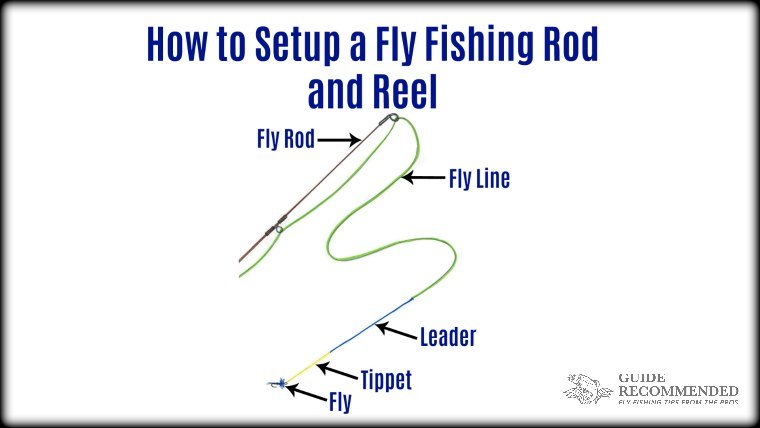
- Leader is a short section between the main line and hook or lure.
- Terminal tackle means the small items at the end of the line, such as hooks, sinkers, swivels, and snaps.
- Drag is the reel system that lets line leave under pressure. It helps protect lighter line.
- Gear ratio describes how many times the spool turns per handle turn on a baitcaster or similar reel.
For saltwater clubs, choose corrosion-resistant reels and rinse gear with fresh water after every trip. Stainless components help, but no reel is immune to salt damage.
| Club activity | Useful shared gear | Good member setup |
|---|---|---|
| Panfish and beginner shore trips | Bobbers, hooks, split shot, nets | 6-foot light spinning rod, 6-pound mono |
| Bass and general freshwater | Measuring board, pliers, lures, net | 6-foot-6 medium spinning rod, 8- to 12-pound line |
| Saltwater pier or surf | Cutters, bait tools, rinse station | Saltwater-rated reel, 20- to 30-pound braid with leader |
| Fly-fishing clinic | Casting targets and practice leaders | 5-weight fly rod for trout and small bass |
| Ice fishing | Ice picks, shelter, heater rules, safety rope | 24- to 36-inch ice rod, light line matched to species |
Provide loaner gear in several sizes. A single heavy baitcaster is not a good first setup for every beginner. A child may do better with a short spincast combo, while an experienced bass angler may prefer a baitcaster with a 6.8:1 gear ratio.
Organize the first fishing event
The first event should be easy to understand and hard to fail. Pick a familiar public site and plan a two- to four-hour outing.
Send members a message with:
- Date and start time
- Exact meeting point
- Parking instructions
- Fishing license needs
- Target species
- Bait and tackle list
- Weather plan
- Restroom information
- Emergency contact
- End time
- Fee, if any
Ask members to arrive 15 minutes early. Begin with a short safety talk and a head count.
Use a simple event schedule
A first event might look like this:
- Sign in and confirm emergency contacts.
- Explain local rules and the fishing plan.
- Show safe hook handling and casting space.
- Pair beginners with experienced members.
- Fish for 90 minutes.
- Take a short water and shade break.
- Hold a knot or rigging lesson.
- Fish for another 60 minutes.
- Clean the area and collect discarded line.
- Take a final head count before leaving.
Do not make the first event a high-pressure tournament. People join clubs to learn and meet others. A relaxed start builds trust.
Match people with mentors
Pair a new angler with a patient member who knows the basics. The mentor should explain, not take over.
A good mentor can show how to:
- Open and close a bail
- Cast without crowding others
- Tie a clinch knot
- Set a bobber depth
- Handle a fish
- Remove a hook
- Use a landing net
- Release a fish safely
For children, use short teaching blocks. Five minutes of instruction followed by hands-on fishing often works better than a long lecture.
Teach legal and ethical fishing
Every fishing club has a duty to promote legal and careful angling. Laws change by state, county, water body, season, and species.
Before each event, check:
- Fishing license requirements
- Youth license rules
- Species size limits
- Daily bag limits
- Closed seasons
- Special water regulations
- Bait restrictions
- Hook rules
- Lead tackle restrictions
- Barbless hook rules
- Boat registration requirements
- Access and parking rules
Use the official state wildlife or fish and wildlife agency website. Do not rely on an old social media post or a rule remembered from last season.
📜 Check Local Regulations: A license from one state does not cover fishing in another state. Some waters require a special stamp, permit, or separate access pass. Every member should confirm the rules before fishing.
Practice good catch and release
Catch and release is not simply putting a fish back. Handling affects survival.
Teach members to:
- Wet hands before touching fish
- Keep fish out of water for as little time as possible
- Support the fish’s body
- Avoid touching the gills
- Use barbless or debarbed hooks when legal
- Use circle hooks for certain bait fisheries
- Cut the line near a deep-hooked fish when removal may cause harm
- Revive a fish in the water when needed
- Take quick photos over the water
- Never place fish on hot concrete or dry soil
Keep fish only when legal and when members plan to use them. Follow local rules for cleaning, transport, and possession.
🌿 Conservation Note: Ask members to collect discarded fishing line, avoid trampling spawning areas, and never release aquarium fish, baitfish, or unwanted plants into public water. Invasive species can damage an entire fishery.
Promote the club without overspending
A fishing club grows through trust. Show people what the club does instead of making large promises.
Create a simple online presence with:
- Club name and mission
- Meeting schedule
- Upcoming events
- Contact email
- Membership cost
- Safety expectations
- Photos with permission
- Local conservation work
- New-member information
Use clear photos of people learning, rigging tackle, cleaning a shoreline, or enjoying a safe day outside. Avoid posting a child’s name or location without parent permission.
Work with local partners
Partnerships can lower costs and bring useful knowledge to the club.
Potential partners include:
- Tackle shops
- Bait shops
- Fishing guides
- Marinas
- Kayak dealers
- Fly shops
- Parks
- Schools
- Conservation groups
- Local restaurants
- Outdoor clubs
- State fishery staff
Ask partners for specific help. A tackle shop may donate hooks for a youth clinic. A guide may teach a two-hour session. A marina may provide a meeting area. A conservation group may help with a cleanup.
Do not promise advertising, sales, or membership numbers that your club cannot deliver.
Keep members active after the first event
Many clubs lose members because they stop communicating. Send a short update after every event.
Share:
- Attendance
- Skills learned
- General fishing conditions
- Photos with permission
- Conservation actions
- Next event date
- Volunteer needs
- Changes to local rules
Ask one simple question: “What should we do next?” Then use the answers to shape the calendar.
Give members small jobs
People stay involved when they have a role. Jobs do not need to be formal.
Members can:
- Welcome new anglers
- Bring coffee or water
- Lead a knot lesson
- Check weather
- Manage sign-in
- Photograph events
- Clean shared gear
- Coordinate a carpool
- Contact a speaker
- Lead a shoreline cleanup
Rotate duties so the same person does not carry the club.
Track basic results
You do not need complex analytics. Track:
- Number of active members
- Event attendance
- New members
- Dues collected
- Expenses
- Volunteer hours
- Safety incidents
- Conservation projects
- Member feedback
Review the numbers every few months. If a club event has low attendance, ask why. The date, location, cost, format, or target species may not fit your members.
| Problem | Likely cause | Practical solution |
|---|---|---|
| Few people attend trips | Date or location is hard to reach | Poll members and offer shorter local events |
| Members stop renewing | Club offers little after joining | Add lessons, mentors, and member-only outings |
| Beginners feel lost | Events favor skilled anglers | Use loaner gear and beginner groups |
| Money causes tension | No clear records or budget | Share a simple financial report |
| Safety rules are ignored | Leaders give mixed messages | Use one written safety checklist |
| Events feel repetitive | Same water and format each time | Rotate species, skills, and locations |
The main lesson is simple: solve small problems early. A club rarely collapses from one large issue. It usually fades when communication, planning, and trust weaken.
Handle transportation, boats, and shared gear
Transportation creates risk and confusion. A club should not assume that members may drive one another or carry equipment without agreement.
Ask members to arrange their own transportation unless the club has a formal system. If carpools are used, make them voluntary and confirm who is driving. Never overload a vehicle with rods, coolers, tackle boxes, and passengers.
For boats and kayaks:
- Confirm registration and required safety gear
- Follow the manufacturer’s weight capacity
- Wear a U.S. Coast Guard-approved PFD
- Keep tackle secure
- Check weather and wind
- Use lights when required
- Carry a communication device
- Avoid alcohol while operating a boat
- Tell someone the route and return time
A fish finder can help locate depth changes and structure, but it does not replace knowledge of weather, navigation, or water safety. A landing net, pliers, and hook cutters are often more useful to a new club than expensive electronics.
Create a gear-care system
Shared gear lasts longer when someone owns the care process.
After freshwater use:
- Wipe rods and reels.
- Remove dirt from guides.
- Dry soft plastics before storage.
- Check hooks for rust.
- Loosen reel drags during storage.
- Store rods away from heat and direct sun.
- Replace damaged line.
After saltwater use, rinse rods, reels, pliers, nets, and tackle boxes with low-pressure fresh water. Dry them fully. Do not blast water into reel openings because pressure can push salt deeper inside.
Monofilament and fluorocarbon leaders should be checked for nicks. Braided line can last a long time, but frayed sections should be removed. Replace hooks that are bent, rusty, or dull.
Choose club events by angler type
A club becomes stronger when its activities fit the people who join. Beginners, experienced anglers, parents, and gift buyers all look for different signs of value.
| Angler type | Good club offer | Gear or support that helps |
|---|---|---|
| First-time adult | Short shore trip and basic lesson | Spinning combo, bobber rig, mentor |
| Experienced bass angler | Tournament or pattern discussion | Baitcaster, jigs, crankbaits, digital rules |
| Fly angler | Casting clinic and trout outing | Fly rod, leader material, waders, net |
| Parent with child | Two-hour family event | Spincast combo, small hooks, PFDs, shade |
| Kayak angler | Launch and safety workshop | PFD, paddle leash, dry bag, anchor rules |
| Saltwater angler | Pier or surf event | Corrosion-resistant reel, braid, leader, pliers |
| Ice angler | Ice safety and shelter day | Ice rod, picks, flotation, heater rules |
No single event can satisfy every angler. Use a seasonal mix or create smaller interest groups within the club.
Make the club useful for gift buyers
A parent or relative may join a club while shopping for a young angler. Explain what gear is truly needed.
A child often needs:
- A short rod that fits their height
- A simple spincast reel
- 6- to 8-pound monofilament
- Bobbers
- Small hooks
- Split shot
- Needle-nose pliers
- Sunglasses
- A hat and water bottle
- A properly fitted PFD near water
Do not give a child a tackle box filled with complex lures and heavy hooks before teaching safe handling. A simple setup creates more confidence.
Understand the pros and cons of running a club
Starting a fishing club can create lasting friendships and improve local fishing access. It also brings work, responsibility, and occasional conflict.
| Benefits | Challenges |
|---|---|
| Builds a local fishing community | Requires steady planning |
| Helps beginners learn safely | Leaders may face burnout |
| Shares gear and local knowledge | Money must be tracked carefully |
| Supports conservation | Rules and permits can change |
| Creates youth and family activities | Weather can cancel events |
| Can attract sponsors and grants | Member expectations may differ |
The club is worth the effort when leaders share the workload and members understand what the group can provide. It becomes difficult when one person pays every bill, answers every message, and handles every event.
Know when to ask a professional for help
You can organize a basic shore event without professional support. Larger or higher-risk activities deserve expert input.
Ask a professional when:
- You plan a youth program
- You will use boats or kayaks
- You want formal nonprofit status
- You will collect large sums of money
- You plan a public tournament
- You need insurance advice
- You will rent property
- You want to apply for grants
- You plan an ice-fishing event
- You will transport members
- You have a serious injury or complaint
Useful professionals include nonprofit attorneys, accountants, insurance agents, boating instructors, licensed fishing guides, park managers, and state fisheries staff.
A local tackle shop can also answer practical questions about rod and line choices, bait restrictions, seasonal species, and nearby access. Its advice should support official regulations, not replace them.
Common mistakes new fishing clubs make
New organizers often focus on a logo, shirts, or social media before building the basic system. A club needs people, safety, communication, and useful events first.
Avoid these mistakes:
- Trying to serve every fishing style at once
- Scheduling too many events
- Choosing difficult locations
- Ignoring weather and heat
- Failing to confirm licenses
- Collecting dues without records
- Buying expensive gear before testing demand
- Letting one person handle all work
- Using unclear tournament rules
- Forgetting children need shorter events
- Posting member photos without permission
- Treating experienced anglers as automatic leaders
- Assuming all boats, kayaks, or vehicles are safe for any load
- Neglecting saltwater gear care
- Releasing unwanted bait or fish into public water
The best club leaders stay flexible. If members want more panfish trips and fewer tournaments, adjust the plan. If a location creates parking problems, move it. A club serves people first.
A 90-day launch plan
A short launch schedule keeps the project moving without making it feel overwhelming.
Days 1 to 30: Test the idea
- Choose a name and purpose.
- Talk with 10 to 20 local anglers.
- Create an interest form.
- Visit two possible meeting sites.
- Contact a tackle shop or conservation group.
- Pick a safe first fishing location.
- Estimate first-season costs.
- Choose two or three volunteer leaders.
Days 31 to 60: Build the system
- Hold the first interest meeting.
- Set membership dues, if needed.
- Write basic rules.
- Create a safety checklist.
- Confirm local licenses and access rules.
- Buy or collect shared safety gear.
- Open a bank account if appropriate.
- Schedule the first two events.
- Create an email list or group message channel.
Days 61 to 90: Run and improve
- Hold the first fishing event.
- Record attendance and expenses.
- Ask members for feedback.
- Thank volunteers and partners.
- Clean and store shared gear.
- Publish the next event.
- Address any safety or conduct issues.
- Decide whether the club should remain informal or become formal.
At the end of 90 days, review what worked. You do not need a perfect organization. You need a safe, useful, welcoming one.
Frequently asked questions
Q: How many people do I need to start a fishing club?
A: You can start with three to five reliable organizers and eight to 15 interested members. A large membership is not required. Focus on active participation rather than a large email list.
Q: How much does it cost to start a fishing club?
A: A small informal club may begin for less than $500 by using free meeting spaces, member-owned gear, and public fishing areas. A formal club with insurance, permits, shared equipment, youth programs, or tournaments may cost several thousand dollars. Build a budget before setting dues.
Q: Do fishing clubs need insurance?
A: Some clubs may need general liability, event, property, or youth-program coverage. The need depends on your structure and activities. Ask an insurance professional and review the rules of the landowner, park, school, or event site.
Q: Should a fishing club become a nonprofit?
A: Not always. A nonprofit structure may help with grants, donations, and community programs, but it also creates filing and recordkeeping duties. An informal club or state-level association may be enough for a small group.
Q: What is the best fishing gear for beginners in a club?
A: A 6- to 7-foot medium-light or medium spinning rod with a 2000- to 3000-size spinning reel is a flexible choice for many freshwater trips. Use 6- to 10-pound monofilament, simple hooks, bobbers, sinkers, and live bait or small lures. A spincast combo is often easier for young children.
Q: Is a baitcaster a good first reel?
A: A baitcaster can suit an experienced angler who wants control for bass fishing, jigs, and crankbaits. It may frustrate a new angler because poor spool control can cause backlash, which is a tangle caused by the spool spinning faster than line leaves it. Beginners often learn faster with a spinning reel.
Q: Can members fish without a license during a club event?
A: Usually not. Club membership does not replace a state fishing license. Some states have free fishing days or special youth rules, but members must check the current rules for the exact water and species.
Q: How should a club handle fishing tournaments?
A: Start with simple rules that cover entry fees, start and end times, eligible species, measuring methods, tie breakers, live-well care, fish release, weather cancellation, and rule violations. Check whether the event needs a permit. Use conservation-friendly formats when possible.
Q: Can a fishing club provide boats or kayaks?
A: It can, but shared watercraft create added risk. Confirm registration, insurance, weight capacity, safety gear, operator skill, and weather limits. Every participant should wear a properly fitted U.S. Coast Guard-approved PFD. A club should not lend a boat to someone who lacks the needed training.
Q: How do clubs attract children safely?
A: Offer short events at easy-access sites. Use simple spincast combos, small hooks, shade, water, first-aid supplies, and clear adult supervision. Collect permission forms and emergency contacts. Follow local youth-program and background-check rules.
Q: What should a fishing club do for conservation?
A: Follow all size and bag limits, teach careful catch and release, collect discarded line, clean boats and kayaks between waters, protect spawning areas, and support local habitat projects. Never move live fish, bait, plants, or water between lakes and rivers unless regulations allow it.
Q: How often should a fishing club meet?
A: Monthly meetings and one fishing event each month work well for many small clubs. You can use short online updates between events. A seasonal plan is easier to maintain than a crowded calendar.
Q: What should members bring to the first event?
A: Members should bring a valid fishing license, weather-appropriate clothing, water, sunscreen, polarized sunglasses, personal medication, a rod and reel if they have one, and any required bait or tackle. The club should say in advance whether it provides loaner gear, bait, nets, or PFDs.
Q: How long does it take to start a fishing club?
A: An informal group can begin within two to four weeks. A formal organization, nonprofit, youth program, or tournament club may take several months because of filings, insurance, permits, and policy work.
Conclusion
The best way to start a fishing club is to begin small, make the purpose clear, and run one safe event that people enjoy. Choose a focus, invite a few dependable members, check local rules, create simple policies, and build a calendar around real community needs.
Give beginners patient help. Give experienced anglers meaningful roles. Give parents clear safety information. Protect fish, water, and public access at every event.
A strong fishing club is more than a list of names. It is a shared place to learn knots, trade local knowledge, explore new water, and leave each shoreline better than you found it. Start with one meeting, one location, and one honest promise: people will fish together safely, legally, and with respect for the resource.