How Recreational Fishing Affects The Environment: Impact
Fishing connects people with rivers, lakes, ponds, estuaries, and the open sea. It also creates a direct link between human choices and aquatic life. Every cast, boat trip, bait purchase, and released fish can affect the water in some way.
The effects are not all negative. Recreational fishing supports conservation funding, creates jobs, builds public interest in clean water, and helps many people care about wildlife. Yet fishing can also harm fish, birds, wetlands, and water quality when anglers use poor handling methods, lose tackle, spread invasive species, or keep more fish than a population can replace.
The environmental impact depends on the fishery, gear, season, number of anglers, and local rules. A parent teaching a child to catch panfish has a different footprint from a boat angler targeting redfish offshore. A fly angler on a trout stream faces different risks than a surf angler using heavy sinkers. Understanding these differences helps every angler fish with less harm.

Quick Answer: How Does Recreational Fishing Affect the Environment?
Recreational fishing can help the environment through license fees, conservation funding, habitat work, and public support for clean water. It can also cause fish injury, accidental catch, lost tackle, wildlife disturbance, fuel pollution, and the spread of invasive species. The best way to reduce harm is to follow local rules, use suitable gear, handle fish quickly, keep only legal fish, release unwanted fish with care, and leave no line or trash behind.

The Main Environmental Effects of Recreational Fishing
Recreational fishing affects the environment through direct contact with fish and indirect pressure on habitats. The main issues include overharvest, bycatch, fish stress, litter, invasive species, and disturbance from boats and shore access.
Many impacts are small during one fishing trip. They become serious when thousands of anglers repeat them across the same water for months or years. A single lost hook may seem minor, but miles of discarded line can trap birds, turtles, and mammals.
Fish Harvest and Population Pressure
Keeping fish is a normal part of many fisheries. State agencies often set size limits, bag limits, seasons, and gear rules to keep harvest within a safe range. These rules work best when anglers follow them and report illegal activity.
Problems can arise when too many fish are removed before they reproduce. This risk is higher for slow-growing species, large breeding fish, and fish that gather in one place to spawn. Removing the largest bass, trout, walleye, or redfish may also reduce the number of older fish in the population.
Some fish have a high value as breeding adults. A large female may produce far more eggs than a young fish. In some waters, protecting large fish helps maintain a wider age range and stronger reproduction.
Catch-and-release fishing does not remove fish from the population, but it is not impact-free. Fish can suffer from deep-hooking, long fights, rough handling, hot boat decks, or too much time out of water.
Bycatch and Unwanted Fish
Bycatch means catching animals that the angler did not intend to catch. A bass angler may hook a turtle. A live-bait angler may catch a small catfish or non-target panfish. saltwater anglers may encounter sharks, rays, sea turtles, or protected fish.
The risk depends on bait, hook style, depth, location, and season. Live bait often attracts a wider mix of species than a lure. Small hooks can catch small fish and may be swallowed more deeply.
Circle hooks can reduce deep hooking in some bait fisheries because they tend to catch the corner of a fish’s mouth. They do not remove all risk, and local regulations may require them for certain species or waters.
Damage to Aquatic Habitat
Fishing can disturb habitat in several ways. Wading anglers may crush aquatic plants or loosen stream gravel. Anchors can scrape vegetation and damage shallow beds. Propellers can cut submerged plants and stir up sediment.
Shore anglers may create unofficial paths through wetlands and riverbanks. Repeated foot traffic can remove plants, expose soil, and increase erosion. This damage can cloud water and bury fish eggs or insect habitat.
A good angler looks beyond the cast. Avoiding spawning beds, shallow weed beds, mussel beds, and nesting areas helps protect the places fish need most.
Pollution From Tackle, Boats, and Waste
Lost fishing line is one of the most visible environmental problems. Monofilament, fluorocarbon, and braided line can remain in the environment for long periods. Birds may become tangled, and turtles or mammals may swallow line or become trapped.
Soft plastics can also be harmful when fish swallow them or when anglers leave them on the bank. Lead sinkers and jigs may poison loons, swans, ducks, and other birds if they are swallowed.
Boats add another source of pollution. Fuel spills, oil leaks, battery waste, and exhaust can affect water quality. Even small leaks matter in quiet coves, small ponds, and enclosed marinas.
| Environmental pressure | Common source | Lower-impact choice |
|---|---|---|
| Lost line | Snags, cut leaders, poor storage | Carry a line spool and recycle line when possible |
| Lead exposure | Sinkers and jigs | Use non-lead weights where suitable |
| Bank erosion | Repeated access on bare soil | Use marked paths and durable access points |
| Fuel pollution | Spills and engine leaks | Refuel slowly and inspect hoses |
| Bait waste | Dumped bait or packaging | Pack out scraps and containers |
The key lesson is simple: tackle care is environmental care. Replacing worn line before it breaks can prevent lost rigs, and a small trash bag in a tackle box can stop many items from reaching the water.
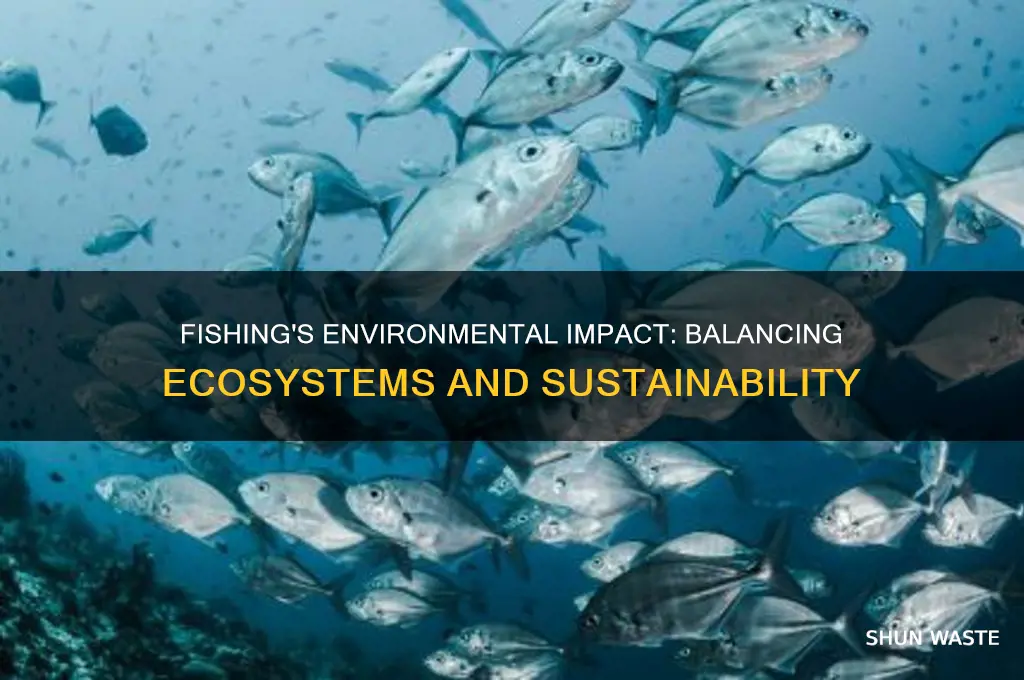
Recreational Fishing Can Support Conservation
Recreational fishing is not only a source of environmental pressure. It is also one of the largest ways people connect with aquatic conservation. Anglers often notice changes in water clarity, fish size, plant growth, and wildlife before the wider public does.
Fishing license fees and excise taxes on fishing gear support many conservation programs in the United States. Under the Federal Aid in Sport Fish Restoration program, taxes on fishing equipment and some boating fuels help fund fish management, habitat work, boat ramps, research, and angler education.
License Fees Fund Fish and Habitat Work
Most states use fishing license revenue to support fisheries management. The money can help pay for stocking, surveys, habitat restoration, invasive species control, law enforcement, and public access.
The exact system varies by state. Some waters also use special permits, stamps, or tags for trout, salmon, steelhead, or saltwater species. Buying a license is more than a legal step. It is a direct contribution to the resource anglers use.
Visitors should check whether they need a state license, a separate saltwater license, a trout stamp, or a permit for a special water. Requirements may change by age, residency, species, or season.
Anglers Create Political Support for Clean Water
People protect what they know. A child who learns to catch bluegill may later support wetland protection. A fly angler who sees a polluted trout stream may contact a local agency. A kayak angler may notice a blocked passage or a damaged shoreline.
This public interest gives fisheries a strong voice in debates over dams, water withdrawals, pollution, development, and habitat loss. Fishing groups often support stream restoration, fish passage, clean boating, and public access.
Fishing Groups Restore Habitat
Clubs, guides, nonprofits, and state agencies take part in many restoration projects. Common work includes:
- Planting trees along streams
- Removing invasive plants
- Restoring oyster reefs
- Placing fish habitat structures
- Cleaning shorelines
- Repairing erosion
- Improving fish passage
- Removing abandoned fishing line
- Rebuilding wetlands and marshes
These projects can improve cover, food, water flow, and spawning habitat. They also give anglers a practical way to offset some of the harm linked to fishing access.
Conservation Benefits Depend on Good Management
Fishing does not become sustainable simply because license fees exist. Agencies need good data, sound rules, fair enforcement, and public cooperation. Climate change, dams, pollution, commercial harvest, habitat loss, and invasive species can all affect fish populations at the same time.
Anglers should view regulations as tools, not obstacles. A closed season may protect spawning fish. A slot limit may protect both young and large breeding fish. A barbless-hook rule may lower injury in a catch-and-release fishery.

How Catch-and-Release Fishing Affects Fish
Catch-and-release fishing can protect fish populations, but survival depends on how the fish is caught and handled. The strongest approach is to plan for release before making the first cast.
Water temperature, fish species, hook location, fight time, and handling all matter. Trout, salmon, and other cold-water fish may suffer when water temperatures rise. Deep-water fish may face barotrauma, a pressure injury that affects the swim bladder and other organs.
Use Gear That Ends the Fight Quickly
Light tackle can be fun, but gear that is too light may exhaust a fish. Choose a rod, line, leader, and drag setting that fit the target species and cover.
For bass, a medium or medium-heavy spinning or baitcasting setup may provide enough control around weeds and wood. For trout, light gear can work in open water, but stronger line may help near rocks or brush. For saltwater species such as redfish, use tackle with enough drag and line capacity to land the fish without a long fight.
Rod power describes how much force a rod needs to bend. Rod action describes where it bends, such as near the tip or farther down the blank. Line test means the approximate pound force a line is designed to handle. These terms help anglers match gear to fish and habitat.
Keep Fish Wet
A fish’s protective slime helps defend its skin from infection. Dry hands, towels, sand, and boat carpet can remove that coating.
Wet your hands before touching a fish. Use a rubberized landing net when possible. Keep the fish over the water or a low surface so a short drop does not become a serious injury.
Limit Air Exposure
Fish cannot breathe air. Even a strong fish may become stressed after a long photo session.
Prepare your camera before lifting the fish. Support its body with wet hands, keep the fish level, and return it to the water quickly. A brief lift of a few seconds is safer than repeated handling.
Remove Hooks With Care
Crushing the barb can make removal easier. Long-nose pliers help anglers reach hooks without squeezing the fish. If a hook is deeply embedded in the throat or gut, cutting the line close to the hook may cause less damage than pulling it free.
Do not use a stringer for fish you plan to release. A stringer can injure the mouth and spread disease between fish.

| Catch-and-release action | Why it helps | Best use |
|---|---|---|
| Wet hands first | Protects the slime layer | All freshwater and saltwater fish |
| Use a rubber net | Supports fish and reduces abrasion | Boat, kayak, and shore fishing |
| Crush the barb | Speeds hook removal | Trout, bass, panfish, and many lure fisheries |
| Cut deep hooks free | Avoids more tissue damage | Fish hooked in the throat or gut |
| Keep photos brief | Reduces air exposure | Large fish and warm water |
The best release is often the fastest safe release. If a fish cannot recover, follow local rules for legal harvest or contact a fishery agency for advice.
Lost Fishing Gear Harms Wildlife
Lost tackle is one of the clearest ways recreational fishing affects wildlife. Hooks, leaders, sinkers, lures, and line can remain active after an angler leaves the area.
A bird may wrap a wing in braided line. A turtle may swallow a soft plastic bait. A fish may carry a lure for weeks. Marine mammals can become entangled in line near piers, bridges, and rocky shorelines.
Monofilament, Fluorocarbon, and Braided Line
Monofilament is a nylon line that stretches and is often affordable. Fluorocarbon is dense and less visible underwater, but it can be stiff and expensive. Braided line has a thin diameter and low stretch, yet it can cut skin and remain hard to see in the environment.
Each line type can harm wildlife when lost. No fishing line should be left on a bank, dock, beach, or boat deck.
Many tackle shops, marinas, and wildlife groups collect used monofilament for recycling. These programs may not accept braided line or fluorocarbon, so check the collection rules before adding material.
Hooks, Lures, and Soft Plastics
Hooks can lodge in birds, fish, turtles, and mammals. Treble hooks on crankbaits can be especially difficult to remove from wildlife and people. Soft plastics can pass through a fish’s digestive system in some cases, but they may also block the gut or cause injury.
Store used plastics in a small sealed bag. Do not throw torn baits into the water. Replace rusty hooks and dispose of them in a puncture-resistant container.
Sinkers and Lead Tackle
Lead is dense and useful for sinkers, jigs, and fly materials. It is also toxic when swallowed. Loons and other diving birds may pick up small lead pieces from lake bottoms.
Non-lead options include tin, tungsten, steel, bismuth, and other materials. They vary in price, size, sound, and performance. In some waters, lead is restricted or banned, so check local rules.
💡 Pro Tip: Keep a small “lost-tackle kit” in your tackle box. Add spare line, pliers, a line cutter, and a bag for damaged lures and used plastics. This makes cleanup easy when a rig breaks.
Boats, Kayaks, and Shore Access Change Habitats
The way anglers reach the water can affect the shoreline, bottom, and wildlife. A large motorboat, a kayak, and a person walking to a pond each create different forms of pressure.
Boat Traffic and Propeller Damage
Propellers can cut aquatic plants and disturb shallow sediment. Repeated boat traffic can also create waves that erode banks and disturb nesting birds.
Slow down in shallow water and near vegetation. Use marked channels when available. Trim the motor up only when it is safe and legal to do so. Never assume a shallow flat is free of plant beds or wildlife.
Anchors and Trolling Motors
Anchors can scrape seagrass, oyster beds, coral, and rocky habitat. Trolling motors can disturb shallow areas when used at high speed.
Use mooring buoys or fixed tie-up points when available. Avoid anchoring on visible vegetation or fragile bottom. In saltwater, learn which areas contain seagrass or shellfish habitat before fishing.
Kayak Fishing
Kayak fishing usually uses less fuel than motorboat fishing. It can give anglers quiet access to shallow water. Yet kayaks can still disturb nesting birds, shallow beds, and wildlife if paddlers move too close.
Wear a U.S. Coast Guard–approved personal flotation device, even in warm and calm water. Carry a whistle, check the forecast, and tell someone your route. A kayak has limited storage and weight capacity, so secure tackle boxes, fish finders, landing nets, and batteries before launching.
Shore and Pier Fishing
Shore access can cause erosion and plant loss. Piers can concentrate discarded line, bait containers, and hooks.
Use official access points. Stay on marked paths. Keep a landing net and line bag nearby. Do not cut line and leave it hanging from trees, railings, or reeds.
⚠️ Safety Warning: Wear a U.S. Coast Guard–approved PFD when boating, kayak fishing, or fishing from an unstable platform. Check weather, tide, wind, and water conditions before leaving shore. Tell someone where you plan to fish and when you expect to return.
| Access method | Main environmental risk | Responsible practice |
|---|---|---|
| Motorboat | Fuel spills, wake erosion, propeller damage | Slow down, maintain the engine, and use channels |
| Kayak | Wildlife disturbance and gear loss | Wear a PFD and keep gear secured |
| Shore | Trampled plants and erosion | Use marked paths and durable banks |
| Pier | Line, hooks, bait, and trash | Use line bins and pack out all waste |
| Wading | Streambed and spawning-bed damage | Avoid redds, plants, and fragile gravel |
Good access protects future access. If anglers damage every bank and launch area, communities may close them or limit use.
Recreational Fishing Can Spread Invasive Species
Anglers can move invasive species between lakes, rivers, and bays without meaning to do so. Water, mud, plants, bait buckets, live wells, waders, boots, kayaks, and trailers can all carry organisms.
Invasive species may compete with native fish, block waterways, change food webs, or damage habitat. Examples include invasive mussels, aquatic weeds, fish pathogens, and non-native bait species.
Clean, Drain, and Dry
The basic defense is simple:
- Clean mud, plants, and debris from the boat, trailer, kayak, waders, boots, and tackle.
- Drain water from live wells, bilges, bait buckets, coolers, and motor systems.
- Dry equipment fully before using it in another waterway.
- Follow local rules for rinsing, disinfecting, or hot-water treatment.
- Never release unused bait or aquarium species.
Some agencies require a specific drying time or disinfectant. Follow state and local directions instead of guessing.
Handle Live Bait With Care
Use live bait only where legal. Buy bait from approved sellers when required. Do not move minnows, crayfish, worms, or other organisms from one water to another unless regulations allow it.
Dumping bait into a new lake can introduce disease or a species that does not belong there. Even a small bucket can alter a local food web.
Clean Waders and Fly-Fishing Gear
Felt-soled wading boots can carry invasive organisms between trout streams. Some states restrict or ban felt soles. Rubber soles may lower transport risk, but they still need cleaning.
Rinse waders, nets, fly boxes, rod sections, and boots. Let them dry completely. Pay close attention to seams, boot treads, net bags, and pockets.
📜 Check Local Regulations: Before moving bait, fish, water, plants, or gear, check the rules from your state wildlife agency or local water authority. Requirements for bait disposal, felt soles, live wells, and boat washing vary by location.
Fishing Pressure Can Change Fish Behavior and Food Webs
Fishing does more than remove fish. It can change which fish remain and how they behave.
Fish that survive repeated capture may become harder to catch. Some may avoid bright lures, boats, docks, or noisy shorelines. This change can affect the quality of fishing, but it can also influence how fish use habitat.
Removing Predators and Large Fish
Bass, pike, muskellunge, walleye, redfish, and other predators help shape prey populations. Removing too many predators may allow smaller fish to increase. Removing too many prey fish may reduce food for larger predators.
The effect depends on the water and species. A lake managed for harvest may need anglers to keep certain fish. Another lake may need more catch-and-release protection. Do not assume one rule works everywhere.
Selective Harvest
Selective harvest means keeping some fish while releasing others based on size, species, or condition. It can support management goals when it matches local regulations.
Slot limits often protect medium-sized fish while allowing harvest of smaller or larger fish. Creel limits control the number of fish an angler may keep. These tools work best when anglers identify species correctly and measure fish with care.
Trophy Fish and Genetic Diversity
Large fish may carry traits linked to fast growth, survival, or successful reproduction. Removing every large fish can reduce those traits over time in some fisheries.
This does not mean anglers should never keep a large fish. It means harvest choices should fit the management plan. In some waters, keeping smaller legal fish for food may have less effect on breeding structure than keeping the largest adults.
| Fishery goal | Rule or practice | Angler response |
|---|---|---|
| Protect spawning fish | Closed season or area | Avoid fishing during the closure |
| Keep more age groups | Slot limit | Release fish outside the harvest slot |
| Reduce deep hooking | Circle-hook rule | Use the required hook and technique |
| Protect large breeders | Trophy regulation | Handle large fish with extra care |
| Control total harvest | Bag limit | Stop keeping fish at the daily limit |
Ask a local biologist, guide, or tackle shop about the reason behind a rule. Local knowledge can explain why one lake favors harvest while a nearby lake favors release.
Climate Change Makes Fishing Impacts More Complex
Climate change affects water temperature, flow, oxygen levels, storms, sea levels, and fish range. Recreational fishing can add stress to fish that are already coping with harsh conditions.
Warm water holds less oxygen than cold water. Fish may also use more energy when temperatures rise. A long fight and rough handling can become dangerous during a heat wave.
Warm-Water Catch and Release
Avoid targeting cold-water species when water temperatures reach dangerous levels. Trout and salmon may be especially vulnerable during low-flow summer periods.
If you catch a fish by accident, keep it in the water. Do not lift it for a photo. Use barbless hooks where allowed, and release it without delay.
Drought, Floods, and Low Flow
Low water can crowd fish into smaller areas. This increases competition, stress, and the chance of repeated capture. Drought can also make small streams too warm for safe fishing.
Floods can wash sediment, debris, and pollutants into rivers. They may also move fish into new areas. Check local advisories before fishing after a major storm.
Saltwater Heat and Marine Species
Ocean warming can change the range and timing of fish such as striped bass, redfish, tarpon, and other coastal species. Some fish may move into new waters while forage species shift away.
Saltwater anglers should release fish with care and follow emergency closures. A current fishing license, size limit, bag limit, and seasonal rule can change quickly after a stock assessment or weather event.
A Practical Low-Impact Fishing System
Low-impact fishing does not require the most expensive gear. It requires planning, suitable equipment, and respect for the resource.
A beginner can start with a spincast combo, a small spinning reel, monofilament line, simple hooks, bobbers, and a few sinkers. An experienced angler may choose a baitcaster, braided line, fluorocarbon leader, jigs, crankbaits, soft plastics, or a fish finder. The environmental principles remain the same.
Match Tackle to the Fish
Use tackle that can land the fish in a reasonable time. Avoid gear that is so light that every fish requires a long battle.
For panfish, a light spinning or spincast setup with 4- to 8-pound line may be practical. For bass, medium power with 8- to 15-pound line often gives more control. For catfish, walleye, trout, surf fishing, and saltwater species, select line and leader strength based on fish size, cover, current, and local conditions.
A telescopic rod can suit a traveler or gift buyer who needs compact storage. An ice fishing rod fits short presentations through a hole. A fly rod suits anglers who enjoy casting flies and managing a delicate presentation. The best choice is the one that fits the fishery and reduces unnecessary fights and lost tackle.
Carry the Right Release Tools
A responsible fishing kit should include:
- Long-nose pliers
- Hook cutters
- Line clippers
- A rubber landing net
- A measuring tape
- A small trash bag
- A wet towel for emergencies
- A dehooking tool when suitable
- A first-aid kit
- A legal fish ruler or measuring board
Experienced anglers should replace damaged tools before a trip. Beginners and parents should practice using pliers at home with an old hook. Gift buyers can add these tools to a basic rod and reel package.
Choose Lures That Reduce Waste
Lures that match the target species can reduce missed strikes and break-offs. Check hooks and split rings for rust. Retire cracked leaders and frayed line.
Barbless hooks can make release easier and may be required in some waters. Single hooks often create less trouble than treble hooks, though the change can affect how a lure runs. Follow local rules before modifying terminal tackle.
Keep Fish for Food Only When Legal
Harvest can be a responsible choice when it follows science-based limits. Keep only what you plan to eat. Chill fish quickly, clean it in an approved place, and dispose of waste according to local rules.
Do not keep fish from polluted waters. Check health advisories for mercury, PCBs, algae toxins, or other contaminants. Pregnant people, children, and those who eat local fish often should pay close attention to health guidance.
| Angler type | Useful low-impact setup | Why it suits them |
|---|---|---|
| Beginner | Spincast combo, 6- to 8-pound mono, bobber | Simple casting and easy line control |
| Bass angler | Medium spinning reel or baitcaster, suitable leader | Good control around cover |
| Trout angler | Light spinning rod or fly rod, barbless hooks where legal | Supports careful stream handling |
| Kayak angler | Compact spinning setup, rubber net, secured tackle | Fits limited space and reduces gear loss |
| Ice angler | Short ice rod, small reel, light line | Built for vertical presentations |
| Gift buyer for a child | Fiberglass or composite rod, closed-face reel | Durable and easier for small hands |
No setup removes environmental impact. Good matching simply lowers break-offs, long fights, and wasted tackle.
Pros and Cons of Recreational Fishing
Recreational fishing has clear environmental benefits and risks. A fair view must include both sides.
| Benefits | Risks |
|---|---|
| License fees support fisheries | Fish may suffer during release |
| Anglers support clean-water policy | Lost line can entangle wildlife |
| Habitat projects improve waterways | Boats can damage plants and shorelines |
| Harvest can provide local food | Too much harvest can reduce populations |
| Fishing builds outdoor knowledge | Gear and fuel can create waste |
| Anglers report pollution and invasive species | Bait and water can spread invasive organisms |
The goal is not to stop all fishing. The goal is to keep fishing within the limits of the fishery and reduce avoidable harm.
Common Misconceptions About Fishing and the Environment
Some ideas about fishing are too simple. The real answer often depends on species, water type, season, and handling method.
“Catch and Release Has No Impact”
Catch and release reduces harvest, but fish can still die from deep hooking, heat stress, exhaustion, or poor handling. The solution is not to abandon release fishing. It is to improve gear choice and release skill.
“Small Fish Do Not Matter”
Small fish are part of the food web and future breeding stock. They may feed larger fish, birds, and mammals. They may also grow into the adults that support future fishing.
“One Piece of Line Cannot Hurt Anything”
One piece can harm wildlife if it wraps around a wing, foot, flipper, or mouth. The risk grows when many anglers leave line behind.
“Natural Bait Is Always Better for Nature”
Natural bait can be effective, but it can also spread disease or non-native species. Dumping bait into a new waterway is a serious mistake.
“More Expensive Gear Is More Sustainable”
Price does not guarantee low environmental impact. A high-end baitcaster can still lose line and lures. A budget spinning reel can support responsible fishing if the angler maintains it and uses it well.
How Anglers Can Reduce Their Environmental Footprint
Small habits add up. The following routine works for beginners, experienced anglers, and families.
Before the Trip
Check the fishing license, size limits, bag limits, closed seasons, bait rules, and tackle restrictions. Pack a line bag, pliers, hook remover, landing net, water, sunscreen, and suitable safety gear.
Inspect the rod, reel, line, leader, hooks, and knots. Replace weak line before it breaks. Charge the fish finder or phone, but use batteries and electronics responsibly.
If boating, check fuel lines, bilge areas, life jackets, navigation lights, and weather. If fishing from a kayak, confirm the weight capacity and secure all loose gear.
During the Trip
Stay on legal access areas. Keep noise low near nesting wildlife. Avoid shallow vegetation, spawning beds, and fragile shorelines.
Handle fish with wet hands. Keep air exposure short. Record a quick photo only when the fish is strong and conditions are safe.
Pack every item you brought. Search the area for line, bait containers, hook packages, and broken lures before leaving.
After the Trip
Clean, drain, and dry the boat, kayak, waders, boots, net, and tackle. Dispose of bait correctly. Rinse saltwater gear with fresh water, dry it, and inspect metal parts for corrosion.
Remove line from rod guides and reel spools. Store hooks and sinkers in closed boxes. Recycle line through an approved program when possible.
🌿 Conservation Note: Pick up more line than you lose. If each angler removes one extra piece of tackle during a trip, busy banks, piers, and boat ramps become safer for wildlife and people.
| Task | How often | Environmental reason |
|---|---|---|
| Inspect line and knots | Before every trip | Prevents break-offs and lost rigs |
| Pack out trash | Every trip | Stops plastic and hooks from entering water |
| Clean and dry gear | Between waters | Reduces invasive species spread |
| Rinse saltwater tackle | After every saltwater trip | Prevents corrosion and early replacement |
| Check local rules | Before each season or trip | Avoids illegal harvest and habitat damage |
| Recycle line | When collection is available | Keeps line out of wildlife habitat |
Responsible fishing is a cycle: prepare, fish carefully, clean up, and learn from the next trip.
Regulations and Conservation Rules Matter
Fishing regulations protect fish and people. They may cover licenses, seasons, size limits, bag limits, bait, hooks, lead, boat access, and protected areas.
Rules can differ between nearby waters. A license may cover freshwater but not saltwater. A lure may be legal in one river but banned in a special trout section. A fish may have a different size limit in a neighboring county or management zone.
Always check the current information from your state wildlife agency, provincial or local authority, park office, or fishery department. Do not rely on an old social media post or a friend’s memory.
📜 Check Local Regulations: Confirm current license requirements, size and bag limits, closed seasons, protected species, lead restrictions, hook rules, and bait limits before fishing. Rules change as fish populations and water conditions change.
Frequently Asked Questions
Q: Is recreational fishing bad for the environment?
A: It can cause harm through harvest, fish injury, lost tackle, habitat disturbance, fuel pollution, and invasive species. It can also support conservation through licenses, habitat projects, research, and public support for clean water. The impact depends on how, where, and how often people fish.
Q: Does catch and release save fish populations?
A: Catch and release can reduce harvest and protect a fishery, but released fish may still die from deep hooking, heat, exhaustion, or rough handling. Use suitable tackle, wet hands, a rubber net, quick hook removal, and short air exposure.
Q: What fishing gear causes the most environmental harm?
A: Lost line, hooks, lead sinkers, soft plastics, and abandoned lures are common problems. Boat fuel leaks, propeller damage, and discarded bait also create harm. No single item causes every problem, so prevention matters across the whole trip.
Q: Are spinning reels better for the environment than baitcasters?
A: Neither reel type is automatically more environmentally friendly. Spinning reels are often easier for beginners and may reduce early casting errors. Baitcasters can give experienced anglers strong control, but backlash can waste line if the reel is poorly adjusted. Proper use and gear recovery matter more than reel style.
Q: Can fishing licenses help conservation?
A: Yes. License revenue often supports fish surveys, habitat restoration, stocking, access, law enforcement, and education. Funding systems differ, so check your state agency for details.
Q: Why should anglers clean and dry their fishing gear?
A: Boats, kayaks, waders, boots, nets, and live wells can carry invasive plants, mussels, larvae, and disease. Clean, drain, and dry gear before moving to another waterway. Follow local disinfection rules.
Q: Are lead sinkers harmful to wildlife?
A: Lead can poison birds and other wildlife when swallowed. Loons and diving birds may mistake small sinkers for food or grit. Use non-lead tackle where practical and follow local lead restrictions.
Q: How should a beginner release a fish?
A: Wet your hands, support the fish, remove the hook with pliers, keep the fish near the water, and release it quickly. If the hook is deep, cut the line close to it rather than pulling hard. Avoid dropping the fish onto a dry bank or boat deck.
Q: Is fishing from a kayak environmentally friendly?
A: Kayak fishing usually uses less fuel and creates less noise than motorboat fishing. It can still disturb shallow habitat, nesting wildlife, and fish beds. Wear a U.S. Coast Guard–approved PFD, secure all gear, and keep a safe distance from wildlife.
Q: What should parents teach children about fishing and nature?
A: Teach children to respect fish, wet their hands, avoid wildlife nests, collect line, pack out trash, and follow local rules. A simple spincast combo, rubber net, pliers, and small cleanup bag make a good starter kit. Always supervise children around hooks, water, boats, and slippery banks.
Q: How long does fishing line last?
A: Line life depends on material, sunlight, heat, abrasion, storage, and use. Monofilament may become brittle, fluorocarbon may develop nicks, and braided line may fray. Replace line when it feels rough, shows damage, or has lost strength. Store spools away from heat and direct sun.
Q: Should anglers keep fish or release them?
A: Follow the local management plan and keep only legal fish you will use. Responsible harvest can be sustainable when it stays within size and bag limits. Release fish that are outside the limit, protected, or not needed for food, using careful handling methods.
Final Thoughts
Recreational fishing affects the environment in both helpful and harmful ways. It can fund conservation, support local economies, and inspire people to defend clean water. It can also injure fish, disturb habitat, spread invasive species, and leave dangerous tackle behind.
The best path is not perfect fishing. It is thoughtful fishing. Match your rod and line to the target, follow current regulations, handle fish with care, clean your gear, reduce fuel and plastic waste, and leave every bank, boat ramp, pier, and stream cleaner than you found it.
A responsible angler sees the whole system. The fish is not separate from the water, the water is not separate from the shoreline, and the shoreline is not separate from the choices made by people. Protecting that system keeps fishing available for beginners, families, experienced anglers, and future generations.