How Do Fishermen Catch Fish: Fishing Methods Explained
Fishing is a simple idea with many moving parts. A fisherman finds where fish feed, presents bait or a lure, waits for a bite, and uses the right gear to bring the fish in. The exact method changes with the species, water, weather, season, and fishing rules.
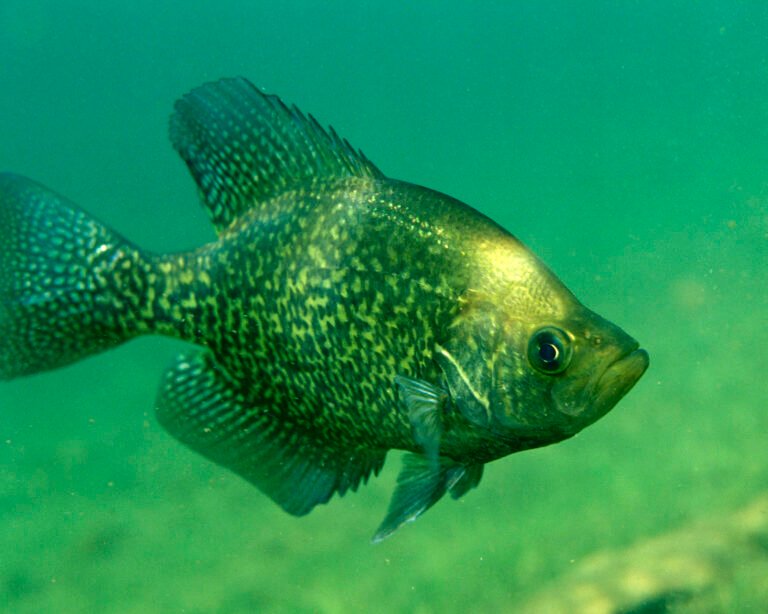
A child fishing for panfish from a dock may use a bobber and worm. A bass angler may cast a soft plastic with a spinning reel or baitcaster. A surf fisherman may send bait beyond breaking waves, while a fly angler presents a light fly on a floating line. Each method follows the same basic goal: place something appealing where a fish can find it, detect the bite, set the hook, and land the fish safely.
Quick answer: How do fishermen catch fish?
Fishermen catch fish by locating feeding fish, choosing bait or lures that match the species, casting or dropping the presentation, and setting the hook when a fish bites. They use rods, reels, fishing line, hooks, sinkers, bobbers, leaders, and landing nets. Success depends on fish behavior, water conditions, legal rules, skill, and safe handling—not luck alone.

The basic process of catching a fish
The basic fishing process has six parts: find fish, choose tackle, present bait or a lure, detect the bite, set the hook, and land the fish. A weak link in any part can cost the fish.
For example, a good lure will not help much if it is tied to the wrong line or fished in water with no fish. A sharp hook may fail if the angler pulls too hard. Good fishing is less about one magic item and more about matching each choice to the water and target species.
1. Find fish in the right place
Fish do not spread evenly through a lake, river, bay, or ocean. They gather near food, cover, depth changes, current breaks, weed edges, rocks, docks, drop-offs, and underwater structure.
A bass may hold beside a fallen tree. Trout may feed in a current seam where fast water meets slow water. Catfish may rest in deep holes. Panfish often gather near weeds, docks, brush, or shaded banks.
Look for these signs:
- Birds diving or working over baitfish
- Small fish jumping
- Weed lines and lily pads
- Fallen trees and submerged logs
- Rock piles and bridge supports
- River bends and current breaks
- Deep water near shallow feeding areas
- Inlets, outlets, and creek mouths
- Bubbles, ripples, or surface activity
- A sudden change in water color or depth
A fish finder can help boat and kayak anglers see depth, bottom shape, and fish marks. It does not identify every mark correctly, and it cannot replace knowledge of fish behavior. Shore anglers can use maps, local reports, visible structure, and repeated casts to learn a spot.
2. Choose gear for the fish and water
Fishing gear must match the size and strength of the fish. A small spincast combo suits many beginners and children targeting panfish. A medium-light spinning rod works well for trout, crappie, perch, and small bass. A heavier setup may be needed for catfish, pike, redfish, surf species, or strong saltwater fish.
Rod power means how much force a rod takes to bend. Ultralight, light, medium-light, medium, medium-heavy, and heavy are common power ratings. Rod action describes where the rod bends. Fast-action rods bend near the tip, while moderate-action rods bend farther down the blank.
A spinning reel hangs below the rod and is easy to cast. A baitcaster sits above the rod and gives skilled anglers strong control, but it can create backlash, which is a tangled spool caused by the spool spinning faster than the lure. A fly reel stores line and supports a fly rod, but the casting motion uses the weighted line rather than the nearly weightless fly.
3. Pick bait or a lure
Fishermen use either natural bait, artificial lures, or flies. Live bait often includes worms, minnows, crickets, shrimp, and small baitfish. Prepared bait may include dough, cut bait, stink bait, or commercial pellets.
Artificial lures imitate food or trigger a reaction. Common choices include:
- Jigs
- Soft plastics
- Crankbaits
- Spinnerbaits
- Spoons
- Topwater plugs
- Swimbaits
- Flies
- Saltwater plugs
- Metal jigs
The best choice depends on the target species and water conditions. A jig may work near the bottom. A crankbait can cover water at a set depth. A topwater lure may draw strikes from fish near the surface. A worm beneath a bobber gives beginners a clear visual signal when a fish bites.
4. Put the presentation where fish can find it
Casting is only one way to present bait. Anglers also drift, troll, jig, pitch, flip, float, bottom-fish, fly-cast, and drop bait straight down.
Freshwater bank anglers often cast toward cover and retrieve the lure through likely holding areas. Boat anglers may troll a lure behind the boat or use a fish finder to drop bait near suspended fish. Ice anglers lower a small jig through a drilled hole and work it with short movements.
Saltwater anglers may cast from beaches, piers, jetties, boats, or kayaks. Surf fishing often requires a long cast with a sinker heavy enough to hold bait in the current. Pier fishing may use a high-low rig with two hooks at different depths.
5. Detect the bite and set the hook
A bite may feel like a tap, pull, steady weight, or sudden movement. With a bobber, the float may dip, slide, or disappear. With a lure, the line may jump or go slack. Some fish bite lightly, while others hit with enough force to bend the rod.
Setting the hook means moving the rod or line so the hook point penetrates the fish’s mouth. The correct motion depends on the hook and technique. Circle hooks work best when the angler applies steady pressure instead of making a hard hookset. Jigs and many artificial lures often need a quick but controlled lift of the rod.
Do not strike wildly. A strong jerk can tear a hook free or break light line. Keep the line tight, and let the rod load against the fish.
6. Fight and land the fish
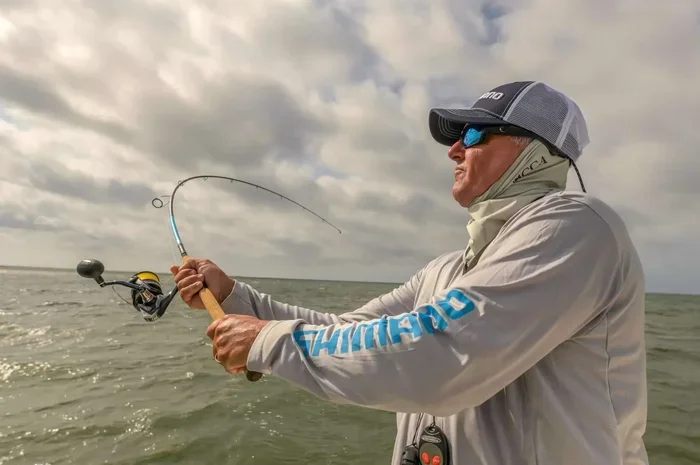
Once hooked, a fish may run, jump, turn into cover, or dive deep. The reel’s drag allows line to leave the spool under controlled pressure. A properly set drag protects light line and reduces the chance of a break-off.
Keep the rod at roughly a 45-degree angle. Do not point the rod straight at the fish, because that removes much of the rod’s shock absorption. Lift the rod to gain line, then lower it while reeling.
Use a landing net when the fish is large, the bank is high, or the hook is difficult to control. Never swing a heavy fish into the boat or onto sharp rocks unless the tackle and fish size make it safe.

Common fishing methods and how they work
Different fishing methods change the way anglers present bait, control line, and reach fish. No single method works for every species. The best method is the one that fits the target fish, access point, budget, and skill level.

Bait fishing with a bobber
Bobber fishing is one of the easiest ways to catch fish. The bobber suspends bait at a chosen depth and signals a bite by moving or sinking.
A basic setup uses a light spinning or spincast combo, monofilament line, a small hook, a split shot sinker, and a bobber. The angler places a worm, cricket, small minnow, or other legal bait on the hook. The bobber keeps the bait above weeds or near a feeding zone.
This method suits beginners, kids, and gift buyers seeking a simple first setup. It can catch bluegill, crappie, perch, trout, and other panfish. Adjust the bobber depth when fish are feeding higher or lower in the water.
Bottom fishing
Bottom fishing places bait near the lake, river, bay, or ocean floor. A sinker carries the bait down, while a leader keeps the hook near the bottom.
Common bottom rigs include a sliding sinker rig, fish-finder rig, and high-low rig. A sliding sinker lets a fish move with less immediate resistance. This can help with cautious fish, but the angler must watch the line closely.
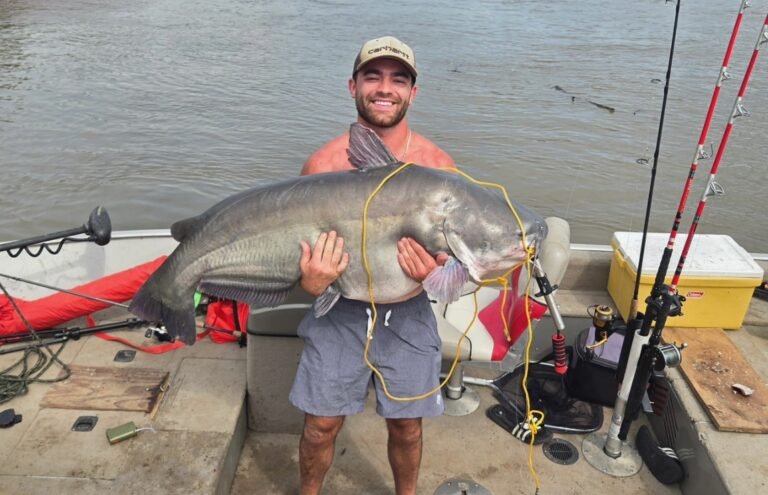
Bottom fishing suits catfish, carp, freshwater drum, saltwater species, and many shore or pier situations. It is less useful in thick weeds, heavy snags, or areas with a very soft bottom that swallows the bait.
Lure fishing
Lure fishing uses movement, color, vibration, sound, or shape to imitate prey. The angler casts, retrieves, pauses, and changes speed to make the lure look alive.
Soft plastics can imitate worms, crawfish, minnows, or small creatures. Crankbaits have a diving lip and swim at a designed depth. Jigs work near the bottom or in cover. Spinnerbaits create flash and vibration. Topwater lures stay on the surface.
Lure fishing suits anglers who enjoy active casting. It is useful for bass, pike, walleye, trout, redfish, and many saltwater species. Beginners should start with one or two easy lures instead of buying a large tackle box full of options.
Fly fishing
Fly fishing uses a weighted line to cast a light fly. The fly may imitate an insect, baitfish, shrimp, or other food. The angler controls the line with a fly rod, reel, leader, and tippet.
Dry flies float on the surface. Nymphs fish below the surface. Streamers imitate swimming prey. Fly fishing can target trout, bass, panfish, salmon, steelhead, and saltwater species.
A fly rod is not automatically better than a spinning rod. It suits anglers who enjoy line control, casting practice, and a more active presentation. A spinning setup is often easier for a new angler who wants to use live bait or a wide range of lures.
Trolling
Trolling means pulling one or more lures or baited lines behind a moving boat. The boat controls the lure’s speed and depth.
Anglers troll for walleye, trout, salmon, striped bass, tuna, kingfish, and many other fish. They may use downriggers, diving planers, weighted line, or deep-diving crankbaits to reach fish below the surface.
Trolling requires attention to boat traffic, propellers, line spacing, and local rules. It is not ideal for a small child fishing alone, but it can be effective for families when an adult handles boat control and rigged lines.
Ice fishing
Ice fishing uses short ice fishing rods, small reels, jigs, bait, and a drilled hole. Anglers may fish near the bottom or suspend bait at a selected depth.
Ice fishing rods are often 24 to 36 inches long. A light or ultralight rod helps detect small bites. Tip-ups use a flag to show movement on a baited line.
Ice fishing demands special care. Ice thickness can change across a lake, near springs, around inlets, and after warming weather. Beginners should go with an experienced local angler or take an ice safety course.

Fishing methods at a glance
The table below shows common methods and the anglers and fish they suit. These are broad starting points, not guarantees, because water conditions and local rules change the result.
| Fishing method | Best use and target |
|---|---|
| Bobber and bait | Beginners, kids, panfish, trout, perch |
| Bottom rig | Catfish, carp, pier fishing, surf fishing |
| Lure casting | Bass, pike, walleye, redfish, active anglers |
| Fly fishing | Trout, bass, panfish, salmon, skilled casters |
| Trolling | Boat anglers targeting fish across open water |
| Ice fishing | Cold-weather anglers fishing through safe ice |
Bobber fishing is usually the easiest starting point. Lure casting offers more control and movement. Fly fishing, trolling, and ice fishing require more specialized gear and practice.

The tackle fishermen use to catch fish
A fishing system has more than a rod and reel. The rod casts and absorbs force. The reel stores and controls line. Terminal tackle means the small items tied to the end of the line, such as hooks, sinkers, swivels, bobbers, and leaders.
The right combination makes fishing easier and safer. An oversized hook may reduce bites from small fish. A line that is too light may break. A sinker that is too heavy may damage light tackle or feel unnatural in clear water.

Rods, reels, and line
A general freshwater setup often uses a 6- to 7-foot medium-light or medium spinning rod. Pair it with a 1000 to 2500 size spinning reel and 4- to 10-pound line for panfish, trout, and smaller bass.
A medium or medium-heavy spinning or baitcasting rod may suit larger bass, walleye, catfish, and heavier lures. The reel’s gear ratio describes how many times the spool turns with one handle turn. A higher ratio retrieves line faster, while a lower ratio provides more winding power.
Line choices include:
- Monofilament: Affordable, easy to tie, and slightly stretchy
- Fluorocarbon: Less visible underwater and more resistant to abrasion
- Braided line: Thin and strong for its diameter, with little stretch
- Fly line: Weighted line designed for fly casting
- Leader material: Separate line between the main line and hook or lure
Saltwater anglers should select reels and components designed for saltwater use. Stainless steel, sealed bearings, aluminum frames, and corrosion-resistant parts help, but no reel is immune to salt. Rinse saltwater gear with fresh water after each trip and let it dry before storage.
Hooks and terminal tackle
Hook size must match the bait and target fish. Smaller numbers usually mean larger hooks, so a size 8 hook is smaller than a size 2. Circle hooks are common for some live-bait and saltwater methods because they can reduce deep hooking when used correctly.
Sinkers add weight and help control depth. Split shot works for small floats and light bait. Egg sinkers slide on the line. Bank sinkers and pyramid sinkers help hold bait in current or surf.
Swivels reduce line twist in some rigs. Bobbers suspend bait. Leaders add abrasion protection or reduce visibility. Pliers help remove hooks, cut line, and handle fish safely.
Lures, bait, and flies
Choose bait that local fish already eat. Worms are a useful starting point for many freshwater species. Minnows may attract bass, crappie, walleye, trout, and other predators where legal. Shrimp and cut bait are common in saltwater.
Match lure size to the forage and target fish. A 2- to 3-inch soft plastic may suit panfish or small bass. Larger lures may suit pike, striped bass, or redfish. Use colors that provide contrast in dirty water and more natural tones in clear water.
Store soft plastics away from heat and incompatible materials. Keep hooks dry. Replace rusty or dull hooks because a poor point can fail during a bite.
Supporting gear
Useful fishing accessories include:
- Landing net
- Polarized sunglasses
- Tackle box or soft tackle bag
- Hook remover
- Line cutters
- Measuring tape
- Fish grips used with care
- Pliers
- Cooler
- Sunscreen and water
- First-aid kit
- Headlamp for low-light trips
- Fishing license
Polarized sunglasses reduce glare and may help anglers see shallow cover and line movement. They also protect eyes from flies and hooks.

Matching gear to species and water
The table below gives practical starting points for common fishing situations. Adjust line, hook, and leader size when cover, current, fish size, or local rules require it.
| Target or water | Practical starting setup |
|---|---|
| Panfish | 5- to 6-foot ultralight or light spinning rod, 2- to 6-pound line, size 6–12 hook |
| Trout | 6- to 7-foot light or medium-light spinning rod, 4- to 8-pound line, small lures or bait |
| Bass | 6’6” to 7’3” medium or medium-heavy rod, 8- to 15-pound line, jigs or soft plastics |
| Catfish | Medium to heavy rod, 15- to 30-pound line, strong hook and bottom rig |
| Walleye | Medium-light to medium rod, 6- to 12-pound line, jig, minnow, or crankbait |
| Redfish and inshore saltwater | Medium to medium-heavy saltwater-rated setup, 10- to 20-pound braid, leader |
| Surf fishing | 9- to 12-foot surf rod, suitable line and sinker, sand-resistant reel care |
For kids, a 5- to 6-foot spincast combo is often easier than a long rod. It should be light enough to hold for several minutes and have a simple push-button reel. Parents should still check that the hook, line, and lure match the child’s size and skill.
For experienced anglers, upgrading to a better drag, lighter reel, faster rod action, or braided line can improve control. The upgrade matters most when it solves a real problem, such as poor casting distance, line twist, weak drag, or inadequate abrasion resistance.

A step-by-step example: catching freshwater fish from shore
A shore angler can catch many species with a simple and legal setup. The following plan works as a learning framework rather than a promise of fish.

Step 1: Check access, weather, and rules
Confirm that the shoreline is open to fishing. Read the local regulations before rigging. Check license rules, seasons, size limits, bag limits, hook restrictions, bait rules, and lead restrictions.
Look at the weather forecast. Avoid fishing near lightning, rising water, strong winds, or unsafe heat. Tell someone where you are going and when you plan to return.
Step 2: Select a simple setup
Use a 6- to 7-foot light or medium-light spinning rod. Spool it with 6- to 8-pound monofilament for general freshwater fishing.
Tie on a small hook. Add a split shot 6 to 12 inches above the hook. Place a bobber above the weight and adjust its depth so the bait fishes near weeds, cover, or the suspected feeding zone.
Step 3: Add legal bait
Thread a small piece of worm onto the hook. Cover the point if local rules allow it and if the target fish tends to steal bait. Do not use more bait than needed.
Keep live bait cool and aerated. Never release unused bait into a new lake or river. Invasive species can spread through bait buckets and water.
Step 4: Cast past the target area
Cast beyond the edge of the cover, then let the bait settle. Avoid dropping the rig directly into thick branches where it may snag.
Watch the bobber. Wind and waves can move it, so learn the difference between normal drift and a bite. Keep the rod tip pointed toward the float and maintain enough line control to respond.
Step 5: Set the hook with control
When the bobber dips or moves away, wait briefly if needed. Then lift the rod smoothly. Avoid a violent swing, especially with light line and small hooks.
If the fish feels small, keep steady pressure. If it runs, allow the drag to work. Do not grab the line with bare hands while the fish is pulling hard.
Step 6: Land and handle the fish
Use a net for larger fish. Wet your hands before touching a fish you plan to release. Support its body, keep it out of the air for only a short time, and remove the hook with pliers.
If the fish is deeply hooked, cutting the line close to the hook may give it a better chance than forcing removal. Follow local rules for keeping legal fish, and place retained fish on ice promptly.

What affects whether fishermen catch fish?
Fish catch rates change with location, depth, temperature, water clarity, wind, light, food supply, pressure, and season. A method that works at dawn may slow down at midday. A lure that works in clear water may be hard for fish to find in muddy water.
Fish also change position. Cold water may push some fish deeper and slow their movement. Warm water may increase feeding but can also lower oxygen in shallow areas. Rain can change river current and water color.
Anglers learn by testing one variable at a time. Change depth before changing five lures. Try a slower retrieve before moving to a new color. Record the weather, water level, bait, depth, and time of each trip.
Common conditions and useful adjustments
| Condition | Practical adjustment |
|---|---|
| Clear water | Use natural colors, lighter line, and quieter casts |
| Muddy water | Try vibration, flash, scent, or brighter contrast |
| Strong current | Use heavier sinkers, current seams, and secure knots |
| Bright sun | Fish shade, deeper water, docks, or cover |
| Wind | Cast with the wind when safe and use heavier lures |
| Cold water | Slow the retrieve and fish deeper areas |
| Heavy weeds | Use weedless hooks and keep the lure above vegetation |
The key lesson is simple: change the presentation before assuming the fish are gone. Small adjustments often help you learn how fish use a spot.

Pros and cons of the main fishing approaches
Every fishing method has trade-offs. The right choice depends on the angler, target species, water access, and amount of practice available.
| Approach | Advantages | Limitations |
|---|---|---|
| Live bait | Easy to learn; works for many species; good for kids | Requires storage; bait may die; rules may limit species |
| Artificial lures | Reusable; covers water; active and portable | Needs casting skill; snags can cost money |
| Spinning tackle | Simple; versatile; good for beginners | Line twist can occur; less direct control than a baitcaster |
| Baitcasting tackle | Accurate; strong control; useful for heavy lures | Backlash takes practice; less friendly for young beginners |
| Fly fishing | Precise presentations; enjoyable casting; light flies | Steeper learning curve; specialized gear |
| Boat fishing | Reaches deep and distant water; supports trolling | Costs more; requires safety planning and boat skill |
Live bait is often the best first choice for a child who wants to see a bobber move. Artificial lures may suit an adult who enjoys walking a shoreline and making many casts. A local tackle shop can match both methods to nearby water.

Safety rules every fisherman should follow
Fishing includes sharp hooks, slippery banks, boats, sun exposure, cold water, and changing weather. Good safety habits protect the angler and the people nearby.
Wear a U.S. Coast Guard-approved personal flotation device when boating, kayaking, or fishing near deep water. A life jacket is also wise for children on docks, unstable banks, and small boats. Kayak anglers should secure rods, knives, pliers, and tackle so they do not interfere with balance or self-rescue.
Use these basic habits:
- Check the weather before leaving
- Tell someone your plan and return time
- Carry water, sunscreen, and a first-aid kit
- Wear eye protection or polarized sunglasses
- Keep hooks covered during transport
- Cut old line and dispose of it properly
- Do not wade in fast or rising water
- Use a wading belt and felt or approved wading footwear where appropriate
- Never fish near power lines
- Keep knives and pliers in secure sheaths
- Learn boating or kayak safety before going alone
⚠️ Safety Warning: Ice thickness is not uniform. Springs, inlets, outlets, bridges, and moving water can create thin ice. Check local ice reports, carry ice picks and a flotation device, and take a recognized ice safety course before fishing unfamiliar ice.

Common mistakes that stop people from catching fish
Many fishing problems come from simple mismatches. The angler may use bait that is too large, fish water that is too shallow, or retrieve a lure too quickly.
Using gear that is too heavy
Heavy line and stiff rods are useful for large fish and cover. They can make small bait look unnatural and reduce bite detection for panfish or trout.
Use the lightest practical tackle that still handles the fish and the surroundings. Do not use fragile gear around rocks, heavy weeds, docks, or large fish.
Casting only to open water
Open water may look attractive, but fish often relate to structure. Cast near the edge of weeds, a drop-off, a shaded dock, a rock point, or a current break.
Keep a safe distance from cover and work the edges first. Many strikes occur as a lure enters or leaves a productive zone.
Retrieving every lure too fast
Fish do not always chase fast prey. Slow down, pause, or let a jig touch bottom. Watch the line during pauses because bites can happen when the lure is falling.
A crankbait may need a steady retrieve. A soft plastic may work better with short lifts and long pauses. Learn what each lure is designed to do.
Ignoring line and knots
Old line becomes rough, weak, or coiled. Check the first few feet after each trip. Replace damaged sections and retie after snags or contact with rocks.
Practice reliable knots such as the improved clinch knot for many terminal tackle uses. Use a stronger connection when tying braid to fluorocarbon or monofilament, and test the knot before fishing.
Forgetting drag settings
A drag set too tight can break line. A drag set too loose may prevent a solid hookset. Pull line from the reel by hand before fishing and adjust it so the line leaves under firm, steady pressure.
Braided line has little stretch. It can transmit bites well, but it also demands smoother hooksets and careful drag control.

Gear care and storage
Proper care helps fishing gear last longer and protects performance. Rinse saltwater rods, reels, pliers, hooks, and lures with fresh water after each trip. Do not blast water into a reel with high pressure, because that can push salt and grit deeper into the housing.
Dry gear before storage. Loosen the drag on spinning and conventional reels when storing them for long periods. Keep rods upright or supported so they do not bend under pressure.
Use this simple care schedule:
| Task | When to do it |
|---|---|
| Check line for nicks | Before every trip |
| Inspect hooks and split rings | Before each lure change |
| Rinse saltwater gear | After every saltwater trip |
| Clean and dry tackle box | After wet or muddy trips |
| Check reel handle and drag | Every few trips |
| Replace old line | When damaged, brittle, badly coiled, or weak |
| Deep-clean reels | At the interval in the current manufacturer guide |
The first parts to fail are often hooks, line, split rings, rod guides, and reel bail springs. These parts are easier and cheaper to replace than a full reel or rod.
🔧 Quick Fix: If a spinning reel suddenly feels rough, stop cranking hard. Remove visible grit, rinse lightly with fresh water if it was exposed to salt, dry it, and check the manufacturer’s care instructions before adding oil or grease.
Is fishing expensive?
Fishing can be affordable or costly. A basic spincast combo, small tackle box, hooks, sinkers, bobbers, and bait may be enough for a child or beginner. More advanced costs come from boats, kayaks, fish finders, waders, premium reels, fly gear, and travel.
Current pricing ranges from budget setups under about $50 to specialized saltwater, fly, or offshore systems costing several hundred dollars or more. Prices change by brand, materials, and features, so check the latest listing before buying.
| Budget level | What it usually supports | Best for |
|---|---|---|
| Under $50 | Spincast combo, basic tackle, bobbers, hooks, bait | Kids and first-time anglers |
| $50–$150 | Better spinning combo, tackle bag, net, tools | Regular freshwater beginners |
| $150–$400 | Quality rod and reel, braid, leaders, lures, safety gear | Dedicated bass, trout, or inshore anglers |
| $400 and above | Premium tackle, fish finder, kayak gear, fly or saltwater equipment | Experienced anglers with a clear use |
Do not buy heavy or complex gear for a beginner just because it costs more. A simple setup that fits the angler’s hands and local water often provides more value.
👪 Parent or Gift-Buyer Note: For a child, choose a light rod, a simple reel, practice plugs, barbless hooks for early practice, and an adult-led fishing plan. Avoid giving a young angler a long surf rod, baitcaster, or loose tackle box full of exposed hooks without instruction.
Regulations, ethics, and catch and release
Fishing laws protect fish populations and keep waters healthy. Requirements vary by state, species, and body of water. Check with the state wildlife agency or local fisheries office before fishing.
📜 Check Local Regulations: Confirm the fishing license, open season, size limit, bag limit, legal bait, hook type, lead rules, and water access rules. Regulations may change, and posted signs may add restrictions.
Catch and release works best when the fish spends little time out of water. Wet your hands before touching it. Keep the fish horizontal when possible. Use barbless hooks or crimped barbs when allowed, and carry forceps or long-nose pliers.
Do not place a fish on dry soil, hot boat surfaces, or rough rocks. If a fish is deeply hooked, cut the line close to the hook rather than causing more injury. Never keep more fish than the law allows.
🌿 Conservation Note: Collect old fishing line and dispose of it in a recycling bin or tackle-shop line collection box when available. Loose line can injure birds, turtles, mammals, and fish.
When beginners should ask a local tackle shop or guide
A local tackle shop can answer questions that general internet advice cannot. Staff may know which species are active, which access points are open, which bait is legal, and what depth or current anglers are seeing.
Ask for help when:
- You cannot choose between spinning and baitcasting tackle
- You need a reel spooled with braid and a leader
- You are unsure which hook size is legal
- You plan to fish unfamiliar saltwater
- You want to buy a kayak, fish finder, or waders
- Your reel has a grinding drag or damaged guide
- You need a local boating, wading, or ice safety recommendation
A licensed guide is useful for advanced goals, difficult water, offshore trips, fly casting, or species such as steelhead, salmon, tuna, and tarpon. The cost may save time and reduce unsafe mistakes.
Frequently asked questions
Q: What is the easiest way for a beginner to catch fish?
A: A simple bobber rig with a worm, light spinning rod, or spincast combo is often the easiest start. Fish near docks, weeds, shade, structure, or a safe shoreline with known fish activity. Always check local bait and license rules.
Q: What is the best fishing rod for a beginner?
A: A 6- to 7-foot light or medium-light spinning rod is a versatile choice for many freshwater species. A 5- to 6-foot spincast combo may suit a child or first-time angler better because the reel is simple to operate.
Q: Do fishermen use bait or lures?
A: They use both. Live bait can be easy for panfish, trout, catfish, and many saltwater species. Lures are reusable and help anglers cover water. The choice depends on the species, water type, rules, and personal style.
Q: What line should a beginner use?
A: Monofilament is usually the easiest line to learn with. Six- to 8-pound monofilament suits many general freshwater situations. Heavier line may be needed around cover or for larger fish. Check the rod and reel line rating.
Q: Is braided line better than monofilament?
A: Neither is always better. Braid is thin, strong, and sensitive, but it can be visible and may slip on some spool types without backing. Monofilament is affordable, stretchy, and easy to tie. Many anglers use braid with a fluorocarbon or monofilament leader.
Q: How do fishermen know where fish are?
A: They study structure, depth, current, cover, food, season, weather, and water temperature. Boat anglers may use fish finders. Shore anglers look for weeds, rocks, drop-offs, current breaks, birds, baitfish, and local fishing reports.
Q: Why do fish get off the hook?
A: Common causes include a dull hook, loose line, poor knot, drag set too tight, excessive force, or a hook that never entered the fish’s mouth. Keep steady pressure, inspect terminal tackle, and use a controlled hookset.
Q: How long does fishing line last?
A: It depends on material, use, sunlight, heat, abrasion, and storage. Replace line when it feels rough, looks damaged, coils badly, or breaks under normal pressure. Saltwater and heavy cover shorten its useful life.
Q: Can kids use a baitcaster?
A: They can learn, but a spincast or spinning reel is usually easier for a first trip. Baitcasters require spool control and can develop backlash. Teach casting with a practice plug in an open area before using a hook.
Q: Do fishermen need a license?
A: In most U.S. states, anglers need a fishing license, though age, disability, veteran, landowner, and free-fishing exceptions may apply. Check the current rules from the state wildlife agency before fishing.
Q: What should I do with a fish I want to release?
A: Keep it in the water when possible, wet your hands, support its body, remove the hook with pliers, and limit air exposure. If the fish is badly injured, follow local rules about legal harvest rather than releasing a fish unlikely to survive.
Q: Is fishing from a kayak safe?
A: Kayak fishing can be safe with training and planning. Wear a U.S. Coast Guard-approved PFD, check weather and wind, secure gear, carry communication and emergency equipment, and tell someone your route. Beginners should practice self-rescue before fishing alone.
Q: What is the difference between fishing and angling?
A: Fishing is the broad activity of catching fish. Angling usually refers to catching fish with a rod, reel, line, and hook. In everyday speech, the terms often mean the same thing.
Final advice for catching fish
Fishermen catch fish by making many small choices correctly. They study the water, match gear to the species, present bait or lures at useful depths, watch for the bite, manage drag, and handle fish with care.
Start with a simple setup that fits your local water. Learn one knot, one rig, and one or two presentations before buying more tackle. Whether you fish for bass from a kayak, trout from a stream, catfish from shore, redfish from a pier, or panfish with a child, patience and observation will teach you more than a crowded tackle box.
Check the rules, wear the right safety gear, protect the water, and keep improving after every trip. That is how fishing turns from a guess into a skill.