How To Use A Fish Rod: Beginner Tips That Hook Success
Hold the rod, set the drag, cast smooth, feel bites, hook, and reel steady.
If you want to learn how to use a fish rod the right way, you are in the best place. I have taught many new anglers at docks, lakes, and surf. In this guide, I share clear steps, real tips, and small fixes that save time and gear. By the end, how to use a fish rod will feel simple, safe, and fun.

What you need before you learn how to use a fish rod
Before your first cast, get to know the gear. A few right picks make the day smooth. Cheap gear can work, but good fit and setup help more.
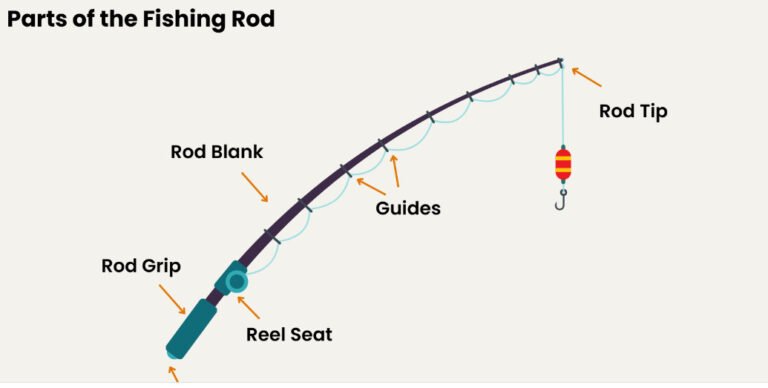
Key rod parts and what they do:
- Blank holds the load and bends.
- Guides keep the line in place.
- Reel seat locks the reel to the rod.
- Handle gives you grip and feel.
- Tip is the thin end. It shows light hits.
Main reel types:
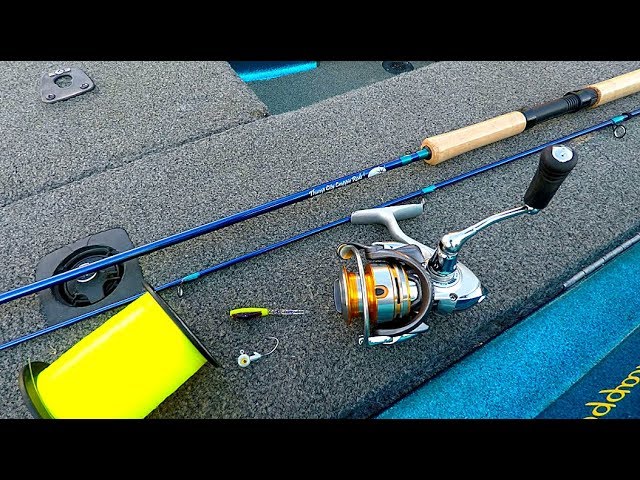
- Spinning reel works well for most new anglers. It is fast to learn and easy to cast.
- Baitcaster is great for skill and power. It takes more time to learn. It can backlash.
Line types:
- Mono is soft, cheap, and easy to tie. It has some stretch.
- Fluoro is hard to see in water. It sinks and has less stretch.
- Braid is thin and strong. It has no stretch and needs a leader.
Lures and bait:
- Jigs, spoons, plugs, soft baits, and spinners all catch fish.
- Live bait like worms or minnows is a great start.
- Match the size of bait to fish size and rod power.
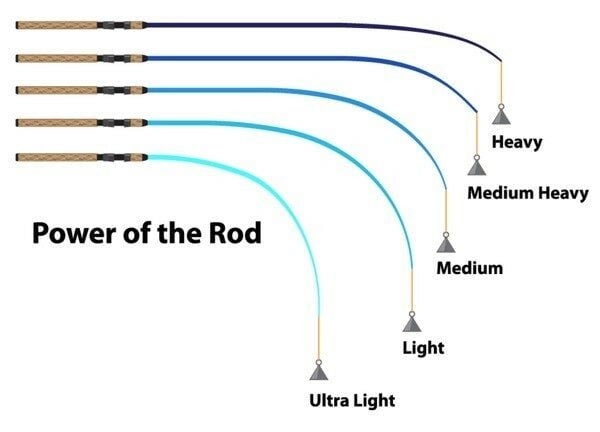
Pick gear that fits your water and fish. If in doubt, start with a 6'6" to 7' medium power, fast action spinning rod, a 2500 to 3000 reel, and 8 to 12 lb mono. That setup covers most lake and pond fish and helps with how to use a fish rod from day one.

Step-by-step setup: from box to ready to cast
You can learn how to use a fish rod by starting slow. The setup part is where most new anglers slip. Follow these steps and you will be fine.
Set up the rod and reel:
- Seat the reel. Place the reel foot in the seat. Tighten snug, not too hard.
- Spool the line. Place the line spool on the floor with the label up. Keep light tension with your fingers. Fill to 1/8 inch from the rim. This helps avoid loops.
- Thread the guides. Run the line through each guide from the tip down. Check you did not skip a guide.
- Tie a hook or lure. Use a knot you trust.
Two knots to learn first:
- Improved clinch knot. Easy and strong for many lures and hooks.
- Palomar knot. Very strong on braid and mono.
Add a leader if you use braid. Tie braid to fluoro with a uni-to-uni knot. Use 2 to 3 feet of leader. This helps hide the line and adds some rub proofing.
Set the drag before you cast. Pull the line by hand. It should give smooth at firm pull. A rule of thumb is about one fourth to one third of line test. So for 12 lb line, set near 3 to 4 lb. Smooth and even is the key.

How to cast a fish rod like a pro
Casting is the heart of how to use a fish rod. Aim for smooth, not hard. Your rod will do the work if you let it load.
Spinning rod cast:
- Hold the rod at the handle. Line runs over your index finger.
- Open the bail with your other hand. Trap the line with your finger.
- Look where you want to land the lure. Pick a clear path.
- Swing the rod back to about 2 o'clock. Then move it forward to 10 o'clock.
- Let the line slip off your finger at the front point. Do not snap. Think smooth.
- Close the bail by hand. Turn the handle once to take up slack.
Side arm cast helps in wind or with trees near you. Roll cast is good when little room is behind you. Both are smooth and low. Practice with a rubber plug in a yard. Aim at a bucket at 30 feet, then 50 feet. Ten minutes a day will grow skill fast.
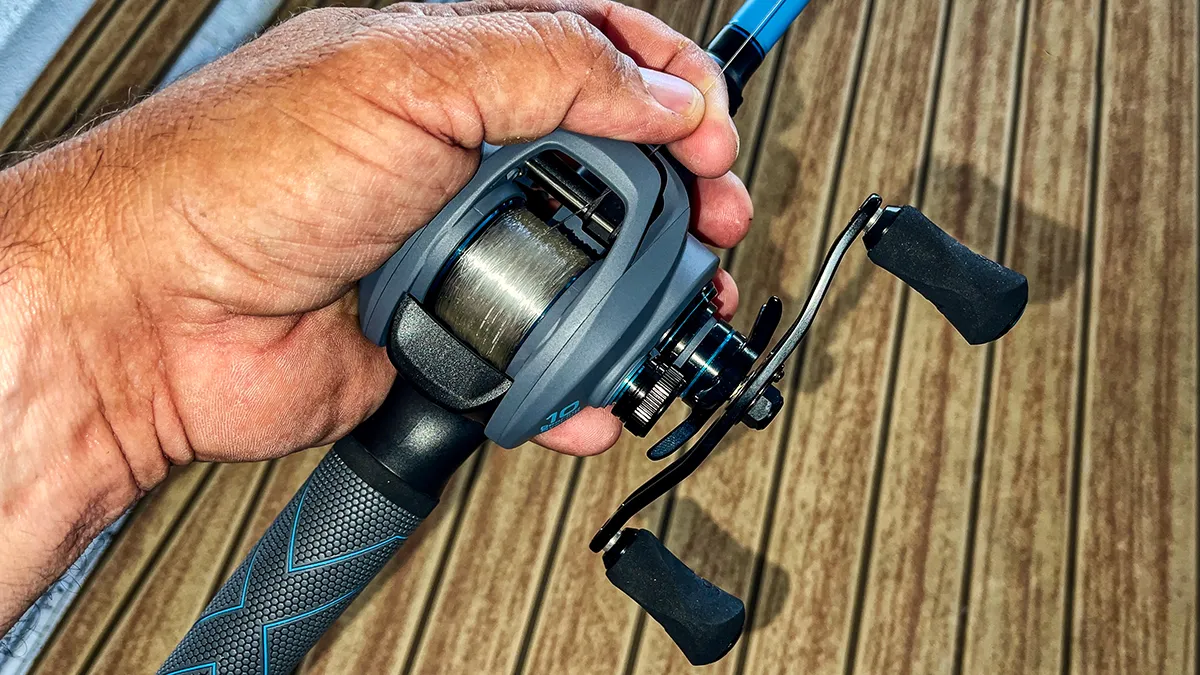
Baitcaster basics:
- Thumb light on the spool at the start.
- Adjust the spool knob until the lure drops slow and steady.
- As the lure flies, keep light thumb touch on the spool.
- Press the thumb bar to stop when the lure lands.
- Backlashes come from slack. Use more brake at first.
Do not cast too hard. Hard casts cause loops, knots, and wild aim. A calm cast adds range and hits your spot. That is the secret to how to use a fish rod for clean, long casts.

Drag, line control, and strike detection
Good drag and line control save fish and gear. Poor drag breaks line or pulls hooks. With a fish on, your drag should sing, not scream.
Set and test drag:
- Pull line from the reel with your hand. It should slip smooth.
- If it jerks or sticks, clean or lube later.
- In the field, set drag lighter, then tighten a bit if the fish runs to cover.
Avoid twist and loops:
- Close the bail by hand after each cast.
- Keep a bit of tension while you turn the handle.
- Use a swivel with spoons or spinners.
- Stop and pick out loops at once. Do not cast over them.
Feel more bites:
- Keep light tension. Slack hides hits.
- Hold the rod at a 45-degree angle.
- Watch the line at the tip. A small jump can be a bite.
These small habits are core to how to use a fish rod with skill.
Read the water and choose what to throw
You do not need luck. You need a plan. Good aim and good choice beat luck most days.
Find likely spots:
- Points, drop-offs, weed edges, docks, and shade lines.
- Moving water like inlets or drains.
- Wind-blown banks push bait. Fish follow food.
Match what fish want:
- Clear water: small, light, and natural colors.
- Dirty water: larger, dark, or bright colors. Add noise or flash.
- Cold water: slow and near bottom.
- Warm water: fast and high in the water.
If you want to know how to use a fish rod to catch more, learn to change pace and depth. Count your lure down. Change the stop and go. Try a slow roll or a short hop. Small tweaks can mean more bites.

Hooking, fighting, and landing fish
Hook sets vary by bait. With bait or slow baits, you may feel taps. With fast lures, you may feel a thud.
Set the hook:
- For single hook lures or bait, lift and sweep to the side.
- For treble hook lures, a firm lift is enough. Do not rip.
- With circle hooks, just reel and keep steady pressure.
Fight the fish:
- Keep the rod at 45 to 60 degrees. Do not high stick.
- Use pump and reel. Lift to gain, drop the tip, and reel.
- Let the drag work on runs. Do not thumb drag on a spinning reel.
Land and handle:
- Net head first. Keep fish in the water if you can.
- Wet your hands. Support the belly. Do not squeeze.
- For release, use pliers. Back the hook out. Revive the fish till it kicks.
Treat fish well. It is part of how to use a fish rod with care and class.
Safety, rules, and good ethics
Stay safe so you can fish more days. Know the rules so you keep what is fair.
Simple safety steps:
- Wear glasses. Hooks and eyes do not mix.
- Use sun block, a hat, and water.
- Look behind you before you cast. Give space to others.
Rules and norms:
- Get the right license. Check size and bag limits.
- Some waters ban barbs or live bait. Know before you go.
- Pack out trash and line. Birds and fish get hurt by loose line.
Good mood by the water is free. Share space, help new folks, and swap tips. This is also how to use a fish rod as part of a kind crew.

Common mistakes and easy fixes
I have made all of these in my first year. You do not have to.
Wind knots and loops:
- Cause: Slack and fast reeling with an open bail.
- Fix: Close the bail by hand. Keep light tension. Fill the spool less.
Backlashes on a baitcaster:
- Cause: Too little brake. Lure too light.
- Fix: Turn up the brake. Add weight. Smooth the cast.
Casting too hard:
- Cause: Nerves and a tight grip.
- Fix: Relax your hand. Let the rod load. Slow down.
Drag too tight:
- Cause: Fear of losing fish.
- Fix: Set drag to near one fourth of line test. Trust it.
Wrong lure size:
- Cause: Big lure on a light rod.
- Fix: Match lure weight to the rod rating.
Each fix builds skill. These small wins sum up how to use a fish rod the smart way.
 practice plan that works”
style=”max-width: 100%; height: auto; border: 2px solid black; border-radius: 10px; display: block; margin: 0 auto;”
loading=”lazy”
/>
A simple practice plan that works
How to use a fish rod gets easy with short, fun drills. Ten minutes a day beats two hours once a month.
Try this plan for two weeks:
- Day 1 to 3: Cast at a bucket at 30 feet. Ten casts. Focus on smooth bail close.
- Day 4 to 6: Add a side arm cast. Ten casts at 40 feet. Work on aim.
- Day 7 to 10: Mix distances. 20, 40, and 60 feet. Vary launch angle.
- Day 11 to 14: Add a light crosswind. Aim off to the side. Learn drift.
Use a rubber plug in a yard or park. Keep notes. Where do casts land? What made them fly true? Track your gains. That is how to use a fish rod with fast growth.
Care, cleaning, and storage
A clean setup casts far, feels crisp, and lasts years. Five minutes of care after each trip is enough.
Quick clean steps:
- Rinse with light fresh water, not a hard blast.
- Wipe dry. Salt hides in tight spots, so take your time.
- One drop of oil on the bail arm joints and handle knob.
- Loosen the drag all the way for storage.
Storage tips:
- Hang or stand rods straight. Do not bend the tip.
- Keep out of heat and sun. UV weakens line.
- Check guides with a cotton swab. If it snags, the guide may have a crack.
Change mono every few months if you fish a lot. Replace braid when you see fray. This is long term proof you know how to use a fish rod with respect for your gear.
Frequently Asked Questions of how to use a fish rod
How long does it take to learn how to use a fish rod?
Most people can cast well in a weekend. Real skill grows with short, steady practice over weeks.
What is the best rod for a beginner?
A 6'6" or 7' medium power, fast action spinning rod is ideal. It is easy to cast and fits many lures.
How do I stop line twist on a spinning reel?
Close the bail by hand and keep light tension as you reel. Use a swivel with spinners and avoid overfilling the spool.
How tight should my drag be when fishing?
A good rule is one fourth to one third of line test. It should pull smooth when you tug with your hand.
What knot should I use to tie a lure?
Use an improved clinch or a Palomar knot. Both are strong and quick, which helps when you learn how to use a fish rod.
Do I need a leader when using braid?
A short fluoro leader helps hide the line and adds rub proofing. Tie it to braid with a uni-to-uni knot.
How do I cast into the wind without big loops?
Cast low and smooth with a side arm path. Use a bit more weight and aim a bit off to adjust for drift.
Conclusion
You now have the core of how to use a fish rod, from setup to cast to care. Keep your moves smooth, set your drag right, and watch your line. Small habits stack up fast on the water.
Pick one tip and try it on your next trip. Mark a target, make ten calm casts, and adjust one thing at a time. If this helped, share it with a friend, ask a question, or subscribe for more easy, field-tested fishing guides.