How To Cast A Fishing Rod Far: Pro Tips For Max Distance
Use balanced gear, load the rod smoothly, and release near 45 degrees.
Want to know how to cast a fishing rod far without wasting years of trial and error? You are in the right place. I have taught new and seasoned anglers how to cast a fishing rod far in lakes, rivers, and surf. This guide brings clear steps, pro tips, and tested fixes so you can add yards fast.
What “far” really means and why it matters
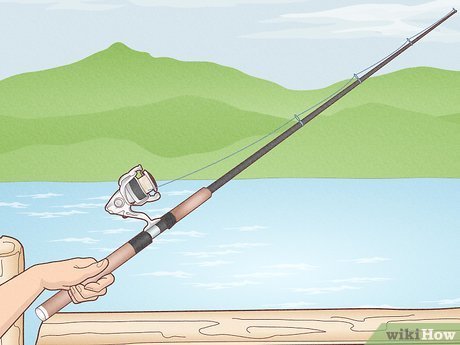
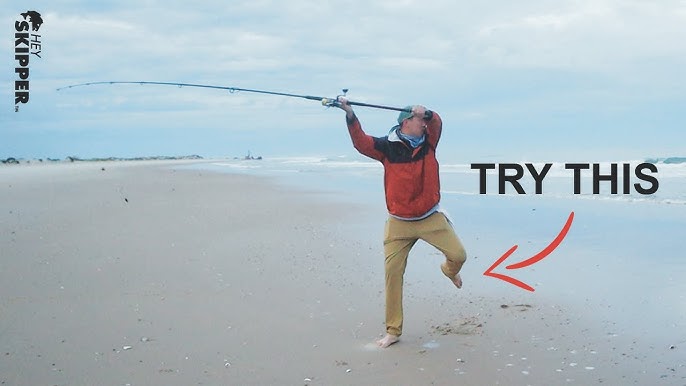
Casting far is not only about strength. It is about timing, gear match, and smooth power. In still air, a release angle near 43–45 degrees sends the lure on a long arc. In wind, a lower angle can help keep the lure down and cut drag.
Distance can help you reach feeding fish, cover more water, and avoid spooking them. It can also help in surf, where sandbars and troughs sit well past the first break. If you want to master how to cast a fishing rod far, think like a coach. Break the process into gear, setup, and form.
Key factors that drive distance:
- Rod length and action load the blank like a spring.
- Line diameter and smoothness reduce air and guide drag.
- Lure weight matches the rod for peak energy transfer.
- Release angle and timing turn stored load into flight.
- Wind, waves, and current shape the path and splashdown.
I track gains with a tape or GPS line counter. Small changes add up fast. This mindset is key when you learn how to cast a fishing rod far.
Choose the right gear for long casts
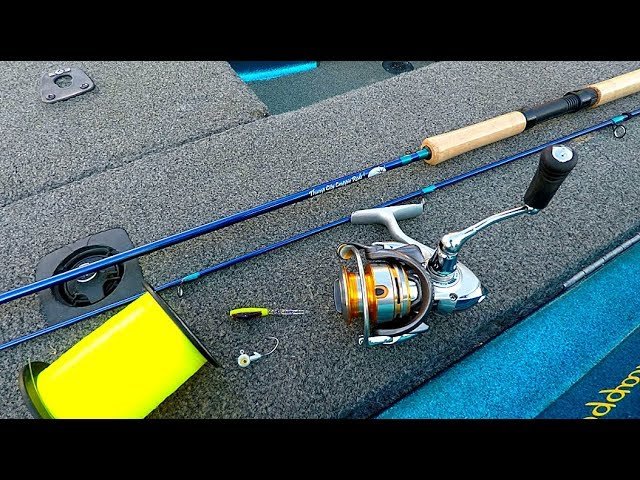
Great form with the wrong setup still limits you. Match the whole system so it works as one. This is the base of how to cast a fishing rod far.
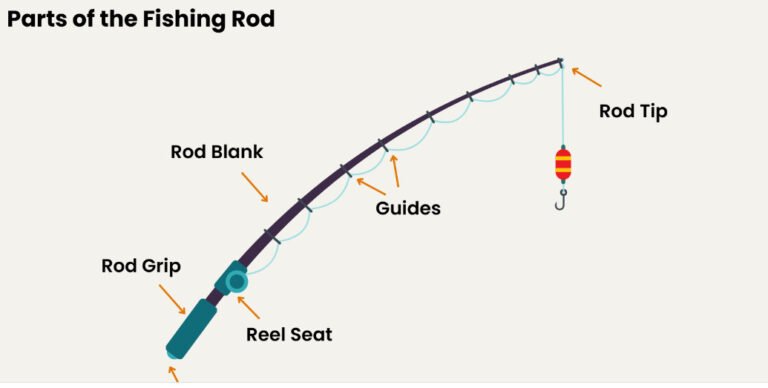
Rod: length, power, and action
- Length: 7 to 9 feet for bank and boat. Up to 10 to 12 feet for surf.
- Power: Medium to medium-heavy for most lures.
- Action: Fast to moderate-fast loads deep yet recovers quick.
- Tip: Pick a rod with a true lure weight sweet spot you will use most.
Personal note: My 9-foot moderate-fast surf rod beats my stiff broomstick by 20 yards. It loads easy and slings plugs with less effort.
Reel: spool design and control
- Spinning: Easy to learn. Large, shallow spools reduce line coils.
- Baitcaster: Further with skill. Low spool mass, tuned brakes, and clean bearings help.
- Setup: On baitcasters, set spool tension so the lure falls slow and stops on drop. Use light brake for practice, then back off as form improves.
Line: diameter and memory
- Braid: Thin, low stretch, flies far. Great choice for distance.
- Mono: More stretch, more memory, more drag. Good for shock, less for max range.
- Leader: Add a mono or fluoro leader for abrasion and knot ease.
Tip: I use 10 to 20 lb braid for most long-cast work. It shoots clean and holds knots well. This one change can help you learn how to cast a fishing rod far with less force.
Lure weight and shape
- Match lure to rod’s rated range.
- Aerodynamic shapes cast better. Think slim metals, pencil poppers, and lipless cranks.
- Heavier is not always farther. Stay in the sweet spot.
Knots and guides
- Use compact knots like FG or Alberto to pass clean through guides.
- Check guide alignment and smooth inserts. Rough guides kill distance.

Step-by-step: how to cast a fishing rod far
This is the repeatable playbook I use and teach. Practice it slow, then speed up.
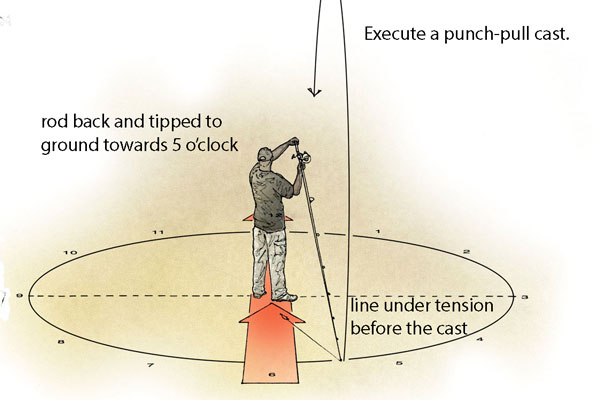
- Stance and aim
- Face your target at a slight angle. Feet shoulder-width apart.
- Point your front foot where you want the lure to fly.
- Grip and line control
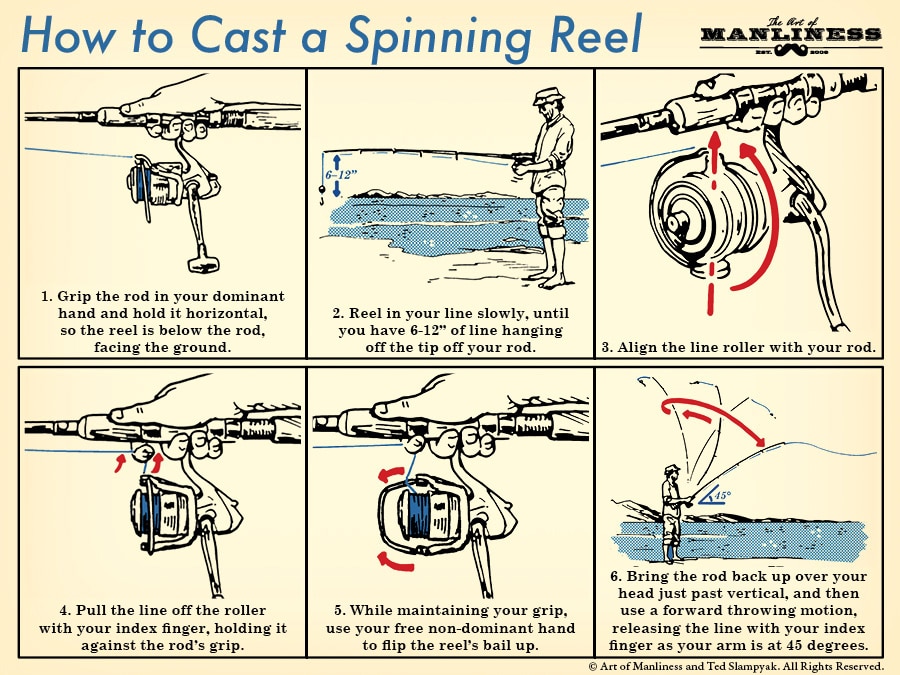
- Spinning: Index finger hooks the line. Bail closed until you set up.
- Baitcaster: Thumb light on spool. Keep it ready to feather.
- Load the rod
- Start with 12 to 24 inches of leader outside the tip.
- Sweep the rod back smooth. Feel the rod bend.
- Move your hips and shoulders, not just arms.
- Forward stroke
- Drive forward in one smooth arc. Keep the tip on a clean path.
- Hands pass like a door hinge. Do not chop or jab.
- Release timing
- Let go as the tip passes eye level.
- Aim near 43–45 degrees in calm air. Lower the angle in headwind.
- Follow-through and line control
- Finish with the tip pointing at the flight path.
- Feather the line with your finger or thumb to stop wobble.
- Splashdown soft. Close bail by hand on a spinner to protect the line.
Checklist to refine how to cast a fishing rod far:
- Smooth backswing. Smooth forward stroke.
- Load deep, not fast jerky hits.
- Release a touch earlier rather than late. Late release dives the lure.
Advanced casting techniques and pro tips
Once basics feel easy, add these to unlock more yards. This is where many anglers finally nail how to cast a fishing rod far.
Off-the-ground cast (OTG)
- Start with the lure on the sand or grass behind you.
- Sweep to lift and load, then drive forward.
- Keeps tension and builds a deeper bend.
Pendulum cast (for experienced casters)
- Swing the lure in a small arc to pre-load the rod.
- Time the forward stroke as the lure reaches the apex.
- Demands practice and space. Powerful when done right.
Spool and line tuning
- Fill the spool near the lip but do not overfill.
- Use quality braid. Wash and dry after salt trips.
- For baitcasters, keep bearings clean. Use light oil sparingly.
Shock leader and safety
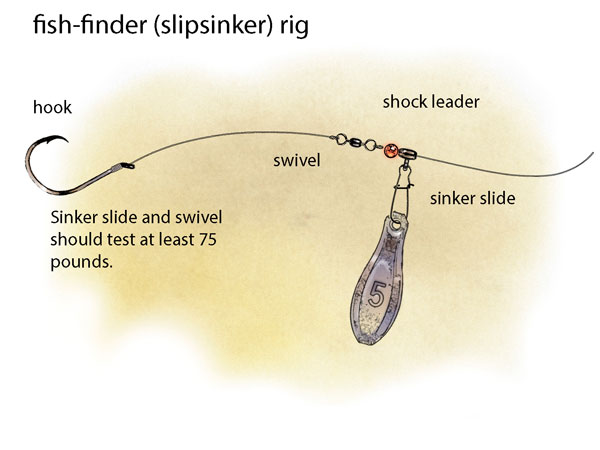
- For heavy lures, add a longer mono leader. It absorbs the hit.
- Use strong knots and fresh line. Inspect for nicks often.
Personal field note: I gained about 15 yards by lowering my release angle into a 15 mph headwind and switching from 20 lb mono to 15 lb braid. The cast felt lighter yet flew straighter.
Practice plan, drills, and common mistakes
A simple plan beats random casts. This plan helps you master how to cast a fishing rod far in days, not months.
Practice plan
- Warm-up: 10 smooth casts at 60% power.
- Form set: 10 casts focused on early release.
- Power set: 10 casts at 80–90% with clean follow-through.
- Review: Mark your longest cast. Note what felt right.
Drills
- Cone drill: Set cones at 60, 80, and 100 feet. Aim and log hits.
- Angle drill: Vary release from 30 to 50 degrees. Track range.
- Line drill: Try two line sizes back-to-back. Feel the drag change.
Common mistakes to avoid
- Overpowering. Power kills form and adds tip wobble.
- Late release. It sends the lure down and short.
- Slack at start. Keep gentle tension before you swing.
- Overfull spool. It can cause wind knots and blowups.

Read the conditions and stay safe
Conditions change your plan. Read them like a pilot.
- Wind: Lower your angle in headwind. Raise slightly in tailwind. Crosswind needs a side aim.
- Tide and current: Cast parallel to seams. Lures track better and hold depth.
- Temperature: Cold stiffens mono and rod blanks. Warm gear runs smoother.
- Space and safety: Check behind you. Warn others. Wear glasses. Barbs and swinging lures are no joke.
Risk note: On jetties and surf, watch sets and wet rocks. One more step is not worth a fall.

Troubleshooting short casts
Use this quick checklist when distance drops.
- The rod feels dead: Lure may be too light or heavy. Match the rating.
- Line snarls or coils: Spool is too full, too loose, or line has memory. Strip and re-spool.
- Lure wobbles in air: It is not aerodynamic. Switch to a slimmer profile.
- Tip slaps: You are jerking, not sweeping. Slow down and smooth out.
- Not sure how to cast a fishing rod far in wind: Drop the angle and use thinner braid.

Frequently Asked Questions of how to cast a fishing rod far
How to cast a fishing rod far with a spinning reel?
Use a long, moderate-fast rod, thin braid, and a clean, shallow spool. Release a touch early and close the bail by hand to protect the line.
How to cast a fishing rod far without backlash on a baitcaster?
Set spool tension so the lure drops slowly and stops on impact. Start with more brake, then reduce as your thumb control improves.
What is the best release angle to cast far?
In calm air, aim near 43–45 degrees. In headwind, lower the angle to cut drag and keep the lure from ballooning.
Does braid really cast farther than mono?
Yes, braid is thinner and has less memory, so it faces less air and guide drag. It also keeps energy transfer tight due to low stretch.
How to cast a fishing rod far with light lures?
Use a softer tip and lighter braid to load the rod. Make a longer, smoother stroke and release a bit earlier.
What rod length helps me cast the farthest?
Longer rods add leverage and line speed. For shore fishing, 8 to 10 feet often gives a clear edge.
How do I stop wind knots on spinning gear?
Do not overfill the spool, and keep a slight pull on the line before you cast. Close the bail by hand and check for loose loops.
How to cast a fishing rod far from a crowded pier?
Angle your casts with the wind and use slim metals. Time your cast between other lines and call it out before you swing.
Will lubrication on a baitcaster add distance?
Clean bearings and a light oil can add yards. Avoid heavy grease on spool bearings; it slows startup.
What’s the fastest way to improve my distance this week?
Switch to thin braid, match the lure to your rod, and practice early releases. Log your longest cast and repeat what worked.
Conclusion
Casting far is a skill you can build fast with the right plan. Match your gear, use smooth power, and fine-tune release angle. Track small gains, and they will stack into big distance.
Take this guide to the field today. Pick one drill, practice ten clean casts, and note your best. If you found this helpful, share it with a friend, subscribe for more tips, or drop a question so we can go deeper together.