A Complete Guide on How to Make a Fishing Pond
Building your own fishing pond is a rewarding project that provides endless angling fun. This complete guide on how to make a fishing pond walks you through every step, from choosing the right location to stocking fish and maintaining water quality. Follow these expert tips to create a healthy, self-sustaining ecosystem right in your backyard.
Imagine having your own fishing pond right in your backyard. You step outside, cast a line, and relax while the water ripples. No more driving to crowded lakes or waiting for a spot. Building a fishing pond is a big project, but it’s totally doable with the right plan. This guide will show you exactly how to make a fishing pond from start to finish. We’ll cover site selection, digging, installing a liner, adding water, fish stocking, and ongoing care. By the end, you’ll have all the knowledge you need to create a thriving fishing spot.
Whether you’re an experienced angler or just starting, a backyard pond brings the sport closer to home. It’s also a great way to teach kids about nature and responsible fishing. Let’s dive in and turn your dream into reality.
## Choosing the Perfect Location for Your Fishing Pond
The first step in how to make a fishing pond is picking the right spot. A bad location leads to problems like leaks, algae blooms, or fish kills. Take your time here.
### Consider Sunlight and Shade
Fish need sunlight for warmth, and plants need it for growth. But too much sun causes algae. Aim for a spot that gets about 5–6 hours of direct sunlight per day. Partial shade from nearby trees is okay, but avoid heavy shade that blocks all light.
### Check Soil Type and Drainage
Clay soil is ideal because it holds water well. Sandy or rocky soil may require more liner or compaction. Do a simple percolation test: dig a small hole, fill it with water, and see how fast it drains. If it drains quickly, you’ll need a good liner.
### Stay Away from Trees and Utilities
Roots can puncture your pond liner, and falling leaves add organic matter that rots and fouls the water. Also, avoid underground power lines, gas lines, or septic tanks. Call your local utility company to mark buried lines before you dig.
### Think About Access and Aesthetics
Place your pond where you can easily reach it for fishing and maintenance. A flat area near your house or garden is perfect. Also, consider the view – you’ll be spending a lot of time looking at it.
## Excavation and Pond Design
Visual guide about building a fishing pond
Image source: contentgrid.homedepot-static.com
Once you’ve chosen the spot, it’s time to dig. This is the most labor-intensive part of how to make a fishing pond. You can rent a mini excavator or hire a professional if you’re not up for manual digging.
### Determine Pond Size and Depth
A fishing pond should be at least 1/4 acre for a decent fish population. Depth matters too. In cold climates, dig to at least 6 feet deep so fish can survive winter. In warmer areas, 3–4 feet is enough. Include a shallow shelf (1–2 feet deep) around the edges for plants and spawning areas.
### Shape the Pond for Better Ecology
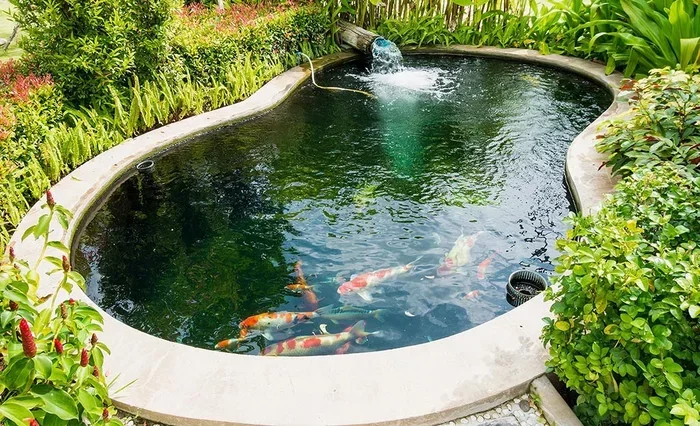
A kidney or oval shape is better than a perfect circle. It creates different zones: shallow areas for plants, deep areas for fish, and a gradual slope for easy access. Vary the depth to create thermal layers. Use a string or hose to outline the shape before digging.
### Remove Rocks and Roots
While digging, remove all sharp rocks, tree roots, and debris. They can tear the liner later. Smooth the bottom and sides. If you hit a large rock, either remove it or adjust the shape.
## Installing the Pond Liner
Visual guide about building a fishing pond
Image source: westernliner.com
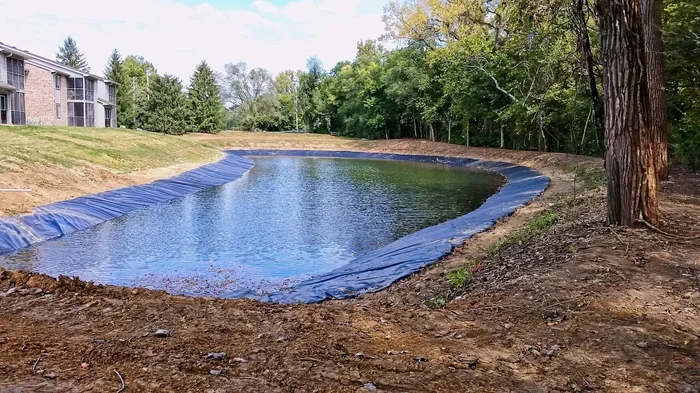
A liner is essential to prevent water loss. Without it, your pond will seep into the ground. Here’s how to install it correctly.
### Choose the Right Liner Material
Two popular options are EPDM rubber and PVC. EPDM is more flexible and durable, lasting 20–30 years. PVC is cheaper but less puncture-resistant. For a fishing pond, go with EPDM – it’s worth the investment.
### Calculate Liner Size
Measure the pond’s length, width, and depth. Add twice the maximum depth to each dimension. For example, a 20×30 foot pond that is 5 feet deep needs a liner 30×40 feet (20+25=30, 30+25=40). This gives you enough overlap.
### Lay the Liner and Add Underlayment
Before placing the liner, spread a layer of sand or geotextile fabric. This protects the liner from punctures. Then unfold the liner and let it settle. Smooth out wrinkles but don’t pull too tight – water will push it into place.
### Secure the Edges
Dig a trench around the pond’s perimeter and bury the liner edges. This hides the liner and prevents it from slipping. You can also use rocks or soil to hold it down. Make sure the liner extends at least 1 foot beyond the edge.
## Filling, Water Quality, and Aeration
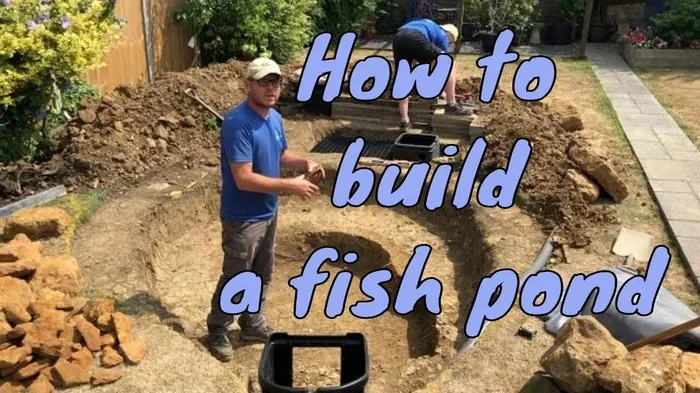
Visual guide about building a fishing pond
Image source: i.ytimg.com
Now it’s time to add water. But don’t just fill from a hose. You need to treat the water to make it fish-friendly.
### Dechlorinate the Water
Tap water contains chlorine and chloramines that kill fish. Use a dechlorinator or let the water sit for 48 hours before adding fish. Better yet, collect rainwater or use a well.
### Test and Adjust Water Chemistry
Before adding fish, test the pH, ammonia, nitrite, and nitrate levels. Ideal pH is between 6.5 and 8.5. Ammonia should be zero. Use test strips or a liquid kit. If levels are off, add beneficial bacteria or adjust with pH buffers.
### Install Aeration and Filtration
Fish need oxygen. A pond pump or air stone keeps the water aerated, especially in summer. A biological filter helps remove waste and keeps water clear. Consider a waterfall or fountain – they look great and add oxygen.
### Add Beneficial Bacteria
Products like pond sludge remover or bacteria pellets help break down organic waste. They reduce algae and keep the pond clean. Add them weekly for the first month.
## Stocking Your Fishing Pond with Fish
The most exciting part of how to make a fishing pond is adding fish. But you need to choose the right species and numbers.
### Select Fish Species for Your Climate
Common pond fish include bluegill, largemouth bass, channel catfish, and crappie. In cold climates, rainbow trout or brook trout are good options. For warm climates, consider tilapia or koi (though koi are ornamentals, not for eating). Check local regulations – some species may be restricted.
### Stocking Rates and Balance
A general rule is 500–1000 fish per acre for a balanced pond. Overstocking leads to stunted growth and poor water quality. Start with a mix: 10% predatory fish (bass) and 90% prey fish (bluegill). This creates a natural food chain.
### Acclimate Fish to the Pond
When you bring fish home, float the bag in the pond for 15 minutes to equalize temperature. Then slowly add pond water to the bag every 5 minutes for another 30 minutes. Finally, release the fish gently. This reduces shock.
### Provide Fish Food and Habitat
Even with a natural ecosystem, supplemental feeding helps growth. Use floating pellets for bluegill and catfish. Add structures like submerged logs, PVC pipes, or artificial fish shelters. These give fish hiding spots and reduce stress.
## Adding Aquatic Plants and Landscaping
Plants turn a sterile pond into a living ecosystem. They provide oxygen, cover for fish, and filter nutrients. They also make the pond look beautiful.
### Choose the Right Plants
Use a mix of submerged plants (like hornwort or anacharis), floating plants (like water lilies or duckweed), and marginal plants (like cattails or iris). Avoid invasive species.
### Plant in Shallow Zones
Place marginal plants on the shallow shelf. Submerged plants can be anchored in pots or loose on the bottom. Floating plants simply sit on the surface. Don’t overplant – cover about 30–40% of the surface.
### Landscape Around the Pond
Add rocks, gravel, or flagstone around the edges to create a natural look. Plant grasses or shrubs nearby to attract wildlife. A small dock or fishing platform makes it easier to set up a fishing rod and cast comfortably.
## Maintenance and Long-Term Care
A fishing pond isn’t set-and-forget. Regular care keeps the ecosystem healthy and fish happy.
### Weekly and Monthly Tasks
– Check water clarity and test pH, ammonia, and oxygen weekly.
– Remove debris like leaves and algae mats.
– Clean filters and pumps monthly.
– Fertilize the pond in spring if needed to boost plankton growth.
### Seasonal Maintenance
In fall, cover the pond with a net to catch falling leaves. In winter, if you live in a cold area, keep a hole in the ice for gas exchange. In spring, do a thorough clean and add beneficial bacteria.
### Common Problems and Fixes
– Algae blooms: Reduce feeding, add plants, or use algaecide.
– Low oxygen: Add aeration or turn off the fountain at night.
– Fish kills: Check for ammonia spikes or low oxygen. Immediately do a partial water change.
– Leaks: If water level drops, inspect the liner for tears. Patch with a repair kit.
If you encounter a broken rod while fishing, you can learn how to fix a broken fishing rod quickly. And for beginners, our fishing guide for beginners covers everything from casting to catching.
## Conclusion
Building your own fishing pond is a fulfilling project that brings years of enjoyment. From planning the location to stocking fish and maintaining water quality, every step matters. Now you know how to make a fishing pond that is healthy, beautiful, and full of fish. Start with the right site, use a quality liner, and keep an eye on water parameters. With a little effort, you’ll have a private fishing paradise right outside your door.
Remember, the best part is the fishing itself. So grab your gear, tie on a hook, and enjoy the rewards of your hard work. Happy fishing!
Key Takeaways
- Choose the right location: Pick a spot with good drainage, proper sunlight, and away from trees to avoid leaf debris.
- Excavate and shape your pond: Dig to varying depths (3–6 feet for cold climates) and include a shallow shelf for aquatic plants.
- Install a quality pond liner: Use a durable rubber or PVC liner to prevent leaks and ensure a long-lasting pond.
- Maintain water quality: Test pH, ammonia, and oxygen levels regularly, and add aeration and filtration as needed.
- Stock fish wisely: Choose species suited to your climate and pond size, and avoid overstocking.
- Add plants and structures: Aquatic plants provide cover, reduce algae, and improve the ecosystem.
- Plan for ongoing maintenance: Regular cleaning, debris removal, and water testing keep your pond healthy year-round.
Frequently Asked Questions
How long does it take to build a fishing pond?
Depending on size and complexity, it can take anywhere from a few weeks to a few months. Excavation and liner installation are the most time-consuming parts, but once the pond is filled and treated, you can stock fish within a few weeks.
How deep should a fishing pond be?
A fishing pond should be at least 3 feet deep in warm climates and 6 feet deep in cold climates to prevent winterkill. Include a shallow shelf around the edges for plants and spawning areas. Deeper areas also give fish a refuge from heat and predators.
What fish are best for a backyard fishing pond?
Bluegill, largemouth bass, and channel catfish are popular choices for warm ponds. For cold climates, rainbow trout or brook trout work well. Always check local regulations before stocking. A balanced mix of predator and prey fish keeps the ecosystem healthy.
Do I need a permit to build a fishing pond?
Many areas require permits for excavation, especially if you’re building a pond over a certain size or if it affects drainage. Contact your local zoning or environmental office to find out the rules. Failing to get a permit can lead to fines or forced removal.
How do I keep the water clear and clean?
Use a combination of aeration, filtration, and aquatic plants. Test water regularly and add beneficial bacteria to break down waste. Avoid overfeeding fish and remove excess debris. If algae become a problem, reduce sunlight or use an algaecide.
Can I swim in my fishing pond?
Yes, but be careful. Swimming can stir up sediment and disturb fish. Also, some fish like catfish have sharp spines. If you plan to swim, designate a separate area or avoid swimming during feeding times. Always check for underwater hazards.