How to Attach a Bobber to Fishing Line in 3 Easy Steps
Attaching a bobber to your fishing line is simple once you know the right knot. This guide shows you three easy methods for fixed and slip bobbers. You’ll learn step-by-step techniques, common mistakes to avoid, and pro tips to improve your fishing success.
Fishing with a bobber is one of the easiest ways to know when a fish bites. That red-and-white float bobbing on the water is a classic sight. But if you’re new to angling, you might wonder how to attach a bobber to a fishing line the right way. It’s not complicated. With a few simple steps, you’ll have your bobber rigged and ready to cast.
In this guide, I’ll walk you through three easy methods. You’ll learn about fixed bobbers, slip bobbers, and even how to attach a strike indicator. I’ll also share common mistakes and expert tips. By the end, you’ll feel confident setting up your own bobber rig for trout, panfish, or bass.
Let’s dive in.
Key Takeaways
- Choose the right bobber type: Fixed bobbers work in shallow water; slip bobbers are best for deep fishing.
- Use a bobber stop for slip rigs: A small knot or rubber stop lets the bobber slide and adjust depth easily.
- Master the simple knot method: Tying the line directly to the bobber’s clip or eye is quick and reliable.
- Adjust depth correctly: Set the bobber so your bait hangs just above the bottom or where fish are feeding.
- Avoid over-tightening knots: Too much force can weaken the line or crack the bobber.
- Practice makes perfect: Try different bobber styles and rigs to find what works best for your local waters.
📑 Table of Contents
What Is a Bobber and Why Should You Use One?
A bobber, also called a float, is a small buoyant device that sits on the water’s surface. It does two things: it suspends your bait at a specific depth, and it signals when a fish takes the bait. When a fish pulls, the bobber dips or moves.
Bobbers are great for beginners because they make fishing visual and fun. You don’t need to feel a bite – you can see it. They’re also useful for fishing in weedy areas or when you want to keep your bait off the bottom.
There are many types of bobbers, but the most common are:
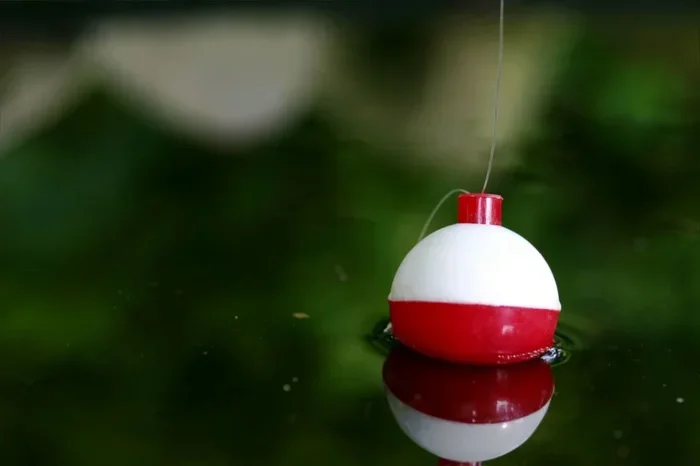
- Round plastic bobbers – classic red-and-white, usually with a spring clip.
- Slip bobbers – slide freely on the line, adjustable for any depth.
- Pencil floats – long and thin, good for casting in wind.
- Strike indicators – small foam or yarn pieces used in fly fishing.
Each style attaches a bit differently. We’ll cover the most popular methods below.
How to Attach a Bobber to Fishing Line in 3 Easy Steps
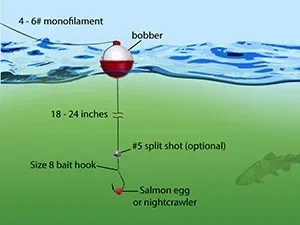
Visual guide about attaching bobber to fishing line
Image source: myodfw.com
Whether you’re using a fixed bobber or a slip bobber, the process is straightforward. Let’s break it down.
Method 1: Attaching a Fixed Bobber (Spring Clip Style)
This is the simplest method. Most round plastic bobbers have a small spring clip or a push-button mechanism. Here’s how to do it:
1. Pull out the spring clip – On the bottom of the bobber, there’s a small peg or clip. Pull it out to open the wire.
2. Insert your fishing line – Lay the line into the groove or hook it around the wire.
3. Close the clip – Push the peg back in. The line is now trapped inside the bobber.
4. Adjust depth – Slide the bobber up or down the line to set how deep your bait hangs.
That’s it. No knot needed. This method works well for shallow water and when you don’t need to cast far.
Method 2: Tying a Fixed Bobber with a Knot
Some bobbers have a small eyelet or a hole at the bottom. You tie your line directly to this eye. Here’s a simple knot:
1. Thread the line through the eye – Pass about 6 inches of line through the bobber’s eye.
2. Tie an overhand knot – Wrap the tag end around the main line twice, then pass it through the loop. Pull tight.
3. Trim the tag end – Cut off the excess, leaving about 1/8 inch.
This knot holds the bobber in a fixed position. It’s great for still fishing in ponds or lakes.
Method 3: Attaching a Slip Bobber with a Bobber Stop
Slip bobbers allow you to fish deep water without a long leader. The bobber slides up and down the line until it hits a stop. Here’s the setup:
1. Thread the line through the bobber – Most slip bobbers have a hollow tube. Pass your main line through it from top to bottom.
2. Add a bobber stop – Above the bobber, tie a small knot or slide on a rubber bobber stop. This stop will hold the bobber at your desired depth.
3. Add a bead – Slide a small plastic bead between the stop and the bobber. The bead protects the knot from slipping through the bobber.
4. Tie on your hook or lure – Below the bobber, tie your terminal tackle. The distance between the bobber and hook is the fishing depth.
To adjust depth, simply slide the bobber stop up or down the line. Slip bobber rigs are excellent for targeting fish in deep channels or drop-offs.
Different Types of Bobbers and How to Attach Each
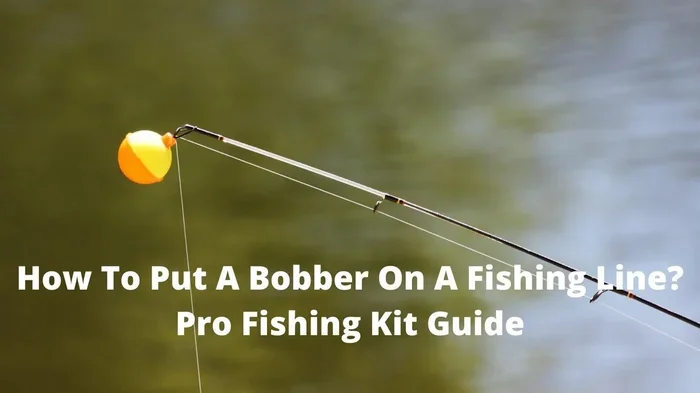
Visual guide about attaching bobber to fishing line
Image source: backcastflyfishing.com
Not all bobbers attach the same way. Here’s a quick comparison table to help you choose:
| Bobber Type | Attachment Method | Best For |
|---|---|---|
| Round plastic (spring clip) | Clip onto line | Shallow water, kids, beginners |
| Round plastic (eye) | Tie knot to eye | Fixed depth, still fishing |
| Slip bobber | Line through tube + bobber stop | Deep water, casting distance |
| Pencil float | Line through bottom eye | Windy conditions, rivers |
| Strike indicator (fly fishing) | Thread line through foam or use yarn | Fly fishing, delicate presentations |
If you’re fishing for trout in a stream, a slip bobber or pencil float might work better. For panfish in a pond, a simple spring clip bobber is perfect.
Common Mistakes When Attaching a Bobber
Visual guide about attaching bobber to fishing line
Image source: tygerleader.com
Even experienced anglers make mistakes. Avoid these to save time and frustration:
- Not setting the depth correctly – Your bait should be near where fish are feeding. Adjust until you get bites.
- Using the wrong bobber size – A bobber that’s too large will spook fish; too small won’t hold up your bait.
- Forgetting a bead on slip rigs – Without a bead, the bobber stop can slip through the bobber’s hole.
- Over-tightening knots – This can weaken the line or crack plastic bobbers. Snug is enough.
- Not checking for line twists – A twisted line can cause your bobber to spin or lie sideways.
Tips for Using Bobbers Effectively
Now that you know how to attach a bobber to a fishing line, here are some pro tips to catch more fish:
- Match bobber size to bait – Use a small bobber for worms or crickets, a larger one for minnows.
- Use a slip bobber in current – It allows the bait to drift naturally without dragging the bobber.
- Add a split shot – A small weight 12–18 inches above the hook helps the bait sink and keeps the bobber upright.
- Watch the bobber closely – Sometimes a subtle twitch is the only sign. Don’t wait for it to go under completely.
- Experiment with depth – If you’re not getting bites, move the bobber up or down by 6 inches.
If you’re just starting out, check out our Fishing Guide For Beginners for more basics. And for a deeper dive into bobber types, read What Are Bobbers Used For In Fishing.
Setting Up a Complete Bobber Rig
Let’s put it all together. Here’s a step-by-step for a basic fixed bobber rig:
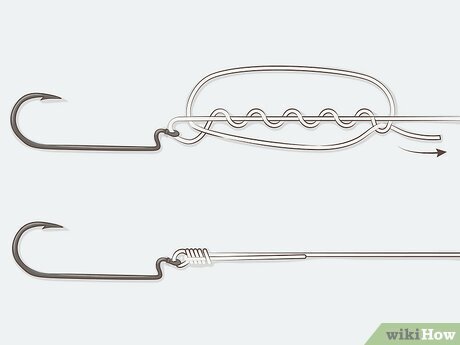
1. Tie a hook – Use an improved clinch knot to attach a hook to the end of your line.
2. Add a split shot – Pinch a small split shot 12–18 inches above the hook.
3. Attach the bobber – Use your preferred method (clip or knot) to secure the bobber above the split shot.
4. Bait the hook – Thread a worm or other bait onto the hook.
5. Cast and wait – Let the bobber settle. Watch for any movement.
For a slip bobber rig, you’ll need a bobber stop, bead, and slip bobber. Thread everything in order: bobber stop, bead, slip bobber, then tie a swivel or hook below. The bobber stop sits above the bead, and the bobber slides between the bead and the hook.
If you’re targeting trout, our article on How To Set Up A Fishing Rod For Trout offers specific rigging tips.
Conclusion
Now you know how to attach a bobber to a fishing line using three easy methods. Whether you choose a fixed spring clip, a tied knot, or a slip bobber with a stop, the key is to match the rig to your fishing situation.
Remember these main points:
– Fixed bobbers are simple and great for beginners.
– Slip bobbers give you depth flexibility.
– Always adjust depth until you find fish.
– Avoid common mistakes like wrong bobber size or missing a bead.
Practice these techniques next time you’re on the water. You’ll see more bites and have more fun. For more fishing tips, read our Best Fishing Tips Every Angler guide. And if you’re interested in learning about beads used in rigging, check out What Are Beads For In Fishing.
Tight lines!
Frequently Asked Questions
What is the best knot to attach a bobber to fishing line?
The best knot depends on the bobber type. For a fixed bobber with an eye, use an overhand knot or an improved clinch knot. For slip bobbers, you don’t tie the bobber itself – you use a bobber stop knot above it.
Can I use a bobber with braided line?
Yes, you can. Braided line is thinner and stronger, but it can slip through some bobber clips. For slip bobbers, make sure your bobber stop is tight enough. A rubber stop works better than a string stop on braid.
How do I prevent my bobber from sliding down the line?
For fixed bobbers, the clip or knot holds it in place. For slip bobbers, the bobber stop above the bead prevents sliding. Make sure the stop is tied securely and the bead is large enough to not pass through the bobber.
What size bobber should I use for panfish?
Small bobbers (1–2 inches in diameter) work best for panfish like bluegill and crappie. They’re less visible to fish and won’t spook them. Use a larger bobber only if you need to cast farther or hold a heavier bait.
How do I attach a slip bobber without a bobber stop?
You can use a small piece of rubber band or a split shot as a temporary stop. But a proper bobber stop is more reliable. You can also tie a simple overhand knot in the line above the bobber – just make sure it’s not too tight to damage the line.
Why does my bobber keep tipping over?
A tipping bobber usually means the bait is too heavy for the bobber, or the split shot is placed too close to the hook. Move the split shot farther from the hook, or use a larger bobber. Also check that your line isn’t twisted.