Best Fishing Pole Rod Tips in 2026
Mastering fishing pole rod tips can transform your time on the water from frustrating to fantastic. Whether you’re a seasoned angler or just getting started, understanding how to choose, maintain, and use your rod tip effectively is the secret to more bites and better hooksets. In this guide, we’ll share proven rod tip techniques that help you detect subtle bites, cast with precision, and extend the life of your favorite fishing rod.
There’s a moment every angler knows well. You’re standing on the bank, line in the water, and you feel the faintest little tap. Was that a fish? Was that a rock? If you’ve ever lost a fish because you couldn’t quite feel what was happening at the end of your line, the problem might not be your technique — it might be your rod tip. The tip of your fishing rod is the most critical point of contact between you and the fish. It’s where sensitivity, accuracy, and control all come together. Understanding how to choose the right tip, position it correctly, and keep it in top shape can make a bigger difference in your fishing success than almost any other piece of gear.
In this comprehensive guide, we’ll walk you through everything you need to know about fishing pole rod tips — from the different types and materials to maintenance tips and common mistakes. Whether you’re chasing bass in a farm pond or trolling for tuna offshore, these tips will help you get the most out of every cast.
- Rod tip action matters: Fast-action tips offer greater sensitivity for detecting light bites, while slow-action tips provide more flexibility and shock absorption when fighting fish.
- Match your rod tip to your target species: Lighter rod tips work best for panfish and trout, while heavier tips are essential for bass, pike, and saltwater species.
- Inspect your rod tips regularly: Worn, cracked, or damaged rod guides and tips can cut your line and cost you fish. Replace them at the first sign of wear.
- Proper rod tip maintenance extends rod life: Clean your rod tip and guides after every trip, especially after saltwater fishing, to prevent corrosion and damage.
- Rod tip position affects bite detection: Keeping your rod tip at the right angle — typically 45 degrees above the water — maximizes sensitivity and hook-setting power.
- Upgrade your rod tip for better performance: Aftermarket ceramic or titanium rod tips can dramatically improve line flow, reduce friction, and increase casting distance.
- Practice proper rod handling: Avoid high-sticking (pointing the rod straight up) to prevent tip breakage, especially when fighting large fish.
Quick Answers to Common Questions
What is the best rod tip action for beginners?
A medium-fast action rod tip is ideal for beginners. It offers a good balance of sensitivity and forgiveness, making it easier to detect bites while also absorbing the shock of a fish’s sudden runs. This versatility works well with a wide range of lures and techniques.
How often should I replace my rod tip?
Replace your rod tip-top whenever you notice visible damage like cracks, chips, or looseness. For frequent anglers, an annual inspection is a good habit. If you fish in saltwater, check more often since corrosion can accelerate wear.
Can a damaged rod tip break my fishing line?
Absolutely. A cracked or nicked guide insert acts like a razor against your line, especially under tension. Even a small imperfection can weaken your line by up to 50%, leading to unexpected break-offs during casting or while fighting a fish.
What rod tip position is best for detecting bites?
Hold your rod at approximately 45 degrees above the water with your tip pointed toward your bait. This position maximizes sensitivity while maintaining enough line tension to set the hook effectively when a fish bites.
Are expensive rod tips worth the investment?
In most cases, yes. Higher-quality rod tips made from silicon carbide or titanium offer smoother line flow, better heat dissipation, and greater durability. The upgrade cost is modest compared to the performance improvement and the fish you’ll save from break-offs.
📑 Table of Contents
- Understanding Fishing Rod Tip Basics
- Choosing the Right Rod Tip for Your Fishing Style
- Rod Tips for Better Bite Detection
- Casting Tips Using Your Rod Tip
- Rod Tip Maintenance and Care
- Common Rod Tip Mistakes to Avoid
- Upgrading Your Rod Tip for Better Performance
- Expert Insights on Rod Tip Selection
- Conclusion
Understanding Fishing Rod Tip Basics
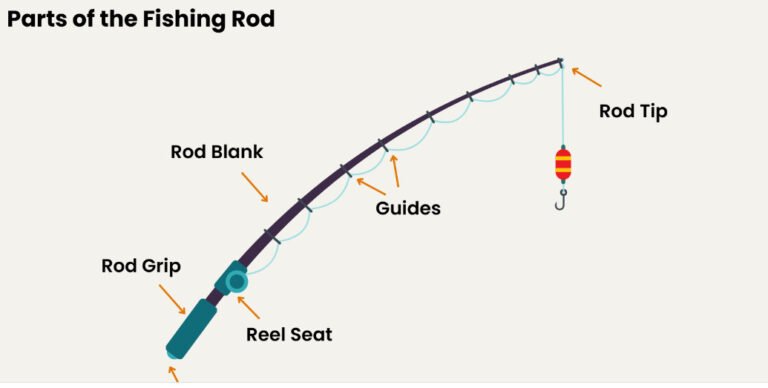
Before diving into specific tips and techniques, it helps to understand what the rod tip actually does and why it’s so important. The rod tip is the uppermost section of your fishing rod, including the tip-top guide (the small ring at the very end) and the last few guides below it. This area of the rod flexes the most during casting and when fighting fish, making it the most sensitive and vulnerable part of your entire setup.
How Rod Tip Action Affects Performance
Rod tip action describes how much of the rod bends when pressure is applied. A fast-action rod bends primarily in the top third, giving you incredible sensitivity and powerful hooksets. A moderate-action rod bends through the middle, offering a good balance of sensitivity and flexibility. A slow-action rod bends all the way down toward the handle, providing maximum shock absorption.
Here’s a quick breakdown of how each action type performs:
- Fast action: Best for jigging, worm fishing, and situations where you need to feel every little nibble. Ideal for bass fishing and walleye anglers who rely on subtle bite detection.
- Moderate action: Great all-around choice for beginners. Works well with crankbaits, spinnerbaits, and live bait rigs. The extra flex helps prevent pulled hooks.
- Slow action: Perfect for light line fishing and small species like trout and panfish. The parabolic bend protects thin tippets and makes fighting small fish more fun.
The Role of Rod Guides and Tip-Top
The guides along your rod — especially the tip-top — play a huge role in how your line flows during casting and retrieval. Cheap or damaged guides create friction, which reduces casting distance and can weaken your line over time. Quality guides made from materials like silicon carbide (SiC), titanium, or ceramic offer smoother line flow and better heat dissipation.
If you’re just getting into angling and want to understand the fundamentals, our Fishing Guide For Beginners is a great place to start building your knowledge base.
Choosing the Right Rod Tip for Your Fishing Style
Not all rod tips are created equal, and the right choice depends on what you’re fishing for, where you’re fishing, and how you like to fish. Picking the wrong rod tip can lead to missed bites, lost fish, and a lot of frustration.
Matching Rod Tip to Target Species
Different fish require different levels of sensitivity and power. Here’s a general guide:
- Panfish and trout (light action): Use an ultra-light or light-power rod with a fast-action tip. These fish often nibble gently, and you need a sensitive tip to detect those subtle bites.
- Bass and walleye (medium to medium-heavy): A medium-power rod with a fast or extra-fast tip gives you the sensitivity to feel a bass pick up a plastic worm and the backbone to drive the hook home.
- Pike and musky (heavy action): These toothy predators require a heavy rod with a fast tip for casting big lures and setting hooks in bony mouths.
- Saltwater species (medium-heavy to extra-heavy): Saltwater fishing demands durable rod tips that can handle powerful fish and corrosive environments. If you fish in the ocean, check out our Saltwater Fishing Tips for more specialized guidance.
Rod Tip Power vs. Rod Tip Action
These two terms get confused all the time, but they mean very different things. Power refers to how much force it takes to bend the rod — essentially, the rod’s strength. Action refers to where along the rod the bending occurs. You can have a heavy-power rod with a fast action (common for flipping jigs in heavy cover) or a light-power rod with a slow action (ideal for trout fishing with ultralight gear).
Understanding this distinction helps you choose a rod that matches both the size of fish you’re targeting and the type of lures you’re throwing.
Rod Tips for Better Bite Detection
One of the biggest advantages of a quality rod tip is the ability to feel what’s happening with your bait. Whether a fish is mouthing your lure, bumping your weight, or swimming toward you with a crankbait, a sensitive rod tip tells the story.
Optimal Rod Tip Position for Sensitivity
How you hold your rod dramatically affects bite detection. For the best sensitivity:
- Keep your rod tip at about 45 degrees above the water surface. This angle gives you the best combination of line tension and tip sensitivity.
- Point your rod toward your bait when fishing with jigs, drop shots, or live bait. A straight line from the rod tip to the lure transmits vibrations directly to your hand.
- Lower your rod tip slightly when a fish is circling or approaching your bait. This reduces tension and makes the bite feel more natural.
- Avoid holding your rod too high — pointing straight up removes the rod’s ability to absorb sudden strikes and can result in pulled hooks or broken lines.
Using Your Rod Tip to Read the Bottom
Experienced anglers use their rod tips to “feel” the bottom structure. When you drag a Carolina rig or a jig along the bottom, a sensitive rod tip lets you distinguish between sand, gravel, rocks, and mud. This skill takes practice, but it’s one of the most valuable techniques in fishing. Pay attention to the vibrations and subtle changes in resistance — your rod tip is essentially a sensory extension of your fingertips.
Casting Tips Using Your Rod Tip
Your rod tip plays a starring role in casting accuracy and distance. A smooth, well-executed cast starts with proper tip control.
The Power Stroke and Rod Tip Path
During a cast, the rod tip follows an arc. The shape and speed of that arc determine where your lure goes and how far it travels. Here are the key principles:
- Accelerate smoothly: Don’t jerk the rod. Build speed gradually through the casting stroke and release the line at the right moment — usually when the rod tip points toward your target at roughly 45 degrees.
- Follow through: After releasing the line, let the rod tip continue its natural arc. Stopping the rod abruptly kills accuracy and distance.
- Keep the tip up during the backcast: A common mistake is dipping the rod tip too far back, which creates a wide, looping cast that lacks precision.
- Use the rod’s flex to load the cast: Let the weight of the lure bend the rod, then unload that energy in a fluid forward motion. This is called “loading the rod,” and it’s the foundation of efficient casting.
Adjusting Casting Technique for Different Lures
Heavier lures like spinnerbaits and jigs require a more powerful, shorter casting stroke. Lighter lures like small crankbaits and soft plastics need a longer, smoother stroke to avoid tearing them off the hook. Pay attention to how your rod tip loads with different lure weights, and adjust your timing accordingly.
Rod Tip Maintenance and Care
A damaged or neglected rod tip can ruin an otherwise perfect fishing trip. Taking care of your rod tip is simple, quick, and can save you from losing the fish of a lifetime.
Cleaning Your Rod Tip and Guides
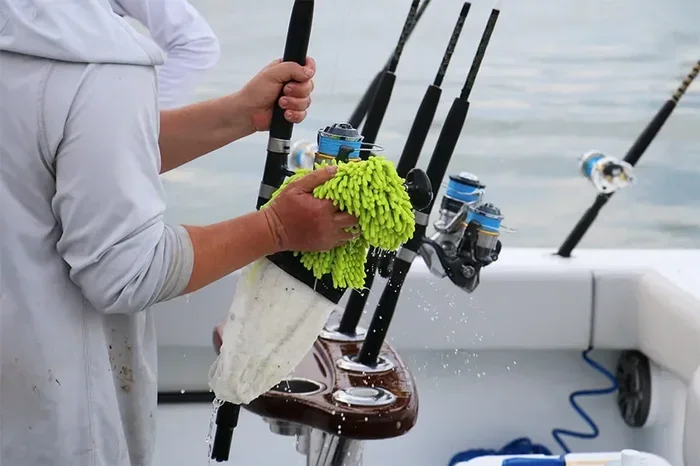
After every fishing trip — especially in saltwater — rinse your rod tip with fresh water. Salt, sand, and grime accumulate in the guide rings and tip-top, creating friction that damages your line and reduces casting performance. Use a soft cloth or cotton swab to wipe down the tip-top and each guide. A quick spray of reel-and-rod cleaner or even a drop of rubbing alcohol can remove stubborn residue.
Inspecting for Damage
Regularly check your tip-top and guides for these warning signs:
- Cracks or chips in the ceramic insert: Even a tiny nick can fray your line and cause a break-off.
- Bent or corroded guide frames: Metal guides can bend from impact or corrode from saltwater exposure.
- Loose or missing tip-top: If the tip-top wiggles or feels loose, the adhesive holding it may have failed.
- Worn guide rings: Run a cotton ball through each guide. If it snags, the insert is worn and needs replacement.
Catching these issues early prevents lost fish and extends the life of your rod. For more advice on keeping your gear in top shape, visit our Best Fishing Tips Every Angler guide.
Replacing a Damaged Rod Tip
Replacing a tip-top is one of the easiest rod repairs you can do at home. Here’s how:
- Remove the old tip-top by gently heating it with a lighter or heat gun to soften the adhesive.
- Pull the old tip off with pliers (use a cloth to avoid scratching the rod).
- Clean the rod tip shaft with rubbing alcohol to remove old adhesive residue.
- Apply a small drop of rod tip glue (available at any tackle shop) to the rod tip shaft.
- Slide the new tip-top onto the rod, making sure it’s aligned straight with the other guides.
- Let it cure for 24 hours before fishing.
Make sure to match the inside diameter of the new tip-top to your rod’s tip size. Most rod blanks have the size printed near the handle, or you can measure with a caliper.
Common Rod Tip Mistakes to Avoid
Even experienced anglers make mistakes that compromise their rod tip performance. Here are the most frequent errors and how to fix them.
High-Sticking Your Rod
High-sticking means pointing your rod straight up — nearly vertical — while fighting a fish. This puts enormous stress on the rod tip and upper sections, which aren’t designed to handle that kind of force. A sudden surge from a big fish can snap your rod tip instantly. Instead, keep your rod at a 45- to 60-degree angle and let the rod’s mid-section absorb the fish’s runs. Use the reel’s drag system to tire the fish out, not brute force from the tip.
Ignoring Worn Guides
Many anglers replace lures, line, and hooks regularly but completely overlook their rod guides. A single worn guide can weaken your line by up to 50%. Replace guides at the first sign of wear — it’s a cheap fix that prevents expensive break-offs.
Using the Wrong Line for Your Rod Tip
Your rod’s line rating is printed near the handle for a reason. Using a line that’s too heavy for your rod tip can overload the guides and reduce sensitivity. Using a line that’s too light increases the risk of breakage. Match your line weight and type to your rod’s specifications for the best performance.
Storing Rods Improperly
Leaning your rod against a wall or tossing it in a truck bed without protection can bend or crack the tip. Use a rod sock or tube for transport, and store rods vertically or horizontally on padded racks. Never stack heavy objects on top of your rods.
Upgrading Your Rod Tip for Better Performance
Sometimes the stock tip that comes with your rod just isn’t good enough. Upgrading to a higher-quality tip-top or guide set can noticeably improve your fishing experience.
Aftermarket Rod Tips Worth Considering
- Fuji SiC guides: The gold standard for rod guides. Super smooth, incredibly durable, and excellent heat dissipation. Ideal for braided line users.
- Titanium frame guides: Lighter than stainless steel and virtually corrosion-proof. Perfect for saltwater applications.
- Ceramic tip-tops: Affordable upgrade that reduces friction and improves casting distance compared to basic aluminum oxide tips.
- Micro guides: Smaller guides placed closer together along the rod. They improve rod flex, increase sensitivity, and can add casting distance.
When to Upgrade vs. Replace
If your rod is mid-range quality with decent blank construction but cheap guides, upgrading the tip-top and guides can breathe new life into it. However, if the rod blank itself is low quality or damaged, you’re better off investing in a new rod entirely. A great set of guides on a poor blank won’t magically become a great rod.
Expert Insights on Rod Tip Selection
Professional anglers and rod builders agree on a few key principles when it comes to rod tips. First, don’t overthink it for your first rod. A quality all-purpose rod with a fast action and medium power will serve you well across many fishing situations. As you gain experience, you’ll naturally develop preferences for specific tip actions based on the techniques you use most.
Second, invest in quality guides from the start. If you’re buying a new rod, look for one with name-brand guides like Fuji, American Tackle, or Alps. The difference in casting smoothness and line protection is noticeable even for casual anglers.
Third, match your rod tip to your dominant technique. If you spend most of your time fishing soft plastics, a fast or extra-fast tip gives you the sensitivity you need. If you throw a lot of treble-hooked lures like crankbaits and topwater plugs, a moderate-fast tip helps keep fish hooked by absorbing headshakes without pulling the hooks free.
Conclusion
Your fishing pole rod tip is far more than just the end of your rod — it’s your connection to everything happening beneath the water’s surface. By understanding rod tip action, choosing the right tip for your target species, maintaining your guides and tip-top, and avoiding common mistakes like high-sticking, you’ll dramatically improve your bite detection, casting accuracy, and overall fishing success.
Take a few minutes before your next trip to inspect your rod tip and guides. Clean them, check for wear, and make sure everything is in working order. It’s a small effort that pays big dividends on the water. And if you’re looking to upgrade, even a simple tip-top replacement can feel like a whole new rod. Now get out there, put these rod tip techniques to work, and enjoy the difference that a well-maintained, properly selected rod tip makes.
Frequently Asked Questions
What does rod tip action mean in fishing?
Rod tip action describes where and how much the rod bends when pressure is applied. A fast-action tip bends mostly in the top third, offering high sensitivity. A slow-action tip bends throughout the entire rod, providing more flex and shock absorption. The right action depends on your fishing style and target species.
How do I know if my rod tip needs to be replaced?
Inspect your rod tip-top and guides regularly for cracks, chips, loose fittings, or corrosion. Run a cotton ball through each guide — if it snags, the insert is worn. Also watch for decreased casting distance or unusual line fraying, both of which can signal guide damage.
Does rod tip material really make a difference?
Yes, it does. Higher-quality materials like silicon carbide, aluminum oxide, and ceramic reduce friction significantly compared to basic metal tips. Less friction means longer casts, less line wear, and better heat dissipation — especially important when using braided line.
What is high-sticking, and why should I avoid it?
High-sticking means holding your rod vertically — pointing straight up — while fighting a fish. This places extreme stress on the rod tip and upper sections, which aren’t designed to handle that force. High-sticking is the number one cause of broken rod tips and can snap your rod in an instant.
Can I upgrade the rod tip on a cheap fishing rod?
You can, and it’s often worth it. Replacing a stock tip-top with a quality ceramic or SiC version is an affordable upgrade that improves casting distance and line protection. However, if the rod blank itself is of very low quality, the overall improvement will be limited.
How should I store my fishing rod to protect the tip?
Store rods vertically in a rod rack or horizontally on padded supports. Avoid leaning rods against walls where they can fall, and never stack heavy items on them. Use a rod sock or tube for transport to prevent impacts and scratches to the tip-top and guides.