How To Fish Tidal Rivers: Expert Tips For Success
Tidal rivers are living water. Their current rises, slows, and changes direction as the tide moves. A calm bank at one moment can become a fast chute a few hours later. That change is the key to learning how to fish tidal rivers.
The best tidal river anglers do not cast at random. They study current, depth, structure, bait, weather, and tide stage. They look for places where moving water pushes food toward waiting fish. Bass, striped bass, redfish, catfish, flounder, trout, walleye, and panfish may use these rivers, but each species favors a different mix of salt, depth, cover, and flow.
You do not need an expensive boat or a large tackle collection. A medium spinning rod, a reliable reel, 10- to 20-pound line, a few sinkers, hooks, soft plastics, and a landing net can cover many beginner trips. Experienced anglers may add a fish finder, kayak gear, baitcasters, specialized leaders, or several rods for changing tide stages.
This guide explains how tidal rivers work, where fish hold, how to choose gear, how to read tide charts, and how to build effective rigs. It also covers shore fishing, kayak fishing, safety, conservation, and common mistakes that waste time or place anglers in danger.

Quick Answer: How to Fish Tidal Rivers
To fish tidal rivers, match your location and presentation to the tide. Start near creek mouths, points, deep bends, bridge pilings, rock, grass, and current seams. Fish incoming water for bait moving into creeks and outgoing water for food draining back to the main river. Use a medium spinning setup, braided line with a leader, natural bait or lures, and move when the current moves.
Understand What the Tide Does
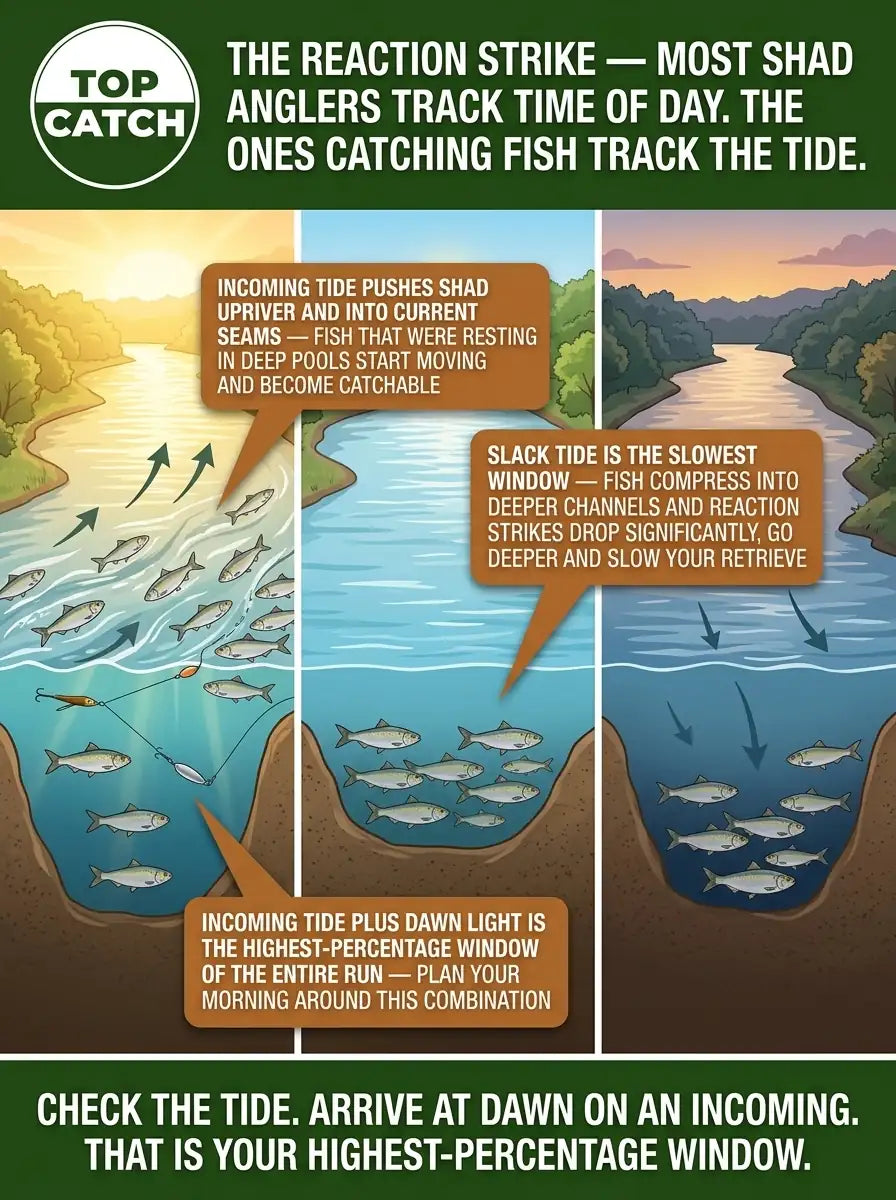
The tide changes both water level and current speed. Fish respond to those changes because baitfish, shrimp, crabs, insects, and small prey are also moving. A spot that looks empty at slack tide may become productive when water begins to flow.
Tidal rivers can contain fresh water, brackish water, or salt water. Brackish water is a mix of fresh and salt water. The mix shifts with rain, drought, wind, and the tide. Species may move upstream or downstream as salinity changes.
Incoming Tide
An incoming tide pushes water into creeks, marshes, coves, and shallow flats. Bait often follows that water. Predators may move onto shallow structure to feed.
Look for creek mouths, oyster edges, grass points, flooded banks, and small drains. In a freshwater tidal river, the best spots may include woody cover, rock, riprap, and eddies beside a fast current.
The first half of the incoming tide often gives fish access to new feeding water. Fish may spread across a flat as the water rises. A soft plastic, weedless jig, topwater lure, or live bait can work well over shallow cover.

Outgoing Tide
An outgoing tide drains water from creeks and shallow areas. Bait becomes concentrated at creek mouths, points, drop-offs, and narrow channels. Predators often wait below these exits.
This is one of the easiest tidal patterns for beginners to understand. Find a place where moving water leaves a small creek. Cast across or slightly up-current, then let your bait drift toward the deeper water.
Do not stand directly in the strongest current if you are wading. Fish often hold at the edge of the flow instead. This edge is called a current seam. It is a line where fast water meets slower water.

Slack Tide
Slack tide is the short period when current slows before changing direction. The exact length varies by location, wind, river shape, and tide range.
Fishing can be slower during slack water, but it is not always unproductive. Fish may still hold near deep water, shade, bridge pilings, docks, and cover. Slow presentations often work better than fast lures during this period.
Use slack tide to move safely, change leaders, check knots, eat, or scout the next location. When the current starts again, fish often become more active.

Current Speed and Water Level
A tide chart tells you when the tide rises and falls. It does not always tell you how fast the water will move at your exact spot. Narrow channels create stronger current than wide bays. Wind can also push water against or away from a shoreline.
Heavy rain changes tidal rivers in other ways. It can raise water, reduce visibility, lower salinity, and move floating debris. Clear water after a dry period may call for a more natural presentation and lighter leader.
| Tide condition | Common fish location | Useful approach |
|---|---|---|
| Early incoming | Creek mouths and shallow edges | Soft plastics, live bait, small jigs |
| Strong incoming | Points, grass, flooded cover | Weedless lures, topwater, moving baits |
| Early outgoing | Drain mouths and current seams | Jigs, swimbaits, drifting bait |
| Strong outgoing | Drop-offs, bridge pilings, channel edges | Weighted rigs, crankbaits, bottom bait |
| Slack water | Deep cover and shaded structure | Slow jigging, finesse plastics, small bait |
The main lesson is simple: fish the water that is moving, not just the water that looks attractive. Current gives food a path, and that path often gives predators an ambush point.
Find Fish-Holding Water
The best tidal river spots usually combine current, depth, and cover. Fish need food, but they also need a place to rest. A good spot lets them feed in moving water while spending less energy.
Start by asking three questions. Where is the current strongest? Where can bait escape that current? Where can a fish hide beside the flow? The answer often points to a productive edge.

Creek Mouths and Drains
Small creeks act like underwater conveyor belts. During an outgoing tide, they carry shrimp, baitfish, worms, and other food toward the main river. Predators often wait just outside the mouth.
Cast across the drain and bring your lure through the seam. With live bait, place the hook near the edge of the flow. Adjust the sinker until the bait moves naturally without dragging hard across the bottom.
On an incoming tide, fish the inside edge of the creek mouth. Bait may move into the creek, and predators may follow. A rising tide can make shallow banks useful for bass, redfish, trout, and panfish.

Points and Outside Bends
Points break the current and create a feeding edge. Fish may sit on the downstream side, where water slows. Cast beyond the point and work the lure across both the fast and slow water.
Outside bends are often deeper than inside bends. The current cuts into the outside bank and may create a steep drop. Bass, catfish, walleye, and striped bass may use these depth changes.
A depth change of only 2 or 3 feet can matter. Use a jig, soft plastic, live bait, or crankbait that reaches the depth where fish hold. Watch your line for a light tap as the lure crosses the drop.

Bridge Pilings, Docks, and Riprap
Bridge pilings create shade, current breaks, and hard cover. Fish may hold on the upstream face, downstream eddy, or sides of the piling. Each tide can change which side offers the best shelter.
Riprap is rock placed along a bank or structure. It attracts crayfish, baitfish, and insects. Bass often use it, while catfish and other species may hold nearby in deeper water.
Cast parallel to the rocks when possible. A crankbait, jig, soft plastic, or live bait can work along the edge. Keep hooks sharp because rock will dull points and create snags.
Grass, Oyster Edges, and Mud Flats
Shallow grass provides cover for bait and predators. Fish may patrol the edge where grass meets a deeper channel. On a high tide, they may move farther into the grass.
Oyster edges can hold fish but can also cut line and skin. Use a strong leader and avoid dragging line across sharp shell. Polarized sunglasses help you see shallow hazards in clear water.
Mud flats can look empty, yet they may warm early and hold worms, crabs, and small baitfish. Fish the edge of the flat, especially near a channel or creek. Avoid walking across soft mud because it can trap boots and damage habitat.

Current Seams and Eddies
A current seam looks like a line of different water speed. It may show as a color change, floating leaves, foam, or a smooth patch beside rough water. Fish often face into the faster flow and watch food drift past.
An eddy is a small area where water rolls back or moves in a different direction. Eddies form behind rocks, bridge supports, points, and bends. Cast into the faster water and let the lure enter the eddy.
This style of fishing rewards accurate casts. You do not need to cover the whole river. You need to place the bait where fast water delivers it to slower water.

Choose Gear That Fits the River
The right gear depends on species, current, lure weight, cover, and whether you fish from shore, a boat, or a kayak. A basic spinning setup is the most useful starting point for many anglers.
Rod action describes how much of the rod bends. A fast-action rod bends near the tip and gives quick contact with a lure. A moderate action bends farther down and can help keep treble-hook fish connected. Rod power describes lifting strength, such as ultralight, medium-light, medium, or medium-heavy.
Rod and Reel Choices
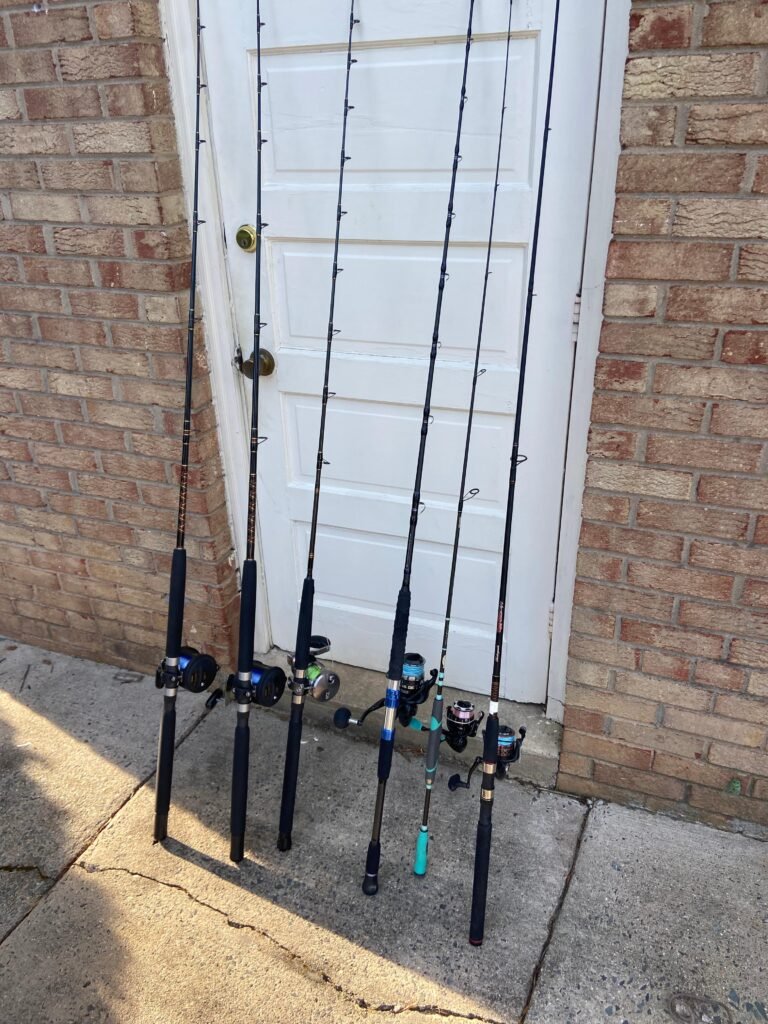
A 6-foot-6-inch to 7-foot medium spinning rod with fast action is a strong all-purpose choice. It can handle soft plastics, jigs, live bait, and small crankbaits. It also suits beginners, parents buying a first setup, and experienced anglers who want a simple backup outfit.
A medium-light rod works well for panfish, trout, smaller bass, and light-current presentations. A medium-heavy rod is better for large bass, striped bass, redfish, heavy sinkers, thick cover, or strong current.
Spinning reels are easy to cast and handle light lures well. A 2500 or 3000-size reel fits many medium spinning rods. Check the current spool capacity and drag rating before buying because size labels vary between brands.
Baitcasters offer better control for anglers who already understand casting. They work well with heavier lures and bass fishing techniques, but backlash can frustrate a new angler. A spincast combo is simple for kids and casual beginners, although it may not last as long under heavy use.
| Angler and situation | Rod choice | Reel and line pairing |
|---|---|---|
| Beginner or gift buyer | 6-foot-6-inch to 7-foot medium spinning rod | 2500–3000 spinning reel, 10–15 lb line |
| Kids and panfish | 5-foot-6-inch to 6-foot-6-inch light or medium-light rod | Spincast or small spinning reel, 4–8 lb line |
| Bass and mixed tidal water | 7-foot medium fast spinning or baitcasting rod | 2500–3000 reel, 10–20 lb braid |
| Heavy current or redfish | 7-foot medium-heavy rod | 3000–4000 reel, 20–30 lb braid |
| Large striped bass or saltwater use | 7-foot-6-inch to 9-foot medium-heavy rod | Saltwater-rated reel, 20–40 lb braid |
A longer rod can improve casting distance and line control from shore. A shorter rod is easier to manage in a kayak, under trees, or around docks. Match the rod to the space you fish, not only to the species name.

Line, Leaders, and Knots
Monofilament is affordable and easy to use. It stretches, which can help beginners avoid tearing hooks free. It also floats and works well with bobbers and some topwater presentations.
Braided line has little stretch and a thin diameter. It helps you feel bottom contact and manage current. Many anglers use 10- to 20-pound braid on spinning reels for bass, trout, redfish, and mixed tidal fishing.
Fluorocarbon is often used as a leader. It is stiff, abrasion resistant, and less visible underwater than many lines. A 2- to 4-foot leader of 8- to 20-pound fluorocarbon covers many situations, but sharp shell, rocks, and toothy fish may require heavier material.
Tie a reliable connection between braid and leader. An improved clinch knot works well for hooks and swivels. An FG knot or double uni knot can connect braid to fluorocarbon, but practice is needed. Check every knot after a snag or fish.

Hooks, Sinkers, Bobbers, and Swivels
Terminal tackle means the small gear at the end of your line. It includes hooks, sinkers, swivels, snaps, and leaders. Carry several sizes because tide speed and bait size can change during the day.
Circle hooks work well with many live-bait methods, especially when you plan to release fish. A circle hook usually catches in the corner of the mouth when used correctly. Do not jerk hard when a fish takes the bait. Apply steady pressure instead.
Egg sinkers and bank sinkers work for bottom fishing. Use the lightest weight that keeps your bait near the target. Too much weight makes the rig look unnatural and increases snags.
Bobbers help you suspend bait above grass, mud, and debris. A slip bobber is useful when you need to fish deeper water but still want a visible strike signal. Swivels reduce line twist, but extra hardware can spook fish in clear water.

Lures for Tidal Rivers
Soft plastics are among the most flexible choices. Paddletails imitate baitfish, curly-tail grubs imitate small prey, and shrimp or creature baits imitate bottom food. Rig them on jig heads, weighted hooks, or weedless hooks.
Jigs are useful because they reach depth and show you how current moves your lure. Choose a 1/8- to 1/4-ounce jig for light current and a heavier model when water is deep or fast. Let the bottom tell you if the weight is right.
Crankbaits work well along riprap, points, and shallow drops. Choose a lure that runs near the depth of the fish. Treble hooks can snag cover, so use them where you have room to cast.
Topwater lures can draw strikes during low light or active feeding periods. They are exciting but not always the best choice. Wind, clear water, fish depth, and bait activity should guide your decision.
| Lure or bait | Best use | Main limitation |
|---|---|---|
| Paddletail soft plastic | Baitfish imitation near current seams | Can tear on rocks and toothy fish |
| Jig and grub | Probing depth and bottom structure | Easy to snag when worked too slowly |
| Crankbait | Riprap, points, and shallow drops | Treble hooks catch weeds and wood |
| Topwater lure | Low light and surface activity | Less useful when fish hold deep |
| Live shrimp or baitfish | Natural presentation | Needs proper storage and local legality |
| Cut bait | Catfish and larger predators | Can attract unwanted species and create odor |
Carry a few colors, but do not overbuy. Natural colors suit clear water. Dark colors can stand out in stained water. Bright colors help you track the lure in low light or dirty water.
Saltwater and Corrosion Care
A reel labeled for freshwater may not resist salt well. Saltwater can damage bearings, drag systems, line rollers, hooks, pliers, and rod guides. If you fish brackish or salt water, choose corrosion-resistant materials when possible.
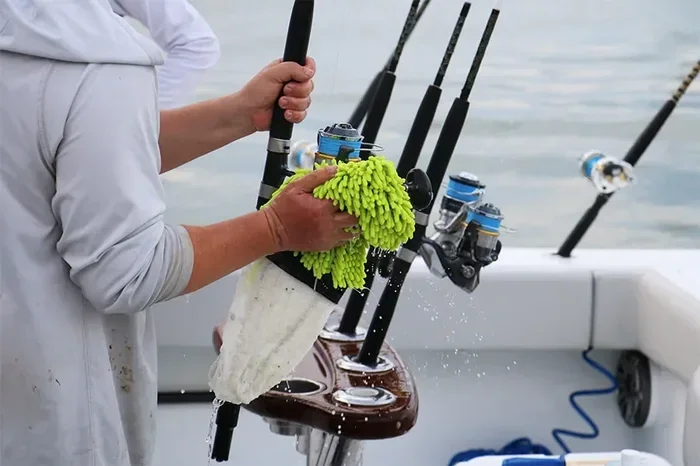
After each saltwater trip, lightly rinse the rod and reel with clean, low-pressure water. Wipe the gear dry. Do not blast water into the reel because pressure can push salt deeper into the housing.
Apply reel oil only where the manufacturer recommends it. Store the reel with the drag loosened if the manual allows. Replace rusty hooks, split rings, and swivels before the next trip.
Build Simple Rigs for Tidal Rivers
A rig should match the depth, current, bait, and target species. Simple rigs are easier to cast, repair, and adjust. They also help you learn what the water is doing.
Begin with one basic setup instead of tying many complex rigs. A jig head with a soft plastic, a fish-finder rig with bait, and a bobber rig cover many shore and kayak situations.
Carolina-Style Bottom Rig
A Carolina-style rig places a sliding sinker above a swivel, followed by a leader and hook. The sinker reaches the bottom while the bait moves behind it. It works for catfish, bass, redfish, and other bottom-oriented fish.
Use a 1/2- to 1-ounce sinker in moderate current, then adjust as needed. Tie a 12- to 24-inch leader below the swivel. Use a hook that matches your bait, often size 1 to 2/0 for small live bait.
Cast up-current and let the rig settle. Keep the rod tip high enough to reduce snags. Move the bait slowly or let it drift along the bottom.
Fish-Finder Rig
A fish-finder rig uses a sliding sinker on the main line, a swivel, a leader, and a baited hook. The fish can move with the bait without immediately feeling the full weight of the sinker.
This rig is useful for catfish, striped bass, redfish, and other species that feed near the bottom. Use a circle hook when regulations allow and when you plan to release the fish.
Do not leave a baited rod unattended. A strong fish can pull equipment into the water. Keep the rod in a secure holder and stay close enough to respond.
Jig and Soft Plastic
A jig head is a hook with a weighted head. Pair it with a paddletail, grub, shrimp imitation, or creature bait. This rig is quick to change and works from shore, boat, and kayak.
Cast slightly up-current. Let the jig sink while watching the line. Then lift the rod tip, reel slack, and let the lure fall again. Many strikes happen as the lure drops.
Choose a weedless hook or weedless jig around grass and wood. Use an exposed hook around open rock and sand. Match jig weight to depth and current, not just to the lure size.
Bobber and Live Bait
A bobber rig keeps bait above the bottom. It helps you fish over grass, mud, shell, and shallow cover. It also gives a beginner a clear visual signal.
Set the bait depth just above the fish-holding area. If the water is 6 feet deep, start with the bait 3 to 4 feet down. Adjust after watching how the tide moves the float.
Use live bait that is legal in your area. Keep it cool, lively, and protected from direct sun. A small aerated bait bucket can help, but do not release unused bait into a different waterway.
Follow a Step-by-Step Tidal River Plan
A plan prevents wasted casts. It also makes your trip safer because you know where you will fish, when you will move, and when you will leave.
You can use this process for shore fishing, kayak fishing, or a small boat. Adjust it for local species, weather, and access rules.
1. Check the Tide and Weather
Look at the tide chart, wind, rain, temperature, and storm risk. Note high tide, low tide, and the times when current should be strongest. Then check the forecast again before leaving.
Wind can push water against a bank and change the expected water level. Strong wind can also make a kayak or small boat unsafe. Lightning, fog, and fast-rising water require extra caution.
2. Pick One Tide Stage
Do not try to learn the whole river in one day. Choose incoming, outgoing, or slack water. Fish one area through a meaningful part of that stage.
For a first trip, outgoing water near a creek mouth is often easy to read. For shallow flats and flooded cover, try the incoming tide. For deep structure, slack tide can help you work a lure slowly and safely.
3. Start With a High-Percentage Spot
Choose a point, drain, bridge piling, rock edge, or outside bend. Look for current near cover. Avoid spending an hour on a flat bank with no depth change, bait, or flow.
Watch before casting. Look for bait activity, birds, foam lines, current breaks, and surface disturbances. A few minutes of observation can save a box of wasted casts.
4. Test the Depth
Make a cast with a jig or weighted lure. Count down as it sinks. This gives you a rough idea of depth and helps you learn how fast current moves the lure.
If the lure never reaches bottom, add a little weight. If it hangs constantly, reduce weight or move higher in the water column. The goal is control, not the heaviest possible sinker.
5. Cast Across the Current
A cross-current cast lets the lure sweep through several water speeds. Keep the rod tip low or high based on the cover and line angle. Reel enough to maintain contact without pulling the lure too fast.
With bait, cast slightly upstream and let it drift. Keep light tension so you can detect a bite. Avoid dragging the bait unnaturally across the bottom.
6. Cover the Water in a Pattern
Make several casts at different angles. Start near the bank, then cast farther. Work shallow water before deeper water unless fish or bait clearly show a different pattern.
Change only one factor at a time. Try a different depth before changing color. Try a slower retrieve before switching to a new lure. This helps you learn what caused a bite.
7. Move When the Water Gives No Clues
Move after 15 to 30 minutes if you see no bait, no depth change, and no signs of fish. Tidal rivers are large, and fish may be concentrated in a small zone.
Move a short distance first. Try the next drain, point, piling, or depth edge. Keep notes about tide stage, water level, lure, and location.
8. Land and Handle Fish With Care
Use a landing net when the bank is high, the current is strong, or the fish has a fragile mouth. Do not swing a large fish onto rocks. Wet your hands before touching it.
Remove the hook with long-nose pliers. Keep the fish out of water for as little time as possible. Support its body, take a quick photo if needed, and return it facing into gentle current.
Adjust Your Approach by Species
Tidal rivers hold different fish in different regions. Local knowledge matters more than a general species list. Ask a local tackle shop which fish are present, what bait is legal, and which tide stage anglers commonly fish.
The same structure may hold several species. A creek mouth may produce bass on a soft plastic, catfish on cut bait, or redfish on a shrimp imitation. Your depth and retrieve often matter as much as your lure.
Bass in Tidal Rivers
Bass often use current seams, wood, grass, riprap, docks, and creek mouths. They may sit behind cover and face into the flow. A medium spinning rod or baitcaster with 10- to 20-pound braid is a useful match.
Try a 3- to 4-inch paddletail, jig, creature bait, crankbait, or topwater lure. Cast beyond cover and bring the lure past the edge. In stained water, use vibration and a slower retrieve.
Tidal bass fishing can change quickly. A spot may hold fish only while water moves across it. Track the tide and return to productive cover at the same stage.
Catfish
Catfish often feed near the bottom, especially around deep bends, channels, holes, and current breaks. Cut bait, worms, chicken liver, and legal live bait may work, depending on local rules.
Use a fish-finder rig or Carolina-style rig. Choose a sinker that holds bottom without burying the bait. A medium-heavy rod helps cast weight and control a strong fish near current.
Check local rules for bait, hooks, size limits, and possession limits. Some waters have special rules for blue catfish, flathead catfish, or channel catfish.
Trout, Panfish, and Walleye
Trout and panfish often favor lighter current, cooler water, shaded banks, and small prey. Use a light or medium-light rod, 4- to 8-pound line, small jigs, spinners, worms, or live bait where legal.
Walleye may hold near deeper edges, rocks, and current seams. Fish them with jigs, minnows, soft plastics, or crankbaits that reach the right depth. Low light can help, but water clarity and temperature also matter.
Handle small fish gently. Small hooks can lodge deeply, so use forceps and consider barbless hooks when allowed.
Redfish and Other Brackish Species
Redfish often use grass edges, oyster structure, shallow flats, drains, and deeper nearby channels. A 7-foot medium or medium-heavy spinning rod with 15- to 30-pound braid can suit larger fish and abrasive cover.
Use paddletails, shrimp imitations, spoons, jigs, live shrimp, or cut bait where legal. Keep your leader strong around oysters. Check it after every fish or snag.
Do not assume a brackish river has the same rules as a freshwater river. Saltwater licenses, slot limits, seasons, and hook rules may apply.
Fish From Shore, Kayaks, and Boats
Access changes how you fish. Shore anglers need casting distance and safe footing. Kayak anglers need low-profile gear and careful weight control. Boat anglers can cover more water but must understand navigation and current.
Choose equipment that fits your actual access. A compact telescopic rod can help with travel, but check guides and joints often. A two-piece rod usually offers better performance and durability.
Shore and Pier Fishing
Shore anglers should search for public access, bridge areas, parks, riprap, and creek mouths. A 7-foot rod can improve casting distance, while a 6-foot-6-inch rod is easier around trees and railings.
Wear polarized sunglasses to reduce glare and see rocks, drop-offs, and shallow hazards. Carry a landing net, pliers, spare leaders, sinkers, hooks, and a small tackle box.
Piers can be crowded. Cast only when the area is clear. Keep hooks away from people, boats, and power lines. Follow posted rules about bait, cleaning fish, fires, and access hours.
Kayak Fishing
Kayak fishing gives you access to narrow creeks and shallow flats, but tides can move a kayak faster than expected. Wear a properly fitted U.S. Coast Guard–approved PFD at all times.
Carry a whistle, phone in a waterproof case, paddle leash where appropriate, light, anchor system suited to the water, and a way to call for help. Keep the deck clear of loose hooks and knives.
Do not anchor in a strong current unless you understand the system. A stuck anchor can turn a kayak sideways and create a capsize risk. Tell someone your route and expected return time.
Small Boats and Motorized Craft
Use navigation lights when required. Check fuel, battery, bilge systems, anchor, communication gear, and life jackets before launching. Keep an eye on changing water levels near bars, rocks, and shallow bends.
A fish finder can show depth, bottom changes, and sometimes fish arches. It does not replace visual awareness or a chart. Learn how to read the display before relying on it in moving water.
Avoid crossing strong current at an angle that makes the boat unstable. When in doubt, slow down and choose safer water.
⚠️ Safety Warning: Tidal current can rise faster than it looks from shore. Wear a life jacket in a kayak or boat, check weather and tide before launch, and tell someone your plan. Take a boating safety course if you operate a motorized craft.
Avoid Common Tidal River Mistakes
Most poor trips come from a few repeated errors. Anglers fish the wrong tide, use too much weight, stay in one place too long, or overlook safety. Fixing these habits can improve your time on the water without adding expensive gear.
| Mistake | Why it hurts | Better choice |
|---|---|---|
| Fishing without checking the tide | You may arrive after the best current | Plan around moving water |
| Using the heaviest sinker | Bait looks unnatural and snags more | Use the lightest weight that holds |
| Casting only to the bank | Fish may hold on the channel edge | Cover shallow, middle, and deep water |
| Ignoring line damage | Shell and rocks weaken leaders | Inspect and retie often |
| Staying at a dead spot too long | Tidal fish may be tightly grouped | Move after testing several angles |
| Keeping too many fish | It can exceed limits and harm stocks | Follow limits and release carefully |
The fix is not always a new lure. Better timing, safer positioning, and closer attention to current often matter more than brand or color.
Fishing Only the Rising or Falling Water
Some anglers insist that only incoming water works. Others fish only outgoing water. Both views are too simple.
Incoming water may move bait onto flats and into creeks. Outgoing water may concentrate bait at drains and points. Wind, rain, salinity, water clarity, and species can change the pattern.
Using Too Much Leader or Hardware
A long leader can help around sharp structure, but it may reduce lure action. Large swivels and snaps can also change a small lure’s movement.
Use the smallest reliable connection for the conditions. Increase leader strength when fishing oysters, rocks, heavy wood, or toothy fish.
Ignoring the Wind
Wind can push surface water toward one bank. That bank may collect floating food and bait. A windy shoreline can be worth fishing if you can do so safely.
Strong wind can also make casting and boating dangerous. Do not force a fishing plan when waves, fog, lightning, or current create unsafe conditions.
Forgetting to Rinse Gear
Salt and brackish water damage gear over time. Rinse rods, reels, pliers, hooks, and landing nets after each trip. Dry them before storage.
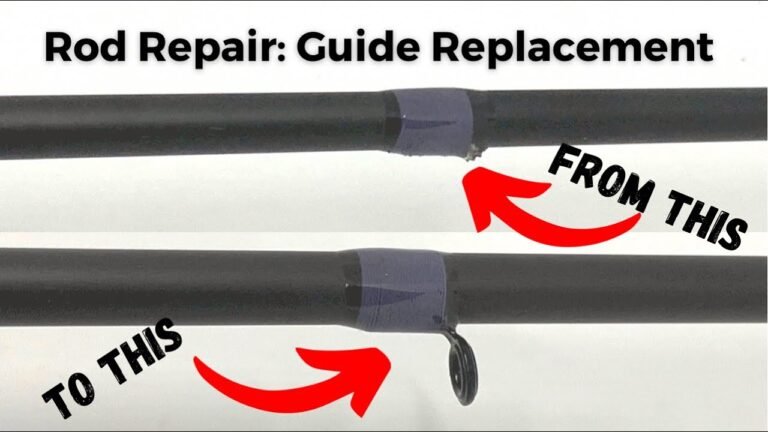
Inspect rod guides for cracks. A damaged guide can cut line. Replace rusty hooks and weak leaders before the next trip.
🔧 Quick Fix: If your line feels rough, stop fishing and run it between your fingers. Cut away damaged line, retie the leader, and check the knot. A small abrasion can fail when a fish reaches fast current.
Plan a Practical Budget
You can begin tidal river fishing with a modest setup. Current prices vary by brand, region, and sales, but the basic cost usually depends on whether you already own a rod and reel.
Do not spend your entire budget on the rod. A good knot, fresh line, sharp hooks, safe footwear, and a landing net often help more than a premium reel.
| Budget level | Typical setup | Best suited to |
|---|---|---|
| Lower cost | Spincast or basic spinning combo, mono line, simple hooks and sinkers | Kids, casual beginners, protected banks |
| Mid-range | Medium spinning rod, 2500–3000 reel, braid and leader, small tackle box | Most beginners and mixed-species anglers |
| Higher cost | Specialized rods, corrosion-resistant reel, multiple lures, fish finder, kayak gear | Frequent anglers and advanced users |
A gift buyer should choose a simple combo matched to the person’s age, strength, and fishing location. A child may need a shorter rod and spincast reel. An experienced angler may prefer a reel seat, rod action, and line system that match a known technique.
Know the Rules and Protect the River
Fishing laws vary by state, river, species, and water section. You may need a freshwater license, saltwater license, or both in brackish water. Some places require a free permit even when no license fee applies.
Check your state or local wildlife agency before fishing. Confirm size limits, bag limits, closed seasons, fishing hours, bait rules, lead restrictions, barbless-hook rules, and whether live bait may be moved between waters.
📜 Check Local Regulations: Regulations can change by river section. Use the current information from your state wildlife agency or local fisheries office, not an old social media post or a friend’s memory.
Practice Responsible Catch and Release
Wet your hands before touching fish. Keep the fish low over the water in case it slips. Use pliers or forceps to remove hooks, and cut the leader if a deeply embedded hook cannot be removed safely.
Circle hooks can reduce deep hooking when used correctly, but they are not suitable for every lure or technique. Follow local rules. Avoid holding fish by the gill covers or squeezing the belly.
Keep Line and Trash Out of the Water
Discarded monofilament and braid can entangle birds, turtles, fish, and pets. Place used line in a recycling bin or secure trash container. Never leave hooks, bait containers, soft plastics, or sinkers on the bank.
Lead tackle may be restricted in some waters. Use nonlead sinkers where required and consider them elsewhere when practical. Clean fish only in approved areas and dispose of waste according to local rules.
🌿 Conservation Note: Healthy tidal rivers depend on clean water, connected marshes, stable banks, and sensible harvest. Take only what you plan to use, release fish with care, and leave the bank cleaner than you found it.
Use a Simple Tidal River Checklist
A checklist keeps small problems from ending a trip. Pack based on your access and the forecast. You do not need every item on every outing.
| Category | Useful items | Why they matter |
|---|---|---|
| Tackle | Hooks, sinkers, swivels, leaders, jigs, soft plastics | Allows quick changes |
| Fish care | Landing net, pliers, forceps, measuring tool | Supports safe handling |
| Personal safety | PFD, water, sunscreen, first-aid kit, whistle | Reduces common risks |
| Navigation | Phone, waterproof case, chart, light | Helps with location and emergencies |
| Clothing | Polarized sunglasses, hat, rain gear, boots | Improves comfort and visibility |
| Gear care | Freshwater bottle, cloth, reel oil | Limits salt and sand damage |
Wear shoes with firm soles when fishing rocks, mud, or slippery banks. Waders can help in cold water, but they add risk if you fall. Use a wading belt, avoid deep or fast water, and never wade alone in unfamiliar tidal current.
FAQs About Fishing Tidal Rivers
What is the best tide for fishing tidal rivers?
The best tide depends on the species and location. Many anglers begin with the first few hours of incoming or outgoing water because current is building. Outgoing tides often concentrate bait at creek mouths, while incoming tides can move fish onto shallow feeding areas.
Can beginners fish tidal rivers?
Yes. Beginners can start from shore with a medium spinning combo, 10- to 15-pound line, a few jigs, soft plastics, hooks, and sinkers. Choose a visible, easy-access area and fish one tide stage instead of trying to cover the whole river.
What bait works best in a tidal river?
Live shrimp, minnows, worms, cut bait, and other natural baits can work when legal. Match bait to local species and season. Keep bait fresh, use the lightest practical weight, and let the current carry it naturally.
Should I use braid or monofilament?
Braid gives better sensitivity and smaller diameter for current. Monofilament costs less, stretches more, and is easy for beginners. A common setup is 10- to 20-pound braid with a 2- to 4-foot fluorocarbon leader.
What rod is best for tidal river fishing?
A 6-foot-6-inch to 7-foot medium fast-action spinning rod suits many beginners and mixed-species anglers. Choose medium-light for small fish and light lures. Choose medium-heavy for heavy current, large redfish, striped bass, or thick cover.
How do I fish a tidal river from shore?
Start at a creek mouth, point, bridge piling, riprap edge, or deep bend. Cast across current and work the lure through the seam. Fish shallow water first, then test deeper water. Move when the current gives no signs of bait or fish.
Is kayak fishing tidal rivers safe?
It can be safe with planning, but tides and current demand care. Wear a U.S. Coast Guard–approved PFD, check the weather, carry communication gear, avoid unsafe anchor situations, and tell someone your route and return time.
How long does fishing line last in tidal water?
Line life depends on use, sunlight, abrasion, storage, and salt exposure. Inspect it every trip. Replace mono when it becomes stiff or damaged. Replace braid when it frays, fades severely, or shows worn sections. Retie leaders often around shell and rock.
Do I need a fish finder?
No. A fish finder helps locate depth changes and structure, especially from a boat or kayak. Shore anglers can learn much by reading current seams, banks, points, drains, and visible bait.
Can I fish a tidal river with a fly rod?
Yes, where casting space and local conditions allow. A 5- to 8-weight fly rod may suit different species and flies. Use a sinking leader or line when fish hold deep, and take care around hooks, wind, and moving water.
Final Advice
The best way to learn how to fish tidal rivers is to make the tide your guide. Choose one location with current, cover, and a depth change. Fish it through one tide stage, test several depths, and take notes.
Start with simple gear. A medium spinning setup, fresh line, a few reliable rigs, and a landing net are enough for many trips. Upgrade only when you know which limit is holding you back.
Keep safety ahead of a bite. Wear a PFD in a kayak or boat, respect fast water, check local regulations, and protect the fish and habitat. Tidal rivers reward patience because they are always changing. Once you learn to read that change, the river begins to show you where to cast.