How To Fish Rivers In Winter: Winter Fishing Guide
Winter changes a river from a fast, busy food belt into a cold, careful puzzle. Fish still need to eat, but they often move less, hold in slower water, and reject bait that moves too fast. That makes winter river fishing slower than summer fishing, but it can also make fish easier to locate once you understand current, depth, and water temperature.
The best approach is simple: fish during the warmest part of the day, target deep and slow water, use small natural baits or compact lures, and keep your presentation close to the bottom. Trout, bass, walleye, catfish, and panfish may all respond, but each species uses winter habitat in a different way.
Cold water also raises real safety concerns. Slippery banks, thin ice, rising water, cold rain, and short daylight can turn a normal trip into an emergency. Good planning matters as much as good tackle.

Quick answer: how to fish rivers in winter
To fish rivers in winter, focus on deep pools, slow seams, eddies, and the downstream side of structure. Fish during the warmest daylight hours with small jigs, live bait, soft plastics, nymphs, or slow-moving plugs. Use light line, a sensitive rod, and enough weight to reach the bottom without dragging. Wear warm layers, carry safety gear, check local rules, and avoid unsafe ice or fast water.

Why winter river fishing works differently
Winter slows fish metabolism. Cold water often reduces the amount of energy fish can spend chasing food. A bass that may attack a fast crankbait in summer might ignore it in January. A trout may still feed well, but it often chooses a lane where the current lets it hold position with little effort.
This does not mean fish stop feeding. It means the angler must make each cast count. The fish may be close to cover, near the bottom, or in a narrow current seam. A few inches can separate a bite from a wasted presentation.
Water temperature, sunlight, river flow, and recent weather all matter. A mild day after several cold nights may warm shallow water enough to draw baitfish and panfish. A sudden cold front may push fish back into deeper water.
The main winter river patterns
Most winter fish use one of four areas:
- Deep pools with reduced current
- Inside bends with soft bottom and slow water
- Current seams where fast and slow water meet
- Eddies behind rocks, bridge supports, logs, and islands
A current seam is the line between two speeds of water. Fish can rest on the slow side while watching food drift past in the faster lane. This is one of the best places to start.
Deep water is useful, but depth alone does not guarantee fish. A deep, dead-water hole may hold fewer fish than a slightly shallower pool with food, cover, and a steady flow of oxygen-rich water.
How weather affects winter river fishing
The best winter fishing often comes after stable weather. Several calm days can give fish time to settle into a feeding pattern. A sudden barometric change, heavy rain, or sharp temperature drop may make the bite less predictable.
Sun can help in clear, shallow rivers. Dark rocks, mud, and woody cover absorb heat. On cloudy days, fish may spread slightly wider, but they usually remain near low-current areas.
Wind affects both comfort and casting. A strong downstream wind can push surface debris and make float control difficult. If conditions become unsafe, leave. No fish is worth a cold-water accident.
Best winter river conditions by species
Different fish prefer different winter river habitats. Learn the species in your local river before choosing a lure or rig. A setup for trout may be too light for catfish, while a heavy walleye jig may be too large for small panfish.
| Species | Productive winter areas | Effective presentations |
|---|---|---|
| Trout | Deep runs, pools, tailouts, spring-fed water | Nymphs, small jigs, eggs, worms, small spinners |
| Smallmouth bass | Rocky pools, current breaks, deep eddies | Compact jigs, tubes, blade baits, small soft plastics |
| Walleye | Deep channels, gravel edges, dam pools | Hair jigs, live minnows, jigging spoons, slow plastics |
| Catfish | Deep holes, outside bends, warm-water inflows | Cut bait, worms, chicken liver, bottom rigs |
| Panfish | Backwaters, slow eddies, deep cover | Small jigs, waxworms, worms, tiny bobbers |
Trout often remain active in cold water, especially in rivers with steady temperatures. Smallmouth bass can feed in winter, but their movements may be subtle. Catfish often spend long periods in deep holes and may prefer a bait that stays in place.
Winter trout fishing
Trout are a common target in winter because many rivers maintain stable water temperatures. Tailwaters below dams and spring-fed streams may stay more consistent than shallow freestone rivers.
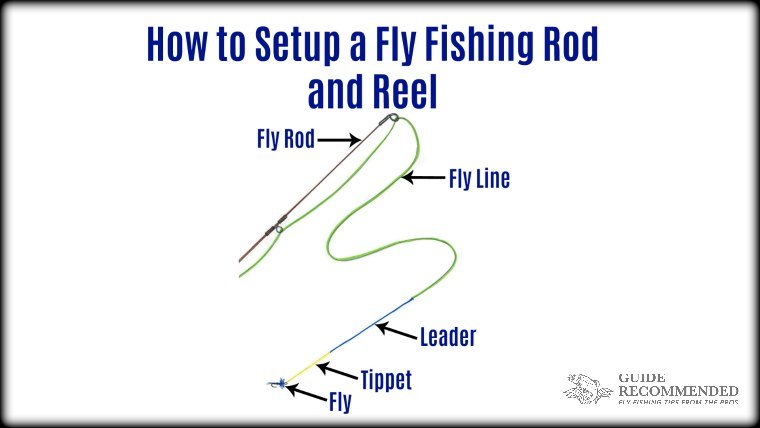
Use a 9-foot, 4- or 5-weight fly rod for standard fly fishing. A 7- to 9-foot spinning rod with light power also works well for beginners. Spool 4- to 6-pound monofilament or braid with a 4- to 6-pound fluorocarbon leader, depending on local cover and regulations.
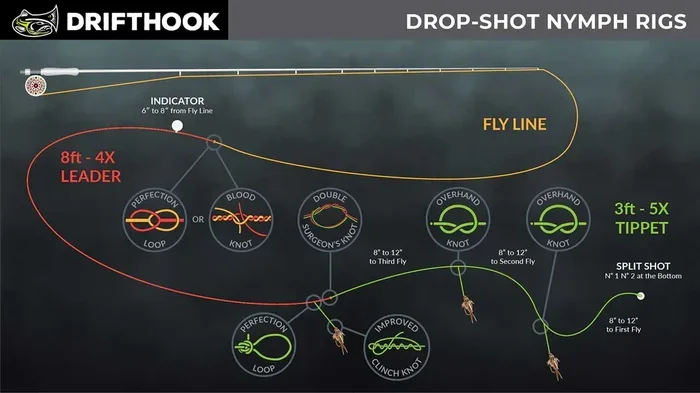
Small nymphs, midge patterns, eggs, and worms can work when drifted near the bottom. The key is a natural drift. Mend your line so the current moves the bait, not the leader.
Winter bass fishing
Smallmouth bass usually favor deep rock, slow current, and areas near sharp depth changes. They may sit behind rocks or along the bottom of a deep pool. They often prefer compact lures that remain in the strike zone.
A 6-foot-6-inch to 7-foot medium-light or medium spinning rod with a fast action is a useful choice. Power describes how much force it takes to bend a rod. Action describes where the rod bends. A fast-action rod bends near the tip and helps detect light bites.
Try a 1/16- to 1/4-ounce jig, a small tube, a blade bait, or a 2- to 3-inch soft plastic. Move it slowly. Let the lure rest after each hop. Many winter bites feel like extra weight rather than a hard strike.
Winter walleye fishing
Walleye often use deep river channels, dam pools, current breaks, and areas where baitfish gather. Low-light periods can be productive, but winter darkness and ice near the bank create extra hazards. Fish from safe shore positions and avoid slick rocks.
A 6-foot-6-inch to 7-foot-6-inch medium-light spinning rod works for many river situations. Use a 1/8- to 3/8-ounce jig when current allows. Increase weight only enough to reach the bottom and maintain contact.
Live minnows, hair jigs, blade baits, and small swimbaits can all fit winter walleye patterns. Check whether live bait, treble hooks, or specific lure styles are legal in your water.
Winter catfish and panfish
Catfish often hold in deep holes, especially near outside bends and slow bottom current. A simple bottom rig with a sinker, swivel, leader, and hook can keep bait near the fish. Use enough weight to hold bottom without burying the bait in mud.
Panfish may gather in backwaters, slow channels, and deep cover. A 1/32- to 1/16-ounce jig under a small bobber is easy for beginners and kids. Use a 6- to 7-foot ultralight or light spinning setup with 2- to 4-pound line.
Winter river gear that makes fishing easier
Winter gear should help you control depth, feel light bites, and stay safe. You do not need expensive equipment. A basic spinning combo can handle many river species when the rod, line, and lure match the water.
| Gear item | Practical winter choice | Why it helps |
|---|---|---|
| Spinning rod | 6 feet 6 inches to 7 feet 6 inches, light to medium power | Good casting and bite feel |
| Fly rod | 9 feet, 4- or 5-weight | Useful for trout and nymphs |
| Reel | 1000 to 2500 spinning reel | Light and easy to control |
| Main line | 4- to 8-pound mono or braid | Helps cast small lures |
| Leader | 3- to 8-pound fluorocarbon | Less visible and abrasion resistant |
| Terminal tackle | Small hooks, split shot, jigs, swivels | Supports bait and precise depth |
| Landing net | Rubber or coated mesh | Reduces damage to released fish |
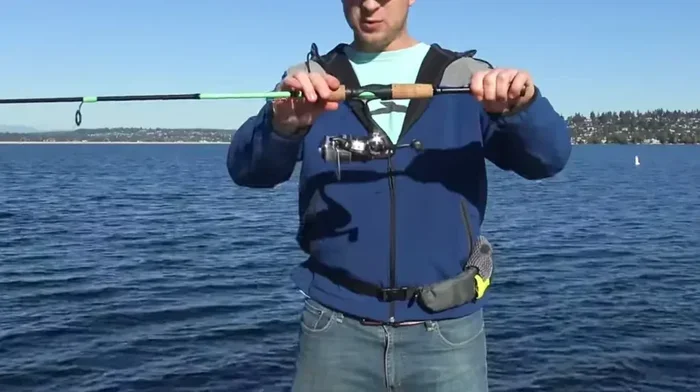
A spinning reel is the easiest reel for most winter river anglers. It handles light lures, does not create baitcaster backlash, and works well for beginners. A spincast combo is even simpler for children, though it may have less casting range and less precise drag control.
Experienced anglers may prefer a baitcaster for heavier jigs or larger bass. A baitcaster gives excellent lure control, but cold fingers make spool tension and thumb control harder. It suits anglers who already know how to manage backlash.
Rod power and action
Choose rod power based on fish size, cover, and lure weight. Light and ultralight rods are sensitive, but they may struggle around logs or heavy current. Medium-light rods offer a useful balance for trout, walleye, bass, and general river fishing.
Fast action helps you detect a soft tap. Moderate action protects light line and small hooks. A moderate rod may also help beginners keep fish pinned during a short fight.
Line choices for cold water
Monofilament is inexpensive and forgiving. It floats slightly, stretches under load, and works well with bobbers and live bait. It can become stiff in very cold weather.
Braided line has little stretch and good sensitivity. Use a fluorocarbon leader when fish are line-shy or rocks create abrasion. Braid can collect ice in freezing spray, so inspect it often.
Fluorocarbon is dense and sinks. It can work as a main line for some techniques, but it has more memory than monofilament and may be harder for beginners to manage on a small spinning reel.
Lures, bait, and terminal tackle
Winter lures should match the size of available food. Small jigs, hair jigs, soft plastics, inline spinners, spoons, blade baits, and small crankbaits all have a place. Choose a lure that can reach the feeding depth without racing through the strike zone.
Live bait remains useful for many species. Worms, minnows, waxworms, and prepared baits can appeal to fish that do not want to chase. Use a hook size that matches the bait, not one that overwhelms it.
Sinkers help reach bottom, but too much weight creates a lifeless presentation. Start light and add weight in small steps. A swivel can reduce line twist, while a bobber can suspend bait above snags and make bites easier to see.
💡 Pro Tip: Mark the depth of productive drifts with a small piece of removable tape on your rod handle. Repeating the same depth is often more useful than making random casts to new water.
A simple winter river rig
The best rig depends on the species and bottom. For beginners, a simple jig or bobber rig is easier to control than a complex multi-hook setup. For bottom-feeding catfish, a sliding sinker rig keeps the fish from feeling the full weight at once.
| Rig | Basic parts | Best use |
|---|---|---|
| Jig and soft plastic | Jig head, 2- to 3-inch plastic | Bass, walleye, trout |
| Bobber rig | Hook, split shot, bobber | Panfish, trout, live bait |
| Sliding bottom rig | Egg sinker, swivel, leader, hook | Catfish and deep pools |
| Fly nymph rig | Leader, tippet, nymph, indicator | Trout in current |
| Small spinner rig | Inline spinner, snap or knot | Trout and panfish in open water |
Use a jig when you need to stay near the bottom and cover water. Use a bobber when you want to suspend bait above weeds, rocks, or soft mud. Use a bottom rig when the fish hold tight to the riverbed and do not need a moving presentation.
Jig and soft plastic setup
Tie a 1/16- to 1/4-ounce jig to the main line or leader. Add a small soft plastic that matches local forage. Thread it straight so it tracks correctly.
Cast upstream or across the current. Let the jig sink, then lift it with short hops. Keep the line slightly tight. If you cannot feel the bottom, adjust the weight or angle of the cast.
Bobber and live bait setup
Tie a small hook below a bobber. Add one or two split shot between the hook and float. Set the bait depth so it travels just above the bottom without constantly snagging.
This setup suits new anglers and kids because the float gives a clear visual signal. It also lets you fish slow water without constant lure movement. Use a small, lively bait and avoid covering the hook point completely.
Sliding sinker setup
Thread an egg sinker onto the main line. Tie on a swivel, then add 12 to 24 inches of leader and a suitable hook. The sinker slides as a fish moves, while the swivel limits line twist.
Choose a sinker that holds bottom but does not wedge into every rock. In heavy current, a flat or no-roll sinker may work better than a round one. Do not leave unattended lines in areas where regulations prohibit it.
The best places to find winter river fish
River structure controls winter fish location. Look for places that offer food and shelter from current. Start by studying the water before making a cast.
Deep pools and tailouts
A deep pool gives fish a lower-energy holding area. The head of the pool may collect drifting food, while the middle offers depth. The tailout, where the pool becomes shallow again, can hold trout and walleye during feeding periods.
Fish the edges first. Cast across the current and let the bait sweep through the transition. Avoid walking through the tailout if you plan to fish it later.
Eddies and current seams
An eddy forms where water circulates behind an obstruction or along a bank. Food can collect there, and fish can hold with little effort. Cast into the slow side and allow the bait to enter the seam naturally.
Do not make the mistake of fishing only the visible center. The best fish may sit at the edge where two water speeds meet.
Rocks, wood, and bridge areas
Large rocks break current. Fallen trees provide cover. Bridge supports can create deep scour holes and seams. These areas can hold bass, walleye, trout, and catfish.
They also cause snags. Use weedless soft plastics, lighter hooks, or a floating bait when appropriate. Keep your landing net and pliers ready so you can release fish without a long struggle.
Warm-water inflows
Power plant outflows, small creeks, springs, and storm drains can change local water temperature. These areas may attract baitfish and predators, but they can also contain unsafe currents or polluted water.
Never assume warm water means good fishing or safe access. Check posted warnings and local advisories. Avoid eating fish from waters with consumption restrictions.
Step-by-step winter river fishing method
A repeatable method helps you learn faster than random casting. Begin with observation, then test depth and speed before changing lures.
- Check the forecast and river level. Look for stable weather, safe access, and manageable flow. Avoid rising water, freezing rain, and high winds.
- Confirm the fishing license and rules. Review seasons, bag limits, size limits, bait rules, hook restrictions, and special regulations.
- Choose a safe access point. Wear traction aids when needed. Avoid undercut banks, thin ice, and steep slopes.
- Watch the river for five minutes. Look for seams, depth changes, baitfish, rising trout, and slow water.
- Start with a small, natural presentation. Use a jig, worm, nymph, minnow, or small soft plastic.
- Fish the nearest productive water first. This reduces the chance of spooking fish and saves energy.
- Work from shallow to deep. Begin near the edge, then cast toward the seam and pool.
- Slow the retrieve. Use short lifts, pauses, and controlled drifts.
- Change depth before changing lures. Add or remove weight, adjust bobber depth, or alter the drift.
- Move after several careful casts. Cover a small section fully before walking to the next spot.
- Handle fish quickly. Wet your hands, support the body, and limit air exposure.
- Leave no line or bait behind. Pack out hooks, soft plastics, bait containers, and trash.
The most important step is controlling depth. If your bait runs too high, fish may never see it. If it drags hard along the bottom, it may snag or look unnatural.
How to detect a winter bite
Winter bites can feel weak. Watch your line, bobber, and rod tip. A bite may feel like a faint tap, a pause, or a slight change in weight.
When using a jig, keep the rod tip low and the line tight enough to feel contact. Do not set the hook wildly. A short, firm lift is usually enough for small hooks and light line.
When using live bait, give the fish time only when local rules and species behavior support it. Deep-hooked fish are harder to release. Circle hooks can reduce deep hooking in some bait situations, but they must be used correctly and may be required or restricted by local rules.
Winter safety for shore anglers, waders, and boaters
Cold water removes strength quickly. A slip near a river can become life-threatening in minutes. Plan your exit before you step near the bank.
⚠️ Safety Warning: Wear a properly fitted U.S. Coast Guard–approved personal flotation device when boating, kayaking, or fishing from an unstable platform. Tell someone where you will fish, check weather and river conditions, carry a charged phone, and avoid wading alone.
| Risk | Safer practice |
|---|---|
| Slippery banks | Wear felt, rubber, or studded traction suited to local rules |
| Cold-water fall | Use a wading belt and carry a wading staff |
| Thin ice | Test nothing with your body; avoid walking on uncertain ice |
| Fast current | Do not wade above knee depth unless trained and conditions are mild |
| Short daylight | Carry a headlamp and leave before dark |
| Hook and knife injuries | Use forceps, cover hooks, and cut line safely |
| Hypothermia | Pack dry layers, gloves, hat, and an emergency blanket |
Waders should fit well and include a secure belt. A wading staff adds stability on uneven rock. Avoid stepping backward while watching your line. Look at each step.
Kayak fishing in winter requires extra caution. Wear the PFD at all times, dress for immersion rather than air temperature, and stay close to shore. A sit-on-top kayak can be difficult to re-enter in cold water without practice.
Ice near river edges is not the same as safe lake ice. Current can hollow ice from below. Never trust a clear surface just because it looks thick.
Common winter river fishing mistakes
Most winter problems come from speed, depth, or poor planning. The good news is that these errors are easy to correct.
| Mistake | Better solution |
|---|---|
| Retrieving too fast | Slow the lure and add pauses |
| Fishing only shallow banks | Test deep pools, seams, and eddies |
| Using too much weight | Use the lightest weight that reaches bottom |
| Changing lures too often | Change depth and location first |
| Wearing cotton layers | Use wool or synthetic layers that stay warm when damp |
| Walking through the best water | Fish downstream sections before crossing |
| Leaving fish exposed | Wet hands and release fish quickly |
| Ignoring local rules | Check the state wildlife agency before fishing |
A common beginner mistake is using a lure that is too large. Large presentations can work, but small offerings often make more sense when fish have low energy needs.
Another mistake is standing in one spot for hours without learning from the water. Winter fishing rewards careful movement. If the depth, drift, and speed are correct and nothing happens, move to the next likely holding area.
How to keep winter fishing gear working
Cold weather exposes weak points in fishing gear. Water can freeze inside guides, reel rollers, knots, and landing nets. Preventive care takes only a few minutes.
Reel and line care
Keep your spinning reel dry when possible. Do not spray heavy oil on the spool or drag. A small amount of manufacturer-approved lubricant on the correct points is safer than over-lubricating.
After fishing, wipe the reel and rod guides with a dry cloth. Let them dry fully before storage. If you fish saltwater or brackish rivers, rinse gear with low-pressure fresh water and dry it before placing it in a case.
Check line for nicks after fishing around rocks. Replace damaged leader material at once. Signs it is time to replace line include flat spots, rough sections, repeated knots, and visible fading or cracking.
Tackle and clothing care
Dry hooks, swivels, split shot, pliers, and sinkers before storing them. Rust spreads quickly inside a closed tackle box. Separate wet soft plastics from hooks because some plastics can damage painted finishes or melt other materials.
Hang waders upside down or follow the maker’s drying instructions. Never store wet waders in a sealed bag. Dry boots, gloves, and life jackets fully.
🔧 Quick Fix: If a rod guide freezes, do not scrape it with a knife. Dip the guide in water that is slightly warm, or place the rod in a sheltered warm area until the ice melts.
Winter river fishing by budget
You can start winter river fishing without buying every tool in a tackle shop. Spend first on safe clothing, a reliable rod and reel, and line suited to your target fish.
| Budget level | Useful setup | Best for |
|---|---|---|
| Basic | Spincast or spinning combo, mono line, hooks, split shot, bobber | Kids, beginners, panfish |
| Mid-range | Light or medium-light spinning rod, 1000–2500 reel, braid and leader | Trout, bass, walleye |
| Specialized | Fly rod, quality waders, net, nymph tools, or baitcaster setup | Experienced anglers and focused techniques |
Current pricing ranges from low-cost starter kits to specialized winter systems. Check the latest listing for updated features, warranty terms, and reel specifications. A higher price may buy smoother drag performance, better guides, lighter weight, or stronger corrosion resistance, but it cannot replace good location choice.
For gift buyers, a complete spinning combo is often safer than buying separate rod and reel parts. For experienced anglers, gift cards, quality leaders, polarized sunglasses, forceps, or a rubber landing net may be more useful than a guessed lure selection.
👪 Parent or Gift-Buyer Note: For a child, choose a short 5- to 6-foot spincast combo, rounded forceps, small hooks used with adult help, warm layers, and a properly fitted PFD if a boat is involved. Supervise every cast near cold water.
Regulations, ethics, and conservation
Fishing laws vary by state, river, species, and season. Some waters require a fishing license, trout stamp, special permit, barbless hooks, artificial lures, or catch-and-release rules. Size limits and daily bag limits can change between nearby sections of the same river.
📜 Check Local Regulations: Before fishing, confirm current rules with your state or local wildlife agency. Check closed seasons, bait restrictions, lead rules, hook limits, possession limits, and access regulations.
Catch and release works best when fish remain in the water. Wet your hands before touching a trout or other fish. Support the body, avoid squeezing the belly, and keep air exposure brief.
Use barbless hooks when required or when you want easier releases. Pinch barbs with pliers if local rules allow it. Remove hooks with forceps, and cut the leader when a deep hook cannot be removed safely.
🌿 Conservation Note: Dispose of fishing line in a recycling bin or tackle-shop collection box. Discarded line can injure birds, turtles, and mammals. Never leave bait containers or soft plastics on the bank.
Do not move fish between rivers. Do not release unused live bait into new water. These simple habits protect native fish and reduce the spread of invasive species.
Questions anglers ask about winter river fishing
Is winter a good time to fish rivers?
Yes, winter can be productive when you target the right water. Fish often gather in deep pools, slow seams, and current breaks. The bite may be slower, but concentrated fish can make careful presentations worthwhile.
What is the best bait for river fishing in winter?
The best bait depends on the species and local rules. Worms, minnows, waxworms, eggs, and small natural baits work in many rivers. Use the smallest bait that matches the fish and keep it near the depth where fish hold.
What time of day is best for winter river fishing?
Late morning through mid-afternoon is often a practical starting point because water and air may be warmer. Trout may feed at other times, and low-light periods can suit walleye. Watch local conditions rather than following a fixed clock.
Should I use braid or monofilament in winter?
Monofilament is simple, affordable, and less likely to hold ice than braid. Braid gives better sensitivity but may collect ice in freezing weather. Many anglers use braid with a fluorocarbon leader when conditions allow.
How deep should I fish in a winter river?
Start near the bottom of deep pools, seams, and eddies. Keep the bait close enough to contact bottom or drift just above it. Adjust weight or bobber depth until the presentation moves naturally without constant snags.
Are spinning reels better than baitcasters in winter?
Spinning reels are easier with light lures and cold fingers. They suit beginners, kids, trout anglers, and most general river fishing. Baitcasters suit experienced anglers using heavier lures who already manage spool tension and backlash.
Can I fish a river from a kayak in winter?
You can, but winter kayak fishing carries serious cold-water risk. Wear a U.S. Coast Guard–approved PFD, dress for immersion, stay near shore, check the forecast, and practice self-rescue in warm conditions. Avoid moving water beyond your skill level.
Do I need waders for winter river fishing?
No. Many productive areas can be fished from shore. If you use waders, wear a wading belt, use a staff, avoid deep or fast water, and never wade alone. Good boots and layered clothing may be more useful than waders on steep banks.
How long does winter fishing gear last?
A basic rod can last many years with careful storage. Line may need replacement after one season or sooner if it suffers abrasion. Reels last longer when cleaned, dried, and lubricated according to the manufacturer’s instructions.
What should I take on a winter river trip?
Carry warm layers, waterproof outerwear, gloves, a hat, traction footwear, a phone, first-aid supplies, pliers, a landing net, spare line, and a headlamp. Add a PFD for boats and kayaks. Tell someone your location and return time.
Final advice for fishing rivers in winter
Winter river fishing rewards patience more than speed. Find the places where fish can rest, present a small bait near the bottom, and make slow, controlled drifts. Start with a light spinning combo, 4- to 8-pound line, small jigs or live bait, and a landing net that protects released fish.
Your first goal should be safe observation. Learn how current moves around rocks, where depth changes, and how fish respond to a pause. As your confidence grows, add fly rods, baitcasters, specialized jigs, fish finders, or kayak gear only when they solve a real problem.
Respect the cold, check local regulations, protect the river, and leave before conditions become unsafe. A winter river can look quiet, but beneath the surface it still has a pattern. Learn that pattern, and each careful cast becomes part of the lesson.