How To Know If A Lake Has Fish: Simple Signs
A lake can hold fish even when the water looks empty. Fish often stay below the surface, near cover, or in deeper water where you cannot see them. The best way to know if a lake has fish is to combine local information, visible signs, water clues, sonar, and a short fishing test. No single clue proves fish are present, but several clues together can give you a strong answer.
This skill helps every angler. A beginner can avoid wasting a full day at a dead-looking bank. An experienced angler can find new bass, trout, walleye, or catfish water faster. A parent or gift buyer can also choose simple tools, such as a spinning combo, bobbers, and polarized sunglasses, that make fish-finding easier for a child.
Quick Answer: How Can You Tell if a Lake Has Fish?
The best way to know if a lake has fish is to check state stocking records, ask a local tackle shop, study the lake’s habitat, and look for signs such as baitfish, birds, insects, feeding ripples, and healthy weed beds. Then fish several depths with simple bait or lures. A fish finder can confirm depth, cover, and possible fish marks, but it cannot identify every mark with certainty.

Start With Reliable Lake Information
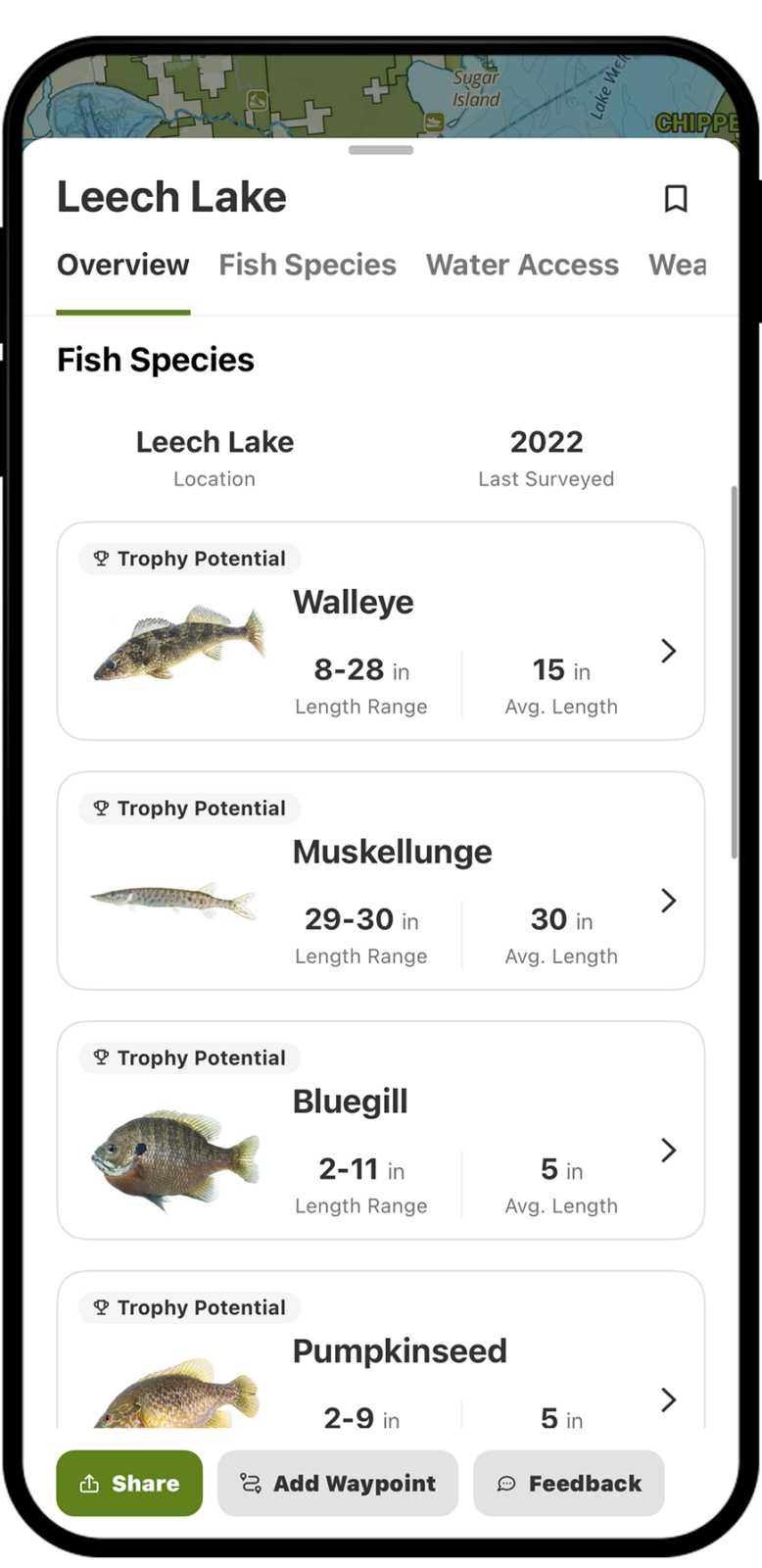
Public records are often the fastest way to learn whether a lake contains fish. State wildlife agencies, fisheries departments, and local conservation offices may publish stocking reports, survey data, lake maps, and species lists. These records can tell you whether a lake supports bass, trout, catfish, panfish, walleye, or other species.
A lake that was stocked years ago may still have fish. Some species reproduce on their own. Others need regular stocking. The age of the report matters, but it still gives you a useful starting point.
Check Stocking Reports and Fish Surveys
Search for the lake name plus terms such as:
- Fish stocking report
- Lake survey
- Fisheries survey
- Public access map
- Bass management report
- Trout stocking schedule
- State wildlife agency
Electrofishing surveys are common tools used by fisheries biologists. They temporarily stun fish so crews can count, measure, and release them. These surveys do not show every fish in the lake, but they can reveal which species live there and how healthy the population may be.
A lake survey that lists many small bass, bluegill, or crappie shows that the lake has a food chain. A survey with large fish suggests that the lake offers enough food and habitat to support growth.

Ask People Who Fish the Lake
A local bait shop often knows more than a search engine. Shop staff hear reports from shore anglers, kayak fishermen, ice anglers, and boat owners. Ask specific questions instead of asking, “Is the lake good?”
Try these questions:
- Which species are being caught now?
- Are fish being caught from shore or only by boat?
- What depth are anglers using?
- Which bait or lure is working?
- Are there access limits or special regulations?
- Is the lake safe for a kayak or small boat?
Experienced anglers may not share every secret spot, but most will tell you whether a lake has active fish. Be polite and avoid asking for exact private locations.
Study Maps Before You visit
a bathymetric map shows underwater depth. Aerial images show shore shape, weed beds, inlets, outlets, docks, points, and fallen trees. Together, these tools help you predict where fish may live.
Look for:
- Deep holes beside shallow flats
- Creek channels
- Rocky points
- Weed lines
- Submerged timber
- Drop-offs
- Inlets and outlets
- Beaver dams or flooded brush
- Docks and bridges
- Windblown banks
A lake with different depths and many forms of cover usually offers more fish habitat than a featureless bowl. That does not guarantee a bite, but it improves your odds of finding life.
Look for a Healthy Food Chain
Fish need food, oxygen, shelter, and suitable water temperature. You can often judge a lake by looking for the smaller parts of the food chain first. Where prey gathers, game fish may be nearby.
The table below shows common clues and what they may mean. These signs are useful, but each clue has limits.
| Sign | What it may indicate | Best response |
|---|---|---|
| Small baitfish near shore | Food is present and may attract bass, walleye, or other predators | Fish nearby cover and changes in depth |
| Diving birds | Baitfish or insects are close to the surface | Watch the birds, then cast around the feeding area |
| Insects on the water | Trout, bluegill, and other fish may be feeding | Try small flies, jigs, or live bait |
| Green weeds | Cover, oxygen, and food for many species | Fish the outside weed edge and open holes |
| Fresh feeding ripples | Fish may be chasing prey | Cast beyond the ripple and retrieve through it |
| Clear water with no visible life | Fish may still be deep or inactive | Check depth, shade, structure, and temperature |
Do not judge a lake only by its surface. A calm lake at noon may show no activity even when fish hold 15 feet down. A windy bank may look rough but can collect plankton and baitfish.
Find Baitfish, Insects, and Crayfish
Baitfish are one of the strongest signs that a lake can support predator fish. Look for small fish near docks, rocks, weed edges, creek mouths, and shaded banks. Baitfish may appear as silver flashes, nervous waves, or tight dark schools.
Turn over a few loose rocks near the water’s edge. You may find crayfish, insect larvae, or aquatic bugs. Do not damage living plants or disturb private property. These small creatures can show what local fish eat.
Match your presentation to the available food. A 1/16-ounce jig, small soft plastic, live worm, or tiny crankbait may work better than a large lure when the lake contains small prey.
Check Weed Beds and Aquatic Plants
Healthy aquatic plants create shelter for minnows, insects, and young fish. They also give bass, bluegill, crappie, and pike places to hunt. Look for green weeds rather than thick mats of dying brown vegetation.
Good areas include:
- The deep edge of a weed bed
- Open pockets inside weeds
- Points where weeds meet rock
- Channels through vegetation
- Floating weeds near a drop-off
Fish may not sit in the thickest cover all day. Often, the best spot is the edge where clean water meets the weeds. A bobber and live bait can work well for beginners and kids. Experienced anglers may choose a weedless soft plastic, jig, or spinnerbait.
Watch Birds and Other Wildlife
Birds can help you locate food, but they do not always point to game fish. Terns, gulls, loons, grebes, and cormorants may gather where baitfish or insects are active. Kingfishers often hunt small fish near shore.
A single bird may be resting. A group of birds repeatedly diving into one area is more useful information. Watch for several minutes before moving. If birds leave and return to the same spot, the food source may still be there.

Know What Fish Need to Survive
A lake with fish needs more than water. Fish require oxygen, food, shelter, and a temperature range they can handle. These needs change with the season and species.
Bass often use weeds, wood, rocks, and drop-offs. Trout prefer cool, clean, oxygen-rich water. Catfish may use deep holes, creek channels, and soft bottoms. Panfish often gather near weeds, brush, docks, and shallow spawning areas.
Use Water Temperature as a Clue
Water temperature affects fish activity and location. You do not need an expensive tool to begin. A small waterproof thermometer can help you understand why fish may be shallow, deep, or inactive.
Approximate patterns include:
- Cold water: Trout may be active, while bass can move slowly.
- Cool spring water: Many fish move toward shallow areas to feed.
- Warm summer water: Fish may seek shade, weeds, current, or deeper water.
- Very warm surface water: Trout may move deeper or become stressed.
- Cooling fall water: Many species feed more actively before winter.
These are broad patterns, not rules. Cloud cover, wind, current, water clarity, and local forage can change fish behavior.
Check Water Clarity and Color
Water clarity can reveal habitat quality and help you choose a lure. Clear water lets fish see farther, so natural colors and lighter line may help. Stained water limits visibility, so vibration, flash, and stronger contrast can help fish find your bait.
Water that is slightly green or brown can still support excellent fishing. Muddy water after heavy rain may reduce visibility and move fish toward cover or inflowing water. A strong sewage smell, dead fish, thick surface scum, or unusual color may signal a water-quality problem.
Do not fish in water that appears unsafe or has an official health warning. Contact the local health or wildlife agency if you see a major fish kill or pollution event.
Look for Oxygen and Current
Moving water often carries oxygen and food. Inlets, outlets, springs, culverts, and narrow channels can attract fish. Wind also pushes warm surface water and plankton toward one side of a lake.
The downwind bank can be a good place to start, especially on a warm day. In summer, a cool inlet may hold fish. In winter, a spring-fed area may remain more stable than other parts of the lake.
Use a Fish Finder the Right Way
A fish finder can show depth, bottom shape, weeds, rocks, timber, and possible fish targets. It works by sending sound pulses into the water and reading the returning signal. Modern units may include GPS maps, side imaging, down imaging, and wireless connections.
A fish finder is useful for boat fishing, kayak fishing, and ice fishing. It is less useful for a simple shore trip unless you use a castable sonar unit or a portable depth finder.
The main limitation is that fish finder marks are not always fish. Debris, weeds, thermoclines, air bubbles, and bottom changes can create similar returns.
| Fish finder display | Likely meaning | What to do |
|---|---|---|
| Strong line near the bottom | Hard bottom, rock, or a large object | Check the area with a jig or bottom rig |
| Arched marks above bottom | Possible individual fish | Circle back and try a different depth |
| Thick cloud of small marks | Baitfish or suspended debris | Fish above, below, and beside the cloud |
| Tall vertical lines | Weeds, timber, or structure | Use a weedless lure and slow presentation |
| Flat, even bottom | Soft or featureless bottom | Move until you find a depth change |
| Sudden depth drop | Ledge, channel, or hole | Fish both the shallow and deep edges |
Use the unit to find patterns, not to chase every mark. If fish symbols appear on automatic mode, turn off the fish icons when you become comfortable. Raw sonar returns can teach you more than cartoon fish symbols.
Best Fish-Finder Options for Different Anglers
A small portable sonar unit suits a shore angler who fishes from docks, canoes, or small boats. A compact GPS fish finder works well for a kayak or jon boat. A larger unit with side imaging suits anglers who cover big reservoirs and need to scan structure.
Beginners should focus on depth, bottom contour, and simple 2D sonar. Experienced anglers may value mapping, side imaging, down imaging, GPS waypoints, and networking. A gift buyer should choose a simple unit that matches the recipient’s boat and skill level.
How to Read Fish Arches
Traditional sonar may show a fish as an arch because the fish enters and leaves the sonar cone. A complete arch often means the fish moved through the center of the cone. A partial arch may mean the fish stayed near the edge.
Fish suspended above the bottom are easier to separate from the bottom return. Fish lying close to the bottom may blend into it. Slow boat speed and a suitable chart speed can improve the display.
Do not assume a large mark is a large fish. Size, distance from the transducer, sensitivity, and screen settings all affect the image.
Test the Lake With Simple Fishing Methods
The most direct way to know if a lake has fish is to fish it in a planned way. Do not cast one lure from one bank for 20 minutes and call the lake empty. Fish can be present but located at another depth, on another shore, or in different cover.
Use a method that covers several depths and food types. A bobber rig tests shallow water. A bottom rig tests deeper areas. A spinner, crankbait, or jig helps you search open water.
Start With a Spinning Combo
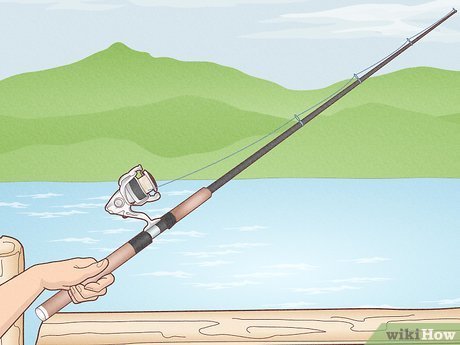
A 6-foot, 6-inch to 7-foot medium-light or medium spinning rod is a useful general setup. Pair it with a 1000 to 2500-size spinning reel and 4- to 8-pound monofilament for panfish, trout, and light bass work.
For larger bass, walleye, or catfish, a 7-foot medium rod with 8- to 12-pound line gives more control. Rod power describes how much force it takes to bend the rod. Action describes where the rod bends, such as fast near the tip or moderate farther down the blank.
Spinning reels are easier for beginners than baitcasters because they resist backlash. A spincast combo is even simpler for a child, though it may not cast as far or last as long as a well-maintained spinning reel.
Use a Basic Bobber Rig
A bobber shows when a fish takes the bait and keeps the bait at a set depth. This makes it useful for beginners, kids, and anglers testing an unknown lake.
A simple rig needs:
- A small bobber
- A size 6 to 12 hook
- 4- to 8-pound monofilament
- One or two small split shot sinkers
- A worm, cricket, bread bait where legal, or small artificial bait
Set the bait 2 to 4 feet below the bobber first. If you see no action, change the depth. Try 6 feet, then deeper. Different species may hold at different levels.
Search With Lures
Lures let you cover more water than bait. Use a small spinner, 1/16- to 1/8-ounce jig, small crankbait, or soft plastic. Cast near weeds, rocks, docks, points, and depth changes.
Use a slow retrieve first. If weeds foul the lure, move to the edge or switch to a weedless rig. If you see baitfish near the surface, try a small lure above them. If the water is cold, slow the presentation.
A fluorocarbon leader can help in clear water. Fluorocarbon is a dense line that sinks and is less visible underwater. Braided line offers low stretch and strong diameter, but many anglers add a monofilament or fluorocarbon leader.
Fish Different Depths in a Planned Order
A simple depth plan prevents random casting. Start shallow, then move deeper if you find no signs of life.
- Fish the first 3 feet near cover.
- Try the outside edge of weeds.
- Cast along a drop-off or point.
- Test mid-depth water with a jig or spinner.
- Fish near the bottom with a sinker rig.
- Repeat the best areas from another angle.
Give each zone 10 to 15 minutes. Change only one factor at a time when possible. If you change bait, depth, line, and location together, you will not know what helped.
Compare Signs by Target Species
Different fish use different parts of a lake. Learning their habits helps you decide whether a sign is useful for your target.
| Target species | Common habitat clues | Simple starting method |
|---|---|---|
| Bass | Weeds, wood, docks, rock, drop-offs | Soft plastic, spinnerbait, crankbait, or live bait |
| Trout | Cool water, springs, inlets, deep shade | Small spoon, spinner, fly, or worm where legal |
| Catfish | Deep holes, channels, muddy bottoms, creek mouths | Bottom rig with cut bait or prepared bait where legal |
| Bluegill | Weeds, docks, brush, shallow cover | Bobber with worm or small jig |
| Crappie | Brush piles, timber, docks, creek channels | Small jig or minnow under a bobber |
| Walleye | Points, rocky areas, low light, drop-offs | Jig, live bait rig, or crankbait |
| Redfish in brackish lakes or lagoons | Current, grass edges, oyster or hard bottom | Soft plastic, spoon, or live bait where legal |
These are starting points rather than promises. Fish may move due to weather, fishing pressure, water level, forage, and spawning activity.
Signs That Suit Bass Fishing
Bass often use cover as an ambush point. Look for a weed edge beside deeper water, a shaded dock, a rocky point, or a fallen tree near a flat. A lake with many bluegill, shad, minnows, or crayfish can support bass.
A medium spinning setup works well for beginners. Experienced bass anglers may use a baitcaster with 10- to 17-pound line, but baitcasters require more practice to avoid backlash. For a child or gift buyer, a spinning or spincast combo is usually easier.
Signs That Suit Trout Fishing
Trout need suitable temperature and oxygen. A clear lake may contain trout only in deep, cool water. Look for springs, cold inlets, shaded coves, and stocking reports.
A 6- to 7-foot light or ultralight spinning rod with 2- to 6-pound line can handle small trout. Fly anglers may use a 4- to 6-weight fly rod, depending on wind, fly size, and fish size. Always check whether bait, treble hooks, or artificial lures are restricted.
Signs That Suit Catfish Fishing
Catfish can live in lakes that look muddy, warm, or unproductive to a visual observer. Search deep holes, old creek channels, points, and areas near an inlet. Fish may feed more actively after dark or after rain moves food into the lake.
A medium-heavy rod, 20- to 30-pound braided line, and a strong leader may suit larger catfish. For small channel catfish, a medium spinning setup with 8- to 12-pound line may be enough. Use a landing net and pliers when handling larger fish.
Understand What “No Fish” Really Means
An empty trip does not prove that a lake has no fish. Fish may be inactive, too deep, scattered, pressured, or feeding on a food source you have not matched. Your bait may also be at the wrong depth or moving too fast.
The table below helps separate a poor fishing result from stronger evidence that a lake has limited fish habitat.
| Observation | What it may mean | Next step |
|---|---|---|
| No bites in one shallow cove | Fish may be deeper or elsewhere | Move to a point, weed edge, or drop-off |
| No surface activity at midday | Fish may be below the surface | Use a sinker, jig, or fish finder |
| Baitfish but no bites | Predators may be inactive or nearby | Slow down and fish cover around the bait |
| Dead weeds and low oxygen | Habitat may be poor in that area | Move toward cleaner, greener vegetation |
| Several anglers catch nothing | Conditions may be hard | Ask what depths and baits they used |
| No signs for several hours | Fish numbers may be low, or the lake may be poorly suited to your target | Check records and try another lake |
Think of fish-finding like reading a book. One blank page tells you little. Several pages with the same pattern give you a better story.
Check for Fish Kills and Water Problems
Large numbers of dead fish are a clear warning sign. Fish kills can result from low oxygen, disease, heat, pollution, algal blooms, or sudden weather changes. Avoid touching dead fish and report serious events to the local wildlife or environmental agency.
Do not eat fish from a lake with a consumption warning. Follow posted signs and official health notices. Water that looks clean can still contain harmful bacteria or chemicals.
Consider Fishing Pressure
A lake may have many fish but few easy bites. Heavy pressure can make bass, trout, and walleye cautious. Fish may move away from crowded banks or ignore common lures.
Try less obvious structure, quieter times, smaller baits, or a different presentation. Barbless hooks can make release easier, but local rules may require specific hook types.
Choose Gear That Helps You Confirm Fish
You do not need a large boat or expensive electronics to investigate a lake. Simple tools can help you gather useful evidence.
| Tool | Useful for | Best fit |
|---|---|---|
| Polarized sunglasses | Seeing weeds, rocks, shallow fish, and drop-offs | All shore and boat anglers |
| Waterproof thermometer | Comparing water temperatures | Beginners and serious anglers |
| Spinning combo | Testing bait and lures at many depths | Beginners, kids, and most freshwater anglers |
| Castable sonar | Finding depth and structure from shore | Shore anglers and kayak users |
| Fish finder | Mapping depth, cover, and possible fish marks | Boat and kayak anglers |
| Landing net | Safely landing fish | Catch-and-release anglers |
| Long-nose pliers | Removing hooks | Every angler, especially with treble hooks |
| Small tackle box | Carrying hooks, sinkers, swivels, and lures | Families and mobile anglers |
Polarized sunglasses reduce glare and help you see below the surface. They do not let you see every fish. Use them with good light, clear water, and a low viewing angle.
Match Gear to the Angler
For a beginner, choose a 6-foot, 6-inch to 7-foot medium-light spinning combo, 6-pound monofilament, size 8 hooks, small sinkers, and a bobber. This setup is simple and affordable.
For a child, a short 4- to 6-foot spincast combo may be easier to control. Check the reel before buying. The line should come off smoothly, and the push-button release should work without sticking.
For an experienced angler, a medium spinning rod, baitcaster, portable sonar, or light kayak setup may add useful control. Avoid buying advanced gear for someone who has never fished. A simple kit that gets used is better than a complex kit that stays in a closet.
👪 Parent or Gift-Buyer Note: Add hook removers, polarized sunglasses, a small tackle box, and a life jacket to a child’s fishing gift. These items often improve safety and comfort more than another lure.
Know What Can Break First
Fishing gear lasts longer when you control the weak points. The line, bail spring, reel handle, hook points, and rod tip often suffer the most damage.
Keep hooks out of rod guides. Do not lift heavy fish with a light rod. Rinse saltwater gear with fresh water, loosen the drag before storage, and dry reels before placing them in a tackle box.
A fish finder also needs care. Keep the screen dry, protect the transducer cable, and check battery connections. For kayak fishing, secure every tool with a tether because a dropped item may be hard to recover.
Stay Safe While Checking a Lake
Fishing safety matters even when you are only scouting. Shorelines can be steep, muddy, slippery, or unstable. Rocks and wet logs can cause falls. Hooks, knives, and pliers can cause serious cuts.
If you use a boat, canoe, or kayak, wear a properly fitted U.S. Coast Guard–approved personal flotation device. Tell someone where you will fish and when you plan to return. Check wind, storms, heat, and cold before launching.
Ice fishing requires extra care. Never trust ice by appearance alone. Check thickness in several places, avoid moving water, carry ice picks, and fish with someone who knows ice safety. A professional boating safety or ice safety course is a smart choice for new anglers.
⚠️ Safety Warning: Fish from a stable bank or boat, not from unsafe private structures, thin ice, or restricted areas. A fish finder cannot protect you from weather, cold water, falling, or boat failure.
Follow License and Access Rules
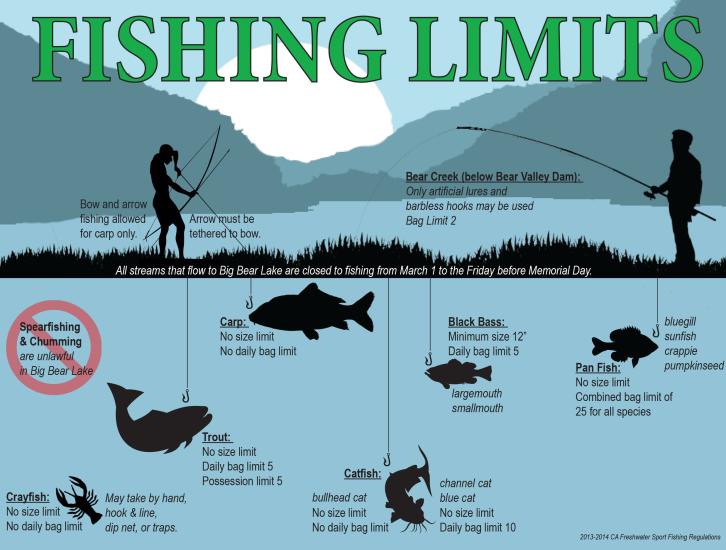
Most public fishing in the United States requires a state fishing license. Rules may also cover trout stamps, youth licenses, species limits, size limits, seasons, bait, lead sinkers, treble hooks, and barbed hooks.
Check the current rules before fishing. Confirm them with your state wildlife agency or the agency that manages the lake. Do not rely on an old social media post or a friend’s memory.
📜 Check Local Regulations: Regulations can change by lake and species. Confirm license needs, bag limits, minimum sizes, closed seasons, boating rules, and tackle restrictions before you cast.
Handle Fish With Care
If you catch a fish while testing a lake, decide before fishing whether you will keep it or release it. Follow all legal harvest rules. For catch and release, wet your hands first, support the fish, and keep it out of the water for as little time as possible.
Use circle hooks when required or when fishing live bait for species that may swallow bait. Pinch barbs if legal and suitable for your method. Cut the line near a deeply swallowed hook when removal may cause more damage.
Never leave fishing line, bait containers, hooks, or plastic on the bank. Discard line in a recycling bin or a marked fishing-line container. Birds and turtles can become tangled in loose line.
🌿 Conservation Note: A lake stays healthy when anglers protect shore plants, release unwanted fish carefully, and report pollution, fish kills, and invasive species.
Common Mistakes That Make a Lake Seem Empty
Many anglers decide too soon that a lake has no fish. The most common problem is a narrow search. They fish one spot, at one depth, with one bait, during one part of the day.
Avoid these mistakes:
- Fishing only the easiest bank
- Using a lure that is too large
- Ignoring water temperature
- Staying shallow all day
- Moving every minute without a plan
- Trusting automatic fish symbols
- Fishing during unsafe weather
- Ignoring local regulations
- Handling fish with dry hands
- Leaving line or bait on the shore
A planned search is more useful than a long session with no changes. Record the date, weather, water level, depth, lure, and result. Over time, your notes may reveal patterns that are not obvious during one trip.
Do Not Treat Sonar Symbols as Proof
Fish icons are guesses made by software. The unit reads sound returns, then tries to classify them. Weeds, branches, bubbles, and suspended debris can confuse the system.
Use sonar with other clues. If the screen shows marks near a drop-off and you also see baitfish, birds, or feeding activity, the evidence is stronger. If the screen shows fish icons in empty open water, test them with a jig or bait before drawing a conclusion.
Do Not Ignore Time of Day
Fish may be easiest to find near dawn, dusk, after a weather change, or during a feeding window. Bright midday sun can push some species into shade or deeper water.
This does not mean dawn is always best. Water temperature, wind, season, and fishing pressure matter. If you can visit only once, fish for at least part of the morning and check more than one depth.
A Simple Lake-Checking Plan
Use this plan when visiting an unfamiliar lake for the first time. It works from shore, and you can adapt it for a kayak or small boat.
- Check access and rules. Confirm the fishing license, open season, bait rules, and access hours.
- Study the map. Mark points, creek mouths, weed lines, docks, channels, and deep water.
- Watch the lake. Spend 10 minutes looking for birds, baitfish, insects, ripples, and current.
- Measure the water. Note temperature, clarity, wind, and water level.
- Start with easy cover. Fish weeds, rocks, docks, brush, or a drop-off.
- Use a bobber or small lure. Test shallow water with a simple presentation.
- Change depth. Move from 3 feet to 6 feet, then deeper if safe and practical.
- Cover a new area. Fish a point, inlet, shaded bank, or windblown shore.
- Record the result. Write down what you saw and what happened.
- Make a fair decision. After testing several depths and habitats, decide whether to return, change tactics, or try another lake.
This process does not promise a catch. It gives you better evidence than guessing from the shoreline.
Pros and Cons of Different Fish-Finding Methods
Each method has a useful role. The right choice depends on your budget, travel limits, target species, and fishing style.
| Method | Pros | Cons |
|---|---|---|
| Stocking records | Free, fast, species information | Reports may be old or incomplete |
| Local tackle shop | Current local knowledge | Advice can vary by person and conditions |
| Visual signs | Free and useful from shore | Fish may be deep or inactive |
| Fish finder | Shows depth, cover, and possible marks | Costs money and needs practice |
| Bobber and bait | Easy for beginners and kids | Covers less water |
| Lures | Searches water quickly | Requires casting skill and fish response |
| Trial fishing | Direct evidence from the lake | Needs time, patience, and legal access |
The best approach combines two or more methods. For example, use a stocking report, map, polarized sunglasses, and a simple spinning setup before spending money on advanced sonar.
Frequently Asked Questions
Q: Can a lake have fish if I cannot see any?
A: Yes. Fish often stay deep, under weeds, beside wood, or away from shore. Clear water does not mean fish will be visible. Use a bobber, bottom rig, or fish finder to test more than one depth.
Q: How do I know if a small lake has bass?
A: Check state survey data, ask local anglers, and look for bass habitat such as weeds, docks, wood, rocks, and drop-offs. Bluegill, minnows, and crayfish also show that the lake has food for bass. Fish several cover types with a soft plastic, spinnerbait, crankbait, or live bait where legal.
Q: Can fish live in a lake with muddy water?
A: Yes. Catfish, bass, carp, and other species can live in stained or muddy water. Mud reduces visibility, so fish may rely more on vibration, scent, sound, and close-range movement. Use high-contrast lures, spinnerbaits, jigs, or legal bait.
Q: What is the best bait for testing an unknown lake?
A: A worm under a bobber is one of the simplest tests for panfish, trout, and some bass. A small jig or spinner covers more water. Use only bait allowed by local regulations, and match hook size to the fish you expect.
Q: Will a fish finder always show fish?
A: No. A fish finder can miss fish, and it can mistake weeds, debris, or bubbles for fish. Learn to read depth, bottom shape, cover, and raw sonar returns. Test suspicious marks with a lure or bait.
Q: What line should a beginner use when checking a lake?
A: Use 4- to 8-pound monofilament on a light or medium-light spinning combo for panfish and trout. Use 8- to 12-pound line for larger bass, walleye, or small catfish. Monofilament is affordable, flexible, and easy to tie.
Q: Is a baitcaster better than a spinning reel for finding fish?
A: Not always. Baitcasters offer strong casting control and work well for experienced bass anglers using heavier lures. Spinning reels are easier for beginners, kids, light lures, and mixed freshwater species. Choose the reel that fits your skill level.
Q: How long should I fish before deciding a lake has no fish?
A: Try at least three habitat types and several depths before deciding. A focused two-hour search can be more useful than six hours in one spot. Also check another time of day if possible.
Q: Are birds proof that fish are in a lake?
A: No. Birds may hunt insects, frogs, or small baitfish. Repeated diving by several birds is a useful clue, but fish may be too small, too deep, or absent from that exact area.
Q: Can I use a kayak to find fish?
A: Yes. Kayaks provide quiet access to coves, weed edges, and shallow water. Wear a U.S. Coast Guard–approved PFD, secure your tackle, check the weather, and learn basic kayak safety before going far from shore.
Q: What should I do if I catch an invasive species?
A: Follow local rules. Some agencies require anglers to keep or report certain invasive fish and forbid releasing them. Do not move live fish, bait, plants, or water from one lake to another.
Q: How can I tell if a lake is safe to eat fish from?
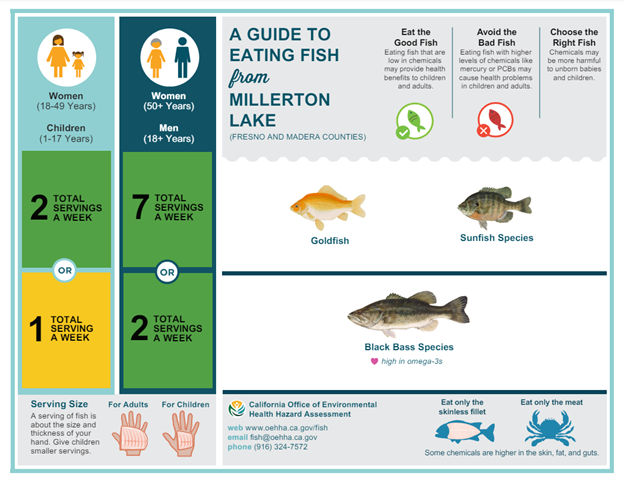
A: Check current fish-consumption advisories from the state health or wildlife agency. Follow species, size, and meal limits. Never eat fish from a lake with a posted warning unless the official guidance says it is safe after preparation.
Final Thoughts
The best way to know if a lake has fish is to build a case from several clues. Check official records. Study the map. Look for bait, birds, weeds, current, and healthy water. Then test different depths with simple gear before deciding that the lake is empty.
You do not need a large boat, costly electronics, or a full tackle shop to begin. A spinning combo, monofilament, a few hooks, sinkers, bobbers, small lures, polarized sunglasses, and a notebook can teach you a great deal. As your skills grow, a portable fish finder, kayak, baitcaster, or advanced sonar can add more detail.
Fish-finding is less about guessing and more about listening to the lake. Every ripple, weed line, depth change, and baitfish school gives you part of the answer. Combine those clues with safe, legal, and careful fishing, and you will make smarter choices on your next trip.