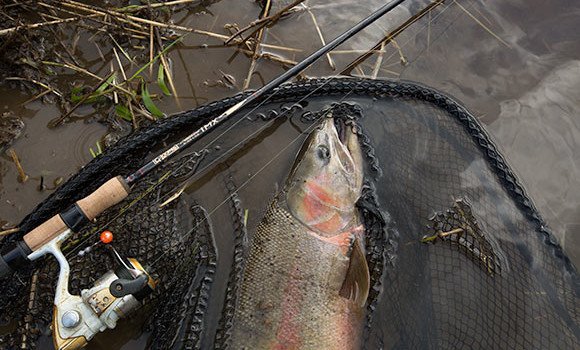
How To Fish A Lake: Easy Tips For More Catches
Fishing a lake is less about casting as far as possible and more about finding where fish feel safe, where food gathers, and how water changes through the day. A simple rod, fresh line, a few hooks, and the right bait can catch panfish, bass, trout, catfish, and walleye. The key is to match your setup to the fish, depth, cover, weather, and fishing rules.
A good lake fishing plan starts before you reach the water. Check the forecast, study a map, confirm your fishing license, and learn which species live in the lake. Then choose a safe place to fish, rig your line, and make several careful casts before changing lures or moving. Fish often reveal their location through small clues, such as baitfish near shore, birds diving, weeds moving, or insects hatching.

The quick answer: how to fish a lake
The best way to fish a lake is to target structure, depth changes, weed edges, points, docks, fallen trees, and moving water. Start with a spinning or spincast combo, 6- to 7-foot medium-light or medium rod, 6- to 10-pound monofilament, and live bait or a simple lure. Fish slowly, change depth before changing spots, and follow local license, size, and bag rules.

Learn what lake fish need
Lake fish do not spread out at random. They seek food, cover, oxygen, and water temperatures that suit them. A bass may hold beside a laydown tree, while trout may suspend over deep water. Bluegill may sit near weeds, and catfish may feed along a soft bottom after dark.
The best lake fishing spots often combine two or more features. A rocky point beside deep water is better than a flat, featureless bank. A weed line near a drop-off gives fish both cover and an easy feeding route.
Find structure, cover, and depth
Structure means a change in the lake bottom, such as a point, channel, hump, ledge, or drop-off. Cover is an object or feature that hides fish, such as weeds, brush, rocks, docks, or fallen trees. These terms matter because fish often use structure as a travel route and cover as an ambush point.
Look for these high-value areas:
- Points that extend into the lake
- Creek mouths and small inflows
- Weed edges
- Fallen trees and brush piles
- Boat docks and shaded banks
- Rocky shorelines
- Deep holes beside shallow flats
- Dam faces and spillway areas where legal
- Flats near a sharp drop
- Inlets with cooler or more oxygen-rich water
Use a lake map if one is available. A contour map shows depth lines. Lines packed close together usually mark a steep drop. Lines spread far apart show a gradual flat.

Match fish to likely locations
Different fish use the lake in different ways. Largemouth bass often relate to weeds, wood, docks, and shaded banks. Smallmouth bass favor rocks, gravel, current, and clearer water. Trout may prefer cold, oxygen-rich water and can move deeper as surface temperatures rise.
Panfish, such as bluegill and crappie, often gather around weeds, brush, docks, and submerged trees. Catfish commonly use deep holes, creek channels, flats, and areas with food washed into the lake. Walleye often favor low light, rocky points, drop-offs, and areas near baitfish.
| Target fish | productive lake areas | Simple presentation |
|---|---|---|
| Bass | Weeds, wood, docks, points, rocky banks | Soft plastic, crankbait, jig |
| Trout | Cool inlets, deep water, spring areas | Worm, small spoon, spinner |
| Panfish | Weeds, brush, docks, shallow cover | Small hook, bobber, live bait |
| Catfish | Deep holes, channels, muddy flats | Bottom rig with bait |
| Walleye | Points, rock, drop-offs, low-light areas | Jig, minnow, crankbait |
Beginner anglers should start with panfish because they often respond well to a bobber and live bait. Experienced anglers may use electronics, contour maps, and multiple rods to test depth and cover. Parents and gift buyers can make lake fishing easier for children by choosing visible floats, small hooks, and short casts near safe shore cover.
Choose the right lake fishing gear
The right gear should be simple, balanced, and suited to the fish you plan to catch. Beginners usually do best with a spinning reel or spincast combo. Experienced anglers may prefer baitcasters for bass lures or fly rods for trout and panfish. Telescopic rods help with travel, but their joints need regular care.
A basic freshwater setup does not need to cost a lot. A dependable 6- or 7-foot spinning combo, 6- to 10-pound line, a small tackle box, and a landing net can cover many shore and boat trips.

Pick a rod by power and action
Rod power describes how much force a rod needs to bend. Ultralight and light rods suit small panfish and trout. Medium-light rods handle small lures and light line. Medium rods offer a useful all-around choice for bass, walleye, catfish, and larger trout. Medium-heavy rods help cast heavier lures and control strong fish near cover.
Action describes where the rod bends. A fast-action rod bends near the tip and gives quick lure control. A moderate-action rod bends farther down the blank and can help keep treble-hook fish pinned. For a general lake setup, a 6-foot 6-inch to 7-foot medium-light or medium fast-action spinning rod works well.
Graphite rods feel light and transmit small taps clearly. Fiberglass rods are often more forgiving and can suit children or anglers using live bait. Composite rods blend some traits of both.
Select a reel and line
A 2000- to 3000-size spinning reel is a practical match for most freshwater lake fishing. Look for a smooth drag, a solid bail, and a spool that holds at least 100 yards of your chosen line. Drag is the adjustable friction system that lets line leave the reel when a fish pulls.
A reel gear ratio tells you how many times the spool turns for each handle turn. A 5:1 or 6:1 ratio works for many lake techniques. Faster ratios help retrieve moving lures quickly, while slower ratios can suit deep crankbaits or heavy presentations.
Monofilament is affordable, easy to tie, and slightly stretchy. Fluorocarbon is less visible underwater and sinks, but it can be stiff. Braided line is thin and strong, with little stretch, but many anglers add a fluorocarbon or monofilament leader. A leader is a short section of line tied between the main line and the lure or hook.
| Line type | Main strengths | Best fit |
|---|---|---|
| Monofilament | Low cost, easy knots, stretch | Beginners, bobbers, panfish |
| Fluorocarbon | Sinks, abrasion resistance, low visibility | Clear water, leaders, finesse |
| Braided line | Thin diameter, high strength, little stretch | Heavy cover, long casts, baitcasters |
Use 4- to 6-pound line for small panfish and trout in open water. Use 8- to 12-pound line for general bass and walleye fishing. Heavy cover, large catfish, or strong current may call for 15- to 30-pound line, depending on local fish and tackle.
Carry useful terminal tackle
Terminal tackle means the small items at the end of your line. A simple lake tackle box should include:
- Hooks from size 8 through 2/0
- Split shot and egg sinkers
- Slip bobbers and fixed bobbers
- Barrel swivels
- Small jigs
- Soft plastics
- Inline spinners
- Spoons
- Crankbaits
- Circle hooks for some bait applications
- Fluorocarbon leader material
- Needle-nose pliers
- Line cutters
- Hook remover
Hook size can be confusing because larger numbers mean smaller hooks until the system reaches 1/0. A size 8 hook is smaller than a size 2 hook. A 1/0 hook is larger than a size 1 hook.

Consider useful extras
A landing net protects the fish and your hands, especially when fishing from a dock or steep bank. Polarized sunglasses reduce glare and help you see weed edges, rocks, and fish movement near the surface. A small tackle box keeps hooks and sinkers organized.
A fish finder can help boat anglers locate depth changes, baitfish, and suspended fish. It does not replace good lure control or local knowledge. Kayak anglers should choose compact gear, secure every tool, and carry a properly fitted U.S. Coast Guard–approved personal flotation device.
| Item | Why it helps | Who benefits most |
|---|---|---|
| Landing net | Reduces handling and lost fish | Boat anglers, children, shore anglers |
| Polarized sunglasses | Cuts glare and shows shallow cover | All anglers |
| Fish finder | Shows depth and possible fish location | Boat and kayak anglers |
| Pliers | Removes hooks and cuts line | All anglers |
| Tackle box | Keeps terminal tackle sorted | Beginners and traveling anglers |
Prepare before making the first cast
Preparation saves time and prevents avoidable problems. Check the weather, read the lake rules, and tell someone where you plan to fish. Shore anglers should inspect the bank for slippery mud, steep edges, poison ivy, broken glass, and overhead branches.
If you fish from a boat, wear a properly fitted life jacket. Kayak anglers should wear a U.S. Coast Guard–approved PFD at all times, not keep it stored behind the seat. Watch for storms, strong wind, cold water, and boat traffic.

Check licenses and lake rules
Most U.S. states require a fishing license for people above a certain age. Rules can differ by lake, species, season, and access area. Some waters restrict live bait, lead sinkers, treble hooks, barbed hooks, or the number of rods you may use.
📜 Check Local Regulations: Confirm license rules, size limits, bag limits, closed seasons, bait rules, and tackle restrictions with the state wildlife agency or local lake authority before fishing. Regulations can change between connected waters.

Set up a safe fishing area
Keep hooks, knives, and pliers pointed away from people. Children should fish beside an adult, with a clear casting lane and enough space behind them. Look up before every cast for trees, power lines, boats, and people.
Wear a hat, use sunscreen, drink water, and bring rain protection. Cold water can become dangerous even on a warm day. Never wade into unfamiliar lake water without checking the bottom, depth, current, and local warnings.
Rig a basic bobber setup
A bobber rig is one of the easiest ways to fish a lake. It keeps bait off the bottom and makes bites easy to see.
- Thread the line through the rod guides.
- Tie on a small hook with an improved clinch knot.
- Pinch one or two split shots 6 to 12 inches above the hook.
- Attach a bobber 2 to 5 feet above the hook.
- Add a small piece of worm, cricket, minnow, or other legal bait.
- Cast near weeds, docks, brush, or a drop-off.
- Watch the bobber and set the hook when it moves down or slides away.
Use a slip bobber when fish may be deeper than 4 or 5 feet. A slip bobber slides along the line and stops at a small stopper, so you can fish deep water while still casting.

Follow a simple lake fishing method
The most reliable lake fishing process is to start shallow, test likely cover, adjust depth, and move when the area gives no clues. Do not change everything at once. If you change the bait, depth, location, and retrieve together, you will not know what caused a bite.
1. Start with a high-percentage area
Begin at a point, weed edge, dock, inlet, or visible cover. These areas give fish food and shelter. Cast parallel to the bank when possible. A lure that travels along cover stays in the strike zone longer than one that crosses it quickly.
If you fish from shore, fan your casts at different angles. Cast straight out, then to the left and right. This helps you cover different depths without walking far.
2. Count the lure down
Many lures sink at a known rate. After casting, count “one, two, three” before starting the retrieve. Try different counts to cover shallow, middle, and deeper water. Keep notes when a fish bites so you can repeat the depth.
A jig, spoon, or soft plastic can cover several depths with the same cast. A crankbait usually runs at a set depth based on its design, line size, and retrieve speed.
3. Use a steady retrieve first
Start with a simple retrieve. Turn the reel handle at a slow, steady pace. Then add short pauses, gentle rod lifts, or brief twitches. Fish often strike when a lure changes speed or direction.
A beginner does not need a complex pattern. Make the lure look like something alive, keep contact with it, and stay ready for a bite. Many anglers miss fish because they stop paying attention during the pause.
4. Change depth before changing location
If fish are present but not biting, change the depth. With live bait, move the bobber stop. With a lure, count it down longer or use a faster retrieve. Fish may be close to the bottom in bright sun and higher in the water column during low light.
After testing three depths, change the angle or lure. If the area still gives no sign of life, move 20 to 50 yards and repeat the process.
5. Set the hook with control
For a bobber, wait until the float moves down or away. Then lift the rod firmly. Do not swing wildly. For a lure, reel down until the line is tight, then sweep the rod to the side or upward.
Small hooks and light line need a smooth hook set. A hard, fast jerk can pull the hook free or break the line. Circle hooks work differently. With a circle hook, let the fish take the bait, then reel steadily until the line tightens.
6. Fight and land the fish
Keep the rod bent, but do not point it straight at the fish. Let the drag work during strong runs. Move the rod away from weeds, rocks, or branches when possible. Use a landing net for larger fish or when fishing from a high bank.
Wet your hands before touching a fish. Support its body, remove the hook with pliers, and return it to the water quickly if you plan to release it.
💡 Pro Tip: When a fish bites near a specific object, mark the angle, depth, and retrieve speed. The next fish may come from the same type of spot, even if it is far down the bank.

Use the right presentation for common lake fish
A presentation is the way you deliver bait or a lure. The best choice depends on the species, water clarity, depth, season, and local forage. Start with simple methods, then refine them as you learn the lake.
Bass fishing in a lake
For largemouth bass, cast a soft plastic worm near weeds, docks, wood, and shade. A Texas rig helps keep the hook point protected around cover. A spinnerbait works well when wind adds surface movement. A crankbait can cover water along rocky banks and points.
For smallmouth bass, try a small jig, tube, ned-style soft plastic, or jerkbait near rocks and gravel. Clear water often calls for natural colors and lighter line. Cloudy water may allow brighter colors or more vibration.
A medium spinning rod with 8- to 10-pound line suits beginners fishing open water. Experienced anglers fishing heavy weeds may prefer a medium-heavy baitcasting rod with 30- to 50-pound braid and a leader.
Trout fishing in a lake
Trout may feed near the surface during cool mornings, insect hatches, or low light. Small spinners, spoons, flies, and natural baits can work where legal. Fish near cold inlets, spring areas, deep water, and submerged creek channels.
A 6- to 7-foot ultralight or light spinning rod with 4- to 6-pound monofilament suits many shore anglers. A fly rod can be useful when trout rise to insects, but it requires more casting practice and open space behind the angler.
Panfish and crappie
Panfish are a strong choice for beginners and kids. Use a size 6 to 10 hook, a small bobber, and a worm, cricket, or other legal bait. Set the bait 2 to 6 feet below the float, then adjust depth based on bites.
Crappie often hold around brush, submerged trees, docks, and suspended cover. Small jigs in the 1/32- to 1/16-ounce range work well with light spinning tackle. Fish slowly and watch the line for light bites.
Catfish from shore or boat
Catfish often respond to bait fished near the bottom. A simple slip-sinker rig lets the fish take line while the weight stays on the lake floor. Use worms, cut bait, prepared bait, or other legal choices.
A medium to medium-heavy rod with 12- to 20-pound line suits many general catfish trips. Larger fish and heavy cover may require stronger gear. Keep your tackle secure because catfish can make sudden runs.
Walleye and deeper fish
Walleye often feed during low light and may use points, rock, drop-offs, and edges near baitfish. Jigging with a minnow or soft plastic can help you stay near the bottom. Trolling a crankbait can cover water when legal and safe.
A medium-light or medium spinning rod with 8- to 10-pound line works for many walleye techniques. Use a sensitive rod and watch for a light tap or added weight.
| Situation | Try first | Adjustment |
|---|---|---|
| Clear, calm water | Natural color, light line, slow retrieve | Fish deeper or farther from shore |
| Windy bank | Spinnerbait, spoon, or crankbait | Cast into the wind and cover moving water |
| Warm, bright day | Shade, weeds, deep edge | Slow down and fish lower |
| Cool morning | Shallow flats, inlets, surface areas | Use small moving lures or live bait |
| Muddy water | Vibration, scent, brighter color | Fish near cover and slow the retrieve |
Avoid the most common lake fishing mistakes
Most poor fishing days do not come from bad luck alone. They often come from fishing the wrong depth, moving too fast, using dull hooks, or ignoring safety and regulations. A few small changes can make your time on the water more productive and more enjoyable.
| Mistake | Why it hurts | Better choice |
|---|---|---|
| Casting only to the open center | Fish often use cover and depth edges | Target structure, cover, and drop-offs |
| Using one depth all day | Fish may suspend or move deep | Test shallow, middle, and bottom |
| Fishing too fast | Fish may not catch the lure | Add pauses and slower retrieves |
| Using oversized hooks | Small fish struggle to take bait | Match hook size to bait and species |
| Ignoring line damage | Abrasion can cause a break | Check the last 2 to 3 feet often |
| Keeping a tight drag | Light line may snap | Set drag before the first cast |
Do not overfill your tackle box
A large tackle box can create choice paralysis. Start with a few proven options: worms, small jigs, spinners, hooks, sinkers, bobbers, and one or two bass lures. Add gear after you learn what the lake needs.
Beginners often buy lures designed for many species but never learn how to fish them. One simple lure used well is more useful than 30 lures that stay unused.

Do not ignore your last few feet of line
The line near the hook takes the most damage. Rocks, shells, wood, and fish teeth can create small cuts. Run the line between your fingers before each trip. If it feels rough, cut off the damaged section and retie.
Replace monofilament when it becomes curly, brittle, cloudy, or badly stretched. Replace worn leaders when they show nicks. Braid can last several seasons when stored well, but its knots and leader connection still need checks.
Do not assume fish are always shallow
Shallow water is easy to reach, so many anglers fish it too long. During bright heat, cold fronts, heavy pressure, or low oxygen, fish may move deeper or suspend over open water.
Use a slip bobber, jig, spoon, crankbait, or fish finder to test deeper areas. If you have no electronics, use a countdown method and let your lure reach different levels.
Adjust your plan for shore, boat, kayak, and ice fishing
The same lake can fish very differently from the bank, a boat, or a kayak. Access changes the angles you can cast and the depth you can reach. Your safety plan must change as well.
Shore fishing is the best starting point for many beginners because it costs less and needs less gear. Boat fishing gives access to offshore structure but adds weather, navigation, fuel, and emergency concerns. Kayak fishing offers quiet access but requires careful weight balance and personal flotation gear.

Shore fishing
Walk slowly and avoid stomping near shallow water. Fish may sit close to shore, especially during low light or near cover. Cast from several angles before moving.
Bring a small shoulder bag or compact tackle box, water, sunscreen, pliers, a net, and a trash bag. Wear shoes with good grip. Never climb unstable banks to reach a better cast.
Boat fishing
Study the lake map before launching. Check fuel, battery power, lights, drain plugs, anchor gear, and communication devices. Secure rods and tackle so they cannot roll underfoot.
Wear a properly fitted U.S. Coast Guard–approved PFD. Check wind and storm forecasts, and leave extra time to return to the launch. A boating safety course is a smart investment for new boat owners and families.
⚠️ Safety Warning: A lake can become dangerous fast when wind rises or storms move in. Tell someone your plan, carry a charged phone in a waterproof case, and leave the water before conditions become unsafe.

Kayak fishing
Choose a stable kayak rated for your total load, including your body, tackle, cooler, battery, and other gear. Do not overload the boat. Keep heavier items low and centered, and leash important tools.
Practice reaching for pliers, landing a fish, and turning around before fishing far from shore. Wear your PFD all day. A paddle leash and visible light may also be useful, depending on local rules and your launch time.
Ice fishing
Ice fishing needs a separate safety plan. Ice thickness can vary across one lake, near inlets, around vegetation, and under snow. Never judge safety by appearance alone.
Check current local ice reports, carry ice picks, wear flotation clothing where suitable, and fish with a partner. A basic ice fishing setup may include an ice rod, small spinning reel, light line, jigs, a scoop, a shelter, and a sonar unit. Take an ice safety course if you are new to frozen water.
Manage cost, travel, and gear care
Lake fishing can cost less than many outdoor hobbies, but poor gear care creates repeat expenses. A basic starter outfit may cost about $40 to $100. A stronger or more refined setup may cost $100 to $300 or more. Current pricing ranges from low-cost combos to premium rods and reels, so check the latest listing before buying.
| Budget level | Useful setup | Best for |
|---|---|---|
| Under $50 | Spincast combo, hooks, bobber, sinkers | Kids, gifts, casual beginners |
| $50–$120 | Spinning combo, tackle, net, polarized glasses | New anglers and shore fishing |
| $120–$300 | Better spinning or baitcasting setup, quality lures | Regular anglers and upgrades |
| Over $300 | Specialized rods, reels, electronics, premium tackle | Experienced anglers with clear goals |
A low-cost spincast combo is easy for children because the push-button reel reduces tangles. A spinning reel gives more casting control and room to grow. Baitcasters suit experienced anglers who want accurate casting with heavier bass lures, but beginners may face backlash, which is a tangled spool caused by the spool turning faster than the lure pulls line.
Clean and store your equipment
After freshwater fishing, wipe down rods, reels, pliers, and lures. Let wet tackle dry before closing the tackle box. Loosen the drag when storing a spinning reel, and keep rods out of direct heat.
If you use gear in brackish or saltwater, rinse it with gentle fresh water as soon as possible. Salt crystals can damage bearings, guides, hooks, and reel parts. Saltwater-rated reels often have better sealing and corrosion protection, but no reel is maintenance-free.
Never leave hooks loose in a soft bag. Use lure covers or a divided tackle box. Store live bait separately from clean gear, and dispose of old line in a recycling bin or approved collection container.
Practice responsible fish handling and conservation
Good lake fishing protects the fishery and keeps access open. Follow the law even when a fish appears healthy. A legal limit is not always a personal target, and selective harvest can help you take only what you will use.
For catch and release, wet your hands before touching the fish. Keep it out of water for as little time as possible. Support large fish with one hand under the body and another near the tail. Do not squeeze the belly or hold a fish by the gill covers.
Use barbless hooks when local rules allow and when the situation suits them. Remove deep hooks only if you can do so safely. If a hook is swallowed, cutting the line close to the hook may cause less harm than forcing it out.
🌿 Conservation Note: Collect loose fishing line, bait containers, and hooks. Discarded line can injure birds, turtles, and other wildlife. Never release unused bait or aquarium fish into a lake.
Know when to ask a local tackle shop or guide
A local tackle shop can save you hours of guesswork. Ask about water clarity, current depth patterns, legal bait, productive areas, and seasonal changes. Bring the species you want to catch, your budget, and whether you fish from shore, boat, or kayak.
A guide can help when you have limited travel time, fish a large unfamiliar lake, or want to learn electronics and boat positioning. A licensed guide may also explain local hazards and access rules. Choose a guide who follows state regulations and places safety before catching fish.
Parents and gift buyers should ask for a simple setup that matches the user’s age, hand size, and fishing location. A 6-foot rod may be easier for a child than a long 7-foot rod. A closed-face spincast reel may reduce frustration, while a spinning combo gives an older child room to build skill.
Frequently asked questions
Q: What is the easiest way to fish a lake for beginners?
A: Use a 6- to 7-foot spincast or spinning combo, 6- to 8-pound monofilament, a size 6 to 10 hook, one or two split shots, and a bobber. Add a worm or other legal bait. Cast near weeds, docks, brush, or a drop-off and adjust the bait depth when the bobber stays still.
Q: What bait catches the most lake fish?
A: Worms catch many freshwater species, including panfish, trout, bass, and catfish. Minnows can work for crappie, bass, walleye, and other fish where legal. Always check local bait rules before using live bait, cut bait, or imported bait.
Q: How deep should I fish in a lake?
A: Start at 2 to 4 feet near shore, cover, or weeds. Then test 6 to 10 feet and deeper water near drop-offs. The right depth changes with species, season, light, wind, and water temperature.
Q: Is a spinning reel better than a spincast reel?
A: The main difference is control and learning curve. A spincast reel is simple and suits kids, gifts, and casual beginners. A spinning reel casts a wider range of lures and offers more control, so it suits beginners who plan to fish often and experienced anglers who want a flexible setup.
Q: What rod should I use for bass in a lake?
A: A 6-foot 6-inch to 7-foot medium or medium-heavy rod works for many bass techniques. Use a fast action for soft plastics and jigs, or a moderate action for some treble-hook lures. Choose spinning gear for ease of use or a baitcaster if you already control casting well.
Q: Can I fish a lake without a boat?
A: Yes. Shore anglers can catch fish around points, weeds, docks, creek mouths, rocks, and steep banks. Walk quietly, cast at several angles, and use a bobber, jig, spinner, soft plastic, or bottom rig based on the target species.
Q: How do I fish a lake from a kayak?
A: Wear a U.S. Coast Guard–approved PFD, secure all rods and tools, keep weight low, and fish near safe cover or structure. Start close to shore in calm weather. Learn how to re-enter your kayak before traveling far from land.
Q: How long does fishing line last?
A: Monofilament may need replacement every season or sooner if it becomes rough, brittle, or badly coiled. Fluorocarbon lasts longer when stored away from heat but can weaken from nicks. Braided line may last several seasons, yet knots, abrasion, and leader material still need regular checks.
Q: Do I need a fish finder to catch lake fish?
A: No. A fish finder helps locate depth, structure, and baitfish from a boat, but shore anglers can use maps, visible cover, wind, and careful depth changes. Electronics help with location; they do not replace sound rigging or lure control.
Q: What should I do if a fish swallows the hook?
A: Keep the fish in the water when possible and avoid pulling hard. If you cannot remove the hook safely, cut the line close to the hook and release the fish according to local guidance. A local fisheries agency or experienced tackle shop can provide species-specific advice.
Q: Is lake fishing safe during bad weather?
A: No. Lightning, high wind, heavy rain, cold water, and rough waves can make a lake unsafe. Leave early when storms approach. Tell someone your plan, carry communication gear, and follow boating, kayak, and local emergency rules.
Q: Do I need a fishing license for a lake?
A: In most cases, yes, unless you qualify for an exemption or fish during a state-designated free fishing event. Check the wildlife agency for the state where the lake sits. A license does not replace lake-specific rules about seasons, limits, bait, hooks, or access.
Final advice for your next lake trip
The best way to learn how to fish a lake is to keep your first plan simple. Choose one target species, one safe access point, one basic rig, and two or three areas with cover or depth changes. Fish each spot long enough to test the water, then adjust one factor at a time.
For a first trip, pack a spinning or spincast combo, fresh 6- to 10-pound line, hooks, sinkers, a bobber, legal bait, pliers, a net, water, and sun protection. Watch the water, respect the fish, and keep notes about depth, weather, bait, and location. Each trip adds another piece to the lake’s map in your mind.