How To Find Good Fishing Spots Near Me: Easy Guide
Finding good fishing spots near you is less about luck and more about learning how fish use water. You do not need a boat, expensive fish finder, or secret map. You need the right local information, a clear plan, and a way to read depth, cover, current, weather, and access.
Start with places you can reach often. A small pond that you visit twice a week may teach you more than a famous lake three hours away. Look for public water with legal access, healthy habitat, and signs of fish activity. Then match your gear, bait, and timing to the species that live there.
This guide explains how to find fishing spots near you for bass, trout, catfish, panfish, walleye, redfish, and other common species. It covers shore fishing, pier fishing, kayak fishing, fly fishing, surf fishing, ice fishing, online maps, local tackle shops, safety, regulations, and catch-and-release care.
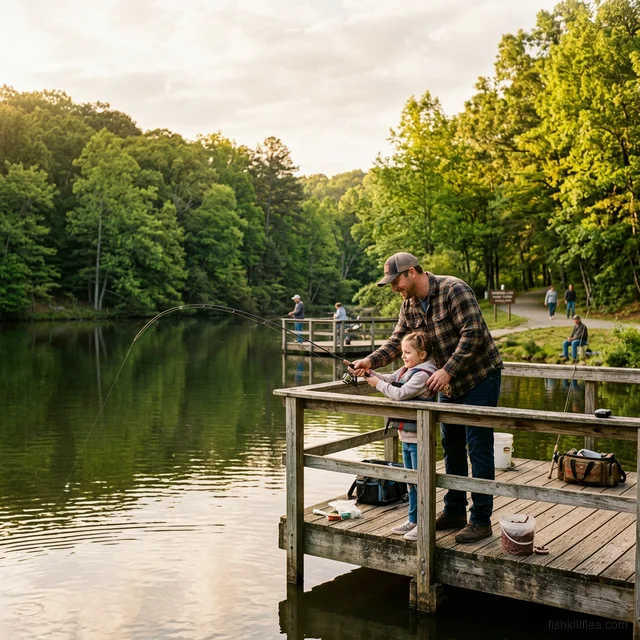
Quick answer: use maps, local reports, and water clues
The best way to find good fishing spots near you is to combine public access maps, satellite images, local fishing reports, and on-site water clues. Look for structure such as weed beds, drop-offs, points, current breaks, docks, rocks, and creek mouths. Confirm that fishing is legal, check the license rules, and visit during a time that fits your target species.
A good search takes five steps:
- Search for public lakes, rivers, ponds, piers, and shoreline access.
- Identify the fish species in each waterway.
- Study maps for depth, cover, current, and access.
- Ask a local tackle shop for a starting pattern.
- Test several spots and record what you learn.
Fish move. Water levels change. A spot that works in spring may be poor in late summer. Treat local fishing as a process of learning, not a hunt for one magic location.
Start with the type of water you can fish
The best nearby fishing spot depends on your travel range, gear, skill, and target species. A beginner with a spinning rod may do well at a public pond. A fly angler may prefer a small trout stream. A parent with young children may need a safe pier with restrooms and easy parking.

Before searching, decide how far you want to travel. Many anglers should begin within 15 to 30 minutes of home. That range offers enough water to explore without turning every trip into a major event.
Think about access, too. A productive bank that requires a steep climb may not suit a child, older angler, or anyone carrying a tackle box. A less famous lake with a flat shoreline can be a better choice.
Freshwater lakes and ponds
Small ponds often hold bass, bluegill, crappie, catfish, and carp. They are easy places to learn how fish relate to weeds, shade, docks, fallen trees, and shallow flats.
Look for public parks, city reservoirs, community lakes, and state wildlife areas. Some private ponds allow fishing only with permission. Never assume that an open gate means public access.
Large lakes offer more habitat but can take longer to understand. Use a contour map to find points, creek channels, humps, ledges, and coves. A spinning reel with 6- to 10-pound monofilament or braided line with a leader works for many beginner freshwater trips.
Rivers and streams
Rivers create fish-holding areas through current, depth, cover, and changes in bottom shape. Fish often avoid the strongest current when they can. They may sit behind rocks, near inside bends, below riffles, beside bridge pilings, or where a smaller creek enters.
For trout, search for cold, clean water, riffles, pools, undercut banks, and shaded runs. Bass and walleye may use current seams. Catfish often hold near deep holes, outside bends, logjams, and places where food gathers.
River access requires extra care. Water that looks calm may be deep or fast. Wear stable footwear, carry only needed gear, and avoid wading alone.
Piers, docks, and urban shorelines
Piers are useful because they place you near deeper water without a boat. They may attract baitfish, crappie, perch, bass, snapper, redfish, and other species. Lights on night piers can draw small prey and feeding fish.
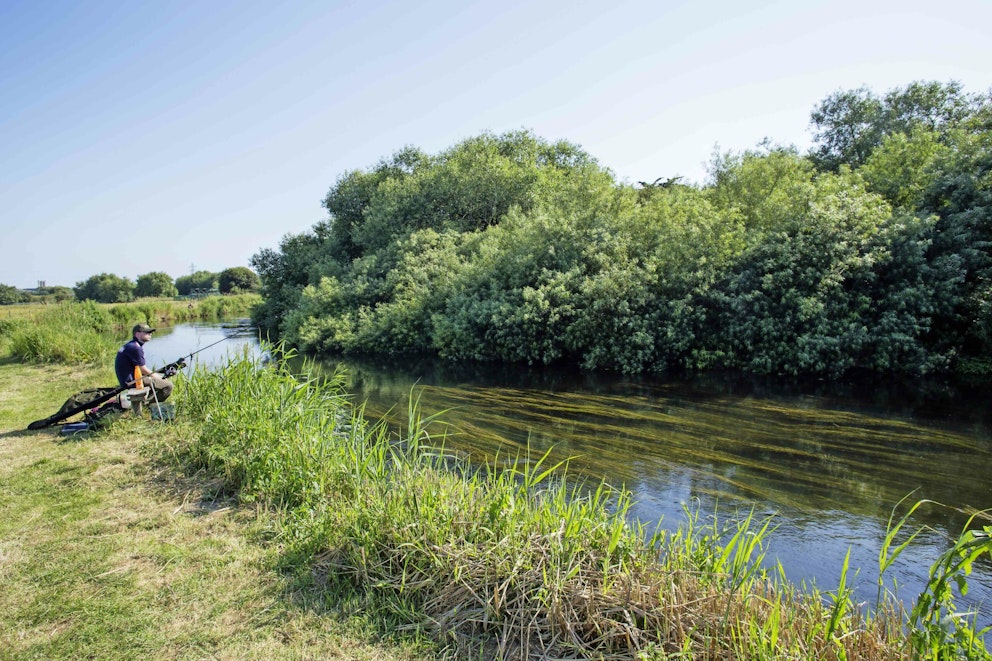
Urban shorelines can also produce fish. Storm drains, riprap, bridge shade, marina edges, and warm-water outlets may attract fish. These areas can contain broken glass, sharp metal, litter, and tangled line, so inspect the ground before setting up.
Saltwater beaches and surf
Surf fishing spots often include cuts, troughs, sandbars, jetties, points, and areas where waves break differently. A trough is a deeper channel that runs along the beach. Fish may travel through it while searching for food.
Use a surf rod and reel that match the current, bait, and casting distance. A heavy sinker is not always better. Use enough weight to hold bottom, but avoid making a rig too heavy for your rod or skill level.
Saltwater gear needs careful cleaning. Rinse the rod, reel, hooks, pliers, and tackle with fresh water after each trip. Do not soak a reel under a strong stream, because water can force salt deeper into the housing.
This table helps match water type with a practical starting plan.
| Water type | Good starting clues | Useful gear |
|---|---|---|
| Small pond | Weeds, shade, docks, shallow edges | Spinning rod, bobber, small hooks, soft plastics |
| River or stream | Pools, current seams, rocks, creek mouths | Spinning or fly rod, light leader, waders when safe |
| Pier or dock | Pilings, lights, depth changes, baitfish | Spinning combo, hooks, sinkers, live bait or jigs |
| Surf beach | Troughs, cuts, sandbars, jetties | Surf rod, sinker rig, corrosion-resistant reel |
| Ice-covered lake | Pressure cracks, contour changes, safe access | Ice rod, auger, shelter, warm clothing, safety gear |
The takeaway is simple: choose water that fits your ability and equipment. The most productive location is not useful if you cannot reach it safely or fish it legally.
Use maps and online tools before you leave
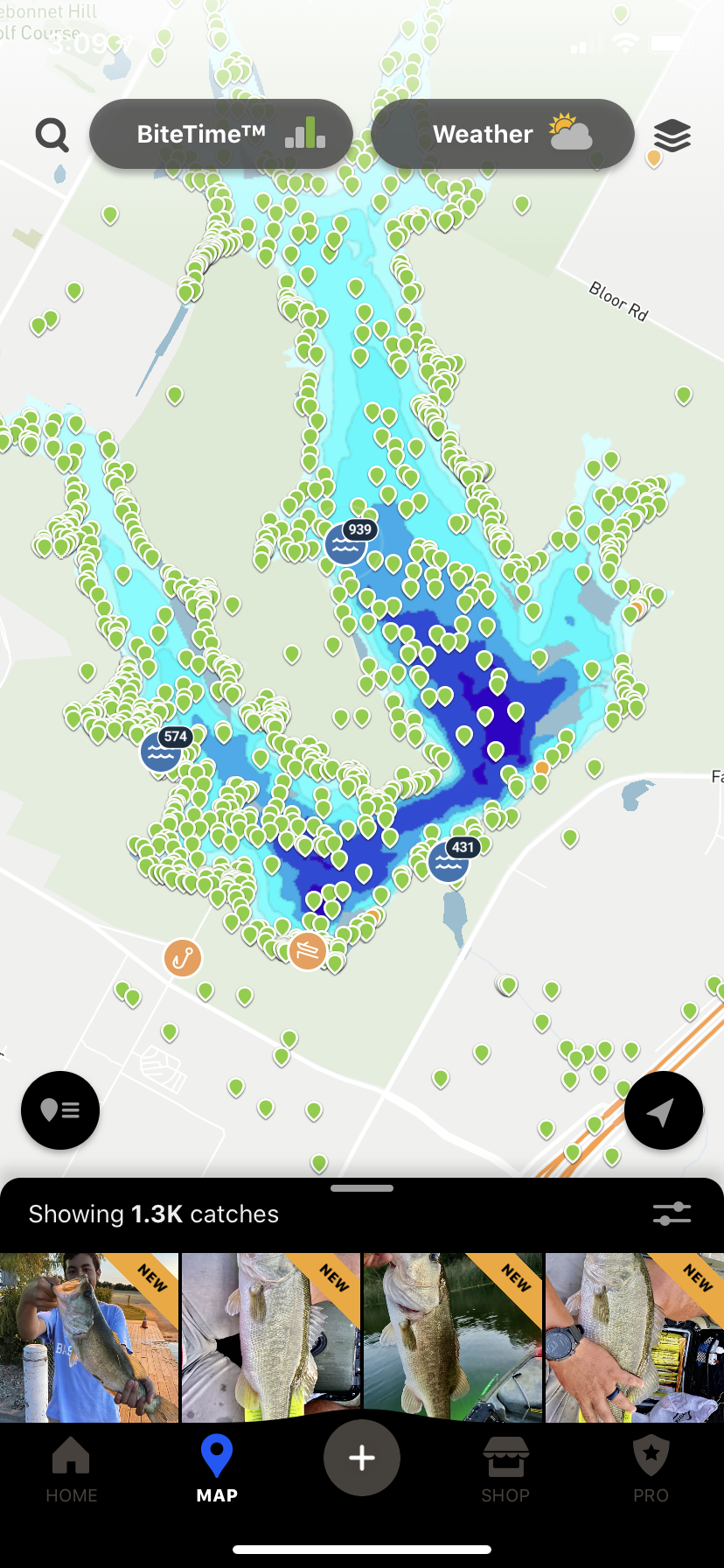
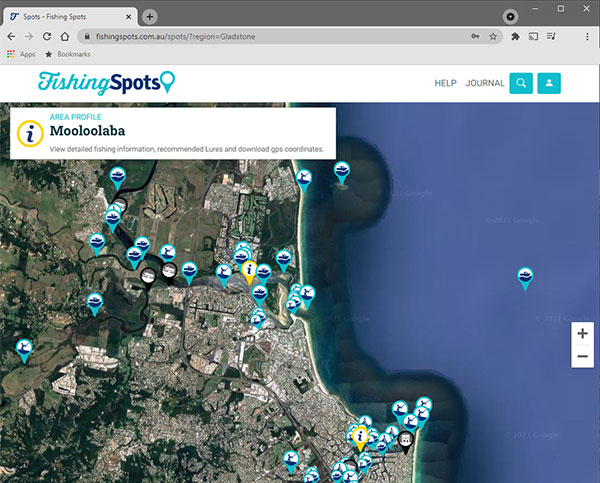
Maps help you narrow a large area into a few realistic starting points. Satellite images show shoreline access, vegetation, docks, roads, creek mouths, and water color. Topographic and lake contour maps show depth changes that may not be visible from shore.

Start with a regular map app. Search terms such as “public fishing access near me,” “fishing pier near me,” “trout stream access,” or “shore fishing near me” can reveal parks and boat ramps. Then check the official park, state wildlife, or fisheries website.
Do not rely on one map pin. Some online listings are old, private, closed, or wrong. Confirm access, parking, hours, and seasonal restrictions from an official source.
Read satellite images like an angler
Satellite images can reveal several useful features:
- Dark green weed beds
- Light-colored shallow flats
- Creek mouths
- Fallen timber
- Rock banks
- Docks and piers
- Small points
- Cuts between bays
- Warm-water discharge areas
- Safe paths to the shoreline
Look for places where two or more features meet. A creek mouth beside a deep bank is more interesting than a long, featureless shoreline. A point with weeds and nearby depth gives fish more than one reason to use the area.
Satellite images can mislead you. Water levels change. Trees hide paths. Private property may look like open land. Use the image to form a plan, then verify the site in person.
Use contour and depth maps
A contour line shows a change in water depth. Lines packed close together indicate a steep drop. Widely spaced lines show a gradual bottom.
From shore, focus on areas where deep water is close to the bank. These spots are easier to fish than a shallow flat that extends far from shore. Look for points, channel swings, creek channels, underwater humps, and old roadbeds.
Fish may use deep water for comfort and shallow water for feeding. The best area can be the travel route between the two.
Search official fisheries information
State wildlife agencies often publish:
- Stocking reports
- Lake surveys
- Species lists
- Access maps
- Boat ramp details
- Fish consumption advisories
- Fishing regulations
- Water temperature information
- Habitat improvement projects
Stocking data can help you find trout, catfish, walleye, or other managed species. It does not guarantee that fish will be easy to catch. A stocking site may become crowded, and fish may spread after release.
Check recent fishing reports carefully
Local fishing reports can show what anglers recently caught, where they fished, and which lures or baits worked. Treat reports as clues, not promises.
A report may leave out water temperature, weather, depth, or exact location. The person may also fish from a boat while you fish from shore. Use the information to identify a pattern, then adapt it to your access.
| Online source | What it can tell you | What to verify |
|---|---|---|
| State wildlife agency | Species, rules, stocking, access | Current season, license, limits |
| Satellite map | Shoreline, cover, access routes | Private land, water level, parking |
| Contour map | Depth, channels, points, drop-offs | Shore access to those features |
| Local fishing report | Recent patterns and bait | Date, weather, access, fish pressure |
| Park or marina website | Hours, ramps, facilities | Closures, fees, boat rules |
Use official sources for legal details. Online map comments are helpful for discovery, but they are not a substitute for current agency rules.
Learn to spot fish-holding habitat
Good fishing spots usually offer food, cover, depth, oxygen, or protection from current. You do not need to understand every detail of fish biology. You need to recognize places that offer fish a useful advantage.
Structure means a change in the bottom or shoreline. Cover means an object or plant that gives fish shade, protection, or ambush space. A fallen tree is cover. A point is structure. A dock can be both.
Start by scanning the water before casting. Watch for baitfish, birds, surface activity, weed lines, bubbles, current seams, and changes in water color. These clues can help you decide where to begin.
Shoreline features that deserve a cast
From the bank, focus on:
- Points that extend into the lake
- Creek and drain entrances
- Outside bends in rivers
- Riprap and rock walls
- Fallen trees
- Weed edges
- Dock corners
- Bridge shade
- Deep water near shore
- Windblown banks
Wind can push plankton and small baitfish toward one shoreline. That may attract larger fish. A windy bank can be difficult to cast from, but it may be worth trying with a heavier lure or a lower casting angle.
Water temperature and season
Fish respond to temperature, sunlight, spawning cycles, and food. You do not need an expensive thermometer to notice broad seasonal trends.
In cool spring water, fish may move from deep areas toward warming flats. In hot summer weather, fish may seek shade, depth, current, or low-light periods. In fall, baitfish may gather near creek channels and points.
Winter often pushes fish toward stable depth, though species and region matter. Trout may remain active in cold streams. Panfish may gather near cover under ice. Always check local patterns rather than using one rule for every species.
Current and water movement
Moving water carries food and oxygen. Fish often position near the edge of current instead of fighting the strongest flow.
Look for seams where fast and slow water meet. Also inspect the downstream side of rocks, bridge supports, wing dams, eddies, and logjams. In tidal saltwater, moving tide can create strong feeding windows near inlets, cuts, marsh drains, and oyster edges.
Never stand in fast current to reach a promising spot. A life jacket, wading belt, proper boots, and a wading staff can reduce risk, but no equipment removes the danger.
Match habitat to target species
Different fish use different places. The table below gives a starting point, not a fixed rule.
| Target fish | Habitat clues | Simple presentation |
|---|---|---|
| Bass | Cover, points, docks, weed edges | Soft plastic, crankbait, jig |
| Trout | Cold runs, pools, riffles, spring water | Small spinner, fly, bait where legal |
| Catfish | Deep holes, outside bends, creek mouths | Cut bait, worms, stink bait |
| Panfish | Weeds, brush, docks, shallow cover | Bobber, small jig, live bait |
| Walleye | Points, current, rock, low light | Jig, minnow, crankbait |
| Redfish | Grass edges, oyster bars, cuts, flats | Soft plastic, spoon, live bait |
Use the species table to choose where to look first. Then let water conditions guide your next move.
Ask people who fish the area
A local tackle shop can save you hours. Good shop staff know which waters are open, which species are active, and what access problems anglers face. They may also know whether a public ramp is closed or a shoreline has become difficult to reach.
Ask focused questions. “Where are the fish?” may produce a vague answer. Try, “I am shore fishing for bass this weekend. Which public lake has safe bank access, and should I start with a jig, worm, or topwater lure?”
Buy a small item when you can. A pack of hooks, leader material, local bait, or a simple lure supports the shop and often opens a useful conversation.
Questions that produce useful local advice
Ask:
- Is this water open to the public?
- Which species are common from shore?
- What depth can I reach from the bank?
- Is live bait allowed?
- Are there tackle limits or bait restrictions?
- Which access point is safest?
- Does the water get crowded?
- Are there current warnings or algae alerts?
- What size hook or line works locally?
- Is the advice for shore, kayak, or boat fishing?
Do not expect exact spots. Responsible anglers may protect sensitive areas, spawning beds, or private access. Learn the type of habitat instead.
Use fishing clubs and local groups wisely
Fishing clubs, school programs, community pages, and regional forums can reveal overlooked ponds and access points. Look for posts with specific details about water level, species, bait, and date.
Avoid sharing exact locations of fragile trout streams, small ponds, or crowded wildlife areas without considering the impact. More traffic can damage banks, disturb spawning fish, and leave litter.
Keep a fishing log
A small notebook or phone note can become your best local fishing tool. Record:
- Date and time
- Water name
- Weather
- Wind direction
- Water level
- Water clarity
- Temperature if known
- Lure or bait
- Depth
- Cover
- Fish caught or observed
- Access problems
After a few trips, patterns become easier to see. You may learn that bass bite near shade after rain, catfish prefer a certain bend, or panfish gather near one weed edge.
Choose gear that fits the spot
Good location research can fail if your gear does not suit the water. A light spinning setup may be ideal for trout and panfish but underpowered for heavy surf. A baitcaster can offer strong control for bass lures, but a beginner may find a spinning reel easier.
Rod power describes strength. Ultralight, light, medium, and heavy are common power ratings. Rod action describes where the rod bends. A fast-action rod bends near the tip, while a moderate action bends farther down the blank.
Line test means the approximate strength rating of fishing line, measured in pounds. Monofilament is easy to use and floats. Fluorocarbon is less visible underwater and sinks. Braided line is thin and strong, but many anglers add a fluorocarbon or monofilament leader.
Basic setups by fishing situation
| Fishing situation | Rod and reel starting point | Line and terminal tackle |
|---|---|---|
| Panfish and small trout | 5'6"–7' ultralight or light spinning rod | 2–6 lb mono, size 6–12 hooks, small bobber |
| Bass from shore | 6'6"–7' medium spinning rod | 8–15 lb braid with leader, worms, jigs, small crankbaits |
| Catfish | 7'–8' medium-heavy spinning rod | 15–30 lb line, sinker, swivel, circle hook where legal |
| Walleye | 6'6"–7' medium-light spinning rod | 6–10 lb line, jig, minnow, or small crankbait |
| Surf fishing | 9'–12' surf rod and saltwater reel | 15–30 lb line, leader, sinker rig |
| Fly fishing | 8'–9' fly rod matched to line weight | Floating line, leader, flies suited to local water |
These are starting ranges. Species size, vegetation, current, casting distance, and local rules may require changes.
A spincast combo is easy for young beginners because it limits line control tasks. A spinning reel is the most flexible choice for many new anglers. A baitcaster suits experienced anglers who want precise lure control but requires practice to reduce backlash, which is a tangled spool caused by excess line rotation.
Pack for the access, not the fantasy
Shore anglers often carry too much. A small tackle box, extra hooks, sinkers, bobbers, pliers, line cutters, a landing net, water, and first-aid supplies may be enough for a short trip.
A landing net protects fish and helps with larger catches. Long-nose pliers help remove hooks. Never use your fingers near the mouth of a fish with sharp teeth, and keep hooks secured when walking.
For kayak fishing, add a U.S. Coast Guard–approved personal flotation device, leash systems for key gear, a whistle, sun protection, and a way to contact help. Check the kayak’s weight capacity before loading a cooler and tackle.
Gear differences for saltwater
Saltwater can damage untreated metals and reel parts. Look for corrosion-resistant materials such as stainless steel hardware, sealed components, anodized aluminum, or a reel designed for saltwater use. These features can increase price, but freshwater-only gear may need more care and may not last as long in surf use.
After a saltwater trip, rinse lightly with fresh water, dry fully, and follow the manufacturer’s lubrication instructions. Replace rusty hooks, split rings, and damaged leaders before the next trip.
This pros-and-cons table can help you choose a first reel style.
| Reel type | Advantages | Limits |
|---|---|---|
| Spinning reel | Easy casting, flexible lure range, good for beginners | Line twist can develop; spool must be filled correctly |
| Spincast reel | Simple push-button use, useful for kids | Less control and lower upgrade potential |
| Baitcaster | Accurate casting, strong lure control, good for bass | Backlash takes practice to prevent |
| Fly reel | Holds fly line and balances a fly rod | Not designed for standard lures or bait |
The right choice depends on skill and water. A parent buying for a child may value ease and low replacement cost. An experienced bass angler may prefer a baitcaster. A trout angler may need a fly rod or light spinning setup.
Test a new fishing spot in a smart order
A new location can seem confusing. Use a repeatable search pattern instead of casting at random. Start with the easiest water, then adjust depth, distance, and presentation.
Your first goal is not to fish every inch. Your goal is to learn how the spot is built and where fish may travel.
Follow this seven-step process
-
Confirm access and rules.
Check the license, open season, size limits, bag limits, bait rules, hook rules, and parking restrictions. Look for signs at the site. -
Arrive early enough to observe.
Watch the surface for five to ten minutes. Look for baitfish, birds, ripples, insects, weed lines, and current seams. -
Start with a high-percentage feature.
Cast near a point, dock corner, weed edge, creek mouth, rock line, or drop-off close to shore. -
Cover shallow water first.
Use a bobber, small spinner, soft plastic, or shallow lure. Many fish move shallow to feed, especially during low light. -
Change depth before changing locations.
Fish a bobber at several depths or count a jig down. If the fish are deeper, this can reveal the pattern quickly. -
Change speed and angle.
Cast parallel to the bank, across the feature, and beyond it. Try a slow retrieve, steady retrieve, or pauses. -
Move after a fair test.
Give a productive-looking area 20 to 30 minutes. Move if you have no signs, unless weather or conditions suggest fish are inactive.
This method keeps you from spending an entire day on one empty patch of water. It also helps you learn what the fish are doing rather than blaming the lure too soon.
Use a simple search grid
Imagine the water in three zones:
- The edge
- The middle distance
- The far edge or deepest reachable area
Fish each zone at two or three depths. Then compare results. From shore, cast parallel to the bank because fish often travel along the edge. Cast past cover when possible and retrieve the lure beside it.
If using live bait, a bobber lets you search the upper water. A sinker can reach the bottom. A jig can cover the middle by counting down before the retrieve.
Know when to leave
Move when the water shows no useful cover, depth, bait, or current. Also move when access is unsafe, crowded, or not legal.
Do not keep changing lures every two minutes. Give a reasonable presentation a fair test. A good rule is to change one factor at a time: depth, location, speed, color, or bait.
Fish at the right time and in the right conditions
Timing affects your odds, but there is no universal best hour. Light, wind, water temperature, tide, cloud cover, and recent rain all matter.

Early morning and late evening often provide lower light and cooler conditions. Midday can still produce fish near deep water, shade, docks, vegetation, or current. Cloudy weather may extend shallow feeding, while bright sun may push fish into cover.
Rain can help or hurt. A light rain may improve feeding and reduce visibility. Heavy rain can muddy water, raise current, and make access unsafe.
Seasonal starting points
Use seasons as a guide, not a guarantee. Regional climate can shift these patterns.
| Season | Look for | Helpful approach |
|---|---|---|
| Spring | Warming flats, creek arms, shallow cover | Small jigs, soft plastics, live bait |
| Summer | Shade, deep edges, current, early and late light | Topwater early, deeper lures later |
| Fall | Baitfish, points, creek mouths, windblown banks | Crankbaits, jigs, moving lures |
| Winter | Stable depth, warm pockets, slow current | Small presentations and slower retrieves |
Water temperature changes at different rates. A shallow cove may warm fast. A deep lake may stay stable. Fish can use both areas at different times.
Tide and saltwater timing
Saltwater anglers should learn the local tide chart. Moving water can carry food through inlets, passes, marsh drains, and beach cuts. The best tide stage varies by location and species.
Avoid standing on slippery rocks or wading near an inlet during strong flow. Waves and tide can rise faster than expected. Tell someone your plan and carry a charged phone in a waterproof case.
Avoid the common mistakes that waste fishing trips
Most poor trips do not come from a lack of expensive gear. They come from poor planning, weak observation, or ignoring access and safety.

The biggest mistake is choosing a place because it looks scenic. Fish need food, cover, depth, oxygen, and suitable conditions. A beautiful flat bank with no structure may be less useful than a plain-looking point beside a creek channel.
Common problems and better fixes
| Problem | Why it hurts | Better fix |
|---|---|---|
| Fishing private land | Access may be illegal or unsafe | Confirm public access or ask permission |
| Carrying too much gear | You move less and miss new water | Pack one small tackle box and key tools |
| Using one depth all day | Fish may be above or below the bait | Test shallow, middle, and bottom zones |
| Changing lures too fast | You learn nothing about the pattern | Change one factor at a time |
| Ignoring weather | Heat, storms, or wind can create risk | Check forecasts and leave before danger |
| Sharing fragile spots widely | Crowding can damage habitat | Protect sensitive areas and pack out waste |
| Fishing without a license | Fines and lost access can follow | Buy the required license before fishing |
A fishing license supports fisheries management in many states. Rules may include size limits, bag limits, closed seasons, artificial-only waters, lead restrictions, barbless hook rules, and bait bans. Check your state or local wildlife agency before each trip.
⚠️ Safety Warning: Wear a properly fitted U.S. Coast Guard–approved PFD in a boat, kayak, or other small craft. Check the weather, tell someone where you will fish, and avoid wading fast water alone. For ice fishing, confirm safe ice conditions with local experts and carry ice picks; no ice thickness is safe under every condition.
Do not ignore water quality
Avoid fishing near visible sewage, chemical spills, large algae blooms, or dead fish. Follow local health advisories before eating a catch. Clear water does not always mean clean water.
If you fish near roads, marinas, or old industrial sites, inspect your hands and gear after the trip. Wash before eating or handling food.
Treat other anglers well
Leave room between anglers. Ask before crossing another person’s line or stepping into a spot they are working. Keep music low, control pets, and take all line, bait containers, and trash with you.
Good etiquette protects access. Landowners, parks, and other anglers notice who leaves a place better or worse than they found it.
Protect fish and the places that hold them
Conservation improves fishing for future trips. It also reduces harm when fish are stressed by heat, low oxygen, or long fights.
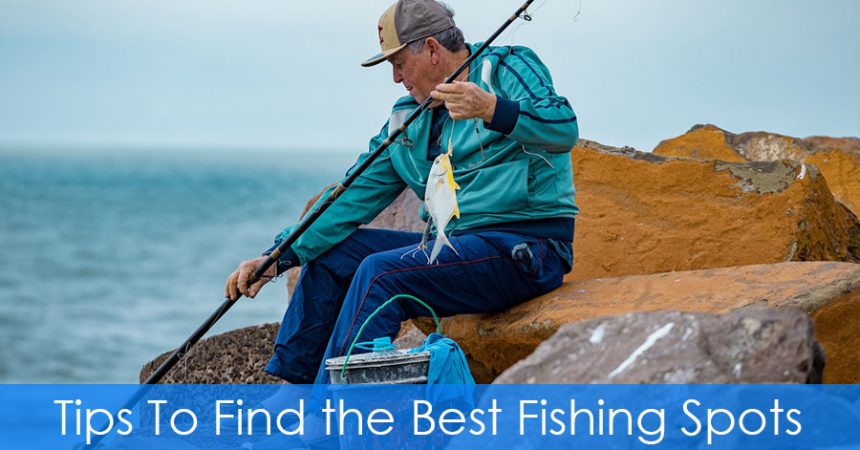
For catch and release, wet your hands before touching a fish. Keep it out of the water for as little time as possible. Support its body, avoid squeezing the belly, and keep fingers away from gills.
Use circle hooks when required or recommended for live-bait fishing. A circle hook is designed to catch in the corner of the mouth when the angler does not make a hard hookset. Follow local rules because some waters require specific hook types.
Handle fish with care
- Use tackle strong enough to land fish without an excessively long fight.
- Keep fish close to the water while removing the hook.
- Cut the line near the hook if removal may cause more damage.
- Do not place fish on hot, dry ground.
- Revive a released fish in the current only when safe.
- Take a quick photo with wet hands.
- Release fish in the water when possible.
Do not keep fish in a stringer if local rules prohibit it or if predators and heat create a risk. If you keep a legal fish, use a clean cooler with ice and follow size and bag limits.
🌿 Conservation Note: Fishing line, soft plastics, bait containers, and hooks can injure wildlife. Carry a small trash bag and remove line from trees, docks, and shore edges. Never throw monofilament or braid into the water.
Use a local fishing plan that fits your budget
Finding spots does not require a large investment. The best setup is one you will use often and maintain well.

A beginner can start with a spinning or spincast combo, a small tackle box, hooks, bobbers, sinkers, pliers, line, and a few lures. Current pricing ranges from low-cost starter kits to higher-priced specialized setups. Check current listings because prices and included features change.
Experienced anglers may spend more on a lighter graphite rod, a smoother drag, a sealed saltwater reel, a fish finder, or a kayak. Those upgrades can help with comfort and control, but they do not replace location knowledge.
A practical budget plan
| Budget level | What to buy first | Best suited to |
|---|---|---|
| Basic | Spincast or spinning combo, hooks, bobbers, sinkers | Kids, gifts, casual pond fishing |
| Mid-range | 6'6"–7' spinning rod, quality reel, small tackle box | Beginners and regular shore anglers |
| Focused upgrade | Species-specific rod, braid, leaders, better drag | Experienced bass, trout, or walleye anglers |
| Specialized | Surf gear, fly setup, ice gear, kayak safety kit | Anglers committed to one water type |
A good rod and reel should feel balanced in your hand. The reel should have a usable drag, which is the adjustable system that lets line leave the spool under pressure. The rod should match the lure weight and line range listed by the manufacturer.
What gear can wait
You may not need a fish finder, premium hooks, large boat, or ten colors of the same lure when starting. A map, license, simple tackle, and time on the water often provide more value.
A fish finder becomes more useful from a boat or kayak because it can show depth, bottom shape, and fish arches. From shore, public contour maps and careful observation may be enough.
Find spots for beginners, kids, and gift buyers
The best fishing spot for a child is safe, simple, and comfortable. A nearby pond or pier with easy parking may be better than a remote river, even if the river holds larger fish.

Choose a place with flat ground, shade, restrooms, short walking distance, and low current. Keep the first trip short. Two hours of active fishing is often better than a full day of waiting.
👪 Parent or Gift-Buyer Note: For kids, choose a spincast combo or light spinning setup with a closed hook container, small bobbers, and barbless hooks where legal. Bring water, sunscreen, snacks, a first-aid kit, and a plan for safely handling hooks.
Match the spot to the angler
| Angler | Good first location | Why it fits |
|---|---|---|
| First-time adult | Public pond or easy lake bank | Simple access and many small species |
| Young child | Pier, stocked pond, or park lake | Safer footing and shorter casting range |
| Fly beginner | Small managed stream or open pond | Room to cast and simpler current |
| Bass angler | Lake point, dock line, or creek arm | Cover and structure support many methods |
| Surf beginner | Protected beach with lifeguard access | Easier conditions and safer entry |
| Kayak angler | Calm lake with nearby launch | Controlled water and shorter rescue distance |
Avoid deep banks, slippery rocks, heavy boat traffic, and strong current for a first trip. Choose learning over challenge.
Know when a local expert can help
A local tackle shop, guide, fisheries biologist, boating instructor, or experienced club member can help when maps and reports leave questions. Ask for advice that matches your access and equipment.
You may need help when:
- You cannot confirm public access.
- The water has strong current or tidal flow.
- You want to wade a new river.
- You are learning kayak or boat fishing.
- You plan to fish through ice.
- You need help identifying a fish.
- You are unsure about local bait or hook rules.
- You want to target a species with specialized gear.
A licensed guide can teach boat control, fish-finding, safe navigation, and local techniques. A boating safety course can help new boat and kayak anglers understand navigation rules, weather, PFD use, and emergency planning. Ice anglers should seek local safety instruction rather than trusting a general online rule.
Frequently asked questions
Q: How do I find free fishing spots near me?
A: Search state wildlife agency maps, city park pages, public lake listings, county recreation sites, and official boat ramp directories. Look for words such as public access, shoreline fishing, fishing pier, wildlife area, and bank access. Confirm the spot is open and legal before you go.
Q: What is the best way to find fishing spots without a boat?
A: Look for points, creek mouths, deep water near shore, docks, piers, bridge shade, riprap, weed edges, and outside river bends. Use satellite and contour maps to find these features. A 6'6" to 7' medium spinning rod is a flexible choice for many freshwater bank anglers.
Q: How can I find bass fishing spots near me?
A: Search for lakes and ponds with docks, weed lines, fallen trees, points, creek arms, and shallow-to-deep transitions. Start with a soft plastic, jig, spinnerbait, or small crankbait. Fish shade and cover during bright periods, then test nearby depth.
Q: How do I find trout streams near me?
A: Check your state wildlife agency for trout stocking reports, wild trout waters, access points, and special regulations. Look for cold water, riffles, pools, undercut banks, and spring-fed sections. Confirm whether bait, artificial lures, barbed hooks, and harvest are allowed.
Q: Are fishing reports accurate?
A: Fishing reports can be useful, but they become less reliable as conditions change. Check the report date, weather, water level, species, access point, and fishing method. Use reports to find a pattern, not to expect the same result.
Q: What should I bring to a new fishing spot?
A: Bring a valid license, rod and reel, line, hooks, sinkers, bobbers, lures or legal bait, pliers, line cutters, water, sunscreen, insect repellent, a small first-aid kit, and a trash bag. Add a landing net for larger fish. Bring a PFD for kayak or boat fishing.
Q: Is a spinning reel or baitcaster better for finding fish near me?
A: The reel does not find fish; it affects how easily you present a lure. Spinning reels are easier for beginners and work well with light lures. Baitcasters offer strong control for experienced bass anglers but require practice to avoid backlash.
Q: How do I find fish in a lake from shore?
A: Begin where structure and depth meet. Try points, creek mouths, docks, weed edges, rock banks, and steep shoreline drops. Cast parallel to the bank, then test shallow, middle, and bottom depths. Move when a location has little cover or depth to explore.
Q: What is the best time to fish near me?
A: Early morning and late evening often provide good low-light conditions, but fish can feed at any time. Weather, season, water temperature, wind, current, and tide affect activity. A local fishing report can help you adjust the time for your target species.
Q: Can I fish anywhere that has water?
A: No. Water may be private, closed, unsafe, or protected. You may need a fishing license, access permit, parking pass, or special stamp. Check the state or local wildlife agency for current rules, including size limits, bag limits, closed seasons, and bait restrictions.
Q: How long should I stay at one fishing spot?
A: Give a promising area about 20 to 30 minutes while changing depth, casting angle, or retrieve speed. Move sooner if there is no useful structure or access is poor. Stay longer when you see bait, fish activity, current, or a strong seasonal reason for fish to be there.
Q: What should I do if I catch a fish I cannot identify?
A: Keep the fish in the water while you take a clear photo. Use a state wildlife agency identification guide or ask a local tackle shop or fisheries office. Do not keep or release a fish until you know whether special rules apply.
Final advice: build your own nearby fishing map
The best way to find good fishing spots near you is to keep searching, observing, and recording. Start with legal public water close to home. Use maps to find structure. Ask local experts focused questions. Then test one area at a time with simple gear.
Choose the location that fits your angler, not the location with the most online attention. A safe pond can suit a child. A deep point may suit a bass angler. A managed stream may suit a fly beginner. A calm lake may be the right first kayak trip.
Check the forecast, license rules, access conditions, and species regulations before every outing. Fish with care, pack out line and trash, and leave the water ready for the next person. With time, your notes will become a personal guide to the best fishing spots near you.