How To Find Fishing Spots: Easy Guide To Catch More
Finding a good fishing spot is less about luck and more about reading water. Fish need food, cover, oxygen, and safe places to rest. When you learn to spot those clues, you can find bass, trout, catfish, panfish, walleye, redfish, and other species in new water with far less guesswork.
You do not need an expensive boat or a high-end fish finder to begin. A map, a simple rod and reel, polarized sunglasses, and a willingness to walk the bank can reveal a lot. The best fishing spot may be close to home, hidden beside a public access trail, or located where two types of water meet.
This guide explains how to find fishing spots in lakes, rivers, ponds, streams, bays, surf zones, and ice-covered water. It also covers online maps, fish behavior, shore access, seasonal changes, safety, local rules, and the small details that often separate empty water from productive water.

The fastest way to find a fishing spot
The best way to find a fishing spot is to combine a map search with an on-site look at depth, cover, current, food, access, and fishing pressure. Start with public waters near home. Study satellite maps and contour lines, then visit during the time of day you plan to fish. Look for changes in depth, structure, moving water, shade, baitfish, and safe casting areas.

A productive fishing spot usually has at least two fish-holding features. A deep hole near a shallow flat is better than a plain, even shoreline. A weed edge beside a drop-off is often better than weeds that grow across one uniform depth.
Use this simple process:
- Choose a target species.
- Find water that supports that species.
- Study a map before you leave.
- Mark likely structure and access points.
- Check weather, water level, and local rules.
- Fish high-value areas first.
- Move when the evidence is weak.
Do not stay in one place just because you arrived first. Fish are not spread evenly. They gather near food, cover, current breaks, temperature changes, and safe travel routes.
Start with the fish, not the water
Different fish favor different habitats. Before you search for a spot, decide what you want to catch. This choice guides the water type, depth, bait, season, and time of day you should study.

Bass often use weeds, brush, docks, rocks, laydowns, points, and creek channels. Trout favor cool, clean water with oxygen and steady current. Catfish may hold in deep holes, outside bends, cut banks, dams, and areas with strong food flow.
Panfish often stay near weeds, brush, docks, and shallow cover. Walleye commonly use rocky points, humps, river mouths, and current edges. Redfish may gather around oyster beds, marsh drains, grass flats, passes, and deeper channels.
| Target fish | High-value habitat | Useful search clue |
|---|---|---|
| Bass | Weed edges, docks, rocks, timber, points | Cover near a depth change |
| Trout | Riffles, pools, runs, springs, shaded banks | Cold, clear, oxygen-rich water |
| Catfish | Deep holes, bends, dams, creek mouths | Food carried by current |
| Panfish | Weed beds, brush, docks, shallow flats | Warm water and small cover |
| Walleye | Humps, rock, points, river mouths | Low light and nearby depth |
| Redfish | Grass, oyster beds, drains, passes | Moving tide and bait |
The main lesson is simple: find the habitat first, then choose the exact casting position. An angler searching for bass should not read a lake map in the same way as someone searching for trout or redfish.
Match the species to the water
Start with your state wildlife agency, local fisheries reports, and public stocking information. These sources can tell you which species live in a lake or river. A map may show a beautiful pond, but that does not mean it holds the fish you want.
Ask three basic questions:
- What fish live here?
- What do they eat?
- Where can they find shelter or comfortable water?
A beginner fishing for panfish may have more success in a small public pond than on a large reservoir. An experienced bass angler may prefer a reservoir with creek channels and flooded timber. A gift buyer choosing gear for a child should look for easy shore access and waters with plenty of small fish.
Learn the seasonal pattern
Fish change location as water temperature, sunlight, water level, and food supply change. In spring, many species move toward warming shallows. In summer, fish may seek shade, deeper water, current, or cooler layers. In fall, baitfish often move, and predators follow them. In winter, fish may slow down or gather in limited areas.
The pattern is not a strict rule. Weather can change it within hours. A cold front, heavy rain, rising water, or a sudden heat wave may move fish away from the location that worked the day before.
Use maps and satellite images before you travel
Online maps are among the best tools for finding fishing spots. Use satellite imagery to locate public access, shorelines, boat ramps, bridges, creek mouths, weed beds, riprap, docks, and backwaters. Use contour maps to locate depth changes, humps, points, channels, and submerged flats.

Begin with mapping apps from state agencies, public land offices, navigation services, and lake map providers. Some show only a shoreline. Others show contour lines, boat ramps, hazards, fishing reports, and water level data. Use more than one source because map accuracy and access information can vary.
Read contour lines
Contour lines show changes in depth. Lines close together indicate a steep drop. Lines spread far apart show a flatter bottom. A point that extends into deep water can act as a fish highway. A hump surrounded by deeper water can attract fish, especially when it offers rock, weeds, or a current edge.
Look for these features:
- Creek channels
- Old river channels
- Submerged roads
- Points
- Humps
- Saddles between humps
- Steep banks
- Flats beside deep water
- Ditches and drains
- Dam faces
- River bends
A contour map does not tell you exactly where fish sit. It shows the structure that gives you a strong starting point.
Read satellite images
Satellite images work best when you compare several dates. Water levels change. A bank that looks open in one image may be covered by water at another level. Low-water images can reveal rock, timber, old creek channels, and shallow flats.
Look for places where two habitat types meet. Examples include:
- Mud beside rock
- Weeds beside open water
- Shallow flat beside a drop-off
- Fast current beside calm water
- Freshwater flowing into a lake or bay
- Shade beside bright sunlight
- Sand beside oyster or shell bottom
| Map feature | Why it matters | Where to cast |
|---|---|---|
| Point | Extends cover and feeding water into a lake | Tip, sides, and deep edge |
| Creek mouth | Brings food and fresh water | Current seam and nearby depth |
| Steep bank | Gives fish quick access to several depths | Parallel to shore |
| Hump | Creates isolated structure | Top, sides, and down-current edge |
| Bridge | Adds shade, pilings, and current | Upstream and shadow line |
| Flat beside drop-off | Offers feeding and escape water | Edge where depth changes |
Use the map to narrow your search. Then let the water confirm or reject your guess. A map is a plan, not a promise.
Find fish by reading structure, cover, and current
Structure is the shape of the bottom, such as a point, channel, hump, or drop-off. Cover is an object or feature fish can use for shade, ambush, or safety, such as weeds, rocks, wood, docks, or bridge pilings. These terms sound similar, but the difference matters when you describe a spot.

Fish often position near edges because edges concentrate food and create travel routes. A weed line gives bass a place to hide. A rock pile creates habitat for insects, crayfish, and small fish. A current seam lets a trout hold in slower water while food drifts past.
Search shallow-to-deep transitions
A depth change is one of the most useful clues in any water type. Fish can move from shallow feeding water to deep safety without traveling far. This makes the edge attractive during changing light, changing weather, and seasonal transitions.
Good examples include:
- A shallow flat next to a channel
- A beach next to a steep bank
- A grass flat beside a tidal creek
- A shallow riffle above a deep trout pool
- A submerged point dropping into a reservoir
- A lake inlet beside a deep basin
When fishing from shore, cast along the edge before casting straight out. Many fish travel parallel to the bank. A spinning reel with 6- to 10-pound monofilament works well for many beginner freshwater situations. Use heavier line when thick weeds, wood, or large fish make break-offs likely.
Follow current and water movement
Moving water brings oxygen and food. It also creates places where fish can spend less energy while waiting for prey. Look for the quiet side of a bridge piling, the inside edge of a bend, the downstream side of a rock, or the seam where fast and slow water meet.
In rivers and tidal areas, check:
- Current seams
- Eddies
- Deep outside bends
- Tailraces
- Riffle-to-pool transitions
- Creek mouths
- Tidal drains
- Wind-blown banks
- Flooded grass edges
The best position is not always the strongest current. Fish often hold just outside it. Cast into the moving water and bring your bait through the slower edge when safe and practical.
Find food before you find predators
Baitfish, insects, crayfish, shrimp, worms, and small forage draw larger fish. Watch for birds diving, bait dimpling the surface, insect activity, or small fish flicking near cover. Do not assume every surface disturbance means a feeding fish, but treat it as a clue.
A fish finder can help locate bait, depth, and bottom changes from a boat or kayak. It cannot replace safe navigation or knowledge of local hazards. Shore anglers can use polarized sunglasses, a landing net, and careful observation to gather similar clues at a smaller scale.
Choose the best fishing spots from shore
Shore fishing can be excellent when you find access, depth, cover, and a safe place to cast. You do not need to reach the middle of a lake. Many fish stay near banks because food and cover collect there.

Search for public parks, boat ramps, fishing piers, causeways, bridges, reservoirs, urban ponds, creek access points, and legal rights-of-way. Check land ownership before entering. A visible trail does not always mean public access.
Look for shore access with fish habitat
A good shore spot has more than an open bank. It may include a steep drop, submerged weeds, riprap, a creek mouth, a dock, or a point. If you can reach deep water without a boat, the location deserves attention.
Prioritize:
- Safe footing
- Legal access
- Room for a back cast
- A mix of depths
- Nearby cover
- Low snag risk
- A place to land fish
A telescopic rod can help when you walk to remote spots or travel by plane. However, many telescopic rods trade some sensitivity and durability for portability. A 6- to 7-foot medium-light spinning rod is often easier for beginners and kids to control when space allows.
Fish piers, bridges, and public structures
Piers and bridges can concentrate fish because they provide shade, vertical cover, food, and current. Cast beside pilings, under shade lines, and around the edge of deeper water. Avoid casting into crowded areas, and give other anglers room.
A landing net is useful from a high pier. Do not lift a heavy fish by a light rod or by the line alone. Use pliers to remove hooks, especially when fishing with treble-hook lures.
Use wind and shade
Wind pushes plankton and small baitfish toward a bank. Predators may follow. On a sunny day, shade can make a bank more comfortable for fish and easier for them to ambush prey.
Wind can also make casting difficult. Beginners may do better with a spincast combo or spinning reel than with a baitcaster. A baitcaster gives experienced anglers strong control and accuracy, but poor settings or technique can cause backlash, which is a tangle formed when the spool spins faster than the lure.
| Shore feature | Best use | Helpful gear |
|---|---|---|
| Open bank | Long casts and simple rigs | Spinning rod, tackle bag |
| Brushy bank | Cover and shade | Weedless hook, pliers |
| Pier | Deep water and structure | Landing net, longer leader |
| Bridge | Current and pilings | Jigs, live bait, polarized glasses |
| Rocky point | Depth and ambush edge | Crankbaits, soft plastics |
| Marsh edge | Tidal movement and bait | Light spinning setup, waders only when safe |
The right shore spot is one you can fish without climbing, wading into unsafe water, or standing near unstable banks. A slightly less famous place with safe access can produce a better day than a dangerous location with a strong reputation.
Find fishing spots on lakes, rivers, ponds, and saltwater
Each water type leaves different clues. Learn the basic pattern, then adjust for weather, water level, tide, and fishing pressure.

Lakes and reservoirs
In lakes, search for points, creek channels, humps, flats, submerged timber, weed lines, riprap, boat docks, and inflowing water. Bass often use cover near a depth change. Walleye may use rocky structure and low-light periods. Catfish may favor deep holes, channels, and areas with current.
On a new reservoir, begin near a major creek arm or river channel. Then check secondary points and flats nearby. If the water level is falling, fish may move toward deeper channels. Rising water can push bait and predators into newly flooded cover.
Rivers and streams
In rivers, fish are often positioned by current. Start with pools, bends, undercut banks, eddies, riffle tails, tributary mouths, and large rocks. Trout may hold behind current breaks. Smallmouth bass may use rock, seams, and deeper pockets. Catfish may settle in outside bends and deep holes.
Walk slowly and avoid making loud steps near shallow water. Wear polarized sunglasses to see rocks, depth changes, and fish movement. Do not wade based only on appearance. A river can look calm while hiding a strong current or a deep drop.
Ponds and small lakes
Small waters are useful for beginners, children, and anglers with limited travel time. Search the inflow, outflow, dam face, weed edge, fallen trees, shaded bank, and deepest point. Fish may be easier to locate because the habitat is limited.
A light spinning or spincast combo, 4- to 8-pound line, small hooks, bobbers, and live bait can cover many panfish situations. For bass, use soft plastics, small jigs, or shallow crankbaits where allowed.
Saltwater bays and flats
In saltwater, tide is often the key. Look for moving water around passes, marsh drains, oyster beds, grass edges, jetties, docks, and creek mouths. Redfish may use shallow grass and mud flats. Speckled trout may hold near grass, drop-offs, and current seams. Surf anglers should study cuts, troughs, sandbars, and areas where waves break differently.
Saltwater demands more gear care. Rinse rods, reels, pliers, hooks, and landing nets with fresh water after each trip. Dry them fully. Saltwater-rated reels often use corrosion-resistant materials and seals, but no reel is maintenance-free.
| Water type | First areas to check | Main clue |
|---|---|---|
| Lake | Points, channels, weeds, docks | Depth and cover |
| River | Pools, seams, bends, rocks | Current and food |
| Pond | Dam, inflow, weeds, timber | Limited habitat |
| Bay | Drains, grass, oyster, passes | Tide and bait |
| Surf | Troughs, cuts, bars, jetties | Wave and current change |
| Ice | Drop-offs, weed edges, basin | Depth and safe ice |
Never assume an area is safe because other people use it. Check weather, water level, tides, ice conditions, and local warnings before you go.
Use local reports, shops, and public information
Local knowledge can save hours, but treat every report as a clue rather than a guarantee. Fish move. Water levels change. A location that worked last week may be crowded or empty today.

Check state wildlife agency pages, stocking reports, public access lists, fishing forums, bait shop reports, tournament results, marina staff, and local conservation groups. A tackle shop can often explain which baits match the current forage and which access points are legal.
When you ask for help, be specific. Say:
- Your target species
- Whether you fish from shore, kayak, or boat
- How far you can travel
- Your skill level
- Your preferred bait or lure
- The time of day you plan to fish
A shop employee can give better advice when they know your limits. Parents and gift buyers should ask for a safe, easy public spot with parking and room to cast rather than asking only where the biggest fish are.
Keep a private fishing log
Write down the date, time, weather, water level, water clarity, location, depth, bait, lure, and result. Include where you saw bait or missed bites. Over time, the log turns random trips into a pattern.
You do not need a complex app. A note on your phone works. Mark productive areas with general labels if you share information online. Avoid exposing fragile trout streams, private access points, or sensitive spawning areas.
Use fish finders with care
A fish finder can show depth, bottom hardness, cover, temperature, and sometimes fish arches. Learn how your unit displays each feature. Fish icons are not always fish. They may represent weeds, suspended bait, or signal noise.
For kayak fishing, mount electronics where they do not block your paddle stroke or create a snag. Secure batteries and cables. Always wear a properly fitted U.S. Coast Guard–approved personal flotation device.
Plan your first visit with the right gear
Finding a spot is only half the job. The right tackle lets you test water quickly without carrying too much. Match your setup to the species, cover, lure weight, and casting space.

For many freshwater beginners, a 6- to 7-foot medium-light or medium spinning rod is a flexible choice. Rod power means how much force the rod takes to bend. Rod action means where it bends, such as near the tip or deeper into the blank.
Use 4- to 8-pound monofilament for panfish and light freshwater work. Use 8- to 12-pound line for many bass situations, then increase strength around heavy cover. Braided line offers high strength for its diameter, while fluorocarbon is a low-visibility leader material with good abrasion resistance. Monofilament is affordable, forgiving, and easy to knot.
| Fishing need | Practical starting setup | Good for |
|---|---|---|
| Panfish | 5½–7 ft light rod, 4–6 lb mono | Kids and beginners |
| General freshwater | 6–7 ft medium-light spinning rod, 6–10 lb mono | Bass, trout, walleye, panfish |
| Heavy cover | 6½–7½ ft medium or medium-heavy rod, 10–20 lb line | Bass near wood and weeds |
| Catfish | Medium-heavy rod, 15–30 lb line | Bottom rigs and larger fish |
| Surf fishing | 9–12 ft surf rod, heavier line and leader | Beach casting |
| Ice fishing | Short ice rod, light line, small jig | Panfish and walleye |
Carry only the terminal tackle you may use. Terminal tackle means the small items at the end of your line, such as hooks, sinkers, swivels, bobbers, snaps, and leaders. A small tackle box with a few hook sizes, split shot, bobbers, jigs, soft plastics, and live-bait tools is enough for many first trips.
Bring tools that solve real problems
Useful tools include:
- Polarized sunglasses
- Pliers or forceps
- Line clippers
- Landing net
- Measuring tape
- Small first-aid kit
- Water and sun protection
- Tackle box
- Insect repellent
- Phone in a waterproof case
A stringer may keep legal fish, but use it only where regulations allow. Release unwanted fish quickly instead. Keep wet hands on the fish, support its body, and limit air exposure.
Think about portability
For hiking, travel, and public transit, a two-piece rod or telescopic rod is easier to carry. A fly rod works well for trout, panfish, bass, and some saltwater species when you have room for a back cast and know how to manage line. It is not the simplest choice for a child who wants to use live bait under a bobber.
Traveling anglers should check airline rules, local bait rules, and transport laws. Pack hooks and knives correctly. Do not carry live bait across state lines unless the rules clearly permit it.
Change spots with a clear search plan
A good search plan keeps you from repeating the same cast for an hour. Start with the highest-probability area, test several depths, then change location if the clues do not match.

Use a fan cast. Cast at different angles from left to right. Cover shallow, middle, and deeper water. Change retrieve speed and lure depth before deciding the spot has no fish.
A simple plan may look like this:
- Observe the water for five minutes.
- Cast the edge of cover.
- Cast past the cover and retrieve beside it.
- Test a shallow presentation.
- Test a deeper presentation.
- Try a slower presentation.
- Move 20 to 50 yards if nothing suggests fish are present.
Do not make random changes to everything at once. Change one factor at a time. That way, you learn whether depth, speed, lure type, or location made the difference.
Use simple presentations first
Live bait under a bobber can help beginners learn depth and fish movement. Jigs, soft plastics, small crankbaits, and spinners cover many freshwater situations. In saltwater, use a lure or bait that matches local forage and current strength.
A baitcaster can be useful for accurate bass casts and heavier lures, but it takes practice. A spinning reel is easier for most new anglers. A spincast combo is often a good choice for young children because the push-button design is simple, though the drag and durability may be more limited than on a quality spinning reel.
Know when to leave
Move when:
- You cannot identify fish habitat
- The water has no visible food or cover
- The wind makes your presentation impossible
- The bank is unsafe
- Other anglers have crowded the area
- You have tested several depths and speeds
- Water conditions differ from the map or report
Moving is not failure. It is part of finding fish. Treat each stop as a small test.
Avoid common fishing-spot mistakes
Many anglers lose time because they search for famous locations instead of fish habitat. Others ignore access laws, safety, or changing conditions.

The most common mistake is fishing a pretty place without asking why fish would be there. A clear bank with no depth change, cover, food, or current may look inviting but offer little habitat.
| Mistake | Why it hurts | Better choice |
|---|---|---|
| Fishing one spot all day | Fish may be elsewhere | Set a move plan |
| Trusting fish icons only | Icons can misread structure | Read depth and cover |
| Ignoring private land | Can create conflict or trespass | Confirm public access |
| Using one lure only | May miss depth or forage | Change one variable |
| Standing in unsafe water | Current and banks can shift | Fish from stable ground |
| Skipping gear care | Salt and dirt damage reels | Rinse and dry gear |
Another mistake is arriving at the worst time for your chosen spot. A shallow flat may be good in low light but poor under bright midday sun. A creek mouth may fish better after a rain, but muddy water and strong current can also make it unsafe or difficult.
Do not copy a social media location without checking current conditions. Public spots change. Access closes, water levels shift, and crowds increase.
Follow regulations and protect the fishery
A good fishing spot is one that remains healthy for future anglers. Check your state or local wildlife agency before every trip. Rules may cover fishing licenses, seasons, size limits, bag limits, hook types, bait, lead tackle, access hours, and protected waters.

Some waters require barbless hooks, circle hooks, artificial lures, or special permits. Saltwater rules may change by species and region. Trout waters may have separate rules from nearby warmwater lakes. Never assume a license from one state works in another.
📜 Check Local Regulations: Confirm the current fishing license, access rules, size limits, bag limits, closed seasons, and bait or tackle restrictions with the responsible state or local wildlife agency before fishing.
Practice catch and release when you do not plan to keep fish. Wet your hands before touching them. Keep the fish out of water for as little time as possible. Use a dehooking tool, support the body, and revive the fish facing into gentle current when appropriate.
Dispose of line, hooks, bait containers, and plastic soft baits correctly. Lost fishing line can trap birds, turtles, and mammals. A clean bank is part of a good fishing spot.
Stay safe near water
Wear a properly fitted U.S. Coast Guard–approved PFD when boating, kayaking, or fishing from unstable platforms. Tell someone where you are going and when you plan to return. Check weather, wind, lightning, heat, tides, and water levels before leaving.
For wading, use a wading belt and move slowly. A wading staff can help you test the bottom. Avoid crossing water above your skill level. For ice fishing, check ice thickness with local experts, carry ice picks, avoid moving water, and never trust old ice after a warm spell.
⚠️ Safety Warning: Ice thickness and river conditions can change across a small area. Check with local authorities or experienced guides, wear suitable safety gear, and do not fish alone on unfamiliar ice or fast water.
Compare spot-finding tools by budget
You can find many good fishing spots with free tools. Paid tools may save time, but they do not replace observation or local knowledge.

Current costs vary by brand and region, so check the latest listing before buying. A beginner may gain more from a license, basic tackle, and transportation than from an expensive fish finder.
| Budget level | Useful tools | Best for |
|---|---|---|
| Free | Public maps, satellite images, agency reports | Beginners and shore anglers |
| Low | Polarized glasses, small tackle box, line tools | Kids and casual anglers |
| Moderate | Printed contours, quality spinning combo, landing net | Regular freshwater anglers |
| Higher | Fish finder, GPS mapping, kayak electronics | Boat and kayak anglers |
| Specialized | Ice sonar, fly gear, surf setup, waders | Focused techniques |
The best investment is often better information. Learn to read maps, keep a fishing log, and ask clear questions at a local tackle shop before buying advanced electronics.
Match your approach to the angler
Different anglers need different kinds of fishing spots. A beginner needs simple access and forgiving fish. An experienced angler may want complex structure or a remote area. A parent needs safety, comfort, and room for a child to learn.

Best for beginners
Choose a small pond, calm lake, public pier, or slow riverbank. Look for parking, clean access, minimal snags, and a reasonable chance of catching panfish. Use a spincast combo or spinning reel, a bobber, small hook, and legal live bait.
Best for experienced anglers
Choose water with multiple depth zones, current, submerged structure, and seasonal movement. Use contour maps, a fish finder, a GPS, and detailed records. A baitcaster, braided line, fluorocarbon leader, jigs, crankbaits, and soft plastics can help you test more precise presentations.
Best for kids and gift buyers
Choose a safe bank with short walks, shade, restrooms if possible, and simple fish. A 5½- to 6½-foot light spincast combo is easy for many children to manage. Avoid steep banks, heavy surf, strong current, and crowded piers for a first trip.
👪 Parent or Gift-Buyer Note: The best first fishing spot is safe, close, and easy to leave. A short trip with room to cast and a few bites often builds more confidence than a long trip to a difficult trophy location.
Understand what makes a spot worth returning to
A reliable fishing spot has repeatable features. It may produce because of a creek channel, a food source, a current break, a temperature change, or cover that remains in place.
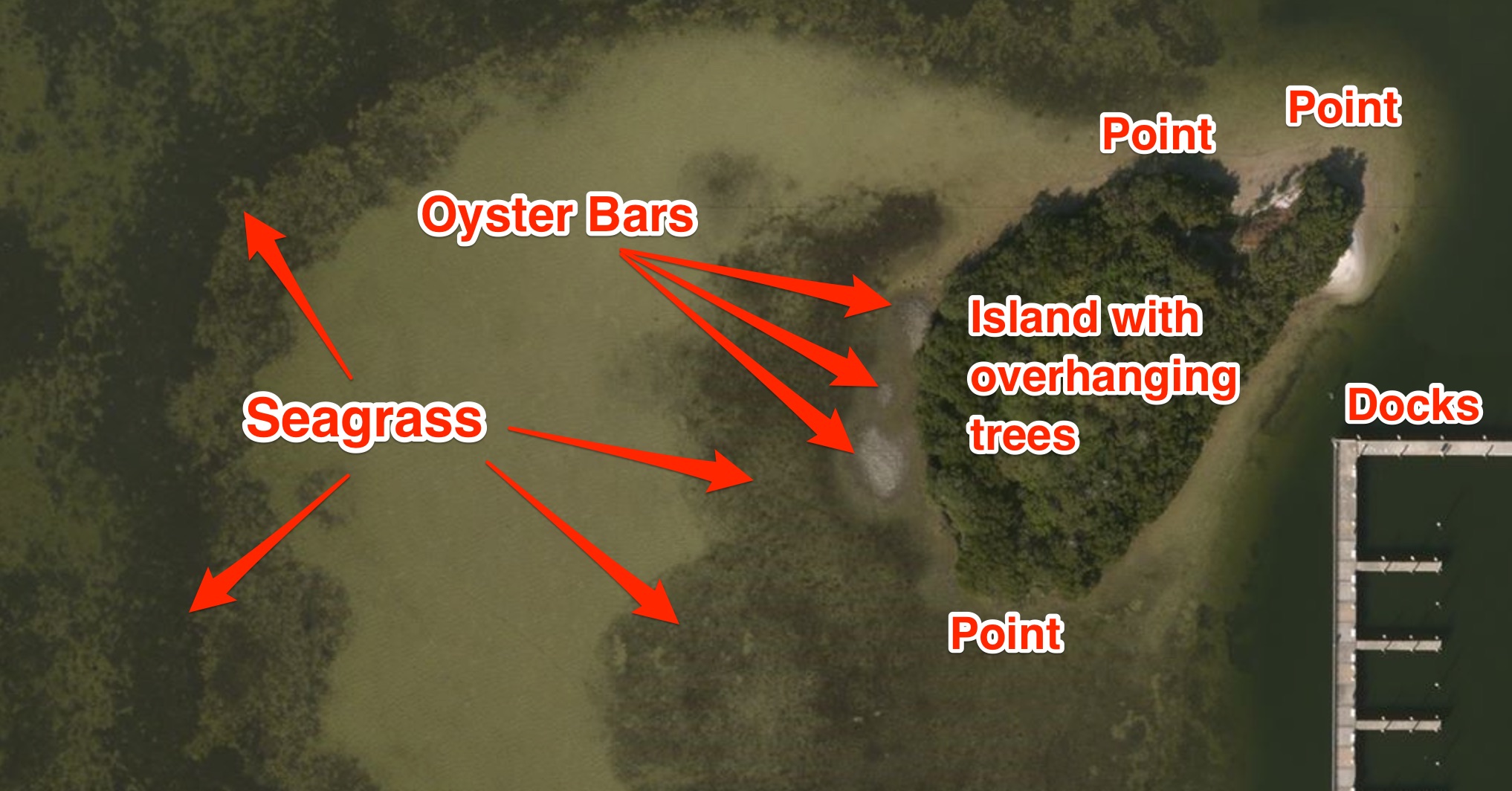
Record what you can see and what you cannot. Note water clarity, wind direction, cloud cover, temperature, tide stage, water level, and recent rain. Over time, you may learn that bass use a certain weed edge on windy afternoons, or that trout hold below a specific riffle when flows rise.
Do not judge a spot only by the number of fish caught. A place may be excellent under the right conditions and quiet at the wrong time. Your goal is to understand when and why the spot works.
Build a short list of backup spots
Plan three to five locations before each trip. Put them in order based on weather, access, species, and travel time. If the first spot is crowded, muddy, closed, or unsafe, move to the next one without wasting the day.
A backup list is especially helpful for kayak fishing, surf fishing, and winter trips. Wind can make one side of a lake dangerous while another side stays calm. A changing tide can make a creek mouth productive for only a short period.
Know when to ask a guide
A licensed local guide can shorten the learning curve on large lakes, rivers, coastal water, and technical fly water. A guide is also useful when boat handling, navigation, wading, or local regulations create risk.
You do not need a guide for every trip. Consider one when:
- You are new to a large or remote waterway
- You plan to wade unfamiliar rivers
- You want to learn kayak or boat navigation
- You are targeting a new species
- You keep losing time without finding structure
- Safety conditions are complex
Frequently asked questions
How do I find fishing spots near me?
Search public lakes, ponds, rivers, reservoirs, piers, and coastal access points on state wildlife websites and mapping apps. Check satellite images for public access, depth changes, weed edges, creek mouths, bridges, and points. Confirm that the location is legal before fishing.
What is the best way to find fish from shore?
Look for a safe public bank with access to depth, cover, current, or a food source. Fish along weed edges, drop-offs, creek mouths, bridge pilings, rocks, and shaded banks. Cast parallel to shore before casting straight out.
How do I find bass fishing spots?
Search for cover near a depth change. Docks, laydowns, grass edges, rocky points, creek channels, and submerged timber are strong starting areas. Test shallow water during low light and check deeper edges as sunlight increases.
How do I find trout fishing spots?
Look for cool, clean water with oxygen and current. Riffles, pools, runs, undercut banks, springs, and current breaks can hold trout. Use local stocking reports and check special trout regulations before fishing.
How do I find catfish fishing spots?
Search deep holes, outside bends, dams, creek mouths, channels, and areas where current brings food. In lakes, check the deepest nearby water and inflowing creeks. Use strong enough tackle for the fish and cover in that water.
Are fish finders worth the money?
A fish finder can be worth the money for boat and kayak anglers who fish often and need help reading depth, bottom structure, water temperature, and bait. It may not be worth the cost for a beginner who mainly fishes from shore. Start with maps and observation first.
Is a baitcaster better than a spinning reel for finding fish?
Neither reel finds fish by itself. A spinning reel is easier for beginners and works well with light lures and live bait. A baitcaster offers control with heavier lures and accurate casts, but it requires practice to avoid backlash.
What line should I use when searching new water?
Use 4- to 8-pound monofilament for many panfish and light freshwater trips. Use 8- to 12-pound line for general bass fishing, then increase strength around heavy cover. Braided line with a fluorocarbon leader is useful when you need high strength and abrasion resistance.
How far should I move if I do not get bites?
There is no fixed distance, but moving 20 to 50 yards can expose a new depth, cover type, or current angle on shore. In a boat, change structure or depth rather than moving randomly. Move sooner when the area has no clear fish-holding feature.
Can I fish anywhere that looks public?
No. Confirm land ownership, parking rules, access hours, and fishing permissions. Some banks are private, some public waters have closed areas, and some access points allow boating but not shore fishing.
What should I bring to a new fishing spot?
Bring a suitable rod and reel, line, hooks, sinkers, bobbers, lures or legal bait, pliers, line clippers, polarized sunglasses, water, sun protection, a landing net, and a phone. Add a PFD for boating or kayak fishing and safety gear for wading or ice.
How do I protect fish during catch and release?
Wet your hands, avoid squeezing the fish, support its body, remove the hook quickly, and keep air exposure short. Use barbless or circle hooks where suitable and required. Cut the line only as a last resort when removing the hook would cause more harm.
Can weather change a good fishing spot?
Yes. Wind, rain, sunlight, temperature, water level, and tides can move fish and alter access. A rising river may bring food but also create dangerous current. Check conditions before leaving and be ready to use a backup location.
Final advice for finding better fishing spots
Finding fishing spots becomes easier when you stop looking for a magic location and start looking for reasons fish would be there. Study the target species, read maps, find depth changes, locate cover, follow food and current, and confirm safe public access.
Start close to home. Fish simple water with a flexible setup. Keep notes, make one change at a time, and move when the evidence is weak. Use local reports as clues, not promises.
A good spot is not always the most famous one. It is the place where habitat, season, access, safety, and your own skill level line up. Once you learn to read those details, every lake, riverbank, pond, pier, and shoreline becomes easier to understand.