How Is The Fishing Near Me: Local Tips
If you are asking, “How is the fishing near me?” the honest answer is: it depends on the water, season, weather, target fish, and local rules. A nearby pond may offer easy panfish while a river a few miles away may hold trout, bass, catfish, or walleye. Saltwater anglers may find redfish from a pier, striped bass from shore, or better action during a rising tide.
The fastest way to learn is to combine local reports with a short visit. Check your state wildlife agency, weather, water levels, recent catch reports, and a local tackle shop. Then match your gear to the fish and water. You do not need expensive equipment. A simple spinning combo, fresh line, a few hooks, sinkers, bobbers, and proven bait can help you learn more than a crowded tackle box.
This guide explains how to judge fishing near you, where to look, what to bring, how much it may cost, and how to stay safe. It also covers freshwater, saltwater, shore fishing, kayak fishing, fly fishing, ice fishing, and family trips.
Quick answer: how is the fishing near me?
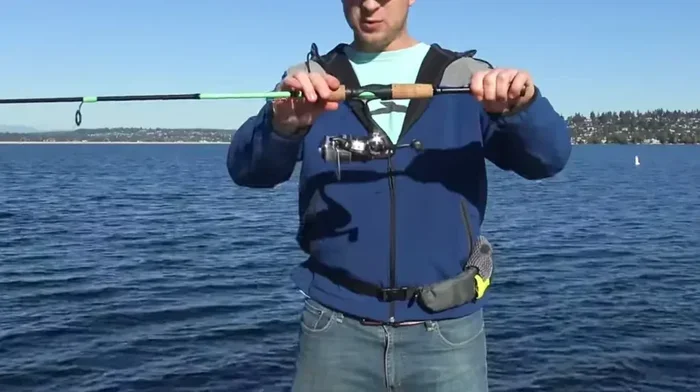
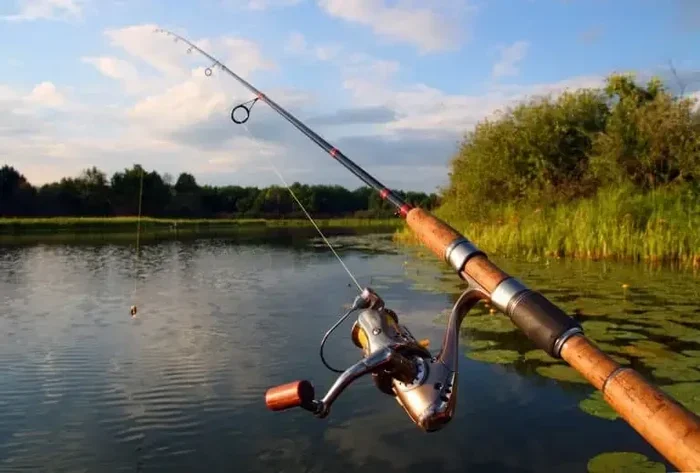
Fishing near you is usually best when you match the place, time, bait, and weather to the target species. Start with local wildlife reports, lake or river access points, water temperature, recent rain, and a nearby tackle shop. For most beginners, a 6- to 7-foot medium-light or medium spinning rod with 6- to 10-pound monofilament line is a flexible choice. Check your fishing license, size limits, bag limits, and seasonal rules before you go.
What controls local fishing conditions?
Local fishing changes because fish respond to food, water temperature, light, current, oxygen, and pressure from anglers. A lake can fish well one day and slow down the next. That does not always mean the fish left. They may have moved deeper, shallower, or closer to cover.
The best local fishing report gives more than a simple “good” or “slow” rating. Look for details about species, water depth, bait, lure color, time of day, and access. A report that says “bass are biting” helps less than one that says “largemouth bass are hitting small crankbaits near weed edges in 6 feet of water.”

Weather, water, and light
Weather affects fishing in several ways. A warm front may increase insect activity and feed fish in shallow water. A cold front may push fish deeper or make them less active. Wind can also help by moving food toward a bank, point, jetty, or shoreline.
Cloud cover often gives fish more comfort in shallow areas. Bright sun can push them under docks, trees, weeds, rocks, or deeper ledges. After heavy rain, rivers may rise and turn muddy. Some fish feed well then, but strong current and unsafe water can make fishing a poor choice.
Water clarity also guides lure selection. Use natural colors in clear water and darker or brighter colors in stained water. In very muddy water, vibration, scent, and a slow presentation can matter more than fine color detail.

Season and water temperature
Fish do not follow a calendar alone. They respond to water temperature and available food. Spring may bring spawning movements for bass, crappie, walleye, trout, and many other species. Summer often pushes fish into deeper water during the day. Fall can bring strong feeding as fish prepare for colder months.
Winter fishing may focus on slow presentations, trout streams, deep lake areas, or safe ice. Ice fishing requires special care. Never judge ice safety by appearance alone. Thickness can vary over a short distance because of springs, current, wind, pressure cracks, and moving water.
| Local factor | What it can change | What to check |
|---|---|---|
| Rain | Water level, current, clarity, food movement | River gauge, access, muddy water |
| Wind | Bait movement and surface conditions | Wind direction and safe casting areas |
| Sun | Fish depth and cover use | Shade, docks, weeds, rocks |
| Water temperature | Feeding and seasonal movement | Local report or thermometer |
| Tide | Saltwater current and feeding windows | Tide chart and wind |
Rain and wind do not always hurt fishing. They can create feeding opportunities, but they can also make travel, wading, boating, and casting unsafe. Use the whole picture instead of relying on one condition.

How to find reliable fishing information near you
The best local information comes from several sources, not one post or one phone call. Start with official sources for access, regulations, stocking, closures, and fish surveys. Then use local reports to learn what anglers are seeing right now.
A local tackle shop can often explain which bait, hooks, sinkers, leaders, and lures fit current conditions. Ask specific questions. “Where should I fish?” may get a vague answer. “I want to catch stocked trout from shore this weekend. What size hook and bait are working?” is easier to answer.

Use state wildlife and fish agency reports
Every state has a fish and wildlife agency or a similar department. Its website may show public lakes, boat ramps, trout stocking dates, access rules, fishing license details, and species regulations.
Look for:
- Stocking schedules
- Lake and river maps
- Public access areas
- Size and bag limits
- Closed seasons
- Bait rules
- Tackle restrictions
- Fish consumption warnings
- Boating and invasive species rules
- Special regulations for trout, bass, salmon, or walleye
Official reports may not describe yesterday’s bite. They are still the most reliable source for rules and public access. Always check them before fishing.

Ask a local tackle shop
A tackle shop sees what anglers buy before and after a trip. Staff may know whether people are using live bait, soft plastics, jigs, crankbaits, flies, or topwater lures. They can also tell you where parking is allowed and which areas become crowded.
Buy a small amount of local terminal tackle when possible. Terminal tackle means the items at the end of your line, such as hooks, sinkers, swivels, bobbers, and leaders. Local tackle is often more useful than a large box of random lures.

Read fishing reports with care
Online fishing reports can help, but they have limits. Some reports are several days old. Others leave out the exact location, bait, or skill level. A skilled angler may catch fish with a technique that is hard for a beginner to copy.
Look for repeated patterns across several reports. If multiple anglers mention shallow weeds, small jigs, and early morning activity, that pattern is more useful than one dramatic catch photo.
| Information source | Best use | Main limitation |
|---|---|---|
| State fish agency | Rules, access, stocking, closures | May not show daily action |
| Local tackle shop | Bait, lures, access tips | Advice may focus on common species |
| Fishing app or forum | Recent conditions and reports | Posts may be old or incomplete |
| Marina or guide | Water level, boat access, local patterns | Paid advice may cost more |
| Your own log | Personal patterns over time | Takes repeated trips |
Keep a simple fishing log. Record date, time, weather, water clarity, depth, bait, lure, species, and result. After a few trips, your notes become more useful than memory.

Where to fish near you
Fishing near you may include ponds, reservoirs, rivers, streams, canals, beaches, bays, piers, jetties, and private lakes. Each water type has different access, safety, fish, and gear needs.
Public access is just as important as fish population. A lake full of bass does not help if you cannot legally reach the shoreline or launch a boat. Confirm parking, permits, opening hours, and land ownership before setting up.

Ponds and small lakes
Small ponds are often the easiest place for new anglers. Bluegill, sunfish, crappie, largemouth bass, and channel catfish may live near docks, weed lines, fallen trees, or shaded banks.
A bobber rig with a small hook and worm is a simple choice for panfish. For bass, try a small soft plastic, spinner, or weedless lure near cover. Avoid casting into private yards or restricted areas.
Small ponds can warm and cool quickly. Fish may move into shallow water early and late, then seek shade or deeper water during bright afternoons.

Rivers and streams
Rivers offer trout, smallmouth bass, catfish, walleye, salmon, steelhead, and other species, depending on the region. Current is a major factor. Fish often hold behind rocks, near current seams, below riffles, and along deeper outside bends.
Wading requires caution. Wear felt or rubber-soled wading boots suited to local rules. Use a wading belt, move slowly, and avoid crossing water that is too deep or fast. A landing net with a rubber mesh can reduce handling time.
River levels can rise quickly after rain or dam releases. Check gauges and warnings before you go. Tell someone your plan if you fish alone.

Shore and pier fishing
Shore fishing is affordable and does not require a boat. Walk the bank and look for points, drop-offs, current, rocks, weed edges, docks, and places where bait gathers. Do not assume the closest spot is the best spot.
Piers and jetties can offer access to deeper water. Saltwater anglers may target redfish, flounder, sea trout, mackerel, striped bass, or other local species. Use corrosion-resistant hooks, swivels, pliers, and reels when fishing around saltwater.
Keep a safe distance from other anglers. Watch behind you before casting. On rocks, wear shoes with good grip and avoid standing near breaking waves.

Kayak and boat fishing
A kayak can reach water that shore anglers cannot. It also adds risks. Wear a properly fitted U.S. Coast Guard–approved personal flotation device, or PFD, every time you are on the water. Secure rods, tackle boxes, pliers, and landing nets so they do not become hazards.
Check your kayak’s weight capacity. Add your body weight, clothing, cooler, battery, tackle, water, and safety gear. Stay below the listed capacity. A fish finder can help locate depth changes, but it cannot replace knowledge of weather, navigation, or safe boat handling.
Take a boating safety course if you are new to kayak or boat fishing. Tell someone where you are going and when you plan to return.

| Water type | Common targets | Useful starting gear |
|---|---|---|
| Small pond | Panfish, bass, catfish | 6-foot spinning combo, bobber, worm |
| River | Trout, bass, walleye, catfish | Medium or medium-light rod, sinkers, leaders |
| Pier | Saltwater species, striped bass | Medium-heavy rod, saltwater-rated reel |
| Surf | Redfish, striped bass, pompano | 9- to 12-foot surf rod, sinkers, sand spike |
| Kayak | Bass, crappie, redfish | Compact spinning setup, PFD, net |
| Ice | Panfish, trout, walleye | Ice rod, light line, auger, shelter, safety gear |
The right water type determines your rod length, line test, sinker weight, lure size, and safety gear. Start with the easiest legal access point that fits your target species.

Choosing gear for fishing near you
You do not need one setup for every type of fishing. A beginner-friendly spinning combo is often the most flexible choice for ponds, lakes, rivers, and some inshore saltwater. Experienced anglers may add baitcasters, fly rods, telescopic rods, ice fishing rods, or surf setups as their needs grow.
Rod power describes how much force a rod takes to bend. Light and medium-light rods suit small fish and light lures. Medium rods cover many bass, walleye, catfish, and general freshwater uses. Medium-heavy rods handle larger lures, heavier line, thick cover, and bigger fish.
Rod action describes where the rod bends. Fast action bends near the tip and gives quick lure control. Moderate action bends farther down and can help keep treble-hook lures pinned. The best choice depends on species and technique.
A useful starter setup
For many freshwater beginners, consider:
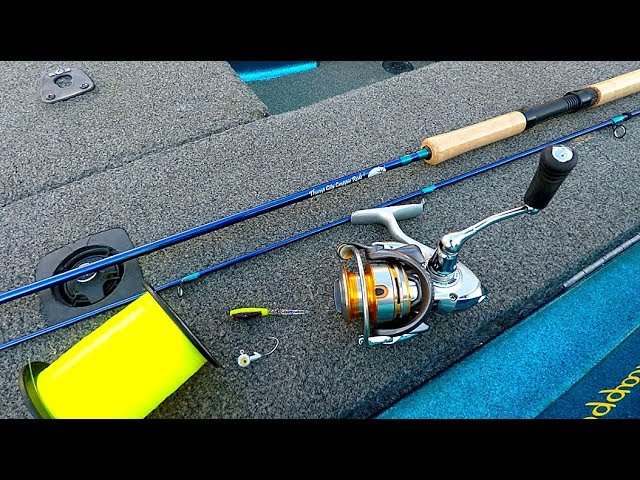
- A 6- to 7-foot medium-light or medium spinning rod
- A 1000- to 2500-size spinning reel
- 6- to 10-pound monofilament line
- Size 6 to 10 hooks
- Small split shot sinkers
- A sliding or fixed bobber
- Small swivels
- Live worms or small artificial lures
- Needle-nose pliers
- A small landing net
Monofilament is soft, affordable, and easy to tie. Fluorocarbon is less visible underwater and resists abrasion, but it can be stiffer. Braided line is thin and strong for its size, but it may need a fluorocarbon or monofilament leader and can be harder for new anglers to manage.
Spinning reels, baitcasters, and spincast combos
Spinning reels are easy to cast and work well with light lures. They are a strong choice for beginners, kids, trout, panfish, bass, and general shore fishing.
Baitcasters offer strong lure control and accuracy. They suit experienced anglers who fish bass with heavier lures, jigs, crankbaits, and soft plastics. The main challenge is backlash, which happens when the spool spins faster than the lure pulls line.
Spincast combos use a closed face and push-button cast. They are simple for young children and casual anglers. They may not offer the same casting distance, drag smoothness, or long-term durability as a quality spinning reel.
| Angler or trip | Rod and reel choice | Line suggestion |
|---|---|---|
| Child learning to cast | 4.5- to 6-foot spincast combo | 6- to 8-pound monofilament |
| General freshwater beginner | 6- to 7-foot spinning combo | 6- to 10-pound monofilament |
| Bass angler | 6.6- to 7.3-foot medium or medium-heavy setup | 10- to 20-pound braid |
| Trout angler | 6- to 7-foot light or medium-light spinning rod | 2- to 6-pound line |
| Surf angler | 9- to 12-foot surf rod | 20- to 30-pound line |
| Fly angler | Fly rod matched to species and fly weight | Backing, fly line, leader |
These are starting points, not strict rules. Check lure weight, line capacity, drag rating, and current product details before buying. Gift buyers should choose a complete combo unless they know the angler’s preferred style.
👪 Parent or Gift-Buyer Note: For a child, choose a short spincast combo, soft practice plug, small tackle box, and a life jacket that fits. Avoid gifting hooks without a plan for safe storage and adult supervision.
Matching bait, lures, and rigs to local species
A rig is the way you connect line, hooks, weights, bobbers, and bait. You can catch many common fish with a few simple rigs. Start with one rig that fits your target instead of carrying every lure in the store.
Panfish often respond to worms, small jigs, tiny spinners, and pieces of approved bait. Bass may take soft plastics, spinnerbaits, crankbaits, jigs, and live bait. Catfish often respond to cut bait, worms, prepared bait, or approved live bait near the bottom.
Trout may take flies, small spinners, spoons, dough baits, or worms where legal. Saltwater species may need shrimp, cut bait, jigs, spoons, soft plastics, or plugs. Local rules can limit bait types, hook styles, or the number of rods.
Simple rigs for common fish
A bobber rig suspends bait above the bottom. Adjust the depth until the bait is near weeds, cover, or the level where fish are feeding. This rig is easy for beginners and kids.
A bottom rig places bait near the lake or river floor. Use enough weight to hold the bait without making the setup too heavy. Current may require more weight, but too much can reduce bite detection.
A Texas-rigged soft plastic uses a hook with the point placed into the lure. It can move through cover with fewer snags. This rig suits bass anglers, but beginners should practice tying and setting the hook in an open area first.
Species and presentation guide
| Target fish | Common local water | Starting presentation |
|---|---|---|
| Bluegill and sunfish | Ponds, lakes, slow rivers | Worm below a bobber |
| Bass | Lakes, ponds, rivers | Soft plastic, spinnerbait, crankbait |
| Trout | Cold streams, rivers, stocked lakes | Small spinner, fly, worm where legal |
| Catfish | Rivers, reservoirs, ponds | Bottom rig with approved bait |
| Walleye | Rivers, lakes, reservoirs | Jig, minnow, crankbait near depth |
| Redfish | Bays, flats, marshes, surf | Shrimp, soft plastic, spoon, cut bait |
Use the lightest practical tackle that safely handles the fish and cover. Light gear can make small fish fun, but it should not prolong the fight with a large fish or prevent a safe release.
🌿 Conservation Note: Wet your hands before touching a fish. Support its body, keep it out of the air for as little time as possible, and use barbless or circle hooks when suitable. Cut or recycle old fishing line. Never leave line, bait containers, or soft plastics on the bank.
When and where to fish during the day
The best time near you depends on species, water, season, and pressure. Early morning and late evening often provide lower light and cooler temperatures. These periods can be comfortable and productive, but fish may also feed at midday near deep water, shade, current, or cover.
Start by fishing likely structure. Structure means features that affect fish movement, such as rocks, trees, docks, weed beds, drop-offs, points, bridges, and current seams. Cast around the edges first. Fish often sit where two types of habitat meet.
Move if you have no bites, but change one thing at a time. Try a different depth before changing every lure. That helps you learn whether the problem is location, presentation, or bait.
A simple one-hour plan
Use this plan when you are unsure where to begin:
- Spend 10 minutes observing the water.
- Look for baitfish, insects, birds, weed edges, shade, current, and surface activity.
- Start with a small bait or lure that matches the local species.
- Fish shallow water near cover for 15 minutes.
- Try a deeper edge or drop-off for 15 minutes.
- Change speed, depth, or color for the final 15 minutes.
- Record what happened before you leave.
This plan prevents random casting. It also helps beginners build skill without buying more gear.
Seasonal starting points
| Season | Places to try | Useful approach |
|---|---|---|
| Spring | Shallow flats, creek mouths, warming banks | Small jigs, worms, moving lures |
| Summer | Shade, deeper edges, early morning water | Topwater early, soft plastics later |
| Fall | Bait-rich points, coves, current areas | Crankbaits, jigs, live bait |
| Winter | Deep water, slow pools, safe ice | Slow presentations and light tackle |
Seasonal patterns differ by region. A southern lake may fish differently from a northern lake in the same month. Use water temperature and local reports to refine the plan.
Costs, access, and what is worth buying
Fishing near you can cost very little or become an expensive hobby. A basic freshwater trip may need a license, a $25 to $80 combo, $10 to $30 in terminal tackle, and a small amount of bait. Prices vary by brand, local fees, species, and water type.
Spend money first on dependable line, sharp hooks, comfortable clothing, polarized sunglasses, and safe storage. A good landing net and pliers can protect fish and your hands. You can delay buying a fish finder, expensive reel, large tackle bag, or specialized lure collection until you know how you fish.
For saltwater, budget more for corrosion-resistant gear. Rinse reels, pliers, hooks, and rod guides with fresh water after each trip. Do not use high-pressure spray directly on reel seals or bearings.
| Budget level | Typical items | Best for |
|---|---|---|
| Basic | Spincast or spinning combo, hooks, bait, bobber | Kids, beginners, casual pond trips |
| Mid-range | Better spinning reel, net, pliers, tackle box, polarized glasses | Regular freshwater anglers |
| Specialized | Baitcaster, fly setup, surf rod, fish finder, kayak gear | Experienced anglers with a clear style |
Current pricing ranges from low-cost starter gear to premium equipment. More expensive gear may improve weight, drag smoothness, casting control, or corrosion resistance. It does not remove the need to choose the right place, depth, bait, and time.
Safety and local fishing rules
Fishing safety starts before you reach the water. Check the forecast, wind, heat, storms, water level, and road conditions. Wear a U.S. Coast Guard–approved PFD in a boat or kayak. Tell someone your plan, especially if you fish alone, wade, hike, or fish remote water.
Use polarized sunglasses to reduce glare and help you see hazards. They also protect your eyes from hooks. Carry water, sunscreen, a hat, first-aid supplies, insect protection, and a fully charged phone in a waterproof case.
Never hold a fish, hook, knife, or pair of pliers carelessly. Keep hooks covered when walking. Watch children closely around water, even when they wear a life jacket.
License and regulation checklist
Before fishing, confirm:
- A valid state or local fishing license
- Freshwater or saltwater license requirements
- Species size limits
- Daily bag limits
- Closed seasons
- Allowed hooks and baits
- Barbed or barbless hook rules
- Lead tackle restrictions
- Number of rods or lines allowed
- Special rules for stocked waters
- Private property and parking limits
📜 Check Local Regulations: Rules can change by water, county, species, and season. Confirm current requirements with your state fish and wildlife agency before fishing. Do not rely only on an old tackle box label or social media post.
Ice, wading, and boat warnings
For ice fishing, check thickness across the whole route, not just at the shore. Avoid ice near moving water, inlets, outlets, bridges, and springs. Wear ice picks, carry a rope, fish with a partner, and take an ice safety course if you are new.
For wading, use a belt, move slowly, and test each step. If water reaches a dangerous level or current pushes against your legs, turn back. For boating, wear a PFD and follow navigation rules.
⚠️ Safety Warning: No fishing report is worth risking your life. Skip the trip when storms, unsafe ice, flooding, extreme heat, or strong current create more risk than you can manage.
Common mistakes that make local fishing seem slow
Many anglers blame the fish when the real problem is location, depth, bait, or timing. A common mistake is staying in one spot for hours without changing anything. Another is using gear that is too heavy for small fish or too light for heavy cover.
Beginners may also buy too many lures. A few proven options are easier to learn. Experienced anglers can make the opposite mistake by overthinking lure color while ignoring water depth and fish location.
| Mistake | Why it hurts | Better move |
|---|---|---|
| Fishing one depth all day | Fish may be higher or lower | Test shallow, middle, and bottom |
| Using old line | Line can weaken and fail | Replace damaged or curled line |
| Carrying too many lures | Slows decisions | Use three proven choices |
| Ignoring wind | Misses food movement | Fish the windblown bank safely |
| No pliers or net | Increases handling time | Pack both before leaving |
| Skipping local rules | Can cause harm or fines | Check official regulations |
Do not measure a trip only by the number of fish. A short trip can still teach you where fish hold, how your reel casts, and which rig fits the water.
How to care for fishing gear after a local trip
Gear care makes affordable equipment last longer. Wipe rods and reels after use. Remove dirt from reel handles, line rollers, rod guides, and drag areas. Store rods straight and keep hooks dry.
Freshwater gear should be dried before storage. Saltwater gear needs extra attention. Rinse it with gentle fresh water, wipe away salt, and inspect guides, hooks, split rings, pliers, and reel screws for corrosion.
Do not leave a wet tackle box closed in a hot vehicle. Dry soft plastics before sealing them. Some soft plastics can damage other lures when stored together.
Signs it is time to replace gear
Replace fishing line when it shows nicks, flat spots, severe memory, discoloration, or repeated wind knots. Replace hooks when points are dull, bent, rusty, or weak. A hook file can restore some points, but badly damaged hooks should go.
Inspect rod guides for cracks or sharp edges. Run a cotton swab through each guide. If fibers catch, the guide may damage line. Check reel drag, bail operation, handle play, and spool edges before a serious trip.
Who should choose which local fishing approach?
Beginners should choose easy access, common species, simple rigs, and light tackle that is not fragile. A pond or public lake with panfish is often a better first trip than a difficult river or open surf.
Experienced anglers may want a specific challenge. Bass fishing may call for a baitcaster and several lure styles. Trout anglers may prefer a light spinning rod or fly rod. Surf anglers need longer rods, heavier sinkers, and saltwater care.
Gift buyers should ask where the person fishes, what species they target, and whether they already own gear. A gift card to a local tackle shop can be better than the wrong reel.
| Angler | Good starting choice | Avoid at first |
|---|---|---|
| New adult angler | Medium-light spinning combo | Complex baitcaster |
| Young child | Short spincast combo with adult help | Long, heavy rod |
| Bass angler | Medium or medium-heavy rod | Very light line in thick cover |
| Trout angler | Light spinning or fly setup | Heavy tackle that masks light bites |
| Saltwater beginner | Medium spinning setup rated for saltwater | Freshwater-only reel |
| Kayak angler | Compact rod, PFD, net, leash system | Loose gear on the deck |
There is no single best fishing setup. The best choice is the one that fits your water, target species, skill, transport, and budget.
Frequently asked questions
How do I find out if fishing is good near me today?
Check your state fish agency, local tackle shop, recent fishing reports, weather, water levels, and tide charts if you fish saltwater. Look for repeated details about species, depth, bait, and location. A short scouting trip can confirm conditions better than one online post.
What is the best time to fish near me?
Early morning and late evening are common starting points because light and temperatures are lower. Fish may also feed during the day near shade, current, deep water, docks, rocks, and weed edges. Local species and weather should guide your final choice.
What is the best setup for a beginner fishing near me?
A 6- to 7-foot medium-light or medium spinning combo with 6- to 10-pound monofilament is a flexible freshwater choice. Add small hooks, split shot, a bobber, swivels, pliers, and approved bait. Choose a shorter spincast combo for a young child.
Can I fish without a boat?
Yes. Shore fishing, bank fishing, pier fishing, and wading can all work where legal. Look for public access, points, drop-offs, weeds, docks, rocks, current seams, and bait activity. Confirm parking and property rules before casting.
Is braided line better than monofilament?
Neither is always better. Monofilament is affordable and easy to use. Braided line is thin and strong but may need a leader and careful knot work. Beginners often find monofilament easier, while experienced anglers may prefer braid for bass, heavy cover, or long casts.
How much does a local fishing trip cost?
A basic freshwater trip may cost the price of a license, bait, and simple terminal tackle if you already own a rod. A new starter setup may cost about $25 to $80, while specialized saltwater, fly, kayak, and boat gear costs much more. Current prices vary by location and brand.
Do I need a fishing license?
Most U.S. states require a fishing license for adults, with some exceptions for age, disability, private ponds, or free-fishing days. Saltwater and freshwater licenses may differ. Check your state fish and wildlife agency before fishing.
What should I take on a shore fishing trip?
Pack your rod, reel, fresh line, hooks, sinkers, bobbers, bait or lures, pliers, a small net, water, sunscreen, polarized sunglasses, a first-aid kit, and a way to carry trash. Bring a cooler only if legal harvest is your plan and you can keep fish cold.
How can I keep fish safe during catch and release?
Wet your hands, avoid squeezing the fish, support its body, remove the hook quickly, and keep the fish out of water for only a short time. Use circle hooks for suitable bait fishing and barbless hooks where allowed. Cut the line if a deeply swallowed hook cannot be removed safely.
Is kayak fishing safe for beginners?
It can be safe when you use a stable kayak, wear a U.S. Coast Guard–approved PFD, check weather and wind, secure equipment, and stay within your skill level. Learn basic paddling and rescue skills. A boating safety course is a smart step.
How long does fishing line last?
Line life depends on use, sunlight, heat, abrasion, knots, and storage. Inspect it before each trip. Replace it when it becomes rough, brittle, heavily curled, discolored, or damaged. Frequently used line may need replacement more often than stored line.
Should I use live bait or lures?
Live bait can be simple for panfish, catfish, trout, and many other species where legal. Lures are reusable and help you cover water. Start with the method that fits your skill, target fish, local rules, and access.
What should I do if I cannot find fish?
Change one factor at a time. Try a new depth, move near structure, slow the presentation, change bait size, or relocate to another legal access point. Check water temperature, recent rain, wind, and local reports before buying more gear.
Final advice for finding good fishing near you
The best way to answer “How is the fishing near me?” is to build a small local process. Check official rules first. Read current reports. Ask a tackle shop a specific question. Choose one target species, one legal access point, and one simple rig. Then fish long enough to learn what the water is showing you.
Start with affordable gear that matches your local water. A spinning combo, fresh line, small hooks, a bobber, sinkers, bait, pliers, and a landing net can cover many beginner trips. As your skills grow, add specialized tools such as a baitcaster, fly rod, fish finder, surf rod, kayak, or ice setup.
Respect the water, protect fish, carry out your line and trash, and follow every local rule. A good fishing trip is not only measured by the fish in the cooler. It is also measured by the skills you gain, the places you learn, and the care you leave behind.