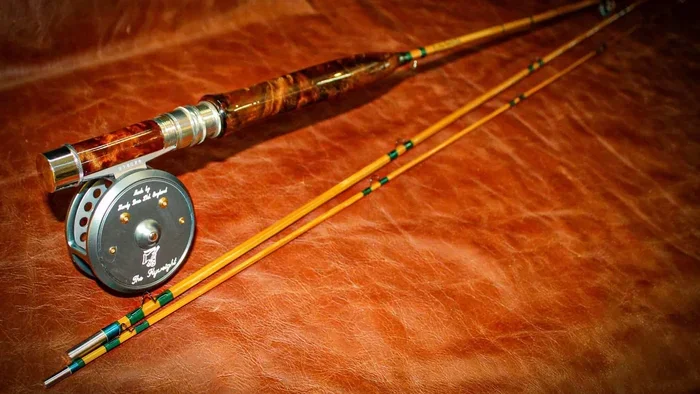
How Old To Start Fishing: Best Age Guide For Kids
Fishing has no single “right” starting age. Many children can enjoy a simple fishing trip at age 3 or 4, while some are ready sooner and others need more time. The best time to start is when a child can follow a short safety rule, stay near an adult, and enjoy quiet time by the water. Adults can start at any age, too. You do not need expert skills, costly gear, or a boat.
For most families, the easiest first trip uses a short spincast combo, a bobber, live bait, and a calm freshwater spot. Panfish such as bluegill and sunfish are often good first targets because they are common and can take small baits. The goal of the first trip is not a full tackle box or a large catch. It is a safe, pleasant memory that makes the next trip feel exciting.

Quick answer: What age is best to start fishing?
Children can start fishing at about age 3 or 4 with close adult help, short trips, and simple gear. Ages 5 to 8 often suit basic casting lessons and small panfish trips. Older children can learn knots, lure choice, and fish care. There is no maximum age for learning. Safety, attention span, water conditions, and local rules matter more than a child’s exact age.

A toddler may hold a rod for a few minutes, while a 7-year-old may cast alone with practice. An older child may be ready for bass, trout, kayak fishing, or fly fishing. Adults who have never fished can learn the same way: start with a simple setup and a friendly location.
The best first fishing trip is short, easy to leave, and close to help. Plan for 30 to 90 minutes instead of an all-day outing. Success means your new angler stays safe, learns one useful skill, and wants to go again.
How readiness matters more than age
A child is ready to start fishing when the child can follow basic directions and remain close to the supervising adult. Age gives you a rough guide, but readiness varies by child. A calm 3-year-old may do well on a dock, while an active 6-year-old may need frequent breaks and movement.

Before the first trip, look for these signs:
- The child can stop when told.
- The child can keep hands away from hooks.
- The child can wear a properly fitted life jacket near a boat or deep water.
- The child can sit or stand near an adult without running toward the water.
- The child can handle a short wait without becoming upset.
- The child shows interest in fish, bugs, boats, or the outdoors.
A child does not need to cast well before fishing. Casting is a motor skill. It improves with practice. Your first goal is to teach safe habits, not perfect form.
Starting with toddlers and preschoolers
Children ages 2 to 4 often enjoy the sights and sounds of fishing more than the act of waiting for a bite. Let them watch bobbers, touch safe tackle, look for ducks, and help release a fish. Give them a plastic practice rod at home if they want to copy an adult.

Use a rod about 2 to 4 feet long for a very young child. A small fiberglass or composite rod can handle bumps better than a very light graphite rod. A spincast reel with a push button is usually easier than a spinning reel for a first cast.
Keep hooks in a closed tackle box. Do not allow a toddler to hold a rig with an exposed hook. For this age group, the adult should cast, set the hook, remove the fish, and manage all terminal tackle. Terminal tackle means the small items tied to the end of the fishing line, such as hooks, sinkers, swivels, and lures.
Starting with children ages 5 to 8
Many children ages 5 to 8 are ready to learn a simple cast. They can also help bait a hook with adult supervision, reel in small fish, and learn why wet hands protect a fish’s slime coat. A short rod and a push-button reel keep the task simple.
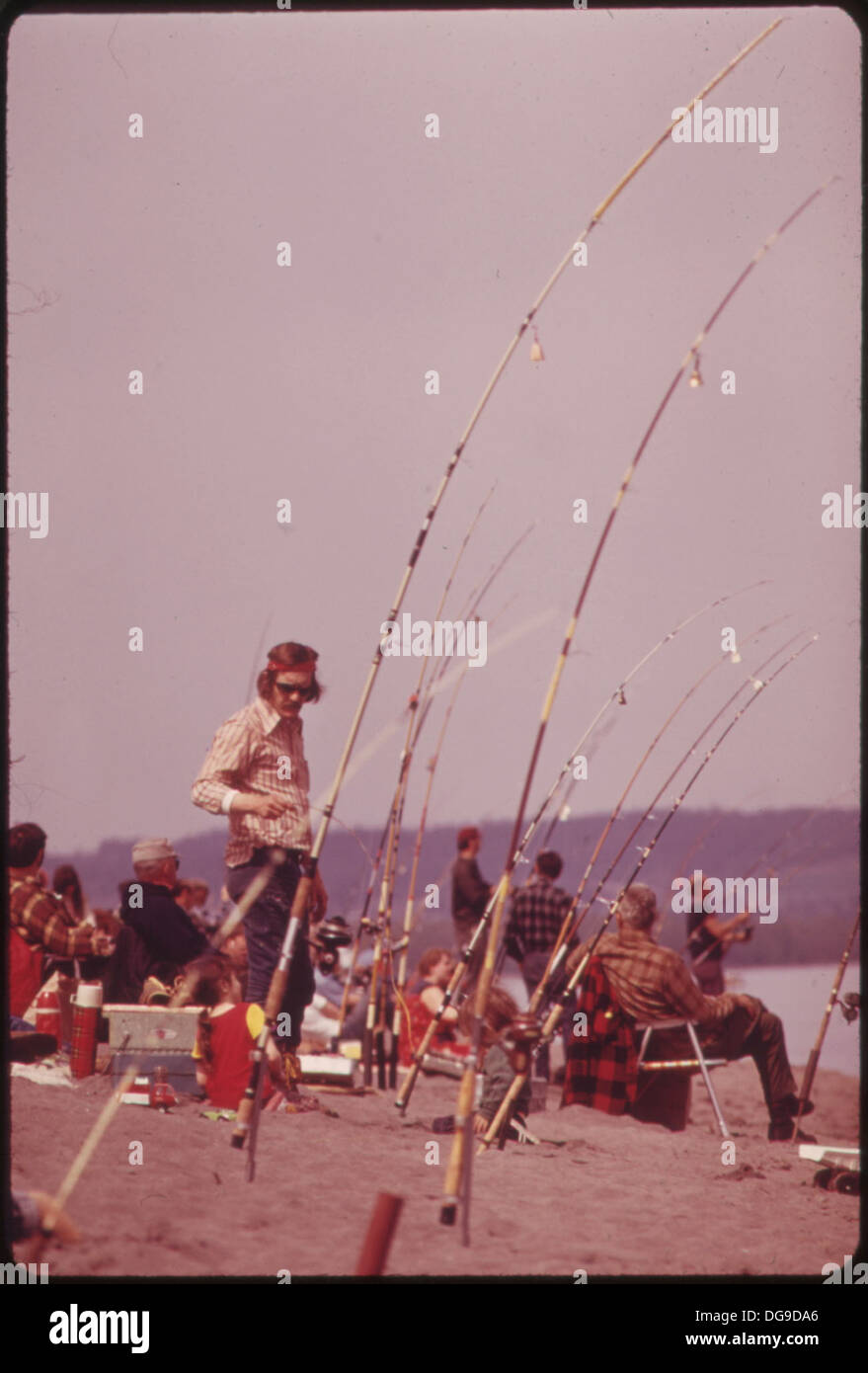
Practice casting in a yard before going to the water. Use a rubber casting plug instead of a hook. Begin with a target such as a bucket or hula hoop. Ten minutes of practice is enough for a young angler.
A bobber gives children something clear to watch. When it moves or sinks, they can tell that something may be happening. For panfish, use a small hook, light monofilament line, and a tiny piece of worm or a small artificial bait. Match the hook and bait to local rules.
Starting with older children and teens
Older children can learn nearly every common fishing method. They may enjoy bass fishing with soft plastics, trout fishing with small spinners, catfish fishing with bait, or pier fishing for saltwater species. They can also learn leader knots, lure action, fish identification, and catch-and-release care.

An older beginner may prefer a spinning reel because it offers more control than a spincast reel. A 6- to 7-foot medium-light or medium spinning rod suits many freshwater species. “Power” describes how much force a rod takes to bend. “Action” describes where the rod bends. A fast-action rod bends near the tip, while a moderate-action rod bends farther down the blank.
Teens who want a challenge may try a baitcaster. A baitcaster can offer strong casting control, but it takes practice and can create backlash. Backlash is a tangle that forms when the spool spins faster than the lure. Start with a spinning reel unless the angler has a clear reason to learn a baitcaster.
The best first fishing setup by age
The best first setup should be safe, light, simple, and matched to the water. A child does not need a heavy bass rod for bluegill. A saltwater angler does not need a freshwater-only reel for surf or pier fishing. The correct match reduces frustration and helps gear last.

This table gives a practical starting point. It is not a strict rule. A child’s height, strength, interest, and fishing location may change the choice.
| Angler age or stage | Simple starting setup | Best use |
|---|---|---|
| About 3–4 | 2–4 ft fiberglass spincast rod, 4–6 lb monofilament | Short panfish trips with close adult help |
| About 5–8 | 4–5 ft light spincast or spinning combo, 4–8 lb line | Ponds, docks, and calm banks |
| About 9–12 | 5–6 ft light or medium-light spinning combo, 6–10 lb line | Panfish, trout, small bass, and simple lure fishing |
| Teens and adult beginners | 6–7 ft medium-light or medium spinning rod, 6–12 lb line | Freshwater bass, trout, walleye, and general use |
| Saltwater beginner | 7–9 ft medium spinning rod, 10–20 lb line, corrosion care | Piers, inshore areas, and light surf, based on species |
A light rod has a softer feel and suits small fish. A medium rod handles larger lures and stronger fish. For a gift buyer, a basic spincast combo is often the least confusing choice for a young child. For an adult beginner, a spinning combo usually offers more room to grow.

Spincast, spinning, and baitcaster reels
A spincast reel has a covered spool and a push button. It is easy to learn and helps limit line tangles. It works well for kids, casual pond fishing, and gift buyers who want a simple first setup.
A spinning reel has an open spool and a bail. The bail is the wire arm that opens and closes around the spool. Spinning reels cast light lures well and suit beginners who may later fish for bass, trout, catfish, walleye, or redfish.
A baitcaster sits above the rod and uses a rotating spool. It offers strong control but needs careful thumb pressure and brake settings. It is best for an older child, teen, or adult who wants to learn a more advanced casting system.
Rod length, power, and action
Short rods are easier for small children to control. They also work well around trees, docks, and tight banks. Longer rods can cast farther and help manage line, but they may feel heavy or awkward for a young angler.
A 4- to 5-foot light rod fits many first panfish trips. A 6- to 7-foot medium-light spinning rod offers more range for an older beginner. For bass, many anglers use a medium or medium-heavy rod, but that setup may be too stiff for tiny panfish.
“Line test” means the approximate weight rating of fishing line in pounds. Four- to 8-pound line works for many panfish and small trout situations. Heavier line may help around weeds, wood, rocks, or larger fish.
What children need for a safe first trip
A rod and reel are only part of a safe fishing setup. Children also need clothing, sun protection, water, food, and a plan for hooks. Adults need to control the area around the cast and keep every angler within reach when conditions require it.

Pack these basic items:
- A properly fitted U.S. Coast Guard–approved life jacket for boat, kayak, or deep-water use
- A hat, sunscreen, and polarized sunglasses
- Water and simple snacks
- A first-aid kit
- Needle-nose pliers or a hook remover
- Hand wipes or a small towel
- Extra line, hooks, bobbers, and sinkers
- A small landing net
- A bucket or tackle box with a secure lid
- A phone in a waterproof pouch
Polarized sunglasses reduce glare and can help adults see hazards near the surface. They also protect eyes from a flying hook. Children should wear eye protection during casting, even on shore.
⚠️ Safety Warning: Never treat a life jacket as optional around a boat, kayak, fast current, or deep water. Use a properly fitted U.S. Coast Guard–approved PFD, keep children close, check the weather, and tell someone where you plan to fish.

Use barbless hooks when local rules allow and when you plan to release fish. Barbless hooks can be easier to remove. If you use a barbed hook, keep pliers ready and teach children not to touch the hook.
Do not let a child walk backward while casting. Make a clear casting zone. Say “behind you” before every cast until the habit becomes automatic. Adults should handle long casts, heavy sinkers, and lures with multiple treble hooks.
A simple first-trip gear list
You can start with less gear than many tackle displays suggest. The table below focuses on useful items for a short freshwater trip.
| Item | Practical starting choice | Why it helps |
|---|---|---|
| Rod and reel | 4–5 ft spincast for young kids; 6–7 ft spinning combo for older beginners | Matches control and future use |
| Main line | 4–8 lb monofilament for panfish and small trout | Low cost and easy to tie |
| Bobber | Small fixed bobber | Gives a clear visual signal |
| Hooks | Small single hooks, sized to local bait and rules | Simple and easier to remove |
| Weights | Small split shot, used sparingly | Helps bait reach the desired depth |
| Bait or lure | Worm pieces, corn where legal, small jigs, or soft plastics | Offers simple presentations |
| Tools | Pliers, line cutters, and a landing net | Improves hook removal and fish care |
Monofilament is a flexible nylon line. It is affordable and forgiving for beginners. Fluorocarbon is harder to see underwater and resists abrasion, but it can be stiffer. Braided line is thin and strong, but it can cut skin and may need a leader.
A leader is a short section of line between the main line and the hook or lure. Anglers use leaders for abrasion resistance, reduced visibility, or special techniques. A beginner does not need an advanced leader system for every trip.

A small tackle box helps, but a plastic container with compartments can work at first. Keep hooks and sinkers separate from food, phones, and loose clothing. Store pliers with the tackle instead of leaving them on a dock where they may fall into the water.
For gift buyers, avoid filling a box with many lures before you know the child’s local water. A local tackle shop can suggest the right hook size, bait, and weight. Water depth, fish species, and state rules all affect the best choice.
How to plan the first fishing trip
A good first trip begins with location, timing, and a clear exit plan. Choose a place with easy shore access, low current, shade, restrooms if possible, and room to cast. A small pond or managed lake is often easier than a crowded riverbank.

Follow these steps:
- Check local rules. Confirm the fishing license age, species rules, seasons, bag limits, bait limits, and hook rules.
- Watch the weather. Avoid storms, extreme heat, high wind, and unsafe water.
- Choose a short session. Plan 30 to 90 minutes for a young child.
- Rig the rod at home. This keeps the first outing calm.
- Practice without hooks. Use a rubber plug in an open area.
- Set one simple goal. For example, learn to cast or watch a bobber.
- Take breaks. Snacks and short walks can prevent frustration.
- End while the mood is still good. A short successful trip is better than an exhausting one.
The best time of day depends on weather, water temperature, access, and species. Early morning and late afternoon may be comfortable, but a shaded midday dock can work well for children. Do not force an early start if everyone will be tired.
Choosing freshwater, saltwater, or ice
Freshwater ponds and lakes are usually the easiest starting places. Panfish, trout, bass, catfish, and walleye offer different challenges, but a local shop can point you toward a simple option. Shore fishing keeps costs low and avoids the added demands of boating.

Saltwater fishing can be exciting, but salt damages reels and hooks if you do not rinse gear. A beginner can fish from a pier, jetty, beach, or inshore bank. Use gear rated for saltwater when possible, and rinse rods, reels, pliers, and lures with fresh water after each trip.
Kayak fishing requires more planning. Each angler should wear a properly fitted PFD, secure all loose gear, and understand how the kayak handles before adding rods and tackle. Check the kayak’s weight capacity, weather, wind, current, and launch conditions.
Ice fishing is not a suitable first activity for a young child unless an experienced adult manages the outing and confirms safe ice. Ice thickness can vary over a short distance. Take an ice-safety course when available, wear flotation equipment as appropriate, carry ice picks, and never fish alone on unfamiliar ice.
🌿 Conservation Note: Keep fish wet, use wet hands, support the body, and limit air time during catch and release. Cut the line and seek help if a deeply swallowed hook cannot be removed without harming the fish.

Matching the trip to the target species
Panfish often suit first trips because small hooks, bobbers, and light line keep the method simple. Bass fishing can teach lure choice and casting, but bass may require more accurate casts around weeds, docks, or cover. Trout may need lighter line and careful handling, especially in cold streams.
Catfish fishing can involve heavier rods, larger hooks, and longer waits. Walleye fishing often involves jigs, live bait, depth changes, and more detailed seasonal planning. Redfish and other saltwater fish may require corrosion-resistant reels, stronger line, and a leader that handles rough mouths or structure.
The table below connects common targets with a reasonable learning path.
| Target fish | Beginner-friendly approach | Angler who may enjoy it |
|---|---|---|
| Bluegill and sunfish | Bobber, small hook, worm piece, 4–8 lb line | Young children and first-time anglers |
| Trout | Small spinner, fly, or bait rig with light line | Older children and adults learning accuracy |
| Bass | Spinning rod with soft plastic, jig, or small crankbait | Teens and adults ready to learn lure work |
| Catfish | Bottom rig with bait and a stronger rod | Patient anglers fishing from shore |
| Walleye | Jig, live bait, or trolling setup based on local water | Experienced beginners and upgrading anglers |
| Redfish and inshore species | Medium spinning rod, leader, and saltwater-rated reel | Shore, pier, kayak, and inshore anglers |
Species advice always depends on local water. A method that works in one lake may not suit another. Ask a local tackle shop about current conditions instead of copying a general online setup without checking.
Teaching the first cast and hook set
A child does not need to cast far to catch fish. Accuracy, control, and safe movement matter more than distance. Begin with a rubber plug and remove distractions such as treble hooks and heavy lures.

For a basic spincast cast:
- Hold the rod with the reel below the rod.
- Place the thumb on the push button.
- Point the rod toward the target.
- Press the button.
- Move the rod forward in a smooth motion.
- Release the button as the rod points toward the target.
- Turn the handle to retrieve the line.
Use a target on grass first. Stand well away from cars, windows, people, and pets. Teach the angler to look behind and beside them before every cast.
A spinning reel uses the bail differently. Open the bail, hold the line against the rod with one finger, swing the rod forward, and release the line. Close the bail by hand after the cast when possible. This reduces wear on the bail and helps keep line organized.
Do not teach children to jerk hard when a bobber moves. A small lift of the rod may be enough for a small hook. Explain that the fish may be testing the bait, and that patience helps.
Adults should set the hook for very young children. Older beginners can learn to lift the rod smoothly, keep steady pressure, and reel without forcing the handle. The drag is the reel’s adjustable brake. A properly set drag lets line leave under strong pressure and helps reduce broken line.
How long should a first fishing trip last?
A first trip may last 30 minutes for a preschooler, 60 to 90 minutes for a school-age child, and two to four hours for a teen or adult beginner. These are starting points, not limits. Weather, comfort, fish activity, and attention span matter more than the clock.
Current starter costs vary by brand and location. A basic children’s spincast combo may cost about $15 to $40. A more durable beginner spinning combo may cost $35 to $100. Add around $10 to $30 for basic hooks, bobbers, line, sinkers, and bait.
| Budget level | What you can expect | Suits |
|---|---|---|
| Under $30 | Basic spincast combo and a few simple tackle items | Short trips, young children, and gift buyers |
| $30–$75 | Better starter combo, small tackle box, tools, and bait | Regular family fishing and older beginners |
| $75–$150 | More durable spinning setup, better reel, net, and useful terminal tackle | Teens, adults, and anglers who fish often |
| Over $150 | Specialized gear such as saltwater, fly, ice, or kayak equipment | Anglers with a clear method and local need |
A low-cost setup can be a smart choice for a child who may lose interest. Do not spend on a fish finder, premium braided line, or a large lure collection before the angler knows what type of fishing they enjoy.
For experienced anglers buying a gift, choose reliable simplicity over advanced features. A child usually benefits more from a comfortable grip and easy reel than from extra bearings or a high gear ratio. Gear ratio describes how many times the spool turns for each handle turn.
Common mistakes when starting fishing young
Most first-trip problems come from too much gear, poor planning, or unsafe hook handling. Beginners often focus on buying a rod but forget water access, sun exposure, food, and a way to remove hooks.
| Common mistake | Better approach |
|---|---|
| Choosing a rod that is too long or heavy | Match rod length and power to the angler |
| Using large hooks and sinkers | Start with small tackle suited to the target fish |
| Fishing all day on the first trip | Plan a short session with an easy exit |
| Letting a child cast near people | Create a clear casting zone |
| Buying freshwater gear for saltwater | Choose corrosion-resistant or saltwater-rated equipment |
| Teaching too many knots at once | Start with one simple knot and practice at home |
| Ignoring local rules | Check the state or local wildlife agency first |
Another mistake is setting the hook too hard. This can pull the hook away from a fish or break light line. A gentle lift and steady pressure are better for most beginner rigs.
Some parents also wait for a child to show perfect focus before starting. Fishing itself teaches focus in small doses. Let the child watch a bobber, collect safe natural objects, or help release fish between casts.
Do not use fishing as a test of patience. If the child wants to stop, pack up before the trip becomes a conflict. The water will still be there another day.
When a child is not ready
A child may not be ready for open-water fishing if they cannot stay near an adult, keep hands away from hooks, or wear a life jacket. That does not mean the child cannot enjoy fishing. Start with an indoor casting game, a backyard target, an aquarium visit, or a supervised dock where the adult controls the rod.
Children with sensory needs may prefer a quiet bank, soft clothing, noise protection, or a short visit without fish handling. Ask what feels comfortable. Avoid forcing a child to touch bait, fish, water, or insects.
Adults should also consider mobility and access. A level bank, nearby parking, and a stable seat can make the trip better for older beginners or anglers with limited mobility. Ask the land manager about ramps, railings, restrooms, and safe access.
Fishing licenses, regulations, and ethical care
Fishing age rules differ across the United States. Some states exempt young children from a license. Others require a license at a specific age or require adults to carry one while supervising. Regulations can also limit seasons, fish size, bag limits, bait, tackle, lead, barbed hooks, and fishing methods.
📜 Check Local Regulations: Before fishing, visit your state wildlife agency or local fisheries department. Confirm license rules, legal species, size and bag limits, closed seasons, access rules, and restrictions on bait or hooks.
A child’s catch may count toward an adult’s limit in some places. In other areas, the child may need their own license. Never assume that a private pond, public dock, or family trip is exempt.
Teach young anglers to identify common fish before keeping them. If you are unsure, take a photo without delaying the fish and ask a local expert. Follow local rules for keeping fish, and release unwanted fish quickly.
Catch-and-release basics
Use wet hands before touching a fish. Support its body, avoid squeezing the belly, and keep it out of the water for as little time as possible. Do not place fish on hot pavement, dry towels, or rough ground.
A landing net with soft, fish-friendly mesh can reduce handling. Needle-nose pliers help remove hooks. For fish with sharp teeth or spines, an adult should control the fish and tools.
Never leave cut line, bait containers, hooks, or plastic near the water. Discard line at a recycling station or in a secure trash container. Lost line can injure birds, turtles, mammals, and fish.
If you plan to keep fish, learn how to identify legal species and use a cooler with ice. Keep only what you can use. Responsible harvest supports healthy fisheries and respects the work of local fishery managers.
How to keep fishing fun for beginners and kids
Fishing has natural slow periods. A child may lose interest if the only activity is staring at a motionless bobber. Plan small tasks that connect to fishing without creating pressure to catch.
Try these simple ideas:
- Let the child choose between two safe bait options.
- Count birds, boats, or fish species.
- Practice casting at floating targets.
- Use a simple fish-identification card.
- Let the child hold the net when an adult controls the fish.
- Take photos of the habitat instead of only the catch.
- Pack a snack for a planned break.
- Let the angler choose when to leave.
Do not promise that fish will bite. Fish activity changes with water temperature, weather, food, fishing pressure, and species. Say, “We may catch one, and we will learn how to fish,” rather than setting a result that no angler can control.
A small first fish can feel like a trophy. So can a clean cast, a good knot, or a careful release. Celebrate useful skills, not only size or numbers.
Choosing gifts for young anglers
Gift buyers often lack local fishing knowledge. The safest choice is a simple combo that fits the child and works in the water near home. Telescopic rods save space for travel, but the joints need care and may wear sooner than a one-piece or two-piece rod.
A fishing-themed gift does not have to be a rod. Good options include polarized sunglasses, a small tackle box, a landing net, a fish-identification book, a casting plug, a waterproof phone pouch, or a local fishing license if appropriate.
Avoid buying a large baitcaster for a young beginner unless the child has asked for one and an adult will teach it. Avoid oversized hooks, heavy sinkers, and lures with several exposed treble hooks. Ask the child’s parent about size, safety, and the local fishing spot.
👪 Parent or Gift-Buyer Note: The best gift is gear the child can control. A short spincast combo and a planned trip often create more enjoyment than an expensive rod that is too heavy or advanced.
For an adult beginner, a 6- to 7-foot spinning combo is usually more flexible. For a saltwater angler, confirm that the reel can handle salt exposure and that the rod matches the planned species. For a fly-fishing gift, lessons may be more useful than a very cheap fly outfit.
Gear care after the first trip
Basic care can make an affordable setup last for years. Rinse saltwater gear with clean, low-pressure fresh water. Do not blast water into the reel with a hose, because pressure can push salt and grit deeper into the parts.
Wipe the rod and reel dry. Loosen the drag before long-term storage if the manufacturer recommends it. Check the line for rough spots after fishing around rocks, docks, or branches. Replace damaged line before the next trip.
| Gear item | Care after use | Replace or inspect when |
|---|---|---|
| Monofilament line | Wipe clean and store out of heat and direct sun | It has cracks, coils, rough spots, or memory |
| Braided line | Rinse salt and grit, then dry fully | It feels fuzzy, loses color badly, or shows damage |
| Hooks | Dry before storage and separate rusty hooks | The point is dull, bent, or rusty |
| Spinning reel | Wipe, rinse salt lightly, and follow oil instructions | Handle feels rough or bail fails to close |
| Rod guides | Wipe and check for cracks or sharp edges | A guide cuts line or becomes loose |
| Pliers and tools | Rinse, dry, and apply suitable protection | Pivots seize or jaws no longer meet |
Do not store wet bait in a closed tackle box. Empty the box, dry the compartments, and remove used soft plastics that may melt other materials. Keep lures away from children when not supervised.
The first parts to fail on low-cost gear are often line, reel bail springs, rod guides, and plastic reel components. That does not make budget gear a bad choice. It means you should inspect it and replace worn parts before they cause trouble.
When to upgrade from beginner gear
Upgrade when the angler has a clear need, not just because a newer model has more features. A child who fishes twice a year may need only fresh line and a few new hooks. A teen who fishes every week may benefit from a smoother spinning reel, a better drag, or a rod with a more suitable action.
Consider an upgrade when:
- The current rod feels too short or too heavy.
- The reel tangles often after correct setup.
- The drag sticks or slips.
- The rod power does not match the target fish.
- The angler needs longer casts or better lure control.
- Saltwater use has damaged a freshwater reel.
- The angler wants to learn fly fishing, ice fishing, surf fishing, or kayak fishing.
An experienced bass angler may move from a medium spinning rod to a medium-heavy baitcaster. A trout angler may choose a 7-foot light rod with a fast action. A surf angler may need a longer rod and stronger line. These are method-based upgrades, not age-based upgrades.
Fish finders, premium tackle boxes, and advanced lure systems can help experienced anglers, but they are not required for a first trip. Learn the local water and the angler’s habits before spending more.
Frequently asked questions
Q: Can a 2-year-old go fishing?
A: Yes, a 2-year-old can visit a fishing spot with close adult supervision, but the trip should focus on safety and outdoor interest. Keep hooks away, use a secure U.S. Coast Guard–approved PFD near water, and plan only a short stay. The adult should handle casting, bait, fish, and tools.
Q: Is age 5 too young to learn casting?
A: No. Many 5-year-olds can learn a basic push-button cast with a short rod and rubber practice plug. Use short lessons, open space, and simple targets. Stop before the child becomes tired or frustrated.
Q: What is the best fishing rod for a 6-year-old?
A: A 4- to 5-foot light spincast combo is a practical choice for many 6-year-olds. Choose a comfortable grip, a simple reel, and line around 4 to 8 pounds for small freshwater fish. Match the setup to the child’s size and the local species.
Q: Should a child start with a spinning reel or spincast reel?
A: A spincast reel is usually easier for a young child because it uses a push button and hides the spool. A spinning reel offers more growth for older children and adults. Choose spincast for simple first trips and spinning for anglers ready to practice line control.
Q: Is fly fishing suitable for a beginner child?
A: Fly fishing can suit an older child or teen who enjoys practice and outdoor detail. It requires different casting skills, line control, and often more room. Start with a lesson and a basic fly outfit rather than expecting a young child to learn alone.
Q: What fish are easiest for a child to catch?
A: Panfish such as bluegill and sunfish are common beginner targets in many freshwater areas. The best species still depends on local water, season, access, and regulations. A local bait shop can suggest a legal and simple method.
Q: How much does it cost to start fishing?
A: A basic first setup can cost about $15 to $40, while a more durable beginner setup may cost $35 to $100. Tackle, bait, tools, licenses, and transportation add to the total. Current pricing changes, so check current listings before buying.
Q: Do kids need a fishing license?
A: License rules depend on the state and sometimes the type of water. Some states exempt young children, while others set a specific age or require a license for certain activities. Check the current rules from your state wildlife agency before fishing.
Q: What should a child wear while fishing?
A: Use weather-appropriate clothes, closed-toe shoes, a hat, sunscreen, and polarized sunglasses. Bring a rain layer and extra clothing when conditions may change. On a boat, kayak, or near deep water, use a properly fitted U.S. Coast Guard–approved PFD.
Q: Can children fish from a kayak?
A: Older children may fish from a kayak when they can follow safety rules and remain calm during movement. Every person should wear a properly fitted PFD. Check the kayak’s weight capacity, secure hooks and rods, and learn basic boating safety before adding fishing gear.
Q: What line should a beginner use?
A: Monofilament is the simplest starting line for many freshwater anglers. Four- to 8-pound line works for many panfish and small trout situations. Use heavier line for larger fish, cover, saltwater, or local conditions that require it.
Q: How long does beginner fishing gear last?
A: Basic gear can last several seasons or longer with dry storage and proper care. Salt, heat, grit, damaged line, and rough handling shorten its life. Inspect the reel, guides, line, hooks, and drag before each trip.
Q: Is a telescopic fishing rod good for kids?
A: A telescopic rod is useful for travel and storage, but its joints need careful cleaning and alignment. It may not last as long as a simple one-piece or two-piece rod under rough use. Choose it for portability, not as an automatic upgrade.
Q: Should children keep the fish they catch?
A: They can keep legal fish when local rules allow and the family plans to use them. Otherwise, teach careful catch and release. Wet hands, limit air exposure, support the fish, and dispose of line and bait properly.
Q: What should I do if a child gets hooked?
A: Stop fishing, keep the child calm, and avoid pulling a deeply embedded hook. If the hook is near an eye, face, joint, tendon, or major blood vessel, seek urgent medical care. For minor injuries, follow first-aid guidance and ask a medical professional when unsure.
Final advice for starting at any age
The right age to start fishing is the age when the angler can enjoy the experience safely. For many children, that means a short trip at age 3 or 4 with an adult doing most of the work. By ages 5 to 8, many children can learn basic casting. Older children, teens, and adults can move into species-specific gear and more advanced methods when interest grows.
Start with a calm location, a simple rod, small tackle, and realistic expectations. Teach one skill at a time. Check local regulations, protect everyone from hooks and water hazards, care for the fish, and leave the shoreline cleaner than you found it.
A first fishing trip is less like an exam and more like opening a door. The cast may be short. The wait may feel long. But with the right setup and patient guidance, the angler can build skills that last for a lifetime.