When Was The Fishing Rod Invented: Origins, Timeline 2026
Earliest evidence points to ancient Egypt around 2000 BCE, then rapid global evolution.
Curious minds often ask when was the fishing rod invented, and the truth spans thousands of years. I study old tackle, fish with classic gear, and track rod tech. In this guide, I map the full story. You will see how a simple stick and line became today’s precise fishing tool.
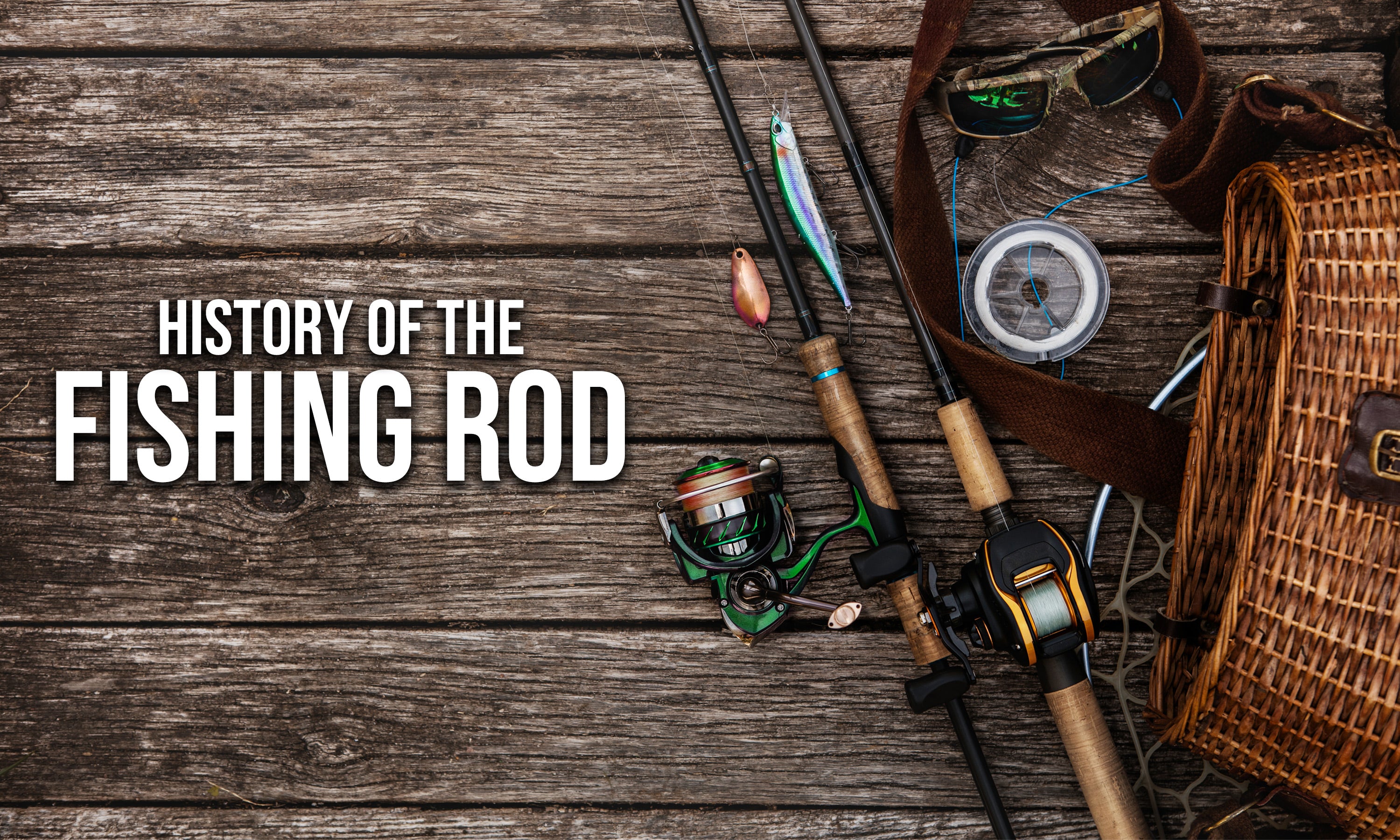
A timeline at a glance: from reeds to carbon fiber
If you are asking when was the fishing rod invented, the best start is ancient Egypt around 2000 BCE. Art shows anglers using rods, lines, and hooks. China soon followed with bamboo and silk line. Greece and Rome wrote about angling as a skilled craft.
Key milestones you should know:
- c. 2000 BCE: Egyptian tomb art shows anglers with rods, line, and hooks.
- 1st millennium BCE: China documents bamboo rods and silk lines with bronze hooks.
- Classical era: Greek and Roman texts describe rod-and-line methods.
- 11th–15th centuries: Rod fishing spreads in Europe and Asia; local styles mature.
- 1496: A Treatyse of Fysshynge with an Angle standardizes European rod design.
- 17th–18th centuries: Reels, guides, and multi-piece rods improve control and range.
- 1800s: Split-cane bamboo rods set performance rules for action and feel.
- 1940s: Fiberglass makes strong, light, and affordable rods.
- 1970s–present: Carbon fiber (graphite) and resins drive modern precision.
So, when was the fishing rod invented? In deep antiquity. The modern rod took shape in the last 300 years.
Ancient origins across cultures
When we ask when was the fishing rod invented, the oldest clear images come from Egypt. Anglers used slender reeds, string, and barbed hooks. Scenes show both shore and boat fishing. The tools look simple, yet clever and effective.
China
Chinese records describe bamboo rods matched to silk lines. Bronze and bone hooks appear in digs. The setup was light, long, and sensitive. This is close to how many panfish rods feel today.
Greece and Rome
Writers mention tricking fish with bait and line. Rods gave reach, control, and less splash than nets. The idea of angling as sport took root here.
Indigenous traditions
Around the world, people built rods from what they had. Wood, cane, or reed. Lines of plant fiber or hair. Hooks from bone, shell, or metal. The pattern is the same: a flexible lever to place a baited hook with care.
Ancient proof is uneven. Wood and reed rot fast, so many rods are lost. But art, texts, and hooks support the story. That is why the answer to when was the fishing rod invented stays broad but strong.
From the Middle Ages to early modern breakthroughs
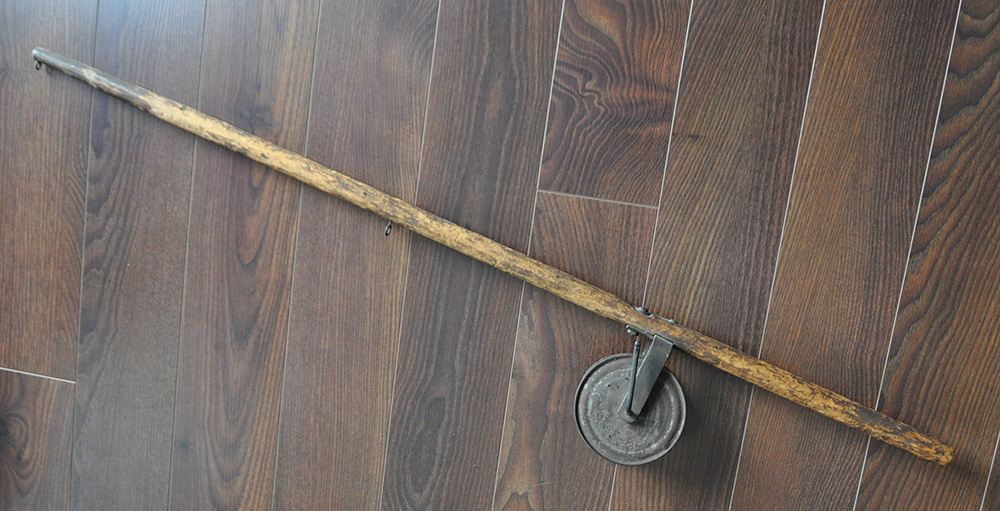
Europe kept refining rods through the Middle Ages. By 1496, a well-known English manual laid out how to build a rod, line, and hook system. It advised a staff-like butt with a slimmer top. That two-part idea still guides rod tapers today.
Japan shaped its own path. Tenkara used a long, light rod, fixed line, and simple fly. No reel. It shines on small streams with quick, accurate drifts. I have used tenkara on high creeks, and the feel is like a violin bow on water.
By the 1600s and 1700s, reels and line guides spread in Europe. Rods gained brass fittings, silk lines, and horsehair leaders. So, when was the fishing rod invented as we know it? The skeleton of the modern setup formed in this era.
The birth of the modern rod: materials and patents
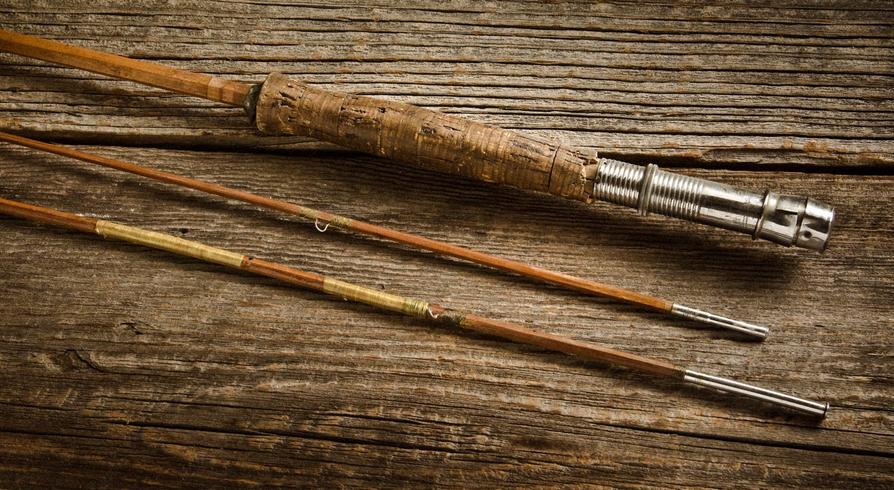
Split-cane bamboo defined the 1800s. Makers split, planed, and glued cane into hex blanks. This gave tight control of taper, action, and strength. Classic trout rods from this time still cast sweet and true.
Steel and solid wood had a run. But the big leap came mid-20th century. Fiberglass arrived after wartime material science boomed. It made rods tough, cheap, and light. In the 1970s, carbon fiber (often called graphite) took the crown. It was lighter and crisper. Resins got better, guides got slicker, and reel seats got strong and light.
If you still wonder when was the fishing rod invented in its “modern” sense, look to 18th–19th century Europe for the full set of parts, and to the 20th century for the materials that rule today.
How design evolved: parts that changed the game
Think of a rod as a simple machine. A spring that stores and releases energy.
Key parts and their progress:
- Blank: From reed and wood to split bamboo, fiberglass, and carbon fiber.
- Ferrules: From brass sleeves to light, strong spigots and tip-over joints.
- Guides: From loops and agate to hard ceramics that protect thin lines.
- Reel seat: From cloth ties to precise, corrosion‑resistant clamps.
- Handle: From wood to cork, EVA, and split-grip styles for balance.
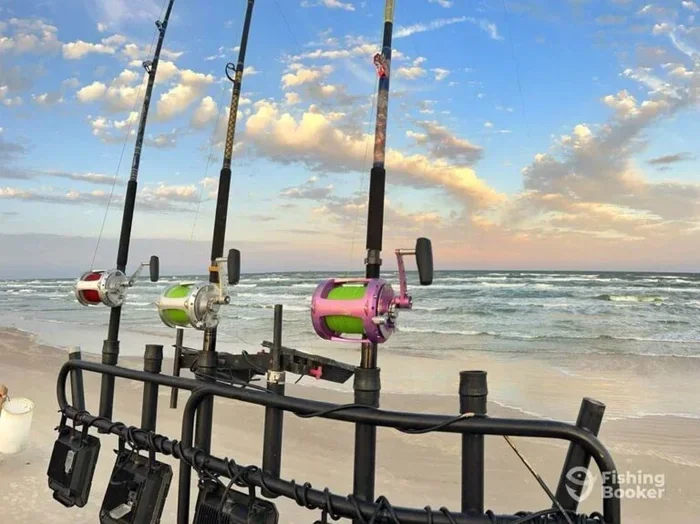
- Reel: From none at all, to centerpins and multiplying reels, to spinning and baitcasting.
Each step boosted reach, accuracy, and feel. Each also shaped how we fish. This is why when was the fishing rod invented is only half the story. How it evolved is the other half.

Why the invention still matters today
Knowing when was the fishing rod invented helps you pick better gear. Old ideas still steer modern choices. Levers, tapers, and line control never went out of style.
Practical tips:
- Target species first. Bass, trout, catfish, or surf. Match the rod power and length.
- Choose action by method. Fast for jigs and worms. Moderate for crankbaits and plugs.
- Pick material with intent. Carbon fiber for sensitivity. Fiberglass for flex and fun. Bamboo for soul and smooth casts.
- Balance the system. Rod, reel, line, and lure should work as one.
You are part of a long line of makers and fishers. Each cast repeats a very old idea. That is the real joy.
Field notes: lessons from classic and modern rods
I learned delicate fly placement on a 7-foot split-cane trout rod. The rod bent deep and told me where my loop was. It taught patience. It also taught care. Moisture and heat can warp cane if you store it wrong.
I still fish a 1950s fiberglass rod on windy days. It forgives bad timing and yanks big fish without fear. For finesse, I move to a 6’6” medium-light carbon fiber spinning rod. I feel rock, weed, and bite as if I touched the bottom. Testing these side by side shows why the question when was the fishing rod invented links to how you should fish today.
Mistakes to avoid:
- Overlining a light rod. It kills cast and feel.
- Storing rods wet or in heat. It ruins glue and cork.
- Skipping guide checks. A nicked guide will shred line.
Small habits, big gains:
- Wipe rods after use. Salt is sneaky.
- Rotate ferrules a quarter turn as you seat them. This locks the fit.
- Match lure weight to the printed rating. Your casts will jump in quality.
Source: kistlerrods.com
Frequently Asked Questions
When was the fishing rod invented in a clear, single date?
There is no single date. The earliest strong evidence shows rod-and-line fishing in ancient Egypt around 2000 BCE.
Who first used a fishing rod?
Multiple cultures did, likely on their own. Egypt and China provide early records, but similar tools arose worldwide.
When did reels join the fishing rod?
Simple reels appeared in Europe by the 17th century and spread in the 18th. Spinning and baitcasting reels took off in the 19th and 20th centuries.
Is bamboo older than fiberglass and graphite?
Yes. Split-cane bamboo ruled the 1800s. Fiberglass rose in the 1940s, and graphite dominated from the 1970s.
Why does it matter when was the fishing rod invented?
It gives context for modern choices. Knowing the history helps you pick the right action, material, and method.
What materials were used in the first fishing rods?
Early rods used reed, cane, or wood. Lines were plant fiber or hair, and hooks were bone, shell, or early metal.
Are tenkara rods proof of older, reel-less fishing?
Yes. Tenkara reflects a long tradition of fixed-line rods. It shows how skill and line control can beat complex gear in small water.
How did guides change rod performance?
Hard, smooth guides protect thin lines and reduce friction. That change improved casting distance and line life.
When was the fishing rod invented as a “modern” tool?
The concept is ancient, but the modern setup with reel, guides, and tuned taper matured from the 1700s to 1800s. Materials in the 20th century sealed the design.
What’s the best first rod for beginners?
A medium power, fast-action, 6’6” to 7’ spinning rod covers many styles. Pair it with mono or braid and a simple assortment of lures.
Conclusion
The honest answer to when was the fishing rod invented is simple yet vast. The rod was born in ancient times and refined across cultures, then transformed by reels, guides, and new materials. Each era added a layer to the tool in your hand.
Use that knowledge on your next trip. Pick a rod with purpose, match your line and lure, and notice how design serves your cast. If this history helped, subscribe for more gear deep dives, share your own rod stories, or drop a question so we can compare notes on the water.