How To Set Up Fish Rod: Step-By-Step Guide 2026
Thread the line, tie a strong knot, add tackle, and set your drag.
If you’ve ever wondered how to set up fish rod the right way, you’re in the right place. I’ve rigged rods for weekend trips, kid-friendly ponds, and tough coastal days. In this guide, I’ll show you how to set up fish rod with simple steps, smart tips, and real-world fixes that make your first cast count.

Tools and Parts You Need
Before you learn how to set up fish rod, gather the basics. A clean, simple kit saves time and stress.
- Rod and reel Choose spinning for beginners, baitcasting for control, or spincast for kids.
- Fishing line Monofilament is easy. Fluorocarbon is hard to see in water. Braid is strong and thin.
- Hooks, sinkers, and swivels Keep a small mix of sizes. Start with sizes 4 to 1 for most freshwater fish.
- Floats or bobbers Great for kids and light bites.
- Lures and baits Jigs, soft plastics, spinners, spoons, or live bait like worms and minnows.
- Leader line Use fluorocarbon leader in clear water. It helps fool wary fish.
- Tools Pliers, line cutters, small tackle box, tape measure, and a rag.
Pro tip from the boat ramp I let beginners try spincast first. It builds skill fast and cuts line tangles.

Step-by-Step: How to Set Up Fish Rod
Use these steps any time you set up a rod. This is the clean, repeatable way pros do it.
- Mount the reel
- Match the reel to the rod seat. Tighten the locking ring snug, not crushed.
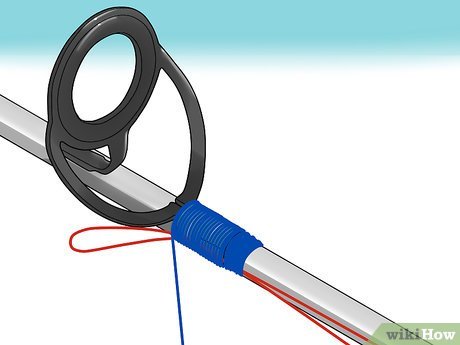
- Run the line through the guides
- Start at the tip. Feed line down through each guide. Do not skip any.
- Spool the reel with line
- Spinning reel Keep the line spool label up. Close the bail and reel slow with steady tension from your fingers.
- Baitcaster Run the line through the levelwind. Keep light tension while reeling.
- Stop when the spool is filled to about 1⁄8 inch from the rim. Too full causes loops.
- Add a leader if needed
- Tie braid to fluorocarbon with an FG knot or a double uni. Use 18 to 36 inches of leader for clear water.
- Tie on your hook, lure, or snap
- Use a Palomar or improved clinch knot. Wet the knot. Pull tight and trim.
- Choose a simple rig
- Bobber rig Bobber, small split shot 12 inches above hook, size 6 hook, live worm.
- Bottom rig Carolina setup with sliding egg sinker, swivel, 18-inch leader, and hook. Great for lakes and surf.
- Jig and plastic Tie a 1⁄8-ounce jig. Thread a soft plastic. Cast and hop it back.
- Drop shot Tie a hook inline 12 to 24 inches above a weight. Shake the bait in place.
- Set the drag
- A good start is about one third of your line’s pound test. Pull line from the spool. It should give smoothly, not slip loose.
- Test cast on land
- Make a dry run. Check knots, drag, and balance. If it feels smooth, you nailed how to set up fish rod.
I learned to always test the drag before the first cast. I once lost a big trout when my drag was clamped shut. A 10-second check would have saved the day.

Knots That Never Fail
Great knots are half the battle when you learn how to set up fish rod. Keep these few, and tie them well.
-
Palomar knot
- Double the line. Pass through the hook eye. Tie a loose overhand. Pass the loop over the hook. Wet and pull tight.
- Use for braid or mono. Very strong.
-
Improved clinch knot
- Through the eye. Wrap 5 to 7 times. Back through the small loop near the eye. Wet and tighten.
- Easy for small hooks and light line.
-
Uni knot
- Through the eye. Make a loop. Wrap 5 to 7 times around the standing line. Wet and pull.
- Versatile and strong.
-
Double uni (line-to-line)
- Tie a uni on each line. Pull together. Great for leader joins.
-
FG knot
- Braid wraps around fluoro in tight coils. Cinch and finish with half hitches.
- Slim and strong for long leaders. Practice makes it easy.
Tip Wet every knot and pull slow. Heat from friction can weaken even the best knot.
Match Your Setup to the Target Species
You will master how to set up fish rod faster if you match your gear to your fish.
-
Panfish and trout
- Rod 6 to 7 feet, light power, fast tip.
- Line 4 to 8 lb mono or fluoro.
- Hooks size 6 to 10. Small bobbers and split shot.
-
Largemouth and smallmouth bass
- Spinning 7 feet medium with 8 to 12 lb mono or 10 to 20 lb braid.
- Baitcaster 7 feet medium-heavy with 12 to 17 lb mono or 30 to 50 lb braid for weeds.
- Jigs, Texas rigs, spinnerbaits.
-
Catfish and carp
- Rod medium-heavy to heavy.
- Line 15 to 30 lb mono or braid.
- Circle hooks size 2 to 4/0. Bottom rigs.
-
Surf and pier
- Rod 9 to 12 feet medium-heavy.
- Line 15 to 30 lb mono or 20 to 40 lb braid.
- Use shock leaders if casting heavy sinkers.
-
Inshore saltwater
- Rod 7 feet medium.
- Line 10 to 20 lb braid with 15 to 25 lb fluorocarbon leader.
- Jigs, spoons, soft plastics, or shrimp.
Use your rod’s lure weight rating. If it says 1⁄8 to 3⁄4 ounce, stay within it. That is a quiet secret to clean casts and fewer tangles.
Common Mistakes and Fixes
These small slips can ruin a day. Here is how to fix them fast and keep how to set up fish rod simple.
-
Overfilled spool
- Symptom Loops and wind knots.
- Fix Leave 1⁄8 inch gap at the spool lip.
-
Line twist on spinning reels
- Symptom Coils jump off.
- Fix Close the bail by hand. Reel in under light tension.
-
Dry knots
- Symptom Breaks at the knot.
- Fix Always wet the knot and cinch slow.
-
Wrong line for the job
- Symptom Poor casting or weak hooksets.
- Fix Use mono for ease, braid for strength, fluoro for clear water.
-
Skipping a leader in clear water
- Symptom Follows, no bites.
- Fix Add 18 to 36 inches of fluorocarbon.
-
Drag set too tight
- Symptom Pull-offs and breakoffs.
- Fix Set at one third of line test.
I once filled a spool to the brim to “cast farther.” It made a bird’s nest in five minutes. Trimmed line and left a gap. Problem solved.

Maintenance and Storage
Care is part of how to set up fish rod the smart way. Five minutes of care adds years of life.
- Rinse gear after saltwater trips with light fresh water.
- Dry with a towel. Do not store wet.
- Back off the drag after fishing so washers do not compress.
- Check guides with a cotton swab. If it snags, the guide may be cracked.
- Oil the bail arm and handle pivot points with a drop of reel oil.
- Store rods upright or flat. Use rod socks and lure covers.
Do a quick line check each trip. If it feels rough near the lure end, cut back a few feet.
Safety and Ethics on the Water
Safe and kind habits matter as much as technique when you learn how to set up fish rod.
- Wear sunglasses and a hat. Hooks fly. Eyes are precious.
- Look behind you before you cast.
- Pinch barbs when fishing with kids or in tight spots.
- Use circle hooks for bait. Fish hook up in the corner of the mouth more often.
- Pack out old line. Birds and turtles get tangled in it.
- Know local rules and size limits. Keep what you need. Release the rest with care.
A little space and a smile on the bank goes a long way. We all share the water.

Frequently Asked Questions of how to set up fish rod
What line should a beginner use?
Monofilament is the easiest to tie and manage. It casts well, stretches to help fight fish, and costs less.
How much line should I put on my reel?
Fill the spool to about 1⁄8 inch from the rim. This gives long casts without loops and tangles.
Do I need a leader every time?
Not always. Use a fluorocarbon leader in clear water or around sharp cover, and go leader-free for simple pond fishing.
Which knot is best for lures?
Use a Palomar for most lures. It is fast, strong, and works great with braid and mono.
Can I set up a rod without a swivel?
Yes. Tie the lure or hook straight to the line with a good knot. Use a swivel if your lure spins and twists line.
How do I set drag the easy way?
Aim for about one third of your line’s pound test. Pull line from the spool and fine-tune until it slips smooth under steady pull.
Conclusion
You now know how to set up fish rod from reel seat to first cast. Gather the right parts, tie clean knots, match your line and lure, and set a smooth drag. Test on land, keep it simple, and fix small issues before they grow.
Put this guide to work today. Tie two knots, rig one basic setup, and make five practice casts. Want more tips on knots, rigs, and species tactics? Subscribe, share your wins in the comments, and tell me what you want to learn next.