How To Install Fishing Line On A Spinning Reel: Quick Steps
Attach new line to the spool, close the bail, wind evenly, and test drag and knot.
I have spent years fishing small ponds and big lakes, and I teach anglers how to install fishing line on a spinning reel so it works smoothly. This guide shows clear steps, tips, and mistakes to avoid. Read on to learn a simple, repeatable method that saves time and prevents tangles.

Why correct spooling matters
A well-spooled reel casts farther. A neat spool reduces wind knots and line twist. Poor spooling leads to backlashes, lost fish, and wasted time. Knowing how to install fishing line on a spinning reel protects your gear and your patience. I explain why each step matters and how small choices affect performance.

What you need before you start
- Spinning reel and rod
- New fishing line (monofilament, fluorocarbon, or braid)
- Scissors or line clipper
- A small piece of tape or a line holder
- A friend or a line clip to add tension
Check spool capacity on the reel. Match line weight to rod and lure size. Read the reel manual for spool direction. These small checks make how to install fishing line on a spinning reel easier and faster.
:max_bytes(150000):strip_icc()/reel036-58bf06033df78c353c2ed39a.jpg)
Step-by-step: how to install fishing line on a spinning reel
-
Prepare the reel and spool
- Remove old line and clean the spool. Wipe spool lip and shaft.
- Put the new spool on a flat surface with the label up. This helps the line lay right.
-
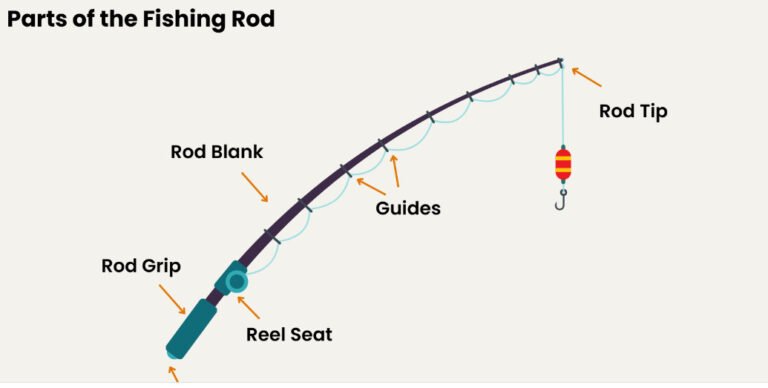
Thread the line through the rod guides
- Run the line through the tip and all guides. Keep the line tight as you do this.
- Leave a few feet of line free to tie your knot.
-
Tie a secure knot to the spool
- Use an arbor knot for monofilament and fluorocarbon. For braid, add an overhand or backing knot first.
- Tighten the knot snugly and trim the tag end close to the knot.
-
Close the bail and apply tension
- Close the reel bail by hand.
- Have a friend hold the line with light finger pressure or use tape on the spool to add steady tension.
-
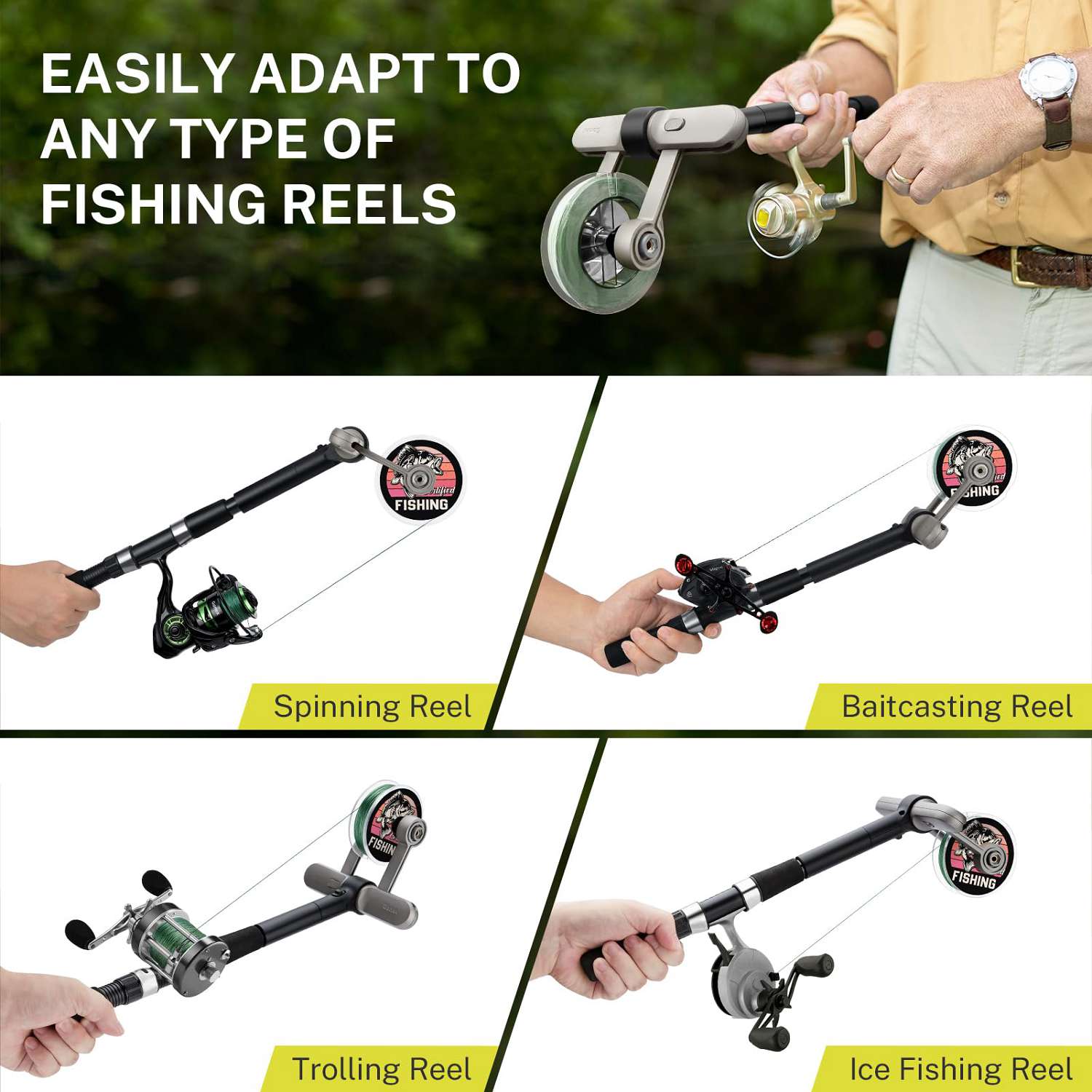
Wind line onto the spool
- Keep steady tension and reel slowly. Count turns if you want precise capacity.
- Fill to about 1/8 inch below the spool rim. Overfilling causes throws and tangles.
-
Secure and cut the line
- Cut the line and tie your first lure or attach a rubber band to keep the line from unwinding.
- Check the drag and make a few test casts.
I repeat: learning how to install fishing line on a spinning reel is mostly about tension and neat winding. Do these steps slowly the first few times.

Choosing the right line and backing
- Monofilament
- Cheap and forgiving. Good for beginners. Stretch helps absorb shocks.
- Fluorocarbon
- Low visibility and sinks fast. Best for clear water and deeper baits.
- Braid
- Small diameter and strong. Great for long casts and heavy cover.
Consider using backing with braid and large reels. Backing fills extra spool space and reduces wasted line. Match the line type to your fishing style when you learn how to install fishing line on a spinning reel.

Common mistakes and how to avoid them
- Allowing slack when tying the knot
- Always keep line tight. Loose knots slip and tangle.
- Not using tension while spooling
- Low tension creates loops. Apply steady pressure with a cloth or helper.
- Overfilling the spool
- Overfill and you will get loose loops and casts that tangle.
- Using wrong spool orientation for braid
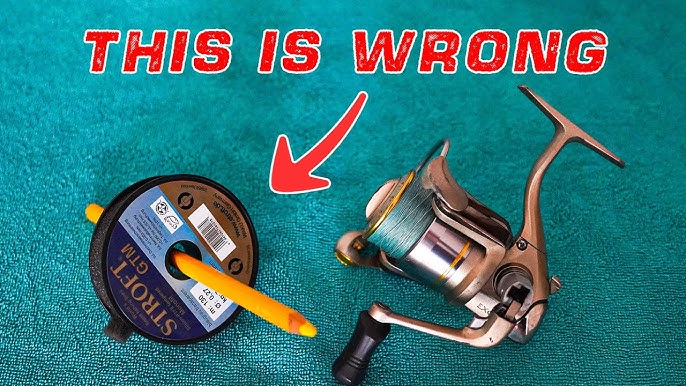
- Braid can twist if the spool spins the wrong way. Check spool label or test with a few wraps.
From my own trips, the worst day was a knot-filled morning because I rushed the spool. Take five extra minutes. It is worth it.

Maintenance and testing after spooling
- Test cast before you go far
- Make short casts in the yard or driveway. Check for line twist or odd noise.
- Inspect knots and tag ends
- Clip tag ends neat. Re-tie if the knot slips.
- Re-check drag
- Set the drag for the species and lure you plan to use. Test with a firm pull.
- Replace line when it ages
- Line weakens with time and sun. Change it yearly or after heavy use.
I always re-test my spool before the first cast. That habit has saved me from break-offs and lost lures.
Troubleshooting common problems
- Line twist showing as curls on the lure
- Remove the lure and let line hang freely. Reel in line under light tension to remove twist.
- Birds nesting or loops near the spool
- Re-spool with more tension. Consider using a backing line or adjust spool fill.
- Line digging into itself under heavy casts
- Lower your drag and check spool smoothness. Re-spool if damage shows.
If a single fix does not work, re-do the whole spooling process. That usually clears persistent issues with how to install fishing line on a spinning reel.
Personal tips from the water
I learned to spool on a windy morning with a cold hand. Now I do it indoors when possible. My best tip is to spool slowly and keep steady tension. I also label spool types and dates. That small habit helps me know when to replace line. Testing a few casts at home is a habit I recommend to every angler.

Frequently Asked Questions of how to install fishing line on a spinning reel
How much line should I put on a spinning reel?
Fill the spool to about 1/8 inch below the rim. This gives good capacity without overfilling and reduces tangles.
Should I tie my line to the spool or use a clip?
Tie a knot to the spool for security. Use a clip or tape only for temporary holds while you wind.
Do I need backing when spooling braid?
Backing is helpful with braid on large reels. It fills space and prevents braid from slipping on the spool lip.
How do I prevent line twist?
Keep steady tension while winding. Reels should face the line spool correctly and the lure swivel can reduce twist.
When should I replace my fishing line?
Replace line yearly with normal use or sooner after heavy use, sun exposure, or visible wear.
What knot is best for tying line to the spool?
An arbor knot is simple and strong for monofilament and fluorocarbon. Add an overhand knot for braid backups.
Wrap-up and next steps
You can now spool a reel with confidence. Follow steps: prepare gear, tie a secure knot, add steady tension, and wind neatly. Test casts and adjust drag before you head out. Try one spool at home to build speed and skill.
Now go spool your reel and enjoy cleaner casts. Share your results, ask questions, or subscribe for more tips.