Essential Saltwater Fishing Tips for Bigger and Better Catches
Ready to upgrade your saltwater fishing game? This guide covers essential saltwater fishing tips that will help you catch more fish and bigger fish. From choosing the right gear to reading the tides, we’ll walk you through the strategies that experienced anglers use every day. Whether you’re new to saltwater or looking to sharpen these tips will put you on the path to better catches.
If you’ve ever stood on a jetty, pier, or boat and watched other anglers pull in big fish while you got nothing, you’re not alone. Saltwater fishing can feel tricky at first. The ocean is huge, the fish are strong, and conditions change fast. But once you understand a few core principles, everything starts to click.
In this guide, we’ll share saltwater fishing tips that work for beginners and experienced anglers alike. You’ll learn how to choose gear, read the water, pick the right bait, and use simple techniques that consistently produce bigger and better catches.
Key Takeaways
- Match your gear to the target species: Use the right rod, reel, line, and leader for the fish you’re after to avoid break‑offs and lost fish.
- Fish the tides and currents: Incoming and outgoing tides concentrate baitfish and trigger feeding; plan your trips around them.
- Use fresh, local bait when possible: Live or fresh-cut bait that matches what fish are eating dramatically increases your hookup rate.
- Read the water and structure: Look for color changes, rips, weed lines, and structure where predators ambush prey.
- Adjust techniques to conditions: Change retrieve speed, lure color, and depth based on water clarity, wind, and light levels.
- Practice proper fish handling and release: Use wet hands, proper grips, and dehooking tools to keep fish healthy for the future.
- Safety and preparation matter: Check weather, wear sun protection, and carry basic safety gear so you can focus on fishing.
📑 Table of Contents
- 1. Choosing the Right Saltwater Fishing Gear
- 2. Understanding Tides, Currents, and Timing
- 3. Reading the Water: Finding Fish in the Ocean
- 4. Bait and Lure Selection for Saltwater Success
- 5. Proven Saltwater Fishing Techniques
- 6. Seasonal Patterns and Adapting to Conditions
- 7. Fish Handling, Safety, and Conservation
- 8. Putting It All Together: A Simple Game Plan
- Conclusion: Use These Saltwater Fishing Tips to Catch More and Bigger Fish
1. Choosing the Right Saltwater Fishing Gear
Your gear is your connection to the fish. Using the wrong setup can mean missed strikes, broken lines, and lost fish. The good news is that once you understand the basics, choosing the right equipment becomes much easier.
1.1 Rods and Reels: Match Power to the Fish
Saltwater rods and reels come in many sizes. A good rule of thumb is to match your tackle to the species you’re targeting.
- Inshore fishing (reds, snook, trout, flounder): A medium‑power spinning rod around 7 feet with a 3000–4000 size reel is a solid all‑around choice.
- Nearshore and light offshore (mackerel, small jacks, snapper): Step up to a medium‑heavy rod and a 5000–6000 size reel for more backbone and line capacity.
- Heavy offshore (tuna, grouper, big jacks): Use heavy rods, conventional reels, and strong line to handle powerful fish and deep water.
When in doubt, ask at a local tackle shop what’s working in your area. They’ll know what’s biting and what gear locals are using.
1.2 Line, Leader, and Terminal Tackle
Your line and leader are just as important as your rod and reel.
- Braided main line: Great for sensitivity and casting distance. Use 10–30 lb braid for inshore and 40–60+ lb for offshore.
- Fluorocarbon leader: Nearly invisible underwater and abrasion‑resistant. Match leader strength to your target species and structure.
- Hooks and rigs: Circle hooks are excellent for live bait and reduce gut‑hooking. J‑hooks work well with cut bait and some artificial lures.
Keep a small tackle box with a variety of hooks, swivels, sinkers, and leaders. Being able to change rigs quickly can make a big difference when conditions shift.
2. Understanding Tides, Currents, and Timing
Visual guide about angler saltwater fishing catch
Image source: png.pngtree.com
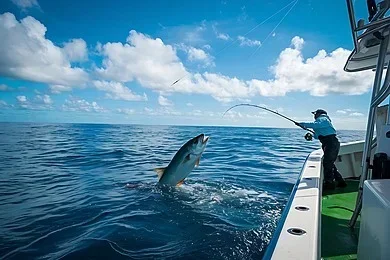
In saltwater fishing, timing is everything. Fish feed based on tides, light, and water movement. Learning to read these patterns is one of the most valuable saltwater fishing tips you can master.
2.1 Why Tides Matter
Tides move water in and out, pushing baitfish, shrimp, and crabs with them. Predators follow this easy meal.
- Incoming (rising) tide: Water floods into bays, marshes, and around structure. Fish move in to feed.
- Outgoing (falling) tide: Water drains out, concentrating bait in channels and cuts. Ambush points become hotspots.
- Slack tide: The brief pause when tide changes. Fishing can slow down, but some species still feed.
Plan your trips so you arrive about an hour before a major tide change. That way you can set up and be ready when the bite turns on.
2.2 Using Moon Phases and Light
Moon phases affect tide strength and fish activity.
- Full and new moons: Stronger tides, more water movement, often better feeding windows.
- First and last quarter moons: Weaker tides, but still productive if you focus on structure and current.
Low light periods—dawn, dusk, and overcast days—are prime times for many saltwater species. Predators feel more comfortable chasing bait when the sun isn’t blazing.
3. Reading the Water: Finding Fish in the Ocean
Visual guide about angler saltwater fishing catch
Image source: norrik.com
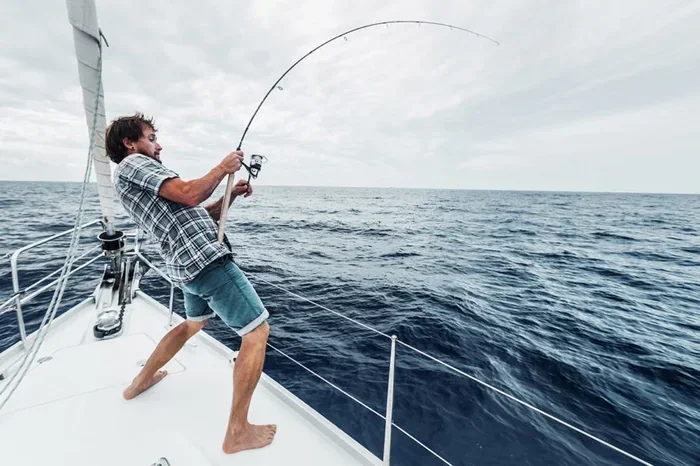
The ocean doesn’t come with a map that says “fish here.” But it does give you clues. Learning to read the water is a core skill in saltwater fishing.
3.1 Look for Structure and Cover
Fish relate to structure because it provides shelter and ambush points.
- Natural structure: Rocks, reefs, wrecks, oyster bars, and drop‑offs.
- Man‑made structure: Piers, jetties, bridges, and artificial reefs.
- Bottom changes: Look for transitions from sand to rock, mud to shell, or shallow to deep water.
On a boat, your fish finder and charts help you locate these spots. From shore, you can often see structure or ask local anglers where to fish.
3.2 Watch for Current Lines and Color Changes
Currents concentrate food. Where two water masses meet, you’ll often find fish.
- Rips and current seams: Lines of bubbles, floating debris, or slight color changes where currents collide.
- Color changes: Darker water often means deeper water or more bait. Light green or turquoise water can indicate sand or shallows.
- Weed lines and floating debris: These attract baitfish and the predators that eat them.
Cast your bait or lures along these edges. Fish often patrol these lines, waiting for food to drift by.
4. Bait and Lure Selection for Saltwater Success
Visual guide about angler saltwater fishing catch
Image source: thebeachangler.com
Matching your bait or lure to what fish are eating is one of the simplest ways to improve your catch rate. This is where many saltwater fishing tips come together.
4.1 Live Bait: The Natural Advantage
Live bait is hard to beat. It looks, moves, and smells like real food.
- Common live baits: Shrimp, mullet, pinfish, mud minnows, crabs, and squid.
- Hook placement: For swimming baits, hook through the nose or just behind the dorsal fin. For bottom baits, hook through the lips or collar.
- Keep bait lively: Use a bait bucket with good aeration and avoid overcrowding.
If you can, use bait that’s local and abundant. Fish key in on what’s naturally in their environment.
4.2 Cut Bait and Natural Rigs
Cut bait is excellent when live bait is hard to get or when you want to cover more water.
- Good cut baits: Mullet, mackerel, bunker, squid, and shrimp.
- Chunk vs. strip: Chunks work well on the bottom for species like redfish and grouper. Strips can be drifted or slow‑trolled for kingfish and mackerel.
- Freshness matters: Use the freshest bait possible. Change it often if bites slow down.
Add a small piece of fish or shrimp to your hook even when using artificial scents. The extra smell can trigger more strikes.
4.3 Artificial Lures: When and How to Use Them
Lures let you cover water quickly and target aggressive fish.
- Soft plastics: Paddle tails, shrimp imitations, and curly tails on jig heads are great for inshore species.
- Topwater plugs: Exciting for snook, redfish, and jacks in low light or calm conditions.
- Metal jigs and spoons: Perfect for vertical jigging around structure or casting into schools of baitfish.
- Hard baits and crankbaits: Good for covering mid‑water columns and imitating baitfish.
Match lure size and color to local bait. In clear water, use natural colors. In murky water, go with brighter or darker profiles that stand out.
5. Proven Saltwater Fishing Techniques
Having the right gear and bait is only part of the equation. How you present them makes a big difference. These saltwater fishing techniques will help you turn more bites into catches.
5.1 Bottom Fishing: Simple and Effective
Bottom fishing is one of the easiest ways to catch a variety of species.
- Rigs: Use a fish‑finder rig or knocker rig with a sliding sinker above a swivel, then a leader and hook.
- Bait: Cut bait, squid, or live bait on the bottom.
- Presentation: Let your bait sit on the bottom and keep your rod in a holder or low rod holder. Wait for the rod tip to load up.
This method works from piers, jetties, and boats. It’s especially effective around structure and in channels.
5.2 Drift Fishing and Trolling
When you want to cover more water, drifting and trolling are excellent options.
- Drift fishing: Let the wind or current move your boat while your bait or lure drags along the bottom or at a set depth.
- Trolling: Use planers, downriggers, or weighted lines to run lures or bait at specific speeds and depths.
- Speed control: Adjust speed until you find what the fish want. Keep notes on what works.
These techniques are great for species like kingfish, mackerel, cobia, and even some bottom fish when you’re searching for productive zones.
5.3 Casting and Retrieving Around Structure
Casting to visible structure is a go‑to method for inshore anglers.
- Target: Dock pilings, rock piles, oyster bars, mangrove edges, and grass lines.
- Approach: Cast past or to the side of the structure, then bring your lure or bait through the strike zone.
- Retrieve: Vary your retrieve—slow rolls, twitches, pauses—until you find a pattern.
Pay attention to where you get strikes. Fish often hold in specific spots relative to structure and current.
6. Seasonal Patterns and Adapting to Conditions
Saltwater fish move with the seasons and respond to weather. Adapting to these changes is a key part of long‑term success.
6.1 Spring and Fall: Transition Seasons
These are often the best times to fish.
- Spring: Water warms up, baitfish return, and predators follow. Look for fish moving into bays and estuaries.
- Fall: Many species feed heavily before winter. Baitfish schools can be huge, and predators go on feeding sprees.
During these seasons, focus on migration routes, inlets, and passes where fish concentrate.
6.2 Summer and Winter Adjustments
- Summer: Fish early and late to avoid midday heat. Deeper water and shaded structure can hold fish during the day.
- Winter: Fish may move to deeper, more stable water. Slow down your presentation and focus on channels and holes.
Always be ready to change locations and techniques. If one spot isn’t producing, move and try something different.
6.3 Wind, Weather, and Water Clarity
- Wind: A light wind can help by pushing bait and creating surface chop. Too much wind can make boat control and casting difficult.
- Fronts: Fishing can be great just before a front, then slow down as pressure drops and after the front passes.
- Water clarity: After heavy rain, water may be stained. Use louder lures, stronger scents, and fish closer to structure.
Keep a simple fishing log. Note the date, tide, weather, bait, and what you caught. Over time, patterns will emerge that guide your future trips.
7. Fish Handling, Safety, and Conservation
Catching fish is exciting, but how you handle them and yourself matters. Good saltwater fishing practices protect both you and the fishery.
7.1 Proper Fish Handling
- Wet your hands: Before touching fish to protect their slime coat.
- Support the body: Avoid holding large fish vertically by the jaw alone. Support the belly to reduce internal injury.
- Use tools: Pliers, dehookers, and lip grippers make unhooking safer and faster.
- Minimize air exposure: Keep fish in the water as much as possible, especially if you plan to release them.
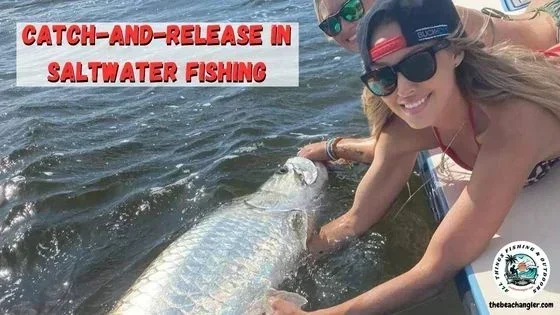
If you’re practicing catch and release, use circle hooks and avoid exhausting the fish. A quick release gives them the best chance of survival.
7.2 Safety on the Water
- Wear a life jacket: Especially when on a boat or fishing rough surf.
- Sun protection: Hat, sunglasses, sunscreen, and UV clothing.
- Check the weather: Avoid fishing in storms or when small craft advisories are posted.
- Tell someone your plans: Let a friend or family member know where you’re going and when you’ll return.
A safe trip is a fun trip. When you’re prepared, you can focus on fishing instead of worrying about what could go wrong.
8. Putting It All Together: A Simple Game Plan
With so many saltwater fishing tips to remember, it helps to have a simple plan you can follow every trip.
8.1 Before You Go
- Check the tide chart and moon phase.
- Look at the weather forecast and wind direction.
- Decide on your target species and main technique (bottom fishing, casting lures, trolling, etc.).
- Gather the right gear, bait, and tackle for that plan.
8.2 On the Water
- Start at a spot that matches your plan (structure, depth, current).
- Observe the water: color, current, bait activity, birds working.
- If you’re not getting bites, change one thing at a time: bait, depth, location, or retrieve speed.
- Stay flexible. If you see fish busting on the surface or birds diving, don’t be afraid to switch techniques.
8.3 After the Trip
- Clean and rinse your gear to extend its life.
- Note what worked and what didn’t in a simple log.
- Share what you learned with a friend or local fishing group.
Over time, these small steps add up. You’ll start to see patterns and make better decisions on the water.
Conclusion: Use These Saltwater Fishing Tips to Catch More and Bigger Fish
Saltwater fishing doesn’t have to be complicated. When you focus on the fundamentals—good gear, smart timing, reading the water, and the right bait—you’ll see steady improvement. Start with one or two of these tips on your next trip, then add more as you gain confidence.
Remember to respect the fish, the environment, and other anglers. The more we all practice good saltwater fishing habits, the better the fishing will be for everyone.
Now grab your gear, check the tides, and get out there. The fish are waiting.
Frequently Asked Questions
What is the best time of day for saltwater fishing?
Early morning and late afternoon are often the best times for saltwater fishing. Low light conditions make predators more comfortable feeding. Overcast days can also provide good fishing throughout the day.
What is the best bait for saltwater fishing?
Live bait like shrimp, mullet, and pinfish is hard to beat in most saltwater situations. When live bait isn’t available, fresh-cut bait such as mullet, mackerel, or squid works very well.
Do I need expensive gear to catch saltwater fish?
You don’t need the most expensive gear to enjoy saltwater fishing. A solid medium spinning combo, a few basic rigs, and some fresh bait can catch a wide variety of species. Upgrade your gear as you gain experience and target bigger fish.
How do tides affect saltwater fishing?
Tides move water and bait, which triggers fish to feed. Incoming and outgoing tides are usually the most productive. Plan your trips around tide changes for the best chance of success.
What are common mistakes in saltwater fishing?
Common mistakes include using the wrong tackle for the species, ignoring tides and currents, and not changing tactics when fish aren’t biting. Another big mistake is poor fish handling, which can harm fish you plan to release.
Is saltwater fishing safe for beginners?
Yes, saltwater fishing is safe for beginners when you take basic precautions. Wear sun protection, use a life jacket on boats, check the weather, and start in easy locations like piers, jetties, or calm inshore spots.