How Much Is A Tagged Fish Worth: Prize Money Explained
A tagged fish may be worth nothing, a small reward, or thousands of dollars. The tag itself usually has little or no resale value. Its value comes from the program behind it, such as a state fish-and-wildlife study, a lake stocking project, a fishing tournament, or a private reward campaign.
If you catch a tagged bass, trout, redfish, walleye, catfish, salmon, or another species, do not remove the tag until you know the rules. Record the fish, tag number, location, date, length, weight, and condition. Then contact the agency or organization listed on the tag. That step can protect the fish, help researchers, and tell you whether a cash reward is available.

Quick answer: How much is a tagged fish worth?
A tagged fish can be worth anywhere from $0 to more than $100,000, depending on the program. Most research tags have no cash value, while promotional tags may offer rewards from $25 to several thousand dollars. Tournament-tagged fish can carry large prizes, but you must follow the exact rules, deadlines, species limits, and reporting steps. Never assume a tag has value until the sponsoring agency confirms it.

The main difference is between a research tag and a reward tag. A research tag helps scientists track growth, movement, survival, and habitat use. A reward tag is linked to a contest or public fishing program and may offer money, gear, or another prize.
The fish’s market value is usually separate from the tag’s value. A large bass may be worth a great memory, a tournament entry, or a legal meal. The attached tag does not automatically make the fish more valuable, and selling a tagged wild fish may violate state or federal rules.
What determines the value of a tagged fish?
The sponsoring program, tag type, fish species, water body, and reporting deadline determine how much a tagged fish is worth. A tag from a university study may pay nothing. A tag from a lake promotion may pay $100. A tournament tag may be tied to a jackpot, but only if the angler meets every condition.

The organization behind the tag
Look first at the name, phone number, website, or code printed on the tag. Common sponsors include:
- State wildlife agencies
- Provincial or federal fisheries agencies
- Universities and research groups
- Fish hatcheries
- Fishing tournaments
- Reservoir and lake managers
- Conservation groups
- Private businesses and tourism boards
A state agency may ask you to report the tag number and release the fish. A tournament sponsor may require an official weigh-in. A university may ask for a photo, GPS location, length, weight, and date.

The reward attached to the program
Some programs offer a fixed reward. Others use a drawing. Some provide only a certificate, hat, fishing lure, or report about the fish’s history.
Rewards may include:
- No payment
- A small gift or certificate
- $10 to $100
- $100 to $1,000
- Several thousand dollars
- A major tournament jackpot
- Merchandise, boat access, or fishing equipment
A large advertised prize does not mean every tagged fish qualifies. The tag may need to be found in a specific lake, caught during a certain season, reported within a set time, or returned with an official form.

The species and location
A tagged fish from a popular public program may have a higher reward than a fish from a small research study. Bass, trout, salmon, redfish, and walleye often receive public attention because they support large fisheries and tourism programs.
Water type also matters. A tag found during surf fishing may belong to a coastal migration study. A tag caught from a kayak on a reservoir may belong to a bass or walleye project. A tag on an ice-caught trout may be part of a lake survey.

| Tag or program type | Common value | What the angler usually must do |
|---|---|---|
| Research tag | $0 to a small gift | Report tag data and release or legally keep the fish |
| Public reward tag | $25 to several thousand dollars | Follow program rules and meet the deadline |
| Tournament tag | Hundreds to major jackpots | Bring the fish to an approved weigh-in or verifier |
| Hatchery or stocking tag | Usually no cash value | Report the number, location, and fish details |
| Private promotion | Varies widely | Submit proof, photos, or an official claim |
Most tagged fish are linked to research, not cash rewards. Read the tag and confirm the program before treating the fish as a prize.
Research tags usually have scientific value, not resale value
A research tag is designed to create a record of the fish’s life. It may show where the fish moved, how fast it grew, how often anglers recaught it, or how well a stocking program worked. The fish may be worth nothing as a cash prize, yet your report can be important to fisheries managers.

Common research tag types
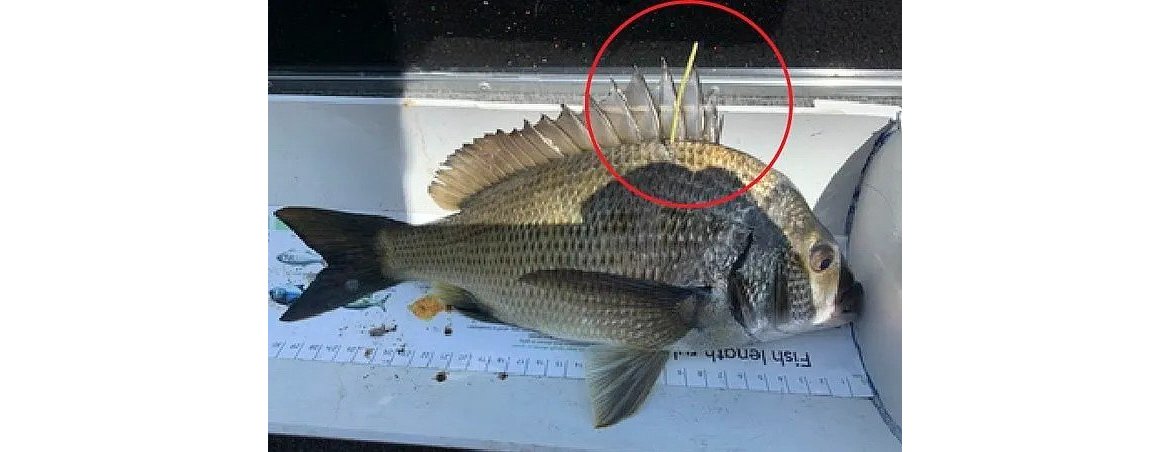
Scientists use several tag styles. The tag may sit near the dorsal fin, behind the head, in the cheek, or inside the fish. Some tags are external. Others are electronic and may not be visible without special equipment.
Common examples include:
- Plastic dart tags
- Spaghetti tags
- Anchor tags
- Floy tags
- Disc tags
- Carlin tags
- Passive integrated transponder tags
- Acoustic transmitters
- Electronic archival tags
A small plastic tag may show a number and a phone number. An acoustic tag may have little public information and may require a trained agency worker to recover it.

What researchers learn from a recaptured fish
One report can add useful data to a long-term study. Researchers may learn:
- How far the fish traveled
- How long it survived
- Whether it returned to the same area
- How quickly it grew
- Whether stocking improved the fishery
- How many fish anglers release
- Which habitats support adult fish
Think of the tag as a tiny diary attached to the fish. Your catch may provide the next page.

Should you keep a research-tagged fish?
Follow the fishing rules and tag instructions. Some programs ask you to release the fish. Others allow legal harvest and ask you to return the tag or report the details.
Do not cut out an external tag unless the program tells you to do so. If you release the fish, keep it in the water as much as possible, use wet hands, and avoid squeezing the body. A landing net with soft, fish-friendly mesh can reduce handling time.

🌿 Conservation Note: A research tag is often more valuable to science than it is to the angler. A fast report can improve stocking plans, size limits, closed seasons, and habitat work for the whole fishery.
Reward tags and tournament tags can carry real cash value
A reward tag is tied to a public offer. The amount may be printed on the tag, listed on a website, or explained by the program sponsor. A tournament tag may be worth much more, but it usually has strict claim rules.
How reward tags work
A sponsor may release tagged fish into a lake, river, or coastal area. The fish might be naturally raised, hatchery stocked, or captured and tagged before release. The sponsor then tells anglers how to claim a reward.
A typical claim may require:
- The original tag
- A clear photo of the fish and tag
- The tag number
- The angler’s name and contact details
- The catch date and location
- The fish’s length or weight
- A witness or official verification
- A claim submitted before the deadline
Do not rely on a social media post alone. Check the official contest rules.
Why big advertised prizes have conditions
A $10,000 or $100,000 tagged fish prize may require several conditions at once. The fish might need to be caught in a named body of water, during a specific month, with legal tackle, by a licensed angler, and reported within 24 or 48 hours.
Other conditions may include:
- The tag must remain intact
- The fish must meet a minimum length
- The angler must use legal bait or lures
- The catch must be witnessed
- The fish must be alive at verification
- The angler must pass a lie detector test
- The reward may be divided among winners
- The prize may be a drawing rather than a guaranteed payment
Read the fine print before you plan a trip around a tagged fish promotion.
Tournament-tagged fish
Tournament tags are common in bass, redfish, salmon, and other high-profile fisheries. The fish may be part of a regular fishing tournament or a special “tagged fish” side prize.
An official tournament may require you to bring the fish to a weigh-in. That creates a conflict with catch-and-release goals, so many modern programs use photos, approved scales, live-release boats, or tournament officials on the water.
If you enter a tournament, understand the rules for livewells, aeration, fish care, transport, and release. A dead fish may disqualify you and harm the resource.
| Reward amount | What it often means | What to check first |
|---|---|---|
| No cash or under $50 | Research project or small local promotion | Reporting method and release instructions |
| $50 to $1,000 | Public reward program | Tag number, deadline, location, and proof |
| $1,000 to $10,000 | Major local or regional promotion | Official verification and eligibility |
| More than $10,000 | Large contest or tournament jackpot | Full rules, tax terms, witnesses, and claim process |
The amount shown in an advertisement is not the same as guaranteed money. The rules control the claim.
What to do when you catch a tagged fish
The best way to protect your claim and the fish is to handle it calmly, document the catch, and contact the official program. Do not rush to cut the tag, move the fish to a bucket, or post the tag number publicly before you understand the rules.
Step 1: Keep the fish wet and calm
Use a landing net when practical. Wet your hands before touching the fish. Support the body with one hand under the belly and the other near the head or jaw, depending on the species.
For bass, avoid hanging a large fish vertically by the lower jaw for a long time. For trout and salmon, avoid touching the gills and use a rubberized net. For saltwater fish such as redfish, use a strong leader and proper pliers so the fish spends less time out of water.
Step 2: Photograph the tag
Take a clear photo of the full fish and a close photo of the tag. Use good light. Make sure the tag number and sponsor name can be read.
If the fish is small or the tag is hard to photograph, do not keep it out of water for several minutes. A quick photo is better than a perfect photo that harms the fish.
Step 3: Record the catch details
Write down the details while they are fresh. A phone note works well, but carry a waterproof notebook as a backup.
Record:
- Date and time
- Lake, river, bay, or coastal area
- Approximate location
- Species
- Length and weight
- Bait or lure
- Rod and line used
- Tag number and color
- Fish condition
- Whether you kept or released the fish
A fish finder or GPS can help record a location, but do not share an exact spawning or private access point without considering fishery pressure and landowner rights.
Step 4: Read the tag before removing anything
Some tags include a phone number. Others use a website or code. Call the number or visit the official site.
If the tag has no clear instructions, contact your state fish and wildlife agency. Do not send a valuable tag to an unknown address from an unofficial post.
Step 5: Follow the release or harvest rules
Release the fish if the program requests it. If you keep the fish, follow local size limits, bag limits, seasons, gear rules, and possession laws.
Use a dehooking tool or long-nose pliers. Circle hooks can reduce deep hooking when using live bait in many fisheries, but only where legal and suitable for the species.
⚠️ Safety Warning: Hooks, knives, pliers, and fish teeth can cause serious cuts. Wear polarized sunglasses to protect your eyes from flying hooks, keep children beside you during handling, and use a life jacket on a boat or kayak. A U.S. Coast Guard–approved PFD is essential for each person on board.
How to estimate the value before you claim it
You can estimate the likely value by identifying the tag, checking the official program, and comparing the catch with the published rules. Do not use the fish’s size alone. A ten-pound bass may have no reward, while a small tagged trout may qualify for a cash payment.
Tag clues that help
Look for:
- A printed dollar amount
- A phone number
- A web address
- A sponsor logo
- A color or code
- A serial number
- A phrase such as “reward”
- A research institution name
- Instructions to report the fish
The tag’s material can also offer a clue. A simple plastic dart tag often belongs to a research project, though some reward programs use the same style.
Verify the source
Search the agency or sponsor name, not just the tag number. A real program should have an official contact method, clear rules, and a way to verify the claim.
Be careful with scams. A legitimate program should not ask you to pay a fee to “unlock” a prize, send gift cards, or provide banking passwords by text message. Prize taxes may apply, but the sponsor should explain the official payment process.
| Information found on the tag | Likely next action |
|---|---|
| Phone number | Call and ask for the reporting steps |
| Website or QR code | Visit the official site and save the rules |
| Dollar amount | Confirm the deadline and proof requirements |
| University or agency name | Contact the fisheries office |
| Only a serial number | Report it to the local wildlife agency |
| No readable information | Photograph it and seek expert help |
When in doubt, keep the tag, preserve your photos, and contact the local fisheries office.
Is a tagged fish worth more than an untagged fish?
A tagged fish is not automatically worth more than an untagged fish. Its special value comes from the program, not from the fish alone. The tag may create a cash opportunity, but it can also reduce the fish’s resale value because wildlife sales are often restricted.
Legal value versus personal value
In most cases, anglers cannot legally sell wild-caught fish as a private business without permits. State and federal laws may restrict the sale, transport, possession, or commercial use of game fish.
The fish may have personal value as:
- A memorable catch
- A tournament entry
- A legal meal
- A contribution to science
- A photo for a fishing log
- Proof of a long-lived or fast-growing fish
A tagged fish can also show that a lake has a healthy population or that a stocking project is working.
Why you should not remove the tag for decoration
A tag may contain data that researchers need. Removing it can end the tracking record. It can also make a reward claim invalid if the rules require the original tag to be presented.
If you want a keepsake, take a photo, write down the tag number, and ask the sponsor whether it wants the tag returned. Some programs provide a replacement certificate or a record of the fish.
📜 Check Local Regulations: Fishing license rules, size limits, bag limits, closed seasons, hook restrictions, lead rules, bait laws, and tag-reporting rules vary by state and water. Confirm the current rules with your state or local wildlife agency before keeping or moving a tagged fish.
What affects the value of a tagged fish after release?
The value of a tagged fish may depend on how well the fish survives after capture. A fish released in poor condition may not contribute useful data. Good fish care protects both the resource and your chance of making a valid report.
Fish handling by species
Different species need different care. Trout and salmon are sensitive to warm water and long air exposure. Bass can tolerate short handling but may suffer jaw damage from poor lifting. Catfish have sharp spines, and redfish have strong bodies that need full support.
Use gear that fits the target:
- A 6-foot-6-inch to 7-foot medium spinning rod for many bass and walleye situations
- A 7-foot medium-light rod with 4- to 8-pound line for many trout and panfish applications
- Heavier tackle for catfish, redfish, surf fishing, or large saltwater species
- A short ice fishing rod matched to the species and shelter
- A fly rod with the correct weight and tippet for trout or other light-tackle fish
Rod power describes how much force the rod needs to bend. Action describes where it bends, such as near the tip or deeper into the blank.
Line, leader, and terminal tackle
Use line strong enough to land the fish without a long fight. Monofilament is forgiving and works well for many beginners. Braided line offers low stretch and strong diameter, but it may need a fluorocarbon or monofilament leader.
A leader is the short section between the main line and the hook or lure. Fluorocarbon can help with abrasion resistance and low visibility. Saltwater anglers should use corrosion-resistant hooks, swivels, split rings, pliers, and reel parts.
The right hook, sinker, bobber, lure, soft plastic, crankbait, jig, or live bait depends on the species and local rules. No terminal tackle choice guarantees a catch, but a balanced setup can reduce lost fish and handling time.
| Fishing situation | Practical gear choice | Why it helps |
|---|---|---|
| Panfish or small trout | 6- to 7-foot light or ultralight spinning combo | Soft presentation and easy casting |
| Bass or walleye | Medium spinning reel or baitcaster with 8- to 15-pound line | Handles common lures and stronger fish |
| Catfish or large freshwater fish | Medium-heavy rod with 15- to 30-pound line | More lifting power and abrasion control |
| Redfish or inshore saltwater | Medium-heavy saltwater-rated spinning setup | Better drag and corrosion resistance |
| Surf fishing | Long surf rod with heavier line and leader | Supports long casts and sinker weight |
| Ice fishing | Short ice rod with light line matched to the species | Fits shelters and vertical presentations |
Match gear to the fish, water, and angler. Beginners and children often do best with simple spinning or spincast combos, while experienced anglers may prefer baitcasters, fly rods, or specialized setups.
Common mistakes that can cost you the reward
Most failed claims result from missed rules, poor documentation, damaged tags, or fish-handling errors. A few minutes of preparation can prevent a lost opportunity.
Mistake 1: Waiting too long to report
Some programs have short deadlines. Report the tag as soon as possible, even if you still need to submit a full claim.
Mistake 2: Losing the original tag
Place the tag in a sealed bag if the sponsor tells you to remove it. Label the bag with the date, location, species, and your name.
Mistake 3: Trusting an unofficial prize post
Social media can spread old rules or fake contests. Use the sponsor’s official website, phone number, or agency office.
Mistake 4: Failing to document the catch
A blurry photo or missing location may make verification difficult. Photograph the fish, tag, measuring board, and any required identifier.
Mistake 5: Ignoring local fishing laws
A reward does not cancel fishing laws. An illegally caught fish may not qualify, even if the tag is genuine.
🔧 Quick Fix: If you already released the fish but forgot the tag number, write down everything you remember and contact the sponsor. Your date, water body, species, photo, and approximate location may still help staff locate the record.
How tagged fish programs compare with other fishing prizes
Not every special fish is tagged. Some programs reward state-record fish, trophy fish, tournament catches, or fish entered in a certified angler record system. These programs use different proof standards.
| Program type | Main proof | Typical reward |
|---|---|---|
| Tagged-fish program | Tag number and catch details | Fixed cash, gift, or research record |
| Fishing tournament | Official weigh-in or approved photo | Prize money, gear, or points |
| State record | Certified weight and witnesses | Recognition, plaque, or sponsor prize |
| Catch-photo-release event | Timestamped photo and measurements | Points, drawing, or tournament money |
| Angler recognition program | Legal catch record | Certificate, badge, or public listing |
A state-record fish may have enormous personal value but no automatic cash payment. A modest fish with a valid reward tag may produce a larger financial payout.
How taxes and payment can affect the final value
A tagged fish prize may count as taxable income. The sponsor may issue a tax form or require identification before paying the reward. The amount you keep after taxes can be lower than the advertised prize.
Questions to ask the sponsor
Before accepting a reward, ask:
- Is the prize cash, merchandise, or a drawing entry?
- Is the advertised amount before taxes?
- Will the sponsor issue a tax form?
- Is a witness required?
- Can a minor claim the prize?
- Does the reward transfer to another person?
- How long does payment take?
- Does the program pay by check, electronic transfer, or another method?
Parents should read the rules before allowing a child to claim a prize. Some programs require a parent or guardian to sign the claim.
👪 Parent or Gift-Buyer Note: A tagged-fish program can make a great learning moment for a young angler. Teach the child to wet their hands, avoid the gills, keep hooks away from faces, wear a properly fitted PFD near water, and report the catch with an adult.
How much is a tagged fish worth by angler situation?
The right response depends on who caught the fish and where it was caught. A beginner may need help identifying the tag. An experienced angler may need to protect a tournament claim. A gift buyer may want a simple kit for safe photos and reporting.
For beginners
Beginners should focus on fish care and documentation, not the possible payout. A basic spinning reel, 6- to 7-foot medium or medium-light rod, 6- to 10-pound monofilament, small pliers, a soft landing net, and a measuring board cover many freshwater situations.
If the fish is a bass, trout, panfish, or walleye, keep the setup simple. Do not switch to heavy gear just because a tag might be valuable. Use enough line strength to land the fish in a reasonable time.
For experienced anglers
Experienced anglers should carry a measuring board, waterproof phone case, backup battery, digital scale, fish grips where suitable, and a landing net. A tournament angler should keep the official rules in the boat and know the nearest verification point.
Saltwater anglers need extra gear care. Rinse spinning reels, baitcasters, pliers, hooks, and rod guides with fresh water after use. Do not blast salt into reel seals with high water pressure. Dry gear fully before storage.
For kids and gift buyers
A child does not need expensive equipment to report a tagged fish. A spincast combo or short spinning setup is often easier than a baitcaster. Telescopic rods save space for travel, but low-cost telescopic sections can break if forced or stored carelessly.
A useful gift kit may include:
- A simple rod and reel
- A small tackle box
- Barbless hooks where legal
- Bobbers and light sinkers
- Long-nose pliers
- A measuring tape or board
- Polarized sunglasses
- A waterproof notebook
- Sunscreen and a fitted PFD for boat trips
Choose the gear for the child’s size, target fish, and fishing spot. Shore and pier fishing often call for different tackle than kayak fishing or ice fishing.
How long do tags last, and can a tagged fish be recaught?
A tag can remain attached for months or years, but its life depends on the material, fish growth, water conditions, and tag placement. Some tags are designed for short studies. Others remain useful over multiple seasons.
A recaptured fish may be especially valuable because it provides a second set of measurements. Researchers can compare its length, weight, location, and condition with the first record.
Do not assume a fish is too old to report. An older tag may still identify a long-running study. Contact the sponsor even if the printed phone number is outdated.
Care and storage after the catch
If you keep a removed tag, store it dry in a labeled bag. Save the original photos in more than one place. Write down the submission date and any confirmation number.
For saltwater tags, rinse visible salt from the tag only if the sponsor allows it. Some labels can fade or peel. Keep the tag in its original condition until the program confirms what to do.
When a fish tag has no readable information
A damaged or faded tag does not mean the fish has no value. Photos, color, shape, tag location, species, and catch location may help an agency identify the study.
Take close images from several angles. Do not scrape, paint, or alter the tag. Note whether it is plastic, metal, electronic, or attached with a wire or anchor.
Contact:
- Your state fish and wildlife agency
- The local fisheries office
- The lake manager
- A nearby university fisheries department
- The marina or tackle shop if it runs a local program
- The tournament director, if the fish was caught during an event
A reputable local tackle shop may recognize common tags, but the sponsoring agency should make the final decision about value and reporting.
Frequently asked questions about tagged fish value
Q: What is the average value of a tagged fish?
A: There is no reliable average. Many tagged fish have no cash value because they belong to research studies. Public reward tags may pay $25 to several thousand dollars, while rare tournament promotions can offer much more. Confirm the exact program, deadline, and claim rules before estimating the prize.
Q: Do all tagged fish have money attached to them?
A: No. Most tags track fish movement, growth, stocking success, or survival. Some programs offer a small gift or certificate instead of cash. A printed phone number or agency name usually tells you where to learn more.
Q: Can I sell a tagged fish?
A: Usually, you should not try to sell it. Wild fish sale laws vary, and many game fish cannot be sold without a commercial license or special permit. A tag does not create a right to sell the fish. Check state and federal regulations first.
Q: Should I remove a tag from a fish?
A: Only remove an external tag if the sponsor or tag instructions tell you to do so. Removing it without permission can damage the fish and end the tracking record. Photograph the tag and contact the listed program.
Q: What if I catch a tagged bass?
A: Photograph the bass and tag, record the length, weight, date, location, and lure, then follow the tag instructions. Keep the bass wet and release it quickly if local rules and the study request release. A tag on a bass may be part of a research project, stocking study, or tournament promotion.
Q: What if I catch a tagged trout?
A: Handle the trout with wet hands and keep it in the water as much as possible. Avoid touching the gills. Photograph the tag quickly, note the water and measurements, and contact the agency or sponsor.
Q: Are tagged fish safe to eat?
A: The tag itself does not answer that question. Follow local advisories for the water body, species, contaminants, size limits, and possession rules. Remove the tag only as directed, and do not eat a fish if the agency issues a consumption warning.
Q: Can a child claim a tagged-fish reward?
A: Some programs allow minors to claim rewards, while others require a parent or guardian to sign. Read the official rules. An adult should help with hooks, fish handling, boat safety, photos, and the claim form.
Q: What if I catch a tagged fish while kayak fishing?
A: Keep the kayak stable, secure hooks and pliers, and wear a U.S. Coast Guard–approved PFD. Take quick photos, record the location, and avoid standing to handle the fish. Tell someone your route and expected return time.
Q: What if I find a tagged fish while ice fishing?
A: Check ice thickness before traveling and carry safety picks, a float suit or PFD-style flotation aid where appropriate, and a partner. Keep the fish out of freezing air only briefly. Report the tag and follow the study’s release instructions.
Q: Can I get paid for reporting a research tag?
A: Sometimes, but not always. Many studies offer no payment. Some provide a small reward, certificate, or entry into a drawing. The tag sponsor can tell you whether compensation is available.
Q: How do I prove that I caught the tagged fish?
A: Use clear photos of the entire fish, the readable tag, and a measuring board if possible. Record the date, water body, approximate location, species, length, weight, and witness details. Follow the program’s exact proof requirements.
Q: Does a tagged fish have collector value?
A: Usually not. A removed tag may have personal interest, but its scientific value often depends on the original catch record. Do not sell or trade the tag unless the sponsor confirms that doing so is allowed.
Q: Can I keep fishing after catching a tagged fish?
A: Usually, yes, if you follow the fishing regulations and tournament rules. Some contests may end when you claim a prize, and some waters may have special limits. Check the current rules before continuing.
Final advice: treat the tag as information first and money second
A tagged fish may be worth a small reward, a major prize, or no cash at all. Its first value is the information it carries. That information can help fisheries managers protect bass, trout, catfish, walleye, redfish, salmon, and panfish for future anglers.
Handle the fish well, photograph the tag, record the catch, and contact the official sponsor. Check your fishing license and local rules before keeping the fish. When the program asks for catch and release, use wet hands, limit air exposure, support the fish, and return it carefully.
The safest estimate is simple: a tagged fish is worth exactly what its verified program rules say it is worth—not what a rumor, social post, or guess claims.