How To Saltwater Fish In Florida: Complete Guide
Florida offers many ways to catch saltwater fish. You can cast from a beach, fish a pier, work a mangrove shoreline, drift over a grass flat, or troll from a boat. The right plan depends on the coast, season, target species, tides, weather, and your fishing skill.
Beginners often start with inshore fishing because it needs less gear and offers steady access from shore or a small boat. Experienced anglers may target redfish, snook, tarpon, grouper, snapper, king mackerel, or shark. Gift buyers and parents can also build a safe starter setup without spending a large amount.
Florida saltwater fishing rewards simple habits. Learn the rules first, match your tackle to the fish, watch the tide, and protect your gear from salt. This guide explains how to saltwater fish in Florida from shore, piers, boats, kayaks, and surf zones.

Quick answer: How do you saltwater fish in Florida?
To saltwater fish in Florida, get the proper Florida saltwater fishing license, check current FWC and federal rules, choose a legal access point, and match your rod, reel, line, leader, hook, bait, and sinker to the target species. Start with inshore or pier fishing during moving water, carry pliers and a landing net, and rinse all gear with fresh water after every trip.

Start with the Florida coast and fishery
Florida has two very different coastlines. The Atlantic Coast includes beaches, inlets, bridges, reefs, and deep tidal channels. The Gulf Coast has broad bays, shallow flats, passes, oyster beds, mangrove islands, and long stretches of surf.
The best method changes with the water. A light spinning reel works well for redfish in a shallow bay. A heavier surf rod helps cast beyond breaking waves. A stout boat setup may be needed for grouper near structure.
Florida saltwater fishing also changes by region. South Florida offers snook, tarpon, permit, bonefish, snapper, and offshore species. The Keys have flats, channels, reefs, and deep blue water. The Panhandle has surf, bays, passes, piers, and strong seasonal runs of Spanish mackerel and pompano.
Main saltwater fishing areas
Public piers and bridges are useful for beginners, families, and visitors without a boat. They often provide access to deeper water and current. Follow posted rules, keep hooks away from other people, and use a pier net when fish must be lifted from a high deck.
Shore fishing works well along beaches, jetties, seawalls, and passes. Look for cuts, troughs, rocks, tide lines, and baitfish. A fish may hold where water moves around a point or where a deeper pocket meets a flat.
Inshore fishing from a kayak or small skiff opens access to grass flats, mangroves, oyster bars, and creeks. Kayak fishing is quiet, but wind, current, boat traffic, and storms can create serious risks. Use a U.S. Coast Guard–approved personal flotation device, even on calm water.
Offshore fishing gives access to reefs, wrecks, ledges, and pelagic fish. It also demands better weather judgment, stronger tackle, navigation tools, and boating skills. New boat anglers should consider a professional boating safety course.
Florida saltwater fishing by water type
| Water type | Good starting targets | Useful setup |
|---|---|---|
| Beach and surf | Whiting, pompano, redfish, bluefish, sharks | 9–12-foot surf rod, 20–30-pound braid, 20–40-pound leader |
| Pier and bridge | Snapper, sheepshead, jacks, mackerel, snook | 7–9-foot medium or medium-heavy spinning setup |
| Bays and flats | Redfish, trout, snook, flounder, black drum | 7-foot medium-light or medium spinning setup |
| Mangroves and creeks | Snook, redfish, juvenile tarpon, jack crevalle | 7-foot medium-heavy rod, 20–30-pound braid |
| Reefs and wrecks | Grouper, snapper, amberjack | Heavy conventional or spinning tackle with 40–80-pound line |
| Nearshore and offshore | Kingfish, cobia, tuna, mahi-mahi | Medium-heavy to heavy rod, strong reel, wire or heavy leader when needed |
This table gives a starting point, not a fixed rule. Current, structure, bait size, and fish size can change the best setup.

Get a license and check the current rules
A Florida saltwater fishing license is required for many residents and visitors. The rule can change based on your age, residency, fishing location, species, method, and exemption status. Buy a license through the Florida Fish and Wildlife Conservation Commission, known as FWC, or an authorized vendor before fishing.
Some species require an extra permit or have special regulations. Snook, spiny lobster, tarpon, reef fish, sharks, and highly migratory species may have different rules. Federal waters may also follow Gulf of Mexico or South Atlantic fishery rules.
Rules to check before each trip
Confirm these points before you bait a hook:
- Saltwater license requirements
- Resident or nonresident status
- Species season and open dates
- Minimum and maximum size
- Daily bag and vessel limits
- Possession limits
- Gear restrictions
- Hook rules for certain species
- Closed areas and marine reserves
- Federal rules beyond state waters
- Reporting rules for selected fish
- Special permits for snook, lobster, tarpon, or other species
Measure fish with a legal measuring device. Do not rely on memory or an old regulation card. FWC rules and federal rules can change, and local closures may follow storms, red tide, spawning events, or conservation needs.
📜 Check Local Regulations: Visit the current Florida FWC saltwater regulations page before fishing. Also check NOAA Fisheries rules when you will fish federal waters or target reef fish, sharks, or highly migratory species.
Understand state and federal waters
Florida state waters generally extend from shore to 3 nautical miles on the Atlantic side and 9 nautical miles on the Gulf side. Federal waters begin beyond those boundaries, but exact regulations depend on the fishery.
This matters most for offshore fishing. A legal fish in one area may be closed or protected in another. Charter captains usually track these rules, but every angler remains responsible for knowing what they keep.

Build a simple Florida saltwater setup
A basic spinning setup is the easiest place to start. Choose a 7-foot medium-power rod with fast or moderate-fast action and a 3000- to 4000-size spinning reel. Power describes how much force the rod needs to bend. Action describes where the rod bends.
Use 10- to 20-pound braided line for many inshore trips. Braid has a thin diameter and little stretch. Add a fluorocarbon leader, which is a short section of line between the main line and hook or lure. A 20- to 30-pound leader covers many redfish, trout, and smaller snook situations.
Monofilament is a good low-cost choice for beginners and children. It stretches more than braid and costs less. It also floats more, which can help with bobbers and some live-bait rigs.
Rod and reel choices by angler
| Angler | Recommended setup | Why it fits |
|---|---|---|
| Beginner from shore | 7–8-foot medium spinning combo, 10–20-pound line | Easy casting and useful for many inshore fish |
| Child or small beginner | 5–6.5-foot light or medium spincast combo | Simple controls and shorter reach |
| Surf angler | 9–12-foot medium-heavy spinning rod | Casts sinkers and bait past the first break |
| Kayak angler | 6.5–7.5-foot medium spinning rod | Easier to handle in a small cockpit |
| Inshore expert | 7-foot medium or medium-heavy spinning rod | Good lure control and line strength |
| Offshore angler | Medium-heavy or heavy conventional setup | Handles deeper water, weight, and strong fish |
A spincast combo has a covered reel and a push-button release. It is often the easiest choice for a child or a new angler. A spinning reel gives better casting distance and more control. A baitcaster can be excellent for skilled anglers, but beginners may struggle with backlash, which is a tangle caused by a spool spinning faster than the lure.
Choose line, leader, and terminal tackle
Terminal tackle means the small items at the end of your line. It includes hooks, sinkers, swivels, snaps, and leaders.
For many Florida inshore trips, carry:
- 10- to 20-pound braided line
- 20- to 40-pound fluorocarbon leader
- Size 1 to 2/0 circle hooks for live bait, where legal and suitable
- 1/8- to 1/2-ounce jig heads
- 1/4- to 1-ounce egg or pyramid sinkers
- Small barrel swivels
- Popping corks or slip bobbers
- Split rings and leader sleeves
- Long-nose pliers
- A measuring device
Circle hooks are designed to catch in the corner of the fish’s mouth when used correctly. Do not jerk hard when a fish takes bait on a circle hook. Let the line come tight, then lift the rod smoothly.

Pick bait and lures for the target species
Live bait can be very effective in Florida, but it needs proper storage and handling. Shrimp, pinfish, pilchards, mullet, crabs, and sand fleas are common choices. The best bait depends on the season, location, and fish you want.
Artificial lures are easier to carry and use again. Soft plastics on jig heads work for redfish, trout, flounder, and snook. Topwater plugs can draw strikes in shallow water during low-light periods. Spoons and jigs work well when fish chase small bait.
Do not assume the biggest bait is best. Match the bait to what fish are eating. A small shrimp pattern may beat a large plug when fish feed in a shallow grass flat.
Useful baits and lures
| Target or situation | Bait or lure | Basic presentation |
|---|---|---|
| Redfish in shallow water | Live shrimp, soft plastic shrimp, weedless spoon | Cast near grass, oyster edges, or mangroves |
| Spotted seatrout | Paddle-tail plastic, shrimp, suspending plug | Work above grass or along current seams |
| Snook near structure | Live pilchard, pinfish, jerkbait, topwater plug | Cast near mangroves, docks, passes, and bridges |
| Pompano from the beach | Sand fleas, shrimp, small jigs | Fish the trough with a light bottom rig |
| Spanish mackerel | Spoon, flashy jig, live bait | Cast or troll fast near bait schools |
| Snapper near structure | Shrimp, cut bait, small jig | Lower bait near rock, pilings, or reef |
| Grouper offshore | Live bait, cut bait, heavy jig | Keep the bait near bottom and move fish away from cover |
This list helps you plan, but local bait shops often know what is working that week. Ask about bait size, leader strength, tide, and the depth where fish are holding.
Fish Florida inshore water from shore or kayak
Inshore fishing is often the most practical entry into Florida saltwater fishing. It does not always require a boat, and many species live close to shore. The key is to fish structure, current, and depth changes instead of casting at random water.
Look for mangrove points, creek mouths, oyster bars, docks, bridges, grass edges, potholes, and drains. A moving tide pushes food through these areas. Fish often face into the current and wait for bait to pass.
Walk slowly along the bank. Wear polarized sunglasses to reduce glare and help you see potholes, grass, and fish. Keep casts quiet. A lure that lands softly near a mangrove edge often works better than one that crashes into the branches.
A simple inshore plan
Start with a 7-foot medium spinning rod, 10- to 15-pound braid, and a 20-pound fluorocarbon leader. Tie on a 1/8- to 1/4-ounce jig head with a 3- to 4-inch soft plastic.
Cast across the current and let the lure sink near the bottom. Lift the rod tip, let the lure fall, and repeat. If the bottom feels too hard or you keep snagging, reduce the weight or move the cast higher in the water.
For live shrimp, use a popping cork in shallow water. A popping cork is a float that makes sound and keeps bait at a set depth. Pop it once or twice, then pause. The pause gives fish time to find the bait.
Kayak fishing basics
Kayaks can reach water that larger boats cannot. They are also more exposed to wind and boat wakes. Keep your tackle low, secure loose items, and carry a whistle, water, sun protection, and a communication device.
Use a short landing net with rubber mesh. A net helps control fish without dragging them across a kayak deck. Keep pliers attached with a lanyard so they do not sink.
Never stand in a fishing kayak unless the craft is designed for it and you have practiced in calm water. Check the forecast, tide, launch area, and return route. Tell someone where you plan to go.
⚠️ Safety Warning: Wear a properly fitted U.S. Coast Guard–approved PFD while kayak fishing and boating. Florida heat can cause fast dehydration, so carry more water than you think you need and avoid fishing alone in remote areas.

Learn surf and pier fishing
Surf fishing and pier fishing let you reach saltwater without owning a boat. They also teach useful lessons about tides, current, bait movement, and bottom structure.
For surf fishing, watch the beach before casting. Find darker cuts, troughs, sandbars, and areas where waves break differently. Fish may hold in the first trough, not beyond the farthest wave.
A 9- to 12-foot medium-heavy surf rod can cast a 2- to 4-ounce sinker and bait. Use a pyramid sinker when waves push your rig along the bottom. Use a lighter sinker in calm water so the bait moves naturally.
A basic surf rig
A simple fish-finder rig uses a sliding sinker above a swivel and leader. The fish can move with the bait without feeling the full weight of the sinker right away.
Use a circle hook when appropriate for the species and regulations. Bait with shrimp, sand fleas, cut bait, or squid. Keep one rod close and cast another farther out to learn where fish are feeding.
Pier anglers must account for height. Do not swing a fish onto the deck with a light rod. Use a pier net, ask another angler for help, or cut the line if landing the fish would create a safety risk.
Pier and surf mistakes to avoid
- Casting over people or crossing their lines
- Leaving bait and fish scraps on the deck
- Lifting heavy fish with light tackle
- Walking backward while watching the surf
- Fishing near lightning or unsafe wave conditions
- Leaving hooks, line, or sinkers on the beach
- Keeping fish without checking size and bag rules
A pier can be crowded and fast-moving. Teach children to keep hooks low and pointed away from people. A shorter spincast combo is often safer for kids than a long surf rod.

Match tactics to common Florida saltwater species
Different fish need different approaches. Redfish often feed around grass, oyster, and mangrove edges. Snook favor current, shade, bridges, docks, passes, and moving water. Spotted seatrout commonly hold over grass flats and deeper edges.
Pompano feed near the bottom in the surf and around passes. Spanish mackerel chase fast-moving bait. Sheepshead use their strong teeth to eat crabs and shellfish around pilings, rocks, and structure.
Offshore reef fish need heavier tackle. Grouper can reach cover quickly, so anglers use strong line, heavy leaders, and enough drag pressure to turn the fish. Snapper may require lighter leaders because they can be cautious in clear water.
Freshwater species are not saltwater targets
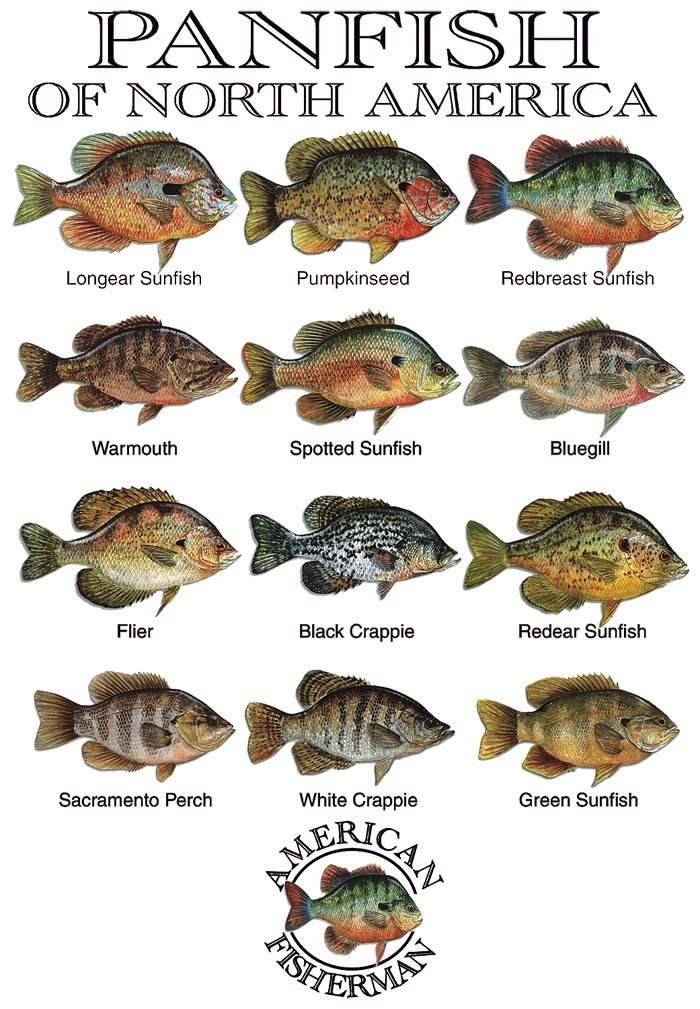
Florida is also famous for bass, crappie, catfish, and panfish. Those are freshwater fish and usually need different tactics and licenses. A light spinning reel, monofilament, bobber, and small hook may suit panfish, but that setup may fail around saltwater structure.
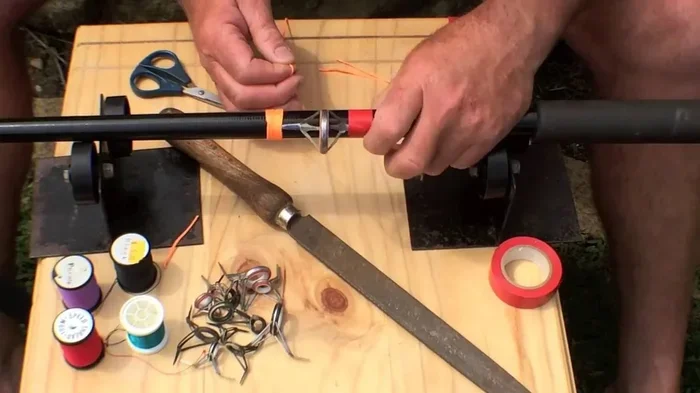
Trout, walleye, and bass gear sold for freshwater may corrode in saltwater. Check whether the rod, reel, hooks, and line guides are made for saltwater use. A freshwater-only reel can work for an occasional trip if cleaned well, but it is not the best long-term choice for regular Florida saltwater fishing.
Species, water, and tackle pairing
| Species | Common location | Starting tackle |
|---|---|---|
| Redfish | Flats, oyster bars, mangroves, creeks | 7-foot medium rod, 10–20-pound braid |
| Snook | Passes, docks, bridges, mangroves | 7-foot medium-heavy rod, 20–30-pound braid |
| Trout | Grass flats, channels, potholes | 7-foot medium-light rod, 10–15-pound braid |
| Pompano | Surf, passes, beaches | 9–11-foot surf rod, 15–25-pound line |
| Sheepshead | Bridges, pilings, rocks, seawalls | Medium spinning rod, 15–20-pound line |
| Spanish mackerel | Nearshore water, passes, bait schools | Medium rod, spoon or jig, suitable leader |
| Grouper | Reefs, ledges, wrecks | Heavy rod, 40–80-pound line, strong leader |
These are broad starting points. A large snook near pilings may require more power than a smaller fish on open flats. Adjust your gear when structure, current, or fish size demands it.

Use tides, weather, and seasons to choose a trip
Moving water is often more useful than a specific clock time. An incoming tide can push bait onto flats and toward mangroves. An outgoing tide can pull shrimp and small fish from creeks and drains.
No tide guarantees a bite. Wind direction, water clarity, temperature, bait, pressure, and boat traffic also matter. Still, learning tide movement gives you a better plan than arriving at a random time.
Low light is often comfortable and productive. Dawn and dusk reduce glare and heat. They also require extra care near rocks, traffic, and uneven shorelines.
Seasonal Florida saltwater patterns
| Season | Common opportunity | Planning note |
|---|---|---|
| Winter | Sheepshead, pompano, inshore trout, redfish | Cold fronts can change feeding and water clarity |
| Spring | Tarpon, snook, redfish, mackerel, cobia in some areas | Watch bait movement and local closures |
| Summer | Snook, tarpon, snapper, shark, offshore fish | Fish early, hydrate, and watch thunderstorms |
| Fall | Redfish, trout, mackerel, pompano, migratory baitfish | Cooling water may increase bait activity |
| Storm periods | Fewer safe fishing windows | Avoid lightning, high surf, storm surge, and rough seas |
Weather matters more than a perfect tide. Tropical systems can create dangerous surf, rip currents, storm surge, and sudden wind. Check marine forecasts, radar, and local beach warnings before leaving.

Rig and fish step by step
A repeatable process helps beginners learn faster. It also saves time for skilled anglers who want to test a new area.
1. Choose a legal place to fish
Confirm public access, parking rules, local closures, and whether the area allows fishing. Some beaches, parks, bridges, and canals have special restrictions.
2. Match the rig to the water
Use a jig head and soft plastic for active casting. Use a float for live shrimp in shallow water. Use a bottom rig for surf, pier, or structure fishing. Keep the rig as light as conditions allow.
3. Check knots and leader
Inspect the line for nicks after every few casts near rocks, shells, or mangroves. Retie if the leader feels rough. A common knot such as a uni knot or improved clinch knot works for many connections, but practice it at home.
4. Find structure and current
Cast near edges, not only into open water. Work points, drains, grass lines, bridge shadows, oyster bars, and bait schools. Keep a lure moving at a speed that matches the fish and water.
5. Set the drag correctly
Drag is the reel’s adjustable resistance that lets line leave under pressure. Set it firmly enough to control the fish but lightly enough to avoid breaking line. Many anglers start near one-quarter to one-third of the line’s breaking strength, then adjust for the species and structure.
6. Fight the fish with the rod
Keep the rod at about a 45-degree angle. Use steady pressure. Do not wind when the spool is giving line. When the fish turns, gain line with short lifts and smooth reel turns.
7. Land, measure, and release or keep
Wet your hands before touching a fish. Support its body. Keep it out of the water for as little time as possible. Measure it before placing it in a legal cooler or releasing it.
8. Reset and inspect
Check the hook, leader, split ring, and knot after each fish. Saltwater fish often damage tackle with teeth, rough mouths, gill plates, or structure contact.

Avoid common Florida saltwater fishing mistakes
Many poor trips begin before the first cast. Anglers use tackle that is too light, ignore the tide, forget water and sun protection, or fail to check regulations. These problems are easy to prevent.
Problems and practical fixes
| Problem | Likely cause | Better solution |
|---|---|---|
| Line breaks near fish | Worn leader or sharp structure | Replace leader and inspect after contact |
| Bait dies quickly | Warm water or poor aeration | Use a clean bait bucket and aerator |
| Lure snags often | Too much weight or poor depth | Use a lighter jig or retrieve higher |
| Reel feels rough | Salt and sand inside the reel | Rinse lightly, dry, and service it |
| Fish keep stealing bait | Small bait thieves or wrong hook | Change bait size, hook, or location |
| Casts fall short | Heavy wind, poor spool fill, wrong lure | Match lure weight and fill spool correctly |
| Hooks rust overnight | Wet storage | Rinse, dry, and store terminal tackle open |
Do not spray a high-pressure hose directly into a spinning reel. High pressure can force salt and water deeper into the bearings and drag system. A gentle freshwater rinse is safer.
🔧 Quick Fix: If a spinning reel feels gritty after a trip, stop fishing it hard. Remove the spool, wipe the exterior, rinse gently with fresh water, dry it fully, and follow the manufacturer’s lubrication instructions.

Clean and store saltwater fishing gear
Saltwater corrosion can damage guides, hooks, swivels, reel bearings, drag washers, and electrical connections. Corrosion often starts where you cannot see it. A five-minute rinse after each trip can protect an expensive setup.
Rinse rods and reels with low-pressure fresh water. Wipe them with a soft cloth and let them dry before placing them in a rod locker or tackle bag. Open the tackle box so wet hooks and lures can dry.
Replace rusty hooks. A rusted hook may weaken, stain other tackle, or fail under pressure. Rinse landing nets, pliers, bait buckets, stringers, coolers, and fish finders after use.
Saltwater gear-care checklist
| Gear | After every trip | Deeper service |
|---|---|---|
| Spinning reel | Low-pressure rinse, wipe, air dry | Clean and grease as the maker advises |
| Rod and guides | Rinse and inspect for cracks | Replace damaged guides |
| Braid and leader | Check for frays and nicks | Respool when worn or faded |
| Hooks and lures | Rinse and dry | Replace rusted hooks and split rings |
| Pliers and cutters | Rinse and dry | Oil joints and replace dull cutters |
| Kayak and PFD | Rinse with fresh water | Inspect straps, buckles, and hull |
| Fish finder | Rinse screen and connectors | Check seals and cable connections |
Do not store wet gear in a sealed tackle box. That creates a damp space where rust spreads quickly.

Budget for a Florida saltwater fishing trip
You can begin with a modest setup, but the right budget depends on the type of fishing. A basic shore setup may cost less than a full offshore outfit. Travel, bait, parking, licenses, and boat fees can cost as much as the tackle.
Current pricing ranges from about $40 to $100 for basic spincast or light spinning combos, $100 to $250 for better inshore gear, and several hundred dollars for heavy offshore setups. Prices vary by brand, materials, reel size, drag quality, and current market conditions.
Typical budget levels
| Budget level | What it can cover | Best suited to |
|---|---|---|
| Under $100 | Basic combo, line, hooks, sinkers, pliers | Kids, gift buyers, and occasional shore anglers |
| $100–$250 | Better spinning combo, braid, leader, lures, net | Beginners and regular inshore anglers |
| $250–$600 | Specialized surf or inshore setup, quality reel, tackle | Experienced shore and kayak anglers |
| $600 and above | Heavy offshore gear, multiple outfits, electronics | Boat anglers and serious specialists |
A higher price does not remove the need for correct technique or maintenance. Beginners often gain more from a durable medium spinning setup, good pliers, and a legal measuring tool than from a premium reel.
Gift buyers should avoid buying highly specialized gear without asking where the angler fishes. A surf angler may not want a short bass rod. A kayak angler may prefer a compact rod that fits the boat.
👪 Parent or Gift-Buyer Note: For a child, choose a simple 5- to 6.5-foot spincast combo, soft practice plugs, polarized sunglasses, and a small tackle box. Avoid treble-hook lures until the child can cast and handle hooks safely.

Know when to keep fish and when to release them
Keeping legal fish can provide food and connect families with the resource. Release fishing also helps protect breeding fish and supports healthy populations. Neither choice removes the duty to handle fish well.
Use a landing net when possible. Wet your hands before touching a fish. Do not squeeze the belly of a fish or hold it by the gill covers unless the species and situation make that safe.
For fish with a high chance of survival, remove the hook quickly. If a deep hook will cause major damage, cut the leader close to the hook instead of forcing it out. Use circle hooks when required or recommended for the fishery.
Take photos fast. Support large fish in the water when you can. Tarpon, sharks, and other powerful species need careful handling and may be protected by special rules.
Never leave monofilament, braid, hooks, bait bags, or plastic on the shore. Put old line in a recycling container or a secure trash bin. Wildlife can become tangled in discarded fishing line.
🌿 Conservation Note: Handle released fish with wet hands, limit air exposure, and return them headfirst when safe. Keep only what you can use, follow bag limits, and leave the water cleaner than you found it.

Decide whether you need a guide or tackle shop help
A local tackle shop can save you money by explaining current bait, tide, leader, and access conditions. Bring your rod or describe your target species. Ask for a simple rig that fits your experience.
A guide makes sense when you want to learn a new coast, fish offshore, target tarpon, or use a kayak in unfamiliar water. A licensed captain knows local navigation hazards, launch points, seasons, and changing conditions.
Ask a guide or shop staff member:
- What species are active in this area?
- What bait size is common now?
- Which tide should I fish?
- What leader strength is practical?
- Do I need a special permit?
- Where can I safely land fish?
- What areas are closed?
- What weather should cancel the trip?
Do not feel pressured to buy the most expensive gear. The best setup is the one you can cast, maintain, and use safely.
Frequently asked questions
Q: What is the best saltwater fishing setup for a beginner in Florida?
A 7-foot medium spinning rod with a 3000- or 4000-size reel is a strong starting point for inshore fishing. Use 10- to 20-pound line, a fluorocarbon leader, small jig heads, soft plastics, and live shrimp. This setup suits shore, pier, bay, and light kayak fishing.
Q: Can I use a freshwater rod for saltwater fishing?
Yes, for occasional trips, but rinse it well after use. Freshwater reels may lack corrosion protection, and their drag systems may not handle repeated saltwater use. Regular saltwater anglers should choose a reel with sealed or corrosion-resistant parts.
Q: What bait catches saltwater fish in Florida?
Common choices include shrimp, pinfish, pilchards, mullet, sand fleas, crabs, squid, and cut bait. Match the bait to the species and location. Local tackle shops can tell you which bait is fresh and legal.
Q: Is braid or monofilament better for Florida saltwater fishing?
Braided line offers a thin diameter, long casts, and low stretch. Monofilament costs less, stretches more, and is easy for beginners. Many inshore anglers use braid as the main line with a fluorocarbon leader.
Q: How much line should I put on a spinning reel?
Fill the spool to about 1/8 inch below the lip. Too little line reduces casting distance. Too much line can create loops and wind knots. Follow the reel maker’s line-capacity recommendation.
Q: What hook size should I use?
Hook size depends on bait and fish. Small shrimp may use size 1 or 2 hooks. Larger live bait may need 1/0 to 4/0 hooks. Use the smallest strong hook that fits the bait and follows current regulations.
Q: Can kids saltwater fish in Florida?
Yes. A short spincast combo is easy for many children. Use barbless practice plugs on land, keep adults in charge of bait knives and hooks, and choose a clean, stable fishing area. Check license exemptions for the child’s age and fishing method.
Q: Do I need a fishing license from a pier?
Often, but not always. Some licensed piers may cover anglers under specific rules. Exemptions vary. Confirm the current requirement with FWC before fishing.
Q: What should I do if my lure gets stuck in a mangrove?
Do not pull hard toward your face. Point the rod at the lure, protect your eyes, and pull from a safe angle. If you cannot reach it, break the line safely and remove the loose line from the water.
Q: How do I fish a popping cork?
Attach a leader and bait or lure below the cork. Cast near grass, mangroves, or a current seam. Pop the cork once or twice, then pause. Change the leader length until the bait stays near the depth where fish feed.
Q: Is a baitcaster good for Florida saltwater fishing?
A baitcaster offers accurate casting and strong control, especially for experienced anglers fishing docks, mangroves, and heavy cover. It can develop backlash and needs careful saltwater cleaning. Beginners usually learn faster with a spinning reel.
Q: How do I know when to replace fishing line?
Replace line when it shows fraying, flat spots, severe fading, repeated wind knots, or damage from rocks and pilings. Check the first several yards of braid and leader often. Do not wait for a large fish to reveal weak line.
Q: Can I fish Florida saltwater at night?
Yes, where local rules allow it. Bridges, piers, passes, and dock lights may attract bait and predators. Use a headlamp, avoid slippery edges, tell someone your plan, and never wade unfamiliar water alone at night.
Q: What should I bring on a Florida saltwater trip?
Bring your license, water, sunscreen, polarized sunglasses, hat, pliers, cutters, measuring device, extra leader, hooks, sinkers, bait, a landing net, first-aid supplies, and a charged phone. Boat and kayak anglers also need required safety gear.
Q: How can I avoid catching protected or undersized fish?
Learn to identify your target species before fishing. Use legal hooks and bait, check size limits, and carry a ruler. Release unwanted fish quickly and do not keep a fish simply because it is already in the cooler.
Final advice for fishing Florida saltwater
The best way to learn Florida saltwater fishing is to begin with one area, one tide cycle, and one simple setup. Fish a public pier, beach, bay shoreline, or calm inshore location. Use a medium spinning combo, live shrimp or a small soft plastic, and focus on current and structure.
As your skills grow, add surf gear, kayak tackle, baitcasters, fly rods, or offshore equipment for specific goals. Keep a short log of tides, weather, bait, water clarity, and fish activity. Over time, those notes become more useful than guesswork.
Saltwater rewards preparation. Check the rules, protect yourself from heat and weather, care for your gear, and treat each fish with respect. Florida has enough coast and habitat to keep beginners, families, traveling anglers, and experienced specialists learning for years.