How To Cook River Fish: Easy Flavorful Guide
River fish can make a fine meal when you handle it with care. Fresh fish has mild flesh, clean flavor, and a texture that works well with frying, baking, grilling, steaming, and smoking. The main challenge is that river fish vary a lot. A small panfish cooks fast, while a thick catfish fillet needs more time. Some fish also have many small bones or a strong, muddy taste from warm water.
The best way to cook river fish is to start with safe cleaning, remove as many bones as practical, dry the flesh well, and match the cooking method to the fish. Trout often suits baking or pan-searing. Bass and walleye are good fried or baked. Catfish works well with a cornmeal crust, while carp may need extra trimming, soaking, or slow cooking.
This guide explains how to cook river fish from catch to plate. It covers cleaning, seasoning, cooking temperatures, common mistakes, gear, fish odor, storage, and simple recipes. It also includes tips for beginners, children, shore anglers, kayak anglers, and experienced fishermen who want better results from their catch.

Quick Answer: The Best Way to Cook River Fish
To cook river fish, clean it soon after catching, keep it cold, remove the gills and entrails, rinse it briefly, and pat it dry. Remove pin bones with clean pliers or tweezers. Season with salt, pepper, lemon, garlic, or herbs. Bake fillets at 400°F for about 10–15 minutes, or fry them until the center reaches 145°F and the flesh flakes easily.

Understand the River Fish You Have
The fish species, size, water temperature, and part of the fish all affect the final dish. A young trout from cold, clean water may taste delicate and sweet. A large carp from a warm, slow river may have firmer flesh and a stronger flavor. Neither fish is automatically better. They simply need different treatment.
River fish also have different bone patterns. Trout and salmon have a line of pin bones that you can pull out before cooking. Small panfish have many fine bones, but careful filleting makes them easier to eat. Carp and some sucker species may contain many small intramuscular bones that require special cutting or slow cooking.
Anglers should identify the species before keeping it. Do not rely on color alone. Use a current state wildlife guide, a local fishing map, or advice from a licensed fishing guide or tackle shop. Accurate identification helps you follow size limits, bag limits, closed seasons, and special rules.
Fish That Are Easy for Beginners
Panfish, trout, bass, walleye, and channel catfish are common choices for new cooks. Their fillets are easy to find, and simple methods work well.
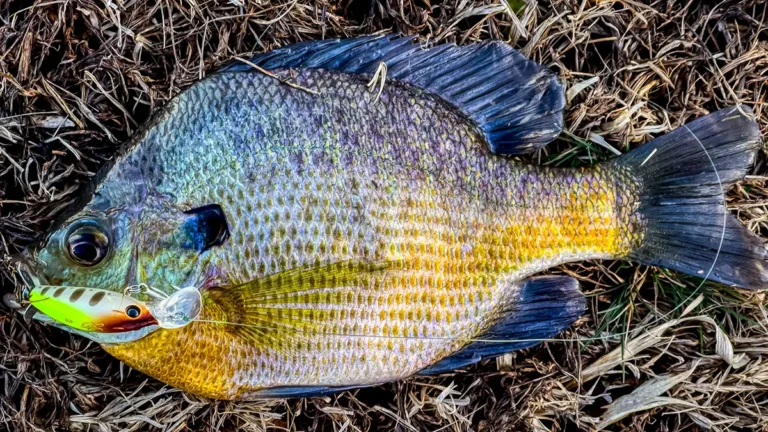
- Panfish: Mild, tender, and ideal for shallow frying.
- Trout: Soft, rich, and good baked whole or pan-seared.
- Bass: Mild with firm white flesh.
- Walleye: Delicate, flaky, and excellent fried or baked.
- Catfish: Firm, moist, and suited to cornmeal breading.
- Carp: Stronger flavor and more bones, but useful in slow cooking or carefully prepared fillets.
A small fish is not always easier to cook. Small fish can dry out fast, and tiny bones may take more time to remove. For beginners, a medium fillet with the skin removed is often the simplest starting point.
Water Quality Matters
Fish can absorb contaminants from the water they live in. Always check local consumption advisories before eating river fish. This matters most near industrial sites, old mines, large cities, farm runoff, and areas with known mercury or chemical concerns.
Do not eat fish that smells sour, rotten, or strongly like chemicals. A normal fresh fish may smell like clean water. It should not have soft, gray flesh, cloudy eyes, or a slimy coating that remains after cleaning.
📜 Check Local Regulations: Confirm your fishing license, species rules, size limits, bag limits, closed seasons, and consumption advisories with your state or local wildlife agency. Some waters also restrict lead sinkers, live bait, barbed hooks, or the use of fish as bait.

What You Need to Clean and Cook River Fish
A safe fish meal begins with clean tools. A sharp fillet knife is safer than a dull knife because it needs less force. Use a separate cutting board if possible. Keep raw fish away from salad, bread, fruit, and other foods that you will eat without cooking.
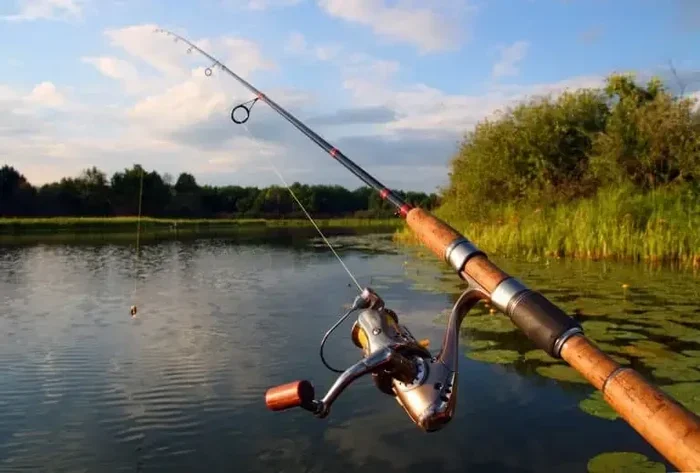
You do not need expensive fishing gear to bring home good table fish. A basic spinning reel or spincast combo can land many panfish, bass, trout, and walleye. The cooking side also stays simple. A few good tools matter more than a large tackle box full of gadgets.
| Tool or item | Why you need it | Good choice for |
|---|---|---|
| Sharp fillet knife | Makes clean cuts and reduces slips | Every angler |
| Cutting board | Gives the fish a stable work surface | Home or camp kitchens |
| Fish scaler | Removes scales before skin-on cooking | Trout, panfish, carp |
| Needle-nose pliers | Pulls pin bones and removes hooks | Beginners and experienced anglers |
| Food thermometer | Checks that the center reaches 145°F | Families and new cooks |
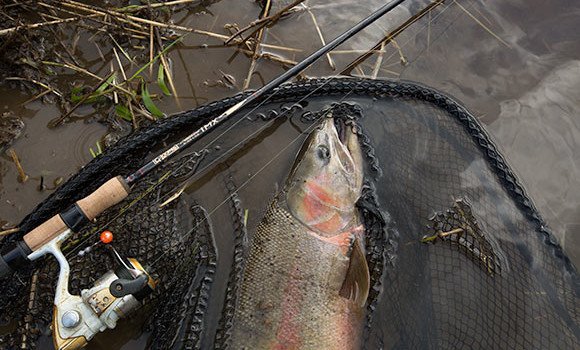
| Landing net | Reduces fish injury before release or cleaning | Catch-and-release anglers |
| Ice chest | Keeps fish cold from river to kitchen | Shore, boat, and kayak anglers |
A cooler with plenty of ice is more important than a fancy rod if you plan to keep fish. Put the fish on ice soon after landing it. Do not leave it in direct sun or in a warm vehicle while you continue fishing.
For camp cooking, pack a small knife, board, paper towels, oil, salt, and a thermometer. If you use a stringer, keep it in deep, cool water and away from boat propellers. A cooler is usually safer and more reliable, especially in warm weather.

Clean River Fish Safely Before Cooking
Cleaning fish removes scales, entrails, blood, and unwanted tissue. It also limits the time bacteria have to grow. Work in a cool, shaded place and wash your hands before and after handling raw fish.
The basic process differs for whole fish and fillets. If you plan to bake trout whole, scale and gut it, but leave the skin on. If you want fried walleye or bass, fillet the fish and remove the rib bones.
How to Gut and Scale a Whole Fish
- Rinse the fish with cold water. Do not use hot water. Cold water keeps the flesh firm.
- Lay the fish on a stable board. Keep the head pointed away from your cutting hand.
- Scale from tail to head. Use a scaler, the back of a knife, or a spoon. Work outside or over a bag because scales scatter.
- Make a shallow cut near the vent. Cut toward the head, but do not push the blade deep.
- Open the belly. Stop at the bone under the head.
- Pull out the entrails. Use a knife to free stubborn tissue.
- Remove the gills. Gills can add a bitter taste and hold bacteria.
- Scrape out the dark blood line. This line is the kidney and can give the fish a stronger taste.
- Rinse briefly. Long soaking can make the flesh watery.
- Pat the fish dry. Dry skin browns better and reduces splatter.
If the gallbladder breaks and spills green fluid onto the flesh, trim away the affected area. The fluid can taste bitter. Clean the knife and board before you continue.
How to Fillet River Fish
Filleting takes practice, but the basic cuts are simple. Hold the fish firmly with a towel. Start behind the gill plate and cut down to the backbone. Turn the blade toward the tail and use long strokes that follow the bones.
Keep the knife nearly flat against the ribs. You want to remove the meat without taking a thick layer of bones with it. Turn the fillet skin-side down and trim away the rib cage with a shallow cut.
Run clean fingers over the fillet. You may feel small pin bones near the center. Pull them out with clean pliers or fish-bone tweezers. Pull in the same direction that the bones point. This reduces tearing.
| Fish part | Keep or remove | Reason |
|---|---|---|
| Skin | Optional | Adds flavor and protects the flesh during cooking |
| Scales | Remove before eating | Tough and unpleasant |
| Gills | Remove | Can add bitter flavor |
| Entrails | Remove | Spoil quickly and can taint the flesh |
| Rib bones | Remove from fillets | Easier eating |
| Pin bones | Pull when practical | Improves texture and safety |
| Dark blood line | Trim or scrape | Can produce a strong taste |
Small bones can be a problem for children and older adults. Check every serving with your fingers before placing it on the table. Even careful filleting may leave a bone behind.

⚠️ Safety Warning: Wash knives, boards, counters, and hands with hot, soapy water after handling raw fish. Keep raw fish separate from ready-to-eat food. Cook fish to an internal temperature of 145°F, measured at the thickest point.
Choose the Right Cooking Method
The best cooking method depends on the fish’s size, fat level, bone structure, and skin. Thin fillets need short cooking times. Whole fish and thick steaks need lower, steadier heat. High heat can burn the outside before the center is done.
The table below gives a practical starting point. Exact time varies with thickness, starting temperature, pan material, and fish species.
| Cooking method | Starting temperature or heat | Best use |
|---|---|---|
| Bake | 400°F for 10–15 minutes | Trout, bass, walleye, thick fillets |
| Pan-sear | Medium to medium-high heat | Skin-on fillets and small portions |
| Shallow fry | Oil around 350°F | Panfish, walleye, catfish |
| Deep fry | Oil around 350°F | Breaded catfish and small fillets |
| Grill | Medium heat with oiled grates | Firm fillets and whole trout |
| Steam | Gentle steady steam | Delicate fillets and low-fat fish |
| Smoke | Low heat with a tested recipe | Trout, salmon, and oily fish |
The main difference between frying and baking is the crust. Frying adds a crisp coating and more oil. Baking is easier to control and often better for delicate fillets.
Pan-Frying River Fish
Pan-frying is one of the easiest ways to cook river fish. It works well for bass, walleye, perch, crappie, bluegill, and trout fillets.
Pat the fish dry. Season it with salt and pepper, then coat it lightly in flour, cornmeal, or a mix of both. Heat a thin layer of neutral oil in a heavy skillet. The oil should shimmer but should not smoke.
Place the fish skin-side down if the skin remains attached. Cook without moving it for two to four minutes, depending on thickness. Turn it once and continue cooking until the flesh flakes and the center reaches 145°F.
For a simple coating, use:
- ½ cup fine cornmeal
- ¼ cup all-purpose flour
- 1 teaspoon paprika
- ½ teaspoon garlic powder
- ½ teaspoon salt
- ¼ teaspoon black pepper
This coating suits beginners because it does not need a wet batter. It also works well at a campsite with a cast-iron skillet.
Baking River Fish
Baking is gentle, clean, and easy to scale for a family. It is a strong choice for trout, bass, walleye, and thick catfish fillets. It also works for whole fish.
Heat the oven to 400°F. Place the fish on a lightly oiled sheet pan or in a baking dish. Add lemon slices, garlic, parsley, dill, or thin onion slices. Brush the top with olive oil or melted butter.
Bake until the thickest part reaches 145°F. A thin fillet may take 8–10 minutes. A thick fillet may take 15–20 minutes. A whole trout often needs 15–25 minutes, based on size.
Do not judge doneness by color alone. Some fish remain slightly translucent near the center even when safe. A food thermometer gives a better answer.
Grilling River Fish
Grilling adds a smoky flavor, but delicate fish can stick or break. Use a clean, well-oiled grate. Dry the fish and brush both the flesh and grate with oil.
Firm bass, catfish, walleye, and thick trout fillets grill better than thin panfish fillets. You can also place small fish in a grill basket or wrap them in foil. Foil helps hold delicate flesh together but gives less direct browning.
Grill over medium heat. Cook the first side longer than the second. Flip only once if possible. If the fish sticks, it may need more time before turning.
Frying With Cornmeal
Cornmeal frying is a classic method for river fish. It gives catfish, panfish, perch, and walleye a crisp crust. Use a heavy pan and enough oil to cover the bottom by about ¼ inch.
Dry the fish first. Excess water can cause hot oil to splatter. Coat each piece, shake off extra meal, and place it into the oil away from your body.
The fish is ready when the coating is golden and the center reaches 145°F. Drain it on a wire rack or paper towels. A wire rack keeps the bottom crisper.
Steaming and Poaching
Steaming and poaching keep fish moist. They are useful for very lean fish that dry out under high heat. Poaching means cooking the fish gently in liquid such as water, broth, wine, or milk.
Use a wide pan and enough liquid to come halfway up the fillet. Add lemon, celery, onion, bay leaf, or herbs. Keep the liquid below a full boil. Gentle heat protects the flesh.
These methods produce a soft texture, not a crisp crust. Choose them when moisture matters more than browning.

Season River Fish Without Hiding Its Flavor
Mild river fish need only a few simple seasonings. Salt brings out flavor, while acid from lemon or vinegar adds balance. Herbs such as dill, parsley, thyme, and cilantro work well with trout, bass, and walleye.
Stronger fish may benefit from bolder flavors. Garlic, paprika, cayenne, mustard, black pepper, ginger, and smoked paprika can balance catfish or carp. Do not cover a fish with heavy sauce before you know how it tastes. Start light. You can always add more at the table.
| Fish profile | Seasoning group | Cooking match |
|---|---|---|
| Mild and delicate | Lemon, dill, parsley, butter | Baking or steaming |
| Firm and mild | Garlic, paprika, black pepper | Frying or grilling |
| Rich or oily | Mustard, herbs, citrus, chili | Baking or smoking |
| Strong or muddy | Ginger, garlic, hot pepper, vinegar | Frying or slow cooking |
| Sweet and firm | Soy sauce, ginger, scallion | Grilling or steaming |
A dry rub works best when the fish surface is dry. A marinade can add flavor, but long soaking in acid may make the surface mushy. For most fillets, 15–30 minutes is enough.
A Simple Lemon-Herb Recipe
Use this method for trout, bass, walleye, or perch.
- Heat the oven to 400°F.
- Pat two fish fillets dry.
- Brush them with one tablespoon of olive oil.
- Season with salt, pepper, garlic, and dried dill.
- Place lemon slices on top.
- Bake for 10–15 minutes.
- Check the thickest part with a thermometer.
- Serve with extra lemon and chopped parsley.
This recipe also works on a camp stove in a covered skillet. Add one or two tablespoons of water, cover the pan, and cook over medium-low heat.
A Crispy Cornmeal Recipe
Use this recipe for catfish, bluegill, crappie, walleye, or perch.
- Mix cornmeal, flour, paprika, garlic powder, salt, and pepper.
- Pat the fillets dry.
- Dip them in beaten egg or buttermilk if you want a thicker coating.
- Press them into the cornmeal mix.
- Heat oil in a skillet to about 350°F.
- Fry in small batches.
- Turn once.
- Drain on a rack.
- Serve with lemon, slaw, or a light dipping sauce.
Do not overcrowd the pan. Too many fillets lower the oil temperature and create a greasy coating.
A Whole Trout Recipe
Whole trout makes a good camp or home meal. After scaling and gutting the fish, dry the inside and outside. Season the cavity with salt, pepper, lemon, onion, and herbs.
Wrap the trout loosely in foil or place it in an oiled baking dish. Bake at 400°F until the flesh flakes and reaches 145°F. Open the foil for the final few minutes if you want the skin to brown.
This method keeps the fish moist. It also makes bone removal simple after cooking. Lift the top fillet from the backbone, remove the skeleton, and serve the lower fillet.

River Fish Cooking Problems and Simple Fixes
Most poor results come from a few common mistakes. The fish may be too wet, the pan may be too cool, or the cook may leave it on the heat too long. Fish continues to cook for a short time after removal from the pan, so stop close to the target temperature.
| Problem | Likely cause | Fix |
|---|---|---|
| Fish tastes muddy | Warm water, skin, blood line, or long storage | Trim the blood line, remove skin, use citrus and herbs |
| Fish falls apart | Too much handling or overcooking | Dry it, use a wide spatula, and turn once |
| Coating turns greasy | Oil is too cool or pan is crowded | Fry in small batches at about 350°F |
| Outside burns first | Heat is too high or fillet is thick | Lower heat and finish in the oven |
| Fish sticks to pan | Cold pan, wet fish, or weak crust | Preheat, dry fish, and wait before turning |
| Fish tastes bland | Little salt or no browning | Season before cooking and use a hot pan |
| Many bones remain | Poor trimming or species with pin bones | Feel for bones and use clean pliers |
| Flesh is dry | Cooking too long | Use a thermometer and remove at 145°F |
A muddy taste does not always mean the fish is unsafe. It may come from the fish’s diet or from compounds in warm, slow water. Removing the skin and dark lateral tissue can help. Strong seasonings may improve flavor, but they cannot make contaminated fish safe.
If fish smells sour or ammonia-like, discard it. Do not try to rescue spoiled fish with spices, frying, or smoking.

Keep River Fish Cold and Store It Correctly
Cold storage protects quality. Put cleaned fish on ice as soon as possible. Keep the cooler drained so the fish does not sit in warm meltwater. A sealed bag of ice above the fish can keep the flesh cold without soaking it.
Fresh fish is best cooked within one to two days. If you need more time, freeze it. Wrap fillets tightly in freezer paper, plastic wrap, or a vacuum bag. Remove as much air as possible because air causes freezer burn.
Label each package with the species and date. This simple habit helps you use older packages first. Frozen fish keeps its best texture when used within several months, though properly frozen fish may remain safe longer.
| Storage method | Target condition | Practical use |
|---|---|---|
| On crushed ice | Near 32°F | Same-day or next-day cooking |
| Refrigerator | 40°F or below | Use within one to two days |
| Freezer bag | Little air inside | Short to medium storage |
| Vacuum bag | Tight seal and frozen | Longer quality storage |
| Thawed fish | Thaw in refrigerator | Cook promptly; do not thaw on the counter |
Never refreeze fish that sat at room temperature for a long time. If you thaw vacuum-sealed fish, open or cut the package before thawing it in the refrigerator. This reduces the risk of harmful low-oxygen conditions.

Match the Recipe to Your Fishing Situation
Your cooking plan should fit the place where you fish. A shore angler may carry a small stove and skillet. A kayak angler may need a compact cooler and simple foil packet. A family at home has more tools and can prepare several side dishes.
Fishing equipment also affects the quality of the catch. A landing net can reduce stress and help you control a fish. A pair of long pliers helps remove hooks. Polarized sunglasses improve your view of shallow water, but they do not replace safe handling or local rules.
Shore and Pier Fishing
For shore fishing, use a cooler, ice, a cutting board, and a simple spinning rod. A 6½- to 7-foot medium-light spinning setup with 6- to 10-pound monofilament suits many panfish, trout, perch, and smaller bass. Monofilament is forgiving and easy for beginners to tie.
A bobber, small hook, split shot, and live bait can produce a simple setup. Small lures, jigs, and soft plastics also work. Use only legal bait and tackle in your area.
Keep the cooler in shade. If you plan to release fish, use a landing net, wet hands, and minimal air time. Do not place a fish on hot pavement or dry sand.
Kayak and Small-Boat Fishing
Kayak fishing requires more planning. Keep knives, hooks, pliers, and hot oil secured. Wear a U.S. Coast Guard–approved personal flotation device at all times. A small fish finder can help locate depth changes, but it does not replace knowledge of current, weather, or boat control.
For fish you keep, use a compact insulated cooler that fits low in the kayak. Avoid a tall, heavy container that can affect balance. Do not cook with a stove on a small kayak unless the craft and setup are designed for it.
In a boat, clean fish at a stable station. Keep a first-aid kit nearby. Store a fillet knife in a sheath when it is not in use.
Family and Kids’ Fishing
Children can help season fish, check the thermometer, mix a coating, or pull pin bones with supervision. Adults should handle knives, hot oil, hooks, and burners. Teach children that cooked fish may still contain small bones.
A spincast combo is often easier for a young angler than a baitcaster. Spincast reels reduce backlash, which is a tangled loop caused when a spool turns faster than line leaves it. A short 5- to 6-foot fiberglass or composite rod is durable for many children.
👪 Parent or Gift-Buyer Note: For a child who is new to fishing, choose a simple spincast combo, a small tackle box, polarized sunglasses, and a properly fitted life jacket. The best starter setup is one the child can hold, carry, and use without constant frustration.
Camp Cooking
Camp cooking rewards simple recipes. Use a cast-iron pan for frying and foil for baking. Pack oil in a sealed bottle, keep the fish cold, and bring a thermometer.
Never leave hot oil unattended. Keep children and loose clothing away from the burner. Put out the flame fully before packing your stove.

Avoid These Common River Fish Cooking Mistakes
Avoiding mistakes saves more meals than buying expensive kitchen gear. New cooks often use too much heat, skip drying, or cook by time alone. Experienced anglers can also lose quality when fish sits warm in a cooler.
The most common mistakes include:
- Leaving fish in direct sun after catching it.
- Using a dull knife for filleting.
- Soaking fillets for hours in water.
- Adding fish to a cold pan.
- Overcrowding the skillet.
- Turning the fillet several times.
- Cooking until the flesh is hard and dry.
- Forgetting to remove pin bones.
- Using the same board for raw fish and vegetables.
- Ignoring local consumption advisories.
- Keeping more fish than the legal limit.
- Releasing fish with a deep-hooked lure still inside.
If a hook is deeply swallowed, cutting the line near the mouth may give the fish a better chance than pulling hard. Follow local guidance for protected species and release methods.
🌿 Conservation Note: Keep only what you will use. Handle released fish with wet hands, support its body, limit air exposure, and avoid squeezing the belly. Dispose of old monofilament and braided line in a recycling bin or line-recycling station.

Pros and Cons of the Main Cooking Methods
No cooking method is right for every river fish. Frying gives the strongest crust, but baking uses less oil. Grilling adds flavor but needs careful handling. Steaming protects moisture but does not create browning.
| Method | Pros | Cons |
|---|---|---|
| Pan-frying | Fast, crisp, simple | Can be greasy or messy |
| Baking | Easy, low mess, good for families | Less crust and browning |
| Grilling | Smoky flavor and quick cleanup | Delicate fish may stick or break |
| Steaming | Moist texture and light flavor | No crisp exterior |
| Smoking | Deep flavor and useful for oily fish | Takes more time and needs a tested process |
Choose frying for thin fillets and a crisp meal. Choose baking when you want predictable results. Use grilling for firm fish and outdoor meals. If you are new to cooking fish, baking is usually the least stressful starting point.

When to Use a Different Fish or Cooking Plan
Some fish are not ideal for quick frying. Carp, buffalo, and certain suckers may contain many small bones. They can still be useful, but you may need a different approach.
Pressure cooking, slow cooking, grinding, or careful cross-cutting can soften small bones in some species. Use a trusted species-specific recipe. Do not assume that a method for salmon or catfish will work for carp.
Very thin fillets may dry out before the coating browns. Use a lower heat or a wet batter. Very thick fillets may need a quick sear followed by oven heat.
A strong flavor may come from the species, water, diet, skin, or storage. Try removing the skin and blood line first. If the fish still tastes unpleasant, do not force yourself to eat it.
Experienced anglers may prefer a fly rod for trout or a baitcaster for bass fishing, but those tools do not change food safety. Gear helps you target fish and handle them. Clean storage and careful cooking decide meal quality.

How Long Does Cooked River Fish Last?
Cooked river fish keeps for about three to four days in a refrigerator at 40°F or below. Store it in a shallow, covered container and chill it within two hours. In very hot conditions, above 90°F, refrigerate it within one hour.
Reheat fish until hot throughout. A microwave can dry it, so use short bursts and cover the dish. A low oven or skillet with a splash of water often keeps the texture better.
Do not taste food to decide whether it is safe. Harmful bacteria may not change the smell or appearance.
| Food condition | Action |
|---|---|
| Raw fish on ice | Cook within one to two days |
| Frozen raw fish | Thaw in the refrigerator |
| Cooked fish under four days old | Reheat until hot |
| Fish left warm for several hours | Discard |
| Sour, slimy, or ammonia-smelling fish | Discard |

Frequently Asked Questions
Can you cook river fish without removing the skin?
Yes. Skin helps protect the flesh during baking and grilling. Scale the fish first, dry the skin, and place it skin-side down. Remove the skin after cooking if you dislike its flavor or texture.
What is the safest temperature for river fish?
Cook river fish to an internal temperature of 145°F. Measure the thickest part with a food thermometer. The flesh should also look opaque and flake easily with a fork.
How do you get the muddy taste out of river fish?
Remove the skin, trim the dark blood line, and keep the fish cold from the river to the kitchen. Lemon, vinegar, garlic, ginger, and herbs can balance a strong flavor. Do not eat fish from waters with a health advisory, even if seasoning improves the taste.
Should you soak river fish in milk?
A short milk soak can soften a strong flavor and help breading stick. Keep it cold and limit the soak to about 15–30 minutes. Do not leave fish in milk for hours at room temperature.
Is it better to fry or bake river fish?
Fry fish when you want a crisp coating and have thin fillets. Bake fish when you want less oil, easier cleanup, or a whole trout or thick fillet. Both methods work when you control heat and cook to 145°F.
How do you cook river fish with lots of bones?
Fillet the fish carefully and feel for pin bones before cooking. For species with many small bones, use a trusted recipe for that species. Slow cooking, grinding, or cross-cutting may work better than a simple fillet fry.
Can children eat river fish?
Children can eat river fish when it comes from a legal, approved source and all local consumption guidance is followed. Check closely for bones. Avoid fish covered by a mercury or chemical advisory.
What oil is best for frying river fish?
Use a neutral oil with a suitable smoking point, such as canola, peanut, sunflower, or vegetable oil. Keep the oil near 350°F. Peanut oil is not suitable for people with peanut allergies.
Can you grill frozen river fish?
Thaw fish in the refrigerator before grilling. Frozen fish may cook unevenly, stick to the grate, and release extra water. Pat it dry after thawing.
Do you need a fishing license to catch fish for dinner?
In most U.S. states, you need a current fishing license unless an exemption applies. Rules vary by state, water, species, age, and residency. Check the local wildlife agency before fishing.
How should you release a fish you do not plan to eat?
Keep the fish in the water when possible. Wet your hands, support the fish, remove the hook with pliers, and limit air exposure. If the fish is deeply hooked and regulations allow, cut the line close to the hook rather than causing more damage.
What is the best river fish for a beginner cook?
Walleye, bass, trout, panfish, and channel catfish are good starting choices. Their fillets are widely used, and baking or shallow frying gives clear feedback. Choose a fish with firm, boneless fillets if you are nervous about small bones.
Can you cook fish over a campfire?
Yes, but use a stable grill grate or cast-iron pan. Foil packets help protect delicate fish. Keep raw fish cold, manage the fire carefully, and use a thermometer rather than guessing.
How do you know when fish is spoiled?
Spoiled fish may smell sour, rotten, or like ammonia. The flesh may feel unusually soft and slimy. When in doubt, discard it. Spices and high heat cannot make spoiled fish safe.
Final Advice for Better River Fish
Good river fish cooking starts before the pan heats. Identify the species, follow local regulations, keep the catch cold, clean it with a sharp knife, and remove bones with care. Then use a simple method that suits the fish.
For most beginners, baked lemon-herb fillets are the easiest place to start. Pan-fried cornmeal fish is a close second when you want a crisp meal. Trout can be baked whole, catfish can handle a bold crust, and firm bass or walleye can be grilled or seared.
Cook by temperature, not by guesswork. Protect children from knives, hooks, hot oil, and open flames. Treat released fish with care, keep only what you need, and leave the river cleaner than you found it. With those habits, cooking river fish becomes less like a chore and more like the final, satisfying step of a day on the water.