How To Watch MLF Fishing Live: Easy Streaming Guide
MLF Fishing Live gives bass fans a way to follow Major League Fishing events from home, on the road, or even at the lake between fishing trips. You can watch live tournament coverage through the official MLF website, the MLF app, connected TV services, and selected broadcast partners. The best option depends on the event, your location, your device, and whether you want free coverage or a paid streaming service.
Unlike a normal fishing video, live MLF coverage lets you follow real-time catches, SCORETRACKER updates, angler decisions, weather changes, and tournament strategy as they happen. It can help new anglers learn how professionals read water, choose lures, manage time, and adjust when a pattern slows down.
The steps below explain how to watch MLF fishing live, what devices work best, how to find the correct event schedule, and what to do when a stream does not load. You will also learn which options suit beginners, families, traveling fans, and serious bass anglers who want the most complete coverage.

Quick answer: The easiest way to watch MLF fishing live
The easiest way to watch MLF fishing live is to visit the official Major League Fishing website or open the MLF app, then select the current live event from the schedule or video page. You may also find live coverage on MLF’s connected TV channels, YouTube, or broadcast partners. Check the event listing first because coverage, start times, and platforms can change by tournament.

To watch an event, you usually need:
- A phone, tablet, computer, smart TV, or streaming device
- A stable internet connection
- The official MLF website, app, or listed broadcast service
- The correct event date and start time
- A free account or paid subscription, if required
- A larger screen if you want to study boat movement and lure choices
The official MLF event page is the best starting point. It normally provides the most current information about live video, schedules, results, standings, and replay access.
Where to find live MLF fishing coverage
MLF live coverage may appear in more than one place. The official website is the central hub, but the exact viewing option depends on the series and event. Some tournaments may have full live video, while others may offer clips, live scoring, or delayed coverage.
The official Major League Fishing website
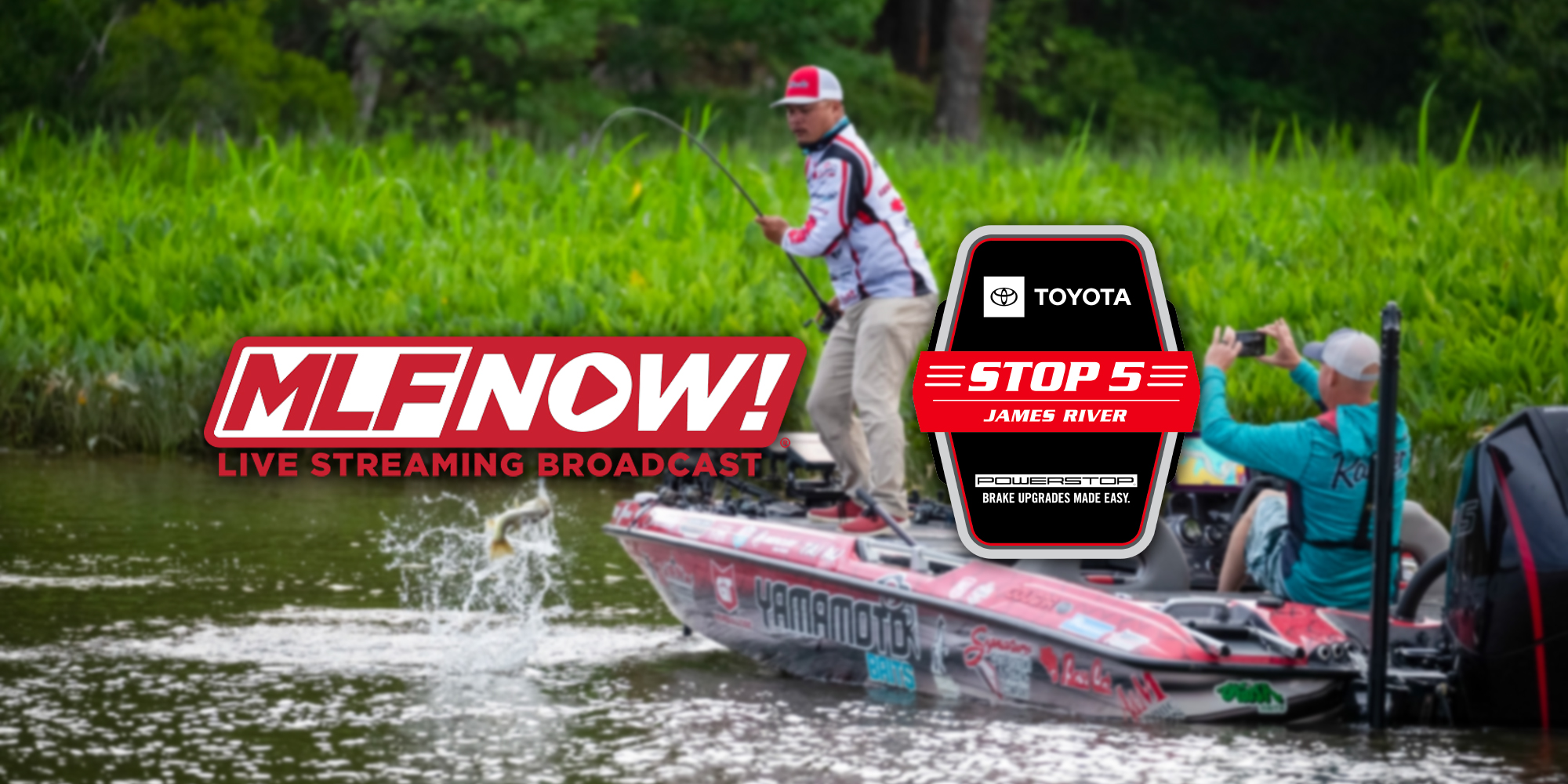
Start at the official Major League Fishing website. Look for links marked Live, Watch, Schedule, or Events. During an active tournament, the home page may feature a live player or a direct link to current coverage.
The website is useful because it often combines several parts of the tournament in one place:
- Live video
- SCORETRACKER updates
- Angler standings
- Tournament schedules
- Results
- News stories
- Highlight clips
- Event rules and details
A computer browser works well for fans who want the video player and live scoring open at the same time. You can place the stream on one side of the screen and SCORETRACKER on the other.
The MLF mobile app
The MLF app can be a good choice when you watch on a phone or tablet. Search for the current official app in the Apple App Store or Google Play Store. Confirm that the developer is Major League Fishing before downloading.
The app may offer live video, scores, schedules, news, and alerts. Features can vary by device and event. Install or update the app before the tournament begins so you do not spend the first hour of coverage fixing a login or update problem.
Connected TV and streaming devices
Many fans prefer to watch MLF fishing live on a television. Depending on current availability, you may find MLF content through:
- Roku
- Amazon Fire TV
- Apple TV
- Google TV
- Smart TV app stores
- YouTube apps
- Cable or satellite channel apps
Search the app store on your TV for Major League Fishing or the listed network carrying the event. Streaming services change their channel lineups, so check the current MLF schedule instead of relying on an old blog post or a past tournament listing.
YouTube and social media
MLF may publish live video, previews, weigh-ins, interviews, or highlights through its official YouTube channel and social media accounts. YouTube is simple for most users and works on nearly every modern device.
Not every YouTube video is a full tournament broadcast. Some are short clips, live score updates, or post-event content. Check the video title, description, and official channel name before assuming a video covers the entire event.
Broadcast and cable partners
Some MLF events may air through television or streaming partners. A cable package, sports package, or network app may be needed. The event page should identify the official broadcaster when one is available.
The broadcast option may suit viewers who already pay for a TV service. It may not suit a fan who only wants one event and does not want a long-term subscription.
MLF live viewing options compared
Different viewing methods suit different anglers and households. The table below gives a practical guide rather than a fixed list of services, since platforms and rights can change.
| Viewing option | Best fit | Main limitation |
|---|---|---|
| Official MLF website | Most viewers, computer users, and first-time fans | May require a browser login or account |
| MLF mobile app | Phone and tablet users | Small screen and possible app updates |
| YouTube | Families and casual viewers | Not every video is full live coverage |
| Smart TV or streaming app | Living-room viewing | App availability can vary by device |
| Cable or network partner | Existing TV subscribers | May require a larger package |
| Replay or highlights | Fans with limited time | Not live and may reveal the result |
The best choice is usually the official option that works on your largest reliable screen. If you are watching with children, a smart TV or tablet is easier than passing a phone around.
How to check the MLF schedule before an event
Checking the schedule is the first step because MLF runs several series and tournament formats. A live event may not begin at the same time each day. Coverage can also differ between qualifying rounds, knockout rounds, final days, and post-event shows.
Find the correct tournament
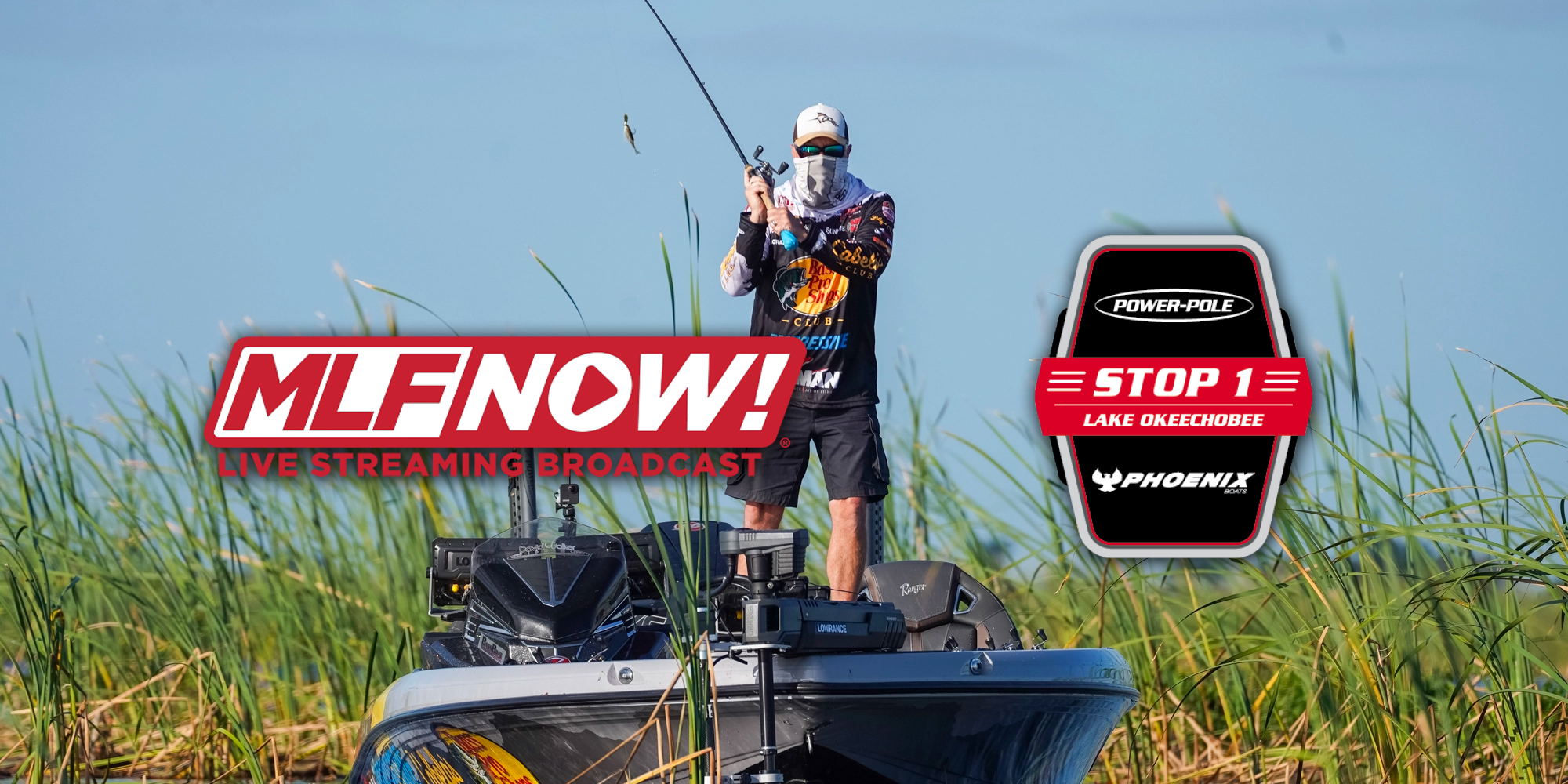
MLF covers more than one level of competition. You may see the Bass Pro Tour, Tackle Warehouse Invitationals, Toyota Series, Phoenix Bass Fishing League, or other MLF events.
Use the event name, location, and date to confirm that you are opening the right page. A search for “MLF live” may show an older tournament, a replay, or a highlights package instead of the event happening today.
Confirm the local start time
Tournament times can be shown in Eastern, Central, Mountain, or Pacific time. Some event pages use the local time of the host lake. A fan in Texas, Florida, California, or another time zone should convert the start time before the event begins.
A simple calendar reminder can prevent missed coverage. Set one reminder for the first fishing period and another for the final day or championship round.
Check the fishing format
MLF events may use formats that differ from traditional five-fish tournaments. Some use SCORETRACKER, where anglers record scorable bass as they catch them. Other events may use a limit format or a combination of qualifying and elimination rounds.
Understanding the format makes the broadcast easier to follow. In a SCORETRACKER event, the number of fish, total weight, period, and current rank may matter more than one large bass.
Look for replay times
If you work, travel, or fish during the live broadcast, check for replay options. MLF may offer recorded coverage, highlight videos, weigh-ins, or condensed programs.
Replay availability can differ from live access. A recording may also appear later than the event itself, so save the official event page rather than relying on a search result.
💡 Pro Tip: Open the official event page the day before the tournament. Save it to your browser or phone. This is faster than searching for a new live link after coverage starts.
What you need to watch MLF fishing live
You do not need expensive fishing gear to watch a tournament. The main requirements are a compatible screen, a stable connection, and enough battery or power for the length of the broadcast.

Device and internet needs
A phone can handle basic viewing, but a tablet, laptop, or television gives you a clearer view of lure changes, map position, and SCORETRACKER data. A modern streaming device is helpful when several people want to watch together.
Video quality depends on your internet speed and network traffic. If the stream keeps stopping, move closer to your Wi-Fi router or connect your TV with an Ethernet cable when possible.
Account and subscription needs
Some MLF video may be free. Other content may require a login, a paid subscription, or access through a network provider. The current event page should show the access rules.
Do not enter payment details on a site that looks unofficial. Use the official MLF website, the verified MLF app, or the listed broadcaster.
Power and data planning
Live video uses more data than text updates. A long tournament stream can also drain a phone battery. Plug in your device when possible, or use a power bank when watching away from home.
If you use cellular data, check your plan before streaming several hours. Wi-Fi is usually the better choice for full-day coverage.
| Item | Practical target | Why it matters |
|---|---|---|
| Screen | Tablet, laptop, or 32-inch-plus TV for group viewing | Shows boats, lures, and scores more clearly |
| Connection | Stable broadband or strong 5G | Reduces pauses and low video quality |
| Battery | Full charge or wall power | Live events can last for hours |
| Browser or app | Current version | Helps the player load correctly |
| Audio | TV speakers or headphones | Makes commentary easier to follow |
A large screen is most useful for experienced anglers who study boat position and lure presentation. A phone is enough for a casual fan checking a weigh-in or short live segment.
How to watch MLF fishing live step by step
The process is simple when you prepare before the broadcast. Follow these steps on a phone, computer, smart TV, or streaming device.
1. Open an official MLF source
Use the official MLF website, the verified MLF app, the official MLF YouTube channel, or the broadcaster named on the event page. Avoid random pop-up sites that promise free sports streams.
Official sources are safer and more likely to provide accurate schedules, proper video quality, and replay access.
2. Open the event or live page
Choose the tournament that is running today. Read the event title and location. Confirm that it matches the series you want to watch.
If the live player is not visible, open the Watch, Live, or Video section. Some pages place the player near the top only when the broadcast has started.
3. Sign in or create an account if needed
Use an email address and a strong password. If the service offers a free account, read the terms before accepting. If a subscription is required, check the price, renewal terms, and cancellation policy.
Gift buyers and parents should create the account with the adult’s email address. This makes password recovery and payment control easier.
4. Start the stream early
Open the stream 10 to 15 minutes before the listed start time. Early access gives you time to update the app, sign in, adjust the sound, and solve connection issues.
Some events may begin with an introduction, angler interview, or lake report before fishing action starts.
5. Set video quality
Choose automatic quality if your internet connection changes during the day. Select a higher setting only when the stream remains smooth.
A lower quality setting can help on a weak rural connection, a crowded campground network, or a mobile hotspot. Smooth video is more useful than a sharp picture that stops every few seconds.
6. Open live scoring in a second window
If you watch on a computer or tablet, open SCORETRACKER or the live standings page in another tab. This lets you compare video action with the leaderboard.
On a television, use a phone for scores. You can also follow official social posts for short updates while the main broadcast runs.
7. Use captions or headphones when needed
Closed captions help when several people are talking in the room. Headphones can make commentary easier to hear without raising the TV volume.
Parents should keep the volume at a safe level, especially when a child watches through headphones.
8. Return to the official page for replays
When the live broadcast ends, check the same event page for replays, highlights, interviews, and final standings. Save the page if you want to review a professional’s pattern later.
How to follow MLF coverage like an angler
Watching MLF fishing live can become a useful learning tool. Do not only watch the biggest catch. Study the choices that lead to each bite.
Track the water type
Notice whether an angler is fishing grass, rock, wood, a drop-off, a creek channel, or open water. Bass often use different areas as light, wind, water level, and temperature change.
A professional may start with a moving bait over shallow cover, then switch to a jig or soft plastic in deeper water. That change can teach more than the lure name alone.
Watch rod power and action
Rod power describes how much force a rod needs to bend. A medium rod bends more easily than a medium-heavy rod. Rod action describes where the bend occurs. A fast-action rod bends near the tip, while a moderate action bends farther down the blank.
Bass anglers may use a medium-heavy, fast-action casting rod for jigs and heavy cover. A medium, moderate-action rod can suit crankbaits because it loads more smoothly when a fish strikes.
Notice line and leader choices
Monofilament, fluorocarbon, and braided line each behave differently.
- Monofilament floats and stretches.
- Fluorocarbon sinks, resists abrasion, and is less visible underwater.
- Braided line has little stretch and strong diameter-to-strength performance.
- A leader is a short section of line tied between the main line and lure or hook.
Do not copy every setup without considering water and cover. A braid-to-fluorocarbon leader can work well around grass, while heavier fluorocarbon may suit clear water and rock.
Identify lure categories
Learn the broad lure type before worrying about brand names. Common bass lures include:
- Jigs
- Soft plastics
- Crankbaits
- Spinnerbaits
- Topwater lures
- Swimbaits
- Spoons
- Jerkbaits
Watch how fast the angler retrieves the lure, where it enters the water, and whether the lure hits cover. Presentation often matters as much as the lure itself.
Compare shallow and deep patterns
Many live broadcasts show anglers spreading out across the lake. One may fish shallow cover, while another targets offshore structure with a fish finder.
A fish finder uses sonar to display depth, bottom shape, and possible fish signals. It does not replace judgment. Weather, boat traffic, seasonal movement, and local rules still affect the pattern.
| What to watch | What it can teach | What to record |
|---|---|---|
| Casting angle | How anglers place a lure beside cover | Wind direction and target type |
| Retrieve speed | How fast the lure moves | Number of turns or pauses |
| Rod position | How the lure stays in the strike zone | Tip height and line angle |
| Boat position | How anglers control depth and angle | Distance from bank or structure |
| Lure change | How they react to slow action | Time, weather, and water condition |
| Hook set | How pressure changes with lure type | Rod load and line movement |
Keep a small fishing notebook. Write down the lake type, weather, lure family, line type, and depth. This creates useful ideas for your own bass, walleye, trout, catfish, or panfish trips.
Choosing the best screen and setup for your home
Your ideal setup depends on how seriously you follow tournaments. A casual viewer may need only a phone. A serious angler may want several screens and a way to save notes.

Best setup for beginners
A phone or basic laptop is enough for a first event. Use the official stream, turn on captions if needed, and keep the event schedule open in another tab.
Beginners should focus on simple questions:
- Where is the angler fishing?
- Is the lure moving or staying still?
- What cover or structure is nearby?
- Why did the angler change lures?
- How did wind or light affect the choice?
You do not need to understand every term on the first day. Fishing coverage becomes easier as you connect words with actions.
Best setup for families and kids
A television is usually best for a family. Children can see boats, fish, maps, and lures more clearly. Keep a simple fish identification book, notebook, or tackle box nearby and ask the child to name each lure type.
A young angler may enjoy a short viewing session more than a full-day broadcast. Mix live coverage with a trip to a pond, where the child can use a simple spincast combo under adult supervision.
👪 Parent or Gift-Buyer Note: For a child, the best fishing gift is not always a tournament subscription. A safe starter kit, polarized sunglasses, a small tackle box, and time with an adult may create more lasting interest.
Best setup for experienced anglers
Experienced bass anglers may use a television for the broadcast and a phone or tablet for SCORETRACKER. A notebook or spreadsheet can help track patterns by lake section, depth, lure, and time.
If you fish from a kayak or boat, pay attention to how pros manage position. Their choices can help you think about anchor systems, trolling motors, fish finders, landing nets, pliers, and storage. Their tournament setup may cost more than your budget, so copy the decision process rather than every item.
Troubleshooting an MLF live stream
Most stream problems come from the device, browser, internet connection, or account rather than the fishing event itself. Try the simple fixes first.
Common problems and solutions
| Problem | Likely cause | Fix |
|---|---|---|
| Video will not start | Outdated app or browser | Update, close, and reopen |
| Buffering every few minutes | Weak or busy connection | Lower quality or move closer to Wi-Fi |
| Black screen | Player or browser error | Refresh, use another browser, or restart |
| No sound | Muted player or device | Check both player and device volume |
| Login fails | Wrong password or account | Reset password through the official site |
| Stream is missing | Event has not started or rights changed | Check the official schedule |
| Video stops on TV | App or device memory issue | Restart the streaming device |
Do not download an unknown browser extension to unlock a stream. Unofficial streaming pages can carry malware, false payment forms, or misleading links.
When cellular streaming is the only option
A phone hotspot can work when you are camping, traveling, or staying near a remote lake. Place the phone where it receives the strongest signal, keep it charged, and lower video quality if needed.
Cellular coverage can change with trees, hills, storms, and crowd demand. Downloading a replay over Wi-Fi may be better than streaming a full event on a limited data plan.
What to do when coverage is delayed
A tournament may start late because of weather, safety concerns, launch conditions, or production issues. Check the official MLF social account and event page before assuming the stream has failed.
Do not rely on a third-party chat room for the official start time. Fan posts can be useful, but they may repeat old information.
🔧 Quick Fix: If the stream freezes, pause it for 20 seconds, lower the video quality, and refresh the page. If that fails, try the official app or a different browser.
Free and paid ways to watch MLF fishing
MLF viewing costs depend on the event and platform. Some coverage is free, while other programming may be part of a subscription or television package.

Free viewing options
Free options may include:
- Official website coverage
- Official YouTube videos
- Live scoring
- Short clips
- Interviews
- Highlights
- Social media updates
Free access is a good fit for a beginner or gift buyer who wants to test interest before paying. It may not provide every camera angle, every round, or a full replay library.
Paid viewing options
Paid access may provide more complete coverage, fewer interruptions, replays, or access through a larger sports package. The value depends on how often you watch.
A serious tournament fan may find a paid option useful during a major event. A casual viewer may prefer free highlights and live scoring.
Current price considerations
Prices change by service, region, and plan. Some subscriptions bill monthly, while others include sports content inside a larger package. Read the current listing before paying.
Check for:
- Monthly price
- Annual price
- Free trial terms
- Automatic renewal
- Device limits
- Cancellation rules
- Regional restrictions
- Replay access
| Budget level | Likely access | Best for |
|---|---|---|
| $0 | Live scoring, clips, selected streams, and social updates | Casual viewers and beginners |
| Low monthly cost | App or streaming subscription, if offered | Fans who watch several events |
| Larger TV package | Network and sports coverage | Households already paying for cable or live TV |
| Travel data cost | Mobile streaming through a hotspot | Fans away from home |
Do not judge value by the number of cameras alone. If you only watch a few hours per season, free coverage may be enough. If you study bass tactics throughout the year, paid replay access may save time.
MLF viewing tips for bass anglers and other fishermen
MLF focuses heavily on bass competition, but the lessons can apply to other freshwater species. The key is to transfer the idea, not blindly copy the exact rig.
Bass fishing lessons
For largemouth and smallmouth bass, watch how anglers choose between cover and structure. Cover includes objects such as grass, docks, brush, and logs. Structure means features such as points, ledges, creek channels, and humps.
A medium-heavy baitcasting rod with a fast action may suit heavy jigs or Texas-rigged soft plastics. A spinning reel with 10- to 15-pound braid and a fluorocarbon leader may suit light lures and clear water. Local conditions still decide the right setup.
Walleye and trout lessons
Walleye anglers can study depth control, current, and slow presentations. Trout anglers may notice how water clarity, shade, and small lure size affect decisions.
A spinning reel, 6- to 7-foot light or medium-light rod, and 4- to 8-pound line can suit many light freshwater situations. Check local rules before using live bait, treble hooks, or certain sinkers.
Catfish and panfish lessons
Catfish fans can watch how anglers locate fish with sonar and maintain boat position. Panfish anglers can learn about light line, small hooks, bobbers, and natural bait.
A spincast combo is often easy for a child or new angler. A telescopic rod can travel well, but compact designs may sacrifice sensitivity and durability compared with a standard two-piece rod.
Saltwater and surf applications
MLF bass coverage does not directly teach every saltwater skill. Redfish, snook, striped bass, and surf species need different tackle, knots, leaders, and corrosion care.
Saltwater anglers should use reels and hooks designed for salt exposure. Rinse gear with fresh water after each trip, dry it fully, and check guides, line, swivels, and drag performance.
🌿 Conservation Note: Watch how anglers handle fish and apply the same care when you fish. Wet your hands, support the fish, limit air time, use barbless or circle hooks where suitable, and release fish quickly when regulations allow.
Watch MLF live while traveling or fishing
Many fans watch from campgrounds, hotels, boats, or shore locations. Travel adds issues such as weak service, glare, heat, and limited power.

Hotel and campground viewing
Use a tablet or laptop on a stable surface. Bring a short charging cable, power bank, and headphones. A small stand helps prevent the device from getting wet or falling into sand.
Public Wi-Fi may be slow or unsafe. Avoid entering payment information on a shared network unless the connection is trusted and the website uses secure login protection.
Viewing near a boat or kayak
Never let the live stream distract you from boating safety. A phone or tablet should not block your view, cover navigation lights, or interfere with steering.
Wear a properly fitted, U.S. Coast Guard–approved personal flotation device when boating or kayak fishing. Keep the device in a dry bag, and watch the weather instead of staring at the screen during changing conditions.
Shore and pier viewing
Shore anglers can watch during a break, but keep hooks, knives, pliers, and tackle away from children. Salt spray and sand can damage phones and reels.
Polarized sunglasses help reduce glare on the water, but they do not replace a life jacket, stable footing, or awareness of waves and current.
⚠️ Safety Warning: Never watch a stream while driving a boat, crossing a channel, wading in moving water, or walking on a slippery pier. Tell someone your fishing plan, check the forecast, and keep your attention on the water when conditions change.
How to learn from live MLF fishing without copying pros blindly
Professional anglers have years of practice, specialized boats, electronics, and sponsor support. Their choices are useful examples, but they may not fit a beginner’s budget or local water.

Match gear to your species and water
A pro may use a heavy baitcaster because the fish are near thick vegetation. That does not mean you need the same reel for a small pond with panfish.
Choose gear based on:
- Target species
- Lure weight
- Cover density
- Water clarity
- Casting distance
- Shore or boat access
- Your skill level
- Local regulations
Learn one technique at a time
Choose one presentation from the broadcast. For example, learn a Texas rig, a simple jig retrieve, a crankbait pause, or a bobber setup. Practice it for several trips before buying five more lure types.
This approach saves money and builds skill. It also makes it easier to tell whether a problem comes from lure choice, casting, depth, retrieve, or fish location.
Use tournament lessons in a simple setup
A beginner bass setup might include:
- 6-foot-10-inch to 7-foot medium spinning rod
- Fast action
- 10-pound braided main line
- 8-pound fluorocarbon leader
- Small jigs, soft plastics, and a few hard baits
- Pliers and a landing net
A child’s setup may be simpler:
- 5- to 6-foot spincast combo
- 6- to 10-pound monofilament
- Small bobber
- Size 6 to 10 hook
- Small split shot
- Live bait or legal panfish bait
These are starting points, not universal rules. Confirm lure weight, line rating, and local bait rules before fishing.
MLF live viewing mistakes to avoid
A few simple mistakes can make the broadcast frustrating. Most are easy to prevent.

Searching only for “free MLF stream”
This search can lead to unofficial pages, fake players, and unsafe downloads. Start with the official MLF website or verified social account instead.
Ignoring time zones
A missed start time is one of the most common problems. Convert the event time to your local zone and set an alert.
Expecting every event to use the same format
Coverage and scoring can vary between MLF series. Read the event details so you understand whether you are watching qualifying rounds, elimination rounds, or a final.
Watching only the biggest catch
One large fish may not explain the winning pattern. Watch the full sequence, including boat position, lure entry, retrieve, and what happened before the strike.
Buying gear based on one broadcast
A professional setup may include a specific rod power, action, gear ratio, line test, drag rating, and lure system. Your water may require something different. Test one affordable change at a time.
Forgetting local fishing rules
Tournament coverage does not replace state regulations. Check fishing license needs, size limits, bag limits, closed seasons, bait rules, hook restrictions, and lead rules before fishing.
📜 Check Local Regulations: Confirm current requirements with your state wildlife agency or local fisheries office. Rules can vary by lake, river, species, season, and tackle type.
A simple MLF live viewing checklist
Use this list before each event. It works for a first-time viewer and a long-time tournament fan.
- Find the official MLF event page.
- Confirm the tournament name and date.
- Convert the start time to your time zone.
- Check whether the event is free or requires access.
- Update the app or browser.
- Charge your phone, tablet, or remote.
- Test the internet connection.
- Open the stream 10 to 15 minutes early.
- Keep live scoring available.
- Write down useful lure and location patterns.
- Check replay access if you cannot watch the full event.
- Review local regulations before using the lesson on the water.
Frequently asked questions about watching MLF fishing live
Q: Is MLF fishing live free to watch?
A: Some MLF live coverage, live scoring, highlights, and official videos may be free. Other events or features may require a subscription, network access, or a paid streaming package. Check the current official event page because access rules can change by series and location.
Q: Can I watch MLF fishing live on my phone?
A: Yes. You can usually use the official MLF website, the official mobile app, or a verified YouTube channel. Use Wi-Fi when possible, keep the phone charged, and lower video quality if the stream buffers. A tablet offers a larger picture for maps and live scores.
Q: Can I watch MLF on Roku or a smart TV?
A: You may be able to watch through an MLF app, a network app, YouTube, or another listed streaming service. Open your television’s app store and search for the official service. Confirm current availability because app support and broadcast rights can change.
Q: What internet speed do I need for MLF live video?
A: A stable broadband connection is more important than a specific speed. If the stream pauses, close other video apps, move closer to the router, connect with Ethernet, or lower the video quality. A strong mobile connection may work, but it can use a large amount of data.
Q: Why can’t I find today’s MLF live stream?
A: The event may not have started, the coverage may be on a different platform, or the event may offer live scoring instead of full video. Check the official MLF schedule, event page, app, and verified social accounts. Avoid unofficial streaming links.
Q: Does MLF show the full tournament?
A: Coverage depends on the event and broadcast plan. Some tournaments have live periods, while others may offer weigh-ins, highlights, SCORETRACKER, or delayed programs. Read the event details to see which rounds and days have live video.
Q: What is SCORETRACKER?
A: SCORETRACKER is a live tournament scoring system used in some MLF formats. It can show anglers’ catches, weights, fish counts, ranks, and other event information. The exact scoring rules depend on the tournament format, so read the event rules for details.
Q: Can I watch MLF fishing live outside the United States?
A: Availability can vary by country because streaming and broadcast rights differ by region. Visit the official MLF website from your location and check the current event listing. A U.S. subscription or app may not work in another country.
Q: How do I watch an MLF replay?
A: Return to the official event page after the live broadcast. Look for replay, video, highlights, weigh-in, or full-episode links. Replay timing can vary, and some content may require the same subscription used for live viewing.
Q: Is MLF live coverage useful for beginners?
A: Yes. Beginners can learn how anglers choose water, change lures, control boat position, and react to weather. Start by tracking one simple idea, such as lure speed or cover type. Do not feel pressure to understand every fishing term at once.
Q: What fishing gear should I buy after watching MLF?
A: Buy gear for your local species and water, not just gear used by a professional. A medium spinning rod, 6- to 10-pound line, simple hooks, sinkers, bobbers, and a few legal lures can cover many beginner freshwater trips. A local tackle shop can help match gear to your lake or river.
Q: Can children watch MLF fishing live?
A: Yes, and it can be a useful way to build interest in fishing. Keep the session short, explain terms in plain language, and connect the broadcast to a safe trip. When fishing, supervise children around hooks, knives, deep water, boats, and slippery banks.
Q: Does watching MLF replace a fishing guide or local advice?
A: No. A live broadcast shows one angler on one body of water during specific conditions. A local guide or tackle shop can explain current water levels, access points, bait rules, and safe methods for your area.
Q: What should I do if a live stream keeps buffering?
A: Refresh the page, restart the app, lower video quality, close other programs, and restart your router or streaming device. Try the official website instead of the app, or the official app instead of the website. If the event itself is delayed, check official updates.
Final advice for watching MLF fishing live
The best way to watch MLF fishing live is to begin with the official event page, confirm the current schedule, and choose the viewing method that fits your device and budget. A laptop or television gives the clearest view, while a phone works well for travel and quick updates. Keep live scoring open when possible, and save the event page for replays.
The real value of live coverage is not only seeing a fish come over the side of the boat. It is watching the choices behind the catch: where the angler stops, how the lure moves, when the line changes, and why the plan shifts. Beginners can learn without spending much money. Experienced anglers can study patterns in detail. Parents and gift buyers can use the broadcast as a simple way to introduce a child to fishing.
Use professional tournament ideas as a guide, not a rule book. Match every lesson to your species, water, skill level, safety needs, and local regulations. Then take one useful idea to the lake and turn live coverage into hands-on fishing knowledge.