How Is The Fishing Today: Fishing Report & Best Spots
Fishing today can be good, slow, or somewhere in between. The answer depends on your location, target species, water temperature, wind, cloud cover, water level, tide, and fishing pressure. A bass lake in Texas may fish very differently from a trout stream in Colorado or a redfish flat on the Gulf Coast.
The fastest way to judge today’s fishing is to combine a local fishing report with current weather, water conditions, and recent angler reports. Then match your bait, lure, line, and fishing spot to the species you want. Even on a tough day, a simple plan with the right timing can help you make better use of your time on the water.

Quick answer: How is the fishing today?
Fishing today is best judged by local conditions, not by a general forecast. Check recent reports, water temperature, wind, rainfall, water clarity, tide charts, and legal rules before leaving. In freshwater, dawn and dusk often offer strong windows for bass, trout, walleye, and panfish. In saltwater, tide movement, bait activity, wind, and safe access matter most.

What controls fishing conditions today?
The main factors are water temperature, weather, light, water movement, food, and fishing pressure. Fish respond to these changes because they affect comfort, oxygen levels, feeding, and cover.
A cold front may slow fish in one lake but improve shallow fishing on another. A rising tide may push redfish toward a flat, while a strong river current may move catfish into slower water. Local knowledge helps, but you can also read many clues yourself.
Water temperature and fish activity
Water temperature often matters more than air temperature. Fish live in the water, so their behavior follows water conditions.
Bass may become active when water warms in spring. Trout often prefer cool, oxygen-rich water. Catfish can feed across a wide range of temperatures, but their location may change. Panfish may move into shallow areas during warm, stable weather.
Use a water thermometer when you can. A difference of only a few degrees may change where fish hold.
| Water clue | What it may mean | Useful response |
|---|---|---|
| Water is warmer than recent days | Fish may move shallow or become more active | Try faster lures near cover |
| Water is cooling fast | Fish may slow or move deeper | Use smaller baits and slower retrieves |
| Water temperature is stable | Fish often follow normal patterns | Start with proven seasonal spots |
Water temperature does not guarantee a bite. It gives you a starting point. Combine it with clarity, wind, depth, and available food.
Wind, clouds, and sunlight
Wind can improve fishing by moving plankton and baitfish. It can also break up the view of cautious fish. Light wind may make a shoreline, point, or shallow flat more productive.
Heavy wind creates safety and casting problems. It may make a small boat hard to control and can push muddy water into one area. Cloud cover often allows fish to roam in shallow water for longer, while bright sun may send them under docks, weeds, trees, or deeper ledges.
For a calm, bright day, try:
- Shade lines
- Weed edges
- Docks and fallen trees
- Deeper water near shallow areas
- Natural bait or subtle soft plastics
for a cloudy or windy day, try:
- Windblown banks
- Points
- Shallow flats
- Moving water
- Crankbaits, spinnerbaits, or jigs

Rain, storms, and changing pressure
Light rain can increase cloud cover and reduce surface disturbance from your movements. It can also wash insects and other food into creeks. A steady rain may improve fishing near inflowing streams.
Heavy rain can create unsafe conditions and muddy water. Thunderstorms are a serious risk on open water, especially when using a graphite rod. Lightning can strike far from the visible rain shaft.
Barometric pressure is often discussed by anglers, but pressure alone does not explain every change in fishing. A change in wind, light, temperature, and water movement usually matters more. Focus on the full pattern instead of one number.
⚠️ Safety Warning: Leave the water before lightning reaches your area. Wear a properly fitted U.S. Coast Guard–approved PFD when boating, kayaking, or fishing from a boat. Tell someone where you plan to fish and when you expect to return.
Water clarity and water level
Clear water lets fish see both bait and danger. It often favors natural colors, light line, fluorocarbon leaders, and longer casts. Stained water reduces visibility, so vibration, flash, and stronger contrast can help fish locate a lure.
A rising river can spread food into new areas. A falling river may pull fish toward deeper channels, outside bends, and protected pockets. On a lake, a changing water level can expose or cover brush, grass, rocks, and shoreline cover.
| Water condition | Good starting lure or bait | Location to test |
|---|---|---|
| Clear water | Natural soft plastic, live bait, small jig | Shade, depth change, light cover |
| Stained water | Spinnerbait, chartreuse jig, scented bait | Cover near current or structure |
| Muddy water | Loud crankbait, large jig, cut bait | Slow water, creek mouths, deep edges |
Begin with the simplest presentation that matches the water. If fish cannot see well, make your bait easier to find. If the water is clear, make your presentation look more natural.

How to find a useful fishing report today
A good fishing report gives recent details about species, location, depth, bait, lure, water conditions, and time of day. A vague post that says “fishing is hot” does not tell you enough to plan a trip.
Look for reports from local bait shops, marinas, state wildlife agencies, fishing guides, charter captains, and active local anglers. Reports from the same lake, river, pier, or coastal zone are more useful than a broad regional forecast.
Questions to ask when reading a report
A recent report should help answer these questions:
- Which species are being caught?
- Where are anglers finding them?
- At what depth?
- What bait or lure are they using?
- What time of day is most productive?
- Is the water clear, stained, high, low, warm, or cold?
- Are there access, weather, or launch concerns?
- Are special regulations in effect?
Reports can become outdated after a storm, cold front, heat wave, or major water release. Treat them as clues, not promises.
How old is too old for a fishing report?
A report from the past 24 to 72 hours is often useful when conditions are stable. A report from last week may still help with seasonal patterns, but it may not describe today’s water.
River reports can change within hours. Coastal reports may change after a tide cycle. Lake reports can remain useful longer when weather and water levels stay steady.
| Report age | How to use it |
|---|---|
| Same day | Best for current water, bait, tide, and access clues |
| One to three days old | Useful if weather and water levels are stable |
| Four to seven days old | Use for patterns, not exact spots |
| Older than one week | Use only for seasonal background |
Do not assume a popular spot remains productive all day. Fish move, bait moves, and other anglers can change conditions. Use reports to choose a starting area, then adjust based on what you observe.

Best fishing approach by target species
The best way to improve fishing today is to match your method to the species and water type. A bass lake, trout stream, catfish river, walleye reservoir, and saltwater pier all require different choices.
You do not need every lure in the tackle shop. You need a practical setup that covers the depth, cover, current, and food sources in front of you.
Bass fishing today
Bass often relate to cover, depth changes, baitfish, and water temperature. Start near docks, grass, wood, rocks, points, or creek channels.
A medium-power, fast-action spinning rod around 6 feet 6 inches to 7 feet works well for many beginner bass anglers. Power describes how much force it takes to bend a rod. Action describes where the rod bends. A fast-action rod bends mostly near the tip and can provide good lure control.
Use 8- to 12-pound monofilament or fluorocarbon for many spinning setups. Braided line from 10 to 20 pounds can help around vegetation, but add a 6- to 12-pound fluorocarbon leader in clear water when practical.
Good starting choices include:
- 3- to 5-inch soft plastics
- Weedless hooks
- 1/8- to 3/8-ounce jigs
- Small crankbaits
- Spinnerbaits in wind
- Live worms where legal
If the water is cold, slow down. If baitfish are active and wind is moving into a bank, try a moving lure near that shoreline.
Trout fishing today
Trout often favor cool water, oxygen, and steady food flow. In rivers, examine riffles, pools, undercut banks, current seams, and the softer water behind rocks. A current seam is where fast and slow water meet.
A 7- to 9-foot ultralight or light spinning rod with 2- to 6-pound line suits many small streams and stocked trout waters. A small inline spinner, spoon, fly, worm, or artificial bait may work where legal.
For fly fishing, match the hatch when insects are active. “Match the hatch” means choosing a fly that resembles the insects trout are eating. If you do not see surface activity, nymphs and small streamers may be a better starting point.
Handle trout with wet hands. Keep them in the water as much as possible, remove the hook quickly, and support the fish before release.
Catfish fishing today
Catfish often use deep holes, outside bends, creek mouths, current breaks, and submerged cover. They may feed during the day or night, depending on water conditions and species.
A medium-heavy rod around 7 to 8 feet gives useful power for channel catfish and many flathead or blue catfish situations. Use 15- to 30-pound monofilament or braided line when fishing around heavy cover. Choose a leader and hook size that fit your bait and local fish.
Common baits include:
- Cut shad or other legal baitfish
- Nightcrawlers
- Shrimp
- Prepared stink bait
- Live bait where regulations allow
Use enough sinker weight to hold bottom without making the rig impossible to cast. Check local rules before using live or cut bait, especially near connected waters.
Panfish fishing today
Bluegill, crappie, perch, and other panfish are excellent targets for beginners and children. They often respond well to small jigs, worms, crickets, minnows, and tiny spinners.
A 5- to 7-foot ultralight or light spinning rod makes small fish feel active without being hard to control. A spincast combo can be even easier for a young angler because the push-button reel reduces line-management problems.
Try a small bobber rig near weeds, brush, docks, or shade. Adjust the depth often. If the bobber stays still for 10 to 15 minutes, move or change depth instead of waiting in one place.
Walleye fishing today
Walleye often use depth changes, rocky points, current, and low-light periods. Dawn, dusk, overcast skies, and nighttime can be useful windows, but fish may feed at other times as well.
Many anglers use jigs tipped with live bait, soft plastics, crankbaits, or bottom bouncers. A medium-light spinning rod, 8- to 10-pound line, and a fluorocarbon leader can cover many walleye situations.
Use a fish finder to locate depth, structure, and bait when fishing from a boat. A fish finder shows information under the boat, but it does not replace knowledge of fish behavior or safe navigation.
Redfish and saltwater fishing today
Redfish may feed around grass, oyster edges, tidal creeks, flats, marsh drains, and deeper channels. Tide movement often matters more than the clock.
A 7- to 7-foot 6-inch medium spinning rod with a 2500- to 4000-size spinning reel suits many inshore anglers. Use 10- to 20-pound braided line with a 15- to 30-pound fluorocarbon leader, adjusting for cover, water clarity, and fish size.
Saltwater exposes tackle to corrosive salt. Rinse reels, pliers, hooks, and rod guides with gentle fresh water after every trip. Do not blast reel seals with high-pressure water.
Choosing gear for today’s conditions
The best gear depends on what you fish, how you travel, and how much control you need. A beginner may value ease of use more than maximum casting distance. An experienced angler may want a specific gear ratio, drag system, or line capacity.
Drag is the reel’s adjustable resistance that lets line leave the spool under pressure. Gear ratio describes how many times the spool or rotor turns for each handle turn. A higher ratio usually picks up line faster, while a lower ratio can provide more cranking power.
Spinning reels, baitcasters, and spincast combos
Spinning reels are versatile and work well with light lures. They are a strong choice for beginners, trout, panfish, bass, walleye, and many inshore applications.
Baitcasters can offer excellent accuracy and control, but they require more practice. Backlash is a tangled spool caused when the spool spins faster than the lure pulls line. Experienced bass anglers often choose baitcasters for heavier lures, precise casting, and heavy cover.
Spincast combos are simple and family-friendly. They suit children, casual anglers, and gift buyers who want a ready-to-use outfit. They usually offer less casting range and refinement than quality spinning or baitcasting gear.
| Setup | Best suited for | Main limitation |
|---|---|---|
| Spincast combo | Kids, first-time anglers, simple bait fishing | Less control and distance |
| Spinning reel | Beginners, light lures, mixed species | Line twist can develop |
| Baitcaster | Experienced anglers, bass, heavy cover | Backlash takes practice |
| Fly rod | Anglers who enjoy casting and presentation | Requires technique and special line |
Choose a rod and reel as a balanced pair. A heavy rod with a tiny reel feels awkward. A light rod with a large saltwater reel may be tiring and poorly matched.
Line choice for freshwater and saltwater
Monofilament is affordable, stretchy, and easy to tie. It works well for beginners, bobber fishing, topwater lures, and many general freshwater uses.
Fluorocarbon is less visible underwater and sinks. It can work as a leader or main line, but it is stiffer and may be harder for new anglers to manage.
Braided line has a small diameter for its strength and little stretch. It helps with sensitivity and heavy cover, but it can dig into a spool and may need a leader in clear water.
| Line type | Useful strengths | Common drawback |
|---|---|---|
| Monofilament | Low cost, easy knots, stretch | More stretch and memory |
| Fluorocarbon | Low visibility, abrasion resistance | Stiff and often more costly |
| Braided line | Thin, strong, sensitive | Visible and can tangle without care |
For saltwater, choose line, hooks, swivels, and leaders designed for corrosion exposure. Freshwater-only tackle may work briefly in saltwater but can fail early if it is not cleaned.
Lures, bait, and terminal tackle
Terminal tackle means the small items at the end of your line. This includes hooks, sinkers, swivels, snaps, bobbers, leaders, and rigs.
Carry a simple mix:
- Hooks from about size 8 to 2/0 for common freshwater bait
- Egg sinkers or split shot
- Small bobbers
- Barrel swivels
- Soft plastics and jig heads
- Live bait containers
- Needle-nose pliers
- Line cutters
- A landing net
Hook size numbers can confuse new anglers. As a general rule, a size 8 hook is smaller than a size 2 hook, while a 2/0 hook is larger than a size 2 hook. Match the hook to the bait and fish, not only to a package label.
A simple plan for fishing today
A short, clear plan helps you avoid random casting. Start with the easiest legal access point and give each pattern enough time to teach you something.
Before leaving home
Check these items:
- Weather radar and wind speed
- Water level, flow, or tide
- Local fishing report
- License and permits
- Size and bag limits
- Boat ramp or pier access
- Required safety gear
- Fresh line and sharp hooks
- Water, food, sunscreen, and a first-aid kit
If you are fishing from a kayak, check the kayak’s weight capacity. Add your body weight, tackle, battery, cooler, water, and safety gear. Keep heavier items low and centered.
On the water
Use a three-stage search plan:
- Start with likely cover. Fish docks, grass, rocks, wood, current seams, points, or drop-offs.
- Change one factor. Try a different depth, speed, lure color, or bait size.
- Move when evidence is weak. If you see no bait, strikes, cover, or useful bottom change, test another area.
Do not change everything after one cast. Give a lure or bait enough time to work. Ten to 20 casts may show whether a spot deserves more attention.
If the first spot is quiet
A slow first hour does not mean the entire day is lost. Try these changes:
- Slow your retrieve
- Reduce lure size
- Fish deeper
- Add natural bait
- Move to windblown cover
- Fish shaded water
- Switch from clear to stained-water colors
- Change from a moving lure to a bottom presentation
The key is to make controlled changes. A random gear swap makes it hard to learn what helped.
Fishing from shore, a pier, kayak, or boat
Access changes the kind of water you can reach. Shore anglers should focus on points, creek mouths, current breaks, weed lines, and areas where deep water is close to land.
Pier anglers can reach deeper water but must manage other people, strong currents, sharp railings, and crowded casting lanes. Use a landing net when fish are too large to lift safely.
Kayak fishing gives quiet access to shallow water. It also adds risks from wind, current, cold water, and limited storage. Keep a whistle, PFD, paddle leash where appropriate, light, phone case, and emergency plan.
Boats provide mobility but require more preparation. Check fuel, battery, drain plug, navigation lights, anchor, bilge system, throwable flotation device, and communication gear before launching.
| Fishing access | Useful gear | Main safety concern |
|---|---|---|
| Shore | Medium spinning rod, backpack tackle box, landing net | Slippery banks and limited escape routes |
| Pier | Long-handled net, pliers, spare rigs | Crowds, height, current, and hooks |
| Kayak | PFD, paddle, rod leash, dry bag | Wind, cold water, and capsize risk |
| Boat | PFDs, navigation gear, anchor, first aid | Weather, propeller, and distance from shore |
Wear a PFD on a kayak or boat, even if you are a strong swimmer. Cold water can reduce movement quickly. Take a boating safety course if you are new to operating a boat.
The pros and cons of fishing today
Fishing today has clear benefits, but it also has limits. A thoughtful angler plans for both.
| Pros | Cons |
|---|---|
| Current conditions can reveal active feeding windows | Weather and water can change quickly |
| Local reports can reduce wasted travel | Reports may be old, incomplete, or exaggerated |
| Simple gear can work for many species | The same setup cannot cover every water type |
| Slow days still teach useful patterns | Fish behavior remains unpredictable |
| Fresh bait and sharp hooks improve readiness | Extra gear adds cost and travel weight |
Fishing is not a vending machine. You put in a request, but the water makes the final choice. The goal is to improve your odds, learn the pattern, and enjoy a safe day outside.
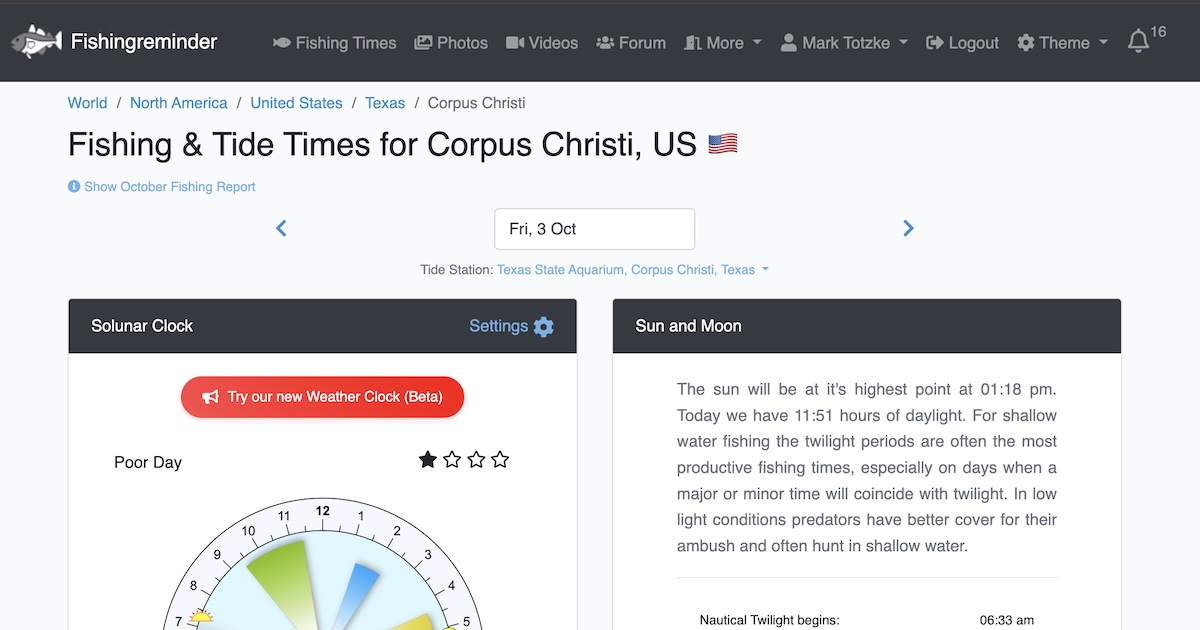
Seasonal clues that help explain today’s bite
Seasonal patterns give context to daily conditions. They do not replace local observations, but they help you choose a starting point.
| Season | Common pattern | Strong starting approach |
|---|---|---|
| Spring | Fish may move toward warming shallows | Fish staging areas and creek arms |
| Summer | Low light and oxygen changes matter | Try dawn, dusk, shade, and deeper water |
| Fall | Bait movement can attract predators | Follow bait near points and current |
| Winter | Fish may hold deeper and move slowly | Use small baits and patient presentations |
In spring, a warm afternoon may improve shallow fishing. In summer, the first and last hours of light often offer relief from heat. In fall, windblown banks and baitfish can be important. In winter, a small temperature change or sunny shallow area may matter.
Ice fishing requires a separate safety plan. Never judge ice by appearance alone. Ice thickness can vary across the same lake due to springs, current, inflows, and pressure cracks. Check local ice reports, carry ice picks, fish with a partner, and take an ice-safety course when possible.

Common mistakes that make fishing seem worse
Many poor results come from a mismatch between method and conditions. The good news is that most mistakes are easy to correct.
Fishing one spot too long
A productive spot deserves time, but an unproductive spot should not control your whole day. Look for clues such as bait, bird activity, current, cover, depth changes, or fish on a fish finder.
If the area gives you no information after several presentations, move 50 to 200 feet or change the depth.
Using line that is too heavy
Heavy line can reduce casting distance and make small lures act poorly. It may still be correct around wood, rocks, docks, or large fish.
Use the lightest practical line that handles the cover and species. Beginners should favor manageable line over the thinnest possible option.
Ignoring hook sharpness
A dull hook can turn a bite into a missed fish. Test a hook point lightly against your fingernail. A sharp point should catch rather than slide.
Replace rusty, bent, or damaged hooks. Saltwater anglers should inspect hooks after each trip.
Overloading a tackle box
More tackle does not always create more skill. Carry a small set of proven lures, spare hooks, sinkers, leaders, pliers, and line.
A compact tackle box helps shore anglers and kayak anglers move with less weight. Gift buyers should avoid buying a huge lure collection without knowing the recipient’s target species.
💡 Pro Tip: Keep a simple fishing log. Write down date, water temperature, weather, water clarity, depth, bait, lure, and results. After several trips, patterns become easier to see.

Cost and gear choices for different anglers
Fishing can cost very little or become an expensive hobby. A useful setup does not need every premium feature.
A basic spincast outfit, hooks, sinkers, bobbers, and live bait can cover simple panfish trips. A stronger spinning combo adds range for bass, trout, catfish, and walleye. Specialized fly, surf, ice, or saltwater gear costs more because the environment demands different materials and lengths.
| Budget level | Practical setup | Best for |
|---|---|---|
| Entry level | Spincast or basic spinning combo, monofilament, simple tackle | Kids, beginners, casual panfish |
| Mid-range | Balanced spinning combo, better drag, spare spool or braid | Bass, trout, walleye, mixed freshwater |
| Specialized | Baitcaster, fly rod, surf rod, ice rod, or saltwater outfit | Experienced anglers with a clear target |
Current pricing ranges from low-cost starter kits to specialized equipment that costs several hundred dollars or more. Check the latest listing because features, warranty terms, and included accessories change.
For a gift, buy the right category before buying the highest price. A child may prefer a light spincast combo. A bass angler may want a specific rod action. A surf angler may need a 9- to 12-foot rod and a corrosion-resistant reel instead.

Regulations, ethics, and conservation
Fishing today is only a good day if it is legal and responsible. Requirements vary by state, species, season, and water body.
📜 Check Local Regulations: Confirm your fishing license, size limits, bag limits, closed seasons, bait rules, hook rules, and tackle restrictions with your state or local wildlife agency. Some areas restrict lead sinkers, barbed hooks, live bait, or fishing methods.
Use barbless hooks when required or when you plan to release fish. Circle hooks can reduce deep hooking when used correctly with natural bait, but do not set them with a hard snap. Let the line come tight, then begin steady pressure.
For catch and release:
- Wet your hands first
- Keep the fish in the water
- Support the body
- Avoid squeezing the belly
- Remove the hook with pliers
- Limit air exposure
- Revive the fish facing into gentle current
- Release it only when it can swim away
Do not leave fishing line, bait containers, hooks, or plastic on shore. Monofilament can injure birds and wildlife. Carry a small trash bag and pick up line when you find it.
Gear care after fishing today
Good care makes fishing gear last longer. Saltwater needs special attention, but freshwater gear also collects sand, grit, sunscreen, and moisture.
Rinse rods and reels with a light stream of fresh water after saltwater use. Wipe them dry. Do not immerse a reel unless the manufacturer says it is designed for that treatment.
Open the bail and loosen the drag before storage. Store rods in a dry place away from direct sun. Remove wet soft plastics from tackle trays because some plastics can damage other lures or melt into box compartments.
| Gear | After each trip | Periodic care |
|---|---|---|
| Rod and guides | Wipe, rinse lightly after saltwater | Check guide inserts for cracks |
| Spinning reel | Wipe dry, loosen drag | Follow maker’s oil and service plan |
| Hooks and lures | Dry before storage | Replace rusted or bent parts |
| Braided line | Inspect for frays | Respool when worn or faded |
| Waders | Rinse and dry fully | Check seams and leaks |
Signs it is time to replace line include rough spots, flat sections, severe memory, unexplained breaks, and visible damage. Replace leaders more often when fishing around rocks, oysters, docks, or toothy fish.
When to change your plan
Change your plan when conditions change or when your evidence is weak. A falling tide, rising wind, muddy runoff, dropping temperature, or heavy boat traffic can move fish and alter presentations.
Experienced anglers often switch depth before switching locations. Beginners may do better by moving to a new area with visible cover. Both approaches can work.
Use a simple decision guide:
- No bites but visible bait: change lure size or speed.
- No bait and no structure: move.
- Missed bites: check hook sharpness and line tension.
- Short strikes: slow down or use a smaller lure.
- Snags: change angle, hook style, or weight.
- Fish follow but do not strike: slow the retrieve or change color.
🔧 Quick Fix: If your line twists on a spinning reel, stop casting, cut off damaged terminal tackle, and let the line trail behind a slowly moving boat or while walking along shore. Re-rig with a swivel when suitable and close the bail by hand.
FAQs about fishing today
Q: How do I know if fishing will be good today?
A: Check a local report, weather, water temperature, water clarity, wind, tide, and recent changes in water level. Then choose a species and location that match those conditions. No forecast can guarantee a catch.
Q: Is fishing better in the morning or evening?
A: Dawn and dusk often provide lower light and cooler conditions, which can help many species feed. The best time also depends on tide, current, season, water temperature, and local pressure. A midday period can still produce fish near shade, deep water, or current.
Q: What is the best bait for fishing today?
A: The best bait depends on the target species and local rules. Worms, minnows, insects, cut bait, shrimp, and prepared baits are common choices. Ask a local bait shop what is fresh and legal for the water you plan to fish.
Q: Is a spinning reel or baitcaster better for beginners?
A: A spinning reel is usually easier for beginners and works with light lures. A baitcaster offers strong control for experienced anglers but takes practice because backlash can tangle the spool. A spincast combo is often the simplest choice for children.
Q: What line should I use for bass fishing?
A: A medium spinning outfit with 8- to 12-pound monofilament or fluorocarbon covers many bass situations. Braided line can help around grass and heavy cover. Match line strength to fish size, cover, lure weight, and water clarity.
Q: Can I use freshwater gear in saltwater?
A: You can use some freshwater tackle for short saltwater trips, but corrosion can damage reels, hooks, swivels, and guides. Saltwater-rated components and careful rinsing are safer choices for regular use.
Q: How long does fishing line last?
A: Line life depends on use, sun, heat, abrasion, storage, and type. Inspect it before every trip. Replace line when it feels rough, shows damage, has severe memory, or breaks under normal pressure.
Q: What should a child bring fishing?
A: Bring a light spincast combo, simple bobber rig, small hooks, safe bait, water, sunscreen, a hat, and a properly fitted PFD when near a boat or kayak. Use barbless hooks where possible and supervise casting and hook removal.
Q: Do I need a fishing license today?
A: Most U.S. states require a fishing license for eligible anglers, with exceptions for age, disability, private ponds, or free-fishing days. Check the current rules from your state wildlife agency before fishing.
Q: Is a fish finder worth it?
A: A fish finder can help boat anglers locate depth, structure, temperature changes, and bait. It does not guarantee fish or replace safe navigation. Shore anglers may gain more from a depth map, local report, polarized sunglasses, and careful observation.
Q: Should I keep fish or release them?
A: Keep fish only when they meet local size and bag rules and you plan to eat them. Release unwanted fish quickly with wet hands and minimal air exposure. Respect protected species and special waters.
Final advice for fishing today
The best fishing plan today is simple: check local information, read the water, choose one target species, and carry gear that fits the conditions. Start at a likely area, make controlled changes, and move when the evidence says the pattern is not working.
Beginners should favor a balanced spinning or spincast setup, light-to-medium line, simple bait, and safe access. Experienced anglers can refine rod power, action, gear ratio, leader length, lure depth, and presentation. Gift buyers should match the equipment to the person’s age, skill, target species, and usual fishing spot.
Fishing success changes with weather, water, fish behavior, and angler choices. You cannot control all of those factors. You can control your preparation, safety, legal compliance, gear care, and respect for the resource. That is how you turn an uncertain fishing day into a useful one.