How To Fish Without A License: Legal Tips & Rules
Fishing without a license can be legal in some situations, but it is not legal everywhere. The rules depend on your state, the water you fish, your age, the species you target, and the date of your trip. A free-fishing weekend, a private pond, or a youth exemption may allow you to fish without buying a license. Fishing without a valid license outside those exceptions can lead to fines, seized gear, or a court date.
The safest approach is simple: learn the rule before you cast. State wildlife agencies publish current license rules, fishing seasons, bag limits, size limits, and special water regulations. A few minutes of checking can protect your wallet and help support the fishery you enjoy.
Quick Answer: Can You Fish Without a License?
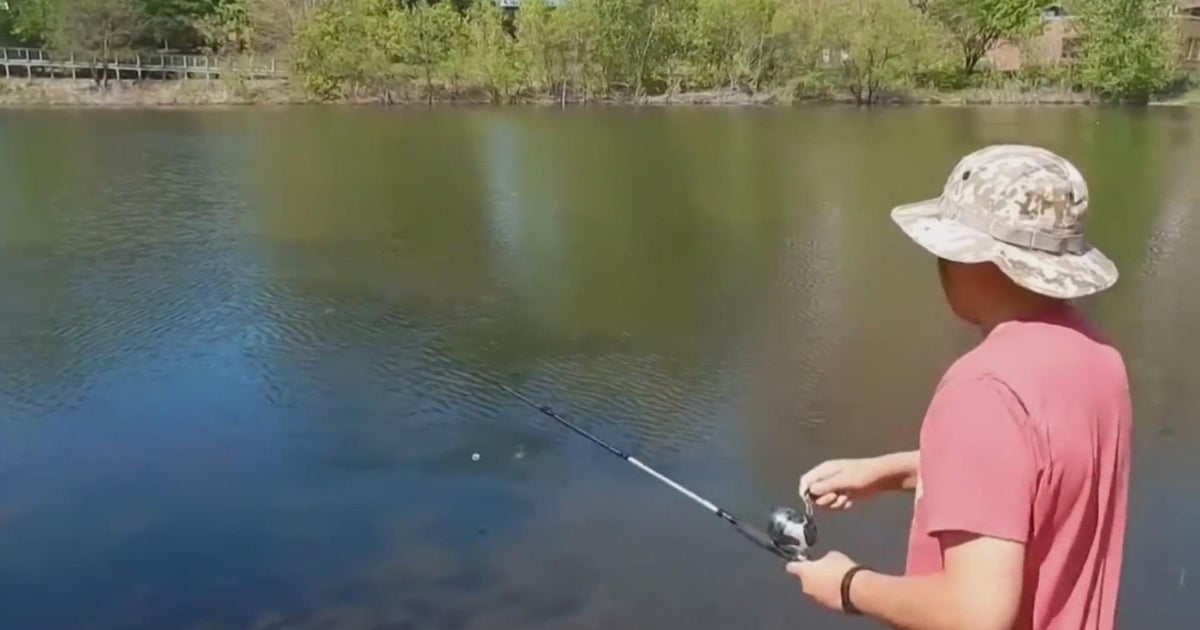
You can fish without a license only when a clear legal exemption applies. Common examples include children below a state-set age, free-fishing days, fishing on some private ponds, disabled angler programs, and certain tribal or senior exemptions. Rules vary by state and water. Check your state wildlife agency before fishing, and follow all size, season, bait, hook, and bag limits even when no license is required.

The Main Rule: Fishing Usually Requires Permission
A fishing license is a state-issued permit that lets you take fish under set rules. It is not a general pass to fish anywhere. A license may cover freshwater fishing, saltwater fishing, or both, depending on the state and the permit type.
Most public lakes, rivers, streams, reservoirs, and coastal waters require a license. This includes shore fishing, pier fishing, kayak fishing, wading, ice fishing, and fishing from a boat. Using a spinning reel, baitcaster, fly rod, telescopic rod, or hand line does not change the rule.
Licenses help state agencies manage fish populations. Fees often support habitat work, stocking, fish surveys, access sites, boating ramps, and conservation enforcement.
Why States Require Fishing Licenses
Fish are a shared resource. Without rules, too many anglers could remove fish during spawning periods or keep more fish than a waterway can replace. Licensing gives wildlife agencies funding and a way to manage fishing pressure.
A license also helps agencies measure participation. That data can guide trout stocking, bass studies, walleye limits, catfish management, and coastal programs for species such as redfish.
A License Does Not Replace Other Rules
Even with a valid license, you may still need to follow:
- Open and closed seasons
- Daily bag limits
- Possession limits
- Minimum and maximum length rules
- Protected species rules
- Bait restrictions
- Tackle limits
- Hook restrictions
- Lead-free tackle rules
- Special lake or river regulations
- Boat registration or access permits
A person fishing legally without a license must still follow these rules. An exemption removes the license requirement only. It does not remove conservation laws.
📜 Check Local Regulations: Before every trip, use the official website of your state fish and wildlife agency. Confirm the exact water, species, date, and license rule. Local signs and park rules may add restrictions.

Legal Ways to Fish Without Buying a Standard License
Several exemptions can make license-free fishing legal. The details differ by state, so treat these as common categories rather than universal rules.
The table below shows situations that often qualify. It is a starting point, not a substitute for checking the current regulation book.
| Legal situation | What may apply | Important limit |
|---|---|---|
| Youth fishing | Children below a set age may not need a license | The age limit varies by state |
| Free-fishing event | A state may waive license requirements on certain dates | Bag, size, and season rules still apply |
| Private pond | Some states exempt fishing in a private pond | The pond may need to meet a legal definition |
| Senior exemption | Some states offer free or reduced licenses | Age and residency rules apply |
| Disability exemption | Special permits may cover some anglers | An application or proof may be required |
| Tribal fishing | Treaty or tribal rules may apply to enrolled members | Verify with the tribe or agency |
| Pay-to-fish pond | A commercial pond may operate under special rules | Ask the business what permit is required |
A key takeaway is that “private property” does not always mean “no license.” A private pond connected to a stream, stocked under a state program, or managed under a special rule may have different requirements.
Fishing on Private Property
Private ponds are one of the most misunderstood exemptions. Some states allow landowners and guests to fish without a state license in a private pond. Other states require a license, especially if the pond connects to public water or has certain management conditions.
The landowner may also set rules for access. You need permission before fishing private property. A license does not give you the right to enter private land.
Ask these questions before casting:
- Is the water fully private?
- Does it connect to a river, creek, or public water?
- Does the state define this pond as exempt?
- Does the landowner require permission or a guest pass?
- Are there special rules for keeping bass, trout, or catfish?
Free Fishing Days
Many states hold free-fishing days or weekends. During these events, residents and visitors may fish without buying a regular fishing license. The dates may differ for freshwater and saltwater fishing.
Free-fishing days are designed to bring in new anglers. They often include family events, loaner gear, casting lessons, and local tournaments. You still need to obey rules on seasons, bag limits, size limits, bait, hooks, and protected species.
Check the exact dates before traveling. A free-fishing event in one state does not apply in another state. It may also cover only public waters inside that state.
Youth, Senior, and Disabled Angler Exemptions
Children often qualify for a license exemption until a certain birthday. Some states set the age at 12, while others use a different limit. A child may still need a trout stamp, saltwater permit, or free registration in some locations.
Senior exemptions also vary. One state may offer a free license to residents above a certain age. Another may offer only a discount. Nonresident seniors may not receive the same benefit.
Disabled angler rules can include free licenses, discounted permits, access permits, or special fishing days. Some programs require a state application, medical proof, or proof of residency.
👪 Parent or Gift-Buyer Note: Never assume a child is covered by an adult’s license. Check the child’s age rule and keep the adult’s license, identification, and any required permit with you.
Commercial Pay Lakes and Stocked Ponds
Some private businesses charge an entry fee instead of requiring a state license. These places may stock trout, catfish, bass, or panfish for customers. The business should clearly explain whether your payment covers the required fishing permission.
Do not confuse a pay lake with a public lake that charges a parking fee. A park entrance fee is not usually a fishing license. A lake may charge both an access fee and require a state license.

Fishing License Exemptions by Angler Type
Your age, residency, purpose, and fishing location can change the rule. The following guide helps you identify the right question to ask before your trip.
| Angler type | Common rule | What to verify |
|---|---|---|
| Child | May fish without a license below a set age | Exact age and whether an adult must supervise |
| Resident adult | Usually needs a state license | Freshwater, saltwater, or combination coverage |
| Nonresident | Often needs a separate nonresident license | Short-term license options and higher fees |
| Active military member | May qualify for a discount or exemption | Residency and service documents |
| Senior resident | May receive a free or reduced permit | Age, residency, and lifetime-license rules |
| Disabled angler | May qualify for a special permit | Medical proof and application timing |
| Landowner | May have an exemption on qualifying private water | State definition of landowner and water type |
| Fishing guide | Usually needs a personal license | Extra guide, charter, or commercial permits |
These categories are not the same in every state. A military exemption in one state may be a discount in another. A landowner exemption may cover only the owner, not friends or guests.
Residents and Nonresidents
Residents usually pay less for a fishing license. A nonresident may buy a one-day, three-day, seven-day, or annual license. Some border waters have special agreements between states.
Do not assume your driver’s license alone proves residency. States may use residency history, tax records, school status, military status, or other documents.
If you travel for bass fishing, trout fishing, surf fishing, or a fishing vacation, check every state where you plan to cast. A license from your home state does not usually cover public water in another state.
Children Fishing With Adults
An adult’s license often covers only the adult. A child may be exempt based on age, but the adult should still know how many fish the child may keep and whether the fish count toward the adult’s bag.
Some states treat a child’s catch as part of the supervising adult’s possession. Other states use separate limits. The rule matters when a family fishes for crappie, panfish, trout, or catfish.
Children should also learn safe handling. Use barbless hooks when practical, keep pliers nearby, and never allow a child to cast near people, pets, roads, or power lines.
Fishing as Part of a School or Event
A school, camp, club, or nonprofit event may have a special permit. That permit may cover participants, or it may cover only the organizers. Ask the event leader for the exact rule.
A fishing tournament may also require a license. Tournament registration is not always a substitute for a state fishing permit. Competitive anglers should check both tournament rules and state regulations.

License-Free Fishing Still Requires Good Gear and Good Judgment
No-license fishing often attracts beginners, parents, and visitors. You do not need expensive gear, but you do need a safe setup that matches the water and fish.
For most first trips, a six- to seven-foot medium-light or medium spinning combo works well. Use 6- to 10-pound monofilament for panfish, trout, and small bass. A medium setup with 10- to 15-pound line can handle larger bass, walleye, and small catfish.
A spincast combo is easy for young children because it reduces line tangles. A spinning reel gives beginners more control and handles light lures well. A baitcaster suits experienced anglers who want accurate casts with heavier lures, but it takes practice to avoid backlash, which is a tangled spool caused by the reel turning faster than the lure.
| Fishing situation | Simple setup | Good match |
|---|---|---|
| Small pond panfish | 5–6 ft light spinning or spincast rod, 4–6 lb monofilament | Beginners and kids |
| Bass from shore | 6’6”–7’ medium spinning rod, 8–12 lb line | New and intermediate anglers |
| Trout stream | 6’–7’ light or ultralight rod, 4–6 lb line | Small lures and bait |
| Catfish in a lake | 7’–8’ medium-heavy rod, 15–30 lb line | Bottom rigs and larger bait |
| Saltwater pier | 7’–9’ medium or medium-heavy rod, 15–30 lb line | Anglers using bait or jigs |
| Ice fishing | 24”–36” light ice rod, 2–8 lb line | Panfish and small trout |
The right setup depends on species, cover, lure weight, and water. A short telescopic rod travels well but may not cast as smoothly as a two-piece rod. A fly rod is excellent for fly presentation but is not the easiest first tool for bait fishing.
Basic Terminal Tackle
Terminal tackle means the small items at the end of your line. A basic kit may include:
- Hooks in sizes 6 through 12
- Bobbers
- Split-shot sinkers
- Barrel swivels
- Soft plastics
- Small jigs
- Live bait
- Fluorocarbon leaders
- Monofilament line
- Needle-nose pliers
- Line cutters
Use a leader when toothy fish, rocks, clear water, or saltwater conditions make the main line more vulnerable. Fluorocarbon is less visible under water and resists abrasion. Braided line offers high strength at a small diameter, but it often works best with a fluorocarbon or monofilament leader.
Landing and Handling Fish
A landing net can reduce stress on fish and prevent last-second drops. Rubber-coated nets are gentle on fins and scales. Pliers help remove hooks, especially when a fish swallows bait.
Wet your hands before touching a fish. Keep it out of water for as little time as possible. Support its body, remove the hook with care, and release it headfirst when local rules allow.
🌿 Conservation Note: Cut discarded line into short pieces and place it in a tackle box or trash bin. Birds, turtles, and small mammals can become trapped in loose fishing line.

What Fishing Without a License May Cost
Avoiding a license is not always cheaper. A basic fishing license may cost less than a citation, and license fees help fund the water you fish. If you qualify for an exemption, the trip may cost only access, bait, and transport.
Current pricing ranges from low-cost one-day permits to higher annual nonresident licenses. Saltwater, trout, salmon, and special species stamps may add fees. Check the latest listing from the state agency because prices and license types change.
| Cost area | Typical range or example | What changes the cost |
|---|---|---|
| One-day license | Often a low-cost option | Resident status and water type |
| Annual resident license | Usually the least expensive annual choice | State and added stamps |
| Nonresident short-term license | Often more than a resident permit | State, duration, and species |
| Saltwater permit | May be separate or combined | Coastal state rules |
| Trout or salmon stamp | May be required for keeping fish | Species and water |
| Access or parking fee | Set by park or landowner | Location and season |
| Basic tackle | Low to moderate starting cost | Rod type, line, bait, and tools |
A one-day permit can be a smart choice for a visitor or gift recipient who fishes once. An annual license often makes more sense for an angler who plans several trips.
Fines and Other Penalties
Penalties depend on the state and the violation. You may face a civil fine, court costs, restitution, loss of fishing privileges, or confiscation of fish and gear. Repeat violations often bring stronger penalties.
Fishing without a license can also create trouble for a boat owner, guide, parent, or host. If you invite someone to fish on private water, confirm that every angler meets the legal requirements.
Is a License Worth the Money?
For regular anglers, yes. A license is often one of the smallest costs in the sport. It supports habitat, access, hatcheries, research, and enforcement.
For a visitor who fishes once, a short-term license may be better. For a child below the exemption age, no license may be needed. The best choice depends on your plans, not on the price alone.

Pros and Cons of Fishing Without a License
Fishing without a license is sensible only when the law clearly allows it. It can be useful for a free-fishing event or a young angler, but it is risky when based on guesswork.
| Pros | Cons |
|---|---|
| May lower the cost for eligible anglers | Rules vary by state and water |
| Makes free-fishing events easy to join | A mistaken exemption can lead to a fine |
| Helps children try fishing | Adults may wrongly assume a child is covered |
| Works at some private ponds | Private water may still have state rules |
| Can support beginner events | Bag, size, and season rules still apply |
The main lesson is simple: an exemption should be clear, current, and tied to the exact place you plan to fish. If you cannot confirm it, buy the proper license or contact the local agency.
Common Myths About Fishing Without a License
Many license problems start with advice passed from one angler to another. A rule that was true years ago may have changed. A rule that applies to one lake may not apply to the next lake.
“I Am Only Using Live Bait”
The type of bait does not usually remove the license requirement. Live bait, soft plastics, crankbaits, jigs, and flies all count as fishing. Some states regulate bait collection, transport, or use.
You may also need to use legal bait for the water. Wild-caught minnows can spread disease or invasive species when moved between waters.
“I Am Releasing Every Fish”
Catch and release does not always remove the need for a license. In many states, attempting to catch fish still counts as fishing. This includes casting lures, drifting flies, setting bait, and ice fishing.
Release fish carefully, but check the license rule first.
“I Am on a Boat, So the Owner’s License Covers Me”
A boat owner’s license usually does not cover every person on board. Each angler may need a personal license unless an exemption applies. Some charter trips operate under special rules, but you should ask the captain before the trip.
A charter may cover certain saltwater species through a vessel license. That coverage is not universal and may not include every fish.
“The Lake Is in a State Park, So Fishing Is Free”
State parks may charge entry or parking fees, but public-water fishing rules still apply. Some parks have special permits or daily access cards. Read posted signs and check the park website.
“I Can Fish Until I Keep a Fish”
In many places, the act of attempting to catch fish requires a license. Waiting to buy a license until a fish bites does not protect you from enforcement.

How to Check the Rule Before You Go
The best way to confirm a fishing license exemption is to use official sources. Do not rely on an old forum post, a friend’s memory, or a social media comment.
Follow this process:
- Identify the exact state and water.
- Decide whether you will fish freshwater, saltwater, or both.
- Check your age, residency, and exemption category.
- Read the current fishing regulations.
- Look for special species stamps or permits.
- Check open seasons, bag limits, size limits, and tackle rules.
- Save a digital copy or photograph of the rule.
- Carry identification and any required proof.
Sources You Can Trust
Start with the state fish and wildlife agency. Many agencies offer online license portals, regulation PDFs, mobile apps, and helplines.
Other useful sources include:
- Park offices
- Bait and tackle shops
- Public fishing access signs
- Tribal natural resource offices
- Harbor or marine offices
- Licensed fishing guides
- State conservation officers
A local tackle shop can explain common rigs, legal bait, and popular access points. However, the state agency remains the final source for legal requirements.
What to Carry
Even when you qualify for an exemption, carry:
- Government identification
- Proof of age
- Residency documents if relevant
- Disability or military documents if required
- A copy of the exemption
- Emergency contact information
- Phone with a charged battery
A photo of a license or exemption may not replace the original document in every state. Check how the agency handles digital proof.

Safety Matters on a License-Free Fishing Trip
A license exemption does not make the water safer. Wear a U.S. Coast Guard-approved personal flotation device when boating, kayaking, or fishing from an unstable platform. Children should wear a properly fitted life jacket near the water, even on shorelines with steep banks or slippery rocks.
Tell someone where you plan to fish and when you expect to return. Check weather, water levels, wind, heat, and storm warnings before leaving.
Shore and Pier Fishing
Wear shoes with good grip. Keep hooks, knives, and pliers secured. Stand back from the edge, and never climb a rail to reach a fish.
Pier anglers should watch for exposed hooks, crowded casting lanes, strong waves, and changing tides. Use a headlamp after dark and avoid fishing alone on an unfamiliar pier.
Wading and Stream Fishing
Use a wading belt with chest waders. A wading staff can help on slippery rocks. Do not cross water that is rising, cloudy, or moving faster than expected.
Cold water can disable an adult quickly. If you fall, turn onto your back, point your feet downstream, and move toward shore when safe.
Ice Fishing
Never judge ice safety by appearance alone. Ice thickness can vary near springs, inlets, outlets, bridges, vegetation, and moving water. Check local conditions, carry ice picks, wear a flotation suit when appropriate, and fish with a partner.
Tell someone your plan and avoid new ice after warm weather, rain, or strong wind. A professional ice safety course is a good idea for new anglers.
⚠️ Safety Warning: A fishing license does not give you access to unsafe ice, closed land, private property, or restricted water. Follow signs, wear a PFD on boats and kayaks, and leave when weather or water conditions change.
Conservation Rules Still Apply
Fishing without a license can still be a positive introduction to conservation. Learn the rules, keep only what you will use, and release unwanted fish with care.
Use circle hooks when required for certain saltwater fisheries. A circle hook often catches in the corner of the mouth when used correctly with bait. Do not jerk hard when a fish takes line unless the local rule or technique calls for it.
Follow these catch-and-release steps:
- Wet your hands.
- Keep the fish close to the water.
- Support the belly and tail.
- Remove the hook with pliers.
- Cut the line near the hook if it is deeply swallowed.
- Avoid squeezing the fish.
- Limit air exposure.
- Return it gently.
Do not keep protected species for a photograph. Do not move fish, bait, plants, or water between lakes. Invasive species can damage native fish and wildlife.
Handling Kept Fish
If you keep fish, follow the legal length and bag limit. Measure fish on a flat board or ruler. Some rules use total length, fork length, or another measurement method.
Keep fish cool. A clean cooler with ice is better than leaving fish on a stringer in warm water. Check whether a stringer is allowed and whether the water has special rules for live storage.
Choosing a License Instead of Using an Exemption
Sometimes buying a license is the simplest choice. If the rule seems unclear, a low-cost short-term permit can remove doubt. It also lets you fish in more places during the permit period.
A license is especially practical for:
- Adults fishing public water
- Nonresidents traveling to fish
- Anglers targeting trout or salmon
- Saltwater anglers
- People fishing several lakes
- Visitors using a guide or charter
- Anglers keeping fish for food
- Families unsure about youth rules
Short-Term Versus Annual Licenses
A short-term license suits a one-time trip, vacation, or trial outing. An annual license usually costs less per trip for regular anglers. A combination license may cover freshwater and saltwater fishing or include hunting privileges.
Compare the full cost, not just the base price. Add trout stamps, salmon stamps, saltwater permits, processing charges, and access fees.
License Options for Beginners
Beginners often benefit from a simple resident annual license or a short-term permit. Avoid buying a specialty stamp unless you plan to target that species. Ask the agency whether a combination license covers your planned water.
For a gift buyer, a license gift card or agency voucher may be better than guessing the recipient’s state, residency, or age status.

When a Local Tackle Shop or Guide Can Help
A local tackle shop can answer practical questions that regulations alone may not cover. Staff can suggest line test, hook size, bait, lures, access points, and safe launch areas.
Tell the shop:
- Your target species
- Freshwater or saltwater
- Shore, pier, boat, kayak, or ice fishing
- Your skill level
- Your budget
- Whether children will fish
- Whether you plan to keep fish
For bass from shore, a 6’6” to 7’ medium spinning rod with 8- to 12-pound line is a useful starting point. For trout in a small stream, a light rod and 4- to 6-pound line may cast small lures more easily. For catfish, choose stronger line and a rod that can handle sinkers and bait.
A guide can also explain local currents, tides, weather, boating hazards, and species rules. Guides must follow licensing laws too, so ask what is included in the trip price.
Questions to Ask Before You Buy
Ask about:
- The exact license for the water
- Any trout, salmon, or saltwater stamp
- Legal hook and bait choices
- Bag and size limits
- Public access and parking
- Current water conditions
- Safe places for children
- Whether your rod and line suit the target fish

Common Mistakes to Avoid
Most problems are easy to prevent. The biggest mistake is assuming that a familiar rule applies everywhere.
Mistake 1: Trusting Old Information
Regulations change. Read the current guide for the current season. Check again before a planned trip, especially when traveling across state lines.
Mistake 2: Confusing a License With a Stamp
A base fishing license may not cover trout, salmon, shellfish, or special saltwater species. Read the species section carefully.
Mistake 3: Ignoring Private Pond Rules
Ask permission and verify the state rule. Private property affects access, but it does not always remove licensing laws.
Mistake 4: Forgetting Nonresident Rules
A visitor’s license may cost more and may have different season dates. Buy the correct permit before fishing.
Mistake 5: Keeping Fish Without Measuring
A legal license does not allow undersized or over-limit fish. Carry a small measuring board and learn how to count possession.
Mistake 6: Leaving Gear Behind
Old monofilament, braided line, hooks, bait containers, and soft plastics harm wildlife. Pack out every item.
| Problem | Better action |
|---|---|
| Unsure if a child needs a license | Check the state age rule before leaving |
| Private pond owner says “no license needed” | Confirm the water meets the state exemption |
| Fishing across a state border | Check both states and boundary-water rules |
| Targeting trout | Check for a trout stamp and special season |
| Fishing from a charter boat | Ask whether the vessel license covers your species |
| Planning catch and release | Confirm that an attempt to fish still requires a license |
| Unsure about free-fishing day | Check official dates and participating waters |
The best habit is to verify the rule before packing the rod. It takes less time than dealing with a citation at the water.

Frequently Asked Questions
Q: Is it illegal to fish without a license?
A: It is illegal when you fish in a place or situation that requires a license and you do not have one. It may be legal under a valid exemption, such as a free-fishing day, youth rule, or qualifying private pond. Check your state’s current regulations before fishing.
Q: Can kids fish without a license?
A: Many states exempt children below a certain age. The age limit differs by state. Some states also have rules about whether the child’s catch counts toward an adult’s bag limit. Confirm the exact rule before the trip.
Q: Can I fish on my own private property without a license?
A: Sometimes, but not always. Some states exempt fishing in qualifying private ponds. The exemption may not apply if the pond connects to public water or fails the state definition. You also need permission for guests and must follow fish, season, and size rules.
Q: Do I need a license if I release every fish?
A: Often, yes. Many states require a license when you attempt to catch fish, even if you release them. Catch and release does not automatically create a license exemption.
Q: Can I fish during a free-fishing weekend without a license?
A: Usually, yes, on the dates and waters covered by the event. You must still obey bag limits, size limits, closed seasons, bait rules, hook restrictions, and protected species laws. Check the official event notice.
Q: Does a fishing license cover saltwater and freshwater?
A: It depends on the state. Some states sell a combination license. Others use separate freshwater and saltwater licenses or add-on permits. Check the license description before fishing.
Q: Does a boat license cover everyone on board?
A: Usually not. A boat registration and a fishing license are different documents. A charter vessel may have special coverage for some fisheries, but ask the captain what applies to each angler and species.
Q: Can tourists fish without a license?
A: Tourists usually need a nonresident license when fishing public water. Some states offer short-term permits. A free-fishing day or private-water exemption may apply, but you must verify it for the exact location.
Q: Do I need a license to fish with a fly rod?
A: The fishing method usually does not matter. Fly fishing, bait fishing, lure fishing, ice fishing, and kayak fishing may all require a license. The water and angler’s exemption determine the rule.
Q: Do I need a license to fish in a pay-to-fish pond?
A: It depends on the business and state law. Some commercial ponds operate under a special permit or charge a fishing fee. Ask the operator whether your payment covers the state license requirement.
Q: What happens if a conservation officer checks me?
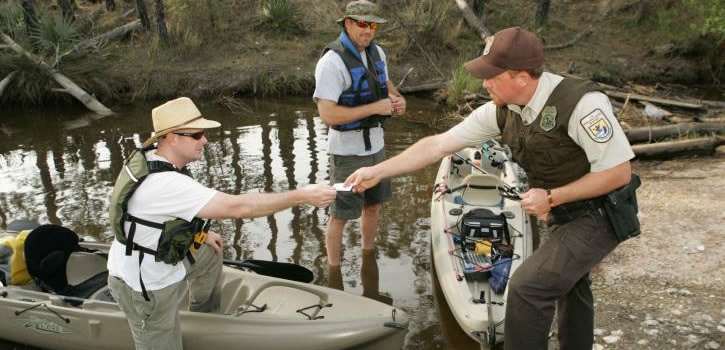
A: Stay calm and follow instructions. Show your license, identification, or proof of exemption. Keep your fish and gear available for inspection, and answer questions honestly. Arguing about an unclear rule at the water will not improve the situation.
Q: Can I fish without a license on a free fishing day and keep fish?
A: Often, yes, if the species and water are included in the event. You must still follow daily limits, length rules, possession limits, and closed seasons. Some free-fishing events waive only the license requirement.
Q: Is a one-day license better than fishing under an exemption?
A: If the exemption is clear, you do not need to buy a license. If the rule is uncertain, a one-day license may be a simple way to avoid mistakes. Compare the permit cost with the risk of an incorrect assumption.
Q: How can I check fishing regulations quickly?
A: Visit your state fish and wildlife agency website, use its license portal or regulation guide, call the agency, or ask a local tackle shop for help. Confirm the exact water, date, species, and angler category.
Final Advice
Fishing without a license is legal only when a specific rule allows it. The most common paths are youth exemptions, free-fishing days, qualifying private ponds, special senior or disability programs, tribal rules, and some commercial pay lakes.
Do not rely on habit or hearsay. Check the current state regulation, confirm the exact water, and follow every rule that still applies. Bring simple gear, wear the right safety equipment, handle fish with care, and leave the shoreline cleaner than you found it.
When no exemption clearly applies, buying the proper license is the smart choice. It protects you, supports fisheries, and keeps the focus where it belongs: enjoying time on the water.