Shore Fishing Tips to Catch More Fish From Land
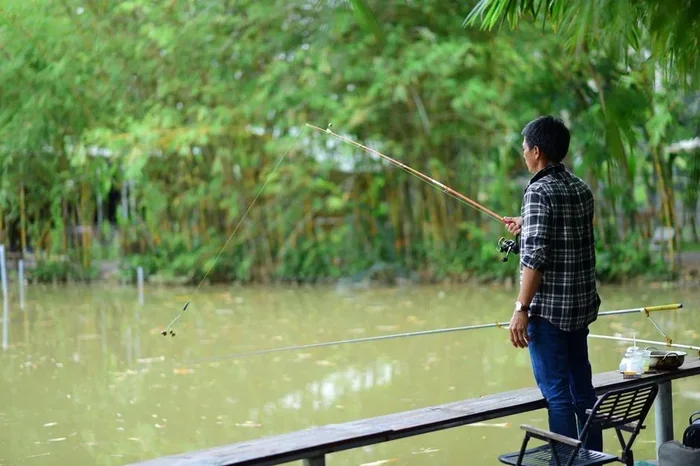
Shore fishing puts productive water within reach without a boat, a trailer or a complicated plan. The key is learning how fish use edges, depth changes, current, shade and food close to land. With the right approach, you can catch bass from a neighborhood pond, trout from a riverbank, panfish from a dock, redfish from a marsh edge or striped bass from a rocky point.
Land-based anglers often struggle because they stand in one place and cast straight out until something bites. A better plan is to treat the bank like a series of small targets. Every cast should test a likely holding area, a different depth or a new angle.
Shore Fishing Tips That Start With Location
The best land-based spots are rarely the most comfortable places to stand. Fish use structure and cover for food, protection and temperature control, so your job is to find where those features come within casting range.
Look first for transitions. A shallow flat that drops into deeper water, a gravel bank that turns to mud, a weedline next to open water or a current seam beside slack water can all concentrate fish. Good shore fishing begins with noticing these changes before you ever open your tackle box.
Man-made access can be excellent too. Bridges, culverts, docks, boat ramps, riprap banks and seawalls often create shade, current breaks and ambush points. Give these areas extra attention at low light, after rain or when baitfish are visible near the surface.
| Shore feature | Why fish use it | Best way to fish it |
|---|---|---|
| Weed edge | Holds insects, baitfish and cover | Cast parallel to the edge and pause often |
| Point | Funnels moving fish around a corner | Fan cast both sides and the tip |
| Creek mouth | Brings food, oxygen and cooler water | Fish the seam where flows meet |
| Riprap | Crawfish, minnows and shade pockets | Use slow bottom contact or small swimbaits |
| Dock or pier | Shade and vertical structure | Skip or pitch beside posts and shadows |
Time Your Trip Around Fish Movement
Fish do not feed equally all day. In ponds and lakes, early morning and late evening usually put more fish within reach because light is lower and shallow water cools. On hot, bright days, fish may slide deeper or tuck tight to shade by midafternoon.
In rivers, current matters as much as the clock. Moderate flow often positions fish behind rocks, logs, bridge pilings and inside bends where they can hold with less effort. After heavy rain, muddy water may push fish tight to the bank, into eddies or into backwater pockets.
In saltwater, tides are a major driver. Moving water carries bait, crabs, shrimp and scent past feeding fish. Use NOAA Tide Predictions for coastal planning, then watch which stage of the tide gives your spot clean water, current and reachable depth. Shore fishing improves quickly when you stop thinking only about the hour and start thinking about fish movement.
A simple fishing log helps. Write down the date, water level, weather, wind direction, lure or bait and what happened. After a few trips, patterns show up that are easy to miss from memory alone.
Pack Light, But Bring Gear That Solves Problems
You do not need a truck full of tackle to fish effectively from land. In most freshwater situations, a 6 foot 6 inch to 7 foot medium spinning rod with 8 to 12 pound line will handle bass, panfish, stocked trout and catfish. For bigger rivers, rocky banks or light surf, step up in length and line strength so you can cast farther and steer fish away from snags.
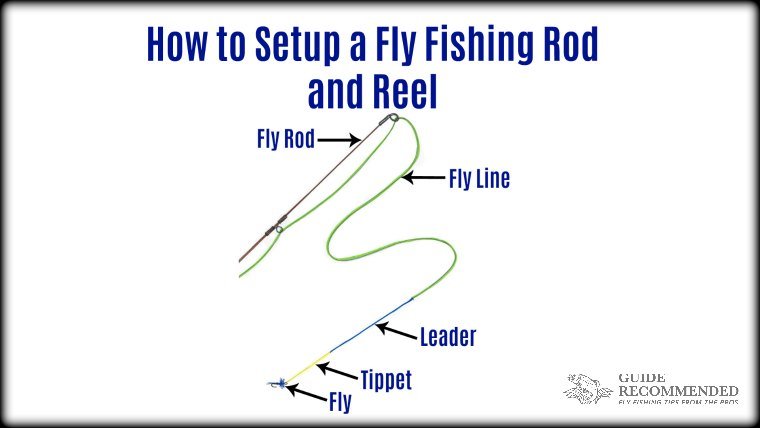
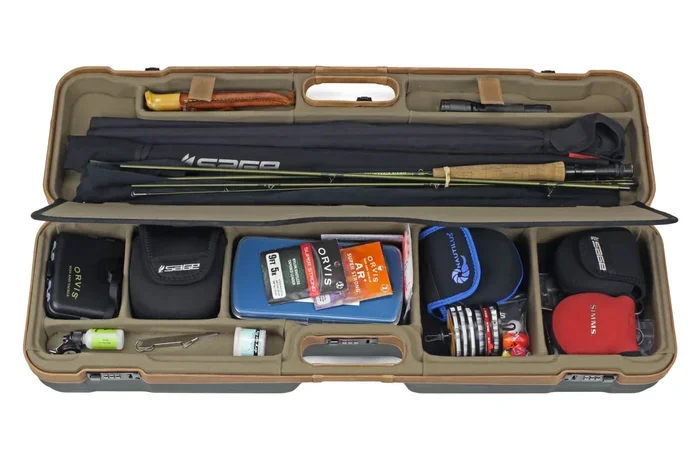
For shore fishing, a balanced setup matters more than owning the most expensive rod. If you are still learning the basics of line, leaders, knots and reel setup, this step-by-step fishing rod setup guide is a useful place to tighten up the fundamentals before your next trip.
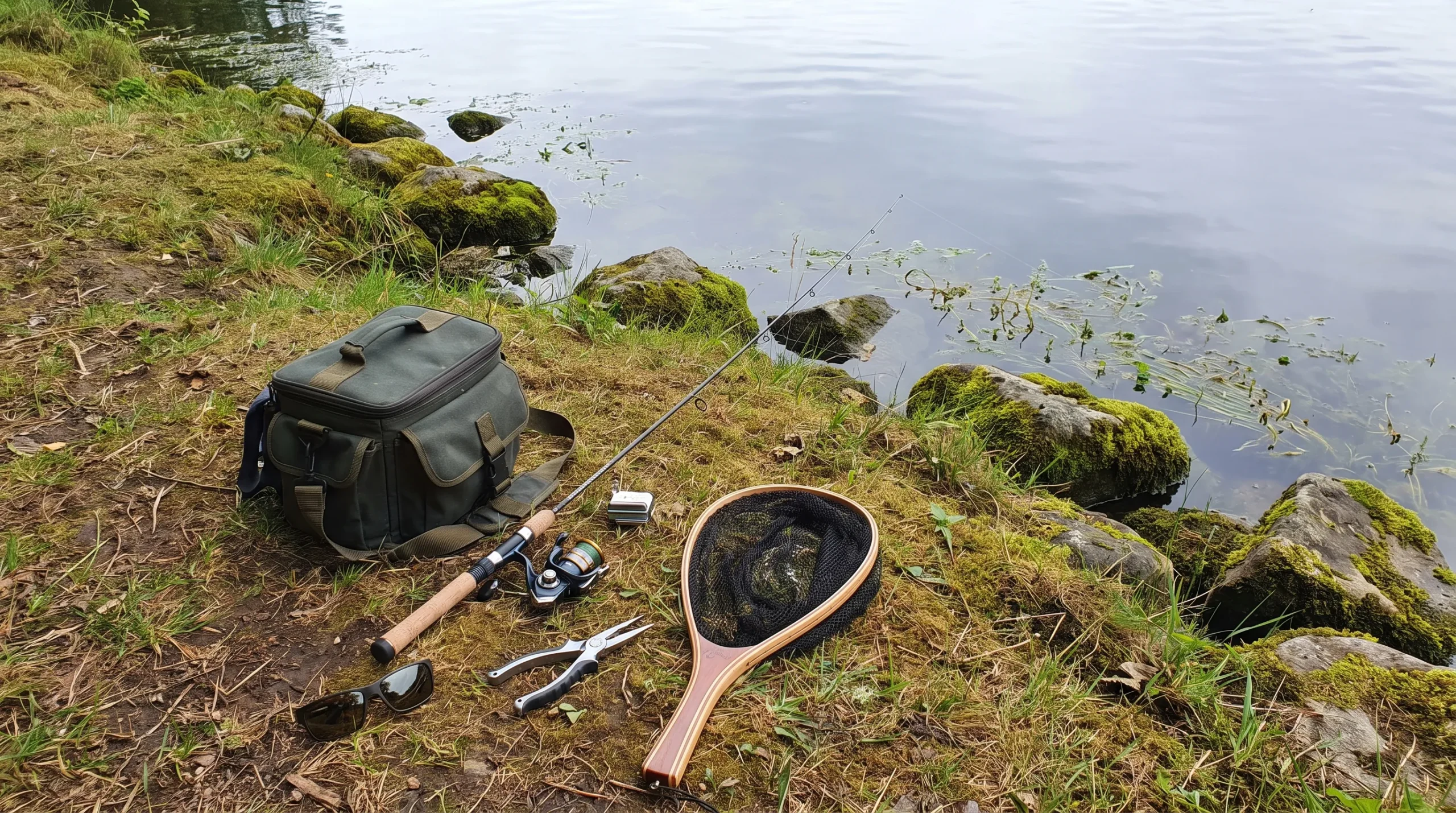
Bring only what helps you solve common bank problems: changing depth, covering water, fishing cover, detecting subtle bites and landing fish safely. A small backpack or sling bag usually beats a bulky tackle box because you can keep walking until you find active fish.
| Item | Practical reason to carry it |
|---|---|
| Needle-nose pliers | Hook removal, split rings and small repairs |
| Clippers or scissors | Clean line cuts for stronger knots |
| Polarized sunglasses | Spot cover, depth changes and following fish |
| Small landing net | Safer landings from steep or rocky banks |
| Measuring tool | Helps follow slot limits and length rules |
| Trash bag | Packs out line, bait containers and litter |
Use Rigs That Fit the Water in Front of You
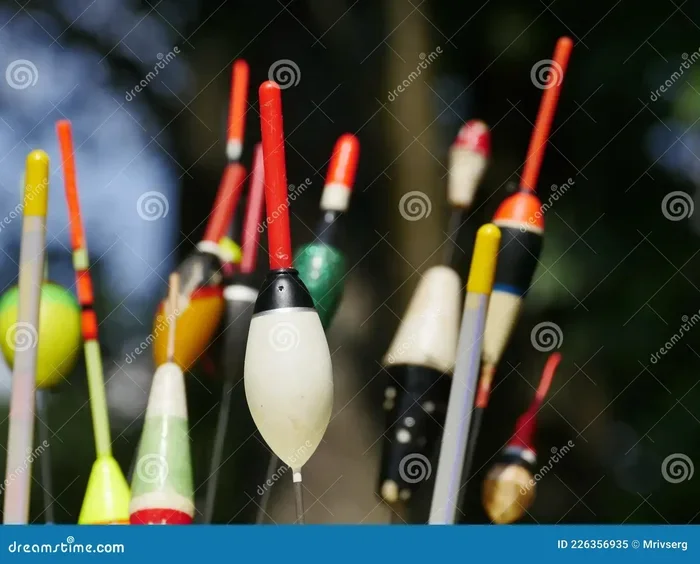
The best rig is the one that presents your bait naturally where fish are feeding. If fish are suspended under docks, along weed edges or in shallow ponds, a slip bobber lets you set depth precisely and keep bait in the strike zone. For bottom feeders like catfish, carp, drum or surf species, a sliding sinker rig allows fish to take bait with less resistance.
A drop shot works well from shore because it keeps the bait above bottom debris while staying in one place. In rocky water, a lighter weight can save you from constant breakoffs. Around weeds, a weedless soft plastic or Texas rig gives you a better chance of bringing the lure back clean.
Good shore fishing rigs are simple, adjustable and easy to retie. If you spend more time untangling than casting, simplify. Fewer swivels, shorter leaders and matching sinker weight to the current can make the difference between a frustrating trip and a steady bite.
Cast for Angles, Not Just Distance
Long casts help in some places, especially beaches, reservoirs and clear lakes, but many fish are closer than anglers think. The first mistake is walking right to the edge and launching a cast over the water you should have fished first.
Stop several steps back from the bank and make your first casts along the shoreline. Cast parallel to weedlines, rock edges, undercut banks or shade lines before you cast straight out. This keeps your lure in productive water longer and avoids spooking fish sitting close to land.
Good shore fishing casting is controlled and repeatable. Aim for quiet landings, accurate placement and useful retrieve angles. If you need more distance for surf, big lakes or wide rivers, work on loading the rod smoothly and releasing at the right point. The guide on casting a fishing rod farther breaks down the mechanics without turning it into guesswork.
Match Bait and Lures to What Fish Are Eating
The safest starting point is to match local forage. In ponds, that often means bluegill, minnows, crawfish, worms, insects or frogs. In rivers, fish may key on shad, sculpins, crayfish, nymphs or drifting worms after rain. Along coasts, shrimp, crabs, sand fleas, mullet, menhaden and small baitfish often shape the bite.
Bait choice in shore fishing should also match water clarity. In clear water, natural colors and smaller profiles often draw more bites. In stained water, vibration, scent, flash or a larger silhouette can help fish find the offering. Scented soft plastics, live worms, cut bait and fresh shrimp all have their place when visibility is low.
For lures, carry a small spread instead of every color in the store. A spinnerbait or inline spinner covers water, a soft plastic worm or creature bait works slowly around cover, a jig reaches bottom, a small swimbait imitates baitfish and a topwater can be excellent at dawn or dusk. In saltwater, spoons, bucktails, paddletails and plugs are dependable choices from beaches, jetties and marsh banks. For more coastal detail, Top Fishing Guide has a deeper breakdown of saltwater fishing tips for better catches.
Work Each Spot Like a Grid
Many anglers leave fish behind because they make three random casts and move. A better method is to cover the water in lanes. Start close, then middle distance, then far. Work left to right or shallow to deep. Change retrieve speed before changing lures.
A simple shore fishing rotation might look like this: five casts parallel to the bank, five casts to visible cover, five casts to deeper water and five casts with a slower retrieve. If nothing happens, change one variable. Try a different depth, smaller lure, heavier sinker or new angle before walking away.
Pay attention to small clues. A swirl near weeds, birds dipping at bait, minnows scattering, bubbles along mud, a sudden tap on the line or one missed strike can reveal the pattern. When you catch a fish, repeat the exact cast angle, depth and retrieve before doing anything else.
This method is especially useful with kids or beginners because it gives the outing a clear rhythm. Instead of waiting passively, everyone is testing the water and learning what the fish prefer that day.
Stay Stealthy on the Bank
Fish close to shore feel vibration and see movement. Heavy footsteps on docks, throwing a tackle bag on a pier or standing against the sky on a high bank can shut down shallow fish fast. Move slowly and use cover behind you when possible.
Wear muted clothing if the water is clear and the bank is open. Keep your shadow off the water during low sun. If you are fishing a pond or small creek, crouch or stay back from the edge until you have made your first few casts.
Safe shore fishing also depends on choosing stable footing. Wet rocks, clay banks, steep riprap and algae-covered concrete are common causes of falls. Shoes with grip, a headlamp for dawn or night trips and a compact first aid kit are worth the space. On jetties, big rivers and cold water banks, a personal flotation device is a smart choice, even if you are not in a boat.
Follow Rules Before You Keep Fish
Regulations can change by state, waterbody, season and species. Before you keep anything, check license requirements, length limits, creel limits, bait restrictions and special rules for the specific water you plan to fish. Some waters are catch and release only. Others have slot limits, protected spawning areas or gear restrictions.
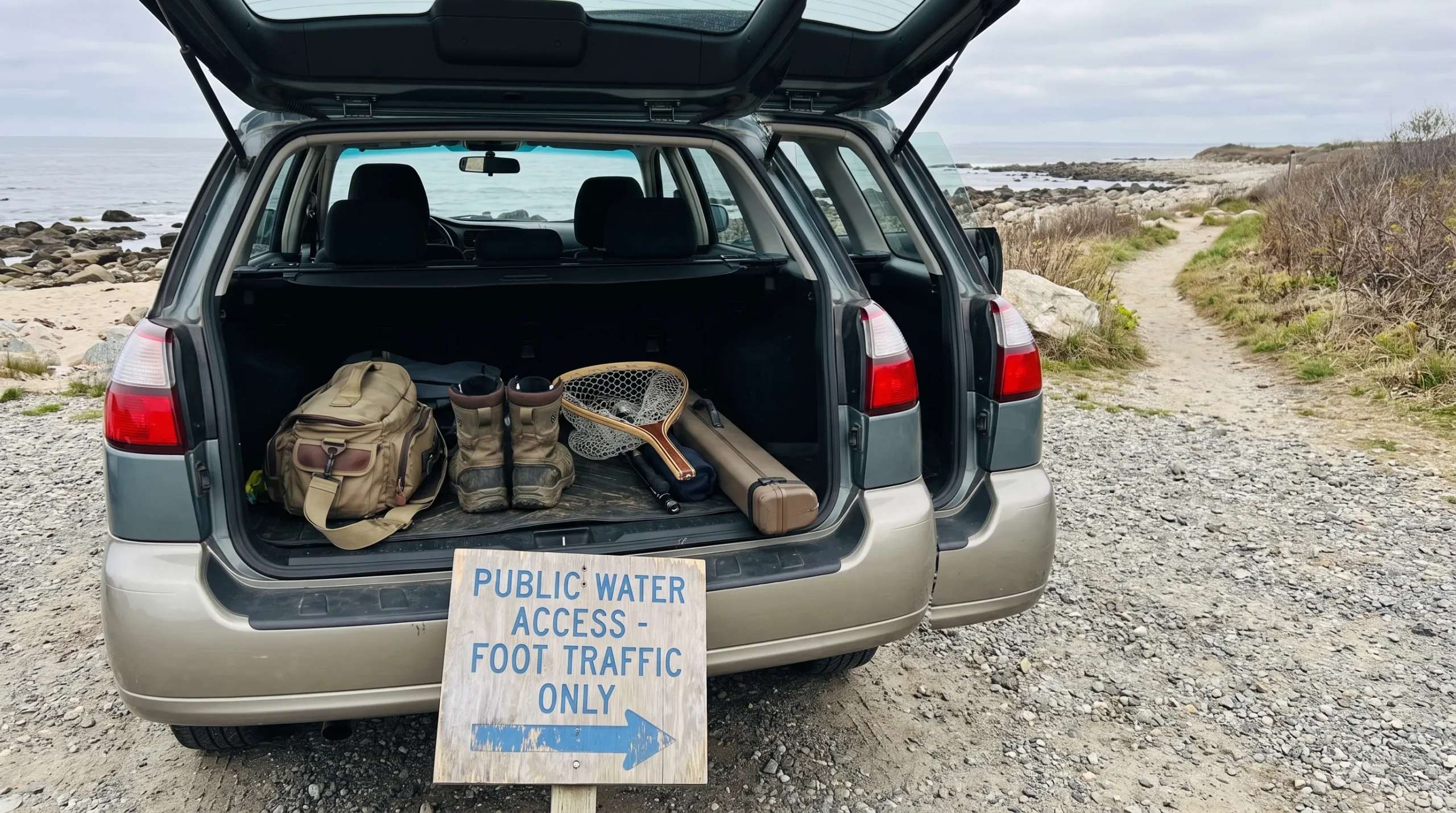
Shore fishing access rules matter too. Public water does not always mean public bank access, so look for posted signs, parking rules and property boundaries. When in doubt, use official public access points, city parks, state wildlife areas and marked fishing piers.
Good etiquette keeps access open. Pack out line and bait containers, give other anglers room, keep music low, avoid blocking boat ramps and handle fish quickly if releasing them. A clean, respectful bank is easier to defend when communities decide whether fishing access should remain open.
Common Mistakes That Cost Bank Anglers Fish
Small habits make a big difference from land because you usually have fewer angles than someone in a boat. Clean up these mistakes first:
- Walking straight to the water before casting near the edge
- Using sinkers that are too heavy for calm water
- Fishing one lure at one speed all day
- Ignoring windblown banks where food is pushed toward shore
- Setting the drag too tight before a fish runs
- Leaving too soon after one bite or one follow
- Using old line that breaks at the knot
The fix is not complicated. Slow down when you arrive, study the water, test the closest targets and make each cast answer a question. Shore fishing rewards anglers who keep adjusting instead of blaming the spot too early.
Frequently Asked Questions
What is the best setup for shore fishing? A medium spinning rod around 6 foot 6 inches to 7 feet, a matching spinning reel and 8 to 12 pound line will cover many freshwater situations. For surf, big rivers or larger fish, use a longer rod, stronger line and heavier terminal tackle.
Is live bait or lures better from shore? Both work. Live bait is excellent when fish are inactive or feeding by scent, while lures help you cover water and find aggressive fish. Many anglers carry worms, minnows or shrimp plus a few confidence lures.
How far do I need to cast from land? Not always far. Many fish feed within a few feet of the bank, especially near weeds, rocks, docks and shade. Cast close first, then work outward only after you have covered the nearby water.
What time of day is best for fishing from the bank? Early morning and evening are reliable because fish often move shallow in low light. In rivers and saltwater, current and tide can matter more than the clock, so plan around moving water when possible.
Can I catch big fish without a boat? Yes. Big fish use shoreline cover, feeding lanes and shallow water when conditions are right. Focus on prime windows, low light, current, windblown banks and places where deep water comes close to shore.
Make Your Next Land-Based Trip Count
You do not need perfect gear or a secret spot to catch more from land. You need a clear plan: find edges, time movement, stay quiet, fish the close water first and adjust one variable at a time.
For more practical how-to help, gear guidance and location-based advice, explore Top Fishing Guide before your next trip. A few better decisions on the bank can turn an ordinary outing into the kind of day you remember.