What Are Bobbers Used for in Fishing? The Secret for More Fish Bites (2026)
Bobbers, also known as fishing floats, are essential tools that suspend your bait at a specific depth and signal when a fish bites. They help anglers of all skill levels detect strikes, control bait presentation, and fish more effectively in various water conditions. This beginner’s guide covers everything you need to know about choosing, rigging, and using bobbers to start catching more fish today.
If you’ve ever watched someone fish from a dock or riverbank, chances are you noticed that colorful little float sitting on the water. That small but mighty tool is called a bobber, and it’s one of the most important pieces of fishing equipment you’ll ever use. Whether you’re targeting bluegill in a quiet pond or casting for trout in a moving stream, a fishing bobber can make the difference between a frustrating day and a successful one.
So what exactly are bobbers used for in fishing? At their core, fishing floats serve two critical purposes. They keep your bait suspended at a predetermined depth, and they act as a visual bite indicator. When a fish nibbles or fully takes your bait, the bobber reacts. It might dip below the surface, slide sideways, or jiggle in place. That movement tells you it’s time to set the hook.
For beginners especially, bobbers are a game-changer. They take much of the guesswork out of fishing. Instead of trying to feel a subtle bite through your line, you can simply watch the bobber and react when something happens. It’s intuitive, effective, and honestly pretty exciting when that float suddenly disappears beneath the water.
In this comprehensive guide, we’ll break down everything you need to know about bobbers. We’ll cover the different types, how to rig them properly, when to use them, and plenty of practical tips to help you get started. Let’s dive in.
Key Takeaways
- Bobbers detect bites: A fishing bobber’s primary job is to float on the water’s surface and dip, bob, or disappear when a fish takes your bait, giving you a clear visual signal to set the hook.
- They control bait depth: By adjusting where the bobber sits on your line, you can present your bait at the exact depth where fish are actively feeding.
- Multiple types exist: From classic round bobbers to slip bobbers and lighted options, each type serves a different fishing situation and target species.
- Setup matters: Properly rigging your bobber with the right weight, hook size, and leader length makes a huge difference in your success rate.
- Bobbers work for all skill levels: Whether you’re a complete beginner or a seasoned angler, bobbers remain one of the most versatile and effective tools in fishing.
- They help with casting distance: The added weight of a bobber helps you cast lightweight bait farther, which is especially helpful when fishing from shore.
- Reading the water: Learning to read your bobber’s behavior helps you understand fish activity and adjust your strategy in real time.
📑 Table of Contents
- What Is a Bobber and How Does It Work?
- Different Types of Bobbers and Their Uses
- How to Set Up a Bobber Rig: Step-by-Step Guide
- When and Where to Use Bobbers for Fishing
- How to Read Your Bobber: Understanding Bite Signals
- Common Mistakes Beginners Make with Bobbers
- Advanced Bobber Fishing Techniques
- Bobber Fishing Gear Recommendations for 2026
- Frequently Asked Questions About Bobber Fishing
- Final Thoughts: Start Fishing with Bobbers Today
What Is a Bobber and How Does It Work?
A bobber, also known as a fishing float, is a lightweight buoyant device that attaches to your fishing line. It sits on or near the water’s surface while your hook and bait hang below at a set depth. The basic principle is simple. The buoyancy of the bobber keeps everything afloat until a fish interacts with the bait.
When a fish bites, it pulls the bait downward. This creates tension on the line, which transfers to the bobber. The bobber then dips, bobs, tilts, or submerges entirely. That visual cue is your signal to reel in the slack and set the hook with a quick upward motion of your rod.
The Science Behind Buoyancy
Bobbers work because of buoyancy, the same principle that keeps boats afloat. A bobber is made from materials that are less dense than water. Common materials include plastic, foam, balsa wood, and cork. Each material offers different buoyancy levels, sensitivity, and durability.
The key is balance. Your bobber needs to be buoyant enough to float your hook, bait, and any split shot weights you’ve added. But it also needs to be sensitive enough to react when a fish gently takes the bait. Finding that balance is part of the art of fishing with floats.
Why Bobbers Are Perfect for Beginners
If you’re just getting started with fishing, bobbers are your best friend. They eliminate the need to develop a sensitive touch for detecting bites. You don’t have to learn to feel the subtle vibrations that travel through a fishing line. Instead, you rely on your eyes.
This visual feedback loop makes learning to fish much more accessible. Kids, adults, and anyone new to the sport can start catching fish almost immediately when using a bobber. It builds confidence and keeps the experience fun rather than frustrating.
For more foundational knowledge on getting started, check out this Fishing Guide For Beginners that covers all the basics you need to know.
Different Types of Bobbers and Their Uses
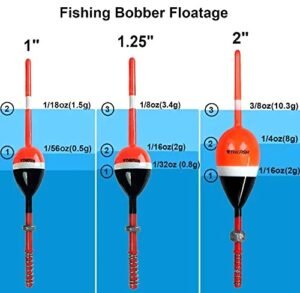
Not all bobbers are created equal. The type you choose depends on where you’re fishing, what species you’re targeting, and the conditions you’re facing. Here’s a breakdown of the most common types.
Round Bobbers (Fixed)
These are the classic clip-on bobbers most people picture when they think of fishing floats. They’re round, brightly colored, and attach to your line with a simple spring-loaded clip or a push-button mechanism.
Round bobbers are ideal for calm waters like ponds, lakes, and slow-moving rivers. They’re easy to use, affordable, and perfect for beginners. The fixed position means your bait stays at the same depth every time, which is great when fish are holding at a consistent level.
However, they do have limitations. They’re not ideal for deep water because the line length between the bobber and hook is fixed. They can also be less sensitive than other types, meaning subtle bites might go unnoticed.
Slip Bobbers
A slip bobber is a game-changer for fishing at varying depths. Unlike fixed bobbers, slip bobbers move freely up and down your line. You use a small bead and a bobber stop to set the depth where you want your bait to hang.
This design lets you fish anywhere from a few feet deep to 20 feet or more without changing your rig. When a fish bites, the line slides through the bobber, so the fish doesn’t feel much resistance. This makes slip bobber fishing incredibly effective for wary species like crappie and walleye.
Slip bobbers are also easier to cast than fixed bobbers because the weight slides down near the hook during the cast. This creates a more aerodynamic setup that flies through the air smoothly.
Pencil Bobbers (Stick Floats)
Pencil bobbers are long, thin, and cylindrical. They offer excellent sensitivity because even the lightest bite causes them to move. These are popular among float fishing enthusiasts who target species like trout in rivers and streams.
Their slim profile creates less resistance in the current, making them ideal for moving water. They’re also great for presenting live bait like worms and minnows in a natural way.
Lighted Bobbers
When the sun goes down, lighted bobbers take over. These floats have small LED lights or glow sticks built in, making them visible in low-light conditions. Night fishing for catfish, crappie, and other nocturnal species becomes much easier when you can see your bobber clearly.
Some lighted bobbers activate when they hit the water. Others have a manual switch. Either way, they add a whole new dimension to your fishing experience after dark.
Waggler Bobbers
Waggler floats are popular in European-style fishing but are gaining traction worldwide. They attach to the line at the bottom only, with the top floating freely. This design offers exceptional sensitivity and is perfect for fishing in still waters with light tackle.
How to Set Up a Bobber Rig: Step-by-Step Guide
Setting up a bobber rig correctly is essential for success. A poorly rigged bobber can spook fish, tangle your line, or fail to detect bites. Here’s how to do it right.
What You’ll Need
Before you start, gather these essentials:
- A fishing rod and reel combo (spinning combos work best for beginners)
- Monofilament or fluorocarbon fishing line (6-10 pound test for most freshwater fishing)
- A bobber of your choice
- Split shot weights (small lead or non-toxic alternatives)
- A fishing hook (size 6-10 for panfish, size 1-4 for larger species)
- Bait (live worms, minnows, or artificial lures)
- Bobber stops (if using a slip bobber)
Setting Up a Fixed Bobber Rig
- Attach the bobber: Clip your bobber onto the line at your desired depth. For beginners, start with the bobber positioned 2-4 feet above the hook.
- Add split shot weights: Pinch one or two small split shot weights onto the line about 6-12 inches above the hook. These weights help your bait sink and keep the bobber standing upright.
- Tie on your hook: Use a simple clinch knot or improved clinch knot to secure your hook to the end of the line.
- Bait your hook: Add your chosen bait to the hook. Make sure it’s secured well so it doesn’t fall off during casting.
- Test the setup: Drop your rig in shallow water to make sure the bobber floats properly and your bait hangs at the right depth.
Setting Up a Slip Bobber Rig
- Thread the bobber stop: Slide a bobber stop onto your main line first. This small piece of rubber or silicone determines how deep your bait will hang.
- Add a bead: Slide a small bead below the bobber stop. This protects your knot and prevents the stop from slipping through the bobber.
- Thread the bobber: Run your line through the slip bobber’s center channel.
- Add split shot and hook: Attach split shot weights above your hook, then tie on your hook as usual.
- Adjust the depth: Move the bobber stop up or down to change the fishing depth. This is the biggest advantage of a slip bobber setup.
Pro Tips for Rigging Success
- Use the minimum amount of weight needed to keep the bobber upright. Too much weight reduces sensitivity.
- Match your hook size to your bait and target species. A hook that’s too large will prevent fish from biting effectively.
- Keep your leader length (the line between bobber and hook) appropriate for the depth where fish are feeding.
- Check your knots regularly. A weak knot means a lost fish.
If you want to improve your overall rod handling technique, this guide on How Do You Hold A Fishing Rod offers excellent tips for better control and comfort.
When and Where to Use Bobbers for Fishing
Understanding when and where to deploy your bobber is just as important as knowing how to rig it. Different situations call for different approaches.
Best Water Conditions for Bobber Fishing
Bobbers excel in calm to moderately calm waters. Ponds, lakes, reservoirs, and slow-moving rivers are ideal environments. The stiller the water, the easier it is to read your bobber’s movements.
That said, you can absolutely use bobbers in moving water. Pencil bobbers and wagglers are specifically designed for river and stream fishing. The key is choosing the right float for the conditions and using enough weight to keep your bait in the strike zone despite the current.
Seasonal Considerations
Fish behavior changes with the seasons, and your bobber setup should change too.
Spring: Fish move into shallow waters to spawn. Use a fixed bobber set at 2-4 feet deep near shorelines, docks, and weed edges. This is prime time for catching bluegill, crappie, and bass with a simple bobber rig.
Summer: As water temperatures rise, fish often move deeper to find cooler, oxygen-rich water. Switch to a slip bobber and experiment with depths of 6-15 feet. Early morning and late evening are the best times to fish shallow.
Fall: Fish feed aggressively before winter. They can be found at various depths, so a slip bobber is your best bet for covering different water columns quickly.
Winter: In ice-free waters, fish are sluggish and hold deep. Use a sensitive bobber with light tackle and small baits. Slow presentations are key.
Target Species That Love Bobber Rigs
Almost any species can be caught on a bobber rig, but some are particularly well-suited to this approach:
- Bluegill and Sunfish: These panfish are the classic bobber fishing targets. They’re abundant, aggressive, and perfect for beginners.
- Crappie: Slip bobbers are the go-to method for crappie fishing, especially around brush piles and submerged structure.
- Trout: Drift fishing with a bobber in streams and rivers is one of the most effective trout fishing techniques.
- Perch: Yellow perch readily take bobber-presented minnows and worms near the bottom.
- Catfish: Slip bobbers with cut bait or stink bait can be deadly for channel catfish in lakes and ponds.
How to Read Your Bobber: Understanding Bite Signals
One of the most important skills in bobber fishing is learning to read what your float is telling you. Not every movement means a fish has fully taken your bait. Understanding the nuances will help you set the hook at the right moment.
The Classic Dip
When your bobber suddenly dips below the surface and stays down, that’s a clear sign a fish has taken the bait. This is the most obvious bite signal, and you should set the hook immediately. Don’t wait. A fish that has the bait in its mouth will often spit it out if it feels resistance from a poorly timed hookset.
The Subtle Bob
Sometimes a bobber will just jiggle or bob in place without going under. This usually means a fish is investigating your bait. It might be nibbling at the edges or picking it up and dropping it repeatedly. Watch closely. If the bobber starts to move sideways or slowly submerge, that’s your cue to set the hook.
Sideways Movement
When your bobber slides horizontally across the water’s surface, a fish has picked up your bait and is swimming with it. This is a positive sign. The fish has committed. Set the hook with a firm but controlled motion.
The Slow Sink
If your bobber gradually sinks rather than dipping quickly, a fish might be holding the bait gently in its mouth. This is common with larger, more cautious fish. Wait a beat, then set the hook.
False Signals
Not every bobber movement means a fish is biting. Waves, wind, and current can all cause your float to move. Small fish and bait-stealing creatures like bluegill can also create false signals by pecking at your bait. Learning to distinguish real bites from false alarms comes with experience.
Common Mistakes Beginners Make with Bobbers
Even with a simple tool like a bobber, there are pitfalls that can reduce your catch rate. Here are the most common mistakes and how to avoid them.
Using the Wrong Size Bobber
A bobber that’s too large creates too much resistance. Fish will feel the float pulling against them and drop the bait before you can set the hook. A bobber that’s too small won’t float your rig properly. Choose a bobber that’s just buoyant enough to support your hook, bait, and weights while standing upright.
Setting the Depth Incorrectly
If your bait is sitting on the bottom, you’re not fishing effectively. If it’s too high in the water column, you’ll miss the fish entirely. Pay attention to where fish are holding and adjust your bobber stop or clip position accordingly. Don’t be afraid to experiment with different depths until you find where the fish are feeding.
Ignoring Weather and Water Conditions
Wind, rain, and changing water levels all affect how your bobber performs. On windy days, use a heavier bobber or add more weight to keep your rig stable. In murky water, choose a brightly colored bobber that’s easy to see. Adaptability is a hallmark of successful anglers.
Setting the Hook Too Early or Too Late
Timing your hookset is crucial. Set too early, and you’ll pull the bait away from the fish. Set too late, and the fish may have already swallowed the bait or spit it out. Practice reading your bobber’s signals and develop a feel for the right moment.
Using Dull Hooks
This mistake has nothing to do with bobbers directly, but it ruins many fishing trips. A dull hook won’t penetrate a fish’s mouth effectively, even with a perfect hookset. Check your hook sharpness before every trip and replace hooks that feel rough or bent.
For more ways to improve your overall fishing game, explore these Best Fishing Tips Every Angler should know.
Advanced Bobber Fishing Techniques
Once you’ve mastered the basics, you can start experimenting with more advanced techniques that will help you catch more fish in a wider range of conditions.
Drift Fishing with a Slip Bobber
Drift fishing involves letting your bobber rig move naturally with the current or wind. This covers a lot of water and presents your bait to fish you wouldn’t otherwise reach. It’s incredibly effective for crappie, walleye, and trout in rivers and large lakes.
To drift fish effectively, cast upstream or upwind and let your rig drift naturally. Keep your line slightly taut so you can detect bites, but don’t drag the bobber. Let nature do the work.
Bobber Dogging
This technique is popular in trout fishing. You use a small bobber and a jig or nymph, casting upstream and allowing the rig to drift downstream at the same speed as the current. The bobber acts as both a depth controller and a strike indicator. When the bobber hesitates or dips, set the hook.
Long-Line Bobber Fishing
Instead of fishing directly below the bobber, some anglers use a long leader between the float and the hook. This allows the bait to sink slowly and naturally, which can be irresistible to cautious fish. It’s a technique often used in clear water where fish are easily spooked.
Combining Bobbers with Artificial Lures
Bobbers aren’t just for live bait. You can use them with jigs, soft plastics, and even small spinners. A bobber keeps the lure at a consistent depth and adds a visual element that can trigger strikes. This approach is particularly effective for panfish and trout.
Bobber Fishing Gear Recommendations for 2026
Having the right gear makes bobber fishing more enjoyable and productive. Here are some recommendations for the current year.
Best Rods for Bobber Fishing
A light to medium-light spinning rod in the 6 to 7-foot range is ideal for most bobber fishing situations. Light rods offer better sensitivity and make detecting bites easier. They also make fighting small to medium fish more fun.
For larger species or fishing in heavy cover, step up to a medium-power rod with a fast action. This gives you more backbone for setting hooks and controlling bigger fish.
Best Reels for Float Fishing
A spinning reel in the 1000 to 2500 size range pairs perfectly with a light rod. Look for a reel with a smooth drag system and a reliable bail. You don’t need anything fancy for bobber fishing. A dependable mid-range reel will serve you well for years.
Line Choices
Monofilament line is the most popular choice for bobber fishing. It’s affordable, easy to handle, and has enough stretch to absorb the shock of a hard hookset. Use 4-8 pound test for panfish and 8-12 pound test for larger species.
Fluorocarbon line is a great alternative for clear water fishing. It’s nearly invisible underwater, which can make a difference when targeting wary fish. However, it’s stiffer and more expensive than monofilament.
Essential Accessories
- Bobber stops and beads for slip bobber rigs
- Assorted split shot weights
- A variety of hook sizes
- A small tackle box to keep everything organized
- Pliers or hemostats for removing hooks
- A landing net for safely bringing fish to shore
Frequently Asked Questions About Bobber Fishing
What is the best bobber for beginners?
A round clip-on bobber is the best choice for beginners. It’s easy to attach, simple to adjust, and works well in most freshwater fishing situations. Start with a medium-sized bobber in a bright color like red and white so you can easily spot it on the water.
Visual guide about fishing bobber close-up
Image source: img.freepik.com
How far should the bobber be from the hook?
The distance between your bobber and hook depends on the depth where fish are feeding. A good starting point is 2 to 3 feet for shallow-water panfish. For deeper water, increase the distance accordingly. With a slip bobber, you can easily adjust this depth by moving the bobber stop up or down your line.
Can you use a bobber in saltwater?
Absolutely. Bobbers work well in saltwater fishing for species like speckled trout, redfish, and flounder. You’ll want to use corrosion-resistant hooks and heavier tackle to handle the larger fish and harsher conditions. For more on this topic, check out these Saltwater Fishing Tips to get started.
Why does my bobber keep laying on its side?
If your bobber is lying flat on the water, it doesn’t have enough buoyancy to support your rig. Either switch to a larger bobber or reduce the weight on your line. The goal is to have the bobber standing upright with just the tip visible above the waterline.
Do experienced anglers still use bobbers?
Yes, many experienced anglers use bobbers regularly. While some advanced techniques rely on feel and electronics, bobbers remain one of the most effective tools for presenting bait at a specific depth and detecting bites. Professional crappie tournament anglers, for example, rely heavily on slip bobbers to win competitions.
What color bobber is best?
The best bobber color is one that you can see easily. For most situations, bright colors like orange, yellow, red, and white work well. In bright sunlight, choose a high-visibility color. In low light or overcast conditions, a lighted bobber or a fluorescent color is your best bet. Fish don’t seem to be bothered by bobber color as much as many anglers think.
Final Thoughts: Start Fishing with Bobbers Today
Bobbers are one of the simplest yet most effective tools in all of fishing. They serve as bite indicators, depth controllers, and casting aids all in one small, colorful package. Whether you’re a complete beginner picking up a rod for the first time or a seasoned angler looking to refine your approach, understanding how to use bobbers properly will make you a better fisherman.
The beauty of bobber fishing lies in its simplicity. You don’t need expensive gear or years of experience to get started. A basic rod and reel, a few bobbers, some hooks and weights, and a handful of worms are all you need to catch fish. It’s accessible, affordable, and genuinely fun.
Remember to start with the basics. Choose the right bobber for your situation, set your depth correctly, and pay attention to what your float is telling you. As you gain experience, experiment with different types of bobbers, techniques, and presentations. Every time you’re on the water, you’ll learn something new.
So grab your gear, clip on a bobber, and head to your nearest pond, lake, or stream. The fish are waiting, and now you know exactly how to find them.
Frequently Asked Questions
What are bobbers used for in fishing?
Bobbers are used to suspend bait at a specific depth and to signal when a fish bites. They float on the water’s surface while your hook and bait hang below. When a fish takes the bait, the bobber dips, bobs, or submerges, giving you a clear visual cue to set the hook.
What is the difference between a bobber and a float?
There is no real difference. The terms “bobber” and “float” are interchangeable and refer to the same fishing tool. “Bobber” is more commonly used in North America, while “float” is the preferred term in the UK and Europe. Both serve the same purpose of keeping bait at a set depth and indicating bites.
Can you fish without a bobber?
Yes, you can fish without a bobber using techniques like bottom fishing, free-lining, or jigging. However, using a bobber makes it much easier to detect bites and control your bait depth, especially for beginners. Bobbers are particularly helpful when fishing with live bait or targeting species that feed at specific depths.
How do I choose the right size bobber?
Choose a bobber that is just buoyant enough to float your hook, bait, and weights while standing upright. If the bobber is laying flat, it’s too small. If the fish seem to feel resistance and drop the bait quickly, it’s too large. Start with a medium-sized round bobber and adjust from there based on your setup.
Do bobbers scare fish away?
In most cases, bobbers do not scare fish away. Fish are primarily attracted to the movement and scent of your bait, not the bobber floating above it. However, in very clear water with extremely wary fish, a large or brightly colored bobber could potentially spook them. Using a smaller, more natural-looking float can help in these situations.
What is a slip bobber and when should I use one?
A slip bobber is a float that slides freely up and down your fishing line, controlled by a bobber stop that sets the depth. You should use a slip bobber when fishing in deeper water, when targeting species like crappie or walleye, or when you need to frequently adjust your fishing depth. Slip bobbers also cast more easily than fixed bobbers because the weight slides down near the hook during the cast.