How To Set Up A Fishing Rod For Beginners: Easy 2026 Guide
Thread the line, tie a strong knot, add tackle, and test the drag.
If you’re new to fishing, this guide will walk you through how to set up a fishing rod for beginners the right way, step by step. I’ve taught many first casts on docks, piers, and ponds, and the same simple process works anywhere. Stick with me and you’ll learn how to set up a fishing rod for beginners with confidence, avoid common mistakes, and catch your first fish without the stress.

What You Need: The Basic Tackle Explained
Before we dive in, gather simple, beginner-friendly gear. Less is more at the start.
- Spinning rod and reel A 6 to 7-foot medium light or medium power spinning combo is flexible and easy to learn.
- Fishing line Monofilament in 6 to 10-pound test is forgiving and cheap. It knots and stretches well.
- Hooks Size 6 to 1 for small fish like bluegill and trout. Size 2/0 to 3/0 for bass or catfish.
- Weights Split shot and small egg sinkers help your bait sink and cast farther.
- Floats Clip-on bobbers or slip floats control depth and show bites.
- Swivels Small barrel swivels reduce line twist and make rigging faster.
- Baits and lures Start with worms, corn, or dough bait. For lures, try small spinners or soft plastics.
- Tools Line clippers, needle-nose pliers, and a small tackle box keep you ready.
I often hand new anglers a simple kit in a zip bag. It keeps choices clear and setup fast, which matters on the water.
This is the core list for how to set up a fishing rod for beginners without confusion.
Choose the Right Gear for Your Water and Target Fish
Match the setup to where you fish and what you hope to catch. That’s the heart of smart rigging.
- Small ponds and lakes Go with a 6-foot medium light rod, size 2000 to 2500 reel, 6 to 8-pound mono.
- Rivers with current Use a 6.6 to 7-foot medium rod, 8 to 10-pound mono, and a few extra sinkers.
- Saltwater piers Upgrade to a medium heavy rod, 3000 to 4000 reel, and 12 to 15-pound mono or 20-pound braid with a leader.
Know the rod terms:
- Power is how stiff the blank is. Medium covers many species.
- Action is where the rod bends. Fast action bends near the tip, which helps with hook sets.
- Reel size should match rod ratings printed near the handle.
This section supports how to set up a fishing rod for beginners with smart choices that reduce snags and break-offs.
What pound test line should a beginner use?
Use 6 to 8-pound monofilament for panfish and trout. Use 8 to 10-pound for bass or light catfish. Mono forgives mistakes and casts well.
What hook size should I start with?
Use size 6 to 1 for small baits and small mouths. For bass with larger baits, use size 2/0 to 3/0. Match hook size to bait size, not the fish size alone.
Is braid good for beginners?
Braid is strong and casts far, but it shows mistakes. It can cut fingers and needs better knots. Many beginners do best with monofilament first.

Step-by-Step: How to Set Up a Spinning Rod
Follow these clear steps and you will know how to set up a fishing rod for beginners in minutes.
- Assemble the rod Slide the ferrules together with a gentle twist. Align the guides in a straight line.
- Attach the reel Seat the reel foot in the reel seat. Tighten the hood until snug.
- Open the bail Flip the bail arm up before threading the line.
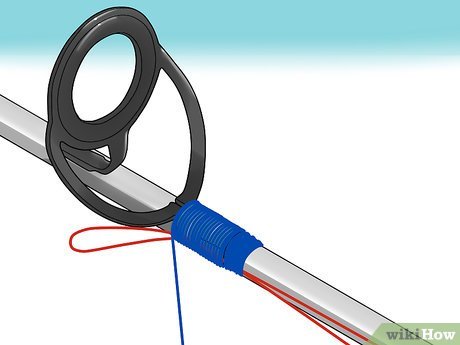
- Thread the line Feed the line through each guide from butt to tip.
- Tie line to spool Use an arbor knot around the spool. Trim the tag end.
- Close the bail and start spooling Hold the line between your fingers for light tension. The line should come off the filler spool in the same direction it goes onto the reel to reduce twist.
- Fill to the lip Stop about 1/8 inch below the spool rim. Do not overfill or you’ll get loops.
- Add a leader if needed Tie 18 to 24 inches of fluorocarbon using a double uni knot when water is clear or fish are shy.
- Tie on a swivel, hook, or lure We’ll cover knots below.
- Set the drag Pull the line at the tip. You want a smooth slip at about one quarter of line strength.
- Test cast in the yard Practice two or three casts to check for loops or wind knots.
Mistakes to avoid:
- Do not reel when the drag is slipping.
- Do not crank against the drag. Pump the rod, then reel down.
- Close the bail by hand to prevent loops.

Tie Essential Fishing Knots
You cannot learn how to set up a fishing rod for beginners without solid knots. Start with these three.
-
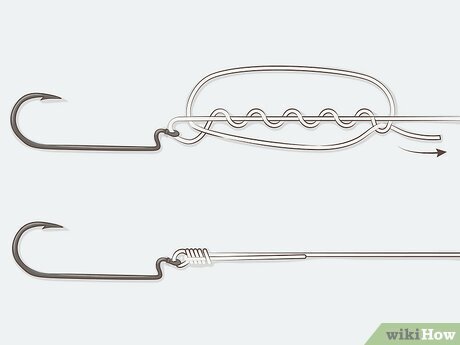
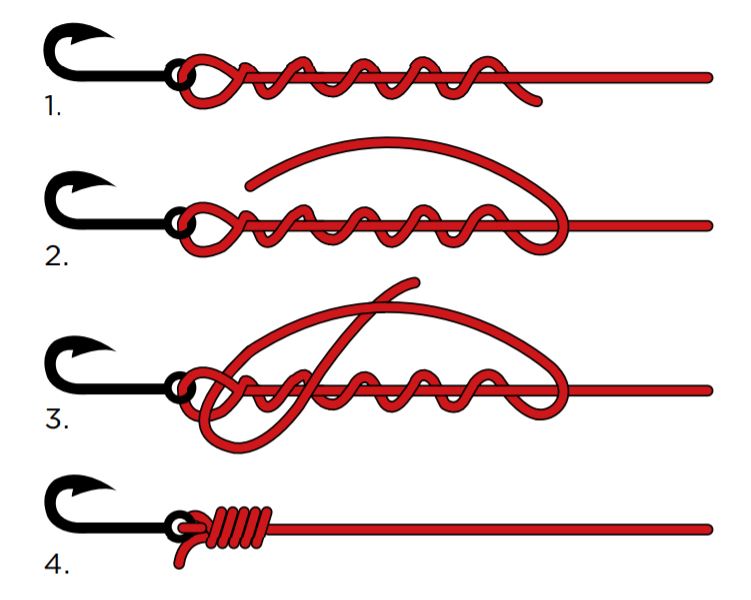
Improved clinch knot Great for hooks, swivels, and light lures.
- Pass the line through the eye and make 5 to 7 wraps.
- Pass the tag through the small loop near the eye.
- Wet the knot and pull tight. Trim the tag.
-
Palomar knot Super strong and simple for braid or mono.
- Double 6 inches of line and pass the loop through the eye.
- Tie a loose overhand knot with the doubled line.
- Pass the lure or hook through the loop. Wet and pull tight.
-
Double uni knot Join mainline to leader fast.
- Overlap lines 8 inches.
- Make a uni on one side with 5 to 7 wraps. Repeat on the other side.
- Wet and pull both standing lines to seat the knots.
Tip from the bank: Wet knots before tightening to avoid heat and weak spots. I still say wet and set out loud when I fish. It helps me slow down and tie clean.

Add Weights, Floats, and Baits
Terminal tackle makes your bait act right. Here’s how to dial it in.
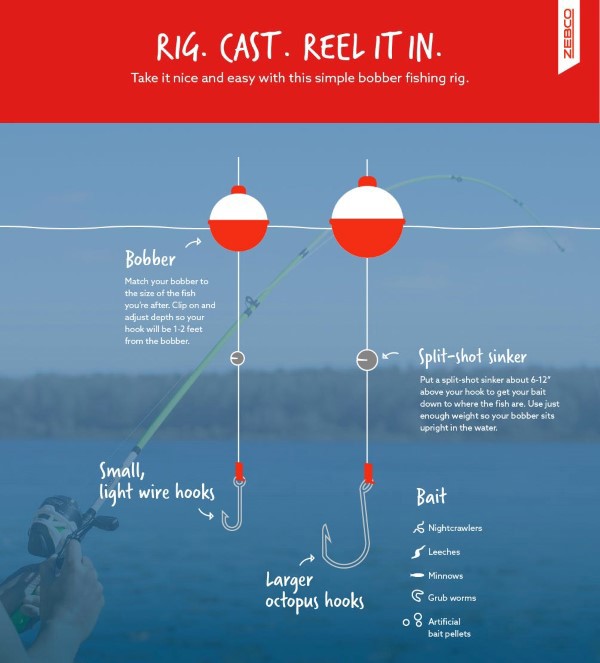
- Split shot pinch 1 to 2 small shots 6 to 12 inches above the hook for worms. Add more only if needed. Use pliers to remove them to save the line.
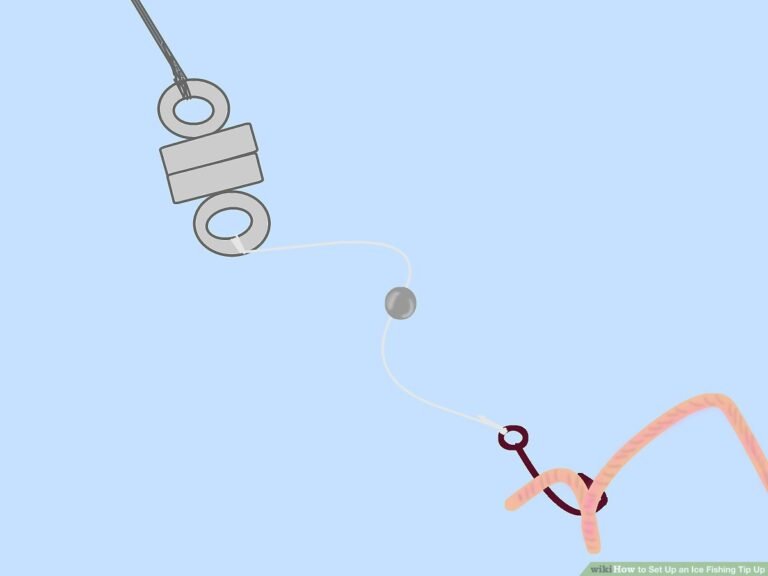
- Egg sinker bottom rig slide an egg sinker on the mainline, then a bead and swivel. Tie a 12 to 24-inch leader with a hook. This slides on bites so fish feel less weight.
- Bobbers clip-on bobbers are simple. Set it 1 to 3 feet above the hook for shallow fish. Slip floats are better for deeper water.
- Lures spinners, small spoons, and soft plastics on jig heads are easy. Tie direct with a clinch or loop knot for better action.
For scent baits, keep it small. A small morsel looks real. This keeps the bait spinning less and reduces line twist. This is a key step in how to set up a fishing rod for beginners with less tangles.
Check Drag, Bail, and Casting Basics
A smooth drag and good casting form save gear and fish.
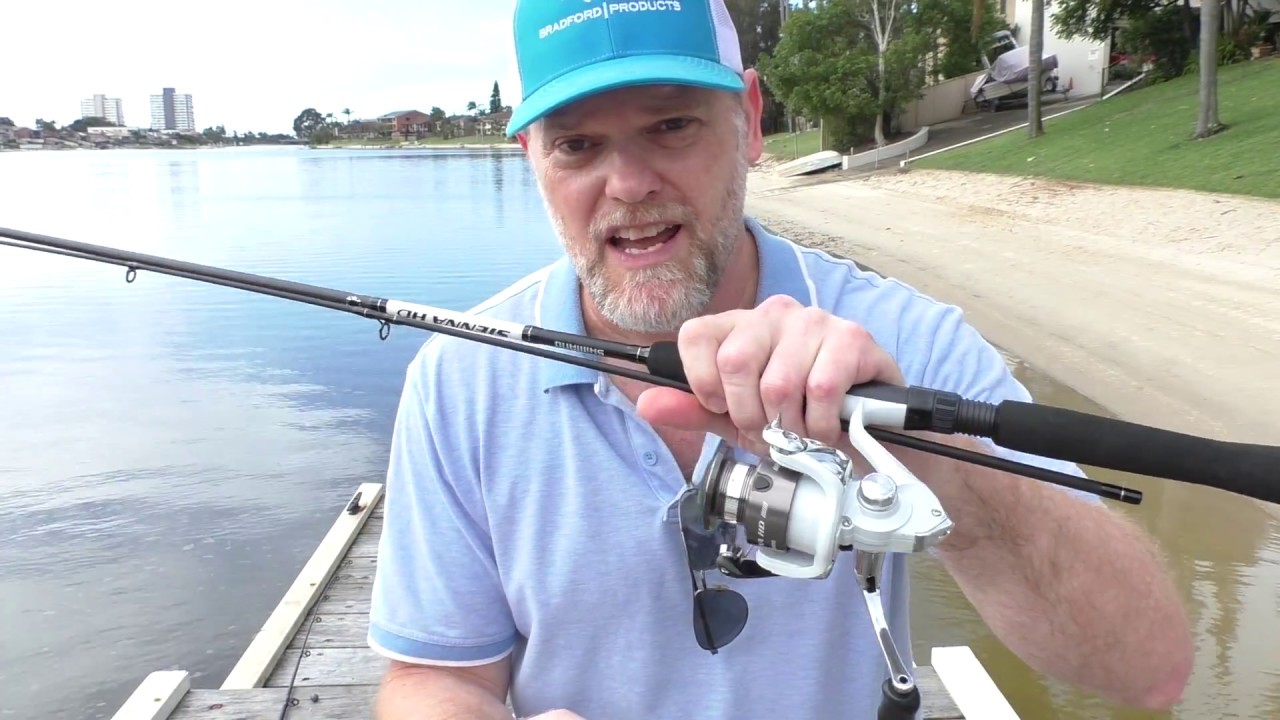
- Set the drag Aim for 25 to 30 percent of line strength. For 8-pound line, the pull at the tip should slip near 2 pounds. You can judge by feel, or use a small scale if you have one.
- Open bail and hold line Lift the bail. Hook the line with your index finger. On the cast, let go as the rod passes your ear.
- Sidearm cast for accuracy Start with short, low casts. Stop the rod at 10 o’clock to control the arc. Feather the spool lip with a finger to slow the line.
- Close bail by hand After the lure lands, flip the bail with your hand. Then gently pull the line to seat the spool before reeling.
These skills lock in how to set up a fishing rod for beginners so your first day is smooth and safe.
Safety, Rules, and Care
Fishing is fun when it is safe and respectful.
- Eye and hook safety Wear glasses or sunglasses. Keep hooks covered with hook keepers or a small piece of cork.
- Barbless or pinched barbs Easier to unhook fish and clothes. Many parks ask for it.
- Licensing and rules Most places require a fishing license and have size and bag limits. Check local rules from your state wildlife agency before you fish.
- Fish care Wet hands before handling fish. Use pliers to remove hooks. Keep fish in water when you can.
- Gear care Rinse reels and guides with fresh water after each trip, especially in saltwater. Check your line for nicks and replace when worn.
I once saved a trip by changing nicked line at the car. It took two minutes and landed the best bass of the day. That small habit adds trust to how to set up a fishing rod for beginners and keep it ready.

Troubleshooting Common Beginner Problems
Small tweaks fix most issues fast.
- Wind knots and loops Close the bail by hand and do not overfill the spool. If loops form, pull line out and rewind under tension.
- Line twist Use a swivel with spinners and live bait. Let your line trail behind the boat or in current for a minute to untwist.
- Snags Keep the hook point just proud of the bait. If stuck, pull from different angles, not straight back.
- Bobber sliding Recheck the stopper knot. Set depth again and pull both sides tight.
- Drag slipping too much Tighten the drag a little at a time. Do a fresh pull test at the rod tip.
- Dull hooks Touch up with a small file. Hooks should stick to your thumbnail with light pressure.
Use this checklist when learning how to set up a fishing rod for beginners and when tuning your first rigs at the water.

Frequently Asked Questions
How much line should I put on my reel?
Fill the spool until the line sits about 1/8 inch below the rim. Too much line causes loops and tangles. Too little line hurts casting distance.
What bait works best for beginners?
Live worms, corn, or dough bait catch many species in ponds and lakes. For lures, small inline spinners and jig heads are easy and reliable.
How often should I change my line?
Change monofilament every few months if you fish often, or after a rough snag day. If it feels rough or shows kinks, replace it.
Can kids use the same setup?
Yes, but size down the rod to 5 to 6 feet for easier handling. Use smaller hooks and bobbers to keep it simple and fun.
Do I need a leader?
Use a fluorocarbon leader in clear water or with sharp-toothed fish. If water is murky or fish are not picky, you can tie direct.
What is the easiest knot to learn first?
Start with the improved clinch knot. It is simple, strong, and covers most hooks and small lures.
Conclusion
You now know how to set up a fishing rod for beginners from the first thread to the last cast. Choose simple gear, tie clean knots, set your drag, and practice a few smooth casts. Small wins stack fast.
Take this guide to the water, set up your rod, and make your first cast today. If this helped, subscribe for more how-tos, ask a question in the comments, or share your first catch story.