How To Cook Panfish: Easy Crispy Recipe
Panfish are among the easiest fish to cook well. Their meat is mild, tender, and often slightly sweet. Bluegill, crappie, yellow perch, pumpkinseed, and other sunfish all work with simple methods such as pan-frying, baking, grilling, and air frying.
The key is to start with clean fish, dry fillets, moderate heat, and light seasoning. Panfish fillets are small, so they cook fast. A few extra minutes can turn moist meat into a dry, tough meal. This guide explains how to clean, season, cook, store, and serve panfish while keeping food safety and local fishing rules in mind.

Quick Answer: The Best Way to Cook Panfish
The best way to cook panfish is to pat the fillets dry, season them with salt and pepper, coat them lightly with flour or cornmeal, and pan-fry them in ¼ inch of oil over medium heat. Cook for about 2–4 minutes per side, depending on thickness. The fish is ready when it turns opaque, flakes easily, and reaches 145°F in the center.

For the simplest meal, use bluegill or crappie fillets, seasoned cornmeal, and a cast-iron or nonstick skillet. For a lighter meal, bake or air fry the fillets. For a richer crust, dip the fish in beaten egg before coating it.
What Counts as Panfish?
Panfish are small freshwater fish that can fit in a frying pan. The name does not describe one family of fish. It usually refers to fish that are common, easy to catch, and suitable for the table.

Bluegill, redear sunfish, pumpkinseed, crappie, yellow perch, and rock bass are common panfish. In some areas, small bass or other species may also be called panfish, although local usage can vary.
Panfish often live in ponds, lakes, slow rivers, and shallow bays. Many anglers catch them from shore with bobbers, small jigs, live bait, or light spinning tackle. Their mild taste makes them a good choice for new cooks and young anglers.
Common Panfish Species for the Table
Each species has a slightly different texture. Crappie often has soft, white flakes. Bluegill has firmer meat and a mild, sweet flavor. Yellow perch has delicate flakes and a classic fried-fish taste.
| Species | Flavor and texture | Good cooking methods |
|---|---|---|
| Bluegill | Mild, firm, and slightly sweet | Pan-fry, bake, air fry |
| Crappie | Mild, soft, and flaky | Pan-fry, bake, grill |
| Yellow perch | Delicate, tender, and sweet | Pan-fry, deep-fry, bake |
| Pumpkinseed | Mild and firm | Pan-fry, grill, stew |
| Rock bass | Firm and mild | Pan-fry, bake, foil packets |
Bluegill and yellow perch are often the easiest choices for beginners. Crappie is also simple to cook, but thin fillets need close attention because they can dry out quickly.
How to Choose Fresh Panfish
Fresh fish should smell clean and mild. It should not smell strongly sour, rotten, or like ammonia. If you buy panfish from a store, the fillets should look moist but not slimy.

If you catch the fish yourself, handle it well from the start. Keep it cold, protect it from direct sun, and clean it as soon as practical. A quality cooler with plenty of ice works well for shore fishing, kayak fishing, and boat trips.
Fresh Fish Checklist
Use this quick check before cooking:
- Flesh should look firm and moist.
- Fillets should have a clean, mild smell.
- Color should look natural for the species.
- Skin should not feel excessively slimy.
- Frozen fish should have little ice damage or freezer burn.
- Packaging should be sealed and free of leaks.
Do not leave raw fish at room temperature for long periods. Keep it below 40°F when possible. If fish has been warm for more than two hours, or one hour in very hot weather, discard it.
How Long Can You Store Panfish?
Fresh panfish are best cooked within one to two days when held in a cold refrigerator. Place the fillets in a sealed container over ice, but keep meltwater from soaking the meat.
Frozen panfish can last for several months when wrapped tightly. Vacuum-sealed fillets often keep their quality better than fish wrapped loosely in plastic or paper. If you vacuum-seal fish, follow safe sealing instructions and keep it frozen.
| Storage method | Best quality window | Main care step |
|---|---|---|
| Refrigerator on ice | 1–2 days | Keep fish below 40°F |
| Freezer bag with air removed | About 2–3 months | Use a tight double seal |
| Vacuum-sealed and frozen | About 3–6 months | Freeze quickly and label bags |
| Cooked leftovers | 3–4 days | Refrigerate within 2 hours |
These time ranges describe quality, not a guarantee of safety. Fish that was warm, dirty, or poorly handled may spoil faster.
Cleaning and Filleting Panfish
The best way to prepare panfish is to remove the scales, head, guts, fins, and bones before cooking. Some anglers cook small panfish whole, but filleting gives you a cleaner meal and makes eating easier.
You need a sharp fillet knife, a stable cutting board, clean water, paper towels, and a container for waste. A dull knife is more dangerous because it needs extra force and may slip.
Step-by-Step Filleting Method
- Rinse the fish. Wash away loose slime and debris.
- Scale the fish. Scrape from tail to head with a scaler or the back of a knife.
- Make the first cut. Place the knife behind the gill plate and cut down to the backbone.
- Turn the blade. Run the knife along the backbone toward the tail.
- Remove the fillet. Keep the blade close to the bones to save meat.
- Repeat on the other side.
- Trim the rib cage. Cut away the curved bones from the belly side.
- Check for pin bones. Feel the fillet with clean fingers and pull bones with clean pliers.
- Rinse briefly. Do not soak the meat for a long time.
- Pat dry. Dry fillets brown better and hold coatings more evenly.
The Y-bone pattern in some panfish can make filleting tricky. Bluegill and crappie usually produce easy-to-eat fillets, but small bones may remain. Run your fingers over the meat before seasoning.
Should You Leave the Skin On?
You can leave the skin on when grilling, baking, or pan-frying. Skin helps hold a thin fillet together and can become crisp. Scale the fish well first.
Remove the skin if you want a smooth coating or if you dislike the texture. To skin a fillet, place it skin-side down and slide a sharp knife between the meat and skin while pulling the skin tight.
Cleaning Tools That Help
A basic setup is enough for most anglers. You do not need expensive gear, but a sharp knife and clean work area matter more than a large tackle box.
| Tool | Why it helps | Best user |
|---|---|---|
| 6–7 inch fillet knife | Gives control on small fish | Beginners and home cooks |
| Fish scaler | Removes scales quickly | Anyone cooking skin-on fish |
| Fish pliers | Pulls pin bones | All skill levels |
| Cutting board with grip | Holds fish steady | Shore anglers and families |
| Disposable gloves | Helps with cleanup | Gift buyers and young anglers |
| Cooler with drain plug | Keeps fish cold | Boat, kayak, and shore anglers |
A fish-cleaning table is useful for frequent anglers, but a clean kitchen board works for a few fish. Never use the same unwashed surface for raw fish and ready-to-eat foods.
Seasoning Panfish for Better Flavor
Panfish have a mild taste, so they pair well with simple seasonings. Salt, black pepper, garlic powder, paprika, lemon, and parsley are reliable choices.

Season the fish just before cooking. Salt can pull moisture from thin fillets if it sits too long. If you use a wet marinade, keep the fish cold and limit the time to about 15–30 minutes.
Simple Seasoning Blends
Use about ½ teaspoon of seasoning per pound of fillets as a starting point. Adjust for your taste and the salt in the coating.
| Style | Main ingredients | Best cooking method |
|---|---|---|
| Classic | Salt, pepper, paprika, garlic powder | Pan-frying |
| Lemon herb | Lemon zest, parsley, dill, pepper | Baking |
| Cajun-style | Paprika, garlic, onion, thyme, cayenne | Pan-frying or grilling |
| Parmesan | Parmesan, garlic, breadcrumbs, pepper | Baking or air frying |
| Cornmeal crust | Cornmeal, flour, salt, pepper | Pan-frying or deep-frying |
Avoid covering mild panfish with too many strong flavors. The goal is to support the fish, not hide it.
Wet and Dry Coatings
A dry coating uses flour, cornmeal, breadcrumbs, or a mixture. It creates a crisp surface and protects the delicate meat from direct heat.
A wet coating often uses milk, buttermilk, or beaten egg. Dip the fillet in the liquid, let the excess drip off, then press it into the dry mix. This method creates a thicker crust.
Pan-Frying Panfish
Pan-frying is the most popular way to cook panfish. It is fast, affordable, and gives the fillets a crisp outside with tender meat inside.

Use a heavy skillet, such as cast iron or stainless steel, or use a good nonstick pan. Add enough oil to cover the bottom by about ¼ inch. Canola, peanut, sunflower, or vegetable oil all work well.
Easy Pan-Fried Panfish Recipe
Ingredients
- 1 pound panfish fillets
- ½ cup cornmeal
- ¼ cup all-purpose flour
- 1 teaspoon paprika
- ½ teaspoon garlic powder
- ½ teaspoon salt
- ¼ teaspoon black pepper
- 1 egg or ½ cup milk
- ¼ inch cooking oil
- Lemon wedges
Directions
- Pat the fillets dry with paper towels.
- Mix the cornmeal, flour, paprika, garlic powder, salt, and pepper.
- Dip each fillet in egg or milk.
- Press the fillet into the dry coating.
- Heat oil over medium heat.
- Test the oil with a small pinch of coating. It should sizzle but not burn.
- Place fillets in the pan without crowding them.
- Cook for 2–4 minutes on the first side.
- Turn carefully and cook for 2–3 minutes more.
- Move the fish to a rack or paper towel.
- Serve with lemon.
The fish should be opaque in the center and flake when pressed with a fork. A food thermometer is the safest way to check doneness. The thickest part should reach 145°F.
Pan-Frying Temperature and Oil
Medium heat is usually enough. If the oil smokes, the pan is too hot. If the coating absorbs oil and turns soft, the pan may be too cool or overcrowded.
Do not fill the pan with too many fillets. Crowding lowers the oil temperature and creates steam. Cook in batches if needed.
💡 Pro Tip: Place cooked fillets on a wire rack instead of directly on paper towels. Air can move around the crust, so the bottom stays crisp.
Baking Panfish in the Oven
Baking is a good choice when you want less oil and less cleanup. It also works well for families, meal prep, and thicker fillets.

Heat the oven to 400°F. Place dry fillets on a lightly oiled baking sheet or parchment paper. Brush them with melted butter or olive oil, then add seasoning or breadcrumbs.
Basic Baked Panfish
Bake thin fillets for about 10–12 minutes. Thicker pieces may need 15–18 minutes. Cooking time depends on the size and starting temperature of the fish.
For a crisp topping, combine breadcrumbs, grated Parmesan, paprika, and a small amount of olive oil. Press the mixture onto the fillets before baking.
For a moist result, place lemon slices over the fish or cover the pan loosely with foil for part of the cooking time. Remove the foil near the end so the top can brown.
Foil-Packet Panfish
Foil packets work well for camping, boating, and easy family meals. Put the fillet on foil with sliced onion, lemon, bell pepper, and a small amount of butter. Seal the packet but leave room for steam.
Bake at 400°F for about 12–15 minutes. Open the packet carefully because hot steam can burn your hands. Check the center with a thermometer before serving.
Air-Frying Panfish
An air fryer can produce a crisp coating with less oil than a skillet. It suits small households, busy parents, and anglers who want a quick meal after cleaning fish.
Preheat the air fryer to 390°F if the manufacturer recommends preheating. Spray the basket lightly with oil. Coat the fish with flour and cornmeal, breadcrumbs, or crushed crackers.
Cook thin fillets for about 8–12 minutes. Turn them halfway through cooking. Do not stack fillets, and leave space for hot air to move around each piece.
Air-fryer times vary by model and fillet thickness. The fish is ready when it flakes easily and reaches 145°F.
| Cooking method | Typical heat | Approximate time | Main benefit |
|---|---|---|---|
| Pan-fry | Medium skillet | 4–7 minutes total | Crisp crust and rich flavor |
| Bake | 400°F | 10–18 minutes | Simple cleanup and less oil |
| Air fry | 390°F | 8–12 minutes | Crisp texture with little oil |
| Grill | Medium heat | 6–10 minutes | Smoky flavor |
| Deep-fry | 350–375°F oil | 2–4 minutes | Thick, very crisp coating |
These times are starting points. Thin bluegill fillets may cook faster than thick perch or crappie pieces.
Grilling Panfish Without Losing the Fillets
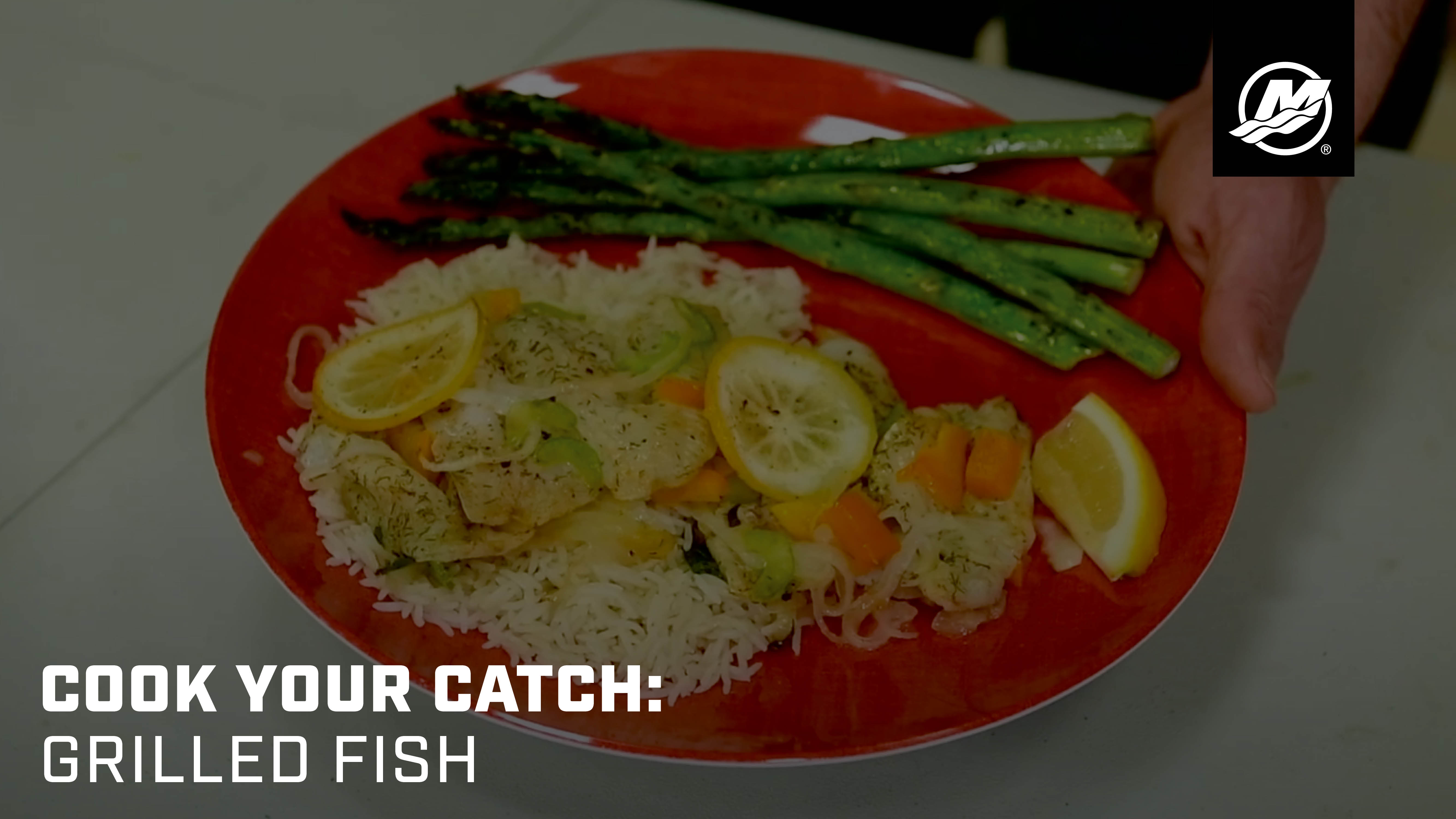
Grilling gives panfish a smoky flavor, but small fillets can break apart. Use a fish basket, grill pan, cedar plank, or foil packet when needed.
Brush the grates with oil and preheat the grill to medium heat. Pat the fish dry, brush it with oil, and season it. Place larger fillets skin-side down when possible.
Cook for about 3–5 minutes per side. Turn only once if you can. A wide spatula works better than narrow tongs.
Best Fish for the Grill
Thicker crappie, perch, and larger bluegill fillets work better than very thin pieces. Small fillets can cook too fast and fall through the grates.
A foil packet is safer for delicate fish. Add vegetables and herbs, seal the packet, and cook until the center reaches 145°F.
Cooking Whole Panfish
Small panfish can be cooked whole after scaling and gutting. Whole cooking keeps the meat moist and can reduce the amount of meat lost during filleting.
Score each side with two or three shallow cuts. Rub the fish with oil, salt, pepper, garlic, and lemon. Bake at 400°F for about 15–20 minutes, depending on size.
You can also grill whole fish in a basket. Turn it carefully and check that the flesh near the backbone is opaque. Remove the skin and bones at the table.
Whole fish contains more bones, so it may not suit young children or guests who are not comfortable with fish bones. Fillets are easier for beginners and dinner parties.
Matching Panfish to Cooking Methods
The best cooking method depends on the fillet size, your equipment, and the meal you want. A shore angler with one skillet needs a different plan than a family cooking a large batch at home.
| Angler or cook | Good method | Why it fits |
|---|---|---|
| Beginner with basic kitchen tools | Pan-fry | Fast and easy to judge |
| Parent cooking for children | Bake or air fry | Less hot oil and easy portions |
| Kayak or camping angler | Foil packets | Simple gear and cleanup |
| Experienced home cook | Grill or whole-roast | More control and flavor options |
| Low-oil household | Bake or air fry | Uses little added oil |
| Guest who dislikes bones | Boneless fillets | Easier to eat |
No method works for every fish or kitchen. Very thin fillets need shorter cooking times. Thick pieces need more time at moderate heat.
How to Tell When Panfish Is Done
The fish is done when the thickest part reaches 145°F. The meat should look opaque, separate into flakes, and feel firm but moist.
A fork test can help, but it is less exact than a thermometer. Insert the thermometer sideways into the thickest part of the fillet. Avoid touching the pan, bone, or baking sheet.
Signs of Undercooked Fish
- The center looks glassy or translucent.
- The meat feels soft and rubbery.
- The fillet does not separate into flakes.
- The center is cool compared with the outside.
- The thermometer reads below 145°F.
Return undercooked fish to the pan or oven. Check it again after one minute. Small fillets can go from undercooked to dry very quickly, so use short cooking intervals.
Signs of Overcooked Fish
- The meat is very dry.
- The edges curl hard.
- The coating burns before the center cooks.
- The fillet breaks into small dry pieces.
- White protein leaks heavily from the surface.
Overcooking often comes from high heat or leaving fish in the pan after it is done. Move cooked fillets to a plate or rack at once.
Common Panfish Cooking Mistakes
Most poor panfish meals come from a few simple errors. Drying the fish, managing heat, and avoiding crowding solve many problems.
| Problem | Likely cause | Better solution |
|---|---|---|
| Soggy coating | Fish was wet or pan was crowded | Pat dry and cook in batches |
| Burned crust | Heat was too high | Use medium heat |
| Dry meat | Cooked too long | Check early with a thermometer |
| Fish falls apart | Fillets are thin or turned too often | Use a wide spatula |
| Greasy fish | Oil was too cool | Preheat oil before adding fish |
| Bland flavor | Too little seasoning | Season fish and coating lightly |
| Strong muddy taste | Fish came from poor water or was mishandled | Keep fish cold and use clean water sources |
Do not rinse fillets for a long time. Excess water makes browning harder and can spread raw fish bacteria around the kitchen.
Avoiding a Muddy Flavor
A muddy taste may come from species, water conditions, diet, or poor storage. It is not always caused by cooking.
Keep fish cold as soon as possible. Trim away dark lateral meat if it has a strong flavor. Lemon, herbs, and a crisp coating can help, but they cannot fix spoiled fish.
If a lake or river has a fish-consumption advisory, follow it. Some waters may have limits for mercury, PCBs, bacteria, or other pollutants.
Panfish Side Dishes and Sauces
Panfish pair well with simple sides. French fries, roasted potatoes, coleslaw, green beans, cornbread, rice, and grilled vegetables all work.
For sauce, try lemon butter, tartar sauce, remoulade, hot sauce, or a yogurt herb dip. A small amount of acidity helps balance fried coatings.
Easy Lemon Butter Sauce
Melt 2 tablespoons of butter in a small pan. Add 1 tablespoon of lemon juice, a pinch of garlic powder, and chopped parsley. Warm for 30 seconds and spoon it over baked or grilled panfish.
Simple Tartar Sauce
Mix:
- ½ cup mayonnaise
- 1 tablespoon sweet pickle relish
- 1 teaspoon lemon juice
- 1 teaspoon finely chopped onion
- Black pepper to taste
Chill it for 15 minutes if time allows. This sauce suits fried bluegill, crappie, and yellow perch.
Food Safety and Kitchen Safety
Raw fish needs careful handling. Wash hands with soap before and after touching it. Clean knives, cutting boards, counters, and sink areas with hot soapy water.
Keep raw fish away from salad, bread, fruit, and cooked food. Use separate plates for raw and cooked fish. Never place cooked fillets back on a plate that held raw fish.
Use caution around hot oil. Do not add wet fish to very hot oil because water can cause dangerous splatter. Turn pan handles inward and keep children away from the stove.
⚠️ Safety Warning: Never pour water onto a grease fire. Turn off the heat if it is safe, cover the pan with a metal lid, and leave it covered. Keep a proper kitchen fire extinguisher nearby.
Fish bones, fillet knives, hooks, and pliers also need care. Store sharp tools safely, and supervise children closely when they help clean or cook fish.
Fishing Rules, Health Advisories, and Conservation
Before keeping panfish, check your state wildlife agency or local fish-and-game department. Rules may include size limits, daily bag limits, possession limits, closed seasons, special lake regulations, and bait or tackle restrictions.
Some waters restrict lead sinkers or require barbless hooks. A fishing license is usually required for adults, though exemptions may apply to children, seniors, or designated free-fishing days. Rules change by location, so confirm the current regulations before fishing.
Follow local fish-consumption advisories. These notices may recommend how often people should eat fish from a specific water. Pregnant people, nursing parents, young children, and people with certain health concerns should follow advice from public health agencies.
📜 Check Local Regulations: Your state or local wildlife agency is the final source for bag limits, size rules, seasons, licenses, and consumption advisories. Do not rely on an old fishing calendar or a friend’s memory.
Catch-and-Release Best Practices
If you release panfish, handle them with wet hands. Avoid squeezing the body or touching the gills. Remove hooks quickly with pliers.
Use barbless hooks when allowed. Keep the fish out of water for as little time as possible. If a fish is deeply hooked and local rules allow it, cutting the line close to the hook may cause less damage than pulling hard.
Dispose of old monofilament, fluorocarbon, and braided line in a recycling bin or tackle-shop collection box. Loose line can injure birds, turtles, fish, and pets.
🌿 Conservation Note: Keep only the fish you plan to eat. Selective harvest can support healthy panfish populations, especially on small lakes where large adults are important for breeding.
How Much Does It Cost to Cook Panfish?
Cooking panfish can be inexpensive. Many anglers already own a skillet, basic seasoning, and a small cooler. The larger costs usually come from fishing gear, licenses, fuel, and a good fillet knife.
| Budget level | Typical items | Best for |
|---|---|---|
| Low cost | Skillet, flour, oil, salt, pepper | Beginners and occasional cooks |
| Moderate | Fillet knife, thermometer, cooler, spice blend | Regular shore anglers |
| Higher | Vacuum sealer, fish-cleaning table, quality cookware | Frequent anglers and families |
| Travel setup | Portable stove, foil, cooler, knife | Camping and kayak trips |
A cast-iron skillet can last for decades with proper care. A nonstick pan is easier for beginners but may need replacement when the coating is damaged. A digital thermometer is one of the most useful low-cost tools because it helps prevent undercooked or dry fish.
Tips for Beginners, Kids, and Gift Buyers
Panfish are a good entry point for young anglers because the fish are often caught with simple spinning reels, spincast combos, bobbers, small hooks, and live bait. Cooking the catch can make the trip feel complete.
For a beginner, choose a simple panfish meal. Use boneless fillets, a mild cornmeal coating, and a thermometer. Avoid deep-frying until the cook is comfortable with hot oil.
For children, an adult should handle fillet knives, hot pans, hooks, and raw fish. Kids can help mix seasonings, coat fillets, squeeze lemon, and check ingredients.
A useful gift for a panfish angler may be a sharp 6-inch fillet knife, fish pliers, a small digital scale, a cooler, polarized sunglasses, or a compact tackle box. Match the gift to the angler’s habits. A pond angler may value a small spincast combo, while a boat angler may want a landing net or fish finder.
A Simple First-Catch Meal Plan
Use this plan for a first panfish dinner:
- Keep the fish cold after catching it.
- Clean and fillet the fish with adult supervision.
- Pat the fillets dry.
- Mix cornmeal, flour, salt, pepper, and paprika.
- Pan-fry in a small amount of oil.
- Check for 145°F.
- Serve with lemon, potatoes, and vegetables.
- Clean the tools and work area at once.
The process is simple enough for a first kitchen meal but still teaches useful skills for larger fish such as bass, trout, walleye, or redfish.
How to Store Leftover Cooked Panfish
Cool leftover fish quickly. Place it in a shallow container and refrigerate it within two hours. Use leftovers within three to four days.
Reheat fish gently in a 300°F oven, covered with foil. A microwave works, but it can make the fish rubbery. Add a few drops of water or lemon juice before reheating.
Leftover panfish can become fish tacos, sandwiches, chowder, fish cakes, or salad. Remove any bones before serving leftovers to children.
Do not refreeze cooked fish that has stayed warm for a long period. When in doubt, throw it out.
Frequently Asked Questions
What is the best way to cook bluegill?
Pan-frying is one of the easiest methods for bluegill. Coat dry fillets with seasoned cornmeal and flour, then cook them in ¼ inch of oil over medium heat for about 2–4 minutes per side. Bluegill can also be baked, grilled, or air fried.
Do you need to soak panfish in milk?
No. A milk soak is optional. Some cooks use milk or buttermilk to reduce strong odors and help coatings stick. Fresh, well-handled panfish usually do not need a soak.
Should panfish be soaked in salt water?
A short soak in lightly salted water may firm the meat, but it is not required. Do not soak fish for a long time because it can weaken the texture and spread raw fish bacteria around the kitchen.
Can you cook panfish with the skin on?
Yes. Scaled skin can become crisp during pan-frying or grilling. Skin also helps keep thin fillets together. Remove it if you prefer a smooth coating or dislike the texture.
What oil is best for frying panfish?
Canola, peanut, sunflower, and vegetable oils are good choices. They have mild flavors and work well over medium to medium-high heat. Use a thermometer or watch for smoke, since overheated oil can burn the coating.
How do you keep panfish from falling apart?
Pat the fillets dry, use a wide spatula, and turn them only once when possible. Thin fillets need gentle handling. A light coating can also provide support.
Can you cook frozen panfish without thawing?
You can, but thawing first usually gives better texture and more even cooking. Thaw fish in the refrigerator, not on the counter. Pat it dry after thawing before seasoning.
How do you know when panfish is safe to eat?
The thickest part should reach 145°F. The flesh should look opaque and flake easily. A food thermometer gives a more reliable answer than color alone.
Is panfish healthy?
Panfish can provide protein and useful nutrients while being naturally low in carbohydrates. The health value depends on the species, portion, cooking method, and local water advisory. Baking or air frying uses less oil than deep-frying.
Can children eat panfish?
Children can eat panfish when the fish is fully cooked and carefully checked for bones. Remove pin bones before serving. Parents should also review local consumption advisories and follow public health guidance.
What is the difference between panfish and bass?
Panfish is a broad kitchen and fishing term for small fish that fit in a pan. Bass refers to specific fish groups, such as largemouth bass and smallmouth bass. Some people call small bass panfish, but local usage differs.
How long does cooked panfish last in the refrigerator?
Cooked panfish usually keeps for three to four days in a refrigerator set below 40°F. Store it in a shallow, sealed container and refrigerate it within two hours of cooking.
Final Advice for Cooking Panfish
Good panfish starts before the skillet. Keep the catch cold, clean it with a sharp knife, remove bones, and dry the fillets well. Then choose a cooking method that fits the fish and the cook.
Pan-frying gives the classic crisp crust. Baking and air frying reduce oil and cleanup. Grilling adds smoke, while foil packets make an easy meal for camping or boating. No matter which method you choose, cook the fish to 145°F, follow local regulations, and keep conservation in mind.
A simple panfish dinner does not need fancy gear or complicated recipes. Fresh fish, steady heat, light seasoning, and careful handling are enough to turn a day on the water into a meal worth sharing.