How Young Can You Fish Without A License: Age Rules
Fishing without a license is often allowed for young children, but there is no single age rule for the entire United States. Each state sets its own fishing license age, and the cutoff may change by residency, water type, target species, and fishing method.
In many states, children under 16 can fish without buying a license. Some states set the age at 12, 14, or 15. Others allow children under 17 to fish license-free. A child may also need a special permit, trout stamp, salmon tag, or free registration even when a basic fishing license is not required.
The safest answer is simple: check the current rules from the state wildlife agency where you plan to fish before leaving home. The child’s age, the adult’s license status, the fishing location, and the species you target can all matter.

Quick answer: How young can you fish without a license?
In the United States, children can often fish without a license until age 12, 14, 15, 16, or 17, depending on the state. Many states exempt children under 16, but the rule is not national. Some places require a license at a younger age, while others require special permits, tags, or adult supervision. Always check the local wildlife agency before fishing.

A child who does not need a license still must follow all fishing laws. Size limits, daily bag limits, closed seasons, bait rules, hook rules, and water access laws can apply to everyone.
The adult with the child may also need a valid fishing license. In some states, the adult must hold the license even if the child does not. In others, the child can fish with no licensed adult present if the child is below the exemption age.
This topic matters to three groups. Parents want a low-cost and safe first fishing trip. Gift buyers need to know whether a child needs more than a rod and tackle. Experienced anglers need to avoid an accidental violation when taking a young guest, grandchild, or youth group fishing.
Why fishing license ages vary by state
Fishing licenses are controlled mainly by state wildlife agencies, not by one national rule. Each state manages its own freshwater fisheries, inland lakes, rivers, streams, and most coastal fishing rules. That is why the legal fishing age in one state may differ from the age in the next state.
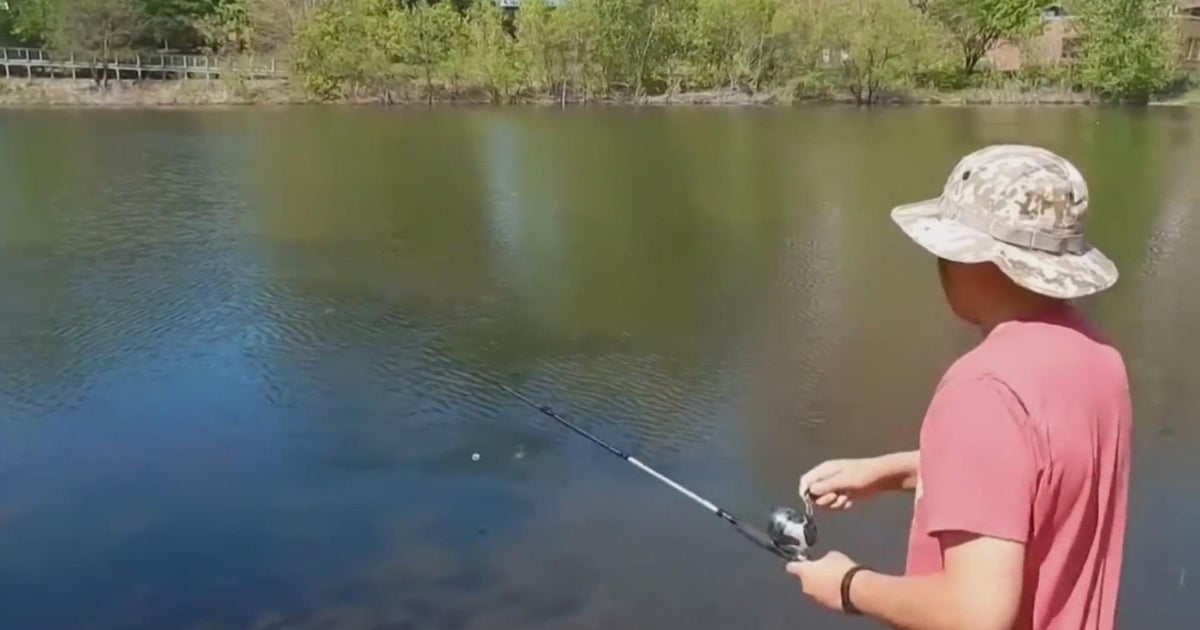
License fees help fund fish stocking, habitat work, boat ramps, law enforcement, research, and public access. A child may be exempt from the license fee because states want to encourage youth fishing, but that does not remove other regulations.
The rules may also change based on where you fish. A state may have one rule for:
- Freshwater lakes and rivers
- Inland trout streams
- Coastal saltwater
- Surf fishing
- Public piers
- Private ponds
- Tribal lands
- National wildlife refuges
- Federal reservoirs
- Border waters shared with another state
Private property does not always remove the need for a license. Some states exempt fishing in a private pond owned by the angler or landowner. Other states still regulate species, stocking, permits, or special waters.
The most common age exemptions
many states use an age exemption for children. The exemption often applies until the child’s birthday, not merely until the calendar year changes. That detail can matter during a family trip.
For example, a state may say “under 16.” That usually means the child can fish without a license through the day before turning 16. A different state may say “16 and younger,” which can include the entire year the child is 16. Do not assume these phrases mean the same thing.
Some states use a younger cutoff. Oregon, for example, has traditionally used a lower age for basic fishing license requirements than many states. Other states, including Texas, have used a higher youth exemption age. Rules can change, so use current agency information rather than an old forum post or tackle-shop memory.
Age terms that can confuse parents
License pages often use words such as “resident,” “nonresident,” “youth,” “junior,” “minor,” and “under.” These terms have legal meanings.
A resident is usually someone who meets the state’s residency requirements. A child visiting from another state may be a nonresident, even if the child is under the same age as local children. Some states give the same youth exemption to residents and visitors. Others do not.
| Rule term | What it usually means | Why it matters |
|---|---|---|
| Under 16 | The angler has not reached the 16th birthday | The exemption may end on the birthday |
| 16 and younger | The angler may be exempt through age 16 | The exact wording controls |
| Resident youth | A child who meets state residency rules | Nonresident children may have different rules |
| Nonresident youth | A visiting child from another state | A separate license may be required |
| Junior license | A reduced-cost license for a set age range | It may still be required in that state |
The key takeaway is that age alone does not answer every question. You also need to know the state, water, residency status, and type of fishing.
State fishing license age examples
A number of states allow young children to fish without a basic license. The cutoff often falls between 12 and 17. These examples show why a national answer can be misleading.
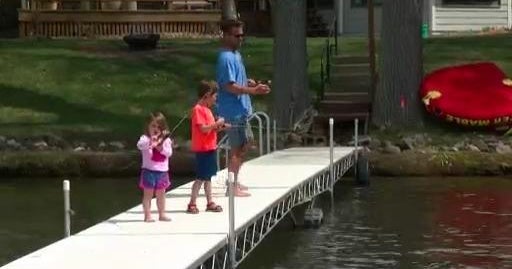
The following table gives common examples found in state fishing rules. It is not a substitute for the current regulation book. Wildlife agencies can change ages, permits, fees, and special-water rules.
| State example | Common youth exemption pattern | Check before fishing |
|---|---|---|
| Texas | Children under 17 often fish without a license | Saltwater endorsements and special rules |
| Florida | Children under 16 often qualify for an exemption | Saltwater shoreline and nonresident rules |
| California | Children under 16 often do not need a basic license | Report cards and special species |
| Pennsylvania | Children under 16 often fish without a license | Trout and salmon permits for older anglers |
| Colorado | Children under 16 often qualify for an exemption | Habitat stamps and special waters |
| Michigan | Children under 17 often qualify for an exemption | Great Lakes rules and species limits |
| Washington | Children under 15 often qualify for an exemption | Catch records and shellfish rules |
| Oregon | Young children may have a lower age exemption | Salmon, steelhead, and special tags |
Use this table as a starting point, not as legal advice. A child who can fish without a basic license may still need a free catch record card or species permit. This is common for salmon, steelhead, sturgeon, lobster, crab, shellfish, or other tightly managed species.
Freshwater, saltwater, and surf rules
Freshwater fishing often has the clearest youth exemption. A child may fish for bass, trout, catfish, panfish, or walleye without a basic license if the child is below the state age limit.
Saltwater rules can be different. Coastal states may require a saltwater license, a shoreline license, a reef-fish permit, a federal registration, or a harvest report. Surf fishing, pier fishing, and kayak fishing may fall under separate rules.
A child’s age exemption may cover the fishing license but not a required species tag. It may also cover only the child, not the adult who is holding the rod, netting the fish, or keeping the catch.
Special waters and shared boundaries
Fishing on a border river can create an extra layer of rules. The license needed may depend on which bank you stand on, which state owns the water, or whether the states have a reciprocal agreement.
Tribal waters may have separate licenses and regulations. National parks and federal wildlife refuges can also impose their own permits, closures, or tackle limits. A state license may not be enough.
📜 Check Local Regulations: Before a trip, search for the official state wildlife agency and the exact water name. Confirm the youth age, license type, special tags, bag limit, and whether the rules apply to both residents and nonresidents.
What a child may still need without a fishing license
A license exemption does not mean “no rules.” It only means the child may not need to buy the basic license. The child may still need permission, a tag, a report card, or an adult with a current license.

A child also needs legal access to the water. A public lake may have an open shoreline, but a private bank, marina, campground, or neighborhood pond may require permission. Never cross a fence or enter a closed area because a child is exempt from a license.
The child must also use legal equipment. State rules may restrict cast nets, trotlines, jug lines, spearguns, baitfish traps, lead tackle, treble hooks, barbed hooks, or live bait. These limits can apply to a young angler even during a supervised family outing.
| Possible requirement | When it may apply | Example |
|---|---|---|
| Basic fishing license | When the child reaches the state age cutoff | A teen may need a youth or adult license |
| Special permit | When targeting a regulated species | Salmon, steelhead, trout, sturgeon, or lobster |
| Catch record card | When the agency tracks harvest | Certain salmon, steelhead, or saltwater species |
| Adult license | When an adult fishes or helps keep a catch | The child’s exemption may not cover the parent |
| Access permission | When fishing private or managed property | Private ponds, marinas, parks, or tribal lands |
The adult should read the rules before helping with the tackle. In some places, an adult can assist with casting or landing a fish. In others, the person who sets the hook, holds the rod, or controls the line may be treated as the angler.
Does an adult need a fishing license when a child fishes?
Often, yes, if the adult is also fishing. The adult may need a license even when the child does not. This is one of the most common family fishing mistakes.

Suppose a parent gives a child a spinning rod and watches from shore. The child may be the only angler. If the parent picks up a second rod and casts, the parent likely needs a license.
The answer can be less clear when the adult baits the hook, helps cast, adjusts a bobber, or nets a fish. State definitions vary. A good rule is to buy an adult license if there is any doubt, especially when the license supports local conservation work.
Some states have special family, combination, or youth fishing licenses. These can make a family trip easier and may cost less than several separate licenses. Check whether the license covers freshwater, saltwater, or both.
Who owns the fish?
The way a state counts a young angler’s catch also varies. In some states, the child’s fish count toward the child’s own daily limit. In others, a child’s harvest may count toward the licensed adult’s limit, especially if the adult must hold the license for the activity.
Do not use the child’s exemption to keep more fish than the law allows. A group of four people cannot always multiply the daily limit by four. Read the rule for the exact species and water.
🌿 Conservation Note: If you are unsure how the limit applies, keep fewer fish or release the catch. Wet your hands, support the fish, remove the hook quickly, and keep the fish’s air time short.
License rules for common youth fishing situations
The same child may face different requirements on different trips. A small pond, a trout stream, and a saltwater pier can all have different rules.

The table below helps parents and gift buyers think through common situations. It does not replace local law.
| Fishing situation | Usual license question | Extra issue to check |
|---|---|---|
| Child fishing from a public lake shore | Is the child below the state age limit? | Bait, hook, size, and bag rules |
| Parent and child in a boat | Does the adult operate gear or fish too? | Life jackets and boat license rules |
| Youth trout fishing | Is a trout stamp or permit required? | Stocked waters and seasonal closures |
| Child surf fishing | Does a saltwater license apply? | Beach access and species tags |
| Youth kayak fishing | Is the water state or federal? | PFD use, registration, and weather |
| Child ice fishing | Is a license exemption in effect? | Ice thickness and shelter rules |
| Fishing on tribal land | Does tribal law control? | Tribal license and access permit |
A child on a boat should wear a properly fitted U.S. Coast Guard–approved personal flotation device. The device must fit the child’s weight and chest size. A large adult life jacket is not a safe substitute.
For kayak fishing, tell another adult where you will launch and when you expect to return. Wear the PFD from launch to landing. Avoid taking a young child onto open water when wind, cold, lightning, or boat traffic creates a serious risk.
For ice fishing, check local ice reports and never judge ice by its color alone. Ice thickness can vary across one lake. A child should stay with an experienced adult and use proper ice-safety gear.
Fishing license rules by target species
The type of fish can change the legal answer. A child who may fish for bluegill without a license could still need a permit to target a special species.

Bass, panfish, and catfish
Bass, crappie, bluegill, perch, and catfish often fall under a state’s basic freshwater rules. If the child is below the youth age cutoff, no basic license may be needed.
The child must still follow the daily limit, minimum length, closed season, and legal tackle rules. Some lakes have special bass limits or catch-and-release-only zones.
Trout
Trout rules deserve extra attention. Some states require a trout stamp or trout permit for anglers who are old enough to need a license. A young child may be exempt from both, but not always.
Stocked trout waters can have shorter seasons, special opening dates, bait restrictions, and reduced limits. Read the water-specific rule before using live bait, scented soft plastics, or treble-hook lures.
Salmon and steelhead
Salmon and steelhead often require a report card, tag, or catch record. This requirement may apply even when a child does not need a general fishing license.
A parent should record the fish at once if the law requires it. Do not wait until the end of the day. A missed report can create a violation even when the fish was legally caught.
Saltwater fish and shellfish
Redfish, striped bass, snapper, flounder, tuna, crab, lobster, and shellfish may have different rules from inland fish. Saltwater fishing can also involve federal waters, which begin at different distances from shore depending on the coast and species.
A child fishing from a pier may need no license in one state and a saltwater license in another. A free youth registration may still be required. Check rules for both the fishing location and the species.
| Target | Common gear | Rules that often matter |
|---|---|---|
| Panfish | Spincast or spinning combo, size 6–12 hook, bobber | Daily limit and bait rules |
| Bass | Spinning reel, 8–12 lb line, soft plastics or crankbaits | Length limit and seasonal rules |
| Trout | Light spinning rod or fly rod, 2–6 lb line | Trout stamp, bait, and special water |
| Catfish | Medium rod, 10–20 lb line, sinker and live bait | Trotline and hook limits |
| Redfish | Medium spinning rod, 10–20 lb braid and leader | Slot limit, saltwater license, tags |
| Surf species | Longer spinning rod, 15–30 lb line, sinker rig | Surf permit, access, and size limits |
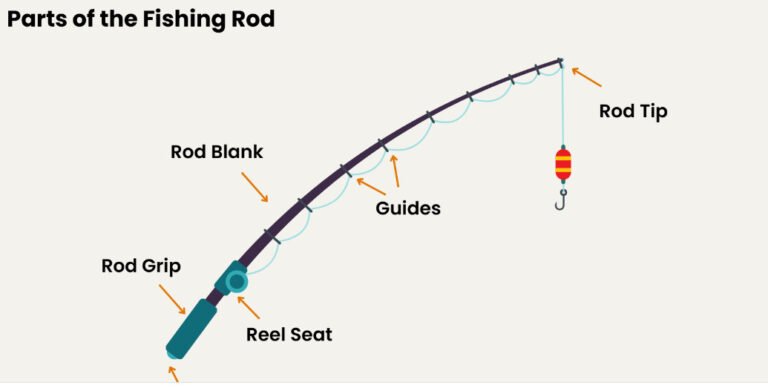
The best first setup for a child is usually a simple spincast combo or light spinning combo. A 5- to 6-foot rod with a medium-light or light power is easy to handle for panfish and small bass. Power means how much force it takes to bend the rod. Action means where the bend begins, such as fast near the tip or moderate farther down the blank.
Gear for a child who does not need a license
A license-free fishing trip still needs safe, simple gear. The right setup helps a child cast, feel a bite, and avoid frustration.
For most beginners, a spincast reel is the easiest choice. It uses a push button and has a covered spool, so it reduces line tangles. A spinning reel gives better casting range and teaches useful skills, but it needs more hand control.
A baitcaster is usually a poor first choice for a young child. It can cast well, but a new angler may create backlash, which is a knot-like tangle caused when the spool spins faster than the lure. Baitcasters suit experienced anglers who need control for bass fishing or heavier lures.
Fly rods can be a great gift for an older child who enjoys practice and casting. They are less suited to a first trip with short attention spans. Telescopic rods travel well, but cheap models may have weak guides, loose sections, or poor reels.
| Angler | Useful starter choice | Why it fits |
|---|---|---|
| Young child | 5–6 ft spincast combo | Simple button cast and light weight |
| Older beginner | 6–7 ft light spinning combo | More range and skill growth |
| Bass-focused teen | 6’6”–7’ medium spinning rod | Handles jigs, worms, and crankbaits |
| Trout angler | 6–7 ft ultralight spinning rod | Works with light line and small lures |
| Fly-fishing beginner | 8–9 ft 5-weight fly rod | General freshwater learning setup |
| Travel angler | Telescopic spinning rod | Packs into a small car or bag |
| Ice angler | 24–36 inch ice rod | Fits shelters and short vertical presentations |
A basic child’s tackle box should hold hooks, bobbers, split-shot sinkers, swivels, monofilament, fluorocarbon leaders, small jigs, soft plastics, and live-bait tools. Monofilament is stretchy and forgiving. Fluorocarbon is less visible underwater and works well as a leader. Braided line is thin and strong, but it can cut small hands and may need a leader.
⚠️ Safety Warning: Hooks, knives, pliers, and sinkers can injure children. Use barbless hooks when practical, cover hooks during travel, and keep needle-nose pliers close. An adult should handle hook removal from a person.
What to pack for a youth fishing trip
A short checklist prevents most avoidable problems. Young anglers often need comfort more than advanced tackle.

Pack water, sun protection, snacks, insect repellent, a first-aid kit, and a change of clothes. Polarized sunglasses reduce surface glare and protect eyes from flying hooks. A hat with a brim also helps with sun and hook safety.
Bring a landing net for larger fish. Use a stringer only when local law allows it and when you plan to keep legal fish. Do not leave a fish on a hot bank while searching through a tackle box.
| Item | Use | Good practice |
|---|---|---|
| U.S. Coast Guard–approved PFD | Boat, kayak, and some dock trips | Wear it when on or near open water |
| Polarized sunglasses | Glare and eye protection | Use a retainer strap |
| Needle-nose pliers | Hook removal and split shot | Keep in a sheath or tackle box |
| Landing net | Supports fish at the bank or boat | Wet the net before use |
| Small tackle box | Holds terminal tackle | Keep hooks covered |
| First-aid kit | Small cuts and stings | Check supplies before each trip |
| Water and sunscreen | Heat and sun protection | Reapply sunscreen as directed |
Tell someone your plan when fishing away from home. Share the lake, access point, return time, and phone number. This matters even on easy shore trips because falls, storms, heat, and poor cell service can turn a simple outing into an emergency.
Pros and cons of taking a child fishing without a license
Youth license exemptions make fishing easier to try, but they do not remove every cost or legal duty.

| Pros | Cons |
|---|---|
| Lowers the cost of a first fishing trip | Rules still vary by state and water |
| Lets parents test a child’s interest | Special permits may still be needed |
| Encourages time outdoors | Adults may still need their own licenses |
| Supports youth fishing programs | Age rules can be easy to misread |
| Makes short trips more affordable | Gear, access, bait, and safety costs remain |
The biggest advantage is access. A parent can buy a modest spincast combo, a small tackle box, and simple bait without making a large investment.
The biggest risk is assuming “no license” means “no regulation.” Check the rules before you fish, then spend your attention on safe casting, good sportsmanship, and a positive first experience.
Common mistakes parents and gift buyers make
Most license problems come from assumptions, not bad intent. A few minutes of research can prevent a citation and protect the child’s experience.

Mistake 1: Using another state’s age rule
A child who fishes without a license at home may need one during vacation. Do not rely on the rule from your home state. Check the state where the hook enters the water.
Mistake 2: Forgetting special permits
A trout stamp, salmon tag, catch card, or saltwater registration may be separate from the basic license. Look for species-specific requirements.
Mistake 3: Counting the child’s catch incorrectly
The child’s catch may count toward the child, the adult, or a shared household limit. Read the current rule. Never assume a second angler always creates a second full limit.
Mistake 4: Buying advanced gear too soon
A baitcaster, long surf rod, or expensive fly setup may frustrate a new child angler. Match the gear to age, strength, water, and target species.
Mistake 5: Ignoring heat and water safety
A child can become tired, cold, or sunburned quickly. Plan a short first trip. Keep the PFD on in a boat or kayak, watch the weather, and tell another person your plan.
Mistake 6: Releasing fish carelessly
Do not squeeze a fish, drag it across dry ground, or hold it in the sun for a photo. Wet your hands, support the body, and return it quickly.
👪 Parent or Gift-Buyer Note: A simple 5-foot-6-inch spincast combo, size 8 hooks, small bobbers, split shot, and live bait often make a better first gift than a complex bass setup. The best gift is one the child can cast and carry without help.
How to verify the current fishing license rule
The official state wildlife agency is the best source. Search for the state name, “fishing license age,” and the wildlife or natural resources department. Avoid relying on social media posts, old videos, or outdated tackle listings.
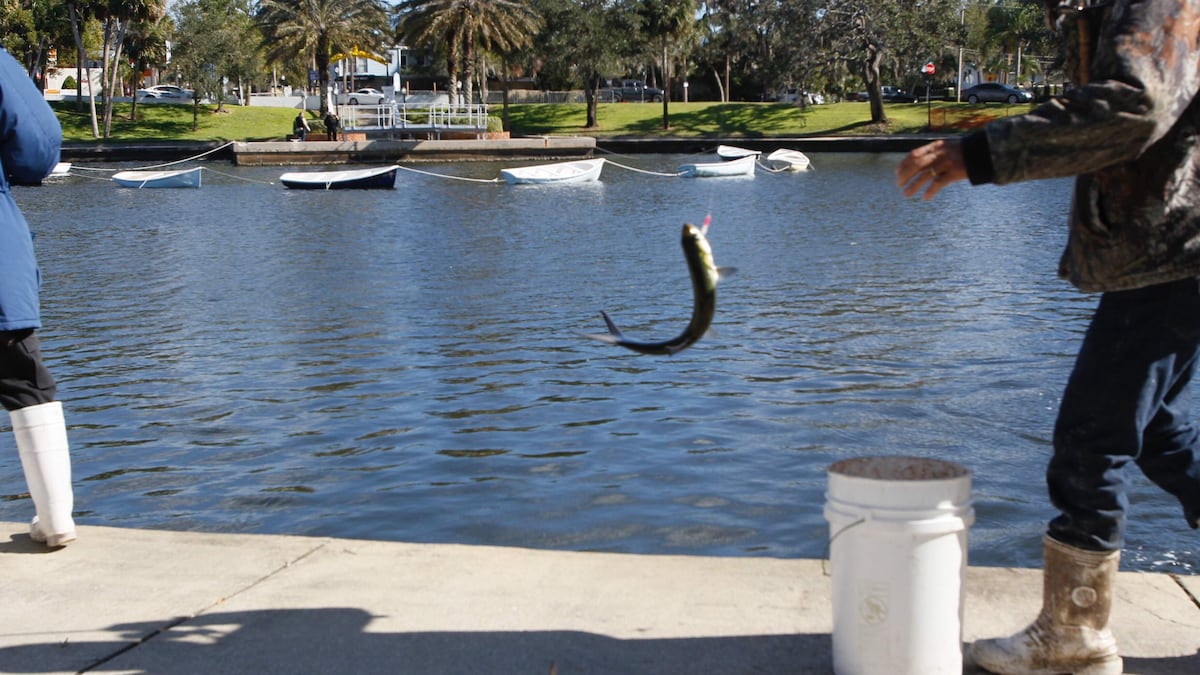
Read the current regulation page for the exact water. Look for a section on license exemptions, youth fishing, resident and nonresident rules, special permits, and catch limits.
If the language is unclear, call the agency or ask a local bait shop. A reputable tackle shop can often explain common rules, but the wildlife agency has final authority.
| Verification step | What to find | Best source |
|---|---|---|
| 1. Identify the state | State where you will fish | Official wildlife agency |
| 2. Identify the water | Lake, river, coast, pier, or park | Agency map or park office |
| 3. Check child’s age | Exact cutoff and birthday wording | Current regulations |
| 4. Check residency | Resident or nonresident status | License page |
| 5. Check species | Trout, salmon, bass, shellfish, etc. | Species rules |
| 6. Check tackle | Bait, hooks, lead, nets, and lines | Water regulations |
| 7. Save proof | Permit, receipt, or free registration | Agency account or phone |
Take a screenshot of the current rule or carry the regulation booklet when possible. Cell service may be weak at remote lakes and rivers.
How fishing licenses support conservation
A fishing license is more than a fee. In many states, license revenue helps fund fish surveys, hatcheries, habitat restoration, enforcement, public access, and education.

Federal excise taxes on fishing equipment also support fisheries work through programs such as the Sport Fish Restoration program. Anglers help fund conservation when they buy rods, reels, line, hooks, lures, and other tackle.
Youth exemptions can introduce children to fishing before they pay license fees themselves. That early experience can build respect for clean water, healthy habitat, and responsible harvest.
Teach children to:
- Keep only legal fish they plan to eat
- Follow size and bag limits
- Release unwanted fish with wet hands
- Use circle hooks when required or suitable
- Cut tangled line instead of leaving it on shore
- Dispose of bait containers and trash properly
- Avoid moving live fish between waters
- Leave gates, plants, and private property undisturbed
A child does not need a license to learn conservation. The lesson begins with how the fish is handled and how the water is left.
Frequently asked questions
Can a 10-year-old fish without a license?
Often, yes. Many states exempt children under 12, 14, 16, or 17. The exact answer depends on the state, residency status, water, and species. The child must still follow size limits, bag limits, seasons, access rules, and tackle restrictions.
Can a 12-year-old fish without a license?
In many states, yes. In some states, a 12-year-old may need a youth or regular license. Check the wording “under,” “through age,” or “16 and younger” because those phrases can create different cutoff dates.
Does a child need a license for catch-and-release fishing?
Not always. Catch-and-release does not automatically remove the license requirement. Some states require a license even when no fish are kept. The child may also need to follow hook, bait, season, and species rules.
Does a parent need a license if only the child is fishing?
The parent may not need one if the parent truly does not fish, but the answer depends on state definitions. If the parent casts, sets hooks, controls a second rod, or handles the fishing activity, buying a license is the safer choice.
Can a child fish on a private pond without a license?
Sometimes. Private-pond exemptions vary by state and may depend on ownership, stocking, public access, and the species being targeted. Permission from the landowner is still required.
Does a child need a trout stamp?
Possibly. Some states exempt young children from both the basic license and trout stamp. Other rules may require a permit, tag, or report card for trout, salmon, or steelhead. Confirm the exact water and species rule.
Can a child fish in saltwater without a license?
Sometimes, but saltwater rules often differ from freshwater rules. A state may require a saltwater license, shoreline license, free registration, species permit, or catch report. Pier fishing and surf fishing can have separate requirements.
Can a child fish in another state without a license?
Only if that state’s rules provide an exemption. A youth exemption from your home state does not carry across state lines. Nonresident children may face different age or permit requirements.
Do license-free children get their own bag limit?
Not always. The law may assign the catch to the child, the licensed adult, or a shared limit. Read the regulation for the exact species and water before keeping fish.
Does a child need a license to use a fish finder?
A fish finder does not usually decide whether a license is required. The license rule relates to fishing activity, age, residency, and water. The device may still be subject to boating, battery, or access rules.
Is a youth fishing license worth buying if the child is exempt?
It can be worthwhile in some states, but it is not always necessary. A youth license may provide access to special seasons, stamps, tags, or records. Compare the license benefits with the official exemption rules before purchasing.
What is the best first fishing setup for a child?
For most young beginners, a 5- to 6-foot spincast combo with 6- to 10-pound monofilament is easy to use. Add size 8–12 hooks, small bobbers, split shot, and live bait or simple jigs. Older children who want more casting range may prefer a 6- to 7-foot light spinning combo.
How long does a child’s fishing rod last?
A rod can last for years when stored dry and protected from car doors, heat, and high-sticking. Common failure points include broken guides, cracked tips, damaged reel seats, and loose telescopic sections. Rinse saltwater gear with fresh water after every trip and let it dry before storage.
Can a child use a baitcaster for bass fishing?
Yes, but a baitcaster usually suits an older or experienced child who can manage spool tension and backlash. A spinning reel is easier for most beginners. Start with a medium-power rod, 10- to 15-pound line, and light practice plugs before using treble-hook crankbaits.
Are fishing licenses required at free fishing events?
States often hold free fishing days when a license is not required. Other rules still apply, including bag limits, seasons, legal tackle, and access restrictions. Free fishing days may not cover special permits or private waters.
Final advice for a safe, legal youth fishing trip
The answer to “how young can you fish without a license?” depends on the state, not on one national age. Many children can fish without a basic license until age 16 or 17, while some states use a younger cutoff. Special species, saltwater, tribal lands, federal areas, and border waters can change the rule.
Before you go, confirm the child’s age exemption, the adult’s license status, the water, the target species, and any required tags or reports. Pack simple gear that fits the child’s hands. A light spinning or spincast combo, basic terminal tackle, polarized glasses, water, and a properly fitted PFD are enough for many first trips.
Make the first outing short and friendly. Let the child practice casting, watch the bobber, touch the bait, and learn how to handle a fish with care. A legal trip is important, but the lasting goal is a young angler who respects the water and wants to return.